1. Ներածություն
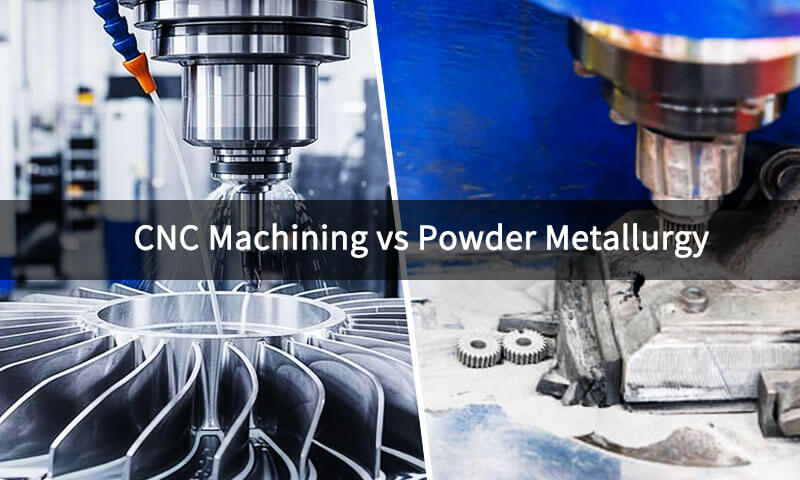
CNC machining and powder metallurgy (Երեկոյան) երկու սկզբունքորեն տարբեր, բայց փոխլրացնող արտադրական տեխնոլոգիաներ են.
CNC հաստոցներ - սուբտրակտիվ, ճկուն, and precise—excels at producing low‑ to medium‑volume components with complex geometries, Ամուր հանդուրժողականություն, և նյութերի լայն տեսականի.
Powder metallurgy—additive/consolidative, արդյունավետ, and repeatable—shines in high‑volume production of medium‑complexity parts with superior material utilisation and controlled porosity.
Choosing between them is not a matter of which is “better”. It is a strategic decision that affects cost, առաջատար ժամանակը, Նյութական հատկություններ, և դիզայնի սահմանափակումները.
2. Ինչ է CNC- ի վերամշակումը?
Համակարգչային թվային հսկողություն (CNC) վերամբարձ is a precision manufacturing process in which computer-programmed machine tools automatically remove material from a solid workpiece to produce components with highly accurate dimensions and complex geometries.
Unlike traditional manual machining, CNC systems interpret digital CAD/CAM data and convert it into precise machine movements through numerical control.
Every movement of the cutting tool—including positioning, կերակրման տոկոսադրույքը, Spindle արագությունը, կտրման խորությունը, and tool changes—is executed automatically according to programmed instructions, ensuring exceptional repeatability and consistency.
As a subtractive manufacturing process, CNC machining begins with raw stock in the form of billets, ափսեներ, ձողեր, բերում է, ձուլում, or extrusions.
Material is progressively removed through controlled cutting operations until the finished component matches the desired design.
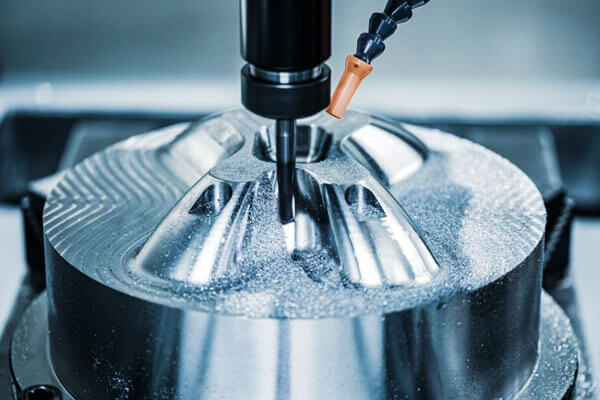
How CNC Machining Works
Although different machining operations use specialized equipment, the overall CNC machining workflow follows a systematic digital manufacturing process.
Քայլ 1: CAD Design
The process begins with a three-dimensional CAD model created using engineering software.
The model defines every geometric feature, հանդուրժողականություն, hole, radius, thread, and surface requirement of the final component.
Քայլ 2: CAM Programming
The CAD model is imported into Computer-Aided Manufacturing (Խուփ) ծրագրային ապահովում, where machining strategies are developed.
The CAM system determines:
- Գործիքներ
- Cutting sequences
- Tool selection
- Feed rates
- Spindle speeds
- Coolant strategy
- Machining simulation
- Estimated cycle time
The software then generates G-code that controls the CNC machine.
Քայլ 3: Machine Setup
Նախքան հաստոցների մշակումը, operators prepare the equipment by:
- Installing fixtures
- Mounting the workpiece
- Loading cutting tools
- Setting work coordinates
- Calibrating tool offsets
- Verifying machine parameters
Proper setup directly influences machining accuracy and productivity.
Քայլ 4: Automatic Machining
Once the machining program starts, the CNC machine executes all programmed operations automatically.
Depending on the component, operations may include:
- Դեմքի ֆրեզեր
- Pocket milling
- Slot cutting
- Դարձ
- Թելիկ
- Հորատում
- Վերամբարձ
- Ձանձրալի
- Թակել
- Հղկող
Modern machining centers can perform multiple operations within a single setup.
Քայլ 5: Տեսչական եւ որակի վերահսկում
Finished components undergo dimensional verification using advanced inspection equipment such as:
- Համակարգել չափիչ մեքենաներ (Սամիթ)
- Laser scanners
- Optical measurement systems
- Surface roughness testers
- Digital calipers
- Micrometers
Inspection data are often integrated directly into digital manufacturing systems for statistical process control.
Common CNC Machining Processes
| Ընթացք | Նկարագրություն | Բնորոշ ծրագրեր |
| CNC ֆրեզերացում | Rotating cutting tool removes material from a stationary workpiece; 3‑axis to 5‑axis. | Complex 3D surfaces, գրպաններ, սլոտ, contours. |
| CNC շրջադարձ | Workpiece rotates while a stationary cutting tool removes material. | Գլանաձեւ մասեր (լիսեռներ, քորոցներ, օղակներ, թելեր). |
| CNC Drilling | Rotating drill bit creates holes. | Holes for fasteners, fluid passages, լարեր. |
| CNC Grinding | Abrasive wheel removes material for fine surface finish and tight tolerances. | Precision shafts, կրող մակերեսներ, Մահանում է. |
| EDM (Էլեկտրական բեռնաթափման հաստոցներ) | Electrical sparks erode conductive material. | Complex cavities, hard materials, moulds. |
| Multi‑axis Machining | 4‑axis, 5‑axis, կամ ավելին; simultaneous or indexed movements. | Ավիատիեզերական բաղադրիչներ, բարդ երկրաչափություններ. |
Materials Suitable for CNC Machining
| Նյութի կատեգորիա | Բնորոշ դասարաններ / Օրինակներ | Հիմնական բնութագրերը | Ընդհանուր դիմումներ |
| Ածխածնի պողպատ | AISI 1018, 1045, 4140, 4340 | Բարձր ուժ, Լավ մեքենայականություն, ծախսարդյունավետ | Լիսեռներ, Gears, Մեքենաների շրջանակներ, Արդյունաբերական սարքավորումներ |
| Չժանգոտվող պողպատ | 303, 304, 316, 17-4 PH, 420, 440Գ | Գերազանց կոռոզիոն դիմադրություն, Բարձր ուժ, Լավ հագնելու դիմադրություն | Բժշկական սարքեր, Սննդի վերամշակման սարքավորումներ, փականներ, պոմպեր |
| Գործիք պողպատ | D2, Ա 2, O1, H13, Մ 2 | Բարձր կարծրություն, outstanding wear resistance, He երմամեկուսելի | Ձուլվածքներ, Մահանում է, Կտրող գործիքներ, հարվածներ |
| Ալյումինե համաձուլվածքներ | 6061, 6063, 7075, 2024, 5052 | Թեթեւակի, Գերազանց մեքենայական, Կոռոզիոն դիմացկուն | Ավիատիեզերական մասեր, Ավտոմոբիլային բաղադրիչներ, էլեկտրոնիկա, ռոբոտաշինություն |
| Titanium համաձուլվածքներ | Դասարան 2, TI-6AL-4V (Դասարան 5) | Բարձր ամրության-քաշի հարաբերակցությունը, Գերազանց կոռոզիոն դիմադրություն, բիոկացիոն | Օդատիենտ, Բժշկական իմպլանտներ, Ծովային բաղադրիչներ |
| Պղնձ | C101, C110 | Outstanding electrical and thermal conductivity | Էլեկտրական միակցիչներ, ավտոբուսներ, He երմափոխանակիչներ |
Փող |
C26000, C36000, C46400 | Գերազանց մեքենայական, Կոռոզիոն դիմադրություն, Գրավիչ տեսք | Փականներ, կցամասեր, plumbing hardware, Դեկորատիվ բաղադրիչներ |
| Բրոնզ | C93200, C95400 | Լավ հագնելու դիմադրություն, excellent bearing properties | Թփեր, Առանցքակալներ, Ծովային ապարատ, Gears |
| Նիկելի համաձուլվածքներ | Ինքնորոշ 625, Ինքնորոշ 718, Մանգաղ 400, Hastelloy c276 | Բարձր ջերմաստիճանի ուժ, oxidation and corrosion resistance | Օդատիեզերական շարժիչներ, Քիմիական մշակում, յուղել & գազ |
| Մագնեզիումի համաձուլվածքներ | AZ31B, Az91D | Ultra-lightweight, հեշտ է մեքենայացնել, Բարձր հատուկ ուժ | Ավիատիեզերական կառույցներ, ավտոպահեստամասեր, էլեկտրոնիկա |
| Engineering արտարագիտական պլաստմասսա | ՆԱՅԵԼ, PTFE, Պոմ (Բել), Նեյլոն, UHMW-OR, Պոլիկարբոնատ | Թեթեւակի, chemical resistant, Էլեկտրական մեկուսիչ | Բժշկական սարքեր, կիսահաղորդչային սարքավորումներ, Prec շգրիտ բաղադրիչներ |
| Կոմպոզիցիոն նյութեր | Ածխածնի մանրաթելային կոմպոզիտներ (Cfrp), G10, FR4 | Բարձր ամրության-քաշի հարաբերակցությունը, Գերազանց ծավալային կայունություն | Aerospace panels, էլեկտրոնիկա, Սպորտային ապրանքներ |
3. Ինչ է փոշի մետալուրգիան?
Փոշի մետալուրգիա (Երեկոյան) is an advanced manufacturing technology that produces metal components by compacting finely engineered metal powders into a predetermined shape
and then consolidating them through thermal processing, typically by սաստիկ below the melting point of the primary metal.
Unlike conventional casting or CNC machining, powder metallurgy forms parts with minimal material removal, դարձնելով այն Մոտ-զուտ ձեւ manufacturing process that offers exceptionally high material utilization and excellent production efficiency.
Rather than beginning with a solid billet or molten metal, powder metallurgy starts with metal powders that are carefully engineered to achieve specific particle size distributions, morphologies, Քիմիական կոմպոզիցիաներ, and flow characteristics.
These powders are blended, compacted under high pressure, and subsequently heated in controlled-atmosphere furnaces, where atomic diffusion bonds individual particles together into a dense, structurally sound component.
The process is particularly advantageous for manufacturing small to medium-sized components in high production volumes, where its ability to minimize waste, reduce secondary machining, and ensure consistent quality provides substantial economic benefits.
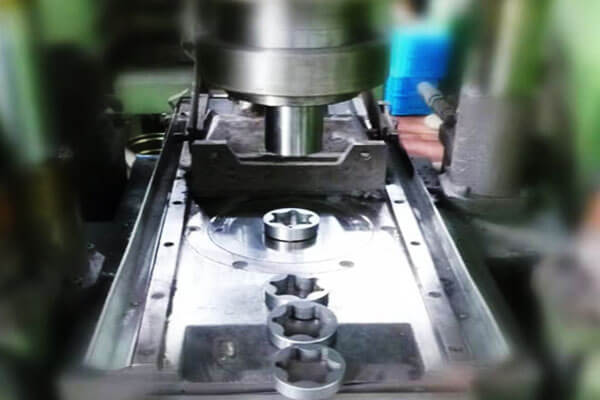
How Powder Metallurgy Works
Although different powder metallurgy technologies employ distinct consolidation methods, the conventional manufacturing workflow follows several well-defined stages.
Քայլ 1: Powder Production
The process begins with the production of high-quality metal powders.
Powder characteristics—including particle size, մասնիկների ձևը, մաքրություն, apparent density, and flowability—have a profound influence on the final component’s mechanical properties and dimensional consistency.
Common powder production methods include:
- Water atomization
- Gas atomization
- Electrolysis
- Chemical reduction
- Mechanical milling
- Carbonyl decomposition
- Plasma atomization
Each method is selected according to the required material properties and application.
Քայլ 2: Powder Blending and Conditioning
Individual powders are carefully blended to achieve the desired alloy composition and processing characteristics. Այս փուլում, manufacturers may introduce:
- Alloying powders
- Lubricants
- Կապանքներ
- Flow agents
- Sintering additives
Uniform mixing is essential to ensure consistent density, քիմիա, and mechanical performance throughout the finished component.
Քայլ 3: Սեղմում
The conditioned powder is transferred into a precision die cavity and compacted under pressures that commonly range from 400 MPa to over 800 MPA, depending on the material and process.
Compaction serves several important functions:
- Forms the initial geometry
- Increases green density
- Improves particle contact
- Provides sufficient green strength for handling
The compacted component produced at this stage is known as the green compact.
Քայլ 4: Սաստիկ
The green compact is then heated in a controlled-atmosphere furnace to temperatures below the melting point of the primary metal.
During sintering:
- Atomic diffusion occurs between adjacent particles.
- Metallurgical bonds develop.
- Porosity decreases.
- Mechanical strength increases.
- Dimensional stability improves.
Depending on the alloy system, sintering atmospheres may include hydrogen, ազոտ, արգոն, վակուում, or endothermic gas to prevent oxidation and ensure optimal metallurgical quality.
Քայլ 5: Միջնակարգ գործողություններ
Although many powder metallurgy components are produced as near-net-shape parts, additional processing may be performed when enhanced performance or tighter tolerances are required.
Common secondary operations include:
- Թոռ
- Չափանիշ
- He երմամշակում
- Մակերեւութային հարդարման աշխատանքներ
- Ներծծում
- Infiltration
- CNC հաստոցներ
- Հղկող
- Steam treatment
- Coating or plating
Major Powder Metallurgy Processes
| Ընթացք | Նկարագրություն | Բնորոշ ծրագրեր |
| Conventional press‑and‑sinter | Uniaxial pressing + սաստիկ; the most common PM process. | Gears, Առանցքակալներ, փետուրներ, Կառուցվածքային մասեր. |
| Մետաղի ներարկման ձուլում (Միաձուլվածք) | Fine powder + binder injection moulded like plastic; debind + sinter. | Փոքր, Համալիր մասեր (firearms, բժշկական, էլեկտրոնիկա). |
| Թեժ իզոստատիկ սեղմում (Հիփ) | Բարձր ջերմաստիճան + high pressure gas consolidates powder. | Ավիատիեզերական մասեր, Superalloys, fully dense components. |
| Powder forging | Preform forged to full density; combines PM + դավաճանություն. | Միացնող ձողեր, high‑strength structural parts. |
| Հավելանյութերի արտադրություն (metal powder bed) | Laser or electron beam melts powder layer by layer. | Նախատիպեր, համալիր, low‑volume parts. |
Materials Used in Powder Metallurgy
| Նյութի կատեգորիա | Բնորոշ նյութեր / Դասարաններ | Հիմնական բնութագրերը | Ընդհանուր դիմումներ |
| Մաքուր երկաթ | Atomized Iron Powder, Reduced Iron Powder | Ցածր գին, good compressibility, suitable for structural parts | Կառուցվածքային բաղադրիչներ, magnetic cores, Մեքենաների մասեր |
| Low ածր խառնուրդ պողպատ | Fe-Cu-C, Fe-Ni-Mo, Fe-Cr-Mo | Բարձր ուժ, Լավ հագնելու դիմադրություն, He երմամեկուսելի | Automotive gears, փետուրներ, transmission components |
| Չժանգոտվող պողպատ | 304Լ, 316Լ, 410Լ, 17-4 PH | Կոռոզիոն դիմադրություն, Բարձր ուժ, Լավ ծավալային կայունություն | Բժշկական սարքեր, food machinery, պոմպեր, փականներ |
| Գործիք պողպատ | Բարձր արագությամբ պողպատ (HSS), PM Tool Steels | Exceptional hardness, Հագուստի դիմադրություն, uniform carbide distribution | Կտրող գործիքներ, ձուլվածքներ, Մահանում է, հարվածներ |
| Ալյումինե համաձուլվածքներ | Aluminum Powder, Al-Si Alloys | Թեթեւակի, Լավ ջերմային հաղորդունակություն, Կոռոզիոն դիմացկուն | Ավտոմոբիլային, օդատիեզերական, Թեթեւ կառուցվածքային մասեր |
| Պղնձ | Pure Copper Powder | Excellent electrical and thermal conductivity | Էլեկտրական կոնտակտներ, ջերմային լվացարաններ, conductive components |
| Բրոնզ | Թիթեղենի բրոնզ, Ֆոսֆորի բրոնզ | Excellent bearing performance, self-lubricating capability | Առանցքակալներ, թփեր, Gears |
| Փող | Cu-Zn Alloys | Լավ կոռոզիոն դիմադրություն, մեքենայություններ, decorative appearance | Կցամասեր, փականներ, Pl րամատակարարման բաղադրիչներ |
Նիկելի վրա հիմնված համաձուլվածքներ |
Ինքնորոշ 625, Ինքնորոշ 718, Հաստելո, Մանգաղ | Բարձր ջերմաստիճանի ուժ, Օքսիդացման դիմադրություն | Տուրբինային բաղադրիչներ, օդատիեզերական, Քիմիական սարքավորումներ |
| Titanium համաձուլվածքներ | CP Titanium, TI-6AL-4V | Բարձր ամրության-քաշի հարաբերակցությունը, Կենսաբազմություն, Կոռոզիոն դիմադրություն | Բժշկական իմպլանտներ, օդատիեզերական, Հավելանյութերի արտադրություն |
| Հրակայուն մետաղներ | Վոլֆրամ, Մոլիբդեն, Տանտալ | Չափազանց բարձր հալման կետ, excellent wear and heat resistance | Էլեկտրական կոնտակտներ, պաշտպանություն, օդատիեզերական, բարձր ջերմաստիճանի բաղադրիչներ |
| Cemented Carbides | Tungsten Carbide-Cobalt (WC-CO), Տիտան կարբիդ (Տիֆ) | Ultra-high hardness, Գերազանց հագուստի դիմադրություն | Կտրող գործիքներ, mining tools, մաշվածության դիմացկուն ներդիրներ |
| Soft Magnetic Materials | Fe-Si, Fe-Ni, Fe-P Alloys | High magnetic permeability, low core loss | Էլեկտրական շարժիչներ, Տրանսֆորմատորներ, ինդուկտորներ |
| Permanent Magnetic Materials | NdFeB, SmCo, Ֆերիտ | Strong magnetic properties, high energy density | Motors, սենսորներ, generators, EV systems |
| Self-Lubricating Materials | Oil-Impregnated Iron or Bronze | Controlled porosity stores lubricants, maintenance-free operation | Առանցքակալներ, թփեր, Էլեկտրական շարժիչներ, household appliances |
| Մետաղի ներարկման ձուլում (Միաձուլվածք) Feedstocks | Չժանգոտվող պողպատ, Գործիք պողպատ, Տիտղոս, Cobalt-Chromium | Fine powders enable intricate geometries and excellent surface quality | Բժշկական գործիքներ, էլեկտրոնիկա, precision mechanical parts |
4. Manufacturing Principles: Material Removal vs. Near‑Net Shape
| Չափանիշ | CNC հաստոցներ | Փոշի մետալուրգիա |
| Սկզբունք | Հսակիչ (removes material from solid block). | Additive/consolidative (builds from powder). |
| Նյութերի օգտագործում | 30‑80% (depending on part geometry); scrap is generated. | >95% (very little waste; green scrap is recycled). |
| Starting material | Բարերար, ձող, ափսե, շիլա, կամ ձուլում. | Metal powder. |
| Գործիքավորում | Կտրող գործիքներ (ջրաղացներ, փորվածքներ, ներդիրներ) – relatively low cost. | Precision dies (press dies) – high cost. |
| Post‑processing | Հաճախ նվազագույն (deb‑urring, փայլեցում). | He երմամշակում, չափանիշ, վերամբարձ (երբեմն). |
| Shape complexity | Շատ բարձր (3Հանկարծ, թերագնահատում, complex surfaces). | Չափավոր (2.5Հանկարծ, սահմանափակ կրճատումներ; draft angles required). |
| Բաժնի հաստությունը | Unlimited. | Սահմանափակ (typically 1‑10 mm; հնարավոր են ավելի բարակ հատվածներ). |
5. Process Comparison: CNC հաստոցներ ընդդեմ. Փոշի մետալուրգիա
Although both technologies manufacture precision metal components, they differ significantly in production methodology, ճկունություն, ճշգրտություն, էֆեկտիվություն, եւ մասշտաբային.
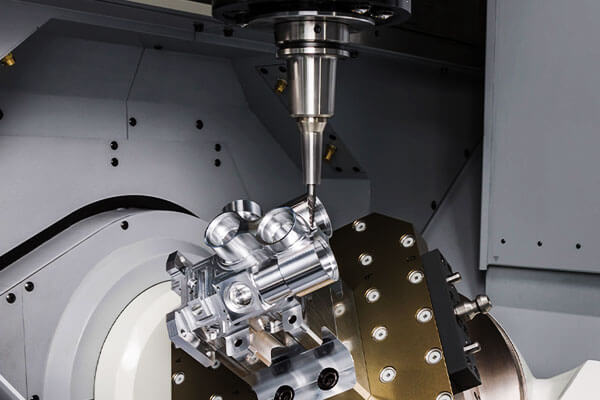
Production Workflow
CNC machining follows a digital workflow involving CAD modeling, CAM programming, machine setup, կտրում, եւ ստուգում.
Each part is individually machined, making the process highly adaptable but relatively time-intensive.
Powder metallurgy relies on die-based manufacturing.
Once tooling has been developed, powder filling, խտացում, սաստիկ, and optional finishing can be performed continuously with minimal operator intervention, enabling extremely high throughput.
Manufacturing Flexibility
CNC machining offers unmatched flexibility. Modifying a design often requires only updating the machining program, making it ideal for prototyping, Պատվերով բաղադրիչներ, and low-volume production.
Powder metallurgy is less adaptable because dimensional changes usually require redesigning precision dies, increasing both cost and lead time.
Մաս բարդություն
CNC machining can produce highly complex geometries, especially with 5-axis machining. Այնուամենայնիվ, internal enclosed cavities and lattice structures may be difficult or impossible to machine.
Powder metallurgy excels at producing intricate external geometries with consistent repeatability.
Processes such as Metal Injection Molding can manufacture miniature components with exceptional detail, though conventional die pressing imposes limits on undercuts and side features.
Ծավալային ճշգրտություն
Modern CNC machining routinely achieves tolerances of:
- ±0.005 mm to ±0.02 mm for precision components
- Even tighter tolerances with grinding and fine finishing
Conventional powder metallurgy typically achieves:
- ±0.03 mm to ±0.10 mm after sintering
- Improved tolerances after sizing or secondary machining
Մակերեւույթի ավարտը
CNC-machined surfaces can reach:
- Ra 0.2–1.6 μm after finishing
- Mirror-quality finishes through polishing or grinding
Powder metallurgy components generally exhibit:
- Ra 1.6–6.3 μm after sintering
- Improved finishes following machining or polishing
Կրկնելիություն
Both technologies provide excellent production consistency.
CNC relies on precise machine control and repeatable toolpaths, while powder metallurgy achieves remarkable repeatability through fixed tooling and automated compaction processes.
6. Մեխանիկական հատկությունների համեմատություն: CNC հաստոցներ ընդդեմ փոշի մետալուրգիայի
| Սեփականություն | CNC հաստոցներ (wrought stock) | Փոշի մետալուրգիա (press‑and‑sinter) | Միաձուլվածք (fine powder) |
| Խտություն (% theoretical) | 100% | 85- 95% | 95‑98% |
| Առաձգական ուժ | Գերազանց (wrought properties). | 80‑95% of wrought (depending on density). | 90‑98% of wrought. |
| Բերք տալ ուժ | Wrought level. | 80‑90% of wrought. | 90‑95% of wrought. |
| Երկարացում | 10‑35% (պողպատ). | 2‑15% (density‑dependent). | 5‑20% (alloy‑dependent). |
| Կարծրություն | Wrought level. | Համեմատելի է (same material). | Համեմատելի է. |
| Ազդեցության կոշտություն | Գերազանց. | Իջնել (porosity acts as stress raiser). | Լավ (ավելի բարձր խտություն). |
| Հոգնածության ուժ | Գերազանց (100% խիտ). | Իջնել (stress risers from porosity). | Լավ (բարձր խտություն). |
| Կարծրություն | Գերազանց. | Wrought‑like (80- 95%). | Wrought‑like (90‑98%). |
| Կոռոզիոն դիմադրություն | Full wrought properties. | Similar to wrought (but porosity can trap corrosive agents). | Similar to wrought. |
Հիմնական պատկերացում: PM parts are not fully dense (typically 85‑95% for press‑and‑sinter).
This residual porosity reduces tensile strength, առաձգականություն, and fatigue resistance compared to wrought materials. Այնուամենայնիվ, for many applications, the reduction is acceptable.
Հիփ և Միաձուլվածք produce much higher densities (95‑99%), մոտենալով կռած հատկություններին.
7. Precision and Quality Comparison: CNC հաստոցներ ընդդեմ փոշի մետալուրգիայի
| Չափանիշ | CNC հաստոցներ | Փոշի մետալուրգիա |
| Ծավալային ճշգրտություն | ±0.005‑0.02 mm (milling/turning); ±0.001‑0.005 mm (մանրացնել). | ±0.05‑0.1 mm (as‑sintered); ±0.01‑0.02 mm (sized/coined). |
| Երկրաչափական բարդություն | Շատ բարձր; can machine undercuts, internal threads, free‑form surfaces. | Չափավոր; essentially 2.5D; no undercuts; draft required. |
| Մակերեւույթի ավարտը | Ra 0.4‑3.2 µm (վերամբարձ); Ra 0.1‑0.4 µm (grinding/polishing). | Ra 3‑12 µm (as‑sintered); Ra 0.8‑3 µm (sized). |
| Կրկնելիություն | Գերազանց (CPK >1.33). | Լավ (Cpk 1.0‑1.33); sintering shrinkage variation can reduce Cpk. |
| Defect risk | Գործիքների հագնում, շաղակրատել, ջերմային աղավաղում. | Ծակոտկենություն, density gradients, խափանում, dimensional variation. |
| Զննում | Սամիթ, optical comparators, surface profilers. | Սամիթ, density measurement, porosity analysis, Նիդ. |
8. Full-Lifecycle Economic Cost Analysis
| Cost element | CNC հաստոցներ | Փոշի մետալուրգիա |
| Հումք | Չափավոր-բարձր (բարերար, ձող, ափսե). | Ցածր (powder is cheaper per kg; >95% utilisation). |
| Գործիքավորում | Ցածր-չափավոր (Կտրող գործիքներ, հարմարանքներ). | Բարձր (press dies, sinter trays). |
| Labour | Չափավոր (programming, սարք, շահագործում). | Ցածր (automated pressing; supervision only). |
| Machine amortisation | Չափավոր-բարձր (CNC machines $100k‑1M). | Բարձր (presses $200k‑1M; sintering furnaces). |
| Էներգիա | Չափավոր (կտրում, սառնարան). | Բարձր (sintering furnaces). |
Ավարտ |
Հաճախ նվազագույն (Անհրաժեշտության դեպքում). | May require heat treatment, չափանիշ, վերամբարձ. |
| Scrap value | Ցածր (scrap is recyclable but lower value than powder). | Բարձր (green scrap recycled). |
| Total per‑part cost (Low ածր ծավալը) | Ցածր-չափավոր. | Շատ բարձր (tooling amortised). |
| Total per‑part cost (միջին ծավալը, 1‑5k) | Չափավոր. | Moderate‑low. |
| Total per‑part cost (բարձր ծավալ, >10ք) | Բարձր (labour, machine time). | Շատ ցածր (tooling amortised). |
9. Առավելություններ եւ սահմանափակումներ
Both CNC machining and powder metallurgy are mature manufacturing technologies with distinct strengths and weaknesses.
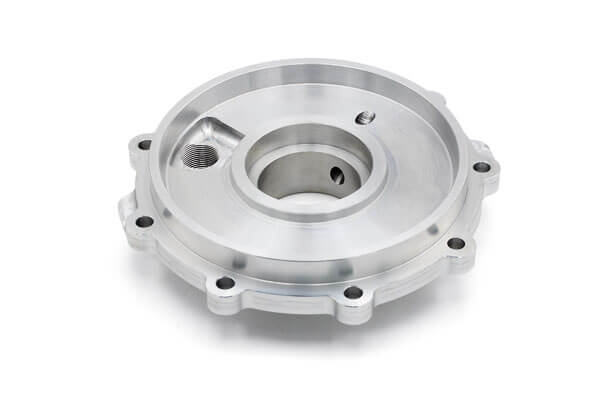
CNC հաստոցների առավելությունները
CNC machining is widely recognized for its flexibility, ճշգրտություն, and ability to process virtually any machinable material.
- Բացառիկ ծավալային ճշգրտություն
- Excellent geometric precision
- Superior մակերեւույթի ավարտը
- Wide material compatibility
- No expensive dedicated tooling
- Rapid design modifications
- Ideal for prototypes and custom parts
- Excellent mechanical properties from wrought materials
- Suitable for low- and medium-volume production
- High flexibility for engineering changes
- Multi-axis machining enables highly complex geometries
- Tight quality control and repeatability
Limitations of CNC Machining
Despite its versatility, CNC machining has several inherent limitations.
- Significant material waste
- Longer machining cycles for complex parts
- Higher unit cost in mass production
- Tool wear increases production cost
- Limited productivity for millions of identical components
- Complex fixtures may be required
- Difficult to manufacture enclosed internal features without specialized techniques
Advantages of Powder Metallurgy
Powder metallurgy offers a fundamentally different set of benefits centered on efficiency and scalability.
- Near-net-shape manufacturing
- Outstanding material utilization
- Minimal scrap generation
- Excellent repeatability
- Արտադրության բարձր արագություն
- Low cost per part in mass production
- Uniform alloy composition
- Ability to produce porous components
- Միջնակարգ ներմուծում կրճատված
- Excellent dimensional consistency
- Highly automated production
- Environmentally friendly due to low waste
Limitations of Powder Metallurgy
Although powder metallurgy excels in large-scale production, it also has several constraints.
- High tooling investment
- Less economical for prototypes
- Limited flexibility for design modifications
- Conventional PM may contain residual porosity
- Size limitations imposed by compaction equipment
- Complex undercuts are difficult in die pressing
- Some precision features require secondary machining
- Mechanical properties of conventional PM may be lower than wrought materials
- Longer development time due to tooling fabrication
10. Բնորոշ արդյունաբերական ծրագրեր: CNC հաստոցներ ընդդեմ փոշի մետալուրգիայի
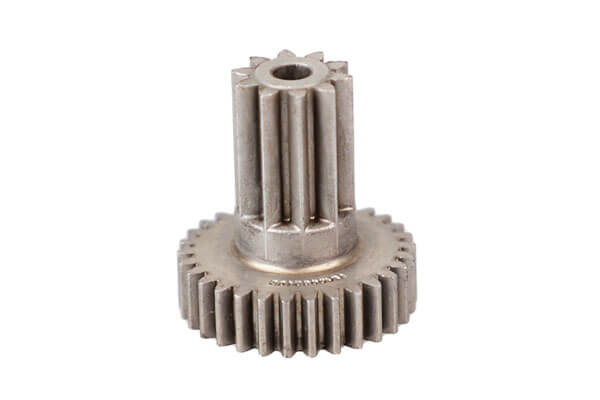
| Արդյունաբերություն | CNC հաստոցներ | Փոշի մետալուրգիա |
| Ավտոմոբիլային | Նախատիպեր, Շարժիչի բլոկներ, Մխոց գլուխներ, custom gears, լիսեռներ. | Gears, փետուրներ, synchroniser hubs, Միացնող ձողերը, Առանցքակալներ, valve guides. |
| Օդատիենտ | Տուրբինային շեղբեր, Կառուցվածքային բաղադրիչներ, Landing Gear, Շարժիչի մոնտաժներ, avionics housings. | Թփեր, կնիքներ, Զտիչներ, Թափել լվացող սարքեր, titanium brackets (Միաձուլվածք). |
| Բժշկական | Վիրաբուժական գործիքներ, օրթոպեդիկ իմպլանտներ, dental abutments, MRI components. | Վիրաբուժական գործիքներ (Միաձուլվածք), օրթոպեդիկ իմպլանտներ (HIP/MIM), dental files. |
| Էլեկտրոնիկա | Ջերմային լվացարաններ, պարիսպներ, միակցիչներ, Կիսահաղորդիչների բաղադրիչներ. | Soft magnetic cores, միակցիչներ, ջերմային լվացարաններ, EMI վահան. |
Արդյունաբերական մեքենաներ |
Պոմպային տներ, Փական մարմիններ, Gears, լիսեռներ, machine tool components. | Թփեր, Առանցքակալներ, ախեր, փետուրներ, հագնել ափսեներ. |
| Յուղել & գազ | Փական մարմիններ, Պոմպի ազդակներ, եզրեր, pipeline fittings. | Filter elements, tungsten‑heavy alloy balancing weights, seal rings. |
| Սպառողական ապրանքներ | Կենցաղային տեխնիկա, Էլեկտրական գործիքներ, ապարատ, Սպորտային ապրանքներ. | Lock components, zipper parts, small brackets, firearm components (Միաձուլվածք). |
11. CNC հաստոցներ ընդդեմ փոշի մետալուրգիայի: Ինչպես ընտրել?
Choosing between CNC machining and powder metallurgy requires evaluating multiple engineering and economic factors rather than focusing on a single performance metric.
The following comparison summarizes the key differences between the two manufacturing technologies, providing a practical reference for engineers, product designers, and procurement professionals.
| Comparison Item | CNC հաստոցներ | Փոշի մետալուրգիա (Երեկոյան) |
| Manufacturing Principle | Subtractive manufacturing; material is removed from a solid workpiece. | Near-net-shape manufacturing; metal powders are compacted and sintered into shape. |
| Starting Material | Բարեր, շիլաներ, ափսեներ, բերում է, ձուլում, արտանետումներ. | Metal powders with controlled particle size and composition. |
| Primary Equipment | CNC milling machines, խառատահաստոց, machining centers, սրճարաններ. | Powder presses, injection molding machines, sintering furnaces, HIP systems. |
| Նյութի օգտագործում | Չափավոր (typically 50–90%, depending on part geometry). | Գերազանց (typically 95–99%). |
| Նյութական թափոններ | High due to chip generation. | Շատ ցածր; minimal scrap. |
| Գործիքների արժեքը | Ցածր մինչեւ չափավոր. | High due to precision dies and molds. |
| Դիզայնի ճկունություն | Չկապված; design changes require only software updates. | Չափավոր; tooling modifications are expensive and time-consuming. |
| Prototype Capability | Գերազանց. | Աղքատ է չափավոր. |
Ծավալային ճշգրտություն |
Գերազանց (±0.005–0.02 mm achievable). | Լավ է գերազանց (±0.03–0.10 mm; tighter with secondary sizing or machining). |
| Մակերեւույթի ավարտը | Գերազանց; Ra 0.2–1.6 μm or better after finishing. | Լավ; Ra 1.6–6.3 μm after sintering, improved with secondary finishing. |
| Երկրաչափական բարդություն | Գերազանց, especially with multi-axis machining. | Լավ; MIM enables intricate shapes, while conventional PM has die-related limitations. |
| Internal Features | Limited by tool accessibility. | Certain internal geometries are achievable without machining, depending on the process. |
| Մեխանիկական հատկություններ | Գերազանց; retains wrought material properties with full density. | Լավ է գերազանց; advanced PM processes (Հիփ, powder forging) approach wrought properties. |
Խտություն |
Համարյա 100% տեսական խտություն. | 85–99.9%, depending on the PM process. |
| Ծակոտկենություն | Essentially none. | Controlled porosity or near-full density depending on the application. |
| Հագուստի դիմադրություն | Excellent after heat treatment and coating. | Գերազանց; alloy composition can be optimized for wear applications. |
| Կոռոզիոն դիմադրություն | Determined by material grade; fully dense structure offers excellent performance. | Depends on alloy and density; residual porosity may reduce resistance unless sealed or densified. |
| Արտադրության արագություն | Չափավոր; machining time increases with complexity. | Very high after tooling is completed. |
| Արտադրության ծավալ | Լավագույնը նախատիպերի համար, ցածր ծավալ, and medium-volume production. | Best for medium- to high-volume and mass production. |
| Automation Level | Բարձր. | Շատ բարձր. |
Միջնակարգ գործողություններ |
Usually limited to heat treatment and surface finishing. | May include sizing, վերամբարձ, մանրացնել, ներթափանցում, եւ ջերմային բուժում. |
| Առաջատար ժամանակը | Short for new products. | Longer due to tooling development. |
| Միավորի արժեքը (Low Volume) | Ցածր. | Բարձր. |
| Միավորի արժեքը (Բարձր ծավալը) | Higher than PM. | Very low due to economies of scale. |
| Բնապահպանական ազդեցություն | Higher energy consumption and material waste. | Lower waste and excellent material efficiency. |
| Տիպիկ արդյունաբերություններ | Օդատիենտ, բժշկական, ռոբոտաշինություն, յուղել & գազ, ճշգրիտ սարքավորումներ. | Ավտոմոբիլային, Էլեկտրական գործիքներ, Սպառողական էլեկտրոնիկա, Առանցքակալներ, Կառուցվածքային բաղադրիչներ. |
| Իդեալական ծրագրեր | High-precision custom parts, Նախատիպեր, Բարդ բաղադրիչներ. | High-volume standardized components with consistent geometry. |
12. Եզրափակում
CNC machining vs powder metallurgy represent two of the most important manufacturing technologies in modern industry, each offering unique advantages based on different engineering principles.
CNC machining remains the benchmark for ճշգրտություն, ճկունություն, and customization. Its subtractive manufacturing approach enables exceptional dimensional accuracy, superior surface quality, and compatibility with a wide range of engineering materials.
It is the preferred solution for prototypes, Low ածր ծավալի արտադրություն, Բարձրորակ բաղադրիչներ, and applications where tight tolerances and complex geometries are essential.
Փոշի մետալուրգիա, Ի հակադրություն, is built upon the concept of near-net-shape manufacturing, emphasizing material efficiency, production consistency, and cost-effective mass production.
By minimizing waste and reducing secondary machining, PM has become indispensable for industries such as automotive, Էլեկտրական գործիքներ, Սպառողական էլեկտրոնիկա, եւ արդյունաբերական մեքենաներ, where millions of identical components must be produced economically without compromising quality.
As manufacturing continues to evolve through Industry 4.0, Թվային երկվորյակներ, Արհեստական բանականություն, advanced powder processing, and multi-axis CNC systems, the integration of these technologies will further enhance productivity and expand design possibilities.
Companies that understand the capabilities and limitations of both processes will be better equipped to develop innovative products, optimize manufacturing costs, and maintain a competitive advantage in an increasingly demanding global market.
ՀՏՀ
What is the main difference between CNC machining vs powder metallurgy?
The primary difference lies in the manufacturing principle.
CNC հաստոցը ա Ներկայացման գործընթաց that removes material from a solid workpiece, while powder metallurgy is a near-net-shape process that forms components by compacting and sintering metal powders.
CNC machining prioritizes precision and flexibility, whereas powder metallurgy focuses on material efficiency and high-volume production.
Is powder metallurgy suitable for prototype manufacturing?
Շատ դեպքերում, ոչ. The high cost and long lead time associated with tooling make powder metallurgy uneconomical for prototypes or very small production runs.
CNC machining is typically the preferred choice for prototype development due to its flexibility and minimal tooling requirements.
What is the maximum part size for powder metallurgy?
Press‑and‑sinter PM parts typically weigh <10 kg and have a diameter <300 մմ. Larger parts can be produced by HIP (Թեժ իզոստատիկ սեղմում) or powder forging, but these are more expensive.
Can powder metallurgy parts be machined after sintering?
Այո. Many powder metallurgy components undergo secondary CNC machining to produce precision holes, թելեր, Կնքման մակերեսներ, or bearing seats that require tighter tolerances than the sintering process alone can achieve.