1. Bevezetés
Nikkel -ötvözetek, composed primarily of nickel and various other alloying elements, are celebrated for their unparalleled corrosion resistance, magas hőmérsékleti teljesítmény, és a mechanikai tartósság.
These advanced materials have become indispensable across critical industries such as aerospace, vegyi feldolgozás, energiatermelés, és a tengeri mérnöki munka.
From their origins in early industrial metallurgy to the emergence of sophisticated alloy families,
Like Inconel, Hastelloy, and Monel, nickel alloys have consistently evolved to meet increasingly demanding performance requirements.
Nevezetesen, the global nickel alloy market is projected to grow at a CAGR of approximately 4.5% through 2030, driven by heightened demand for durable, high-performance materials in extreme environments.
This article presents a comprehensive exploration of nickel alloys, analyzing their composition, mikroszerkezet, tulajdonságok, feldolgozási módszerek, alkalmazások, és a feltörekvő innovációk.
2. Overview of Nickel Alloys
Nickel alloys are a versatile and vital family of materials that have revolutionized high-performance engineering over the past century.
Characterized by their base composition of nickel, Általában kezdve 30% újra 95%,
These alloys are further enhanced by the addition of elements such as chromium, molibdén, vas, réz, titán, és alumínium.

The specific combinations and proportions of these elements define the alloy’s structure and performance, tailoring it for demanding environments where conventional metals would fail.
3. Kémiai összetétel és mikroszerkezet
Kulcsszivágó elemek kulcsfontosságú elemei
Nickel forms the backbone of these alloys, but its properties are significantly enhanced by carefully selected elements:
| Elem | Funkció |
|---|---|
| Nikkel (-Ben) | Base element providing corrosion resistance and high-temperature strength |
| Króm (CR) | Improves oxidation resistance and forms passive protective layers |
| Molibdén (MO) | Fokozza a pontozás és a hasadék korróziójának ellenállását |
| Vas (FE) | Reduces cost and adjusts thermal expansion |
| Titán (-Y -az), Alumínium (Al) | Essential for precipitation-hardening |
| Kobalt (Társ) | Boosts high-temperature strength and oxidation resistance |
Microstructure and Phase Control
Most nickel alloys exhibit an austenitic matrix, giving them excellent ductility and thermal stability.
In precipitation-hardenable types, finely dispersed intermetallics (PÉLDÁUL., gamma prime γ’) enhance strength without compromising toughness.
Controlled heat treatment and solidification refine the grain structure, Csökkentse a hibákat, and optimize mechanical performance.
Például, Kuncol 718 achieves peak strength through the formation of γ” and γ’ phases during aging treatment.
4. Common Grades of Nickel Alloys
Nickel alloys are not a one-size-fits-all category. Within the broader classification, specific grades have been developed to meet rigorous performance standards across various industries.
Each alloy grade is distinguished by its unique combination of alloying elements, mechanikai tulajdonságok, korrózióállóság, and suitability for particular service environments.
Ebben a szakaszban, we explore the most commonly used nickel alloy grades, highlighting their composition, legfontosabb tulajdonságok, and representative applications.
Kuncol® Sorozat (Nickel-Chromium-Based Alloys)
The Inconel family, developed by Special Metals Corporation, is synonymous with high-temperature strength and oxidation resistance.
These alloys are widely used in aerospace, nukleáris, és a vegyipari feldolgozóipar.

| Fokozat | Kulcselemek | Tipikus tulajdonságok | Alkalmazások |
|---|---|---|---|
| Kuncol 600 | ~ 72% -uk van, 14–17% CR, 6–10% Fe | Excellent oxidation resistance, mérsékelt erő | Kemence alkatrészek, nuclear steam generators |
| Kuncol 625 | ~ 58% -a van, 20–23% CR, 8–10% MO, Földrajzi jelzés | Superior corrosion and fatigue resistance | Subsea pipelines, aerospace ducts |
| Kuncol 718 | ~52% Ni, 18.6% FE, 19% CR, 5.1% Földrajzi jelzés, 0.9% -Y -az | High strength via precipitation hardening | Sugárhajtómű alkatrészek, kriogén tárolótartályok |
Hastelloy® Sorozat (Nickel-Molybdenum/Chromium Alloys)
Hastelloy alloys are designed to withstand the most aggressive chemical environments, including hydrochloric, kén-, és salétromsavak.

| Fokozat | Kulcselemek | Tipikus tulajdonságok | Alkalmazások |
|---|---|---|---|
| Hastelloy C-22 | -Ben, CR (~ 22%), MO (~13%), FE, W | Kiváló ellenállás a hüvelyesnek, hasadék, and stress corrosion | Vegyi reaktorok, súrolók |
| Hastelloy C-276 | -Ben, MO (~ 15%), CR (~ 16%), FE | Superior resistance to strong oxidizers and reducers | Gyógyszerkészítmény, szennyvízkezelés |
| Hastelloy B-2 | -Ben, MO (~ 30%), FE | Exceptional resistance to reducing acids | Vacuum systems, pickling tanks |
Monel® Sorozat (Nickel-Copper Alloys)
Monel alloys are particularly suitable for marine and chemical environments due to their excellent resistance to seawater and corrosive media.

| Fokozat | Kulcselemek | Tipikus tulajdonságok | Alkalmazások |
|---|---|---|---|
| Monel 400 | ~67% Ni, 28–34% CU, small Fe, MN | Nagy szilárdság, korrózióállóság, hővezető képesség | Szivattyú tengelyek, seawater valves, hőcserélők |
| Monel K-500 | Monel 400 + Al, -Y -az | Age-hardenable with high mechanical strength | Rögzítőelemek, rugó, tengelyek, tengeri hardver |
Jegyzet: Monel alloys retain their toughness and ductility at sub-zero temperatures, making them ideal for cryogenic services.
Nimonic® and Incoloy® Ötvözetek (High-Temperature Nickel Alloys)
These high-strength, high-temperature nickel-based superalloys are used in gas turbines and nuclear reactors.
| Fokozat | Kulcselemek | Tipikus tulajdonságok | Alkalmazások |
|---|---|---|---|
| Nimonic 90 | -Ben, CR (~20%), Társ, -Y -az, Al | Excellent creep resistance at 900°C | Turbina lemezek, égési kamrák |
| Incoloy 800H/HT | -Ben (~30-35%), CR (~20-23%), FE (~40-50%) | Resistance to oxidation, carburization at elevated temperatures | Petrochemical heaters, hőcserélők |
| Kocsmát 825 | -Ben (~42%), FE (~ 30%), CR (~20%), MO, CU, -Y -az | Excellent resistance to sulfuric and phosphoric acids | Acid production, pollution control equipment |
Emerging and Specialized Nickel Alloys
Az utóbbi években, nickel-titanium (Niti) alloys such as Nitinol have gained popularity for their shape memory and superelastic properties, ideal for medical stents and actuators.
Emellett, high-entropy nickel alloys and nanostructured compositions are being explored for next-generation aerospace and defense applications.
5. Physical and Mechanical Properties of Nickel Alloys
Nickel alloys are highly regarded for their exceptional combination of physical and mechanical properties, which enables them to perform reliably in some of the most demanding service environments.
From high thermal loads to aggressive chemical exposure, these alloys maintain structural integrity and performance consistency where conventional materials often fail.
Ebben a szakaszban, we explore the key physical and mechanical attributes that make nickel alloys indispensable across critical industries.
Erő és keménység
Nickel alloys are designed to retain strength even at elevated temperatures and under extreme stress. Például:
- Kuncol 718 boasts a yield strength of up to 1034 MPA (150 KSI) és tensile strength approaching 1379 MPA (200 KSI),
making it ideal for aerospace components exposed to both high mechanical loads and thermal stress. - Monel 400, though lower in strength, offers high toughness and moderate hardness (~130–200 HB), which suits marine and chemical processing environments.
The superior strength of many nickel alloys is further enhanced through processes such as solid solution strengthening, csapadékkeményítés, vagy munka edzés, depending on the alloy type.
Haibbság és keménység
Despite their strength, nickel alloys retain excellent ductility—a crucial feature in dynamic loading environments. Például:
- Szakadási nyúlás for alloys like Inconel 625 Jellemzően között van 30–50%, allowing the material to deform plastically without cracking.
- Nickel alloys also maintain ütközési szilárdság at cryogenic temperatures.
This makes them suitable for applications like LNG storage és spacecraft fuel tanks, where embrittlement is a critical concern.
This unique balance of strength and ductility reduces the risk of sudden failure under load, particularly in safety-critical applications.
Korrózió és oxidációs ellenállás
One of the most defining features of nickel alloys is their resistance to both general and localized corrosion.
The presence of elements like chromium, molibdén, and tungsten significantly enhances corrosion resistance:
- Hastelloy C-276 demonstrates superior resistance in chloride-laden and acidic environments, withstanding pitting and crevice corrosion better than stainless steels.
- Kuncol 625 exhibits outstanding resistance to oxidation and carburization up to temperatures of 980° C (1800° F).
Ráadásul, nickel alloys resist granuláris korrózió due to their stable microstructures, even after exposure to welding or prolonged thermal cycling.
Hőstabilitás és magas hőmérsékleti teljesítmény
Nickel alloys are widely used in high-temperature environments due to their stability and resistance to thermal degradation. Key thermal properties include:
- Hővezető képesség: terjed 9 hogy 14 W/m · k, Az ötvözettől függően.
Though lower than copper or aluminum, this is acceptable in high-heat environments where mechanical strength is prioritized. - Hőtágulási együttható (CTE): általában között 12–16 µm/m·°C, providing predictable thermal deformation, which is vital in joint design and dimensional tolerance planning.
- Kúszó ellenállás: Many nickel alloys, especially Nimonic and Inconel grades, exhibit outstanding creep strength.
Például, Nimonic 90 maintains structural integrity at temperatures exceeding 1000°C, making it suitable for turbine blades and combustion systems.
Fatigue and Wear Resistance
Nickel alloys also demonstrate superior fatigue strength, which is crucial in cyclic loading conditions:
- Fáradtság élettartama Túlléphet 10⁶ ciklusok under moderate stress for Inconel 718, especially when shot peened or surface-treated.
- The alloys also resist galling and adhesive wear, making them a popular choice for valve seats, rögzítőelemek, and bearing surfaces exposed to repetitive motion or contact.
Comparative Summary of Key Nickel Alloy Properties
| Ingatlan | Kuncol 625 | Hastelloy C-276 | Monel 400 | Nimonic 90 |
|---|---|---|---|---|
| Hozamszilárdság (MPA) | ~ 450–550 | ~355 | ~240–345 | ~670 |
| Meghosszabbítás (%) | ~30–50 | ~ 40 | ~ 35 | ~ 20 |
| Max működési hőmérséklet (° C) | ~980 | ~1040 | ~ 550 | ~1000+ |
| Korrózióállóság | Kiváló | Kiemelkedő | Jó | Mérsékelt |
| Hővezető képesség (W/m · k) | ~ 9.8 | ~10.2 | ~ 22 | ~ 12 |
6. Processing and Fabrication Techniques of Nickel Alloys
Ebben a szakaszban, we examine the critical steps involved in casting, kovácsolás, megmunkálás, hegesztés, hőkezelés, and finishing of nickel alloys.
Highlighting best practices, kihívások, and technological innovations.
Casting és kovácsolás
Öntvény és kovácsolás are primary shaping techniques for nickel alloys, each offering unique benefits depending on the final application.
- Befektetési öntés: This method is widely used for producing complex geometries, especially in aerospace and power generation industries.
The vacuum induction melting (Vim) process is often employed to minimize impurities and oxidation.
Investment casting of nickel alloys enables high dimensional accuracy and excellent surface finishes, with tolerances as tight as ±0.05 mm. - Vákuum ív újracserélése (A miénk): Commonly used in producing high-purity ingots, VAR helps eliminate segregation and ensures a homogeneous microstructure.
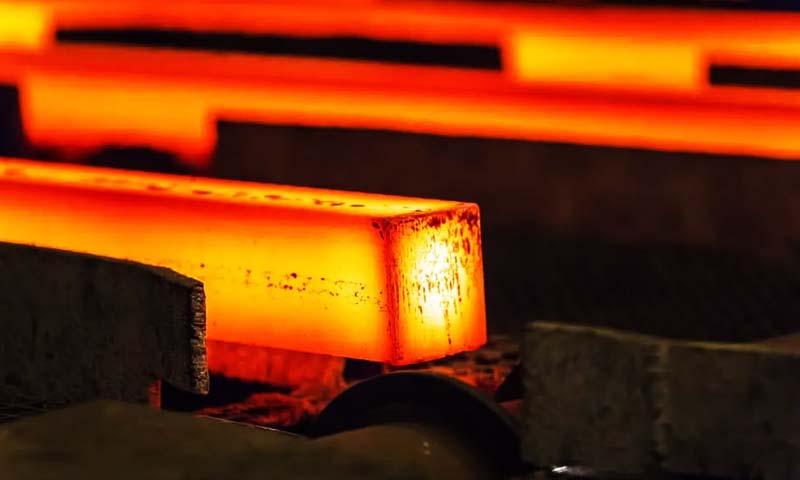
- Kovácsolás: Nickel alloys are typically forged at high temperatures (950–1200 ° C), which improves their mechanical strength by refining grain structure.
Forged nickel alloy components, such as turbine discs or pressure vessels, exhibit superior fatigue and creep resistance compared to cast parts.
Megmunkálási megfontolások
Nickel alloys are notoriously difficult to machine due to their high work-hardening rate, alacsony hővezető képesség, and strength retention at elevated temperatures.

- Szerszámkészítés: Carbide and ceramic cutting tools are essential. Tool wear is a major concern—nickel alloys can cause tool degradation up to three times faster than stainless steel under similar conditions.
- Paraméterek vágási paraméterek: Lower speeds (15–60 m/én), Mérsékelt betáplálási arányok, and high-pressure coolant systems are used to minimize heat buildup and preserve tool life.
Hegesztés és csatlakozás
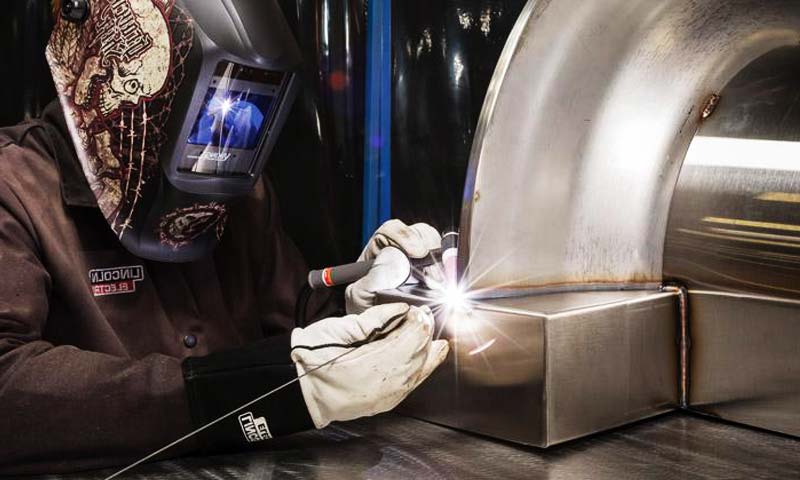
Nickel alloys exhibit good weldability, particularly solid-solution strengthened grades like Inconel 600.
Viszont, challenges such as hot cracking, porozitás, and phase transformation must be managed carefully.
- Preferred Welding Techniques:
-
- GTAW (TIG hegesztés): Offers high precision and control.
- Harapás (Nekem hegesztés): Suitable for larger weldments.
- Lézernyaláb hegesztés: Used for high-precision, low-distortion applications.
- Töltőfémek: Selection must match base metal chemistry to avoid galvanic corrosion and metallurgical incompatibilities. Például, Hastelloy C-22 filler is used for high-Mo alloys.
- Hegesztést követő hőkezelés (PWHT): Stress-relief annealing and solution treatment are often required to restore corrosion resistance and mechanical uniformity.
Heat Treatment Techniques
Hőkezelés is essential in optimizing mechanical properties and corrosion resistance.
- Oldat -lágyítás: Typically performed at 1000–1200°C, this dissolves precipitates and homogenizes the microstructure. Rapid quenching is necessary to retain the desired phase distribution.
- Aging/Precipitation Hardening: Applied to alloys like Inconel 718 or Waspaloy, aging at 650–760°C encourages the formation of gamma prime (γ′) and gamma double prime (C ″) eltorzul, significantly enhancing tensile and creep strength.
- Stressz enyhítő: Helps to reduce residual stresses post-machining or welding, minimizing the risk of distortion or cracking during service.
Surface Finishing and Coating
Nickel alloys benefit from surface finishing processes that enhance corrosion resistance, megjelenés, and cleanliness.
- Elektropropolising: Removes surface impurities and improves smoothness, reducing the risk of pitting corrosion, particularly valuable in chemical processing environments.
- Passziválás: Forms a stable oxide layer on the surface, typically using nitric or citric acid, which enhances resistance to oxidizing environments.
- Fejlett bevonatok:
-
- Termálpermet bevonatok: Provide thermal barrier or wear resistance in turbines and exhaust systems.
- PVD/CVD bevonatok: Improve surface hardness and reduce wear in high-friction applications.
A folyamat optimalizálása és a minőség -ellenőrzés
To ensure consistent performance, manufacturers rely on advanced simulation and control systems:
- Véges elemmodellezés (Fem): Simulates thermal gradients and stress distribution during casting and forging, allowing process refinement before full-scale production.
- Romboló tesztelés (NDT): Techniques like ultrasonic testing, eddy current inspection, and X-ray radiography are essential for identifying internal flaws in critical parts.
- Digital Manufacturing Tools: Integration of IoT sensors and real-time process feedback enables proactive quality control, reducing scrap rates and rework by up to 30%.
7. Applications of Nickel Alloys
Nickel alloys are indispensable across a wide range of industries, where they are used in some of the most demanding applications.
Repülőgép
-Ben űrrepülés, nickel alloys are crucial for components that must withstand extreme temperatures and mechanical stresses:
- Turbine Blades and Vanes: Materials like Inconel 718 and Hastelloy X are commonly used due to their ability to maintain structural integrity at temperatures exceeding 700°C (1,292° F).
This makes them ideal for use in jet engines. - Motor alkatrészek: Parts such as combustion chambers, exhaust nozzles, and afterburners benefit from nickel alloys’ high-temperature strength and oxidation resistance.
- Szerkezeti részek: The combination of strength and lightweight characteristics allows nickel alloys to be used in critical structural components, enhancing aircraft performance and safety.
Kémiai feldolgozás és petrolkémiai anyagok
The chemical processing industry relies heavily on nickel alloys for their outstanding resistance to corrosive environments:
- Reactor Vessels and Heat Exchangers: Nickel alloys such as Hastelloy C-276 and Monel offer superior resistance to acids, lúg, és más agresszív vegyi anyagok, making them suitable for reactors handling highly corrosive media.
- Csővezeték -rendszerek: Corrosion-resistant piping made from nickel alloys ensures long-term reliability and reduces maintenance costs in plants processing chemicals or petrochemicals.
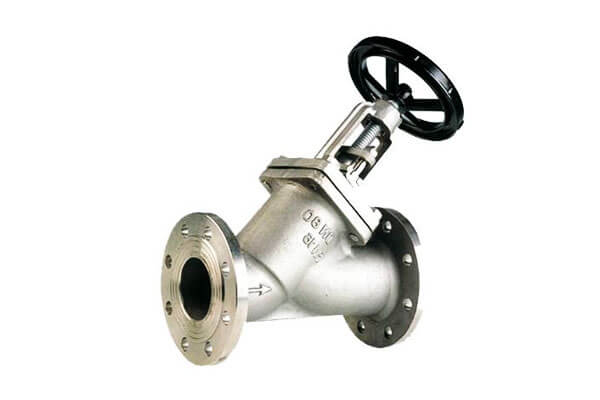
- Valves and Pumps: Nickel alloy components provide reliable operation in systems exposed to harsh conditions, ensuring minimal downtime and extended service life.
Tengeri és tengeri
Mert tengeri and offshore applications, nickel alloys’ corrosion resistance is particularly valuable in saltwater environments:
- Pump Housings and Valves: Components made from nickel alloys like Monel resist seawater corrosion,
providing durable solutions for pumps and valves used in desalination plants and offshore oil rigs. - Szerkezeti támogatások: The use of nickel alloys in structural supports helps prevent corrosion and extends the operational lifespan of marine vessels and offshore platforms.
- Víz alatti berendezések: Submersible equipment benefits from nickel alloys’ ability to withstand prolonged exposure to seawater without significant degradation.
Energiatermelés
Nickel alloys contribute significantly to power generation, especially in gas turbines and nuclear reactors:
- Gázturbinák: High-performance materials like Inconel 617 and Nimonic 105 are used in gas turbine components, enabling efficient energy conversion under extreme temperatures and pressures.
- Boilers and Heat Recovery Steam Generators (HRSG): Nickel alloys ensure reliable operation in boilers and HRSG systems by resisting high-temperature oxidation and creep deformation.
- Nuclear Reactors: Specialized nickel-based superalloys are employed in nuclear reactor components,
where they must endure radiation exposure and high temperatures over extended periods.
Egyéb ipari alkalmazások
Beyond these major sectors, nickel alloys find use in various other applications:
- Autóipar Kipufogórendszerek: Nickel alloys enhance the durability of exhaust systems by resisting corrosion from hot gases and acidic condensates.
- Orvosi eszközök: Due to their biocompatibility and resistance to sterilization processes, nickel alloys are used in surgical instruments and implants.
- Általános gyártás: From electronics to consumer goods, nickel alloys are chosen for their unique combination of properties, offering manufacturers flexibility and reliability.
8. Advantages of Nickel Alloys
Nickel alloys are among the most valuable materials in high-performance engineering due to their unique combination of mechanical, kémiai, és termikus tulajdonságok.
Their versatility and reliability under extreme conditions make them indispensable across sectors such as aerospace, vegyi feldolgozás, energiatermelés, és a tengeri mérnöki munka.
Ebben a szakaszban, we explore the key advantages of nickel alloys, supported by technical data and practical relevance.
Kiemelkedő korrózióállóság
One of the most prominent advantages of nickel alloys is their exceptional resistance to corrosion, especially in harsh, aggressive environments.
- Performance in Harsh Media: Nickel-chromium-molybdenum alloys (PÉLDÁUL., Hastelloy C-276) offer outstanding resistance to reducing agents, sósav, kénsav, és a tengervíz.
This makes them a material of choice for chemical reactors, offshore platformok, and acid handling equipment. - A pontozás és a hasadék ellenállás: High-molybdenum content contributes to localized corrosion resistance, even in chloride-rich conditions.
- Oxidációs ellenállás: Alloys such as Inconel 625 maintain their structural integrity at temperatures exceeding 1000°C, even in oxidizing atmospheres.
📌 Példa: In simulated seawater conditions (ASTM G48), Kuncol 625 shows no signs of pitting after 72 óra, whereas stainless steel grades begin to corrode within 24 óra.
High-Temperature Strength and Stability
Nickel alloys retain their mechanical strength and structural integrity at temperatures that would cause most other metals to soften or deform.
- Creep and Fatigue Resistance: Alloys such as Nimonic 90 És Inconsel 718 are engineered to perform under cyclic loading and elevated temperatures in turbine engines and heat exchangers.
- Fázisstabilitás: The formation of gamma prime (γ′) and gamma double prime (C ″) precipitates in precipitation-hardening alloys significantly increases strength while preventing grain boundary weakening.
📌 Adatpont: Kuncol 718 maintains a tensile strength of over 1000 MPa at 650°C, far exceeding the performance of typical stainless steels under the same conditions.
Mechanikai erő és tartósság
Nickel alloys offer a well-balanced combination of high tensile strength, hajlékonyság, és a törés szilárdsága, ideálissá tétele nagy stresszes alkalmazásokhoz.
- High Load-Bearing Capacity: Components made from forged nickel alloys are often used in structural parts of aircraft and gas turbines.
- Ütköző ellenállás: Nickel-copper alloys like Monel 400 offer excellent toughness, even at sub-zero temperatures, making them suitable for cryogenic services and LNG storage.
📌 Measured Values:
- Tensile strength of Inconel 625: ~ 827 MPA
- Hozamszilárdság: ~ 414 MPA
- Meghosszabbítás: >30%
Adaptability and Design Flexibility
Nickel alloys can be engineered to meet specific demands through tailored chemical compositions and processing techniques.
- Custom Alloying: The addition of elements such as titanium, kobalt, or tungsten enables designers to fine-tune mechanical and chemical properties.
- Compatibility with Advanced Processes: Nickel alloys respond well to modern fabrication methods, including additive manufacturing (AM), Forró izosztatikus sajtó (CSÍPŐ), and precision casting.
Életciklus költséghatékonysága
Although nickel alloys come at a premium price point, their longevity and performance often lead to lower overall costs during a component’s lifecycle.
- Csökkentett leállás: Enhanced corrosion and oxidation resistance reduce the frequency of maintenance and replacements.
- Kiterjesztett szolgáltatási élettartam: In aggressive environments, nickel alloys can last 5–10 times longer than stainless steels or carbon steels.
- Anyagi hatékonyság: Due to their superior strength-to-weight ratio, thinner sections can be used without sacrificing mechanical integrity, resulting in material and weight savings.
Tailored Magnetic or Thermal Expansion Behavior
Adjusting iron and nickel content allows for precise control over thermal expansion or magnetic permeability, vital in electronics and aerospace instruments.
9. Challenges and Limitations of Nickel Alloys
While nickel alloys are highly valued for their exceptional properties, they are not without challenges and limitations.
These drawbacks often stem from their unique characteristics, mint például a nagy szilárdság, korrózióállóság, és hőstabilitás, which can complicate processing, gyártás, és költséghatékonyság.
Alatt, we explore the key challenges associated with nickel alloys and how they impact their use in various industries.
High Processing Costs
One of the most significant barriers to the widespread adoption of nickel alloys is their high material and processing costs. These costs arise from several factors:
- Raw Material Expenses: Nickel itself is a relatively expensive metal, and alloying elements like molybdenum, króm, and cobalt further increase costs.
- Complex Manufacturing Processes: Techniques such as vacuum melting, befektetési casting, and advanced heat treatments require specialized equipment and expertise, adding to production expenses.
- Energiafogyasztás: The high melting points and demanding processing conditions of nickel alloys result in higher energy requirements compared to other materials.
Megmunkálási nehézségek
Nickel alloys are notoriously difficult to machine due to their inherent hardness and work-hardening tendencies:
- Szerszám kopás: Their high strength and low thermal conductivity cause rapid tool wear during machining operations.
Conventional carbide tools often degrade quickly, necessitating the use of more expensive ceramic or cubic boron nitride (CBN) beilleszt. - Munka edzés: Megmunkálás közben, nickel alloys tend to harden at the surface, increasing cutting forces and making subsequent passes more challenging.
- Hőeloszlás: Poor thermal conductivity means that heat generated during machining remains concentrated near the cutting edge, leading to thermal damage if not properly managed.
Welding and Heat Treatment Sensitivities
Welding nickel alloys presents several challenges that must be carefully managed to avoid defects:
- Hőbemeneti vezérlés: Excessive heat during welding can lead to grain growth, reccsenés, and reduced mechanical properties.
Precise control over heat input is essential to maintain the integrity of the alloy. - Torzítás és maradék feszültségek: Due to their low thermal expansion coefficients and high strength,
nickel alloys are prone to distortion and residual stresses during welding, which can compromise component performance. - Hegesztést követő hőkezelés: Many nickel alloys require post-weld heat treatment to relieve stresses and restore properties, adding an extra step to the fabrication process.
Variability in Properties
The performance of nickel alloys can vary depending on factors such as composition, mikroszerkezet, és feldolgozási előzmények:
- Inconsistent Microstructures: Small variations in alloy composition or heat treatment can lead to significant differences in mechanical properties, making quality control critical.
- Environmental Sensitivity: While nickel alloys are generally resistant to corrosion,
localized environmental conditions (PÉLDÁUL., chloride-rich environments or high-temperature oxidizing atmospheres) can still cause issues
mint a bedugás, stresszkorrózió -repedés, or intergranular corrosion if the alloy is not properly selected or processed. - Fáradtság és kúszó viselkedés: Idővel, cyclic loading or prolonged exposure to high temperatures can lead to fatigue or creep failure, especially if the alloy is not optimized for the specific application.
Weight and Density Considerations
Nickel alloys are relatively dense compared to materials like aluminum or titanium, which can be a limitation in weight-sensitive applications:
- Repülőgépalkalmazás alkalmazások: In industries where weight reduction is critical, mint például az űrrepülés,
The density of nickel alloys (approximately 8.0–9.0 g/cm³) may outweigh their benefits in certain scenarios, leading engineers to opt for lighter materials like titanium or advanced composites. - Transportation and Automotive: Hasonlóképpen, in automotive applications, the heavier weight of nickel alloys can negatively impact fuel efficiency,
limiting their use to components where their unique properties are indispensable.
10. Összehasonlító elemzés más anyagokkal
This comparative analysis offers a detailed evaluation of nickel alloys against high-alloy steels, rozsdamentes acélok, and other superalloys across critical performance categories.
helping engineers and decision-makers make informed choices based on specific operational demands.
Összehasonlító táblázat: Nickel Alloys vs. Other Engineering Materials
| Ingatlan / Jellemző | Nikkel -ötvözetek | Rozsdamentes / Nagy ötvözött acélok | Kobalt-alapú ötvözetek | Iron-Based Superalloys |
|---|---|---|---|---|
| Korrózióállóság | ★★★★★★ Kiváló (klorid, sav, tengeri) | ★★★☆☆ Good in mild to moderate environments | ★★★★☆ Excellent, but less versatile | ★★★☆☆ Moderate, limited in acid media |
| Magas hőmérsékleti szilárdság | ★★★★★ Up to 1000–1100°C | ★★☆☆☆ Weakens above ~600°C | ★★★★★★ Kiváló | ★★★☆☆ Fair at mid-range temperatures |
| Oxidációs ellenállás | ★★★★★ Very strong | ★★★☆☆ Moderate to good | ★★★★★ Superior | ★★☆☆☆ Moderate |
Hőstabilitás |
★★★★★ Excellent under thermal cycling | ★★☆☆☆ Prone to scaling and distortion | ★★★★★★ Kiváló | ★★☆☆☆ Moderate |
| Haibbság és keménység | ★★★★☆ High (even at cryogenic temps) | ★★★☆☆ Moderate | ★★★☆☆ Moderate | ★★☆☆☆ Often brittle |
| Gyártás & Hegesztés | ★★★☆☆ Requires skill and special tools | ★★★★☆ Generally easy to process | ★★☆☆☆ Challenging | ★★☆☆☆ Challenging |
| Megmunkálhatóság | ★★☆☆☆ Hard to machine due to hardness | ★★★★☆ Easier machining | ★★☆☆☆ Difficult | ★★☆☆☆ Difficult |
Költség (Anyag + Feldolgozás) |
$$$$ Magas | $$ Mérsékelt | $$$$$ Nagyon magas | $$–$$$ Moderate |
| Életciklus & Karbantartás | ★★★★★ Long life, alacsony karbantartás | ★★☆☆☆ Higher risk of corrosion/failure | ★★★☆☆ Durable, expensive replacements | ★★☆☆☆ Moderate reliability |
| A legjobb felhasználási esetek | Extreme environments, űrrepülés, vegyi növények | General engineering, low/moderate corrosion | Orvosi implantátumok, kopásálló alkatrészek | Hőcserélők, kemence alkatrészek |
Star Rating Key:
- ★☆☆☆☆ – Poor
- ★★☆☆☆ – Fair
- ★★★ ☆☆ - Mérsékelt
- ★★★★☆ – Good
- ★★★★★★ - Kiváló
11. Következtetés
Nickel alloys are among the most versatile and high-performing materials available to modern industry.
Their unique combination of strength, hőstabilitás, and corrosion resistance positions them as a cornerstone in sectors where safety, hatékonyság, and durability are non-negotiable.
As technological demands continue to evolve, innovations in nickel alloy design, feldolgozás, and application will ensure that these materials remain at the forefront of industrial advancement.

LangHe is the perfect choice for your manufacturing needs if you need high-quality nickel alloy products.