

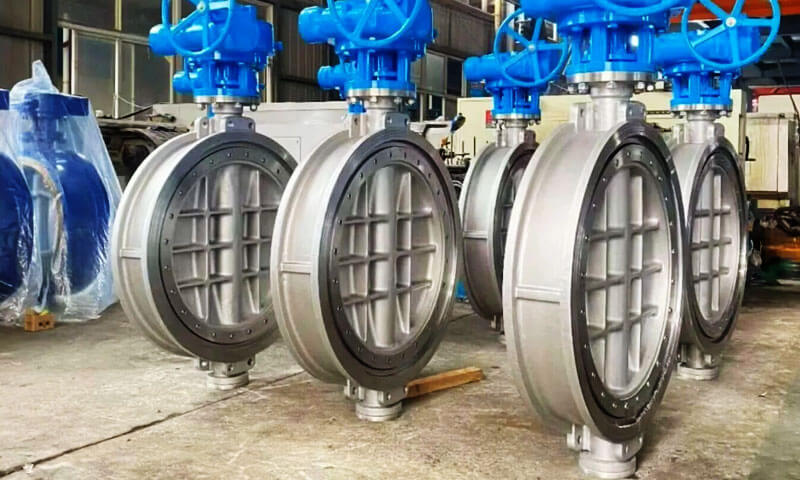
ʻO nā kīwaha Butterfly kekahi o nā mea hoʻohana nui i ka hoʻohana ʻana i ka kahe kahe i nā ʻōnaehana paipu ʻoihana, hāʻawi maʻalahi, compact, a me ke kumu kūʻai kūpono no ka hoʻoponopono ʻana i ke kahe o nā kinoea, nā wai, and slurries.
When the application demands strength, economy, a me ke kū'ēʻana, carbon steel butterfly valves become the default choice—especially in water treatment, aila aila, mana pā'āʻu, and general industrial service.
The production of carbon steel butterfly valve components—bodies, Disc, nā papaʻaina, and brackets—has traditionally relied on sand casting or fabrication.
Akā naʻe,, Kāhaka kūʻai kūʻai (nalowale-wax casting) has emerged as a superior manufacturing route for many carbon steel valve components, hāʻawi near‑net shape precision, Hoʻopau maikaʻi loa, nā mea i hoʻopaʻaʻia, a me nā mea waiwai kūlike.
This article provides a comprehensive technical and strategic guide to carbon steel butterfly valve investment casting solutions.
1. What is a Carbon Steel Butterfly Valve?
A ʻaihue kīwī Butterfly Vy is a quarter-turn rotary valve designed to start, stop, or regulate fluid flow by rotating a circular disc around a central shaft.
Unlike linear-motion valves such as gate valves or globe valves, butterfly valves require only a 90-degree rotation to move between fully open and fully closed positions, allowing rapid operation with minimal torque.
Their simple yet efficient design makes them one of the most versatile valve types for industrial fluid handling systems.
Carbon steel butterfly valves are widely used in pipelines transporting water, māhu, pono, natural gas, ka hau, and various non-corrosive or mildly corrosive media.
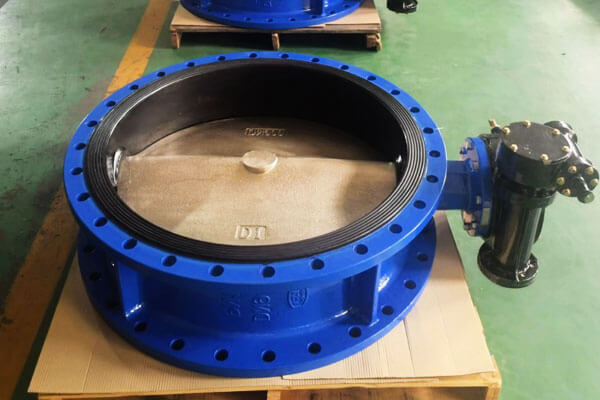
Basic Components of a Butterfly Valve
| Hui | Hana |
| Kino | Housing that contains the disc, noho mau noho, and stem; provides pipe connections (flanger, lug, Word). |
| Disc | Rotating closure member; controls flow by rotating from open to closed position. |
| Kumu (shaft) | Transmits torque from the actuator to the disc. |
| Noho mau noho | Provide sealing between the disc and body; replaceable or integrally cast. |
| Kahawai | Hoʻohui (Leu, LandWheel) a automated paha (Pnematic, uila uila, hydraulic). |
| Bontnet / top flange | Houses the stem and provides actuator mounting. |
| Aloha | Prevent leakage along the stem. |
Types of Butterfly Valve Body Designs
| Body type | ʻO ka weheweheʻana | Nā noi maʻamau |
| Wafer‑style | Thin body with bolt holes; sandwiched between pipe flanges. | Low‑pressure, compact systems, Hvac, water lines. |
| Lug‑style | Threaded inserts on each side; end‑of‑line service possible. | Moderate pressure; maintenance access. |
| Flanger | Integral flanges on both ends; bolted directly to pipe flanges. | High‑pressure, large‑diameter systems, pono & aila. |
| Butt‑weld | Ends designed for welding into pipe. | High‑temperature, high‑pressure, leak‑critical systems. |
Critical Functional Requirements for Carbon Steel Butterfly Valves
| Koi | Engineering implication |
| Paʻi pono | Must withstand internal pressure (up to ASME Class 150‑600 for carbon steel). |
| Ka ikaika a me ka paʻakikī | Must resist mechanical loads, viguration, a me ka cycling. |
| Dimensional pololei | Precise bore, flange facing, and stem hole alignment ensure sealing and operation. |
| Ke kū'ē neiʻo Corrosionion | Moderate resistance to atmospheric, wai, a me nā mea uila. |
| Wawahua | Carbon steel grades must be weldable for installation and repair. |
| ʻO ke kumu kūʻai | Lower material cost than stainless steel; suitable for large‑diameter valves. |
2. Why Investment Casting is Ideal for Butterfly Valve Components
Kāhaka kūʻai kūʻai, commonly known as the lost wax casting process, is recognized as one of the most advanced manufacturing technologies for producing precision metal components.
Compared with conventional casting methods, investment casting offers substantial improvements in dimensional accuracy, Kahiki Pāʻani Waiwai, incrutural integrity, and production consistency, making it particularly suitable for high-performance butterfly valve components.
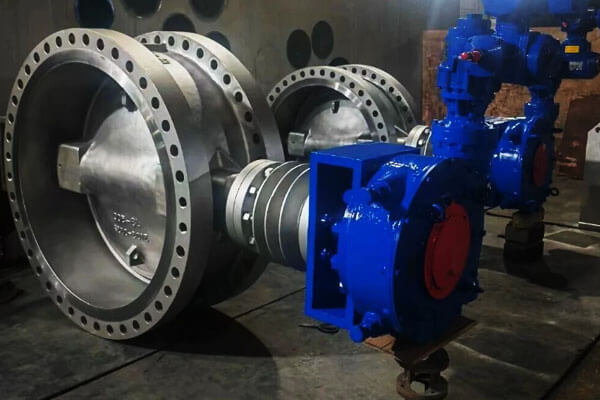
ʻO ka pololeiʻokoʻaʻokoʻa
Butterfly valves contain numerous precision-machined interfaces, including flange faces, nā kumu kanu, e hali ana, a me nā papa hana.
Even minor dimensional deviations can lead to leakage, excessive operating torque, or premature wear.
Investment casting produces near-net-shape components with tight tolerances, significantly reducing the need for corrective machining and ensuring excellent interchangeability between parts.
Loaʻa nā pōmaikaʻi:
- Improved assembly efficiency
- Reduced machining allowances
- Better sealing performance
- Consistent product quality across production batches
Ke hoʻopauʻana i ke kiʻekiʻe
ʻAʻole like me ka cand cand, where coarse molds often leave rough surfaces, investment casting utilizes fine ceramic shells that accurately reproduce the wax pattern.
Typical surface roughness ranges from RA 3.2-6.3 μM, KA HUINAE:
- Better coating adhesion
- Reduced polishing requirements
- Lower fluid resistance
- Enhanced appearance for exposed valve components
A smoother internal flow path also contributes to reduced turbulence and lower pressure loss during operation.
Complex Geometry Without Additional Fabrication
Modern butterfly valve bodies often incorporate reinforcing ribs, actuator mounting pads, flow-guiding contours, and integrated support structures.
Manufacturing these features through machining or fabrication increases production complexity and cost.
Investment casting enables these intricate geometries to be formed directly during casting, reducing the number of welded joints and improving structural integrity.
Hoʻomaikaʻi maikaʻi i ka maikaʻi
Because molten metal fills a precision ceramic mold under carefully controlled conditions, investment casting can achieve:
- ʻO keʻano o ka hoʻonohonohoʻana
- Reduced segregation
- Lower inclusion content
- Improved density
- Enhanced fatigue resistance
These metallurgical advantages are particularly valuable for valves operating under cyclic pressure or fluctuating thermal conditions.
Higher Material Utilization
Traditional machining often removes a significant portion of the raw material to achieve the final geometry, resulting in unnecessary waste.
Investment casting produces components close to their final dimensions, offering several economic benefits:
- Less material waste
- Reduced machining time
- Lower tooling wear
- Shorter production cycles
- Improved sustainability
Comparison of Manufacturing Methods
| ʻAno hana hana | 'Clelo pololei | Hoʻopau ʻili | ʻO ka hoʻohanaʻana i ka waihona | Hua hana waiwai | Nā noi kūpono |
| Hoʻolei kālā | Kūpono | Kūpono | Kūpono | High | Nā Kūlana Vinino |
| Sand cread | Loli | Hālulu | Loli | High | Nui, simple castings |
| Kākau | Kūpono | Maikaʻi loa | Loli | Kūpono | High-strength pressure parts |
| CNC Mīkini | Kūpono | Kūpono | Hoʻohaʻahaʻa | Hoʻohaʻahaʻa | Small-batch custom components |
3. Carbon Steel Material Selection for Investment Casting
Material selection is one of the most critical engineering decisions in the manufacture of investment-cast butterfly valves.
While the investment casting process determines dimensional accuracy and structural integrity, 'ōlelo carbon steel grade
Common Carbon Steel Grades for Investment-Cast Butterfly Valves
Different carbon steel grades are designed to meet specific service conditions.
Standard cast carbon steels such as Wcb and Wc are widely used for general industrial applications, while low-temperature grades such as Lcb and Lcc are selected for cryogenic service.
For elevated-temperature environments, chromium-molybdenum alloy cast steels including Wc6 and Wc9
The table below summarizes the most commonly used grades for investment-cast butterfly valve components.
| Palapala Astm | UNS No. | KālekaʻAʻI (%) | Ka ikaika (Mpa) | Ikaika ikaika (Mpa) | Ewangantion (%) | ʻO ka wela o ka lawelawe | Nā noi maʻamau |
| WCA | J02502 | ≤0.25 | ≥205 | ≥415 | ≥24 | 425° C | Economical valves for low-pressure and non-critical services |
| Wcb | J03002 | Ç0.30 | ≥250 | ≥485 | ≥22 | 425° C | Standard butterfly valves for water, pono, aila, and steam |
| Wc | J02505 | ≤0.25 | ≥275 | ≥485 | ≥22 | 425° C | Heavy-duty valves requiring higher strength and improved weldability |
| Lcb | J03003 | ≤0.25 | ≥240 | ≥450 | ≥22 | -46° C | Low-temperature pipelines and refrigerated systems |
| Lcc | J03005 | ≤0.25 | ≥275 | ≥485 | ≥22 | -46° C | LNG facilities, cryogenic processing, and cold-climate applications |
| Wc6 | J12072 | 0.05-0.20 | ≥275 | ≥550 | ≥20 | 540° C | High-temperature steam and power generation systems |
| Wc9 | J21890 | 0.05–0.18 | ≥310 | ≥585 | ≥20 | 595° C | High-temperature petrochemical and refinery equipment |
Among these materials, Astm A216 WCB remains the industry benchmark for carbon steel butterfly valve bodies due to its excellent balance of mechanical performance, whola, markinpalibility, a me ke kumukūʻai-kūpono.
It is the preferred choice for the majority of industrial applications operating under ambient or moderately elevated temperatures.
4. Investment Casting Manufacturing Process for Butterfly Valve
The performance of a carbon steel butterfly valve is determined not only by its design and material selection but also by the precision and stability of its manufacturing process.
Kāhaka kūʻai kūʻai, kaulana loa e like me ka lost wax casting process, is a highly controlled production method capable of manufacturing complex valve components with exceptional dimensional accuracy, Hoʻopau maikaʻi loa, and consistent metallurgical properties.
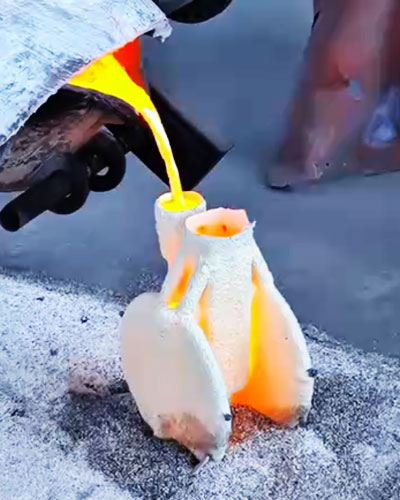
Unlike conventional sand casting, investment casting produces kokoke-like-ʻano components that require significantly less machining while maintaining tighter tolerances.
This process is particularly suitable for butterfly valve bodies, Disc, nā pahu kuahiwi, and other structural parts where precision directly affects sealing performance and operational reliability.
Process Flow Overview
| Keena | 'Lelo | Key detail |
| 1 | Pattern production | Wax injection into precision metal die (hoalaana) replicating valve body shape. |
| 2 | Tree assembly | Multiple wax patterns attached to central sprue (Kumulāʻau). |
| 3 | Kaila | 6‑10 layers of ceramic slurry (Silica S Slica Sol) + stucco (zircon/alumina). |
| 4 | Hoomoana | Steam autoclave melts wax; shell remains. |
5 |
Kiʻi pū | Fired at 900‑1100°C to strengthen ceramic and remove volatiles. |
| 6 | Carbon steel melting & E ninini ana | Induction or arc melting at 1550‑1650°C; poured into pre‑heated shell. |
| 7 | Ho'ōla & kulaʻi | Kāohiʻia hōʻoluʻolu; shell removed by vibration or water jet. |
| 8 | Cut‑off & Ke hoʻopauʻana | Gates and risers cut; kūhā, pana pua, tumbling. |
| 9 | ʻO ka hana wela | Normalising or stress relieving to achieve specified properties. |
| 10 | Nānā & Manaʻo | Nānā'ōwaho, huahuai, Ndt (X-ray, DENA PEVERETRAT), hydrostatic pressure test. |
Critical Process Controls for Carbon Steel Valve Bodies
| Hānō | Kaukai | No ke aha ia mea |
| Ka nininiʻana | 1550‑1650°C | Too low → misrun; too high → shell erosion, ʻO ka pololi. |
| Shell pre‑heat | 200‑600°C | Prevents thermal shock; improves fill. |
| Cooling rate | Kāohiʻia (Kōlea) | Prevents carbide precipitation; ensures toughness. |
| Gating design | Avoids turbulence; promotes directional solidification | Reduces inclusions and shrinkage porosity. |
| ʻO ka hana wela | Normalising (870‑930°C) or stress relief (600‑650°C) | Achieves specified mechanical properties; relieves residual stress. |
Heat Treatment of Carbon Steel Valve Castings
| Aoha ai | Keka ao | Ho'ōla | Kumu |
| Normalising | 870‑930°C | Eamaka | Hōʻike i ka hoʻonohonoho grain; improves strength and toughness. |
| Kaumaha kaumaha | 600‑650°C | Furnace or air cool | Reduces residual stress from casting and welding. |
| Queech & huhū | 850‑900°C (Quetch) + 550‑650°C (huhū) | Oil or water + Kōlea | Hoʻonui i ka ikaika a me ka paʻakikī (for higher‑grade applications). |
5. Corrosion Resistance and Surface Protection Solutions
Carbon steel is widely valued for its high strength, ʻO ka Mancinability maikaʻi, a me ke kumukūʻai-kūpono. Akā naʻe,, unlike stainless steel, IT does not possess inherent corrosion resistance.
I ka manawa i hōʻikeʻia ai i ka oxygen, kaiwa, aloha, or chemically aggressive media, carbon steel is susceptible to oxidation, uniform corrosion, pitting, a me crevice corrosion.
Without proper protection, these corrosion mechanisms can gradually reduce wall thickness, impair sealing performance, increase operating torque, and ultimately shorten the service life of the butterfly valve.
Fortunately, advances in surface engineering have made it possible for carbon steel butterfly valves to achieve long-term durability even in demanding service conditions through the use of protective coatings, ʻO nā metallic hoʻopau, loli nā loulou, and proper maintenance strategies.
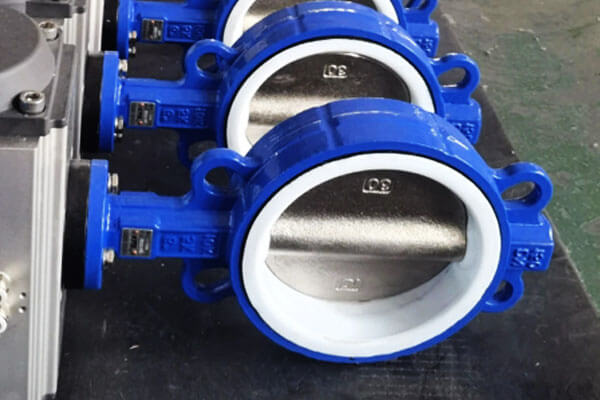
Common Corrosion Protection Methods
Various surface treatment technologies are available for carbon steel butterfly valves, each offering different levels of corrosion resistance, Mālama i ka pale, and economic efficiency.
| Protection Method | Nā wehewehe wehewehe | ʻO ka mānoanoa o ka lole (}m) | Estimated Service Life* | Nā noi maʻamau |
| Epoxy Painting / Liquid Coating | Spray or brush application of industrial epoxy paint | 100-300 | 5-15 mau makahiki | Nā awāwa o nā kānaka maʻamau, wai, Kōlea, Hvac |
| ʻO ka pauka | Electrostatic powder spraying followed by oven curing | 60-120 | 10-20 makahiki | Municipal water, mea hana hana, RUEOOLELO LOA |
| Fusion Bonded Epoxy (Fbe) | Electrostatic epoxy powder applied to heated steel surface | 250-500 | 20-30 mau makahiki | Water pipelines, buried pipelines, fire protection systems |
| Wela-dip galvalizing | Immersion in molten zinc to form a metallurgical zinc coating | 50-100 | 20–40 years | Outdoor structures, coastal facilities, lako kai |
| Electroplating (Zinc/Nickel) | Electrochemical deposition of metallic coatings | 5-25 | 5-15 mau makahiki | Nā mea paʻa, nā papaʻaina, decorative or light-duty protection |
PhoPshanging |
Chemical conversion coating producing a phosphate layer | 5-20 | 2-5 mau makahiki | Pretreatment before painting, temporary corrosion protection |
| PTFE/FEP Lining or Coating | Fluoropolymer lining applied to internal surfaces | 300-1000 | Depends on service conditions | Corrosive chemicals, Nā'āpana, Alkaliis |
| Mālamaʻo Cashodic | Sacrificial anodes or impressed current systems | - | Design-dependent | Ua kūkuluʻiaʻo Pokike makika, submerged valves |
| Corrosion Allowance | Additional wall thickness incorporated during design | 1-3 mm | Design-dependent | Long-term industrial pipelines |
Nānā: Actual service life varies depending on environmental conditions, maikaʻi uhi, maintenance practices, and operating temperature.
Among these methods, Fusion Bonded Epoxy (Fbe) has become one of the most widely adopted solutions for carbon steel butterfly valves in municipal water supply, ʻO ka hana hoʻopau, and pipeline infrastructure due to its excellent adhesion, ke kū'ē kū'ē, a me ka lōʻihi lōʻihi.
Selecting the Appropriate Surface Protection System
No single coating system is suitable for every operating environment.
The selection of a corrosion protection solution should be based on a comprehensive assessment of environmental exposure, media characteristics, wela lawelawe, mechanical wear, and maintenance accessibility.
The following recommendations provide practical guidance for common application scenarios.
| Operating Environment | Recommended Surface Protection | Engineering Rationale |
| Indoor, nā wahi maloʻo | Epoxy paint or powder coating (100-150 μm) | Economical protection against atmospheric corrosion |
| Ma waho, non-coastal installations | High-build epoxy coating or hot-dip galvanizing | Excellent resistance to rain, kaulike, a me uv exposure |
| Coastal and marine environments | Hot-dip galvanizing with epoxy topcoat (duplex coating system) | Zinc provides sacrificial protection while epoxy acts as a barrier against salt spray |
| Water supply and wastewater treatment | Internal and external Fusion Bonded Epoxy (Fbe) pāpale | Excellent resistance to water, nā mea hoʻowalewale, and microbiologically influenced corrosion |
Ke kālepaʻana |
PTFE or FEP lining; alternatively, stainless steel for severe service | Fluoropolymer linings resist aggressive acids, Alkaliis, a me nā kala |
| Ua kūkuluʻiaʻo Pokike makika | FBE coating combined with cathodic protection | Prevents soil corrosion and extends underground service life |
| High-abrasion environments | Epoxy ceramic coating or wear-resistant polymer coating | Improves both corrosion and abrasion resistance |
Design Strategies for Enhanced Corrosion Resistance
In addition to surface treatments, thoughtful engineering design plays a significant role in improving the corrosion resistance of carbon steel butterfly valves.
Key design considerations include:
- Maintaining ʻO ka papa lole lole Uniform to minimize localized corrosion.
- Eliminating crevices where moisture and contaminants may accumulate.
- Designing smooth internal flow passages to reduce erosion-corrosion.
- Incorporating generous radii to avoid stress concentration and coating thinning.
- Isolating dissimilar metals to prevent galvanic corrosion.
- Allowing sufficient corrosion allowance in applications with predictable material loss.
- Selecting compatible sealing materials and fasteners for the service environment.
6. Common Casting Defects and Engineering Solutions
Investment casting is renowned for producing high-precision components, yet no manufacturing process is entirely immune to defects.
Variations in mold design, 'Opety maikaʻi, e ninini ana i nā pakala, kūlana hoʻoluʻu, or process control can lead to imperfections that affect the mechanical properties, dimensional pololei, and sealing performance of butterfly valve components.
Understanding the root causes of these defects—and implementing appropriate engineering solutions—is essential for achieving consistent product quality and minimizing production costs.
| Hewa ole | Visual/NDT signature | Kumu kumu | Kinohi / remedy |
| ʻO ka pololi | Round internal voids | Dissolved hydrogen/nitrogen; ʻO ka deoxidation kūpono. | Degas melt; improve pouring practice; use clean charge. |
| ʻO ka pololi | Jagged, irregular internal voids | Insufficient feeding; poor riser design. | Optimise gating/risering; use chills; simulate solidification. |
| 'Āʻia wela | Cracks with ragged edges | Tensile stress during final solidification; mould constraint. | Reduce pouring temperature; improve shell collapsibility. |
| Nā Hoʻohui (oxide/slag) | Irregular non‑metallic particles | Turbulent pouring; dirty melt; eroded shell. | Ceramic filters; bottom pouring; clean charge. |
ʻAikupita / pani anu |
Incomplete filling; folded surface | Haʻahaʻa ninini wela; ʻO ka maikaʻi maikaʻi. | E hoʻonui i ka mahana wela; improve gating. |
| Ka paakiki / finning | Raised lines on surface | Shell cracking during filling; low shell strength. | Increase shell thickness; use stronger binder. |
| Dimensional deviation | Out‑of‑tolerance dimensions | Wax shrinkage variation; shell expansion; die wear. | Control wax injection; maintain die condition. |
Quality Assurance for Carbon Steel Valve Castings
| QA element | Kūlana | Nā Kūlana Kūʻai |
| Chemical analysis | Sectortry | Meets ASTM A216 specification. |
| Nā hōʻike hoʻokolohua hoʻokolohua | Tersele, paakiki, hopena | Yield ≥250 MPa; Elongation ≥22%. |
| Ndt | DENA PEVERETRAT (Pt) or radiography (T) | No cracks, porosity exceeding specification. |
| Ke nānāʻole neiʻo Dimensonal | Cmm, Nā Buke | Meets drawing tolerances; flange face flatness. |
| Kālā paʻakikī | Hydrostatic (1.5×nahiʻia) | No leakage; no deformation. |
| Paulapua | Nānā'ōwaho, profilometer | Ra ≤6.3 µm (or as specified). |
7. Advantages of Investment Casting Carbon Steel Butterfly Valve
| Pono | Wehewehe |
| Nā geomet paʻakikī | Internal flow passages, nā iwi iʻa, flanges, and mounting features cast integrally. |
| Near‑net shape | Reduces machining time and material waste (85‑95% material yield). |
| Hoʻopau maikaʻi loa | As‑cast Ra 1.6‑6.3 µm reduces flow resistance and sealing issues. |
| Nā mea i hoʻopaʻaʻia | ±0.1‑0.3 mm; ensures flange alignment and leak‑tight sealing. |
| Consistent mechanical properties | ʻO keʻano o ka hoʻonohonohoʻana; reliable strength and toughness. |
| Alloy flixibility | Casts WCB, Wc, Lcb, Lcc, Wc6, Wc9, a me nā māka maʻamau. |
| ʻO ke kumu kūʻai | Lower total cost than forging + machining for complex shapes. |
| Paʻi pono | Kūleʻa nā hoʻolei leo i nā kaomi kiʻekiʻe (Class 150‑600). |
| Wawahua | Cast carbon steel grades are readily weldable for installation and repair. |
| Scalability | Suitable for batch sizes from 100 i 10,000+ components per year. |
8. Industry Applications of Carbon Steel Butterfly Valves
Carbon steel butterfly valves manufactured through investment casting are widely used in industries that require reliable flow control, ikaika kiʻekiʻe kiʻekiʻe, and cost-effective operation.
Their excellent pressure-bearing capability, combined with precision manufacturing and protective surface treatments, enables them to perform efficiently in a broad range of service environments.
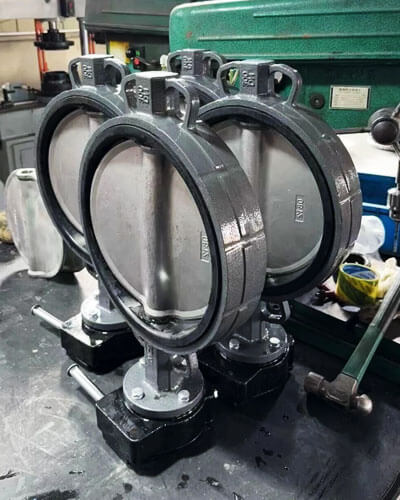
Ailaʻaila a me nāʻoihana
The oil and gas sector places some of the highest demands on valve performance.
Butterfly valves are commonly installed in upstream, midstream, and downstream operations where they regulate the flow of crude oil, natural gas, refined products, and auxiliary process fluids.
Hoʻokomoʻia nā noi maʻamau:
- Pipeline transportation systems
- Oil refineries
- Gas processing plants
- Storage terminals
- Nā hanana lole
- Pump stations
Water Supply and Wastewater Treatment
Municipal water infrastructure relies heavily on butterfly valves because they provide economical flow control for large-diameter pipelines.
Nā mea noi maʻamau:
- Drinking water distribution
- Nā mea kanu wai wai
- Wastewater treatment facilities
- Pump stations
- Irrigation systems
- Nā mea kanu lāʻau
ʻO ke kālepaʻana o ke kālepaʻana
Chemical production facilities require valves capable of handling a wide variety of liquids and gases under controlled conditions.
Carbon steel butterfly valves are suitable for mildly corrosive media when equipped with appropriate linings or protective coatings.
Hoʻokomoʻia nā noi maʻamau:
- Chemical transfer pipelines
- Nā pahu mālama
- Cooling water systems
- Utility pipelines
- Solvent handling systems
Depending on the process medium, valve discs and seats may be lined with PTFE or other corrosion-resistant materials.
Mana pā'āʻu
Power plants operate under high temperatures and pressures, requiring dependable valve performance throughout continuous operating cycles.
Butterfly valves are commonly used in:
- Cooling water circulation
- Condenser systems
- Boiler auxiliary systems
- Flulue gaslfuization (Fgd)
- Fire protection networks
Mining and Mineral Processing
Mining operations transport abrasive slurries, hoʻoiliʻana, and process fluids that place considerable wear on pipeline equipment.
Butterfly valves are frequently installed in:
- Slurry transport systems
- Tailings pipelines
- Ore processing plants
- Water recovery systems
- Dust suppression systems
ʻO Marine lāuaʻo Marciellingʻoihana
Marine environments expose equipment to moisture, ʻO ka paʻakai paʻakai, and fluctuating temperatures.
Hoʻokomoʻia nā noi maʻamau:
- Nā'ōnaehana wai Ballest
- Cooling water circuits
- Bilge systems
- Fuel transfer lines
- Fire protection systems
HVAC and Building Services
Commercial buildings and industrial facilities utilize butterfly valves for heating, lihue, and air-conditioning systems.
Hoʻokomoʻia nā noi:
- Chilled water systems
- Hot water circulation
- Nā hale kūʻai
- District heating
- Fire sprinkler systems
Food and General Industrial Utilities
Although stainless steel is generally preferred for hygienic processes, carbon steel butterfly valves are widely used in utility systems serving food and beverage facilities.
Hoʻokomoʻia nā noi maʻamau:
- Steam distribution
- Wai hooluolu
- Compressed air
- Utility pipelines
- Non-product process water
9. Kalepa Vel. ʻO nā kila kila kila
Selecting between a ʻaihue kīwī a a stainless steel butterfly valve requires evaluating more than just the initial purchase price.
Engineers must consider mechanical performance, Ke kū'ē neiʻo Corrosionion, operating environment, maintenance requirements, Ke kūʻaiʻana i ke ola, and compliance with industry standards.
| Comparison Factor | Kipepepepepe kila kila | ʻO nā kila kila kila |
| Common Material Grades | Astm A216 WCB, Wc, Lcb, Lcc | Astm A351 CF8, Cf8m, Cf3, Cf3m |
| Ka ikaika ikaika | Excellent strength and rigidity; ideal for medium- and high-pressure systems | High strength with excellent toughness; slightly lower yield strength for some austenitic grades |
| Ke kū'ē neiʻo Corrosionion | Loli; requires protective coatings or linings to prevent rust | Outstanding inherent corrosion resistance due to chromium-rich passive film |
| Hiki i ka hiki | Suitable for approximately -46°C to 425°C (special grades available for higher temperatures) | Suitable for both cryogenic service and elevated temperatures, ma muli o ka pae o ka alloy |
| Pressure Performance | Excellent pressure-bearing capacity for industrial piping systems | Comparable pressure capability when designed to the same standards |
Surface Protection Requirements |
Epoxy coating, Fbe, garvalirigigling, PTFE lining, or other protective treatments are generally required | Usually no external coating required except for aesthetic or special service conditions |
| E kāʻei a me ka hōʻinoʻana | Excellent after heat treatment; suitable for abrasive industrial media | ʻO ke kūpaʻa maikaʻi; may require hard-facing in severe abrasion applications |
| Wawahua | Maikaʻi loa (especially WCC); may require post-weld heat treatment depending on thickness | Excellent weldability with minimal post-weld treatment for many grades |
| Markinpalibility | ʻOi aku ka maikaʻi; lower tooling wear and faster machining speeds | More difficult to machine due to higher work-hardening tendency |
| Manufacturing Cost | Lower raw material and processing costs | Higher material and machining costs |
| Nā koi mālama | Periodic coating inspection and corrosion maintenance required | Lower maintenance in corrosive environments due to self-passivating surface |
ʻO ke ola lawelawe |
Long service life with proper coating and maintenance | Very long service life, especially in corrosive or marine environments |
| Nā noi maʻamau | Pono & aila, Ke hana kino wai, Hvac, mana pā'āʻu, mining, municipal infrastructure | Ke kālepaʻana, manyʻenehana, Ka Makani, meaʻai & hana hānai, Hoʻohanaʻoihana, nā hanana lole |
| Loaʻa nā pono mua | Ikaika ikaika, ka waiwai, excellent pressure resistance, ideal for large-diameter valves | Ke kū'ē neiʻo Corrosion Corrosiotion, Hygienic, ka mālama haʻahaʻa, excellent durability |
| Primary Limitations | Susceptible to corrosion without protective treatment | Higher initial investment and machining cost |
| Best Selection Scenario | Cost-sensitive projects with non-corrosive or mildly corrosive media | Highly corrosive, kūleʻa, chrloside-waiwai, or maintenance-critical environments |
| Overall Cost Performance | Lower initial investment and excellent value for general industrial service | Higher initial cost but lower maintenance and longer lifecycle in corrosive applications |
10. Hopena
As industrial systems continue to evolve toward higher efficiency, greater reliability, and lower lifecycle costs, the demand for precision-engineered flow control equipment has never been greater.
Among the many valve manufacturing technologies available today, investment casting has established itself as one of the most advanced and dependable processes for producing high-quality carbon steel butterfly valves.
Its ability to manufacture complex components with exceptional dimensional accuracy, Ke hoʻopauʻana i ke kiʻekiʻe, and consistent metallurgical properties provides a significant competitive advantage over conventional casting methods.
E nānā ana, emerging technologies—including Industry 4.0, ʻO ka naʻauao kaulana (Ai), Industrial Internet of Things (Iyo), robotic automation, Kālā Mea, and real-time process monitoring—are expected to further transform the investment casting industry.
As industries continue to demand higher performance, longer life, and lower cost, investment‑cast carbon steel valves—with their robust design and precise manufacturing—will remain a critical solution for flow control.
Custom Carbon Steel Butterfly Valve from LangHe Foundry
ʻO nā mea hōʻike hōʻike specializes in the custom manufacturing of investment-cast carbon steel butterfly valve components, offering integrated solutions from engineering design and precision casting to CNC machining, ʻO ka hana wela, surface finishing, a me ka nānā ponoʻana.
Whether for oil and gas, Ke hana kino wai, mana pā'āʻu, Ke kālepaʻana, mining, manyʻenehana, or general industrial piping systems,
LangHe Foundry provides customized butterfly valve casting solutions designed to meet international standards and customer-specific technical requirements.
Its combination of engineering expertise, ʻO ka hanaʻokoʻa kūikawā, and strict quality control makes LangHe a reliable partner for OEMs, valve manufacturers, and industrial equipment suppliers seeking durable, high-performance carbon steel butterfly valve components.
FaqS
What is the most common carbon steel grade for butterfly valve bodies?
Wcb (Astm A216) is the most common grade for general‑purpose butterfly valve bodies, offering good strength (≥485 MPa tensile), wawahua, a me ka waiwai.
What is the difference between wafer and lug‑style valves?
Wafer‑style valves are thin and clamped between flanges; they cannot be used as end‑of‑line valves.
Lug‑style valves have threaded inserts and can be bolted to one side of the pipe for end‑of‑line service.
Can carbon steel butterfly valves be welded in the field?
ʻAe, WCB and WCC grades are readily weldable. Manaihi (100‑150°C) and post‑weld heat treatment are recommended for thick sections.
Why is investment casting preferred over sand casting for carbon steel butterfly valves?
Investment casting offers significantly higher dimensional accuracy, smoother surface finishes, and tighter manufacturing tolerances than traditional sand casting.
Because components are produced in a near-net-shape form, less machining is required, reducing production time and material waste.
Kahi mea hou aʻe, investment casting produces a more uniform microstructure with fewer internal defects, resulting in improved mechanical strength, Ke hoʻouna nei i ka hana, and product consistency.
These advantages make it particularly suitable for butterfly valve components that require precision mating surfaces and reliable long-term operation.

