1. Indledning
Aluminiumslegeringer er bredt støbt i sand, Permanent skimmel, dø, tyngdekraft eller investeringsprocesser for bilindustrien, rumfart, forbruger- og industriapplikationer.
Sammenlignet med jernholdige støbegods, aluminium udviser specifik metallurgisk adfærd - høj varmeledningsevne, Hurtig størkning, betydelig følsomhed over for brintabsorption og en stærk tendens til at danne oxidfilm - der skaber unikke defekttilstande.
Forståelse af defektmekanismerne og kontrol af smeltning, gating og størkning er afgørende for at producere pålidelige støbegods med forudsigelige mekaniske egenskaber.
2. Virkning af defekter i støbte aluminiumsdele
Fejl i støbt aluminium dele er ikke blot kosmetiske problemer - de forringer direkte ydeevnen, forkorte levetiden, øge omkostningerne og kan skabe sikkerheds- og ansvarseksponeringer.
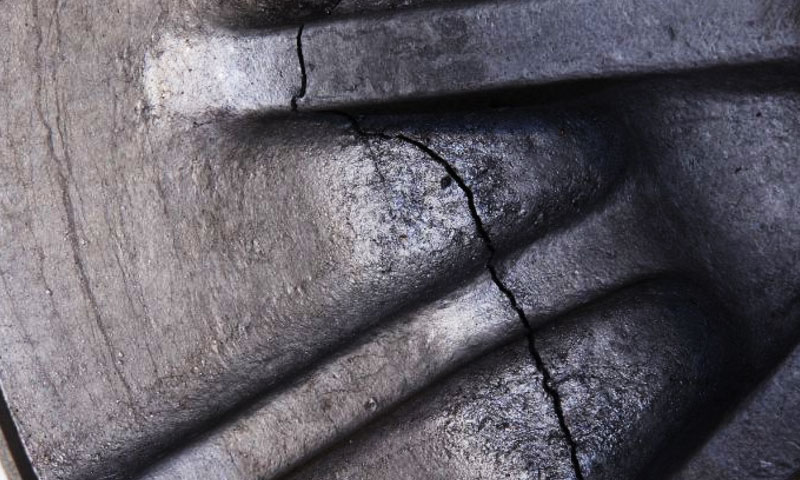
Indvendige og overfladedefekter såsom porøsitet, Krympning, indeslutninger, revner, og forvrængning reducerer det effektive bærende område, skabe stresskoncentratorer, og forringer træthedslevetiden markant, tryktæthed, Dimensionel nøjagtighed, og korrosionsbestandighed.
I kritiske applikationer, disse defekter kan føre til for tidlig eller katastrofal svigt, sikkerhedsrisici, og regulerings- eller ansvarseksponering.
Fra et produktionsperspektiv, defekter øger inspektionens kompleksitet, skrot- og omarbejdningssatser, produktionsomkostninger, og leveringsusikkerhed, samtidig med at den introducerer stor variation i mekaniske egenskaber, der tvinger konservative designmarginer frem.
Følgelig, effektiv kontrol af støbefejl er ikke blot et kvalitetsspørgsmål, men et strategisk krav, krævende forebyggelsesorienteret procesdesign, streng smelte- og skimmelkontrol, simulationsdrevet teknik, og risikobaserede inspektions- og acceptkriterier.
3. Klassificering af almindelige defekter
I store træk, støbefejl falder i to grupper:
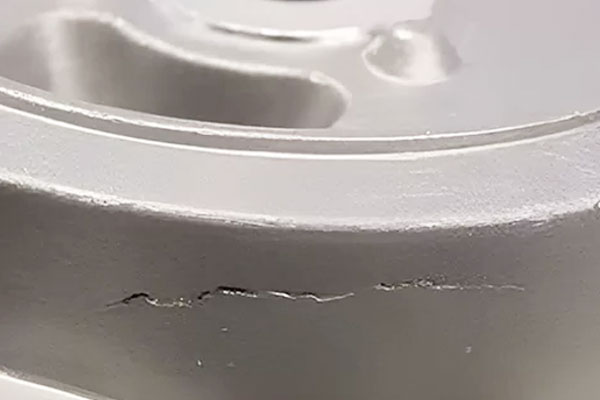
- Overflade / synlige defekter — let synligt på færdige dele: finner/blink, Koldt lukker, Misruns, krympehuler synlige ved overfladen, sandindeslutninger, overflade porøsitet, varme tårer, overlap, og dimensionelle forvrængninger.
- Indre / skjulte defekter — indlejret i delen og ofte kritisk for styrke: gasporøsitet, indre krympehulrum, oxid og slagg indeslutninger, slaggeindfangning, adskillelse, og indvendige revner.
Begge grupper kan reducere træthedslivet, lavere trækstyrke, forårsage lækage i pressede dele, eller føre til direkte afvisning i sikkerhedskritiske komponenter.
4. Detaljerede fejlbeskrivelser
Tabellen nedenfor opsummerer de mest almindelige defekter, man støder på i aluminiumsstøbegods, deres grundlæggende årsager, hvordan de kommer til udtryk, og praktiske modforanstaltninger.
| Defekt | Årsag(s) | Hvordan det påvirker en del | Detektionsmetoder | Forebyggelse / afhjælpning |
| Gasporøsitet (Blæshuller, mikroporøsitet) | Hydrogen opløst i flydende Al; medført luft på grund af turbulent hældning; fugt i skimmel/kerner | Indvendige hulrum, der reducerer statisk elektricitet og træthedsstyrke; lækageveje | Radiografi (Røntgen/ct), ultralyd, sektionering | Afgasning (roterende, inert gas), flydende, minimere turbulens, fortørre kerner/forme, styre smeltetemperaturen, Vakuumstøbning, forbedret gating |
| Krympehulrum / Krympning af porøsitet | Volumetrisk svind ved størkning med utilstrækkelig fodring; Stakkels stigningsplacering; brede fryseområder i legering | Store tomrum, ofte interdendritisk; kraftig reduktion af belastningsevnen | Røntgenbillede, Ct, sektionering, visuelt, hvis overfladen går i stykker | Retningsstørrelse, risers/kulderystelser, fodringssystemer, brug af foderautomater og kulderystelser, legeringsudvalg med smallere fryseområde |
| Kold lukket / kolde omgang | Lav metaltemperatur eller langsom flow, hvilket resulterer i, at to strømme ikke smelter sammen | Overfladediskontinuitet, stress koncentrator, nedsat lokal styrke | Visuel inspektion, farvestof-penetrant til overfladerevner | Øg hældetemperaturen, Forbedre portdesign, reducere pludselige ændringer i tværsnit, øge metalhastigheden |
Varm rivning (varm krakning) |
Termisk kontraktion begrænset under den endelige størkning; høj tilbageholdenhed; dårligt design af legering eller form | Revner dannes under størkning - ofte ved hjørner eller tynde sektioner | Visuel, penetrerende, sektionering | Reducer tilbageholdenhed, redesign geometri (undgå skarpe hjørner), ændre størkningsstien, bruge kornraffinere, styre hældetemperaturen |
| Oxidfilm-medrivning / Dross / indeslutninger | Overfladeoxider foldet til væske ved turbulens; slaggemedrivning; Dårlig smeltrengøring | Interne indeslutninger, der fungerer som revneinitieringssteder; porøsitet ved siden af indeslutninger | Radiografi, metallografi, sektionering | Skimme slagg, brug keramiske filtre, laminær fyldning, kontrolleret hældning, flydende, ordentlig ovnpraksis |
| Sand/slagge inklusion | Dårlig skimmelintegritet, nedbrudt sand, utilstrækkelig kernevask, slaggeoverførsel | Stress stiger, overfladefejl, potentiel korrosionsinitiering | Visuel, Røntgenbillede, sektionering | Forbedre sandkvalitet og håndtering, bedre skimmel/kerneforberedelse, filtrering af smelte |
Egypten / ufuldstændig fyld |
Lav hældetemperatur, blokeret port, alt for lang strømningsvej | Manglende funktioner, svage sektioner, skrot | Visuel, CMM til geometri | Øg hældetemperaturen, optimere gating, øge indløbs-/løbestørrelsen, reducere tynde tværsnit |
| Overflades ruhed / sandblæsning / gasskorpe | Gasudvikling ved formoverfladen (fugtighed, bindemiddelnedbrydning), dårlig udluftning | Dårlig overfladefinish, tidlig revneinitiering | Visuel inspektion | Kontroller skimmelsvamp fugt, forbedre udluftningen, brug ordentlige bindemidler og tørring |
| Kold omgang / omgange / folder | Strømningshastigheden er for lav, hvilket får metal til at folde sammen | Overfladerevne, dårlig træthedsadfærd | Visuel, penetrerende | Øg metaltemperatur/-hastighed, skifte port, reducere pludselige geometriændringer |
Dimensionel forvrængning (Warpage, Offset) |
Ujævn afkøling, uensartet vægtykkelse, dårligt værktøj | dele uden for tolerance, monteringsproblemer | Cmm, 3D scanning | Ensartet vægtykkelse, afbalanceret køling, ordentlig affedtning, design til støbetolerancer |
| Adskillelse (kemisk inhomogenitet) | Mikrosegregering under størkning, bred fryseområde, langsom afkøling | Lokale mekaniske egenskabsvariationer, reduceret korrosionsbestandighed | Metallografi, kemiske stikprøver | Optimeret legeringsvalg, omrøring (hvor relevant), kontrolleret størkning, homogenisering varmebehandling |
| Indvendige revner (forsinket revnedannelse) | Brint, Reststress, over-ældning, forkert varmebehandling | Katastrofal fejl i tjenesten | Ultralyd, farvestof-penetrant til overflade, fraktografi | Reducer brint, stresslindring, kontrolleret varmebehandling, eliminere skarpe overgange |
5. Avancerede detektionsmetoder for defekter i støbt aluminium
Nøjagtig og effektiv fejldetektion er kernegarantien for kvalificerede støbte aluminiumsdele.
Målretning mod forskellige defekttyper og placeringer, industrien anvender en kombination af flere detektionsteknologier for at opnå fuld dækning kvalitetskontrol:
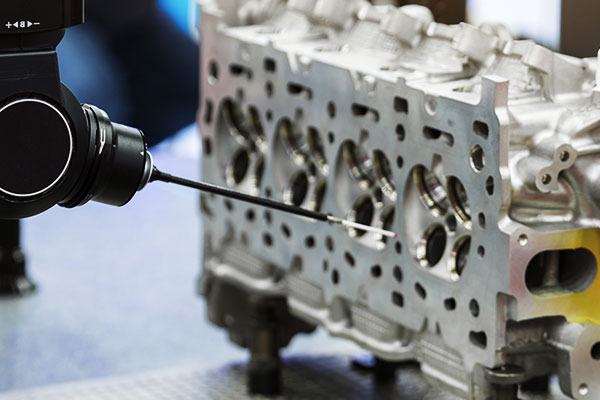
Visuel inspektion
Gældende defekter: Overflade blæsehuller, overfladekrympende hulrum/porøsitet, overflade slagge inklusion, sand inkludering, tydelige revner, koldt lukket, Egypten, overfladeblink/grater, overskydende materiale, materielt tab.
Tekniske egenskaber: Udført af erfarne kvalitetskontrollører med forstørrelsesglas (5–10× forstørrelse) for detaljeret observation; enkel, lavpris og effektiv, fungerer som den første linje kvalitetsscreeningsmetode.
Detektionsstandard: Overholder ASTM E186, med overfladedefektstørrelsestolerance kontrolleret inden for 0.05 mm til præcisionsstøbninger.
Røntgeninspektion
Gældende defekter: Indvendige blæsehuller, indre krympehulrum/porøsitet, intern slagge inklusion og skjulte indre revner.
Tekniske egenskaber: Bruger røntgengennemtrængning til at danne billeder af indre strukturer; defekter fremstår som mørke (hulrum) eller lyst (indeslutninger) pletter i billedet.
Kerne fordele: Ikke-destruktiv test (Ndt), høj detektionsnøjagtighed (fejlstørrelse ≥0,02 mm kan identificeres), tydelig visualisering af intern defektfordeling og form.
Overholdelsesstandard: Opfylder ASTM E94, obligatorisk for kritiske komponenter i rumfarts- og bilindustrien.
Fluorescerende penetrantinspektion (FPI)
Gældende defekter: Mikrorevner under overfladen og overfladen, kold lukket og lille porøsitet, der er usynlig for det blotte øje.
Tekniske egenskaber: Penetrant med høj fluorescens påføres støbeoverfladen; penetrant siver ind i defekte huller, og overskydende penetrant renses; bestråling med ultraviolet lys får defekter til at udsende lys fluorescens.
Kerne fordele: Høj følsomhed, i stand til at detektere mikrorevner med bredde <0.01 mm og dybde <0.05 mm; velegnet til kompleksformede støbegods.
Overholdelsesstandard: Overholder ASTM E1417, afgørende for detektering af spændingsfølsomme revner i højstyrke aluminiumslegeringsstøbegods.
Endoskop inspektion
Gældende defekter: Intern hulrum flash, intern overflade slagge inklusion og dimensionel afvigelse af komplekse indre hulrum.
Tekniske egenskaber: Fleksible eller stive endoskoper med high-definition kameraer indsættes i støbningens indre hulrum for at fange realtidsbilleder af den indre overflade.
Kerne fordele: Ikke-destruktiv, kan detektere komplekse interne strukturer, der er utilgængelige for andre metoder; understøtter præcis placering af interne defekter.
Ansøgningsscenarie: Obligatorisk for støbte aluminiumsdele med komplekse indre hulrum (F.eks., motorens cylinderhoveder, hydrauliske ventilhuse).
3D Scanningsteknologi
Gældende defekter: Kerneskift, mismatch, støbedeformation og dimensionelle afvigelser ud over designtolerance.
Tekniske egenskaber: Bruger laser eller struktureret lys 3D-scannere til at indsamle fuld overflade punktskydata fra støbninger; sammenligner med 3D-designmodeller for at analysere dimensionelle afvigelser med høj præcision.
Kerne fordele: Høj målenøjagtighed (± 0,005 mm), fulddimensionel detektion, digitaliseret dataoutput; kan kvantificere deformationsgrad og position af støbegods.
Overholdelsesstandard: Opfylder ISO 10360, kritisk for præcisionsstøbte aluminiumsdele, der kræver snævre dimensionstolerancer (± 0,01–0,05 mm).
6. Nøgleforebyggende foranstaltninger for almindelige defekter i støbte aluminiumsdele
Nedenfor er en kompakt, ingeniørorienteret sæt af forebyggende foranstaltninger, der er nøglen til de dominerende defektmekanismer i aluminiumsstøbning.
Smeltkvalitet & metalbehandling
- Afgasning: brug roterende eller vakuumafgasning og overvåg effektiviteten (tæthedsindeks eller tilsvarende). Mål konsekvent lave niveauer af opløst gas før hældning.
- Fluxing & skimme: fjerne slagg og oxiderede overfladefilm rutinemæssigt; bruge passende fluxkemi og skimmingspraksis for at minimere ikke-metalliske indeslutninger.
- Filtrering: installer keramiske/skumfiltre i portsystemet (passende porevurdering for legering og flow) at fange slagg og indeslutninger.
- Temperaturkontrol & overophedning: opretholde repeterbare smelte- og hældetemperaturer med snævre kontrolgrænser (passende overhedning over liquidus for legeringen) så fyld og fusion er pålidelige uden overdreven gasopsamling.
- Legering kemi kontrol: hold sammensætningen til specifikationsgrænserne for at undgå brede fryseområder og uønsket størkningsadfærd; udføre hyppige prøveanalyser og bevare varmesporbarheden.
Port, stigerør & formpåfyldningsdesign
- Laminær fyldning: design porte og løbere for at fremme glatte, laminær flow (bund eller veldesignede ingates, tilspidsede løbere) for at undgå oxidfoldning og luftindfangning.
- Kontrolleret fyldningshastighed: undgå turbulent stænk, der medfører luft; brug flowmodellering til at indstille løberdimensioner og hældehastigheder.
- Retningsstørrelse: anbring stigrør/fødere og kulde for at etablere en forudsigelig størkningsfront og forhindre intern krympning.
- Tilstrækkelig risering: størrelse og lokaliser foderautomater for at sikre tilstrækkeligt metalhoved og fodring under det sidste størkningstrin; overveje isolerede stigrør eller eksotermiske ærmer, hvor det er gavnligt.
Forme, kerner og mønsterpraksis
- Tørre, velhærdede kerner/forme: opretholde lav fugtighed og korrekt bindemiddelhærdning for at forhindre gasudvikling (sandblæsning) og skurvning.
- Udluftning & permeabilitet: sørge for ventilationskanaler og udluftningskanaler ved højgaszoner, og kontroller sandpermeabiliteten, så den passer til legeringen og støbestykkets tykkelse.
- Rengør formoverflader & overtræk: brug passende vaske/belægninger til at kontrollere metal-skimmelreaktioner og forbedre overfladefinish; verificere kompatibilitet af belægninger med emnetemperatur og hældepraksis.
- Værktøjsvedligeholdelse: udskift slidte mønstre eller matricer for at forhindre for store flash-/skillelinjedefekter.
Fyldning & skænkeøvelse
- Bund- eller kontrolleret bundfyldning: hvor relevant, brug bund eller neddykket port for at reducere overfladeoxidindblanding.
- Minimer turbulens ved hældepunkter: brug koniske portindgange, veldesignede hældekopper og stabile hældeteknikker.
- Undgå gensmeltning af slagg: hæld ikke fra overfladen skummet i formen; placer øser og bank for at trække fra rent metal.
- Konsekvente operatørprocedurer: håndhæve standarddriftsprocedurer (SOPS) til ovn, slev, og hæld, der inkluderer tjeklistebekræftelse (afgasning afsluttet, filter installeret, hæld temp logget).
Stivningsstyring & Termisk styring
- Kuldegysninger og termiske kontroller: påfør kuldegysninger for at fremme retningsbestemt størkning; placere dem baseret på simuleringsoutput.
- Reducer variationer i snittykkelse: design komponenter med ensartet vægtykkelse og generøse fileter for at undgå hot spots og stresskoncentrationer.
- Styr kølehastigheder: hvor det er muligt, brug kontrollerede kølearmaturer eller forme for at reducere termiske gradienter og resterende spænding, der fører til varm rivning og forvrængning.
Legeringsspecifikke og metallurgiske foranstaltninger
- Kornforfining / inokulation: brug passende kornraffineringsmidler eller modificeringsmidler (F.eks., Sr for Al-Si systemer) for at forbedre fodring og reducere modtageligheden for varme-rivning.
- Brint kontrol: brug afgasning og tørre digler/foringer for at minimere brintkilder; kontrollere fugt i flux, belægninger og kerner.
- Homogenisering / løsningsgivende: til støbegods, der tillader varmebehandling, anvende homogeniserings- eller opløsningsudglødningscyklusser for at reducere segregation og opløse skadelige faser.
Processimulering, design til støbbarhed & DFCAST
- Simulering af formfyldning og størkning: køre CFD/størkningsmodeller tidligt i design for at identificere risikozoner (kolde pletter, turbulens regioner, krympning af varme punkter) og gentag gating, feeder og chill layouts.
- Design til støbbarhed (DFCAST): indarbejde ensartet snittykkelse, generøse radier, undgå pludselige sektionsændringer, og støbbare funktioner (udkast, tilgængelig bearbejdningsgodtgørelse) på designstadiet.
Støberi praksis, inspektion & igangværende kontroller
- Logning af procesparametre: registrere smeltekemi, afgasningsmålinger, Hældningstemperatur, filter/fluxbrug og skimmeltørringsstatus for hver varme/skift.
- Lagdelt NDT-strategi: definere inspektionsniveauer baseret på delens kritikalitet — visuelt → farvestof-penetrerende middel til overfladerevner → radiografi/CT eller phased-array UT for interne volumetriske defekter.
- Acceptkriterier knyttet til funktion: angiv tilladt porøsitetsstørrelse, placering og volumenbrøk i forhold til driftsbelastninger (ikke kun "bestået/ikke bestået" overflade tæller).
- On-line overvågning: Hvor det er muligt, bruge inline brintovervågning, smelte renhedsindekser og hældetemperaturalarmer for at stoppe uoverensstemmende hældninger.
Efterstøbt afhjælpning & verifikation
- Varm-isostatisk presning (HOFTE): specificer HIP for højværdi eller udmattelseskritiske støbegods for at lukke intern porøsitet, når det er tilladt.
- Kvalificerede reparationsprocedurer: svejse- eller slaglodningsreparationer kun med kontrollerede procedurer og efterfølgende NDT og mekanisk verifikation.
- Endelig bearbejdning & Funktionel test: fjern overfladefejl ved bearbejdning, hvor det er acceptabelt; anvende tryk-/lækagetest for trykdele.
7. Konklusion
Aluminium støbedefekter opstår fra metallurgiske, termiske og procesinteraktioner.
Proaktiv kontrol – starter med ren smelteøvelse, omhyggeligt port- og stigrørsdesign, tørring og udluftning af forme/kerner, og veldefinerede NDT-strategier – reducerer defektforekomsten væsentligt.
Til missionskritiske dele, investere i avanceret inspektion (Ct, phased-array UT), processimulering og, når det er berettiget, post-casting HIP for at sikre strukturel integritet og lang levetid.
FAQS
Hvad er den mest almindelige årsag til intern porøsitet i aluminiumsstøbegods?
Brintabsorption og indeslutning under størkning, forværres af turbulent fyldning og utilstrækkelig afgasning, er den mest almindelige årsag til intern gasporøsitet.
Kan al porøsitet fjernes ved varmebehandling?
Ingen. Konventionel varmebehandling eliminerer ikke gas- eller krympeporøsitet. Hot isostatisk presning (HOFTE) kan lukke intern porøsitet for dele af høj værdi.
Hvilken NDT er bedst til at detektere små indre porer?
Ct (computertomografi) giver den bedste 3D-følsomhed og størrelsesnøjagtighed; radiografi og phased-array UT er også effektive og mere økonomiske afhængigt af defektens størrelse og tilgængelighed.
Hvordan skal jeg angive acceptkriterier for porøsitet?
Accept skal være ansøgningsdrevet: angiv maksimalt tilladte defektstørrelse, volumenfraktion, eller kritiske placeringsgrænser (F.eks., ingen gennemgående vægporøsitet i tætningsflader), og bemyndige den inspektionsmetode, der bruges til at verificere.
Er aluminiumsstøbning altid mere fejlbehæftet end stålstøbning?
Ikke i sagens natur - hvert metal har sine egne dominerende defektmekanismer.
Aluminiums følsomhed over for brint, oxidfilm og dets brede fryseområde kræver specifikke kontroller; med ordentlig procesdisciplin, fejlprocenter kan være lige så lave som andre legeringer.
Referencer: Aluminium og aluminiumslegeringer Fagvejledning Oversigt