编辑翻译
经过 Transposh - translation plugin for wordpress
年级 5 vs等级 23 钛合金

年级 5 vs等级 23 钛合金

内容表 展示

1. 介绍

年级 5 和等级 23 are the two best-known members of the Ti-6Al-4V family, but they are not interchangeable by default.

钛等级 5, commonly identified as ti-6al-4V / 美国R56400, is the most widely used titanium grade and the classic high-strength α+β titanium alloy.

钛等级 23, commonly identified as ti-6al-4v eli / UNS R56407 / ASTM B348 Grade 23, is the extra-low interstitial version of the same base alloy, with tighter limits on oxygen, 碳, 和铁.

That difference in purity is small in chemistry but large in consequences.

The right way to compare them is not as “strong alloy versus medical alloy,” but as two tuned variants of the same metallurgical platform.

年级 5 is the workhorse choice for aerospace and general high-performance engineering.

年级 23 is the damage-tolerant, cryogenic-friendly, biocompatibility-oriented refinement used when ductility, 断裂韧性, and low-temperature reliability matter more than squeezing out the last bit of strength.

2. What Is Grade 5 钛合金?

年级 5 titanium alloy is the most widely used titanium alloy in industrial practice and is commonly known as ti-6al-4V.

它属于 alpha-plus-beta titanium alloy family, which means its microstructure contains a controlled mixture of alpha and beta phases.

This dual-phase structure is the basis of its exceptional combination of 高力量, 低密度, 良好的耐腐蚀性, and broad engineering usefulness.

What makes Grade 5 so important is not that it is the most corrosion-resistant or the easiest titanium alloy to form. Its value lies in balance.

It offers a strong compromise among performance, 制造业, 和成本, which is why it has become the default titanium grade for many aerospace, 海洋, 工业的, 和医疗应用.

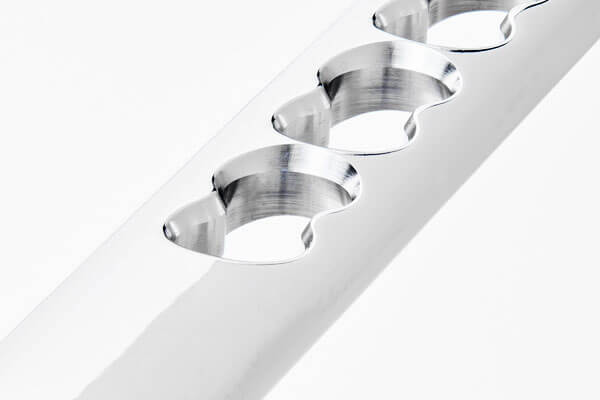
钛等级 5 材料
钛等级 5 材料

Metallurgical Identity

年级 5 is engineered around a simple but powerful alloying strategy:

  • stabilizes the alpha phase and strengthens the alloy.
  • stabilizes the beta phase and helps create the alpha-plus-beta structure.
  • remains the base metal and primary matrix.

This metallurgical balance gives Grade 5 its practical versatility. By adjusting heat treatment and cooling conditions, manufacturers can influence the final phase distribution and therefore tailor strength, 韧性, 和抗疲劳性.

核心特征

高强度重量比

年级 5 delivers very high strength while remaining much lighter than steels or nickel alloys. This is one of the main reasons it is so valuable in aerospace and performance engineering.

Heat-treatable microstructure

The alloy can be processed in different thermal states, allowing its properties to be tuned for specific needs. That makes it far more adaptable than many ordinary structural metals.

良好的耐腐蚀性

年级 5 resists many natural and industrial environments well, including marine atmospheres and many chemical exposures.

It is not a super-corrosion alloy, but it performs very well in a broad range of service conditions.

非磁性行为

Like most titanium alloys, 年级 5 本质上是非磁性的. This matters in applications where magnetic interference must be minimized.

Proven industrial maturity

It is a highly standardized and widely available alloy. Designers, 制造商, and certifying bodies know it well, which reduces risk in critical projects.

典型的应用

年级 5 is used whenever a designer needs a proven titanium alloy with broad performance coverage.

航天

  • Airframe structures
  • Compressor blades
  • Discs and rings
  • 紧固件
  • 转子轮毂
  • Pressure-containing parts

Marine and offshore

  • Salt-exposed structures
  • Seawater-related hardware
  • Offshore support components

Industrial and performance applications

  • 压力容器
  • Critical forgings
  • High-strength mechanical components
  • Sporting and racing parts

医疗的

  • Some medical devices
  • Surgical hardware
  • Non-implant or semi-critical biomedical components

3. What Is Grade 23 钛合金?

年级 23 titanium alloy is the extra-low interstitial (埃利) version of Ti-6Al-4V.

It belongs to the same alpha-plus-beta family as Grade 5, and it shares the same basic alloying concept: aluminum stabilizes the alpha phase and vanadium stabilizes the beta phase.

The difference is in purity. 年级 23 has much tighter limits on interstitial elements such as oxygen, 碳, 氮, 铁, 和氢.

That higher purity gives Grade 23 a very different engineering personality. It is not chosen because it is dramatically stronger than Grade 5.

It is chosen because it is cleaner, tougher, more damage-tolerant, and better suited to cryogenic and biomedical service.

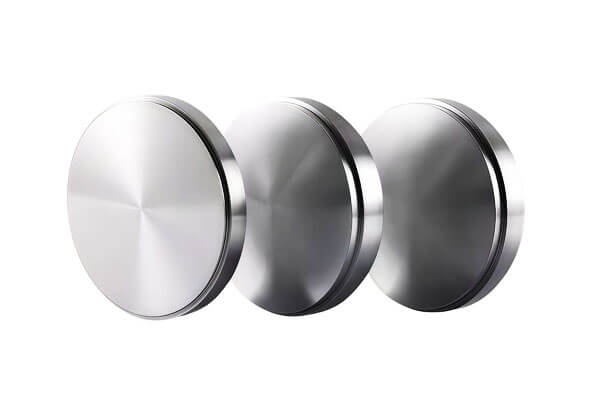
年级 23 Titanium Alloy Disc

Metallurgical Identity

年级 23 is designed to reduce the adverse effects of interstitial contamination.

In titanium alloys, 氧, 碳, and hydrogen can strongly influence ductility, 韧性, and fracture behavior.

By lowering those elements, 年级 23 improves reliability in demanding applications where failure tolerance is limited.

实际上, 年级 23 is the refined, premium version of Ti-6Al-4V.

核心特征

Higher purity

The lower interstitial content is the defining feature of Grade 23. This improves toughness and helps the alloy behave more predictably under demanding service conditions.

Superior damage tolerance

By lowering the interstitial content, particularly oxygen, 年级 23 achieves significantly higher fracture toughness ($K_{我知道了}$) and ductility than its Grade 5 counterpart, ensuring reliable performance in fracture-critical components.

Better cryogenic behavior

This alloy is especially well suited to very low-temperature service, where tougher microstructural behavior is valuable.

出色的生物相容性

年级 23 is widely used in biomedical applications because it combines corrosion resistance, low modulus, and strong fatigue behavior with excellent compatibility in the human body.

Non-magnetic and corrosion-resistant

Like Grade 5, it is non-magnetic and highly resistant to many corrosive environments, including seawater and chloride-containing biological fluids.

典型的应用

年级 23 is selected in applications where safety margin and long-term reliability outweigh raw strength.

Medical and biomedical

  • Implantable devices
  • Joint replacement components
  • Bone fixation hardware
  • Surgical clips
  • Dental and orthopedic parts

Cryogenic service

  • Cryogenic vessels
  • Low-temperature pressure systems
  • Components exposed to thermal contraction and thermal cycling

Aerospace and offshore

  • Fracture-critical parts
  • Safety-sensitive structural components
  • Selected offshore tubulars and high-reliability hardware

为什么重要

年级 23 exists because some applications demand more than high strength.

In implants, cryogenic systems, and fracture-critical structures, the most valuable property is often damage tolerance.

年级 23 is engineered to provide that margin by reducing interstitial impurities and improving the alloy’s internal cleanliness.

4. Typical Chemical Components: 年级 5 vs等级 23 钛合金

元素 年级 5 (ti-6al-4V) 年级 23 (ti-6al-4v eli) Engineering significance
平衡. 平衡. Base metal and matrix of both alloys.
5.50–6.75%. 5.50–6.50% nominal. Alpha stabilizer; contributes to strength and heat-treat response.
3.50–4.50%. 3.50–4.50% nominal. Beta stabilizer; helps create the alpha-plus-beta structure.
≤ 0.40%. ≤ 0.25%. Lower iron in Grade 23 improves purity and damage tolerance.
≤ 0.20% in Grade 5 mill product data. ≤ 0.130%. Oxygen raises strength but reduces ductility and toughness when excessive.
≤ 0.08% or similar low-limit control. ≤ 0.080%. Lower carbon helps preserve toughness and cleanliness.
≤ 0.05%. ≤ 0.050%. Interstitial control is important for ductility.
≤ 0.015%. ≤ 0.013% or ASTM-specific 120 ppm guidance in medical products. Hydrogen must be minimized to avoid embrittlement.
Other total Typically controlled low. ≤ 0.40%. Cleanliness and residual control support repeatable performance.

5. 物理和机械性能: 年级 5 vs等级 23 钛合金

The values below are taken from current datasheets, and where grades are compared directly, the comparison is based on the published minimum room-temperature properties because those are the most defensible engineering numbers.

Exact values can still vary with product form, 热处理, and manufacturer.

性能特性 年级 5 (ti-6al-4V) 年级 23 (ti-6al-4v eli) 这意味着什么
密度 4.43 g/cc; 0.160 lb/in³. 4.43 g/cc; 0.160 lb/in³. Practically identical mass efficiency.
弹性模量 114 GPA. 105–116 GPa. Nearly the same stiffness; neither grade is “steel-stiff,” but both are excellent for specific stiffness because of low density.
剪切模量 5.90 ×10³KSI, or 41–45 GPa. 5.90 ×10³KSI, or 41–45 GPa. Torsional response is effectively comparable in design use.
最小屈服强度 828 MPA. 793 MPA. 年级 5 has the edge in minimum specified static yield strength.
最小拉伸强度 895 MPA. 862 MPA. 年级 5 has the higher minimum specified tensile strength.
Typical annealed tensile strength
1000 MPa in one current datasheet. 896 MPa typical in mill-annealed condition. Typical values can overlap by product form; this is why specification condition matters.
伸长 10% 最低限度. 10% 最低限度; 15% typical in mill-annealed material. 年级 23 is generally more ductile in the usual annealed state.
面积减少 / constriction 25% 最低限度. 25% 最低限度; 45% typical in mill-annealed material. 年级 23 shows the stronger plastic-deformation margin in typical condition.
Beta transus 999°C ± 14°C. 1765–1815°F. Both are α+β alloys, but process windows should always follow the governing product specification.
断裂 / damage tolerance
良好, but not the preferred choice when toughness is the main design objective. Superior damage tolerance, 断裂韧性, and fatigue crack-growth resistance. 年级 23 is the better choice for fracture-critical service.
Cryogenic behavior Usable at cryogenic temperatures, but not as optimized for them as Grade 23. Better mechanical properties at cryogenic temperatures than standard Ti-6Al-4V. 年级 23 is the more conservative low-temperature option.
Magnetic response 没有任何. 没有任何. Both are non-magnetic, which matters in medical and instrumentation uses.

6. 耐腐蚀性: 年级 5 vs等级 23 钛合金

年级 5 offers excellent resistance in many natural and industrial environments, including marine and offshore oil and gas service, and it resists a wide range of acids.

One datasheet notes strong resistance to oxidizing acids, useful resistance to reducing acids, and good performance in many lower-concentration organic acids.

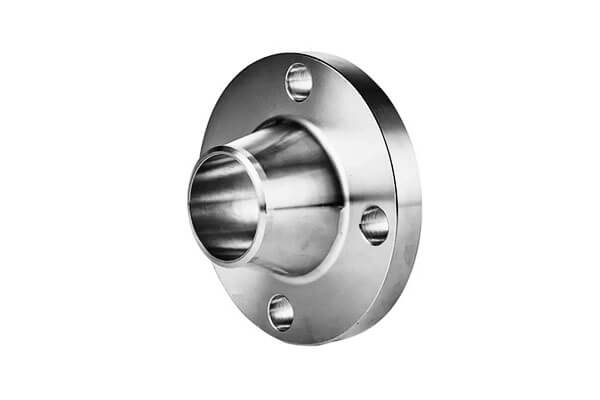
年级 5 Titanium Flange

年级 23 has the same fundamental titanium oxide-film protection, 和 Carpenter specifically describes it as highly resistant to corrosion in most aqueous solutions, oxidizing acids, chlorides in the presence of water, 和碱.

It also rates seawater, 湿度, and salt spray as excellent.

The practical difference is that Grade 23 is often chosen when corrosion resistance must be paired with higher damage tolerance, especially in chloride-bearing body fluids, cryogenic vessels, or offshore tubulars.

年级 5 remains highly corrosion-resistant, but its role is more often general high-strength service than extreme reliability service.

A concise way to frame it is this:

  • 年级 5: excellent broad corrosion resistance, especially for aerospace and offshore use.
  • 年级 23: equally titanium-typical corrosion resistance, but with a purity profile that makes it the safer choice where failure tolerance is lower.

7. 生物相容性: 年级 5 vs等级 23 钛合金

年级 5 is already widely used in medical equipment and is often selected because titanium alloys form a stable oxide film and combine low density with excellent corrosion resistance.

In commercial datasheets, 年级 5 is explicitly listed for medical equipment, and its biocompatibility is treated as one of its major selling points.

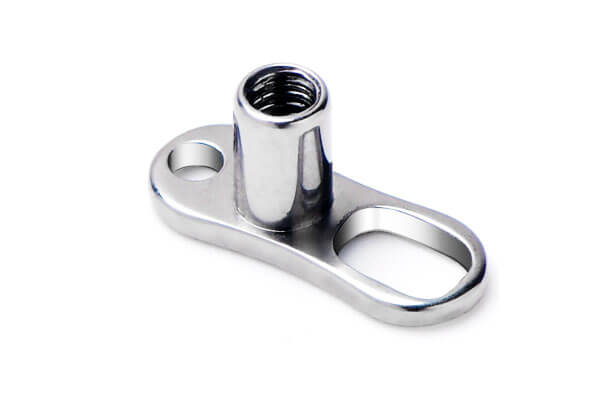
年级 23 Titanium Anchor Base

年级 23, 然而, is the material that dominates implant-oriented applications.

Carpenter states directly that ELI has been the material of choice for many medical and dental applications because of its excellent biocompatibility, 良好的疲劳力量, and low modulus.

It also lists implantable components, joint replacement, bone fixation devices, and surgical clips among its applications.

The reason Grade 23 is preferred in implants is not simply “medical branding.”

Lower interstitial content improves damage tolerance and helps keep the alloy more forgiving under cyclic loading and in corrosive body-fluid environments.

That is especially important for long-life implants and fracture-critical devices.

So the hierarchy is straightforward:

  • 年级 5 is biocompatible and medically acceptable in many products.
  • 年级 23 is the premium choice for implant-grade performance, especially where toughness and long-term reliability matter.

8. 全面比较: 年级 5 vs等级 23

方面 年级 5 (ti-6al-4V, 美国R56400) 年级 23 (ti-6al-4v eli, UNS R56407 / ASTM B348 Grade 23)
合金标识 The most widely used titanium grade; a two-phase α+β alloy with Al as alpha stabilizer and V as beta stabilizer. The higher-purity extra-low interstitial version of Ti-6Al-4V; also an α+β alloy.
力量 Usually higher baseline strength.

)

Slightly lower strength in exchange for toughness.
韧性 良好, but not the preferred choice when toughness is the primary objective. Superior fracture toughness and fatigue crack growth resistance.
Cryogenic behavior 良好, but less optimized for cryogenic reliability than Grade 23. Better cryogenic properties than standard Grade 5.
耐腐蚀性
Excellent in many industrial and marine environments. Excellent in aqueous solutions, 海水, chlorides with water, and many medical environments.
生物相容性 Suitable for medical equipment and many non-implant uses. Preferred for implants, joint replacement, and surgical hardware.
制造业 Very mature supply chain, 广泛的可用性, heat-treatable and weldable. Also weldable and processable, but its premium value comes from purity control.
Typical use case Airframes, 引擎, 紧固件, 海上零件, 承压零件. 植入物, fracture-critical structures, offshore tubulars, cryogenic vessels.

9. Selection Logic from Different Perspectives

If the priority is maximum general-purpose structural strength

选择 年级 5. It is the more common Ti-6Al-4V variant, and its published minimum room-temperature tensile and yield strengths are generally higher than Grade 23 in the standard datasheets used here.

That makes it the more natural choice when the main objective is to carry load efficiently with a proven titanium alloy platform.

If the priority is damage tolerance, 断裂韧性, and crack-growth resistance

选择 年级 23. The ELI version is specifically designed with lower interstitial content, and the datasheet language is explicit: it is the better choice when toughness matters.

实际上, that means Grade 23 is the more conservative material for fracture-critical parts, 薄部分, and designs where flaw tolerance is more important than absolute static strength.

If the application is biomedical or implant-oriented

选择 年级 23. The published medical positioning of Grade 23 is stronger and more specific: it is described as the material of choice for many medical and dental applications, with excellent biocompatibility, low modulus, and strong fatigue performance.

年级 5 is also medically useful, but Grade 23 is the more defensible implant-grade option when long-term reliability and tissue compatibility are central concerns.

If the service environment is cryogenic or involves severe low-temperature cycling

选择 年级 23. The lower interstitial content gives it better cryogenic mechanical behavior than standard Grade 5, which matters when thermal contraction, brittle fracture risk, or low-temperature toughness are part of the design problem.

年级 5 can still be used in cryogenic service, but Grade 23 gives the stronger reliability margin.

If the part is a standard aerospace structural component and the supply chain matters

选择 年级 5. It is the most widely used titanium grade, has an established processing ecosystem, and is available across a broad range of product forms.

For airframes, 压缩机零件, 紧固件, and other mainstream aerospace hardware, 年级 5 usually offers the best balance of availability, 力量, and maturity.

If the design is offshore, 海洋, or seawater-exposed but still structure-driven

The choice depends on the failure mode you fear most. For general load-bearing marine hardware, 年级 5 is often sufficient and remains the economical default.

If the component is safety-critical, thin-sectioned, or exposed to cyclic loads where crack growth matters, 年级 23 becomes the better option because of its higher damage tolerance.

Both alloys have strong corrosion resistance in marine environments, so the decision is usually driven more by mechanical reliability than by corrosion alone.

If the decision is mainly about cost and availability

选择 年级 5 unless the project clearly justifies the premium for Grade 23.

年级 5 is the standard alloy, which means easier procurement, broader vendor familiarity, and typically lower cost.

年级 23 is worth the added cost when the application genuinely needs its higher purity, better toughness, or biomedical suitability.

If the issue is manufacturing risk

年级 5 is usually the easier default for general industrial fabrication because it is widely standardized and familiar to fabricators.

年级 23 is also manufacturable, but its value comes from tighter chemistry and higher reliability, which means it is best used when the downstream performance requirement justifies the stricter material control.

Both grades still require disciplined titanium processing, especially for welding and contamination control.

10. 结论

年级 5 和等级 23 are sibling alloys, but they are optimized for different engineering priorities.

钛等级 5 is the classic Ti-6Al-4V workhorse: 强的, 光, 耐腐蚀, and widely available across aerospace, 海洋, and industrial markets.

钛等级 23 is the higher-purity ELI variant: slightly less strength, but better toughness, better cryogenic behavior, and the preferred choice for implants and fracture-critical service.

If the brief is maximum general-purpose structural performance, 年级 5 usually wins.

If the brief is maximum damage tolerance, low-temperature reliability, or implant-grade biocompatibility, 年级 23 is the more defensible choice. That is the real engineering boundary between them.


常见问题解答

是等级 23 stronger than Grade 5?

Usually no. 年级 5 generally offers the higher baseline strength, while Grade 23 is selected for better toughness and damage tolerance.

是等级 23 just a medical version of Grade 5?

Not exactly. It is the extra-low interstitial version of Ti-6Al-4V, and the lower impurity levels are what improve toughness, 疲劳裂纹抗性, and cryogenic performance.

Can Grade 5 replace Grade 23?

Only when the application does not require the extra toughness, fracture tolerance, or implant-oriented performance that Grade 23 提供.

是等级 5 titanium suitable for permanent surgical implants?

不. While Grade 5 is fundamentally biocompatible, it does not meet the stringent Extra Low Interstitial (埃利) requirements of ASTM F136 mandated for permanent implants.

年级 23 is the required standard for joint replacements and dental implants to ensure maximum fatigue resistance and biological integration.

Why is Grade 23 more expensive than standard Grade 5?

The cost premium for Grade 23 is a result of the advanced refining processes (such as multiple vacuum arc remelting cycles) and the high-purity raw materials required to achieve the ELI status.

These processes ensure the removal of non-metallic impurities that could compromise the material’s toughness.

发表评论

您的邮箱地址不会被公开。 必填项已用 * 标注

滚动至顶部

获取即时报价

请填写您的信息,我们会及时与您联系.