1. Giới thiệu
Đồng thau vs thép không gỉ là sự so sánh phổ biến trong việc lựa chọn vật liệu cho các ngành công nghiệp như hệ thống ống nước, ngành kiến trúc, Kỹ thuật hàng hải, và sản xuất cơ khí.
Hai kim loại này, mặc dù thường được sử dụng thay thế cho nhau trong một số ứng dụng, cung cấp các đặc tính khác nhau đáng kể về sức mạnh, kháng ăn mòn, khả năng gia công, vẻ bề ngoài, và chi phí.
Đồng thau là một hợp kim gốc đồng được biết đến với tính dẫn điện tuyệt vời, thẩm mỹ ấm áp, và dễ gia công.
Thép không gỉ, mặt khác, là một hợp kim gốc sắt nổi tiếng với khả năng chống ăn mòn vượt trội, sức mạnh, và độ bền.
2. Đồng thau là gì?
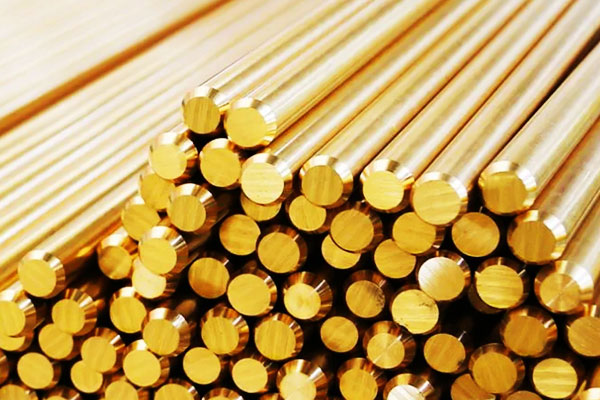
Thau là một hợp kim kim loại linh hoạt và được sử dụng rộng rãi, bao gồm chủ yếu là đồng (Cu) Và kẽm (Zn).
Tỷ lệ của hai yếu tố này có thể thay đổi để đạt được các kết quả cơ học khác nhau., thuộc vật chất, và tính chất hóa học,
làm đồng thau thích hợp cho một loạt các ứng dụng, từ đồ đạc trang trí đến các bộ phận chính xác trong thiết bị điện tử và máy móc.
Thành phần hóa học & Phân loại
Đồng thau thường chứa:
- đồng (Cu): 55–70%
- Kẽm (Zn): 30–45%
- Các yếu tố tùy chọn:
-
- Chỉ huy (PB): Đã thêm (lên đến 3%) trong các loại đồng thau có thể gia công được như C36000 để cải thiện khả năng bẻ phoi trong quá trình gia công
- Thiếc (Sn), Nhôm (Al), Silicon (Và): Đã thêm vào các lớp cụ thể (VÍ DỤ., Đồng thau hải quân, Đồng thau silicon) để cải thiện khả năng chống ăn mòn hoặc sức mạnh
Các loại đồng thau phổ biến:
| Cấp (CHÚNG TA) | Thành phần điển hình (Cu/Zn/Khác) | Các tính năng chính | Các ứng dụng điển hình |
| C26000 (Hộp mực đồng thau) | 70% Cu / 30% Zn | Độ dẻo tuyệt vời, khả năng làm việc lạnh | Vỏ đạn, phần vẽ sâu, lõi tản nhiệt |
| C36000 (Đồng thau cắt miễn phí) | 61.5% Cu / 35.5% Zn / 3% PB | Khả năng gia công vượt trội (đánh giá 100%) | Các bộ phận gia công chính xác, phụ kiện, buộc chặt |
| C46400 (Đồng thau hải quân) | 60% Cu / 39% Zn / 1% Sn | Chống ăn mòn tốt trong nước mặn | Phần cứng hàng hải, Trục chân vịt, Van nước biển |
| C23000 (Đồng thau đỏ) | 85% Cu / 15% Zn | Mạnh, chống ăn mòn, màu đỏ | Ống nước, xi lanh bơm, bảng kiến trúc |
| C27200 (Đồng thau vàng) | 63% Cu / 37% Zn | Sức mạnh tốt, Độ dẻo vừa phải, chi phí thấp | Ống nước, Nhạc cụ, vật dụng trang trí |
| C38500 (Đồng thau kiến trúc) | 57% Cu / 40% Zn / 3% PB | Tuyệt vời cho rèn nóng và gia công | Đồ đạc trang trí, bản lề, kiến trúc trang trí |
| C35300 (Đồng thau có chì cao) | ~62% Cu / ~35% Zn / ~ 3% Pb | Khả năng gia công vượt trội và độ kín áp suất | Van thân, khóa cơ thể, sản phẩm máy trục vít |
| C28000 (kim loại Muntz) | 60% Cu / 40% Zn | Sức mạnh cao, được sử dụng để gia công nóng và cán | Tấm ốp biển, ống ngưng tụ, tấm kiến trúc |
| C44300 (Đồng thau hải quân) | 70% Cu / 29% Zn / 1% Sn | Kháng ăn mòn tốt, đặc biệt là nước biển | Trao đổi nhiệt, ống ngưng tụ, đơn vị khử muối |
Ưu điểm của đồng thau
- Khả năng gia công tuyệt vời: Đặc biệt ở các lớp có chì, máy đồng thau nhanh hơn 2–3 lần so với thép nhẹ
- Kháng ăn mòn tốt: Đặc biệt trong điều kiện nước ngọt và khí quyển ôn hòa
- Độ dẫn điện và điện cao: Thích hợp cho bộ trao đổi nhiệt, thiết bị đầu cuối, và đầu nối
- Kháng cáo thẩm mỹ: Màu vàng hấp dẫn, thường được sử dụng cho các ứng dụng trang trí và kiến trúc
- Không có từ tính và không phát ra tia lửa: Hữu ích trong môi trường điện tử nhạy cảm hoặc nguy hiểm
Nhược điểm của đồng thau
- Độ bền thấp hơn so với thép không gỉ: Độ bền kéo điển hình dao động từ 300–500 MPa
- Dễ bị khử kẽm: Trong một số môi trường nhất định (VÍ DỤ., nước đọng, điều kiện có tính axit hoặc hàm lượng clorua cao), kẽm có thể rỉ ra ngoài, làm suy yếu hợp kim
- Tương đối mềm: Có thể biến dạng dưới tải nặng hoặc ứng dụng có ứng suất cao
- Biến động chi phí dựa trên đồng: Giá đồng thau rất nhạy cảm với biến động của thị trường đồng toàn cầu
3. Thép không gỉ là gì?
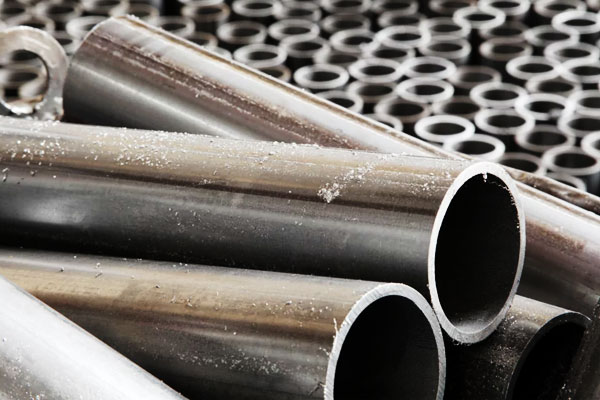
Thép không gỉ là một hợp kim gốc sắt chống ăn mòn chủ yếu bao gồm sắt (Fe), crom (Cr) (ít nhất 10.5%), và thường là các yếu tố khác như Niken (TRONG), Molypden (MO), Mangan (Mn), Và Carbon (C).
Đặc điểm nổi bật của nó là sự hình thành một oxit crom thụ động (Cr₂o₃) lớp Trên bề mặt, bảo vệ kim loại khỏi quá trình oxy hóa và tấn công hóa học.
Đặc điểm chính:
- Kháng ăn mòn: Khả năng chống oxy hóa tuyệt vời, axit, kiềm, và clorua.
- Sức mạnh cơ học: Độ bền và độ dẻo dai cao trong phạm vi nhiệt độ rộng.
- Hoàn thiện thẩm mỹ: Trơn, vẻ ngoài sạch sẽ với nhiều bề mặt hoàn thiện khác nhau.
- Vệ sinh: Dễ dàng làm sạch, bề mặt không xốp thích hợp cho ngành thực phẩm và y tế.
Thành phần hóa học & Phân loại
Thép không gỉ được phân loại thành Năm gia đình chính, mỗi loại cung cấp các đặc tính độc đáo và phù hợp cho các ứng dụng khác nhau:
| Gia đình | Các yếu tố hợp kim chính | Thuộc tính chính | Lớp tiêu biểu |
| Austenitic | Cr (16–26%), TRONG (6–22%), thấp c | Không từ tính, Kháng ăn mòn tuyệt vời, Dukes | 304, 316, 321, 310 |
| Ferritic | Cr (11–18%), Ni thấp hoặc không có | Từ tính, Kháng ăn mòn vừa phải, định dạng tốt | 409, 430, 446 |
| Martensitic | Cr (12–18%), C cao hơn | Từ tính, có thể được làm cứng, Kháng ăn mòn vừa phải | 410, 420, 440A/b/c |
| Song công | Cr (18–28%), TRONG (4–8%), MO | Cấu trúc hỗn hợp austenite/ferit, sức mạnh cao & sức chống cự | 2205, 2507 |
| Kết tủa cứng (PH) | Cr, TRONG, Cu, NB, Al | Độ bền cao thông qua xử lý nhiệt, Kháng ăn mòn tốt | 17-4 PH, 15-5 PH |
Ưu điểm của thép không gỉ
- Kháng ăn mòn cao, đặc biệt là trong môi trường hung hăng.
- Tỷ lệ sức mạnh trên trọng lượng tuyệt vời.
- Bề mặt hoàn thiện đa dạng (chải, gương, mờ, vân vân.).
- Không phản ứng và an toàn cho các ứng dụng thực phẩm và dược phẩm.
- Tuổi thọ dài với chi phí bảo trì thấp.
- 100% có thể tái chế.
Nhược điểm của thép không gỉ
- Đắt hơn thép carbon và một số hợp kim đồng.
- Khó gia công máy (đặc biệt là lớp austenit).
- Yêu cầu kiến thức chuyên môn về hàn và chế tạo.
- Độ dẫn nhiệt và điện thấp hơn đồng thau hoặc đồng.
4. Tính chất cơ học của đồng thau và thép không gỉ
Khi so sánh thau Và thép không gỉ, hiểu biết của họ tính chất cơ học là điều cần thiết để lựa chọn vật liệu phù hợp để chịu tải, chống mòn, hoặc các ứng dụng đòi hỏi cấu trúc.
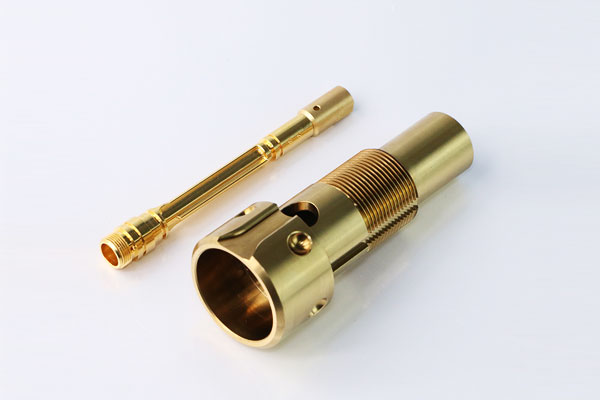
So sánh các đặc tính cơ học chính
| Tài sản | Thau (VÍ DỤ., Cắt tự do C36000) | thép không gỉ (VÍ DỤ., 304, 316) | Nhận xét |
| Độ bền kéo | 300Mạnh500 MPa | 500Mạnh1000 MPa | Thép không gỉ mạnh hơn đáng kể, thích hợp cho việc sử dụng kết cấu. |
| Sức mạnh năng suất | 100MP350 MPa | 200MP600 MPa | Thép không gỉ mang lại sức mạnh năng suất cao hơn; tốt hơn trong việc chịu được tải trọng căng thẳng. |
| Độ cứng (Brinell) | 55–100 HB | 150Mùi250 HB | Thép không gỉ cứng hơn, cung cấp khả năng chống mài mòn tốt hơn. |
| Độ cứng (Rockwell B/C) | B35–B80 | B80–C30 (thay đổi theo lớp) | Các thử nghiệm độ cứng Brinell và Rockwell xác nhận thép không gỉ có khả năng chống chịu cao hơn. |
| Độ giãn dài khi nghỉ | 25–50% | 40–60% | Cả hai đều dẻo, but stainless is more elastic under stress. |
| Sức mạnh mệt mỏi | ~100–200 MPa | ~200–600 MPa | Stainless steel performs better under cyclic loading. |
| Mô đun đàn hồi | ~97 GPa | ~ 190 GP210 GPA | Stainless is stiffer and less prone to deformation under load. |
| Kháng lực tác động | Vừa phải | Cao (đặc biệt là lớp austenit) | Stainless steels absorb more energy before fracturing. |
5. Tính chất vật lý của đồng thau và thép không gỉ
Hiểu được tính chất vật lý of brass and stainless steel is essential when evaluating materials for applications involving thermal cycling, Hệ thống điện, và sự ổn định cấu trúc.
These intrinsic characteristics influence performance in real-world environments such as plumbing, Điện tử, Trao đổi nhiệt, and marine structures.
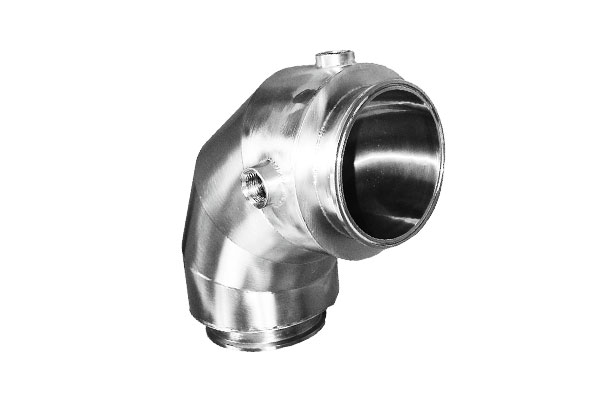
So sánh đặc tính vật lý chính
| Tài sản | Thau(VÍ DỤ., C36000) | thép không gỉ(VÍ DỤ., 304 / 316) | Nhận xét |
| Tỉ trọng | ~8.4–8.7 g/cm³ | ~7,9–8,0 g/cm³ | Brass is slightly denser, which can impact weight-sensitive designs. |
| Điểm nóng chảy | 900–940 °C | 1375Mạnh1450 ° C. | Stainless steel has a significantly higher melting point. |
| Độ dẫn nhiệt | 100–120 W/m·K | 15Mùi25 W/M · K. | Brass conducts heat much better—important for heat exchangers, phụ kiện. |
| Khả năng nhiệt riêng | ~0.377 J/g·K | ~0.500 J/g·K | Thép không gỉ có thể hấp thụ nhiệt nhiều hơn một chút trên một đơn vị khối lượng. |
| Độ dẫn điện | 28%–56% IACS | ~1,2%–3% IACS | Đồng thau là chất dẫn điện tốt hơn nhiều so với thép không gỉ. |
| Hệ số giãn nở nhiệt | ~20 × 10⁻⁶ /°C | ~ 16 …17 × 10⁻⁶ /° C | Đồng thau giãn nở nhiều hơn theo nhiệt độ—có thể ảnh hưởng đến các cụm lắp ráp chính xác. |
| Mô đun đàn hồi | ~97 GPa | ~ 190 GP210 GPA | Thép không gỉ cứng hơn và có khả năng chống biến dạng đàn hồi cao hơn. |
| Tính chất từ tính | Không từ tính | Khác nhau: 304 không có từ tính; 430 có từ tính | Thép không gỉ có thể có từ tính hoặc không, Tùy thuộc vào lớp; đồng thau luôn không có từ tính. |
6. Kháng ăn mòn: Đồng thau vs thép không gỉ
Khả năng chống ăn mòn là một trong những yếu tố quan trọng nhất trong việc lựa chọn vật liệu, đặc biệt là cho các ứng dụng trong ống nước, môi trường biển, Xử lý hóa học, Và lắp đặt ngoài trời.
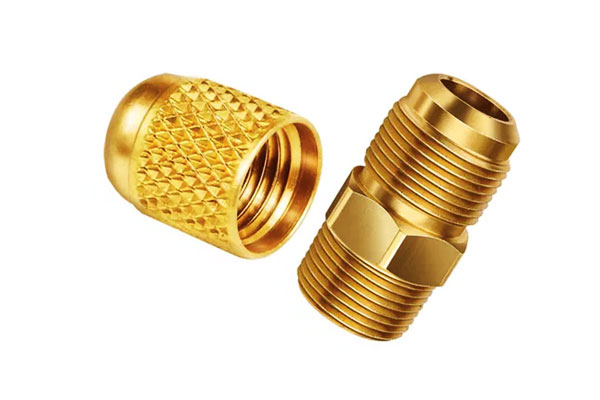
Thau: Tổng quan về khả năng chống ăn mòn
| Điểm mạnh | Giới hạn |
| Khả năng chống nước tốt, hơi nước, và axit không oxy hóa | Dễ bị Khử trùng trong một số môi trường nhất định |
| Hoạt động tốt trong môi trường có hàm lượng clorua thấp, trong nhà, hoặc điều kiện khô ráo | Có thể bị ăn mòn do ứng suất khi có amoniac hoặc môi trường ẩm ướt |
| Tự nhiên tạo thành một lớp gỉ có thể bảo vệ chống ăn mòn bề mặt | Patina có thể không được chấp nhận cho mục đích sử dụng thẩm mỹ hoặc vệ sinh |
Khử trùng
Một quá trình lọc có chọn lọc trong đó kẽm được loại bỏ khỏi hợp kim, để lại đằng sau một lỗ xốp, cấu trúc giàu đồng.
Nó làm suy yếu bộ phận và đặc biệt có vấn đề trong hệ thống ống nước. Một số loại đồng thau có khả năng “chống khử kẽm” (Đồng thau DZR, VÍ DỤ., CW602N).
thép không gỉ: Tổng quan về khả năng chống ăn mòn
| Cấp | Hành vi ăn mòn |
| 304 thép không gỉ | Kháng ăn mòn chung tốt, dễ bị tổn thương clorua rỗ |
| 316 thép không gỉ | Sức đề kháng vượt trội nhờ Molypden (2–3%), xuất sắc trong hàng hải Và tính axit môi trường |
| 410/420 (Martensitic) | Kháng ăn mòn vừa phải, thích hợp với môi trường có độ ẩm thấp |
Lớp oxit crom
Tất cả các loại thép không gỉ tạo thành một màng oxit crom thụ động bảo vệ kim loại bên dưới.
Khi bị trầy xước hoặc hư hỏng, lớp này tự phục hồi khi có oxy, làm cho thép không gỉ có độ bền cao trong môi trường ăn mòn.
7. Quy trình sản xuất đồng thau và thép không gỉ
Hình thành và chế tạo
Cả đồng thau và thép không gỉ đều được sử dụng rộng rãi trong hoạt động tạo hình, nhưng hành vi của chúng trong quá trình chế tạo khác nhau đáng kể.
- Thau, đặc biệt là ở trạng thái ủ của nó, thể hiện độ dẻo tuyệt vời và dễ dàng tạo thành các hình dạng phức tạp bằng cách sử dụng các quy trình gia công kim loại tiêu chuẩn.
Độ bền năng suất thấp của nó cho phép hình thành với lực tối thiểu, Làm cho nó lý tưởng cho bản vẽ sâu, dập, và uốn cong. - Thép không gỉ, trong khi cũng có thể định hình, đòi hỏi lực tạo hình lớn hơn do cường độ cao hơn và độ cứng vốn có.
Nó có xu hướng làm việc chăm chỉ trong quá trình biến dạng, có thể cần ủ trung gian để khôi phục độ dẻo và ngăn ngừa nứt trong quá trình tạo hình nhiều giai đoạn.
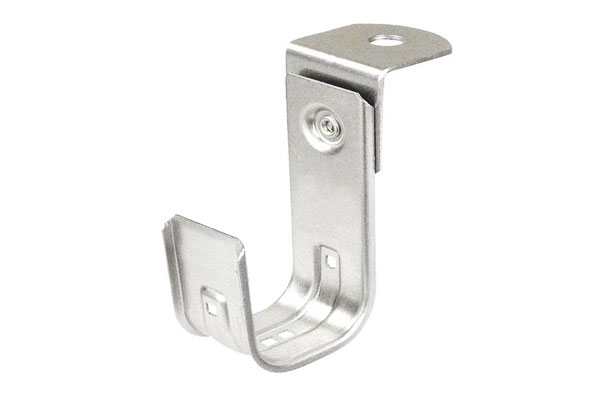
Đúc
- Thau hợp kim có khả năng đúc tuyệt vời, đặc trưng bởi tính lưu động cao, co rút thấp, và hấp thụ khí tối thiểu.
Những đặc tính này cho phép sản xuất phức tạp, các thành phần có độ chính xác cao thông qua các phương pháp đúc thông thường như đúc cát, chết đúc, và đúc đầu tư. - Đúc thép không gỉ đòi hỏi khắt khe hơn do nó Điểm nóng chảy cao hơn (~1370–1450 °C) và tính dễ bị co ngót, Độ xốp, và vết nứt nóng.
Kỹ thuật đúc chính xác như Đúc đầu tư hoặc đúc ly tâm thường được tuyển dụng, và cẩn thận Gating, Thiết kế riser, và kiểm soát nhiệt độ là điều cần thiết để có kết quả chất lượng cao.
Gia công
- Thau nổi tiếng vì nó Khả năng gia công tuyệt vời, đặc biệt là miễn phí-gia công lớp như thế nào C36000, có chứa một lượng nhỏ chì.
Nó máy dễ dàng, tạo ra bề mặt mịn màng, và thể hiện độ mòn dụng cụ thấp, làm cho nó trở nên lý tưởng cho tốc độ cao, sản xuất số lượng lớn. - Thép không gỉ, ngược lại, thách thức hơn đối với máy.
Của nó xu hướng làm việc chăm chỉ, kết hợp với độ dẫn nhiệt thấp và độ bền cao, dẫn đến tăng mài mòn dụng cụ và sinh nhiệt.
Yêu cầu gia công tối ưu thép không gỉ thiết lập cứng nhắc, sử dụng chất làm mát, Và dụng cụ thép tốc độ cao được phủ hoặc cacbua, với tốc độ và bước tiến được kiểm soát cẩn thận.
Hàn
- Hàn đồng thau là khó khăn vì hàm lượng kẽm cao, có thể bay hơi dưới nhiệt và dẫn đến độ xốp, bẻ khóa, hoặc khói.
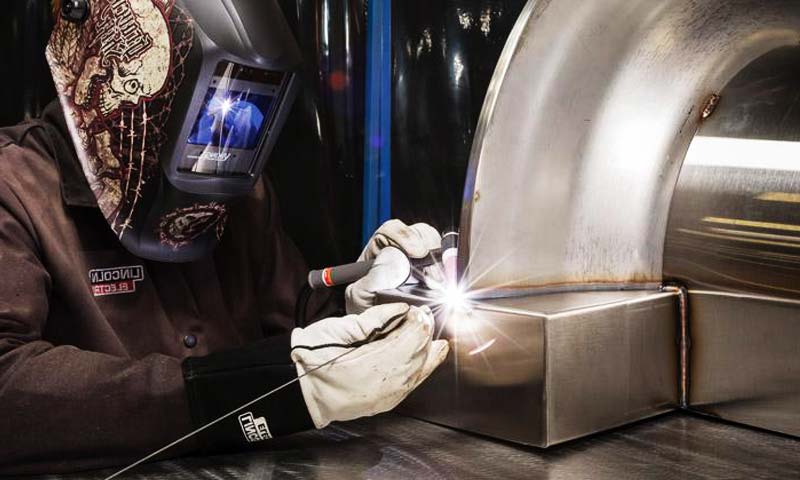
Kỹ thuật như hàn khí, hàn, hoặc Hàn TIG với que hàn hàm lượng kẽm thấp thường được sử dụng, thường được làm nóng trước để giảm thiểu sốc nhiệt. - Thép không gỉ nói chung có thể hàn được bằng các phương pháp như TIG (GTAW), TÔI (Gawn), Và Smaw, Tùy thuộc vào lớp.
Để duy trì khả năng chống ăn mòn và tính chất cơ học, điều quan trọng là phải chọn vật liệu phụ phù hợp, điều khiển Đầu vào nhiệt, Và, Trong một số trường hợp, trình diễn Điều trị nhiệt sau hàn hoặc thụ động phục hồi lớp oxit bảo vệ.
8. Thẩm mỹ & Bề mặt xuất hiện
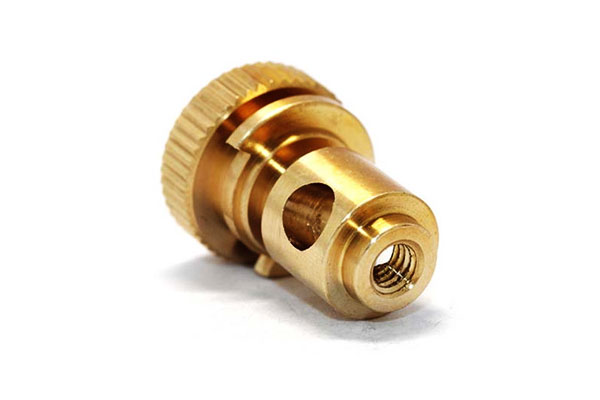
Thau
Đồng thau được đánh giá cao vì độ ấm của nó, màu vàng đậm, làm cho nó trở thành sự lựa chọn phổ biến cho các ứng dụng trang trí và kiến trúc như phần cứng đồ nội thất, tay nắm cửa, và tác phẩm điêu khắc trang trí.
Theo thời gian, đồng thau tự nhiên phát triển một PATINA—một lớp bề mặt có thể dao động từ lão hóa nhẹ đến xanh xao, mà một số người đánh giá cao vì sự hấp dẫn cổ điển hoặc cổ xưa của nó.
Tuy nhiên, sự xỉn màu này có thể là điều không mong muốn trong một số bối cảnh nhất định, yêu cầu đánh bóng thường xuyên để khôi phục và duy trì độ sáng ban đầu của nó, Kết thúc bóng.
thép không gỉ
Ngược lại, thép không gỉ mang lại kiểu dáng đẹp, vẻ ngoài hiện đại đặc trưng bởi sự mát mẻ của nó, ánh xám bạc.
Tính linh hoạt của nó trong việc hoàn thiện bề mặt cho phép tạo ra nhiều hiệu ứng thẩm mỹ: Một kết thúc đánh bóng cao cung cấp chất lượng phản chiếu giống như gương, trong khi a kết thúc chải hoặc satin tạo ra một sự tinh tế, có kết cấu, và cái nhìn nhẹ nhàng.
Thép không gỉ có khả năng chống bám bẩn và ăn mòn cao, cho phép nó duy trì sự sạch sẽ, vẻ ngoài hấp dẫn trong thời gian dài với mức bảo trì tối thiểu.
Những phẩm chất này làm cho thép không gỉ trở thành vật liệu được ưa chuộng cho các đặc điểm kiến trúc đương đại, Thiết bị nhà bếp, và các yếu tố trang trí cần độ bền và tuổi thọ cao.
9. Ứng dụng của đồng thau và thép không gỉ
Ứng dụng đồng thau:
- Ống nước: vòi, Van, phụ kiện, đầu nối ống, đồng hồ nước
- Kiến trúc & Trang trí: tay nắm cửa, khóa, Đồ đạc chiếu sáng, Nhạc cụ, tác phẩm điêu khắc
- Hàng hải Ngành công nghiệp: Phần cứng hàng hải, Phụ kiện thuyền, cánh quạt
- Điện & Điện tử: đầu nối, thiết bị đầu cuối, Công tắc điện
- Các thành phần cơ học: Bánh răng, Vòng bi, ống lót, Ghế van, buộc chặt
- Hàng tiêu dùng: trang sức, Nhạc cụ, Phần cứng trang trí
- Thiết bị công nghiệp: linh kiện thiết bị đo đạc, Trao đổi nhiệt, van điều khiển
- ô tô: bộ tản nhiệt, trang trí trang trí, bộ phận chế hòa khí
Ứng dụng thép không gỉ:
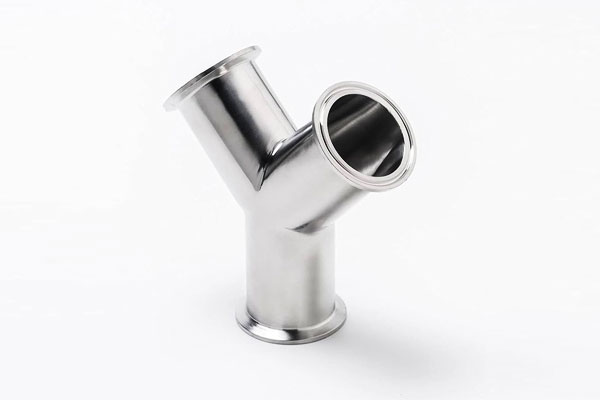
- Ống nước: Ống, Van, bơm, phụ kiện vệ sinh, đường ống thực phẩm và dược phẩm
- Kiến trúc & Trang trí: ốp, tay vịn, Thiết bị nhà bếp, mặt bàn, Tấm thang máy
- Công nghiệp hàng hải: Chốt biển, trục, phụ kiện tàu, hệ thống ống xả, Trao đổi nhiệt
- Điện & Điện tử: khung cấu trúc, vỏ bọc, đầu nối chống ăn mòn
- Các thành phần cơ học: trục, lò xo, buộc chặt, bơm, máy nén, Thành phần tuabin
- Hàng tiêu dùng: dụng cụ nhà bếp, Dao kéo, dụng cụ nấu ăn, thiết bị y tế, Công cụ phẫu thuật
- Thiết bị công nghiệp: Lò phản ứng hóa học, Thiết bị dược phẩm, máy móc chế biến thực phẩm
- ô tô: hệ thống ống xả, các bộ phận cấu trúc, buộc chặt
10. Bảng so sánh toàn diện: Đồng thau vs thép không gỉ
| Tài sản / Diện mạo | Thau | thép không gỉ |
| Thành phần hóa học | đồng (Cu) + Kẽm (Zn), có thể bao gồm Chì (PB), Thiếc, Nhôm | Sắt (Fe) + Crom (≥10,5%) + Niken + Molypden + Người khác |
| Tỉ trọng | ~8,4 – 8.7 g/cm³ | ~ 7.7 - 8.0 g/cm³ |
| Độ bền kéo | 300 - 600 MPA | 500 - 1000 MPA |
| Sức mạnh năng suất | 100 - 400 MPA | 200 - 900 MPA |
| Độ cứng (Brinell) | 55 - 110 HB | 150 - 600 HB |
| Kháng ăn mòn | Tốt trong nước và hóa chất nhẹ; dễ bị khử kẽm | Xuất sắc; đặc biệt 316 chấm điểm với Mo; có khả năng kháng axit cao, clorua, và môi trường biển |
| Độ dẫn nhiệt | Cao (~100–120 W/m·K) | Thấp (~ 15 bóng25 w/m · k) |
| Độ dẫn điện | Cao; dây dẫn điện tốt | Thấp; dây dẫn điện kém |
| Khả năng gia công | Xuất sắc, đặc biệt là đồng thau có chì | Trung bình đến khó; làm việc chăm chỉ đòi hỏi sự chăm sóc |
| Tính định dạng | Rất tốt; dạng nóng và lạnh dễ dàng | Tốt nhưng đòi hỏi lực cao hơn và đôi khi ủ |
| Khả năng hàn | Thách thức; hơi kẽm có thể gây ra độ xốp; hàn ưa thích | Xuất sắc; nhiều phương pháp hàn với quy trình thích hợp |
| Ngoại hình thẩm mỹ | Màu vàng ấm áp; xỉn màu và rỉ sét theo thời gian | Màu xám bạc hiện đại; duy trì kết thúc lâu hơn; có sẵn đánh bóng hoặc chải |
| Trị giá | Nói chung là thấp hơn | Nhìn chung cao hơn do các nguyên tố hợp kim và quá trình xử lý |
| Ứng dụng | Phần cứng trang trí, ống nước, Phụ kiện hàng hải, Thành phần điện | Cấu trúc, kiến trúc, chế biến thực phẩm, thuộc về y học, hàng hải, công nghiệp hóa chất |
| Bền vững & Tái chế | Rất có thể tái chế; năng lượng thấp hơn trong chế biến | Rất có thể tái chế; chống ăn mòn kéo dài vòng đời |
| Lớp tiêu biểu / Hợp kim | C36000 (gia công miễn phí), C46400 (đồng thau kiến trúc) | 304, 316, 430, 410 thép không gỉ |
11. Phần kết luận
Thau cung cấp khả năng gia công đặc biệt, Ngoại hình hấp dẫn, và độ dẫn điện cao—làm cho nó trở nên lý tưởng cho việc trang trí, Điện, và các ứng dụng liên quan đến nhiệt.
Thép không gỉ, mặt khác, cung cấp sức mạnh vượt trội, kháng ăn mòn, và đặc tính vệ sinh phù hợp với cấu trúc, hàng hải, và sử dụng y tế.
Lựa chọn vật liệu xoay quanh việc ưu tiên sức mạnh, môi trường ăn mòn, khả năng gia công, độ dẫn điện, trị giá, và ngoại hình.
Để có sự sang trọng về chức năng, đồng thau là sự lựa chọn phù hợp; cho hiệu suất và tuổi thọ, thép không gỉ chiếm ưu thế.
Câu hỏi thường gặp
Đồng thau có tốt hơn thép không gỉ không?
Nó phụ thuộc vào ứng dụng. Đồng thau cung cấp khả năng gia công tuyệt vời, Độ dẫn điện và điện, và vẻ ngoài vàng hấp dẫn, làm cho nó lý tưởng cho việc sử dụng trang trí và điện.
Thép không gỉ vượt trội về sức mạnh, kháng ăn mòn, và độ bền, làm cho nó tốt hơn cho môi trường khắc nghiệt và các ứng dụng kết cấu.
Những gì kéo dài lâu hơn, thép không gỉ hoặc đồng thau?
Thép không gỉ thường tồn tại lâu hơn, đặc biệt là trong môi trường ăn mòn hoặc biển, do khả năng chống ăn mòn và sức mạnh vượt trội của nó.
Đồng thau có thể bị ăn mòn hoặc xỉn màu nhanh hơn trong một số điều kiện nhất định, như khử kẽm.
Cái nào tốt hơn, van đồng thau hoặc thép không gỉ?
Van thép không gỉ thường được ưa chuộng trong các yêu cầu khắt khe, ăn mòn, hoặc các ứng dụng áp suất cao do độ bền và khả năng chống ăn mòn của chúng.
Van đồng thau hoạt động tốt với áp suất vừa phải và chất lỏng không ăn mòn và thường được chọn vì hiệu quả chi phí và dễ gia công.