1. Вступ
Лазерне різання стало трансформаційною технологією сучасного виробництва, пропонуючи неперевершену комбінацію точності, швидкість, та ефективність.
На відміну від звичайних методів різання, які покладаються на механічну силу або абразивні інструменти, лазерне різання використовує концентрований промінь світла для розрізання матеріалів із надзвичайною точністю.
Спочатку розроблений для промислового застосування, лазерне різання поширилося на різні сфери, включаючи автомобіль, аерокосмічний, електроніка, Охорона здоров'я, і навіть мода.
Сьогодні, він відіграє вирішальну роль як у створенні прототипів, так і в повномасштабному виробництві, дозволяючи виробникам створювати складні конструкції з мінімальними відходами.
У цій статті представлений комплексний аналіз технології лазерного різання,
охоплюючи його основні принципи, основні техніки, матеріали, ключові програми, переваги, виклики, та майбутні тенденції, що формують галузь.
2. Основи лазерного різання
Що таке лазерне різання?
Лазерне різання є безконтактним, термічний виробничий процес, який використовує потужний лазерний промінь для різання або гравірування матеріалів.
Промінь направляється через оптику та керується комп'ютерним числовим керуванням (ЧПК) системи для досягнення точного, складні вирізи.
Порівняно з традиційними методами різання, такими як механічне розпилювання або гідроабразивне різання, лазерне різання пропонує значні переваги з точки зору швидкості, гнучкість, і точність.
Широко використовується для обробки металів, пластмаси, деревина, кераміка, і композити, що робить його універсальним рішенням для різних галузей промисловості.
Як працює лазерне різання
Процес лазерного різання складається з кількох основних етапів:
- Генерація променя – Лазерне джерело, наприклад CO₂, клітковина, або твердотільний лазер, генерує інтенсивний промінь світла.
- Фокусування променя – Оптичні лінзи та дзеркала фокусують лазерний промінь у точну точку, збільшення його енергетичної щільності.
- Взаємодія матеріалів – Нагрівається концентрований лазерний промінь, тане, або випаровує матеріал у точці різання.
- Застосування допоміжного газу – Інертні або реактивні гази (Напр., азот, кисень) допомагають видалити розплавлений матеріал і підвищити ефективність різання.
- Управління рухом – Системи ЧПК направляють лазерну головку за заздалегідь визначеним шляхом, забезпечення точності та повторюваності.
Ключові компоненти системи лазерного різання
Машина для лазерного різання складається з кількох важливих компонентів, кожен з яких відіграє певну роль у забезпеченні точності та ефективності.
Лазерне джерело
Лазерний генератор визначає потужність, довжина хвилі, та придатність програми. Поширені типи включають:
- CO₂ лазери – Ідеально підходить для різання неметалів, таких як пластик, деревина, і акрил.
- Волоконні лазери – Найкраще підходить для різання металів, наприклад алюмінію, нержавіюча сталь, і мідь.
- Nd:YAG лазери – Підходить для гравірування та високоточного різання.
Оптична система
Оптична система складається з дзеркал і лінз, які фокусують і направляють лазерний промінь. Якісний ZnSe (Селенід цинку) лінзи забезпечують мінімальні втрати енергії та покращують ефективність різання.
Контролер ЧПУ
A ЧПУ (ЧПК) система автоматизує рух лазера, забезпечення високої швидкості, високоточне різання з повторюваністю.
Використання передових систем ЧПК Алгоритми, керовані ШІ для оптимізації траєкторії різання, скорочення матеріальних відходів і часу виробництва.
Допоміжне газопостачання
Для покращення процесу різання використовуються різні гази:
- Кисень (O₂): Збільшує швидкість вуглецевої сталі, але може спричинити окислення.
- Азот (N₂): Виробляє чисто, різання без окислення, зазвичай використовується для нержавіючої сталі та алюмінію.
- Аргон (Ar): Запобігає хімічним реакціям, ідеально підходить для титану та спеціальних металів.
Система руху
Система руху включає двигуни та рейки, які переміщують лазерну головку по матеріалу. Високошвидкісні серводвигуни увімкніть швидке прискорення та уповільнення для більшої швидкості обробки.
3. Види технологій лазерного різання
Основні типи технологій лазерного різання включають CO₂ лазерне різання, лазерне різання волокна, Nd: Лазерне різання YAG, і надшвидке лазерне різання.
Кожна технологія має унікальні характеристики, що робить його придатним для різних застосувань.
У цьому розділі наведено поглиблений аналіз цих типів лазерів, їх принципи роботи, переваги, обмеження, і ідеальні випадки використання.
CO₂ лазерне різання
Лазерне різання CO₂ є одним із найпопулярніших методів лазерного різання.
У ньому використовується газова суміш вуглекислий газ (Co₂), азот (N₂), і гелій (Він) генерувати лазерний промінь в інфрачервоному спектрі (довжина хвилі: 10.6 мкм).
Ця довжина хвилі добре поглинається неметалевими матеріалами, роблячи лазери CO₂ ідеальними для різання пластику, деревина, скляний, і текстиль.

Принцип роботи
- Збудження газу: Електричний розряд високої напруги збуджує молекули CO₂, виробництво лазерного світла.
- Фокусування променя: Світло направляється через дзеркала і фокусується на матеріалі за допомогою a ZnSe (Селенід цинку) об'єктив.
- Взаємодія матеріалів: Концентрований промінь нагріває та випаровує матеріал, під час допоміжного газу (зазвичай кисень або азот) видаляє сміття.
Ключові переваги
- Дуже ефективний для неметалів, таких як деревина, акрил, шкіряний, гумовий, і тканини.
- Забезпечує a гладка обробка країв, зменшення потреби в післяобробці.
- Здатний до високих швидкостей різання, особливо для тонких листів.
Обмеження
- Менш ефективний для різання металів, якщо не застосовуються спеціальні покриття або технології.
- Оптичні компоненти, такі як лінзи та дзеркала, вимагають частого очищення та обслуговування.
- CO₂ лазерні машини займають більшу площу порівняно з системами волоконного лазера.
Загальні програми
- Різання акрил і дерево для вивісок та меблів.
- Обробка текстиль і шкіра в індустрії моди та оббивки.
- Гравірування скло та інші делікатні матеріали в декоративних цілях.
Волоконно-лазерне різання
Лазерне різання волокон - це сучасна технологія, яка використовує оптичне волокно легований рідкоземельними елементами, такими як ітербій генерувати лазерний промінь високої інтенсивності.
На відміну від CO₂ лазерів, волоконні лазери працюють на a довжина хвилі 1.06 мкм, яка сильно поглинається металами, що робить їх кращим вибором для різання сталі, алюміній, і мідь.

Принцип роботи
- Лазерна генерація: Лазер виробляється a твердотільна волоконно-оптична система а не заповнену газом трубку.
- Передача променя: Лазерний промінь направляється через волоконно-оптичні кабелі, усунення необхідності дзеркал.
- Розкрій матеріалу: Промінь високої інтенсивності плавить або випаровує метал, з допоміжними газами (азот або кисень) допомога в процесі.
Ключові переваги
- Високоефективний для різання металу, перевершує CO₂-лазери до 50% в продуктивності.
- Менші витрати на технічне обслуговування завдяки відсутності дзеркал і рухомих частин.
- Компактний дизайн, потребують менше площі, ніж CO₂ лазерні системи.
- Вища енергоефективність, конвертація 35-50% електричної енергії на вихід лазера, порівняно з CO₂-лазерами, які досягають 10-15% ефективність.
Обмеження
- Менш ефективний для неметалевих матеріалів, таких як деревина, акрил, і скло завдяки характеристикам поглинання.
- Вищі початкові інвестиції порівняно з CO₂ лазерними машинами.
Загальні програми
- Промисловий різання металу у автомобільний, аерокосмічний, і суднобудування індустрія.
- Високоточний механічна обробка металевих деталей для виготовлення.
- Виробництво електронні та медичні прилади вимагають тонкої деталізації та точності.
Nd:Лазерне різання YAG (Ітрій-алюмінієвий гранат, легований неодимом)
Nd: Лазери YAG є твердотільні лазери які створюють промінь високої енергії на a довжина хвилі 1.064 мкм, аналогічні волоконним лазерам.
Ці лазери особливо корисні для різання метали та певна кераміка з високою точністю.

Принцип роботи
- Накачування енергії: A спалах або діод збуджує Nd:Кристал YAG, генерування лазерного променя.
- Посилення променя: Лазер проходить через оптичний резонатор, щоб збільшити його інтенсивність.
- Розкрій матеріалу: Промінь високої енергії взаємодіє з деталлю, плавлення або випаровування.
Ключові переваги
- Підходить для високоточна мікрорізка, що робить його корисним для медичні та електронні програми.
- Ефективно працює з світловідбиваючі метали, наприклад золото, срібний, і алюміній, без проблем з відбиттям променя.
- Здатний до висока імпульсна енергія, що робить його ідеальним для зварювання та глибоке гравірування.
Обмеження
- Нижча енергоефективність порівняно з волоконними лазерами, що призводить до більшого споживання електроенергії.
- Менш масштабована для великих промислових застосувань.
Загальні програми
- Мікрозварювання та точне різання у медична та аерокосмічна промисловість.
- Гравірування твердих матеріалів, включаючи кераміка, діаманти, і метали.
- Порізка тонкої фольги та листів у виробництво електроніки.
Надшвидке лазерне різання (Фемтосекундний & Пікосекундні лазери)
Надшвидкісні лазери працюють в фемтосекундний (10⁻¹⁵ сек) і пікосекундний (10⁻¹² сек) діапазон, виробництво надзвичайно короткі імпульси світла.
Ці лазери ріжуть матеріали без виділення тепла, що робить їх ідеальними для застосувань, що вимагають надвисокої точності.

Принцип роботи
- Генерація імпульсів: Серія ультракороткі імпульси забезпечують високу пікову потужність без надмірного накопичення тепла.
- Видалення матеріалу: Процес видаляє матеріал на молекулярному рівні, запобігання термічного пошкодження.
- Холодна обробка: На відміну від традиційного лазерного різання, цей метод усуває зони теплового впливу (HAZ).
Ключові переваги
- Процес холодного різання запобігає термічному пошкодженню, що робить його придатним для делікатних матеріалів.
- Здатний до субмікронну точність, досягнення нанометрова точність.
- Сумісний з широким спектром матеріалів, включаючи полімери, скляний, та біоматеріали.
Обмеження
- Висока вартість через спеціальне обладнання та вимоги до обслуговування.
- Нижча швидкість обробки, що робить його менш придатним для великого промислового різання.
Загальні програми
- Медичні пристрої, наприклад виготовлення стентів і хірургія очей (LASIK).
- Мікроелектроніка, включаючи точне різання кремнієвих пластин і мікросхем.
- Висококласна оптика, наприклад оптичні лінзи та лазерні компоненти.
4. Процеси лазерного різання & Техніка
Лазерне різання — це універсальний і точний метод обробки матеріалів, який використовує сфокусований лазерний промінь для різання., гравірувати, або позначати різні матеріали.
Цей розділ містить поглиблений аналіз основних процесів лазерного різання,
в тому числі плавленням, полум'яне різання, сублімаційна різка, і дистанційне різання, а також основні прийоми, які підвищують ефективність і точність.
4.1 Ключові процеси лазерного різання
різання зварюванням (Різання розплавом і видуванням)
Різання оплавленням, також відомий як різання розплавом і видуванням, це процес, при якому лазер плавить матеріал, і інертний газ високого тиску (такі як азот або аргон) здуває розплавлений метал.
На відміну від полум'яного різання, різання плавленням не передбачає окислення, що робить його придатним для високоточне різання металів з мінімальними зонами теплового впливу (HAZ).
Як це працює
- Лазерний промінь нагріває матеріал до температури плавлення.
- АН струмінь інертного газу (зазвичай азот або аргон) видаляє розплавлений матеріал із пропилу (шлях різання).
- Процес запобігає окисленню, результатом є чисті та гладкі краї.
Переваги
- Виробляти без окислення краї, зменшення потреби в післяобробці.
- Ідеально підходить для Високоточні програми у нержавіюча сталь, алюміній, і титан.
- Дозволяє високошвидкісне різання з мінімальне теплове спотворення.
Загальні програми
- Аерокосмічна та автомобільна промисловість для точного різання металу.
- Виробництво медичного обладнання вимагають високої якості, розрізи без забруднення.
- Точне машинобудування та електроніка, де вільні від окислення частини є важливими.
Газове різання (Реактивне різання або кисневе різання)
Газове різання, також відомий як кисневе лазерне різання, це процес, у якому лазер нагріває матеріал до температури займання, а кисень реагує з металом, виробляючи додаткове тепло.
Ця екзотермічна реакція допомагає прискорити процес різання, роблячи полум'яне різання придатним для товстих матеріалів.
Як це працює
- Лазер нагріває матеріал температура окислення.
- Струмінь кисень вводиться, спрацьовування a реакція горіння.
- Реакція виробляє додаткове тепло, прискорення видалення матеріалу.
Переваги
- Ефективний для різання більш товсті метали (нагорі 10 мм).
- Використання менша потужність лазера, що робить його більш рентабельним для важких промислових застосувань.
- Підвищує швидкість різання для вуглецеві та низьколеговані сталі.
Обмеження
- Виробляти окислені краї, вимагає постобробки для деяких програм.
- Менш підходить для нержавіюча сталь і алюміній завдяки стійкості до окислення.
- Більші зони теплового впливу (HAZ), потенційно змінюючи властивості матеріалу.
Загальні програми
- Суднобудування та важке машинобудування для різання товстих сталевих листів.
- Виготовлення конструкцій для будівництва та інфраструктурних проектів.
- Автомобільна та залізнична промисловість де великий, потрібні міцні компоненти.
Сублімаційна різка (Вапоризаційне різання)
Огляд
Сублімаційна різка, Також називається різання парою, це високоенергетичний процес, під час якого лазер нагріває матеріал температура кипіння, викликаючи його безпосередній перехід із твердого стану в газ.
На відміну від плавлення та газопламенного різання, Сублімаційне різання не включає розплавлений метал, що робить його ідеальним для делікатні матеріали та надточне застосування.
Як це працює
- Лазерний промінь швидко нагріває матеріал до температури його випаровування.
- Матеріальні переходи безпосередньо з твердого в газоподібний, без плавлення.
- Допоміжні гази, такі як аргон або гелій допомагають видалити випарований матеріал.
Переваги
- Відсутність залишків розплавленого металу, зменшення забруднення.
- Виробляти надточні та гладкі зрізи, ідеально підходить для тонкі плівки та делікатні матеріали.
- Усуває тепловий стрес, збереження властивостей матеріалу.
Обмеження
- Вимагає висока потужність лазера, збільшення експлуатаційних витрат.
- Повільніші швидкості різання порівняно з плавленням і різанням полум’ям.
- Обмежений тонкі матеріали через енергоємність.
Загальні програми
- Виробництво електроніки, наприклад різання кремнієвих пластин і мікрокомпонентів.
- Медична промисловість для точного різання біомедичні імплантати.
- Високоякісна оптика та нарізка скла для надточних застосувань.
Дистанційне лазерне різання
Дистанційне лазерне різання - це a безконтактний процес різання де високопотужний лазер сканує матеріал без використання допоміжних газів.
Цей метод дозволяє швидко, точний, і різання без спотворень, особливо у високошвидкісних виробничих середовищах.
Як це працює
- A лазерний промінь високої енергії спрямований на матеріал без будь-якого фізичного контакту.
- матеріал миттєво випаровується, створення тонкої лінії різу.
- CNC або роботизовані системи контролювати рух лазера для високої точності.
Переваги
- Позбавляє від необхідності допоміжні гази, зниження експлуатаційних витрат.
- Надвисока швидкість різання, Ідеально підходить для масового виробництва.
- Мінімальний механічний знос, що призводить до нижчого обслуговування.
Загальні програми
- Автомобільна промисловість, особливо для високошвидкісний розріз тонких листів.
- Текстильна промисловість для безконтактного різання тканини.
- Упаковка та маркування для складного лазерного травлення та маркування.
4.2 Передові технології лазерного різання
Високошвидкісне лазерне різання на основі технології Galvo
Техніка, яка використовує дзеркала з гальванометричним керуванням для швидкого відхилення лазерного променя, забезпечує надшвидке гравірування та різання тонких матеріалів.
Загальне використання:
- Лазерне маркування та гравірування на метал, скляний, і пластик.
- Мікроврізання електроніки та напівпровідникової промисловості.
Гібридне лазерне різання (Лазерна & Комбінація водоструменя)
Поєднує лазерна точність з a водоструминна система охолодження мінімізувати зони теплового впливу, що забезпечує точне різання термочутливі матеріали.
Загальне використання:
- Різання композиційні матеріали і термочутливий пластик.
- Аерокосмічна промисловість для високоміцні легкі компоненти.
Багатоосьове лазерне різання (5-Вісь & 6-Axis Systems)
На відміну від звичайних 2D лазерних різаків, багатоосьові системи може врізатися три виміри, що дозволяє створювати складні геометрії.
Загальне використання:
- Аерокосмічна та автомобільна промисловість для вигнуті та кутові зрізи.
- Просунутий роботизоване лазерне різання в автоматизації.
5. Матеріали, що використовуються для лазерного різання
Технологія лазерного різання дуже універсальна і може обробляти широкий діапазон матеріалів, включаючи металів, пластмаси, кераміка, композити, і навіть органічні матеріали, такі як дерево та текстиль.
5.1 Метали для лазерного різання
Метали є одними з матеріалів, які найчастіше обробляються під час лазерного різання, завдяки їх широкому використанню у виробництві, будівництво, та інженерії.
Різні типи металів вимагають різного рівні потужності лазера, допоміжні гази, і техніки різання для досягнення точних і якісних результатів.
Сталь (Легка сталь, Вуглецева сталь, і нержавіюча сталь)
Легка сталь & Вуглецева сталь
- Характеристики: Вуглецева сталь містить різну кількість вуглецю, що впливає на його твердість і міцність.
- Розрізання міркувань: Вимагає кисневе лазерне різання для збільшення швидкості різання через екзотермічну реакцію.
- Заявки: Структурні компоненти, автомобільні запчастини, промислова техніка, та виробництво важкого обладнання.
Нержавіюча сталь
- Характеристики: Корозійний, висока сила, і відмінна довговічність.
- Розрізання міркувань: Найкраще обробляти за допомогою різання плавленням за допомогою азоту для досягнення відсутності окислення, чисті краї.
- Заявки: Медичні інструменти, аерокосмічні компоненти, обладнання для переробки харчових продуктів, та декоративні панелі.

Алюміній та алюмінієві сплави
- Характеристики: Легкий, корозійний, і чудове співвідношення міцності та ваги.
- Розрізання міркувань: Вимагає високопотужні волоконні або CO₂ лазери. Допоміжний газ азот або аргон запобігає окисленню і забезпечує чистий зріз.
- Заявки: Частини літака, кузовні панелі автомобіля, побутова електроніка, та архітектурних споруд.
Титанові та титанові сплави
- Характеристики: Висока сила, низька вага, відмінна стійкість до корозії та високих температур.
- Розрізання міркувань: Допоміжні гази аргон або гелій використовуються для запобігання окисленню та забрудненню. Через відбивну здатність титану потрібна висока потужність лазера.
- Заявки: Космонавтика та авіація, Медичні імплантати, і високопродуктивні промислові компоненти.
Мідь і латунь
- Характеристики: Висока теплова та електрична провідність, відмінна пластичність, і корозійна стійкість.
- Розрізання міркувань: Високо світловідбиваючі та провідні, вимагаючи волоконних лазерів з вища сила ефективно різати. Для запобігання окисленню використовується азот.
- Заявки: Електричні компоненти, сантехнічні світильники, Теплообмінники, та декоративні металоконструкції.
5.2 Неметалеві матеріали для лазерного різання
Лазерне різання широко використовується для неметалевих матеріалів, особливо в галузях, що потребують складні конструкції, Чудові деталі, і безконтактна обробка.
Пластмаси та полімери
Пластмаси широко використовуються в лазерному різанні завдяки своїй доступності, Легка природа, і простота обробки. Однак, деякі пластмаси виділяють токсичні пари при розрізі, потребує належної вентиляції.

Зазвичай використовувані пластмаси
- Акрил (ПММА): Виробляти відшліфований, гладкі, як полум'я, краї при різанні CO₂-лазером. Використовується у вивісках, вітрини, та декоративні панелі.
- Полікарбонат (ПК): Його важко різати лазером через його схильність до горіння; використовується в промисловому обладнанні та захисних екранах.
- Поліетилен (ПЕ) & Поліпропілен (пп): Використовується для упаковки та легких компонентів. Низькі температури плавлення вимагають контрольованих налаштувань лазера.
- Абс (Акрилонітрил бутадієна стирол): Використовується в автомобільних компонентах і побутовій електроніці. Однак, під час лазерного різання він виділяє шкідливі пари.
Деревина та матеріали на її основі
Лазерне різання широко використовується в деревообробка, виготовлення меблів, і ремесел завдяки своїй здатності створювати складні візерунки та дрібні деталі.
Зазвичай оброблені види деревини
- фанера: Вимагає контрольовані налаштування лазера щоб запобігти обвуглюванню.
- МДФ (ДВП середньої щільності): Часто використовується в меблях і вивісках, але виділяє значний дим.
- Тверда деревина: Добре ріжеться, але може знадобитися післяобробка для покращення обробки.
5.3 Композитні та передові матеріали
Композитні матеріали пропонують унікальні властивості завдяки поєднанню двох або більше різних матеріалів.
Лазерне різання може бути складним через різні точки плавлення, Теплове розширення, і композиції матеріалів.
Полімери, армовані вуглецевим волокном (CFRP)
- Характеристики: Легкий, висока сила, використовується в аерокосмічній та автомобільній промисловості.
- Розрізання міркувань: Вимагає високопотужні CO₂ або волоконні лазери. Термічні пошкодження та розшарування викликають занепокоєння.
- Заявки: Компоненти літаків, спортивне обладнання, і деталі гоночних автомобілів.
Скло та кераміка
- Характеристики: Крихкий, але дуже стійкий до нагрівання та хімічних речовин.
- Розрізання міркувань: Лазери з ультракоротким імпульсом (наприклад, фемтосекундні лазери) ідеально підходить для запобігання розтріскування.
- Заявки: Електроніка, медичні прилади, та архітектурні програми.
5.4 Вибір правильного матеріалу для лазерного різання
Фактори, які слід враховувати
- Відбивна здатність: Метали як алюміній і мідь потребують спеціалізованих волоконних лазерів завдяки високій відбивній здатності.
- Теплопровідність: Такі матеріали з високою теплопровідністю мідь і латунь потрібні більш високі рівні потужності для забезпечення ефективного різання.
- Викид диму: Деякі пластмаси та композитні матеріали виділяють токсичні гази, потребує належної вентиляції.
- Якість краю: Потрібні певні матеріали допоміжні гази (Напр., азот, кисень, або аргон) для покращення обробки краю та запобігання окисленню.
| Матеріал | Найкращий тип лазера | Загальні програми | Використовується допоміжний газ |
|---|---|---|---|
| Легка сталь | Co₂, клітковина | Автомобільний, будівництво, промислові частини | Кисень, Азот |
| Нержавіюча сталь | клітковина, Co₂ | Медичний, аерокосмічний, кухонна посуд | Азот, Аргон |
| Алюміній | клітковина, Co₂ | Аерокосмічний, електроніка, вивіска | Азот |
| Титан | клітковина | Аерокосмічний, Медичні імплантати | Аргон, Гелій |
| Мідь & Латунь | клітковина | Електричний, сантехніка, декоративний | Азот |
| Акрил (ПММА) | Co₂ | Вивіска, дисплеї, ювелірні вироби | Ні |
| Деревина (фанера, МДФ) | Co₂ | Меблі, ремесла, архітектурні елементи | Ні |
| Вуглецеве волокно | клітковина, Co₂ | Аерокосмічний, автомобільний, спортивне обладнання | Ні |
| Скляний & Кераміка | Фемтосекундний лазер | Електроніка, оптика, медичні програми | Ні |
6. Ключові переваги лазерного різання
Технологія лазерного різання особливо популярна завдяки своїй точності, ефективність, універсальність, і здатність працювати зі складними геометріями.
Нижче наведено ключові переваги лазерного різання, які сприяли його широкому застосуванню як у дрібносерійному, так і у великомасштабному виробництві..
Висока точність і точність
Одним з найбільш істотних переваг лазерного різання є його виняткова точність і точність.
Лазери можуть досягти надзвичайно жорстких допусків, часто так добре, як 0.1 мм або навіть менше, залежно від матеріалу та типу лазера.
Це робить його ідеальним для промисловості, де якісний, заплутаний, і детальні розрізи потрібні, наприклад аерокосмічні компоненти, медичні прилади, та мікроелектроніка.
Ключові моменти
- Мінімальна ширина виїмки: Сфокусований промінь лазера мінімізує ширину розрізу, що призводить до більш точного, послідовні результати.
- Відсутність зносу інструментів: На відміну від традиційних методів різання, які з часом зношують інструменти, лазери підтримують точність протягом усього процесу.
- Складні геометрії: Лазери можуть легко вирізати форми, яких було б важко або неможливо отримати за допомогою механічних інструментів.
Універсальність у матеріалах
Лазерне різання може обробити a широкий вибір матеріалів, включаючи метали, пластмаси, кераміка, скляний, композити, і навіть органічні матеріали, такі як дерево та текстиль.
Ця універсальність робить його дуже адаптивним у різних галузях.
Здатність лазера різати або гравірувати різноманітні матеріали без необхідності значного переоснащення означає, що компанії можуть ефективно перемикатися між різними матеріалами за потреби.
Ключові моменти
- Широкий вибір матеріалів: Лазерне різання може обробляти матеріали від тонких листів до більш товстих плит.
- Налаштування: Для різання можна використовувати лазерні системи, гравірувати, і травлення з високим ступенем персоналізації майже на будь-якому матеріалі.
- Зменшені матеріальні відходи: Точність лазерного різання зводить до мінімуму брак, що дозволяє оптимальне використання матеріалу.
Чисті зрізи та гладкі краї
Виробляє лазерне різання гладкий, чисті краї які часто майже не потребують постобробки.
Це пояснюється тим, що інтенсивне тепло лазера плавить матеріал, а потім майже миттєво його охолоджує, залишаючи за собою гладку, полірований край.
Ця функція особливо корисна під час роботи з тонкі або делікатні матеріали, де традиційні методи різання можуть спричинити спотворення або грубу обробку.
Ключові моменти
- Без задирок і шорстких країв: Лазерне різання усуває потребу у вторинних операціях, таких як видалення задирок або обробка країв.
- Менше спотворень: Оскільки лазер ріже з мінімальним контактом і підведенням тепла, матеріал менш імовірно деформується або деформується.
- Тонкі деталі: Лазером можна досягти складних розрізів, що робить його ідеальним для проектів, які вимагають точної деталізації, наприклад ювелірні вироби, вивіска, або електронні компоненти.
Швидкість та ефективність
Лазерне різання є високоефективним процесом, пропозиція висока швидкість різання, особливо для тонкі матеріали.
З безконтактний характер лазер означає відсутність фізичного зносу інструментів, забезпечуючи швидший час виконання без шкоди для якості.
Технологія також пропонує можливість автоматизувати процес різання, підвищення продуктивності праці та зниження витрат праці в довгостроковій перспективі.
Ключові моменти
- Висока швидкість різання: Лазери здатні різати набагато швидше, ніж традиційні методи, особливо для матеріалів, які важко обробляти.
- Зміна інструменту не потрібна: Лазерне різання дозволяє швидко перемикатися між різними матеріалами або конструкціями без необхідності змінювати інструменти.
- Можливості автоматизації: Лазерні системи можна інтегрувати в повністю автоматизовані виробничі лінії, подальше підвищення ефективності та скорочення часу простою.
Уміння вирізати складні форми
Лазерне різання чудово підходить для створення складні геометрії і складні конструкції, які було б важко або неможливо досягти традиційними методами різання.
Чи різання різкі кути, криві, або внутрішні отвори, лазери можуть легко обробляти дуже деталізовані проекти.
Ця гнучкість дизайну має вирішальне значення для галузей, які вимагають звичайний, єдині у своєму роді частини або малосерійне виробництво.

Ключові моменти
- Маленькі радіуси: Вузький промінь лазера дозволяє вирізати дуже вузькі кути та складні форми.
- Немає обмежень щодо інструментів: Традиційні ріжучі інструменти можуть бути обмежені формою або геометрією самого інструменту.
З лазерами, практично будь-яку форму можна вирізати безпосередньо з цифрового дизайну, не турбуючись про геометрію інструменту. - Адаптивність: Лазерне різання дозволяє вносити зміни в дизайн з мінімальним впливом на виробничий процес.
Зона мінімального теплового впливу (HAZ)
У порівнянні з традиційними техніками різання, лазерне різання створює відносно мала зона теплового впливу (HAZ).
ЗТВ відноситься до частини матеріалу, яка піддається впливу тепла, що може вплинути на його властивості, наприклад, твердість і сила.
Оскільки лазерний промінь дуже сфокусований і точний, він обігріває лише дуже невелику площу, залишаючи навколишній матеріал практично незмінним.
Ключові моменти
- Зменшена деформація матеріалу: З меншим нагріванням, є менший ризик викривлення або усадки в матеріалі.
- Ідеально підходить для термочутливих матеріалів: Матеріали, схильні до термічних пошкоджень, наприклад пластмаси і тонкі метали, виграш від низького теплоспоживання лазерного різання.
- Вдосконалена структурна цілісність: Мінімальний вплив тепла сприяє збереженню матеріалу фізичні властивості для високоміцних застосувань.
Високий ступінь автоматизації та точності
Машини для лазерного різання можна інтегрувати в автоматизовані виробничі лінії, що дозволяє безперервний, високоточна різка.
З інтеграцією Комп'ютерний дизайн (Кот) і Комп'ютерне виробництво (Кулачок), системи лазерного різання можуть працювати автономно з мінімальним втручанням людини.
Цей рівень автоматизації зменшує кількість помилок, покращує консистенцію, і підвищує загальну ефективність виробництва.
Ключові моменти
- Повна інтеграція: Лазерне різання можна легко інтегрувати Автоматизовані системи, включаючи роботизовані руки та конвеєрні стрічки, для досягнення повністю автоматизованих виробничих ліній.
- Стабільна якість: Лазерне різання забезпечує послідовний, повторювані результати, навіть у великих обсягах виробництва.
- Швидкі зміни: Автоматизовані системи дозволяють швидко перепрограмувати лазерний різак для різних робіт, підвищення гнучкості виробництва.
7. Обмеження & Проблеми лазерного різання
Тоді як лазерне різання дає значні переваги, це пов’язано з певними обмеженнями та проблемами.
Внизу, ми висвітлюємо ключові фактори, які підприємства повинні враховувати при використанні технології лазерного різання.
Матеріальні обмеження
Лазерне різання добре підходить для багатьох матеріалів, але товсті або високовідбиваючі матеріали, як мідь і латунь може викликати труднощі.
Такі матеріали, як алюміній також викликають відбиття лазерної енергії, зниження ефективності різання. Деякі матеріали подобаються кераміка взагалі не підходять для лазерного різання.
Високі початкові інвестиції
Витрати на придбання верстатів лазерного різання, особливо систем промислового рівня, є високим.
На додаток до початкових інвестицій, витрати на технічне обслуговування та енергію також можуть збільшити загальну вартість володіння, що робить це складним для малих підприємств.
Обмежена товщина для певних матеріалів
Лазерне різання є найефективнішим для матеріалів тонкої та середньої товщини.
Різання більш товстих матеріалів, особливо металів, може знизити якість, вимагає більшої кількості проходів і потенційно може призвести до теплових спотворень або зниження швидкості різання.
Вимоги після обробки
Хоча лазерне різання дає точні розрізи, часто потрібні матеріали дешевий і полірування додаткова обробка для видалення шорсткостей або шлаку, додавання додаткового часу та витрат на процес.
Швидкість різання для певних застосувань
Для більш товстих або світловідбиваючих матеріалів, швидкість лазерного різання може сповільнитися. Це може не бути проблемою для невеликих тиражів, але може бути вузьким місцем у масовому виробництві, впливаючи на загальну ефективність.
Екологічні проблеми
Лазерне різання може утворювати шкідливі пари та гази, особливо під час різання пластику або металу з покриттям. Для пом’якшення впливу на навколишнє середовище потрібні належні системи вентиляції та фільтрації.
Вимоги до навичок і навчання
Експлуатація верстатів для лазерного різання вимагає спеціального навчання для правильної конфігурації машини, поводження з матеріалами, і безпека.
Відсутність кваліфікованих операторів може скомпрометувати процес, зниження ефективності та якості.
8. Застосування лазерного різання в різних галузях промисловості
Виробництво & Промислове виготовлення
Лазерне різання широко використовується для листовий метал обробка, виготовлення деталей на замовлення, і промислове машинобудування.
Це дозволяє виробникам створювати складні геометрії з високою точністю, зменшення потреби у вторинній обробці.
Автомобільний & Аерокосмічний
У автомобільний промисловість, лазерна різка використовується для точного зварювання, виготовлення кузовної панелі, і виробництво компонентів двигуна.
В аерокосмічній, це дозволяє використовувати легкі структурні компоненти з жорсткими допусками, підвищення паливної ефективності.
Медичний & Охорона здоров'я
Лазерне різання дозволяє виготовляти складні вироби медичні прилади, такі як стенти, хірургічні інструменти, та протезних компонентів.
Фемтосекундні лазери особливо корисні для різання біосумісних матеріалів без пошкодження теплом.
Електроніка & Напівпровідникова промисловість
В електроніці, лазерне різання використовується для друкованих плат (PCB), мікрочіпи, і високоточні електронний корпуси.
The ability to cut with sub-micron accuracy makes it invaluable in semiconductor manufacturing.
9. Лазерне різання проти. Гідроабразивне різання проти. Плазмова різка проти. Механічне різання: Ключові відмінності
| Означати | Лазерне різання | Water Jet Cutting | Розрізання плазми | Механічне різання |
|---|---|---|---|---|
| Точність | ±0.1mm or better | ±0.25mm to ±0.5mm | ±1mm to ±2mm | ±0.2mm to ±1mm |
| Зона теплового впливу (HAZ) | Мінімальний | Ні | Більший | Більший |
| Матеріали | Тонкі метали, пластмаси, деревина | Товсті матеріали (камінь, скляний) | Thick metals (сталь, алюміній) | Thick metals, particularly steel and aluminum |
| Швидкість різання | Швидко для тонких матеріалів | Slower than laser cutting | Fast for thick metals | Slower for intricate designs, faster for basic cuts |
| Вартість | Висока вартість обладнання, but efficient for high precision | High initial setup cost but low running costs | Lower initial cost, but rougher cuts | Lower initial investment, more labor-intensive |
| Знос інструменту | No tool wear | No tool wear | Some wear on electrodes | Significant wear on tools (пила, свердло) |
| Післяобробка | Мінімальний | No HAZ, but may need polishing | Rough edges that need cleanup | Often needs deburring or smoothing |
10. Інновації та майбутні тенденції лазерного різання
Laser cutting technology has undergone significant advancements in recent years, driven by innovations that enhance speed, точність, and material compatibility.
Оскільки попит на ефективність і універсальність продовжує зростати в різних галузях, лазерне різання готове до подальшої трансформації.
Ось, ми досліджуємо деякі з найперспективніших інновацій і майбутніх тенденцій у лазерному різанні.
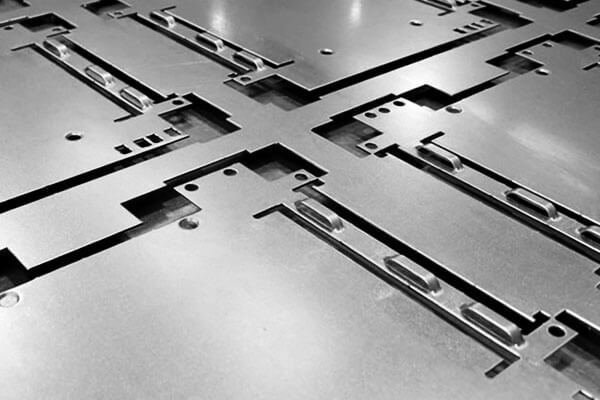
Інтеграція штучного інтелекту (Ai) і машинне навчання
Штучний інтелект (Ai) і машинне навчання все частіше вбудовуються в системи лазерного різання для підвищення продуктивності та зменшення помилок.
Алгоритми ШІ можуть аналізувати шаблони різання, оптимізувати планування шляху, і коригувати параметри в режимі реального часу, щоб адаптуватися до змін у властивостях або товщині матеріалу.
Цей рівень автоматизації зменшує потребу в ручному втручанні та підвищує точність процесу різання.
Ключові переваги:
- Адаптація в реальному часі: ШІ може постійно контролювати умови різання, наприклад, зміни поверхні матеріалу, для налаштування параметрів у режимі реального часу для отримання оптимальних результатів.
- Підвищена ефективність: Алгоритми машинного навчання можуть передбачати можливі збої або проблеми на основі історичних даних, дає змогу вжити превентивних заходів до того, як вони призведуть до простою.
- Покращене використання матеріалу: AI може оптимізувати шляхи різання, зменшення матеріальних відходів і максимізація виходу з певного аркуша або шматка.
Волоконні лазери та досягнення в технології лазерних джерел
Волоконні лазери вже перевершили традиційні CO2-лазери в багатьох сферах застосування завдяки своїй вищій ефективності, вищі швидкості різання, і здатність працювати з більш широким спектром матеріалів.
Лазерні технології продовжує розвиватися, з інноваціями в якості променя, влада, і довжина хвилі, дозволяє швидше різати більш товсті матеріали з покращеною якістю краю.
Майбутні тенденції:
- Волоконні лазери високої потужності: Розвиток потужних волоконних лазерів дозволяє різати більш товсті матеріали, особливо такі метали нержавіюча сталь, алюміній, і титан.
Це зменшує потребу в додатковому обладнанні, наприклад плазмовому або механічному різанні для важких умов. - Якість лазерного променя: Вища якість променя від вдосконалених волоконних лазерів забезпечує більш тонкі надрізи та кращу обробку поверхні, що може бути критично важливим для таких галузей, як аерокосмічна промисловість і медичне обладнання.
- Зниження витрат: Оскільки технологія волоконного лазера стає доступнішою,
Очікується, що він стане більш доступним для більшого кола виробників, включаючи малі та середні підприємства (МСП).
Гібридне лазерне різання та 3D-друк
Поєднання Лазерне різання і 3D друк технології є захоплюючою сферою інновацій. З’являються гібридні системи, які поєднують лазерне різання Виробництво добавок процеси.
Це дозволяє виробникам поєднувати точність і ефективність використання матеріалів лазерного різання з гнучкістю 3D-друку для виготовлення складних деталей і компонентів..
Ключові переваги:
- Розширені можливості дизайну: Hybrid systems offer greater design flexibility, enabling the production of complex geometries that cannot be achieved with traditional cutting methods alone.
- Faster prototyping: Manufacturers can produce prototypes faster by combining additive and subtractive processes, reducing time-to-market for new products.
- Ефективність матеріалу: Hybrid systems allow for more efficient use of materials by adding layers of material through 3D printing and finishing them with laser cutting, resulting in less waste.
Автоматизація та робототехніка в лазерному різанні
Інтеграція робототехніка with laser cutting systems is accelerating.
Automated laser cutting cells are becoming more common, enabling continuous, high-speed operations with minimal human intervention.
Robotics in laser cutting helps improve precision, streamline material handling, and reduce operational costs.
Ключові переваги:
- Increased throughput: Robotics systems enable faster material loading and unloading, скорочення простоїв і збільшення виробничих потужностей.
- Точність і гнучкість: Роботи можуть адаптуватися до різних завдань, включаючи комплектацію деталей, позиціонування, і різання, з високою точністю та гнучкістю для складних або індивідуальних компонентів.
- 24/7 операція: Автоматизовані системи можуть працювати цілодобово, що призводить до підвищення ефективності виробництва та зниження витрат праці.
Екологічне лазерне різання
Оскільки сталість стає головним пріоритетом для промисловості, технологія лазерного різання адаптується до стандартів екологічно чистого виробництва.
Кілька інновацій роблять лазерне різання більш енергоефективним і зменшують його вплив на навколишнє середовище.
Стійкі практики:
- Лазерне різання з перероблених матеріалів: Все більше уваги приділяється використанню перероблені метали та інші екологічно чисті матеріали в процесах лазерного різання.
Виробники також вдосконалюють переробку відходів, вирізаних лазером, сприяння зменшенню відходів. - Енергоефективні лазери: Нові лазерні технології, особливо волоконних лазерів, є більш енергоефективними, ніж традиційні CO2-лазери, зниження енергоспоживання під час різання.
- Зменшені відходи: Висока точність лазерного різання призводить до менших витрат матеріалу порівняно з традиційними методами різання, сприяння більш екологічним виробничим практикам.
Інтеграція з промисловістю 4.0 і розумне виробництво
Технологія лазерного різання також розвивається як частина ширшої тенденції до Промисловість 4.0 і Розумне виробництво.
Інтеграція систем лазерного різання з IoT (Інтернет речей), хмарні обчислення, і великі дані дозволяє розумніше, більше пов’язаних виробничих середовищ.
Ключові переваги:
- Прогнозне обслуговування: Датчики з підтримкою IoT відстежують продуктивність машин для лазерного різання в режимі реального часу,
виявлення таких проблем, як знос або зміщення, перш ніж вони призведуть до поломки обладнання. - Оптимізація на основі даних: Хмарні платформи можуть збирати та аналізувати дані з машин для лазерного різання, дозволяючи виробникам оптимізувати процеси, скоротити час простою, та покращити якість.
- Віддалений моніторинг і контроль: Виробники можуть дистанційно контролювати та налаштовувати системи лазерного різання, пропонуючи більшу гнучкість і зменшуючи потребу у втручаннях на місці.
11. Висновок
Лазерне різання продовжує розширювати межі сучасного виробництва, пропонуючи неперевершену точність, швидкість, і універсальність.
У міру просування технологій, промисловості, які використовують оптимізацію за допомогою ШІ, стійкі практики, і гібридне виробництво отримає конкурентну перевагу.
Інвестиції в технології лазерного різання сьогодні сприятимуть інноваціям та ефективності в наступні роки.
Ланге це ідеальний вибір для ваших виробничих потреб, якщо вам потрібні високоякісні послуги лазерного різання.