1. Invoering
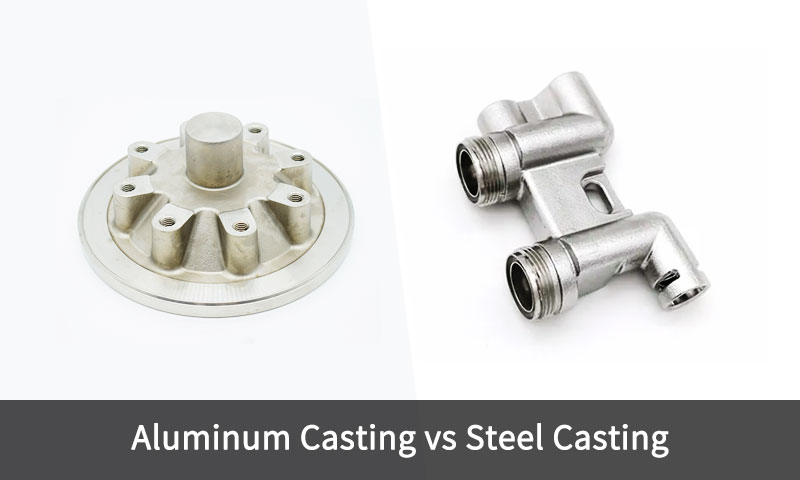
Aluminium versus staalgieten - de keuze tussen deze twee fundamentele materialen bepaalt de prestaties van componenten, kosten en maakbaarheid in alle sectoren, van de automobielsector tot de energiesector.
Deze vergelijking gaat niet alleen over de metaalchemie: het omvat dichtheid en stijfheid, thermisch gedrag, compatibiliteit van gietprocessen, secundaire verwerking (warmtebehandeling, oppervlakte -engineering), levenscycluskosten en toepassingsspecifieke betrouwbaarheid.
Ingenieurs en inkopers moeten daarom de gehele systeembelasting evalueren, temperatuur, omgeving, productievolume en afwerkingsvereisten – voordat een metaal- en gietroute wordt gespecificeerd.
2. Fundamentele materiaalverschillen tussen aluminium en staal
In de kern van aluminium vs. Het gieten van staal vormt een fundamenteel metallurgisch en fysiek contrast dat rechtstreeks van invloed is op hoe elk materiaal zich tijdens het gieten gedraagt, bewerking, en service.
| Eigendom | Aluminium (Bijv., Al-i peis) | Staal (Bijv., koolstofstaal of laaggelegeerd staal) | Engineering implicaties |
| Dikte (g/cm³) | 2.70 | 7.85 | Aluminium is ~65% lichter, biedt grote gewichtsbesparingen voor transport en ruimtevaart. |
| Smeltpunt (° C) | 615–660 | 1425–1540 | Het lage smeltpunt van aluminium maakt gemakkelijker gieten en een lager energieverbruik mogelijk; staal vereist gespecialiseerde ovens. |
| Thermische geleidbaarheid (W/m · k) | 120–180 | 40–60 | Aluminium voert de warmte efficiënt af, ideaal voor motoren, Warmtewisselaars, en elektronica. |
| Specifieke kracht (MPA/ρ) | ~ 100–150 | ~ 70–90 | Ondanks lagere absolute sterkte, De sterkte-gewichtsverhouding van aluminium overtreft die van staal. |
| Elastische modulus (GPA) | 70 | 200 | Staal is stijver, voor een betere stijfheid onder belasting en trillingen. |
Corrosieweerstand |
Uitstekend (vormt een Al₂O₃-laag) | Variabel; gevoelig voor roest zonder coatings | Aluminium is op natuurlijke wijze bestand tegen oxidatie, terwijl staal oppervlaktebescherming nodig heeft (schilderen, been, of legeren met Cr/Ni). |
| Machinaliteit | Uitstekend | Matig tot moeilijk | De zachtheid van aluminium zorgt voor een gemakkelijke bewerking en kortere cyclustijden; staal vereist harder gereedschap. |
| Recyclabaliteit | >90% herstelbaar | >90% herstelbaar | Beide materialen zijn zeer recyclebaar, hoewel het hersmelten van aluminium minder energie vereist (5% van de primaire productie). |
| Gietkrimp (%) | 1.3–1.6 | 2.0–2,6 | Staal krimpt meer tijdens het stollen, die grotere emissierechten en complexere poort-/voersystemen eisen. |
| Kosten (ca., USD/kg) | 2.0–3.0 | 0.8–1.5 | Aluminium is duurder per kilogram, maar besparingen in gewicht en verwerking kunnen de totale levenscycluskosten compenseren. |
3. Wat is aluminiumgieten?
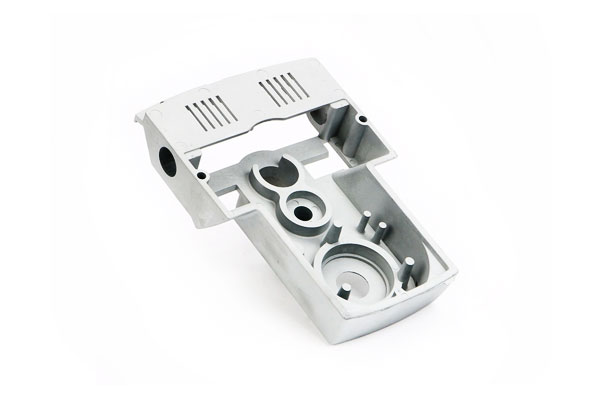
Aluminium gieten is het proces waarbij gesmolten aluminium of aluminiumlegeringen tot een complex worden gevormd, bijna-netvormige componenten met behulp van mallen.
Het is wereldwijd een van de meest gebruikte metaalgietprocessen, goed voor meer dan 50% van alle non-ferro gietstukken—vanwege de uitstekende gietbaarheid van aluminium, lage dichtheid, en corrosieweerstand.
Overzicht
In aluminium gegoten, gesmolten aluminium (typisch tussen 680–750°C) wordt in een vormholte gegoten of geïnjecteerd waar het stolt tot de gewenste geometrie.
Het lage smeltpunt en de hoge vloeibaarheid van aluminium maken het ideaal voor beide massaproductiemethoden (zoals spuitgieten) En Hoge nauwkeurige toepassingen (zoals investeringscasting).
Belangrijkste kenmerken van aluminiumgieten
- Lichtgewicht en hoge sterkte-gewichtsverhouding:
Aluminium gietstukken bieden uitstekende mechanische prestaties terwijl ze overeind blijven Een derde van het gewicht van staal. - Goede corrosieweerstand:
Een dun, zelfbeheersing aluminiumoxidelaag (Al₂o₃) beschermt tegen oxidatie en de meeste atmosferische of maritieme corrosie. - Uitstekende thermische en elektrische geleidbaarheid:
Geschikt voor toepassingen zoals Warmtewisselaars, behuizingen, en elektrische componenten. - Recyclabaliteit:
Aluminium kan voor onbepaalde tijd worden gerecycled zonder degradatie, vermindering van de productie-energie met maximaal 95% vergeleken met primair smelten.
Gemeenschappelijke aluminiumgietprocessen
| Gietmethode | Beschrijving | Typische toepassingen |
| Die casting | Hogedrukinjectie van gesmolten aluminium in stalen matrijzen; levert nauwkeurig op, dunwandige delen. | Auto -onderdelen (versnellingsbanden, beugels), Consumentenelektronica. |
| Zandgieten | Gesmolten metaal gegoten in zandvormen; geschikt voor groter, delen met een lager volume. | Motorblokken, verdeelstukken, ruimtevaart behuizingen. |
| Investeringsuitgifte | Keramische mallen van waspatronen; ideaal voor fijne details en nauwe toleranties. | Ruimtevaartturbine componenten, medische apparaten. |
| Permanente schimmelgieten | Herbruikbare metalen mallen; goede oppervlakteafwerking en maatcontrole. | Zuigers, wielen, en mariene componenten. |
| Centrifugaal gieten | Gebruikt middelpuntvliedende kracht om gesmolten metaal te verdelen; gespannen, Defectvrije structuur. | Buizen, mouwen, en ringen. |
Voordelen van aluminium casting
- Lichtgewicht: Vermindert het gewicht van de componenten met 30–50% vs. staal, het verbeteren van de brandstofefficiëntie (automobiel) of laadvermogen (ruimtevaart).
- Energie -efficiëntie: Het smelten van aluminium vereist 60–70% minder energie dan staal (570° C VS. 1420° C), verlaging van de verwerkingskosten met 20–30%.
- Corrosieweerstand: Elimineert de noodzaak van coatings (Bijv., verf, het verzinken) In de meeste omgevingen, het verlagen van de onderhoudskosten door 40–50%.
- Levensvatbaarheid van hoge volumes: Spuitgieten maakt de productie mogelijk van 1000+ onderdelen/dag per machine, voldoen aan de vraag naar consumptiegoederen.
Nadelen van aluminiumgieten
- Lagere kracht: Treksterkte (150–400 MPA) is 50-70% lager dan hoogwaardig staal, beperking van het gebruik bij toepassingen met zware belasting.
- Slechte prestaties bij hoge temperaturen: Alleen behouden 50% van sterkte bij kamertemperatuur bij 250°C, waardoor het ongeschikt is voor motoruitlaatgassen of onderdelen van energiecentrales.
- Porositeitsrisico: Gegoten aluminium is gevoelig voor gasporositeit (door hogedrukinjectie), het beperken van de mogelijkheden voor warmtebehandeling (Bijv., T6 temper vereist vacuümverwerking).
- Hogere grondstofkosten: Primaire aluminiumkosten $2,500–$3.500/ton, 2–3x meer dan koolstofstaal.
Industriële toepassingen van aluminiumgieten
Aluminiumgieten wordt veel gebruikt in meerdere industrieën vanwege de combinatie ervan lichtgewicht ontwerp, machinaliteit, en corrosieweerstand:
- Automotive: Motorblokken, transmissiebehuizingen, wielen, en draagarmen.
- Ruimtevaart: Beugels, structurele fittingen, Compressorbehuizingen.
- Elektronica: Koellichamen, motorbehuizingen, bijbehorenden.
- Consumentengoederen: Apparaten, Power Tools, meubels hardware.
- Mariene en hernieuwbare energie: Propellers, behuizingen, en turbinebladen.
4. Wat is staalgieten?
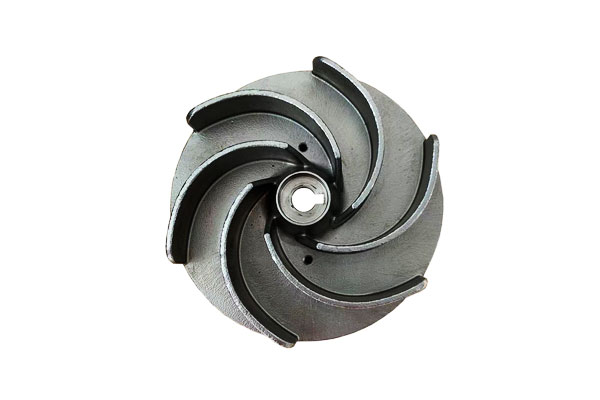
Stalen gietstuk is het proces waarbij gesmolten staal in een mal wordt gegoten om een complex te produceren, componenten met hoge sterkte die niet gemakkelijk kunnen worden vervaardigd of gesmeed.
In tegenstelling tot aluminium, staal heeft een Hoger smeltpunt (≈ 1450–1530°C) en grotere treksterkte, waardoor het ideaal is voor dragende en hoge temperatuurtoepassingen zoals machines, infrastructuur, en stroomopwekking.
Overzicht
In staalgietwerk, zorgvuldig gelegeerd gesmolten staal wordt in beide vervangstukken gegoten (zand, investering) of permanente mallen, waar het stolt tot een vorm die dicht bij het laatste onderdeel ligt.
Omdat staal aanzienlijk krimpt bij afkoeling, nauwkeurige temperatuurregeling, poortontwerp, en stollingsmodellering zijn kritisch.
Stalen gietstukken staan bekend om hun Mechanische robuustheid, impactweerstand, en structurele integriteit, vooral onder zware gebruiksomstandigheden.
Belangrijkste kenmerken van staalgieten
- Uitzonderlijke sterkte en taaiheid:
Opbrengststerkten zijn vaak groter dan 350 MPA, met warmtebehandelde legeringen die over reiken 1000 MPA. - Mogelijkheid tot hoge temperaturen:
Behoudt sterkte en oxidatieweerstand tot 600–800°C, afhankelijk van de samenstelling. - Veelzijdige selectie van legeringen:
Inclusief koolstofstaal, staal met lage legering, roestvrij staal, en staalsoorten met een hoog mangaangehalte, elk op maat gemaakt voor specifieke omgevingen. - Lasbaarheid en bewerkbaarheid:
Gietstaal kan effectief worden nabewerkt en machinaal worden bewerkt, gelast, en hittebehandeld om de prestaties te verbeteren.
Gemeenschappelijke staalgietprocessen
| Gietmethode | Beschrijving | Typische toepassingen |
| Zandgieten | Gesmolten staal gegoten in gebonden zandvormen; Ideaal voor groot, complexe delen. | Kleplichamen, pompomgangen, machinebehuizingen. |
| Investeringsuitgifte | Keramische mallen gevormd uit waspatronen; levert een uitstekende nauwkeurigheid en oppervlakteafwerking op. | Turbinebladen, chirurgische tools, ruimtevaartonderdelen. |
| Centrifugaal gieten | Rotatiekracht verdeelt gesmolten staal gelijkmatig; produceert dichte cilindrische componenten. | Pijpen, linies, lagerraces. |
| Shell Mold Casting | Maakt gebruik van dunne, met hars beklede zandvormen; maakt hogere precisie en gladdere oppervlakken mogelijk. | Kleine motoronderdelen, beugels. |
| Continu gieten | Voor halfafgewerkte staalproducten zoals platen en knuppels. | Grondstof voor walsen en smeden. |
Voordelen van staalgieten
- Superieure kracht & Taaiheid: Treksterkte (tot 1500 MPA) en impact taaiheid (40–100 J) maken het onvervangbaar voor de structurele veiligheid (Bijv., Bridge componenten, automotive chassis).
- Prestaties op hoge temperatuur: Werkt betrouwbaar bij 400–600 ° C (vs. aluminium's 250°C-limiet), geschikt voor straalmotorbehuizingen en ketels van krachtcentrales.
- Lage grondstofkosten: Kosten van koolstofstaal $800–$1200/ton, 60–70% minder dan primair aluminium.
- Draag weerstand: Warmtebehandeld staal (Bijv., 4140) heeft een oppervlaktehardheid tot 500 HB, het verminderen van de vervangingsfrequentie bij schuurtoepassingen door 50–70%.
Nadelen van staalgieten
- Hoog gewicht: De dichtheid van 2,7x die van aluminium verhoogt het brandstofverbruik (automobiel) of structurele belasting (gebouwen).
- Hoog energieverbruik: Smeltstaal vereist 25–30 MWh/ton (vs. 5–7 MWh/ton voor aluminium), het verhogen van de verwerkingskosten door 40–50%.
- Corrosie -gevoeligheid: Koolstofstaal roest in vochtige omgevingen (corrosiesnelheid: 0.5–1,0 mm/jaar bij zoutnevel), coatings vereisen (Bijv., het verzinken) dat toevoegen $1.5–$2,5/kg aan kosten.
- Slechte bewerkbaarheid: Hardheid vereist gespecialiseerd gereedschap, het verhogen van de bewerkingstijd door 30–50% vs. aluminium.
Industriële toepassingen van staalgieten
Stalen gietstukken domineren veeleisende industrieën kracht, duurzaamheid, en hittebestendigheid:
- Bouw & Mijnbouw: Graafmachine tanden, brekeronderdelen, koppelingen volgen.
- Energie & Stroomopwekking: Stoomturbinebehuizingen, kleplichamen, nucleaire componenten.
- Olie & Gas: Boorkoppen, pijpleiding kleppen, verdeelstukken.
- Transport: Treinkoppelingen, versnellingsbanden, zware motorblokken.
- Ruimtevaart & Verdediging: Landingsgestel, structurele fittingen, pantsercomponenten.
5. Uitgebreide vergelijking: Aluminium versus staalgieten
Procespassing en onderdeelgeometrie
- Dunwandig, complex, groot volume onderdelen: aluminium spuitgieten is optimaal (HPDC).
- Groot, zwaar, dragende delen: staal/sferoïdaal grafiet (Hertoges) ijzer en gietstaal via zandgieten hebben de voorkeur.
- Middelmatig volume met hoge integriteitseisen: lagedrukaluminium of investeringsgietstaal, afhankelijk van de sterktebehoeften.
Mechanische prestaties & na verwerking
- Warmtebehandeling: gegoten staal kan worden geblust & getemperd om hoge sterkte en taaiheid te verkrijgen; aluminiumlegeringen ondergaan verouderingshardingsroutes, maar bereiken lagere maximale sterkten.
- Oppervlaktetechniek: aluminium anodiseert gemakkelijk; staal kan worden genitreerd, verkoold, inductiegehard of bekleed met harde stoffen (keramiek, Hard chroom).
Kosten stuurprogramma's (typische overwegingen)
- Materiaalkosten per kg: ruw aluminiummetaal heeft de neiging om per kg hoger geprijsd te zijn dan ferroschroot/staal, maar deelmassa vermindert de vereiste hoeveelheid.
- Gereedschap: spuitgietmatrijzen zijn duur (hoge initiële afschrijving) maar lage kosten per onderdeel bij volumes >10k–100k; zandbewerking is goedkoop, maar de arbeid per onderdeel is hoger.
- Bewerking: aluminium machines sneller (hogere verwijderingspercentages), lagere gereedschapsslijtage; staal vereist harder gereedschap en meer bewerkingstijd – verhoogt de totale kosten, vooral voor kleine batches.
Fabrikant & defecte modi
- Porositeit: HPDC-aluminium kan gas- en krimpporositeit ontwikkelen; permanente schimmel en lage druk verminderen de porositeit.
Stalen gietstukken kunnen last hebben van insluitsels en segregatie; gecontroleerd smelten en post-HT verminderen defecten. - Dimensionale controle: gegoten aluminium bereikt nauwe toleranties (± 0,1-0,3 mm); toleranties van zandgietstaal zijn losser (±0,5–2 mm) zonder nabewerking.
Omgevings- & levenscyclus
- Recycling: beide metalen zijn zeer recyclebaar. Gerecycled aluminium gebruikt een kleine fractie (~5–10%) van de energie van het primaire smelten; gerecycled staal levert ook grote energiebesparingen op in vergelijking met nieuw ijzer.
- Gebruiksfase: lichtgewicht aluminium kan het brandstofverbruik in voertuigen verminderen – een milieuvoordeel op systeemniveau.
Tafel: Aluminium versus staalgietwerk: belangrijke technische vergelijking
| Categorie | Aluminium gieten | Staalgast |
| Dikte (g/cm³) | ~2,70 | ~7,80 |
| Smeltpunt (° C / ° F) | 660° C / 1220° F | 1450–1530 ° C / 2640–2790°F |
| Kracht (Trek / Opbrengst, MPA) | 130–350 / 70–250 (als afgewassen); tot 500 Na warmtebehandeling | 400–1200 / 250–1000 (Afhankelijk van graad en warmtebehandeling) |
| Hardheid (HB) | 30–120 | 120–400 |
| Elastische modulus (GPA) | 70 | 200 |
| Thermische geleidbaarheid (W/m · k) | 150–230 | 25–60 |
| Elektrische geleidbaarheid (% IACS) | 35–60 | 3–10 |
| Corrosieweerstand | Uitstekend (natuurlijke oxidelaag) | Variabel — vereist legering (Cr, In, Mo) of coating |
| Oxidatieweerstand (Hoge temperatuur) | Beperkt (<250° C) | Goed tot uitstekend (tot 800°C voor sommige legeringen) |
| Machinaliteit | Uitstekend (zacht, gemakkelijk te snijden) | Matig tot arm (moeilijker, schurend) |
| Gietbaarheid (Vloeibaarheid & Krimp) | Hoge vloeibaarheid, lage krimp | Lagere vloeibaarheid, hogere krimp - vereist nauwkeurige poorten |
| Gewichtsvoordeel | ~65% lichter dan staal | Zwaar — geschikt voor structurele belastingen |
Oppervlakteafwerking |
Zacht, goede detailweergave | Ruwere oppervlakken; kan machinaal bewerken of stralen nodig zijn |
| Flexibiliteit bij warmtebehandeling | Uitstekend (T6, T7 tempert) | Breed (glans, blussen, temperen, normaal) |
| Recyclabaliteit | >90% efficiënt gerecycled | >90% recyclebaar, maar vereist hogere hersmeltenergie |
| Productiekosten | Lagere energie, snellere cyclustijden | Hogere smeltkosten en gereedschapsslijtage |
| Typische toleranties (mm) | ±0,25 tot ±0,5 (Die casting); ±1,0 (zandgieten) | ±0,5–1,5 afhankelijk van het proces |
| Milieuvoetafdruk | Laag (vooral gerecycled aluminium) | Hogere CO₂- en energievoetafdruk door hoog smeltpunt |
| Typische toepassingen | Automotive wielen, behuizingen, ruimtevaartonderdelen, consumptiegoederen | Kleppen, turbines, zware machines, structurele componenten |
6. Conclusie
Aluminium- en stalen gietstukken lossen verschillende technische problemen op.
Aluminium blinkt uit waar lichtgewicht, thermische geleidbaarheid, oppervlaktekwaliteit en hoge productiesnelheden materie.
Staal (en gietijzeren) domineren waar hoge kracht, stijfheid, Draag weerstand, taaiheid en prestaties bij hoge temperaturen zijn vereist.
Goede materiaalkeuzebalansen functionele eisen, kosten (totale levenscyclus), produceerbaarheid en afwerking.
In veel moderne ontwerpen verschijnen hybride oplossingen (stalen inzetstukken in aluminium gietstukken, beklede of bimetaalcomponenten) om de sterke punten van beide metalen te benutten.
FAQ's
Dat is sterker: gegoten aluminium of gegoten staal?
Gietstaal is aanzienlijk sterker: A216 WCB-staal heeft een treksterkte van 485 MPA, 67% hoger dan A356-T6 aluminium (290 MPA).
Staal heeft ook een veel grotere taaiheid en slijtvastheid.
Kan gegoten aluminium gietstaal vervangen?
Alleen in toepassingen waarbij gewichtsvermindering prioriteit heeft boven sterkte (Bijv., niet-structurele auto-onderdelen).
Staal is onvervangbaar bij hoge belasting, componenten met hoge temperaturen (Bijv., Turbine -omhulsels).
Wat corrosiebestendiger is: gegoten aluminium of gegoten staal?
Gegoten aluminium is in de meeste omgevingen corrosiebestendiger (corrosiesnelheid <0.1 mm/jaar) vs. koolstofstaal (0.5–1,0 mm/jaar).
Roestvrijstalen gietstukken evenaren de corrosieweerstand van aluminium, maar kosten 2-3x meer.
Welk gietproces is het beste voor aluminium vs. staal?
Aluminium is ideaal voor spuitgieten (groot volume) en zandgieten (goedkope).
Staal is het beste voor zandgieten (grote delen) en investeringsuitgieten (complex, componenten met hoge tolerantie). Spuitgieten wordt zelden gebruikt voor staal.