1. Įvadas
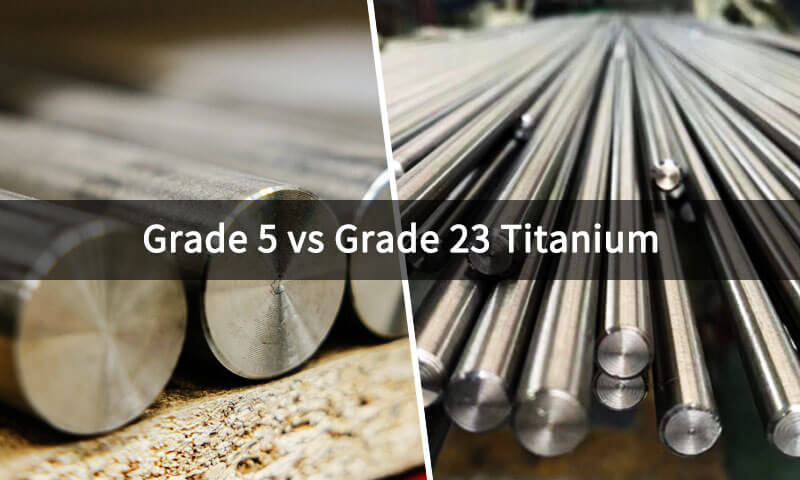
Pažymys 5 ir klasė 23 yra du geriausiai žinomi Ti-6Al-4V šeimos nariai, bet pagal nutylėjimą jie nėra keičiami.
Titano laipsnis 5, paprastai identifikuojamas kaip Ti-6Al-4v / JAV R56400, yra plačiausiai naudojama titano klasė ir klasikinis didelio stiprumo α+β titano lydinys.
Titano laipsnis 23, paprastai identifikuojamas kaip Ti-6al-4v Eli / JAV R56407 / ASTM B348 klasė 23, yra to paties pagrindinio lydinio itin žema tarpinio puslapio versija, su griežtesnėmis deguonies ribomis, Anglies, ir geležis.
Šis grynumo skirtumas yra nedidelis chemijos požiūriu, bet didelis pasekmių atžvilgiu.
Tinkamas būdas juos palyginti nėra „stiprus lydinys prieš medicininį lydinį,“, bet kaip du suderinti tos pačios metalurginės platformos variantai.
Pažymys 5 yra puikus pasirinkimas kosmoso ir bendros didelio našumo inžinerijai.
Pažymys 23 yra atsparus pažeidimams, kriogeninis, Į biologinį suderinamumą orientuotas patobulinimas, naudojamas esant lankstumui, Lūžio kietumas, ir patikimumas žemoje temperatūroje yra svarbesnis nei paskutinės jėgos išspaudimas.
2. Kas yra laipsnis 5 Titano lydinys?
Pažymys 5 titano lydinys yra plačiausiai naudojamas titano lydinys pramoninėje praktikoje ir paprastai žinomas kaip Ti-6Al-4v.
Jis priklauso alfa ir beta titano lydinio šeima, o tai reiškia, kad jo mikrostruktūroje yra kontroliuojamas alfa ir beta fazių mišinys.
Ši dviejų fazių struktūra yra jos išskirtinio derinio pagrindas Didelė jėga, mažas tankis, Geras atsparumas korozijai, ir platus inžinerinis naudingumas.
Kas daro Grade 5 svarbu ne tai, kad jis būtų atspariausias korozijai ar lengviausiai formuojamas titano lydinys. Jo vertė slypi pusiausvyroje.
Tai siūlo tvirtą kompromisą tarp našumo, Gamyba, ir kaina, todėl jis tapo numatytosios titano klasės daugeliui aviacijos ir erdvėlaivių, jūrų, pramoninis, ir medicininės programos.
Metalurginė tapatybė
Pažymys 5 yra sukurta remiantis paprasta, bet galinga legiravimo strategija:
- Aliuminis stabilizuoja alfa fazę ir sustiprina lydinį.
- Vanadis stabilizuoja beta fazę ir padeda sukurti alfa plius beta struktūrą.
- Titanas išlieka pagrindiniu metalu ir pirmine matrica.
Šis metalurginis balansas suteikia laipsnį 5 jo praktinis universalumas. Reguliuojant terminio apdorojimo ir aušinimo sąlygas, gamintojai gali daryti įtaką galutiniam fazės pasiskirstymui ir todėl pritaikyti stiprumą, Tvirtumas, ir nuovargio atsparumas.
Pagrindinės charakteristikos
Didelis stiprumo ir svorio santykis
Pažymys 5 užtikrina labai didelį stiprumą ir išlieka daug lengvesnis nei plienas ar nikelio lydiniai. Tai viena iš pagrindinių priežasčių, kodėl ji tokia vertinga aviacijos ir erdvės inžinerijoje.
Termiškai apdorojama mikrostruktūra
Lydinys gali būti apdorojamas skirtingomis šiluminėmis būsenomis, leidžianti pritaikyti jo savybes konkretiems poreikiams. Dėl to jis daug labiau pritaikomas nei daugelis įprastų konstrukcinių metalų.
Geras atsparumas korozijai
Pažymys 5 gerai atlaiko daugybę gamtinių ir pramoninių aplinkų, įskaitant jūros atmosferą ir daugelį cheminių medžiagų poveikio.
Tai nėra superkorozinis lydinys, tačiau jis labai gerai veikia įvairiomis eksploatavimo sąlygomis.
Nemagnetinis elgesys
Kaip ir dauguma titano lydinių, Pažymys 5 Iš esmės yra nemagnetinis. Tai svarbu tais atvejais, kai magnetiniai trukdžiai turi būti kuo mažesni.
Įrodytas pramoninis brandumas
Tai labai standartizuotas ir plačiai prieinamas lydinys. Dizaineriai, Gamintojai, ir sertifikavimo įstaigos tai gerai žino, kuri sumažina riziką kritiniuose projektuose.
Tipiškos programos
Pažymys 5 naudojamas visada, kai dizaineriui reikia patikrinto titano lydinio, turinčio platų našumą.
Aviacijos ir kosmoso
- Lėktuvų korpusų konstrukcijos
- Kompresoriaus mentės
- Diskai ir žiedai
- Tvirtinimo detalės
- Rotoriaus stebulės
- Slėgio turinčios dalys
Jūrų ir atviroje jūroje
- Druska veikiamos struktūros
- Su jūros vandeniu susijusi techninė įranga
- Pagalbiniai komponentai jūroje
Pramonės ir našumo taikymai
- Slėgio indai
- Kritiniai kaltiniai
- Didelio stiprumo mechaniniai komponentai
- Sporto ir lenktynių dalys
Medicinos
- Kai kurie medicinos prietaisai
- Chirurginė įranga
- Neimplantiniai arba pusiau kritiniai biomedicininiai komponentai
3. Kas yra laipsnis 23 Titano lydinys?
Pažymys 23 titano lydinys yra itin žemas tarpinio puslapio skelbimas (Eli) Ti-6Al-4V versija.
Jis priklauso tai pačiai alfa plius beta šeimai kaip Grade 5, ir jis turi tą pačią pagrindinę legiravimo koncepciją: aliuminis stabilizuoja alfa fazę, o vanadis – beta fazę.
Skirtumas yra grynumas. Pažymys 23 turi daug griežtesnes intersticinių elementų, tokių kaip deguonis, ribas, Anglies, azotas, lygintuvas, ir vandenilis.
Tas didesnis grynumas suteikia Įvertinimą 23 labai skirtinga inžinerinė asmenybė. Jis nepasirenkamas, nes yra žymiai stipresnis už Grade 5.
Jis pasirenkamas, nes taip yra švaresnis, kietesnis, atsparesnis pažeidimams, ir geriau tinka kriogeninėms ir biomedicininėms paslaugoms.
Metalurginė tapatybė
Pažymys 23 skirtas sumažinti neigiamą intersticinės taršos poveikį.
Titano lydiniuose, deguonies, Anglies, o vandenilis gali stipriai paveikti plastiškumą, Tvirtumas, ir lūžių elgesys.
Sumažinus tuos elementus, Pažymys 23 padidina patikimumą sudėtingose programose, kur gedimų tolerancija yra ribota.
Praktiškai, Pažymys 23 yra rafinuotas, aukščiausios kokybės Ti-6Al-4V versija.
Pagrindinės charakteristikos
Didesnis grynumas
Žemesnis tarpinio puslapio turinys yra pagrindinė įvertinimo savybė 23. Tai pagerina tvirtumą ir padeda lydiniui veikti nuspėjamai sudėtingomis eksploatavimo sąlygomis.
Aukščiausias atsparumas pažeidimams
Sumažinus tarpinio puslapio turinį, ypač deguonies, Pažymys 23 pasiekiamas žymiai didesnis atsparumas lūžiams ($K_{IC}$) ir lankstumas nei jo klasė 5 atitikmuo, užtikrina patikimą lūžiams svarbių komponentų veikimą.
Geresnis kriogeninis elgesys
Šis lydinys ypač gerai tinka naudoti labai žemoje temperatūroje, kur vertingas kietesnis mikrostruktūrinis elgesys.
Puikus biologinis suderinamumas
Pažymys 23 yra plačiai naudojamas biomedicinoje, nes sujungia atsparumą korozijai, mažas modulis, ir stiprus nuovargis, puikiai suderinamas su žmogaus organizmu.
Nemagnetinis ir atsparus korozijai
Kaip Grade 5, jis yra nemagnetinis ir labai atsparus daugeliui korozinių aplinkų, įskaitant jūros vandenį ir chlorido turinčius biologinius skysčius.
Tipiškos programos
Pažymys 23 yra pasirinktas tais atvejais, kai saugumo riba ir ilgalaikis patikimumas nusveria neapdorotą stiprumą.
Medicina ir biomedicina
- Implantuojami prietaisai
- Jungčių atsarginės dalys
- Kaulų fiksavimo įranga
- Chirurginiai klipai
- Dantų ir ortopedinės dalys
Kriogeninė paslauga
- Kriogeniniai indai
- Žemos temperatūros slėgio sistemos
- Komponentai, veikiami terminio susitraukimo ir terminio ciklo
Orlaiviai ir atviroje jūroje
- Lūžiams svarbios dalys
- Saugumui jautrūs konstrukciniai komponentai
- Pasirinkti jūriniai vamzdžiai ir didelio patikimumo techninė įranga
Kodėl tai svarbu
Pažymys 23 egzistuoja, nes kai kurioms programoms reikia daugiau nei didelio stiprumo.
Implantuose, kriogeninės sistemos, ir lūžiams svarbios struktūros, brangiausias turtas dažnai yra žalos tolerancija.
Pažymys 23 yra sukurtas taip, kad užtikrintų tą maržą, sumažinant tarpinių priemaišų kiekį ir pagerinant lydinio vidinę švarą.
4. Tipiški cheminiai komponentai: Pažymys 5 vs klasė 23 Titano lydinys
| Elementas | Pažymys 5 (Ti-6Al-4v) | Pažymys 23 (Ti-6al-4v Eli) | Inžinerinė reikšmė |
| Titanas | Pusiausvyra. | Pusiausvyra. | Netaurieji metalai ir abiejų lydinių matrica. |
| Aliuminis | 5.50–6,75 %. | 5.50–6,50% vardinis. | Alfa stabilizatorius; prisideda prie stiprumo ir atsako į terminį apdorojimą. |
| Vanadis | 3.50–4,50 proc.. | 3.50–4,50% vardinis. | Beta stabilizatorius; padeda sukurti alfa plius beta struktūrą. |
| Lygintuvas | ≤ 0.40%. | ≤ 0.25%. | Žemutinė geležies klasė 23 pagerina grynumą ir atsparumą pažeidimams. |
Deguonis |
≤ 0.20% klasėje 5 malūno gaminio duomenys. | ≤ 0.130%. | Deguonis padidina stiprumą, bet sumažina lankstumą ir kietumą, kai yra per daug. |
| Anglies | ≤ 0.08% arba panašus žemos ribos valdymas. | ≤ 0.080%. | Mažesnis anglies kiekis padeda išlaikyti tvirtumą ir švarą. |
| Azotas | ≤ 0.05%. | ≤ 0.050%. | Intersticinė kontrolė yra svarbi lankstumui. |
| Vandenilis | ≤ 0.015%. | ≤ 0.013% arba specifinis ASTM 120 ppm medicinos gaminių gairės. | Vandenilio kiekis turi būti sumažintas iki minimumo, kad būtų išvengta trapumo. |
| Kita iš viso | Paprastai valdomas žemas. | ≤ 0.40%. | Švara ir likučių kontrolė palaiko pakartotinį veikimą. |
5. Fizinės ir mechaninės savybės: Pažymys 5 vs klasė 23 Titano lydinys
Žemiau pateiktos reikšmės paimtos iš dabartinių duomenų lapų, ir kur pažymiai lyginami tiesiogiai, palyginimas grindžiamas paskelbtos minimalios kambario temperatūros savybės nes tai yra labiausiai apgintini inžineriniai skaičiai.
Tikslios vertės vis tiek gali skirtis priklausomai nuo produkto formos, terminis apdorojimas, ir gamintojas.
| Nuosavybė | Pažymys 5 (Ti-6Al-4v) | Pažymys 23 (Ti-6al-4v Eli) | Ką tai reiškia |
| Tankis | 4.43 g/cc; 0.160 lb/in³. | 4.43 g/cc; 0.160 lb/in³. | Praktiškai identiškas masės efektyvumas. |
| Tamprumo modulis | 114 GPA. | 105-116 GPa. | Beveik toks pat standumas; nė viena klasė nėra „plieninė standi,“, tačiau abu puikiai tinka specifiniam standumui dėl mažo tankio. |
| Šlyties modulis | 5.90 × 10³ ksi, arba 41–45 GPa. | 5.90 × 10³ ksi, arba 41–45 GPa. | Sukimo atsakas yra veiksmingai palyginamas naudojant dizainą. |
| Minimali takumo riba | 828 MPA. | 793 MPA. | Pažymys 5 turi mažiausią nurodytą statinę takumo ribą. |
| Minimalus tempiamasis stipris | 895 MPA. | 862 MPA. | Pažymys 5 turi didesnį minimalų nurodytą atsparumą tempimui. |
Tipiškas atkaitintas tempiamasis stipris |
1000 MPa viename dabartiniame duomenų lape. | 896 MPa tipiškas malūniniu būdu atkaitintoje būsenoje. | Tipinės vertės gali sutapti pagal produkto formą; Štai kodėl specifikacijos sąlygos yra svarbios. |
| Pailgėjimas | 10% minimalus. | 10% minimalus; 15% būdingas malūniniu būdu atkaitintoms medžiagoms. | Pažymys 23 paprastai yra lankstesnis įprastoje atkaitintoje būsenoje. |
| Ploto sumažinimas / susiaurėjimas | 25% minimalus. | 25% minimalus; 45% būdingas malūniniu būdu atkaitintoms medžiagoms. | Pažymys 23 rodo stipresnę plastinės deformacijos ribą įprastomis sąlygomis. |
| Beta transusas | 999°C ± 14 °C. | 1765–1815°F. | Abu yra α+β lydiniai, tačiau proceso langai visada turi atitikti taikomą produkto specifikaciją. |
Lūžis / žalos tolerancija |
Gerai, bet ne tinkamiausias pasirinkimas, kai tvirtumas yra pagrindinis dizaino tikslas. | Aukščiausias atsparumas pažeidimams, Lūžio kietumas, ir atsparumas nuovargiui įtrūkimų augimui. | Pažymys 23 yra geresnis pasirinkimas teikiant kritines paslaugas. |
| Kriogeninis elgesys | Naudojamas kriogeninėje temperatūroje, bet ne taip optimizuota kaip Grade 23. | Geresnės mechaninės savybės kriogeninėje temperatūroje nei standartinės Ti-6Al-4V. | Pažymys 23 yra konservatyvesnis žemos temperatūros pasirinkimas. |
| Magnetinis atsakas | Nėra. | Nėra. | Abu yra nemagnetiniai, kurie svarbūs naudojant mediciną ir prietaisus. |
6. Atsparumas korozijai: Pažymys 5 vs klasė 23 Titano lydinys
Pažymys 5 pasižymi puikiu atsparumu daugelyje gamtinių ir pramoninių aplinkų, įskaitant jūrų ir jūros naftos ir dujų paslaugas, ir jis atsparus įvairioms rūgštims.
Viename duomenų lape pažymimas stiprus atsparumas oksiduojančioms rūgštims, naudingas atsparumas redukuojančioms rūgštims, ir geras veikimas daugelyje mažesnės koncentracijos organinių rūgščių.
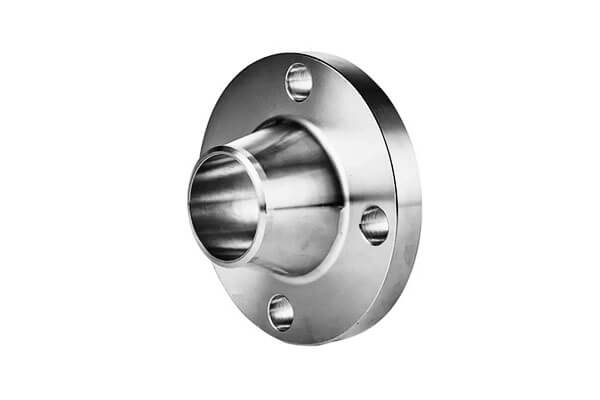
Pažymys 23 turi tą pačią pagrindinę titano oksido plėvelės apsaugą, ir Dailidė konkrečiai apibūdina jį kaip labai atsparų korozijai daugumoje vandeninių tirpalų, oksiduojančios rūgštys, chloridai esant vandeniui, ir alkalis.
Taip pat vertinamas jūros vanduo, drėgmė, ir druskos purškalas kaip puikus.
Praktinis skirtumas yra tas, kad klasė 23 dažnai pasirenkamas, kai atsparumas korozijai turi būti suporuotas su didesniu atsparumu pažeidimams, ypač chlorido turinčiuose kūno skysčiuose, kriogeniniai indai, arba jūriniai vamzdžiai.
Pažymys 5 išlieka labai atsparus korozijai, tačiau jos vaidmuo dažniau yra bendroji didelio stiprumo paslauga, o ne itin patikima paslauga.
Glaustas būdas jį įrėminti yra toks:
- Pažymys 5: puikus platus atsparumas korozijai, ypač aviacijos erdvėje ir atviroje jūroje.
- Pažymys 23: toks pat titanui būdingas atsparumas korozijai, tačiau turi grynumo profilį, todėl tai yra saugesnis pasirinkimas ten, kur gedimų tolerancija yra mažesnė.
7. Biologinis suderinamumas: Pažymys 5 vs klasė 23 Titano lydinys
Pažymys 5 jau plačiai naudojamas medicinos įrangoje ir dažnai pasirenkamas, nes titano lydiniai sudaro stabilią oksido plėvelę ir mažą tankį derina su puikiu atsparumu korozijai.
Komerciniuose duomenų lapuose, Pažymys 5 yra aiškiai nurodyta medicinos įrangai, o jo biologinis suderinamumas laikomas vienu iš pagrindinių pardavimo taškų.
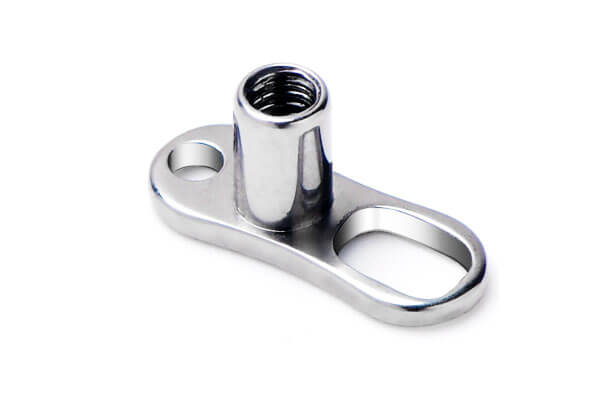
Pažymys 23, Tačiau, yra medžiaga, kuri dominuoja į implantus orientuotais atvejais.
Carpenter tiesiogiai teigia, kad dėl puikaus biologinio suderinamumo ELI buvo pasirinkta medžiaga daugeliui medicinos ir stomatologijos programų., Geras nuovargio stiprumas, ir mažas modulis.
Jame taip pat išvardyti implantuojami komponentai, sąnario pakeitimas, kaulų fiksavimo prietaisai, ir chirurginius klipus.
Priežastis Įvertinimas 23 Implantuose pirmenybė teikiama ne tik „medicininiam prekės ženklui“.
Mažesnis tarpinio puslapio turinys pagerina atsparumą pažeidimams ir padeda išlaikyti lydinį atsparesnį esant ciklinei apkrovai ir korozinėje kūno skysčio aplinkoje.
Tai ypač svarbu ilgalaikiams implantams ir lūžiams svarbiems prietaisams.
Taigi hierarchija yra paprasta:
- Pažymys 5 yra biologiškai suderinamas ir mediciniškai priimtinas daugelyje produktų.
- Pažymys 23 yra aukščiausios kokybės pasirinkimas implantams, ypač ten, kur svarbus tvirtumas ir ilgalaikis patikimumas.
8. Išsamus palyginimas: Pažymys 5 vs klasė 23
| Aspektas | Pažymys 5 (Ti-6Al-4v, JAV R56400) | Pažymys 23 (Ti-6al-4v Eli, JAV R56407 / ASTM B348 klasė 23) |
| Lydinio tapatybė | Plačiausiai naudojama titano klasė; dvifazis α+β lydinys su Al kaip alfa stabilizatorius ir V kaip beta stabilizatorius. | Didesnio grynumo itin žema tarpinė Ti-6Al-4V versija; taip pat α+β lydinys. |
| Stiprybė | Paprastai didesnis bazinis stiprumas.
) |
Šiek tiek mažesnis stiprumas mainais į tvirtumą. |
| Tvirtumas | Gerai, bet ne tinkamiausias pasirinkimas, kai pagrindinis tikslas yra tvirtumas. | Puikus atsparumas lūžiams ir atsparumas nuovargiui įtrūkimų augimui. |
| Kriogeninis elgesys | Gerai, bet mažiau optimizuotas kriogeniniam patikimumui nei Grade 23. | Geresnės kriogeninės savybės nei standartinė klasė 5. |
Atsparumas korozijai |
Puikiai tinka daugelyje pramoninių ir jūrų aplinkų. | Puikiai tinka vandeniniuose tirpaluose, Jūros vanduo, chloridai su vandeniu, ir daugelyje medicinos aplinkų. |
| Biologinis suderinamumas | Tinka medicinos įrangai ir daugeliui ne implantų naudojimo. | Pirmenybė teikiama implantams, sąnario pakeitimas, ir chirurginė įranga. |
| Gamyba | Labai brandi tiekimo grandinė, platus prieinamumas, termiškai apdorojamas ir suvirinamas. | Taip pat suvirinama ir apdorojama, tačiau jo aukščiausios kokybės vertė gaunama iš grynumo kontrolės. |
| Tipiškas naudojimo atvejis | Lėktuvų korpusai, Varikliai, tvirtinimo detalės, jūrinės dalys, slėgio turinčios dalys. | Implantai, lūžiams svarbios struktūros, jūrinis vamzdinis, kriogeniniai indai. |
9. Pasirinkimo logika iš skirtingų perspektyvų
Jei prioritetas yra didžiausias bendrosios paskirties konstrukcijos stiprumas
Pasirinkti Pažymys 5. Tai labiau paplitęs Ti-6Al-4V variantas, ir jo paskelbtas minimalus tempimo ir takumo stiprumas kambario temperatūroje paprastai yra didesnis nei klasė 23 čia naudojamuose standartiniuose duomenų lapuose.
Dėl to tai yra natūralesnis pasirinkimas, kai pagrindinis tikslas yra efektyviai vežti krovinį naudojant patikrintą titano lydinio platformą.
Jei pirmenybė teikiama žalos tolerancijai, Lūžio kietumas, ir atsparumas įtrūkimų augimui
Pasirinkti Pažymys 23. ELI versija yra specialiai sukurta su mažesniu tarpinio puslapio turiniu, ir duomenų lapo kalba yra aiški: tai geresnis pasirinkimas, kai svarbu tvirtumas.
Praktiškai, tai reiškia Įvertinimas 23 yra konservatyvesnė medžiaga lūžtančių dalių dalims, Plonos sekcijos, ir konstrukcijos, kuriose defektų tolerancija yra svarbesnė nei absoliutus statinis stiprumas.
Jei taikymas yra biomedicininis arba į implantą orientuotas
Pasirinkti Pažymys 23. Paskelbta Grade medicininė padėtis 23 yra stipresnis ir konkretesnis: ji apibūdinama kaip pasirinkta medžiaga daugeliui medicinos ir stomatologijos programų, su puikiu biologiniu suderinamumu, mažas modulis, ir stiprus nuovargio veikimas.
Pažymys 5 taip pat naudinga medicinoje, bet Įvertinimas 23 yra labiau pateisinamas implantų pasirinkimas, kai pagrindinis rūpestis yra ilgalaikis patikimumas ir audinių suderinamumas.
Jei aptarnavimo aplinka yra kriogeninė arba apima didelį važiavimą žemoje temperatūroje
Pasirinkti Pažymys 23. Mažesnis intersticinis turinys užtikrina geresnį kriogeninį mechaninį elgesį nei standartinės klasės 5, kas svarbu, kai šiluminis susitraukimas, trapių lūžių rizika, arba atsparumas žemai temperatūrai yra projektavimo problemos dalis.
Pažymys 5 vis dar gali būti naudojamas kriogeninėje tarnyboje, bet Įvertinimas 23 suteikia didesnę patikimumo maržą.
Jei dalis yra standartinis aviacijos ir erdvės konstrukcinis komponentas, svarbu tiekimo grandinė
Pasirinkti Pažymys 5. Tai plačiausiai naudojama titano klasė, turi nusistovėjusią perdirbimo ekosistemą, ir yra įvairių produktų formų.
Dėl lėktuvų korpusų, Kompresoriaus dalys, tvirtinimo detalės, ir kita pagrindinė aviacijos ir kosmoso aparatinė įranga, Pažymys 5 paprastai siūlo geriausią prieinamumo balansą, stiprybė, ir branda.
Jei dizainas yra atviroje jūroje, jūrų, arba jūros vandens veikiamas, bet vis tiek veikiamas struktūra
Pasirinkimas priklauso nuo gedimo režimo, kurio labiausiai bijote. Skirta bendrai laikančiajai jūrinei įrangai, Pažymys 5 dažnai pakanka ir išlieka ekonominiu standartu.
Jei komponentas yra labai svarbus saugai, plonos pjūvio, arba veikiami ciklinių apkrovų, kai svarbus įtrūkimų augimas, Pažymys 23 tampa geresniu pasirinkimu dėl didesnio atsparumo pažeidimams.
Abu lydiniai pasižymi dideliu atsparumu korozijai jūrinėje aplinkoje, todėl sprendimą dažniausiai lemia mechaninis patikimumas, o ne vien korozija.
Jei sprendimas daugiausia susijęs su kaina ir prieinamumu
Pasirinkti Pažymys 5 nebent projektas aiškiai pagrindžia priemoką už Grade 23.
Pažymys 5 yra standartinis lydinys, o tai reiškia lengvesnį pirkimą, platesnis pardavėjo pažinimas, ir paprastai mažesnė kaina.
Pažymys 23 verta papildomų išlaidų, kai programai tikrai reikia didesnio grynumo, geresnis tvirtumas, arba biomedicininis tinkamumas.
Jei problema yra gamybos rizika
Pažymys 5 paprastai yra lengvesnis numatytasis bendrosios pramoninės gamybos pasirinkimas, nes jis yra plačiai standartizuotas ir žinomas gamintojams.
Pažymys 23 taip pat galima gaminti, tačiau jo vertę lemia griežtesnė chemija ir didesnis patikimumas, o tai reiškia, kad jį geriausia naudoti, kai tolesnis eksploatacinių savybių reikalavimas pateisina griežtesnę medžiagų kontrolę.
Abi rūšys vis dar reikalauja disciplinuoto titano apdorojimo, ypač suvirinimui ir užteršimo kontrolei.
10. Išvada
Pažymys 5 ir klasė 23 yra brolių lydiniai, bet jie optimizuoti skirtingiems inžineriniams prioritetams.
Titano laipsnis 5 yra klasikinis Ti-6Al-4V darbinis arkliukas: Stiprus, lengvas, atsparus korozijai, ir plačiai prieinama kosmose, jūrų, ir pramonės rinkose.
Titano laipsnis 23 yra didesnio grynumo ELI variantas: šiek tiek mažiau jėgos, bet geresnis tvirtumas, geresnis kriogeninis elgesys, ir tinkamiausias pasirinkimas implantams ir lūžių atveju.
Jei trumpas yra didžiausias bendrosios paskirties konstrukcinis našumas, Pažymys 5 dažniausiai laimi.
Jei trumpas yra maksimaliai atsparus pažeidimams, žemos temperatūros patikimumas, arba implanto lygio biologinis suderinamumas, Pažymys 23 yra labiau pateisinamas pasirinkimas. Tai yra tikroji inžinerinė riba tarp jų.
DUK
Ar klasė 23 stipresnis nei Grade 5?
Paprastai ne. Pažymys 5 paprastai siūlo didesnį bazinį stiprumą, o Įvertinimas 23 parenkamas siekiant geresnio kietumo ir atsparumo pažeidimams.
Ar klasė 23 tik medicininė Grade versija 5?
Ne visai. Tai itin žema Ti-6Al-4V intersticinė versija, o mažesni priemaišų lygiai yra tai, kas pagerina tvirtumą, Nuovargio atsparumas plyšių augimui, ir kriogeninis veikimas.
Gali Įvertinti 5 pakeisti klasę 23?
Tik tada, kai aplikacijai nereikia papildomo tvirtumo, lūžių tolerancija, arba į implantą orientuotas veikimas, kurio laipsnis 23 teikia.
Ar klasė 5 titanas, tinkamas nuolatiniams chirurginiams implantams?
Nr. Nors klasė 5 iš esmės yra biologiškai suderinamas, jis neatitinka griežto itin žemo tarpinio puslapio reikalavimų (Eli) ASTM F136 reikalavimus, taikomus nuolatiniams implantams.
Pažymys 23 yra būtinas sąnarių keitimo ir dantų implantų standartas, užtikrinantis maksimalų atsparumą nuovargiui ir biologinę integraciją.
Kodėl yra klasė 23 brangesnis nei standartinė klasė 5?
Priemoka už klasę 23 yra pažangių rafinavimo procesų rezultatas (pavyzdžiui, keli vakuuminio lanko perlydymo ciklai) ir didelio grynumo žaliavos, reikalingos ELI statusui pasiekti.
Šie procesai užtikrina nemetalinių priemaišų, kurios gali pakenkti medžiagos kietumui, pašalinimą.