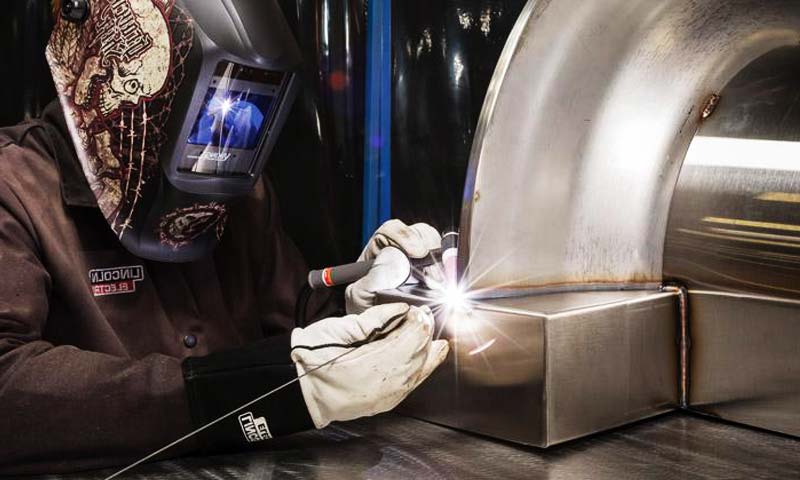
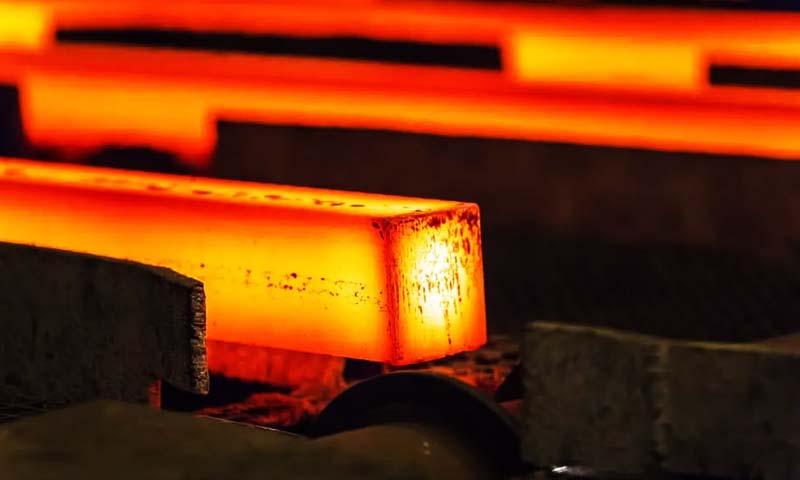
今日の製造業の世界では, 機械加工 vs. 鋳造は、高品質の部品を製造するために最も広く使用されている 2 つのプロセスです.
これらのメソッドは、あらゆるものを作成する上で極めて重要な役割を果たします。 洗練された医療用インプラント に 堅牢な自動車部品.
プロジェクトに適切なプロセスを選択することが不可欠ですが、これは設計の複雑さなどのいくつかの要因によって決まります。, 材料要件, および予算の制約.
この記事で, 機械加工と機械加工の詳細な比較を提供します。. 鋳造,
それらの独特の特性を強調し、製造ニーズに応じて最も情報に基づいた意思決定を行うのに役立ちます。.
1. 導入: キャスティングと機械加工を理解する
両方 鋳造 そして 機械加工 重要な製造プロセスです, それぞれに独自の利点と用途があります.
鋳造 溶融金属を型に注ぐために複雑な形を形成することを含む,
その間 機械加工 CNCマシンなどのツールを使用して、固体ワークから材料を差し引くプロセスを指します.
どちらも高品質の部品を生産できます, これらの2つの方法を選択するには、独自の機能と制限を理解する必要があります.
2. キャスティングとは?
鋳造 製造プロセスです 溶融物質 - 典型的には金属または合金 - 金型の形状を固めるためにカビの空洞に注がれます.
この汎用性の高いプロセスは、複雑な部分と形状を作成することを可能にします, 他の方法を使用するのが難しいか費用がかかるでしょう.
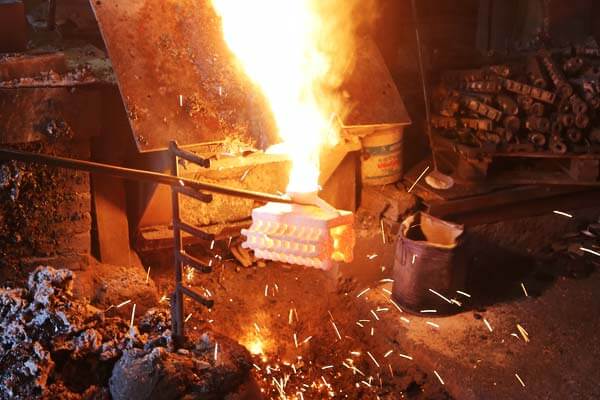
それはメタルワーキングの最も古い方法の1つであり、今日の業界で広く使用されています.
キャスト中, 材料は溶融状態に加熱されます, そして適切な温度に達したら, 希望の形状を反映する型に流し込まれます。.
材料が冷えて固まる, 部品を形成する, その後、型から外されます.
その後, 必要な仕上げ(トリミングなど), 研削, または研磨 - 最終製品を完成させるために適用されます.
キャスティングの重要なタイプ:
砂鋳造:
- プロセスの概要: 砂型鋳造は最も一般的でコスト効率の高い方法です, 特に大きな部品の場合.
パーツの柄は木で作られています, プラスチック, または金属で砂に埋め込まれています.
模様の周りに砂がしっかりと詰まっています, 次に、溶融金属を金型に流し込んで部品を形成します。.
砂鋳造 - アプリケーション: 自動車で一般的に使用されている, 航空宇宙, エンジンブロックなどの部品の重機産業, ギア, および産業機械部品.
- 利点: 低いツールコスト, 大きな部品を扱うための柔軟性, さまざまな金属への適合性.
- 短所: 他の方法と比べて公差の精度が低く、表面仕上げが粗い.

インベストメント鋳造 (紛失したワックスキャスティング):
- プロセスの概要: で 投資キャスティング, 部品のワックスパターンが作成されます, そしてセラミックシェルでコーティングされます.
シェルを加熱してワックスを除去します, 中空の型を残します. 溶融金属を金型に流し込んで部品を形成します。.インベストメント鋳造 - アプリケーション: 高い精度が要求される部品に使用されます, タービンブレードなど, 医療インプラント, および航空宇宙コンポーネント.
- 利点: 高次元精度, 優れた表面仕上げ, 複雑な内部形状を作成する機能.
- 短所: 人件費の上昇と生産速度の低下, 主に小さな部品に適しています.

ダイカスト:
- プロセスの概要: キャスティングダイ 溶融金属を鋼の型に押し込むことを含みます (ダイとしても知られています) 高圧下.
金属は金型内で急速に冷却されます, 固体部分を形成する. 金型は再利用可能, このプロセスは大量生産に最適です.ダイカスト - アプリケーション: 中小型部品の量産によく使用されます。, ハウジングなどの, コネクタ, および自動車コンポーネント.
- 利点: 迅速な生産サイクル, 高精度, 優れた表面仕上げ, 優れた公差制御.
- 短所: 初期工具コストが高く、使用できる合金に制限がある, 亜鉛などの低融点金属に最適です。, アルミニウム, とマグネシウム.

永久型鋳造:
- プロセスの概要: ダイキャストと同じようなもの, しかし、高圧の代わりに, 溶融金属は鋼または鉄で作られた再利用可能な型に注がれます.
この技術は、砂型鋳造で得られるものよりも優れた機械的特性を必要とする部品によく使用されます。. - アプリケーション: ピストンなどの自動車部品の製造で一般的, シリンダーヘッド, とホイール.
- 利点: 砂型鋳造に比べて寸法精度、表面仕上げが向上します。, 冷却速度が速くなり、機械的特性が向上します.
- 短所: 砂型鋳造に比べて工具が高価で、中型の部品に限定される.
遠心鋳造:
- プロセスの概要: 遠心鋳造で, 溶解した金属を回転する鋳型に流し込みます, 遠心力によって材料が金型の壁に沿って均一に分配されます。.
これは円筒形の部品に特に便利です, パイプやブッシュなど. - アプリケーション: パイプ製造によくあること, ギア, およびその他の円筒部品.
- 利点: 密集, 均一な材料分布, そして気孔率の減少.
- 短所: 円形または円筒形に限定されており、複雑なデザインにはあまり適していません.
キャスティングの重要な利点:
- 複雑なジオメトリ: 鋳造は、機械加工だけでは作成が困難または不可能な複雑な内外形状の部品の製造に優れています。.
- 大量生産でもコスト効率が高い: 型ができたら, 鋳造は、大量の部品を生産するための非常にコスト効率の高い方法となり得ます。, 大量生産に最適です.
- 材料の柔軟性: 鋳造は幅広い金属や合金に対応できます,
アルミニウムを含む, ブロンズ, 鋳鉄, 鋼鉄, とスーパーアロ. これにより、特殊な材料を必要とする業界全体で多用途に使用できるようになります。. - 高い公差と表面品質 (インベストメント鋳造): 他の鋳造法と比較すると,
投資キャスティング 優れた表面仕上げと厳しい公差を実現, 高精度が要求される部品に最適. - 低物質廃棄物: 鋳造によりニアネットシェイプ部品が製造されます, 材料の無駄を最小限に抑え、コストのかかる二次加工の必要性を削減します。.
キャスティングの重要な考慮事項と制限:
- 精度と公差: 一部の鋳造方法では良好な寸法精度が得られますが、, the 許容範囲 鋳造部品の価格は、一般に機械加工法を使用して製造された部品ほど高くありません。.
砂型鋳造などの一部の鋳造プロセスでは、表面の仕上げが粗くなり、追加の後処理が必要になる場合があります。. - セットアップ費用: 初期の金型設計と製造には費用がかかる場合があります, 特に複雑な部品の場合、または金型やインベストメント鋳造などのプロセスに高品質の金型を使用する場合に最適です。.
しかし, コストは大量生産で償却可能. - リードタイム: 鋳造, 特に複雑な金型や複雑なデザインの場合, 機械加工や積層造形法に比べてリードタイムが長くなる可能性があります.
これはスケジュールが厳しいプロジェクトに影響を与える可能性があります. - 物質的な制限: 一部の鋳造プロセスは特定の材料にのみ適しています,
アルミニウムまたは亜鉛ベースの合金など, 高融点金属またはより複雑な合金を扱う場合には制限されます.
鋳造のアプリケーション:
- 自動車: エンジンブロック, ギアボックス, および排気コンポーネント.
- 航空宇宙: タービンブレード, エンジン部品, および構造コンポーネント.
- 工事: パイプや梁などの大型部品.
- 海兵隊: ボートのプロペラ, 海洋継手, および構造部品.
- 消費者製品: 装飾品, 調理器具, およびハードウェアコンポーネント.
3. 機械加工とは何ですか?
機械加工 精密切削工具を使用して固体ワークピースから材料を除去し、目的の形状を達成するサブトラクティブ製造プロセスです。, サイズ, そして終わります.
キャスティングとは異なり, 材料を型に流し込むところ, 機械加工では、より大きな部品から材料を除去して、正確な仕様の部品を作成します.
このプロセスは、高精度が要求される業界では非常に重要です, 航空宇宙などの, 自動車, 医療機器, およびエレクトロニクス.
機械加工は通常、次の方法で実行されます。 CNC (コンピュータ数値制御) 機械, 特定のツールパスに従うようにプログラムされています, 優れた精度と再現性を可能にします.
機械加工は従来の工作機械を使用して手動で行うこともできますが、, 自動加工の台頭により生産効率が大幅に向上, 一貫性, そしてスピード.
機械加工プロセスの種類
CNC加工
- プロセスの概要: CNC加工 事前にプログラムされたコンピュータ ソフトウェアが工作機械を制御する自動プロセスです
のように 旋盤, ミルズ, そしてドリル. 複雑な形状の高精度部品の作成に広く使用されています。.CNC加工 - 利点: 高精度, 優れた再現性, 速い生産時間, 人件費の削減.
- 短所: プログラミングとツールのせいで初期設定コストが高くなる, 鋳造と比較すると、大型部品には理想的ではありません.

手動加工
- プロセスの概要: 手動加工の場合, 熟練したオペレーターが機械を直接制御, 各部のツールや設定を調整する.
より多くの労力と専門知識が必要ですが、, ワンオフパーツに柔軟に対応します, 修理, そして小ロット生産. - 利点: カスタム作業における柔軟性, 単一部品または小ロットのコストを削減, オンザフライ調整を行う機能.
- 短所: 生産速度の低下, 人件費が高い, CNC 加工よりも一貫性が劣ります.
電気放電加工 (EDM)
- プロセスの概要: EDM 電気スパークを使用してワークピースの材料を侵食します, 超硬金属や複雑な形状に最適です.
金型や金型の製作によく使用されます。, 小さな穴や正確な輪郭を持つコンポーネントにも対応.電気放電加工 - 利点: 硬い材料も加工できる, 細かいディテールを実現, 熱影響ゾーンを最小限に抑えます.
- 短所: プロセスが遅くなり、運用コストが高くなる, 大量生産にはそれほど適していません.

研削
- プロセスの概要: 研削 研磨ホイールを使用してワークピースから材料を除去します, 通常は表面仕上げを改善し、厳しい公差を達成するために使用されます。.
多くの場合、これは正確な仕上げを実現するための機械加工の最終ステップです。. - 利点: 滑らかな表面と厳しい公差を実現するのに優れています.
- 短所: 正しく管理しないと材料特性を変える可能性のある熱を発生し、他のプロセスよりも遅い.
ブローチ
- プロセスの概要: ブローチ加工は、ブローチと呼ばれる歯付き工具を使用して材料を直線ストロークで除去する加工プロセスです。.
キー溝などの内部または外部形状の製造に最適です。, スプライン, とスロット. - 利点: 特定の形状に対して効率的かつ高速に対応, 反復的なタスクの高い生産性.
- 短所: 特定の形状に限定され、工具コストが高い.
機械加工の重要な利点
- 高精度と精度: 機械加工は、次のような部品を製造できることで知られています。 非常に厳しい公差,
これは航空宇宙などの業界では重要です, 自動車, および医療機器.
- CNC 加工では、±0.0005 インチという厳しい公差を達成できます。 (0.0127 mm), コンポーネントが完全にフィットし、設計どおりに機能することを保証する.
- 優れた表面仕上げ: 機械加工の主な利点の 1 つは、 スムーズ, 高品質の表面仕上げ 追加の後処理ステップを必要とせずに.
これは、摩擦を最小限に抑えたり、高い美的基準が要求される部品に特に有益です。. - 多用途性: 幅広い材質に対応した加工が可能, 金属を含む (例えば。, 鋼鉄, アルミニウム, チタン), プラスチック, および複合材料.
これにより、メーカーは特定の用途のニーズに最適な材料を選択できるようになります。. - カスタマイズとラピッドプロトタイピング: 機械加工により、 素早い設計変更 制作時の調整や,
プロトタイピングや小ロット製造に適したオプションになります。.
CAD モデルと CNC プログラムを変更することでカスタム部品を簡単に作成できます. - 再現性と一貫性: 自動化されています CNC加工 製造された各部品が最後に製造された部品と同一であることを保証します。.
この再現性により、部品間の均一性が重要な用途に最適な加工が可能になります。.
機械加工の重要な考慮事項
- 材料廃棄物: 機械加工というのは、 減算プロセス, 材料がより大きなワークピースから除去されることを意味します, 無駄につながる可能性があります.
しかし, 慎重な計画と最適なツールパスにより、材料の損失を最小限に抑えることができます. - ツールの摩耗とメンテナンス: 機械加工に使用される切削工具は時間の経過とともに摩耗する可能性があります, 特に硬い材料を加工する場合.
精度と効率を維持するには、定期的なメンテナンスと工具の交換が必要です. - セットアップとプログラミングのコスト: CNC加工用, もっと高いこともよくあります 初期設定費用 プログラミングのせいで, ツールの変更, そして機械の校正.
しかし, これらのコストは、多くの場合、セットアップが完了すると大量生産の効率によって相殺されます。.
機械加工のアプリケーション
- 航空宇宙: 機械加工は航空機の重要なコンポーネントの製造に広く使用されています, タービンブレードなど, 構造要素, エンジン部品.
これらの部品には、非常に厳しい公差と正確な表面仕上げが必要です。. - 自動車: エンジンブロックからサスペンションコンポーネントまで, 機械加工は、強度が必要な高性能自動車部品の製造において重要です。, 精度, および耐久性.
- 医療機器: 多くの医療用インプラント, 手術器具, 機械加工技術を使用して製造される診断装置, 精度が最重要です.
- 家電: スマートフォンの筐体に機械加工を採用, ラップトップ, およびその他の電子機器, コンポーネントが正確に形成され、確実に取り付けられるようにする.
4. 機械加工vs間で選択する際に考慮すべき要因. 鋳造
機械加工を使用するかどうかを決めるとき. あなたのプロジェクトのキャスティング, いくつかの重要な要素を考慮する必要があります.
どちらのプロセスにも独自の利点があります, ただし、その適合性はプロジェクトの特定の要件によって異なります.
以下は、製造ニーズに最適な方法を決定するのに役立つ重要な考慮事項です。:
設計の複雑さと寛容の要件
鋳造:
- 複雑なジオメトリ: あなたのパートが必要とする場合 複雑な内部機能 または複雑な形状, キャストの方が良い選択肢かもしれない.
鋳造は次のような部品に最適です。 規格外の形状, 中空部分を含む, アンダーカット, そして複雑な模様. - 許容範囲: 鋳造は適切な公差を達成できます, ただし、通常は二次的な操作が必要です (加工のような) より高い精度のために.
インベストメント鋳造 砂型鋳造よりも優れた公差を提供しますが、それでも一般に機械加工の精度には匹敵しません。.
機械加工:
- 精密部品: デザインが必要な場合 厳しい公差, 機械加工が好ましい選択です.
CNC 加工による最高の精度, 公差が厳しい ±0.0005インチ (0.0127 mm).
これは航空宇宙などのアプリケーションにとって重要です, 医療機器, わずかな偏差でも性能が損なわれる可能性がある自動車部品など. - 詳細と仕上げ: 必要な部品については 滑らかな表面仕上げ または 詳しい特徴,
機械加工は高品質を生み出す上で比類のないものです, 最小限の後処理でぴったりとフィットするコンポーネント.
生産量とリードタイム
鋳造:
- 大量生産: キャスティングは特に効果的です 量産 大量に必要な部品の.
型が作成されたら, 多数の部品をユニット当たりの比較的低いコストで生産できる, 鋳造が大規模製造に最適な選択肢となる. - リードタイム: キャストにはさらに時間がかかる場合があります リードタイム 金型作成用, 特に複雑なデザインの場合.
しかし, 型ができたら, 生産は速いです, 部品を迅速に大量生産できます.
機械加工:
- 小規模から中規模のバッチ: 機械加工の方が適しています より少ない生産量 または カスタムパーツ 大量に必要ないもの.
バッチが大きい場合、セットアップ時間と部品あたりのコストが高くなる可能性があります, 大量生産における機械加工のコスト効率が低下する. - より迅速なプロトタイピング: 迅速なプロトタイプが必要な場合, 加工が速くなります.
迅速なプロトタイピングが優先される場合、その場で設計を調整し、即座に変更を加えることができることは大きな利点です。.
材料の種類とプロパティ
鋳造:
- 材料 柔軟性: 鋳造により幅広い材質の使用が可能, 含む アルミニウム, 鋼鉄, ブロンズ, 鋳鉄, そして スーパーアロ.
これにより、材料の選択が最も重要な業界にとって、鋳造は多用途の方法となります。, 自動車などの, 航空宇宙, と重機. - 物質的な制限: 鋳造は様々な合金に対応しながらも, 極端な精度を必要とする材料には適さない場合があります,
一部の高性能合金など, 機械加工の方がよりメリットが得られる可能性があります.
機械加工:
- 幅広い材料の互換性: 機械加工は幅広い材料に適しています, 含む 金属 (鋼鉄, アルミニウム, チタン), プラスチック, そして 複合材.
しかし, 高速切削に耐えられる硬質材料の加工に特に最適です。, ステンレス鋼を含む, チタン, および特定の合金. - 材料廃棄物: 機械加工の欠点の 1 つは、サブトラクティブプロセスであるため、材料の無駄が多くなる可能性があることです。, 特に複雑な形状の場合.
高価な材料や限られた材料を扱う場合は、これを考慮する必要があります。.
コストと予算の制約
鋳造:
- 初期セットアップコスト: The 初期工具費用 鋳造用, 特に金型の作成に, 高いかもしれない.
例えば, カスタム金型の作成には数百ドルから数千ドルかかる場合があります, 複雑さによって異なります.
しかし, 型が作られたら, 部品あたりのコストが大幅に下がります, 鋳造によるコスト効率の高いソリューションを実現 大規模生産. - ユニットあたりのコスト: 大量生産用, キャストはさらに多くなります 費用対効果 金型のコストがかかるので、
多数のパーツにまたがる, ユニットあたりのコストを大幅に削減.
機械加工:
-
- 初期費用が高い: 機械加工は鋳造に比べてセットアップコストが低くなりますが、 (金型は必要ありません),
機械加工の単位あたりのコストは一般的に次のとおりです。 より高い 材料の除去にかかる人件費と設備費のため. - 少量生産のコスト: 低~中程度の生産量またはカスタマイズされた部品の場合, 加工はもっとできる 費用対効果の高い キャストよりも.
しかし, より大きな実行のために, 機械加工の初期費用が高額になる可能性がある, 特に複数の工程を必要とする部品の場合.
- 初期費用が高い: 機械加工は鋳造に比べてセットアップコストが低くなりますが、 (金型は必要ありません),
機械的特性と耐久性
鋳造:
- 材料強度: 鋳造は良好な機械的特性を備えた部品を製造できますが、,
得られる材料は多くの場合密度が低く、多孔性や空隙がある場合があります。, 強度と耐久性に影響を与える可能性があります.
追加の処理や二次プロセスなど 熱処理 または 機械加工 多くの場合、望ましい強度と耐久性を達成することが求められます. - アプリケーションの適合性: キャスティングは次のような用途に非常に適しています。 非構造コンポーネント, 重荷重に耐えられない部品や高い強度が必要な部品.
機械加工:
- 優れた強度: 機械加工により優れた効果が得られます 機械的特性 空隙のない固体部品を生成するため.
部品の最終構造は多くの場合、より緻密で均一になります。, 結果として耐久性が向上し、 疲労抵抗. - タフネス: 応力下で高い強度が必要な用途向け, のような 自動車コンポーネント そして 航空宇宙部品, 機械加工は優れた選択です.
それは届けます より強く、より信頼できる 高負荷または極端な条件下でも優れた性能を発揮するコンポーネント.
持続可能性と廃棄物管理
鋳造:
- 材料廃棄物の削減: 鋳造工程, 特に キャスティングダイ そして 砂鋳造, 多くの場合、機械加工に比べて材料の無駄が少なくなります.
パーツはネットシェイプに近い形で作成されます, 二次材料の除去が少なくて済む. - 環境への影響: しかし, 鋳造プロセスはエネルギーを大量に消費する可能性があります, 特に金属を溶かすとき.
さらに, 金型の作成 管理またはリサイクルが必要な廃棄物が発生する可能性がある.
機械加工:
- 材料廃棄物: 加工は減法なので, 材料廃棄物が発生します, 特に部品を作成するために大量の材料を除去する場合.
高精度加工用, スクラップ率が増加する可能性がある. - 効率: 加工は無駄かもしれないけど, 高度なテクニック 効率的なツールパスは材料使用量の最適化に役立ちます.
さらに, リサイクル スクラップ材料の加工は環境への影響を軽減するのに役立ちます.
リードタイムとターンアラウンドタイム
鋳造:
- セットアップ時間の延長: 鋳造には通常、次の理由によりリードタイムが長くなります。 型作り プロセス, 部品の複雑さに応じて、数日から数週間かかる場合があります.
- より迅速な大量生産: 型が作成されたら, 鋳造により部品を迅速に大量生産できる, ~のための効率的なソリューションになります 大規模な実行.
機械加工:
- セットアップ時間の短縮: CNC加工が必要 セットアップ時間の短縮 キャストと比べて.
部品設計がプログラムされると, 加工をすぐに開始できます, より速く提供する 所要時間 のために 小さなバッチ または カスタムパーツ. - より迅速なプロトタイピング: 機械加工は、迅速なプロトタイプや小ロットの生産を短納期で行うことに優れています。, これは、新しい設計をテストする場合に特に有益です.
5. 鋳造と機械加工の組み合わせ
多くの製造プロジェクトで, ハイブリッドアプローチ 鋳造 そして 機械加工 望ましい結果を達成するための最も効果的な方法です.
両方のプロセスを組み合わせることで、それぞれの強みを活かします。, コストとパフォーマンスの両方を最適化する.
鋳造と機械加工がどのように連携して高品質のコンポーネントを提供するかについて説明します:
鋳造と機械加工を組み合わせる理由?
- 複雑な形状の鋳造: 鋳造は生産に優れています 大きい, 複雑な形 と部品 内部形状 機械加工だけで達成するのは困難または不可能です.
例えば, キャスティングは作成に最適です 中空セクション, 複雑 内部機能, そして 複雑な輪郭. - 精度と仕上げのための機械加工: 鋳造は大量の部品や複雑な形状の部品を作成するのに効率的ですが、,
常に配信できるわけではありません 厳しい公差 そして 滑らかな表面仕上げ 特定の業界では必須. ここで機械加工のステップが登場します.
ベース形状を鋳造した後, 機械加工を使用して 微調整 その部分, 正確な仕様と性能基準を満たしていることを確認する.
これら 2 つの方法を組み合わせることで、メーカーは 費用対効果, 高性能部品 生産時間とコストを抑えながら.
鋳造と機械加工の一般的な例
鋳造と機械加工の両方を組み合わせて数種類の部品が製造されるのが一般的です, 特に業界で 強さ, 精度, そして 複雑 重要な要件です:
自動車エンジンブロック
- 鋳造: エンジンブロックは通常、主構造を形成するために鋳造されます。, それは大きくて複雑です.
鋳造プロセスは部品の大部分を成形するのに理想的です, エンジンも含めて シリンダーヘッド そして クランクケース. - 機械加工: 一度キャストすると, エンジンブロックが受ける 機械加工 などの正確な機能を実現するために スレッド, ピストン用ハウジング, 冷却チャネル, そして 袖.
機械加工により、最終寸法と表面仕上げがエンジン性能に必要な正確な基準を満たすことが保証されます。.
タービンブレード
- 鋳造: タービンブレード, 微細な内部特徴と薄い形状が必要です, 多くの場合、経由して生成されます 投資キャスティング 作成する 複雑な形.
- 機械加工: キャスト後, ブレードは次のように機械加工されています 厳しい公差 エンジンコンポーネント内に確実に適合し、高応力条件に耐えられるようにするため.
冷却チャネル そして 細かい詳細 ブレードのパフォーマンスを最適化するためにこの段階で追加することもできます.
航空宇宙コンポーネント
- 鋳造: 航空宇宙部品など エンジンケーシング, ブラケット, そして 構造サポート 多くの場合、基本形状を形成するために鋳造によって製造されます.
- 機械加工: これらの鋳造コンポーネントは機械加工を受けて最終部品を改良します。, アセンブリ内の他の部品と正確に適合し、重量と強度の要件を満たしていることを確認します。.
致命的 特徴 のような ボルト穴, 取り付けポイント, そして 体液経路 機械加工により追加されます.
鋳造と機械加工を組み合わせることの利点
費用対効果:
- キャストにより、 複雑な部品の作成 ワンステップで, 複数のプロセスが不要になる.
鋳型ができたら, 部品を迅速に大量生産できる.
引き続き機械加工を行うことで, メーカーはコストを節約します 二次操作 および物質的な無駄. - 機械加工 バルク材料の鋳造後に部品の形状を調整できる, 除去する必要がある物質の量を減らす, そしてにつながる より効率的な製造.
設計の柔軟性:
- 鋳造と機械加工の組み合わせが可能性を広げる より多くのデザインの可能性.
複雑な形状や複雑な内部構造の鋳造が可能, 正確な機能を備えながら, スレッド, 穴, 仕上げは次のとおりです 後から機械加工される.
この組み合わせにより、メーカーは複雑な要件を満たす部品を作成できるようになります。, 現実世界の要求.
時間効率:
- 鋳造 部品のバルク形状を迅速に提供します, それなら あっという間に終わった 機械加工による.
これにより、原材料から部品全体を機械加工する場合と比較して、全体のリードタイムが短縮されます。.
強化された機械的特性:
- 機械加工 鋳造部品の機械的特性の向上に役立ちます.
キャスト後, 素材には次のような欠陥がある場合があります。 気孔率 または 内部空隙.
機械加工によりこれらの欠陥を除去できます, 改善 密度 そして 強さ 最終製品の.
精度を達成する:
- 鋳造後の機械加工ステップは、 より高い精度 必要な部品については 厳しい公差 そして 滑らかな仕上がり.
例えば, タービン部品の鋳造後, 機械加工により、部品がアセンブリに正確に適合し、厳格な性能基準を満たしていることが保証されます。.
課題と考慮事項
鋳造と機械加工を組み合わせると多くの利点が得られます, メーカーはいくつかの課題を考慮する必要があります:
複雑さの増加:
- 鋳造と機械加工の両方を行う必要があるため、 複雑 製造工程の.
設計プロセスでは両方のステップを考慮する必要があります, 互換性を確保するには、鋳造作業と機械加工作業の間で緊密な調整が必要です。.
リードタイム:
- 両方のプロセスを組み合わせると、 リードタイムを増やす 1 つの方法だけを使用する場合と比較して.
鋳造自体に時間がかかる, その後、機械加工プロセスによりさらに時間がかかります. 遅延を最小限に抑えるには適切な計画が必要です.
セットアップのコスト:
- 鋳造は大量の場合はコスト効率が高くなりますが、, 初期工具費 鋳型と機械加工装置の両方が高くなる可能性があります.
メーカーは慎重に評価する必要があります 費用対効果 両方のプロセスを組み合わせる.
材料の制約:
- 特定の合金や材料は鋳造や機械加工に適している場合があります。, しかし両方ではありません.
例えば, 特定の金属はより感染しやすい可能性があります ひび割れ または 反り 鋳造時にこれらの問題を軽減するために特別な機械加工プロセスが必要になる場合があります.
6. 結論: あなたのプロジェクトに適したプロセスはどれですか?
両方の機械加工と. キャスティングにはそれぞれの強みがある, 適切なプロセスの選択は、特定の要件によって異なります.
鋳造は、複雑な部品を低コストで大量生産するための優れたオプションです。.
一方で, 精度と汎用性に優れた加工, プロトタイプに最適です, 小さなバッチ, 公差が厳しい部品.
各手法の特徴を理解することは、プロジェクトの設計を満たす最適なアプローチを決定するのに役立ちます。, 生産, そして予算目標.
鋳造か機械加工のどちらを選択するか, どちらのプロセスも、現代の製造業に不可欠な独自の利点をもたらします。.
DEZE は鋳造と機械加工の両方で豊富な経験を持っています.
次のプロジェクトに適切なプロセスを選択する際にサポートが必要な場合, 専門家の指導と解決策についてはお気軽にお問い合わせください.