1. Ներածություն
ԲԵՌՆԵՐ 5 ժամանակակից արդյունաբերության մեջ ցինկի ձուլման համաձուլվածքներից մեկն է.
Այն պատկանում է սովորական ցինկի համաձուլվածքների ընտանիքին, այլ ոչ թե ավելի բարձր ալյումինի ZA խմբին, և այն լայնորեն ճանաչված է համատեղելու համար Լավ ամրություն, ավելի բարձր ուժ, քան Zamak-ը 3, բարելավված սողացող դիմադրություն, և գերազանց ավարտական վարքագիծ.
Գործնական արտադրության մեջ, այդ համակցությունը տալիս է ZAMAK 5 շատ կոնկրետ և շատ արժեքավոր պաշտոն: դա ամենահեղուկ ցինկի համաձուլվածքը չէ, և դա ամենաճկունը չէ, բայց դա ամենահավասարակշռված համաձուլվածքներից մեկն է ֆունկցիոնալ ձուլման մասերի համար.
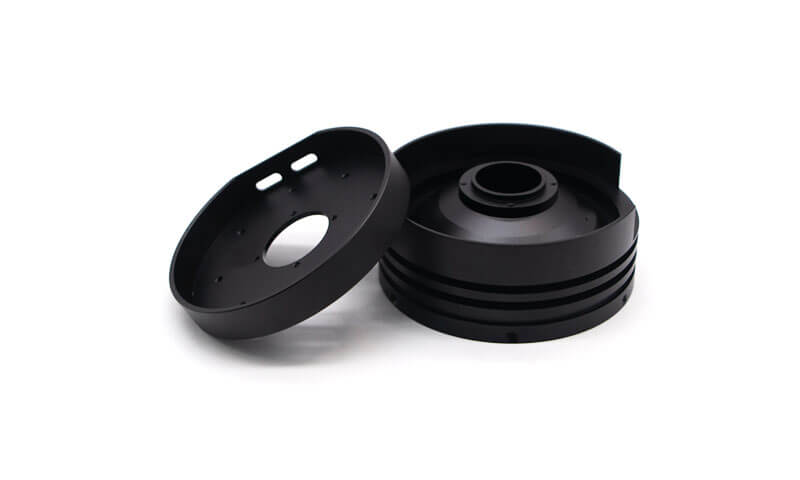
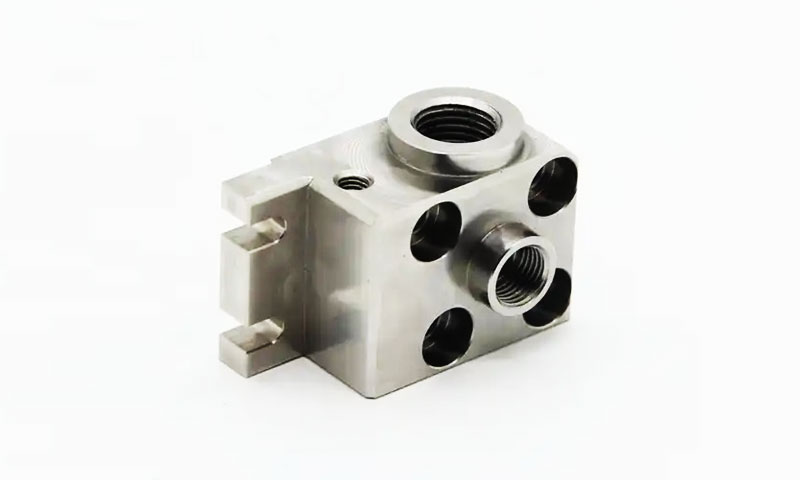
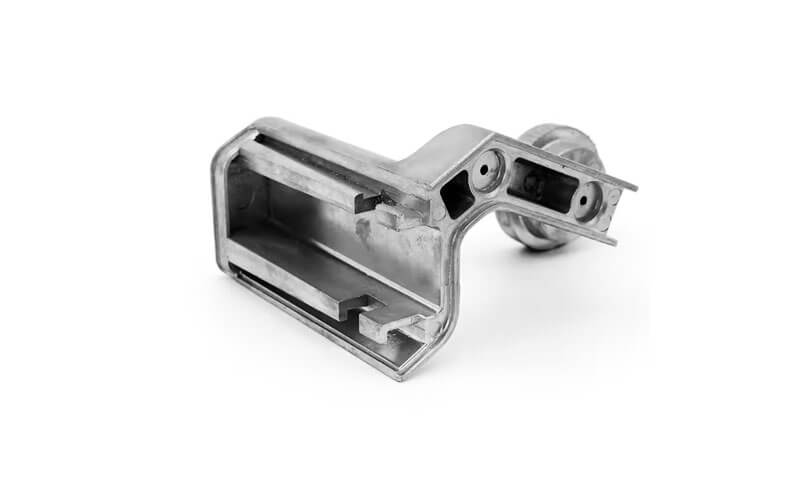
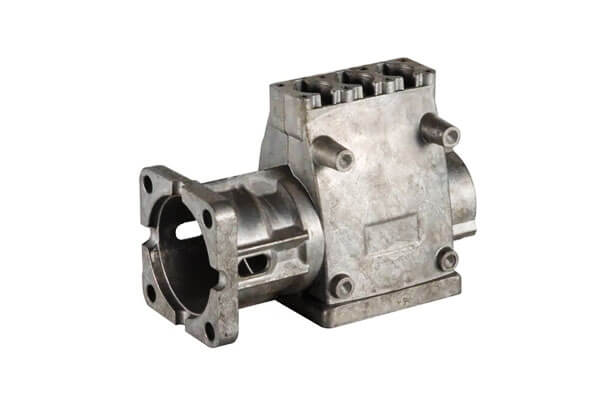
Այս հավասարակշռությունը բացատրում է դրա լայն կիրառումը փականներում, պոմպեր, Ավտոմոբիլային սարքավորումներ, տներ, սանիտարական բաղադրիչներ, դեկորատիվ-ֆունկցիոնալ մասեր, և ընդհանուր ինժեներական արտադրանք.
Երբ դիզայնին անհրաժեշտ է գրեթե ցանցաձև մետաղական բաղադրիչ՝ չափերի հուսալի ճշգրտությամբ, լավ մակերեսային որակ, և պատկառելի մեխանիկական պրոֆիլ, ԲԵՌՆԵՐ 5 հաճախ համարվում է առաջին համաձուլվածքներից մեկը.
2. Ինչ է ZAMAK-ը 5 Խառնուրդ?
ԲԵՌՆԵՐ 5 է ցինկի վրա հիմնված ձուլման համաձուլվածք պայմանական ցինկ-ալյումին-պղինձ-մագնեզիում քիմ.
Այն սովորաբար հայտնի է որպես Խառնուրդ 5, և այն հայտնվում է բազմաթիվ արդյունաբերական անվանումների համակարգերում.
Տարբեր շուկաներում և ստանդարտներում, այն կարող է նաև նույնականացվել որպես Բեռներ 5, ZP5, ZL5, ZL0410, կամ ZnAl4Cu1.
Այս տարբեր անունները արտացոլում են տարածաշրջանային կոնվենցիաները, այլ ոչ թե տարբեր նյութեր.
Համաձուլվածքը դասական ցինկի ձուլման ընտանիքի մի մասն է, որը վաղուց գնահատվել է բարակ պատրաստելու ունակությամբ, շգրիտ, և համեմատաբար բարդ մասեր բարձր արագությամբ և միավորի ցածր գնով.
Այդ սովորական ցինկի համաձուլվածքների շարքում, ԲԵՌՆԵՐ 5 հաճախ համարվում է ավելի ուժեղ, Զամակի ավելի սողացող քույր-եղբայրը 3.
Հիմնական բնութագրերը
ԲԵՌՆԵՐ 5 որոշվում է մի շարք բնութագրերով, որոնք այն հատկապես օգտակար են դարձնում արդյունաբերական արտադրության մեջ:
- Լավ ամրություն, հատկապես մեծ ծավալով ձուլված մասերում.
- Ավելի բարձր առաձգական կատարում քան Զամաքը 3.
- Ավելի լավ սողացող դիմադրություն քան Զամաքը 3, որը կարևոր է կայուն ծանրաբեռնվածության տակ գտնվող մասերում.
- Լավ երեսպատման և հարդարման վարքագիծ, հարմարեցնելով այն տեսանելի կամ դեկորատիվ մասերի համար.
- Օգտակար մեքենայություն, հատկապես, երբ անհրաժեշտ են երկրորդական գործողություններ.
- Լավ ծավալային կայունություն, որն աջակցում է ճշգրիտ հավելվածներին.
3. ԶԱՄԱԿ-ի քիմիական բաղադրությունը 5 Խառնուրդ
ԲԵՌՆԵՐ 5 ցինկի համաձուլվածք է, որի կատարումը գալիս է մանրակրկիտ վերահսկվող քիմիայից.
Ցինկը հիմնական մետաղն է, բայց նրա հատկությունները կարգավորվում են փոքրով, ալյումինի իմաստալից հավելումներ, պղինձ, եւ մագնեզիում, կեղտերի խիստ հսկողությամբ.
| Տարր | Տիպիկ բովանդակություն | Գործառույթ |
| Ցինկ | Հավասարակշռություն | Հիմնական մետաղը և համաձուլվածքի մատրիցը |
| Ալյումին | 3.9– 4,3% | Աջակցում է ձուլման և մատրիցային կայունությանը |
| Պղնձ | 0.7– 1,1% | Բարձրացնում է ուժը, կարծրություն, եւ սողացող դիմադրություն |
| Մագնեզիում | 0.03-0.06% | Օգնում է կատարելագործել կառուցվածքը և բարելավել ձուլման վարքը |
| Երկաթ | ≤ 0.035% | Պահպանվում է շատ ցածր, քանի որ ավելցուկային երկաթը վնասում է ձուլման որակը |
| Տաքարյուն | ≤ 0.004% | Վերահսկվող կեղտ |
| Կադմիում | ≤ 0.003% | Վերահսկվող կեղտ |
| Անագ | ≤ 0.0015% | Վերահսկվող կեղտ |
4. ZAMAK-ի ֆիզիկական և մեխանիկական հատկությունները 5 Խառնուրդ
ԲԵՌՆԵՐ 5 սովորաբար նշված է որպես-դերասան կամ as-cast/aged պայման, այնպես որ դրա չափված հատկությունները կարող են փոքր-ինչ տարբերվել ձուլման որակով, Բաժնի հաստությունը, և ծերացման ժամանակը.
Նյութերի խիստ ընտրության մեջ, Հետևաբար ավելի լավ է վերաբերվել ստորև բերված թվերին ներկայացուցչական ինժեներական արժեքներ այլ ոչ թե որպես անփոփոխ հաստատուններ.
| Սեփականություն | Կայսերական | Մետրային |
| Խտություն | 0.240 lb / in³ | 6.6 գ / սմ |
| Հալման միջակայք | 717–727 °F | 380–386 °C |
| Էլեկտրական հաղորդունակություն | 26% IACS | 26% IACS |
| Mal երմային հաղորդունակություն | 62.9 BTU/ft·hr·°F | ≈ 109 W / m · k |
| Ջերմային ընդարձակման գործակիցը | 15.2 μmin/in/°F | ≈ 27.4 մկմ / մ · k |
| Էլաստիկ մոդուլ | 12.4 × 10⁶ PSI | ≈ 85 Gpa |
| Առավելագույն առաձգական ուժ | 48 ksi | 328 MPA |
| Բերք տալ ուժ | 39 ksi | 269 MPA |
| Երկարացում | 7% | 7% |
| Բրինելի կարծրություն | 91 Ժապավենի | 91 Ժապավենի |
| Ազդեցության ուժը | 65 Ժլատ | 65 Ժլատ |
| Հոգնածության ուժ | ≈ 8.1 ksi | 56 MPA |
| Ժամանակի սողանքի սահմանը | ≈ 14.5 ksi | 100 MPA |
Ինչպես կարդալ այս թվերը
Դիզայնի տեսանկյունից, ԲԵՌՆԵՐ 5 լավագույնս դիտվում է որպես ա ֆունկցիոնալ ճշգրիտ ձուլման խառնուրդ.
Այն բավական կոշտ է պատերի և սարքավորումների համար, բավականաչափ դժվար է մաշվածության հետ կապված բազմաթիվ օգտագործման համար, և բավականաչափ կայուն այն մասերի համար, որոնք ժամանակի ընթացքում պետք է պահպանեն երկրաչափությունը.
Լավագույն ընտրությունը չէ, երբ մի մասը պետք է մեծապես դեֆորմացվի ձուլումից հետո, բայց դա շատ արդյունավետ է, երբ մասը նախատեսված է վերջնական ձևին մոտ ձուլելու համար.
5. Մշակման և արտադրության բնութագրերը
ԲԵՌՆԵՐ 5 արտադրության մեջ ամենաարդյունավետ ցինկի համաձուլվածքներից մեկն է, քանի որ այն համատեղում է Գերազանց կուտելիություն, ցածր հալման ջերմաստիճան, բորբոս լցնող ուժեղ վարքագիծ, և լավ ավարտական արձագանք.
Ձուլումը որպես հիմնական երթուղի
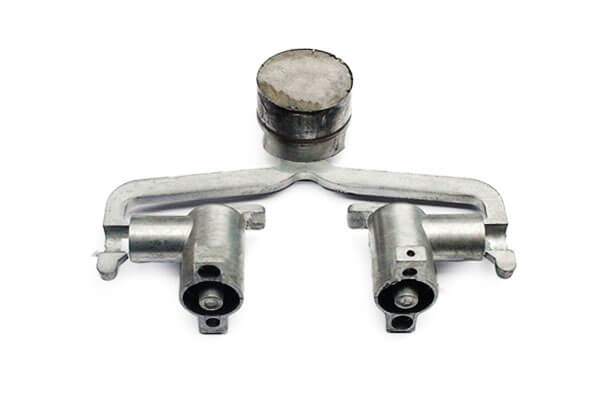
ZAMAK-ի համար 5, գերիշխող արտադրական ուղին է ճնշում Die Casting.
Դրա ցածր հալման միջակայքը, սովորաբար շուրջը 380–386 °C, աջակցում է արագ ջերմության փոխանցմանը, կարճ ցիկլի ժամանակներ, և ավելի ցածր ջերմային սթրես մատրիցների վրա, քան բարձր հալվող մետաղները.
Դա հիմնական պատճառներից մեկն է, թե ինչու են ցինկի համաձուլվածքներն այդքան լայնորեն օգտագործվում բաղադրիչների մեծ ծավալի արտադրության մեջ.
Գործնական առումով, սա նշանակում է ZAMAK 5 Հատկապես արդյունավետ է մասերի համար:
- Նիհար պատեր,
- նուրբ կողիկներ և շեֆեր,
- Համալիր երկրաչափություն,
- Ամուր ծավալային հանդուրժողականություն,
- և համեմատաբար մաքուր ձուլված մակերեսների անհրաժեշտություն.
Գործընթացի այդ առավելությունը հաճախ նվազեցնում է ձուլումից հետո լայնածավալ մշակման անհրաժեշտությունը, ինչը նվազեցնում է արտադրության ընդհանուր արժեքը.
Տաք խցիկի համատեղելիություն
ԲԵՌՆԵՐ 5 պատկանում է ցինկի համաձուլվածքների ընտանիքին, որոնք լավ են համապատասխանում տաք խցիկի ձուլում.
Այս գործընթացը արդյունավետ է, քանի որ մետաղը կարող է արագ և բազմիցս ներարկվել համեմատաբար ցածր ջերմային բեռով.
Համաձուլվածքի ձուլման պահվածքը Zamak-ի պատճառներից մեկն է 5 մնում է այնքան տարածված զանգվածային արտադրության ապարատային և ֆունկցիոնալ ձուլման մեջ.
Այստեղ արտադրական տրամաբանությունը պարզ է: խառնուրդի հեղուկի ցածր ջերմաստիճանը և լավ հեղուկությունը նպաստում են բարդ խոռոչների կայուն լցմանը, մինչդեռ ձուլման երթուղին ապահովում է արդյունավետ թողունակություն.
Արտադրողների համար, այդ համադրությունը մեծ տնտեսական առավելություն է.
Հալման կառավարում և կազմի վերահսկում
ԲԵՌՆԵՐ 5 պարզապես «հալել և լցնել» չէ: Ինչպես բոլոր ցինկի ձուլման համաձուլվածքները, դա պահանջում է զգույշ հալման հսկողություն.
Քիմիան պետք է մնա նեղ պատուհանում, և կեղտերը պետք է խստորեն վերահսկվեն, քանի որ դրանք կարող են ազդել ձուլման որակի վրա, Կոռոզիայի վարք, եւ երկարաժամկետ կատարում.
ASTM B240 և ներկայիս համաձուլվածքի հղումները երկուսն էլ շեշտում են անցանկալի տարրերի ցածր սահմանները, ինչպիսիք են կապարը, կադմիում, անագ, եւ երկաթ.
Սա կարևոր է, քանի որ համաձուլվածքի արդյունավետությունը կախված է ալյումինի նախատեսված հավասարակշռության պահպանումից, պղինձ, եւ մագնեզիում.
Եթե հալոցքը աղտոտված է կամ վատ է կառավարվում, ստացված ձուլվածքները կարող են կորցնել ամրության հետևողականությունը, Մակերեւույթի ավարտը, կամ ծավալային կայունություն.
Արտադրական միջավայրում, Ուստի լավ մետալուրգիան անբաժանելի է գործընթացի լավ վերահսկումից.
Ծերացումը և գույքի էվոլյուցիան ձուլումից հետո
ZAMAK-ի նուրբ, բայց կարևոր հատկանիշը 5 այն է, որ դրա հատկությունները կարող են զարգանալ ձուլումից հետո.
Ցինկի ձուլման հղումները նշում են, որ ZP5-ի մեխանիկական հատկությունները / ԲԵՌՆԵՐ 5 ընտանիքը կարող է փոխվել ժամանակի ընթացքում, առաձգական ուժով և կարծրությամբ, որոնք հակված են նվազմանը, մինչդեռ երկարացումը մեծանում է.
Սա նշանակում է, որ «նոր ձուլված» պայմանը միշտ չէ, որ ծառայության վերջնական պայմանն է, և ինժեներական նախագծումը պետք է հաշվի առնի գույքի կայունացված վիճակը, այլ ոչ միայն ձուլումից հետո անմիջապես արդյունքը.
Այս ծերության պահվածքը թերություն չէ. Դա նյութի նորմալ մետալուրգիական կյանքի մի մասն է.
Կարևորն այն է, որ դիզայներն ու արտադրողը դա հասկանան և համապատասխանաբար նշեն դրա մասը. Կրող կամ հանդուրժողականության նկատմամբ զգայուն արտադրանքների համար, սա կրիտիկական կետ է.
Մակերեւույթի հարդարում և հետմշակում
ԲԵՌՆԵՐ 5 համար խիստ բարենպաստ է Մակերեւութային հարդարման աշխատանքներ. Լավ է թփվում, լավ է ներկում, և արդյունավետ կերպով աջակցում է փայլեցված կամ դեկորատիվ ավարտվածքներին.
Սա համաձուլվածքի հիմնական պատճառներից մեկն է սպառողական արտադրանքներում հաջողության հասնելու համար, սանտեխնիկա, և տեսանելի ֆունկցիոնալ մասեր.
Համաձուլվածքի հարդարման որակը միայն կոսմետիկ չէ; այն հաճախ նպաստում է արտադրանքի կոռոզիայից պաշտպանվածությանը և շուկայական գրավչությանը.
Երկրորդային գործողությունները նույնպես համեմատաբար կառավարելի են. Մասերը հաճախ կարելի է կտրել, հորատված, շոշափված, կամ թեթև մշակված ձուլումից հետո, բայց ԶԱՄԱԿ 5 Իդեալական չէ ծանր հետընտրական դեֆորմացիայի համար.
Քանի որ նրա ճկունությունը չափավոր է, քան բարձր, գործողություններ, ինչպիսիք են կռումը, գամող, փոփոխություն, կամ ծալքավորումը պետք է ուշադիր դիտարկել դիզայնի մեջ.
Գործիքների և արտադրության տնտեսագիտություն
Արտադրական-տնտեսական տեսակետից, ԲԵՌՆԵՐ 5 գրավիչ է, քանի որ աջակցում է մոտ ցանցի ձևի արտադրություն.
Արդյունքը ավելի քիչ հաստոցներ է, Պահեստների հեռացման ավելի քիչ ջարդոն, ավելի քիչ գործողություններ, և հաճախ ավելի ցածր ընդհանուր մասի արժեքը. Երբ մասի ծավալը մեծ է, այդ խնայողությունները կարող են զգալի լինել.
Դրա հալման համեմատաբար ցածր ջերմաստիճանը նաև նվազեցնում է ջերմային բեռնվածությունը ձուլվածքների վրա, որն օգնում է աջակցել արագ արտադրական ցիկլերին.
Սա է պատճառներից մեկը, որ ցինկի ձուլումը մնում է փոքր և միջին ճշգրիտ մասերի արտադրության այդքան երկարակյաց ճանապարհ:.
6. ZAMAK-ի առավելություններն ու սահմանափակումները 5 Խառնուրդ
ԲԵՌՆԵՐ 5 լայնորեն օգտագործվում է, քանի որ այն զբաղեցնում է շատ գործնական միջին դիրք ցինկի ձուլման մեջ.
Այն ամենահեղուկ ցինկի համաձուլվածքը չէ, և դա ամենաճկունը չէ, բայց այն առաջարկում է շատ արդյունավետ համադրություն ուժ, սողացող դիմադրություն, ավարտի որակը, ամրություն, եւ արտադրության արդյունավետություն.
Այդ մնացորդը համաձուլվածքի իրական արժեքն է.
Առավելությունները
Զամաքից լավ ուժ 3
ԲԵՌՆԵՐ 5 պարունակում է մոտ 1% պղինձ, և այդ հավելումը բարձրացնում է առաձգական աշխատանքը և կարծրությունը՝ համեմատած Zamak-ի հետ 3.
Գործնական առումով, այն դիզայներներին տալիս է մի փոքր ավելի մեծ մեխանիկական մարժան, երբ մասը պետք է կրի բեռ կամ դիմադրի դեֆորմացիային.
Բարելավված սողացող դիմադրություն
ZAMAK-ի ամենակարեւոր առավելություններից մեկը 5 նրա սողացող ավելի լավ կատարումն է Zamak-ի համեմատ 3.
Դա կարևոր է այն բաղադրիչներում, որոնք կարող են երկար ժամանակ մնալ կայուն ուժի տակ, քանի որ սողանքը դանդաղ դեֆորմացիայի խնդիր է, քան անհապաղ ձախողման ռեժիմ.
Գերազանց կուտելիություն
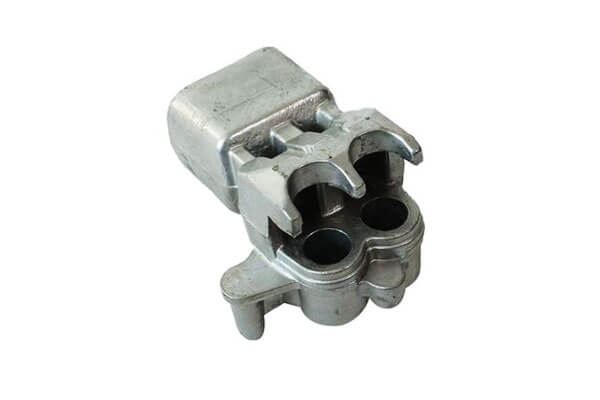
ԲԵՌՆԵՐ 5 մնում է շատ հարմար ճշգրիտ ձուլման համար. Այն բարակ է լցնում, բարդ խոռոչներ և աջակցում է մանրակրկիտ մոտ ցանցի ձև ունեցող մասերի արտադրությունը համեմատաբար քիչ երկրորդական հաստոցներով.
Դա այն պատճառներից մեկն է, որ այն այդքան օգտակար է մեծածավալ արտադրության մեջ.
Մակերեւույթի ամուր ծածկույթ և ծածկույթի վարքագիծ
Համաձուլվածքը շատ լավ է երեսպատման համար, նկար, և դեկորատիվ հարդարում.
Սա այն դարձնում է օգտակար ոչ միայն թաքնված մեխանիկական մասերում, այլ նաև տեսանելի սպառողական արտադրանքներում և սարքավորումներում, որտեղ արտաքին տեսքը կարևոր է.
Լավ ծավալային կայունություն
Ցինկի ձուլման համաձուլվածքները գնահատվում են իրենց կայուն երկրաչափությամբ, եւ ԶԱՄԱԿ 5 լավ հարմարեցված է այն մասերին, որտեղ չափերի կրկնելիությունը և հանդուրժողականության վերահսկումը ժամանակի ընթացքում կարևոր են.
Տնտեսական է ծավալային արտադրության մեջ
Քանի որ այն արդյունավետորեն ձուլվում է համեմատաբար ցածր ջերմաստիճանում և հաճախ պահանջում է սահմանափակ մշակում, ԲԵՌՆԵՐ 5 կարող է նվազեցնել արտադրության ընդհանուր արժեքը մեծածավալ արտադրության մեջ.
Դա այն օգտագործելու ամենաուժեղ փաստարկներից մեկն է.
Սահմանափակումներ
Ավելի ցածր ճկունություն, քան Zamak-ը 3
Նույն պղնձի հավելումը, որը բարելավում է ամրությունը, նաև նվազեցնում է ճկունությունը.
Արդյունքում, ԲԵՌՆԵՐ 5 ավելի քիչ ներողամիտ է, եթե մասը ձուլելուց հետո պետք է ենթարկվի մեծ դեֆորմացիայի, ինչպես, օրինակ, կռում, փոփոխություն, գամող, կամ ծալքավոր.
Հարմար չէ բարձր ջերմաստիճանի կառուցվածքային ծառայության համար
ZAMAK 5-ի ցածր հալման տիրույթը արտադրության առավելություն է, բայց դա նաև հաստատում է, որ համաձուլվածքը նախատեսված չէ բարձր ջերմաստիճանի կառուցվածքային օգտագործման համար.
Այն ձուլման համաձուլվածք է սենյակային ջերմաստիճանի կամ չափավոր ջերմ սպասարկման համար, ջերմակայուն համաձուլվածք չէ.
Հատկությունները կախված են ձուլման որակից և ծերացումից
Մեխանիկական կատարումը կարող է փոխվել ձուլումից հետո ժամանակի ընթացքում, և գրականությունը նշում է, որ առաձգական ուժն ու կարծրությունը կարող են նվազել, մինչդեռ երկարացումը մեծանում է.
Դա նշանակում է, որ դիզայնի արժեքները պետք է ընտրվեն խնամքով և համապատասխանեցվեն մասի իրական կայուն վիճակին.
Զգայուն է հալման որակի և կեղտոտության վերահսկման նկատմամբ
ԲԵՌՆԵՐ 5 չի ներում վատ հալեցման պրակտիկան. Նշված ցածր սահմանները երկաթի և հետքի կեղտերի, ինչպիսիք են կապարը, կադմիում, և անագը գոյություն ունեն, քանի որ կազմի հսկողությունն ուղղակիորեն ազդում է ձուլման որակի և կատարողականի վրա.
Ձուլելուց հետո ագրեսիվ ձևավորման լավագույն ընտրությունը չէ
ԲԵՌՆԵՐ 5 լավագույնս կատարում է այն դեպքում, երբ մասը նախագծված է, որպեսզի մոտ լինի վերջնական ձևին անմիջապես ձողից.
Եթե կիրառումը կախված է հետընտրական զգալի ձևավորումից, մեկ այլ նյութ կարող է ավելի հարմար լինել.
7. ZAMAK-ի բնորոշ կիրառությունները 5 Խառնուրդ
ԲԵՌՆԵՐ 5 օգտագործվում է այն մասերում, որտեղ ճշգրտություն, լավ մակերեսային որակ, Չափավոր ուժ, և տնտեսական զանգվածային արտադրություն բոլորն էլ կարևոր են.
Փականներ և պոմպեր
Փականները և պոմպի բաղադրիչները դասական ZAMAK են 5 կիրառություններ, քանի որ խառնուրդը կարող է ճշգրիտ ձևեր տալ, Օգտակար մակերևույթի հարդարում, և բավարար ուժ շատ ոչ ծանր սպասարկման պայմանների համար.
Դրա բարելավված սողացող դիմադրությունը նաև օգնում է այն մասերին, որոնք երկար ժամանակ մնում են ծանրաբեռնվածության տակ.
Ավտոմոբիլային բաղադրիչներ
ԲԵՌՆԵՐ 5 հայտնվում է ավտոմոբիլային ապարատում, հարդարման տարրեր, փոքր կառուցվածքային բաղադրիչներ, և ֆունկցիոնալ ձուլածո մասեր, որոնք օգտվում են կրկնվող երկրաչափությունից և հարդարման լավ վարքագծից.
Այս ոլորտում, համաձուլվածքի արժեքը պարզապես ծախսերի կրճատում չէ; դա նաև բարդ մասերը հուսալիորեն պատրաստելու ունակությունն է՝ արտադրության բարձր տեմպերով.
Ընդհանուր ինժեներական սարքավորումներ
Համաձուլվածքը սովորաբար օգտագործվում է ընդհանուր ինժեներական մասերում, որտեղ չափավոր մեխանիկական կատարումը և ծավալային կայունությունը ավելի կարևոր են, քան ծայրահեղ ուժը:.
Սա ներառում է փակագծեր, տներ, կեղեւներ, մոնտաժներ, ծածկոցներ, և փոքր հավաքույթներ, որոնք պետք է լինեն հետևողական և հեշտ ավարտվող.
Կողպեք մարմիններ, Անվտանգության ապարատ, եւ կցամասեր
ԲԵՌՆԵՐ 5 հարմար է կողպեքի մարմինների համար, սողնակներ, և հարակից սարքավորումներ, քանի որ այդ մասերը հաճախ կարիք ունեն ձևի բարդության համակցության, Մակերեւույթի որակը, և բավարար մեխանիկական ամրություն.
Համաձուլվածքի հարդարման վարքագիծը նույնպես օգտակար է այն ապրանքներում, որտեղ օգտագործողը տեսնում և անմիջականորեն մշակում է մասը.
Սանիտարական և լոգարանի բաղադրիչներ
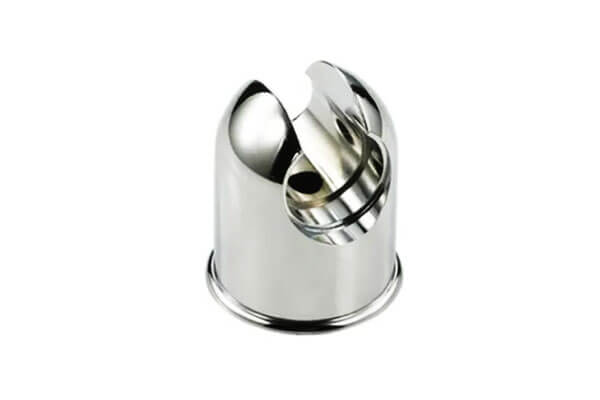
Սանիտարական կցամասեր, ցնցուղի հետ կապված մասեր, և լոգարանի սարքավորումները ZAMAK-ի լավ օրինակներ են 5 օգտագործել, քանի որ դրանք օգուտ են քաղում ճշգրիտ ձուլումից և լավ ծածկույթից կամ դեկորատիվ հարդարումից.
Համաձուլվածքը հատկապես գրավիչ է, երբ մասը պետք է լավ տեսք ունենա և հուսալիորեն գործի, բայց դարբնոցային մետաղի ճկունության կարիք չունի.
Էլեկտրական և էլեկտրոնային պատյաններ
ԲԵՌՆԵՐ 5 օգտակար է նաև էլեկտրական և էլեկտրոնային պատյանների համար, որտեղ կոշտ է, մանրամասն, և ավարտի համար հարմար ձուլում է պահանջվում.
Համաձուլվածքի ձուլունակությունը և մակերևույթի որակը աջակցում են կոմպակտ պարիսպներին և պատյաններին, որոնք ավելի թանկ կարժենան մշակել կամ արտադրել.
Դեկորատիվ-ֆունկցիոնալ սպառողական մասեր
Սպառողական ապրանքներին հաճախ անհրաժեշտ է այնպիսի նյութ, որը նուրբ տեսք ունի, ամուր է զգում, և կարող է արդյունավետ արտադրվել.
ԲԵՌՆԵՐ 5 լավ է համապատասխանում այդ պահանջներին, քանի որ այն հեշտ է ափսեի մեջ դնել և ավարտել, և այն աջակցում է այնպիսի մասերի մեծ ծավալի արտադրությանը, ինչպիսիք են բռնակները, կճատ, դեկորատիվ ծածկոցներ, և սարքավորման սարքավորում.
8. Համեմատություն ցինկի այլ համաձուլվածքների հետ
| Համեմատության կետ | ԲԵՌՆԵՐ 5 | Բեռներ 3 | Բեռներ 7 | ԶԱ-8 |
| Ընտանիք / ինքնությունը | Սովորական ZAMAK համաձուլվածք; ցինկի ձուլման ստանդարտ տեսակներից մեկը. | Սովորական ZAMAK համաձուլվածք; ստանդարտ հենանիշ խառնուրդ. | Սովորական ZAMAK համաձուլվածք; Zamak-ի փոփոխություն 3. | ZA-ընտանիքի համաձուլվածք, որն ունի ավելի բարձր ալյումինի պարունակություն, քան սովորական ZAMAK դասակարգերը. |
| Հիմնական կազմի տրամաբանությունը | Մոտավորապես 1% պղնձի հավելում, որը բարձրացնում է ուժը և սողացող դիմադրությունը. | Ստորին պղնձի սովորական ցինկի խառնուրդ, որը կենտրոնացած է հավասարակշռության և կայունության վրա. | Ավելի ցածր մագնեզիում և ավելի ամուր կեղտաջրեր, քան Zamak-ը 3. | Ավելի բարձր ալյումինե ցինկի համաձուլվածք՝ ուժեղ ուժով և սողացող հատկություններով. |
| Ամրություն / հեղուկություն | Գերազանց կուտելիություն; լավ հարմարեցված ճշգրիտ ձուլման համար. | Հոյակապ ձուլման ունակություն; ստանդարտ, որի նկատմամբ գնահատվում են մյուսները. | Բարելավված ձուլման հեղուկություն, հատկապես օգտակար է բարակ պատերով մասերի համար. | Լավ ինքնահոս ձուլման խառնուրդ; հարմար է նաև տաք խցիկով ձուլման համար. |
Ուժ / կարծրության շեշտադրում |
Սահմանային ավելի ուժեղ և դժվար, քան Zamak-ը 3. | Հավասարակշռված ստանդարտ ամրության խառնուրդ. | Ուժի վրա կենտրոնացած չէ; օպտիմիզացված է ավելի շատ հեղուկության և ավարտի համար, քան մեխանիկական վերելքի համար. | Ավելի բարձր ուժ և սողացող հատկություններ, քան սովորական ZAMAK դասարանները. |
| Սողալ / երկարաժամկետ բեռի վարքագիծը | Բարելավված սողացող կատարումը Zamak-ի նկատմամբ 3. | Լավ ընդհանուր սպասարկում, բայց ավելի ցածր սողացող դիմադրություն, քան ZAMAK-ը 5. | Պայմանական-ընտանեկան վարքագիծ; հիմնականում ընտրված չէ սողացող դիմադրության համար. | Բարձր ամրությունը և սողացող հատկությունները այն գրավիչ են դարձնում, երբ բեռի պահպանումը կարևոր է. |
| Առաձգականություն / Առողջություն | Նվազեցված ճկունություն՝ ընդդեմ Zamak-ի 3; պակաս իդեալական երկրորդական ճկման համար, գամող, փոփոխություն, կամ ծալքավոր. | Ֆիզիկական և մեխանիկական հատկությունների գերազանց հավասարակշռություն, երկարաժամկետ չափերի կայունությամբ. | Բարելավված ճկունություն Zamak-ի նկատմամբ 3. | Պայմանական ցինկ-համաձուլվածքի հարդարման և գործընթացի վարքագիծ; ճկունությունը վաճառքի հիմնական կետը չէ. |
Մակերեւույթի ավարտը / ափսափակում |
Պատրաստի պատված, ավարտված, եւ մշակված; համեմատելի Zamak-ի հետ 3. | Գերազանց հարդարման բնութագրեր երեսպատման համար, նկար, և քրոմատի մշակումներ. | Մակերեւույթի բարելավված հարդարում Zamak-ի համեմատ 3. | Պատրաստ է պատված և ավարտված՝ օգտագործելով սովորական ցինկի համաձուլվածքների ստանդարտ ընթացակարգերը. |
| Ձուլման տիպիկ երթուղի | Տաք խցիկի ձուլում. | Տաք խցիկի ձուլում. | Տաք խցիկի ձուլում. | Լավ ինքնահոս ձուլման խառնուրդ; նաև տաք խցիկով ձուլվող. |
| Լավագույն տեղավորումը | Մասեր, որոնք ավելի առաձգական աշխատանքի կարիք ունեն, քան Zamak-ը 3 և ավելի լավ սողացող դիմադրություն. | Ընդհանուր նշանակության ճշգրիտ ցինկի ձուլվածքներ. | Բարակ պատերով բաղադրիչներ, որոնք ավելի լավ հեղուկության կարիք ունեն, առաձգականություն, և ավարտիր. | Երբ Զամաք 3 կամ ԶԱՄԱԿ 5 կատարումը սահմանային է և անհրաժեշտ է ավելի բարձր ուժ/սողացող դիմադրություն. |
| Հիմնական սահմանափակում | Ավելի ցածր ճկունություն, քան Zamak-ը 3, ուստի երկրորդական դեֆորմացիան ավելի սահմանափակ է. | Ավելի ցածր ուժ և սողացող դիմադրություն, քան ZAMAK-ը 5. | Ավելի քիչ կատարողական ուղղվածություն, քան ZA գնահատականները, երբ ուժը կամ մաշվածությունը դառնում են գերիշխող. | Ավելի մասնագիտացված, քան սովորական ZAMAK դասարանները; ամենապարզ համակողմանի ընտրությունը չէ. |
9. Եզրափակում
ԲԵՌՆԵՐ 5 դասական ինժեներական ցինկի համաձուլվածք է, որը շատ գործնական տեղ է զբաղեցնում.
Այն ամենահեղուկ ցինկի համաձուլվածքը չէ, և դա ամենաճկունը չէ, բայց այն ապահովում է հիանալի խառնուրդ ուժ, սողացող դիմադրություն, ամրություն, և ավարտի որակը.
Այդ հատկությունները դարձնում են այն հուսալի ընտրություն ավտոմոբիլային արտադրության ֆունկցիոնալ ձուլման համար, ապարատ, պարագաներ, սանիտարական, և ընդհանուր ճարտարագիտական կիրառություններ.
Մեկ նախադասությամբ, ԲԵՌՆԵՐ 5 այն խառնուրդն է, որին հասնում ես, երբ ուզում ես ավելի շատ կատարում, քան Zamak-ը 3, առանց սովորական ցինկի ձուլման ընտանիքից դուրս գալու.
Ահա թե ինչու այն շարունակում է մնալ Եվրոպայում ամենաշատ օգտագործվող ցինկի համաձուլվածքներից մեկը և ամբողջ աշխարհում ցինկի ձուլման առավել վստահելի կոմերցիոն տեսակներից մեկը:.