

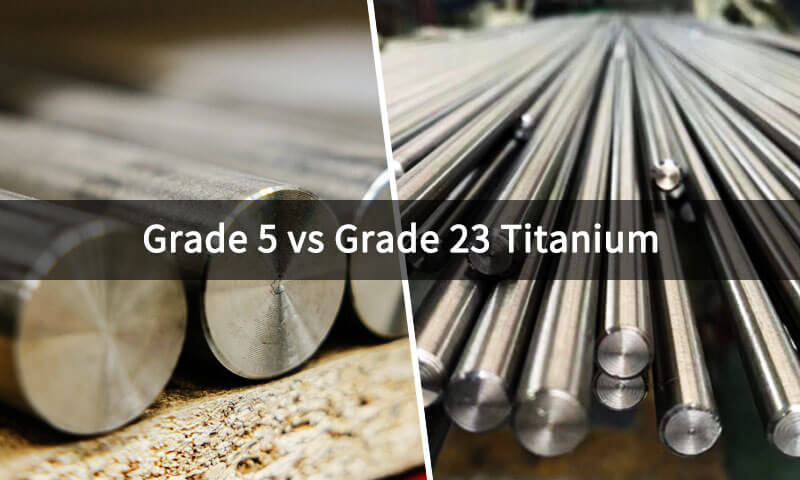
1. Ներածություն
Դասարան 5 եւ դասարան 23 Ti-6Al-4V ընտանիքի երկու ամենահայտնի անդամներն են, բայց դրանք լռելյայնորեն փոխարինելի չեն.
Տիտան դասարան 5, սովորաբար նույնացվում է որպես TI-6AL-4V / ԱՄՆ R56400, ամենալայն կիրառվող տիտանի տեսակն է և դասական բարձր ամրության α+β տիտանի համաձուլվածքը.
Տիտան դասարան 23, սովորաբար նույնացվում է որպես TI-6AL-4V ELI / ԱՄՆ R56407 / ASTM B348 Դասարան 23, նույն հիմքի համաձուլվածքի էքստրա-ցածր ինտերստիցիալ տարբերակն է, թթվածնի ավելի խիստ սահմաններով, ածխածնային, եւ երկաթ.
Մաքրության այդ տարբերությունը քիմիայի մեջ փոքր է, բայց հետևանքներով մեծ.
Դրանք համեմատելու ճիշտ ձևը «ուժեղ համաձուլվածքն ընդդեմ բժշկական խառնուրդի» չէ,բայց որպես նույն մետալուրգիական հարթակի երկու թյունինգային տարբերակներ.
Դասարան 5 ավիատիեզերական և ընդհանուր բարձր արդյունավետության ճարտարագիտության համար աշխատանքային ձիու ընտրությունն է.
Դասարան 23 վնասը հանդուրժող է, կրիոգեն-բարեկամական, կենսահամատեղելիության վրա հիմնված ճշգրտում, որն օգտագործվում է ճկունության ժամանակ, Կոտրվածքային կոշտություն, և ցածր ջերմաստիճանի հուսալիությունը ավելի կարևոր է, քան ուժի վերջին մասնիկը սեղմելը.
2. Ինչ է գնահատականը 5 Titanium խառնուրդ?
Դասարան 5 Տիտանի համաձուլվածքը արդյունաբերական պրակտիկայում ամենաշատ օգտագործվող տիտանի համաձուլվածքն է և սովորաբար հայտնի է որպես TI-6AL-4V.
Այն պատկանում է ալֆա-պլյուս-բետա տիտանի խառնուրդի ընտանիք, ինչը նշանակում է, որ դրա միկրոկառուցվածքը պարունակում է ալֆա և բետա փուլերի վերահսկվող խառնուրդ.
Այս երկփուլ կառուցվածքը նրա բացառիկ համադրության հիմքն է Բարձր ուժ, ցածր խտություն, Լավ կոռոզիոն դիմադրություն, և լայն ինժեներական օգտակարություն.
Ինչն է դարձնում Grade 5 այնքան կարևոր չէ, որ այն կոռոզիոն առավել դիմացկուն է կամ ամենահեշտ ձևավորվող տիտանի համաձուլվածքը. Դրա արժեքը հավասարակշռության մեջ է.
Այն առաջարկում է ուժեղ փոխզիջում կատարողականի միջև, ԱՐՏԱԴՐՈՒՄ, եւ արժեքը, ահա թե ինչու այն դարձել է լռելյայն տիտանի դասակարգ շատ օդատիեզերական ոլորտում, ծովային, արդյունաբերություն, եւ բժշկական դիմումներ.
Մետալուրգիական ինքնություն
Դասարան 5 նախագծված է պարզ, բայց հզոր լեգիրման ռազմավարության շուրջ:
- Ալյումին կայունացնում է ալֆա փուլը և ամրացնում խառնուրդը.
- Վանադիում կայունացնում է բետա փուլը և օգնում է ստեղծել ալֆա-պլյուս-բետա կառուցվածքը.
- Տիտղոս մնում է հիմնական մետաղը և առաջնային մատրիցը.
Այս մետալուրգիական հավասարակշռությունը տալիս է Grade 5 դրա գործնական բազմակողմանիությունը. Ջերմային մշակման և հովացման պայմանները կարգավորելու միջոցով, արտադրողները կարող են ազդել վերջնական փուլի բաշխման վրա և, հետևաբար, հարմարեցնել ուժը, կարծրություն, եւ հոգնածության դիմադրություն.
Հիմնական բնութագրերը
Բարձր ամրության-քաշի հարաբերակցությունը
Դասարան 5 ապահովում է շատ բարձր ամրություն՝ միաժամանակ մնալով շատ ավելի թեթև, քան պողպատներից կամ նիկելի համաձուլվածքներից. Սա է այն հիմնական պատճառներից մեկը, որով այն այդքան արժեքավոր է օդատիեզերական և կատարողական ճարտարագիտության մեջ.
Ջերմային մշակվող միկրոկառուցվածք
Համաձուլվածքը կարող է մշակվել տարբեր ջերմային վիճակներում, թույլ տալով նրա հատկությունները կարգավորել հատուկ կարիքների համար. Դա այն դարձնում է շատ ավելի հարմարվող, քան շատ սովորական կառուցվածքային մետաղներ.
Լավ կոռոզիոն դիմադրություն
Դասարան 5 լավ դիմադրում է բազմաթիվ բնական և արդյունաբերական միջավայրերին, ներառյալ ծովային մթնոլորտը և բազմաթիվ քիմիական ազդեցությունները.
Այն գերկոռոզիոն համաձուլվածք չէ, բայց այն շատ լավ է գործում ծառայությունների լայն շրջանակի պայմաններում.
Ոչ մագնիսական վարքագիծ
Ինչպես տիտանի համաձուլվածքների մեծ մասը, Դասարան 5 ըստ էության ոչ մագնիսական է. Սա կարևոր է այն ծրագրերում, որտեղ մագնիսական միջամտությունը պետք է նվազագույնի հասցվի.
Ապացուցված արդյունաբերական հասունություն
Այն բարձր ստանդարտացված և լայնորեն հասանելի համաձուլվածք է. Դիզայներներ, Կեղծիչներ, և հավաստագրող մարմինները դա լավ գիտեն, ինչը նվազեցնում է ռիսկը կարևոր նախագծերում.
Բնորոշ ծրագրեր
Դասարան 5 օգտագործվում է ամեն անգամ, երբ դիզայներին անհրաժեշտ է ապացուցված տիտանի համաձուլվածք՝ լայն կատարողական ծածկույթով.
Օդատիենտ
- Օդակայանի կառուցվածքներ
- Կոմպրեսորային շեղբեր
- Սկավառակներ և օղակներ
- Ամրացումներ
- Rotor Hubs
- Ճնշում պարունակող մասեր
Ծովային և օֆշորային
- Աղի ազդեցության տակ գտնվող կառույցներ
- Ծովային ջրի հետ կապված սարքավորումներ
- Օֆշորային օժանդակ բաղադրիչներ
Արդյունաբերական և կատարողական հավելվածներ
- Press նշման անոթներ
- Կրիտիկական դարբնոցներ
- Բարձր ամրության մեխանիկական բաղադրիչներ
- Սպորտային և մրցարշավային մասեր
Բժշկական
- Որոշ բժշկական սարքեր
- Վիրաբուժական սարքավորումներ
- Ոչ իմպլանտային կամ կիսակրիտիկական կենսաբժշկական բաղադրիչներ
3. Ինչ է գնահատականը 23 Titanium խառնուրդ?
Դասարան 23 տիտանի համաձուլվածքն է լրացուցիչ ցածր ինտերստիցիալ (Ալի) Ti-6Al-4V-ի տարբերակը.
Այն պատկանում է նույն ալֆա-պլյուս-բետա ընտանիքին, ինչ Grade-ը 5, և այն կիսում է համաձուլվածքի նույն հիմնական հայեցակարգը: ալյումինը կայունացնում է ալֆա փուլը, իսկ վանադիումը կայունացնում է բետա փուլը.
Տարբերությունը մաքրության մեջ է. Դասարան 23 ունի շատ ավելի խիստ սահմանափակումներ միջքաղաքային տարրերի, ինչպիսիք են թթվածինը, ածխածնային, ազոտ, երկաթ, եւ ջրածնի.
Այդ ավելի բարձր մաքրությունը տալիս է Գնահատական 23 շատ տարբեր ինժեներական անձնավորություն. Այն չի ընտրվում, քանի որ այն կտրուկ ավելի ուժեղ է, քան Grade-ը 5.
Այն ընտրված է, քանի որ այդպես է հավաքարար, ավելի կոշտ, ավելի հանդուրժող վնասի նկատմամբ, և ավելի հարմար է կրիոգեն և կենսաբժշկական ծառայությանը.
Մետալուրգիական ինքնություն
Դասարան 23 նախագծված է նվազեցնելու ինտերստիցիալ աղտոտման բացասական հետևանքները.
Տիտանի համաձուլվածքներում, թթվածին, ածխածնային, իսկ ջրածինը կարող է ուժեղ ազդել ճկունության վրա, կարծրություն, և կոտրվածքի վարքագիծը.
Այդ տարրերն իջեցնելով, Դասարան 23 բարելավում է հուսալիությունը պահանջկոտ ծրագրերում, որտեղ ձախողման հանդուրժողականությունը սահմանափակ է.
Գործնական առումով, Դասարան 23 զտվածն է, Ti-6Al-4V-ի պրեմիում տարբերակը.
Հիմնական բնութագրերը
Ավելի բարձր մաքրություն
Ցածր ինտերստիցիալ բովանդակությունը Grade-ի որոշիչ հատկանիշն է 23. Սա բարելավում է ամրությունը և օգնում է համաձուլվածքին ավելի կանխատեսելի վարքագիծ դրսևորել պահանջկոտ սպասարկման պայմաններում.
Վնասի բարձր հանդուրժողականություն
Ինտերստիցիալ բովանդակության իջեցմամբ, մասնավորապես թթվածին, Դասարան 23 ձեռք է բերում կոտրվածքի զգալիորեն ավելի բարձր ամրություն ($K_{Ic}$) և ճկունություն, քան դրա աստիճանը 5 գործընկեր, ապահովելով հուսալի կատարում կոտրվածքների համար կարևոր բաղադրիչներում.
Ավելի լավ կրիոգեն վարքագիծ
Այս խառնուրդը հատկապես հարմար է շատ ցածր ջերմաստիճանի սպասարկման համար, որտեղ արժեքավոր է ավելի կոշտ միկրոկառուցվածքային վարքագիծը.
Գերազանց կենսապահովություն
Դասարան 23 լայնորեն օգտագործվում է կենսաբժշկական ծրագրերում, քանի որ այն համատեղում է կոռոզիոն դիմադրությունը, ցածր մոդուլ, և ուժեղ հոգնածության պահվածք՝ գերազանց համատեղելիությամբ մարդու մարմնում.
Ոչ մագնիսական և կոռոզիոն դիմացկուն
Ինչպես Grade 5, այն ոչ մագնիսական է և բարձր դիմացկուն է բազմաթիվ քայքայիչ միջավայրերի նկատմամբ, ներառյալ ծովի ջուրը և քլորիդ պարունակող կենսաբանական հեղուկները.
Բնորոշ ծրագրեր
Դասարան 23 ընտրված է այնպիսի ծրագրերում, որտեղ անվտանգության սահմանը և երկարաժամկետ հուսալիությունը գերազանցում են հումքի ուժը.
Բժշկական և կենսաբժշկական
- Իմպլանտացվող սարքեր
- Համատեղ փոխարինող բաղադրիչներ
- Ոսկորների ամրագրման սարքավորում
- Վիրաբուժական տեսահոլովակներ
- Ատամնաբուժական և օրթոպեդիկ մասեր
Կրիոգենիկ ծառայություն
- Կրիոգեն անոթներ
- Ցածր ջերմաստիճանի ճնշման համակարգեր
- Բաղադրիչներ, որոնք ենթարկվում են ջերմային կծկման և ջերմային ցիկլերի
Օդատիեզերական և օֆշորային
- Կոտրվածք-կրիտիկական մասեր
- Անվտանգության նկատմամբ զգայուն կառուցվածքային բաղադրիչներ
- Ընտրված օֆշորային խողովակներ և բարձր հուսալիության սարքավորում
Ինչու է դա կարեւոր
Դասարան 23 գոյություն ունի, քանի որ որոշ ծրագրեր պահանջում են ավելին, քան բարձր ուժ.
Իմպլանտների մեջ, կրիոգեն համակարգեր, և կոտրվածքների համար կրիտիկական կառույցներ, ամենաթանկ գույքը հաճախ վնասի հանդուրժողականություն.
Դասարան 23 նախագծված է ապահովելու այդ սահմանը՝ նվազեցնելով միջքաղաքային կեղտը և բարելավելով համաձուլվածքի ներքին մաքրությունը.
4. Տիպիկ քիմիական բաղադրիչներ: Դասարան 5 vs դասարան 23 Titanium խառնուրդ
| Տարր | Դասարան 5 (TI-6AL-4V) | Դասարան 23 (TI-6AL-4V ELI) | Ինժեներական նշանակություն |
| Տիտղոս | Հավասարակշռություն. | Հավասարակշռություն. | Հիմքային մետաղ և երկու համաձուլվածքների մատրիցա. |
| Ալյումին | 5.50– 6,75%. | 5.50–6.50% անվանական. | Ալֆա կայունացուցիչ; նպաստում է ամրության և ջերմային բուժման արձագանքին. |
| Վանադիում | 3.50– 4,50%. | 3.50–4,50% անվանական. | Բետա կայունացուցիչ; օգնում է ստեղծել ալֆա-պլյուս-բետա կառուցվածքը. |
| Երկաթ | ≤ 0.40%. | ≤ 0.25%. | Ցածր երկաթ դասարանում 23 բարելավում է մաքրությունը և վնասների հանդուրժողականությունը. |
Թթվածին |
≤ 0.20% դասարանում 5 գործարանի արտադրանքի տվյալները. | ≤ 0.130%. | Թթվածինը բարձրացնում է ուժը, բայց նվազեցնում է ճկունությունը և ամրությունը, երբ ավելորդ է. |
| Ածխածնային | ≤ 0.08% կամ նմանատիպ ցածր սահմանային հսկողություն. | ≤ 0.080%. | Ցածր ածխածինը օգնում է պահպանել ամրությունը և մաքրությունը. |
| Ազոտ | ≤ 0.05%. | ≤ 0.050%. | Ինտերստիցիալ հսկողությունը կարևոր է ճկունության համար. |
| Ջրածին | ≤ 0.015%. | ≤ 0.013% կամ հատուկ ASTM-ին 120 ppm ուղեցույց բժշկական արտադրանքներում. | Ջրածինը պետք է նվազագույնի հասցվի փխրունությունից խուսափելու համար. |
| Այլ ընդհանուր | Սովորաբար վերահսկվում է ցածր. | ≤ 0.40%. | Մաքրությունը և մնացորդային հսկողությունը աջակցում են կրկնվող աշխատանքին. |
5. Ֆիզիկական եւ մեխանիկական հատկություններ: Դասարան 5 vs դասարան 23 Titanium խառնուրդ
Ստորև բերված արժեքները վերցված են ընթացիկ տվյալների թերթիկներից, և որտեղ գնահատականները ուղղակիորեն համեմատվում են, համեմատությունը հիմնված է հրապարակված նվազագույն սենյակային ջերմաստիճանի հատկությունները քանի որ դրանք ամենապաշտպանվող ինժեներական թվերն են.
Ճշգրիտ արժեքները դեռ կարող են տարբեր լինել՝ կախված արտադրանքի ձևից, He երմամշակում, և արտադրող.
| Սեփականություն | Դասարան 5 (TI-6AL-4V) | Դասարան 23 (TI-6AL-4V ELI) | Ինչ է դա նշանակում |
| Խտություն | 4.43 g/cc; 0.160 lb / in³. | 4.43 g/cc; 0.160 lb / in³. | Գործնականորեն նույնական զանգվածային արդյունավետություն. |
| Էլաստիկ մոդուլ | 114 Gpa. | 105– 116 ԳՊա. | Գրեթե նույն կոշտությունը; ոչ մի դասարան «պողպատե կոշտ է,Բայց երկուսն էլ գերազանց են հատուկ կոշտության համար՝ ցածր խտության պատճառով. |
| Կտրման մոդուլ | 5.90 × 10³ KSI, կամ 41–45 ԳՊա. | 5.90 × 10³ KSI, կամ 41–45 ԳՊա. | Շրջադարձային արձագանքը արդյունավետորեն համեմատելի է դիզայնի օգտագործման մեջ. |
| Նվազագույն զիջման ուժ | 828 MPA. | 793 MPA. | Դասարան 5 ունի եզրագիծ նվազագույն սահմանված ստատիկ ելքի ուժով. |
| Նվազագույն առաձգական ուժ | 895 MPA. | 862 MPA. | Դասարան 5 ունի ավելի բարձր նվազագույն սահմանված առաձգական ուժ. |
Տիպիկ կռվող առաձգական ուժ |
1000 MPa մեկ ընթացիկ տվյալների թերթիկում. | 896 MPa-ն բնորոշ է ջրաղացին կռած վիճակում. | Տիպիկ արժեքները կարող են համընկնել ըստ արտադրանքի ձևի; սա է պատճառը, որ հստակեցման պայմանը կարևոր է. |
| Երկարացում | 10% նվազագույն. | 10% նվազագույն; 15% բնորոշ է ջրաղացով կռվող նյութին. | Դասարան 23 սովորաբար ավելի ճկուն է սովորական եռացված վիճակում. |
| Տարածքի կրճատում / նեղացում | 25% նվազագույն. | 25% նվազագույն; 45% բնորոշ է ջրաղացով կռվող նյութին. | Դասարան 23 ցույց է տալիս ավելի ուժեղ պլաստիկ-դեֆորմացիայի եզրագիծը բնորոշ վիճակում. |
| Բետա տրանսուս | 999°C ± 14 °C. | 1765–1815°F. | Երկուսն էլ α+β համաձուլվածքներ են, բայց գործընթացի պատուհանները միշտ պետք է հետևեն արտադրանքի կարգավորող բնութագրերին. |
Կոտրվածք / վնասի հանդուրժողականություն |
Լավ, բայց ոչ նախընտրելի ընտրությունը, երբ կոշտությունը դիզայնի հիմնական նպատակն է. | Վնասի բարձր հանդուրժողականություն, Կոտրվածքային կոշտություն, և հոգնածության ճաք-աճի դիմադրություն. | Դասարան 23 ավելի լավ ընտրություն է կոտրվածքների համար կարևոր ծառայության համար. |
| Կրիոգեն վարքագիծը | Օգտագործվում է կրիոգեն ջերմաստիճանում, բայց ոչ այնքան օպտիմիզացված նրանց համար, որքան Grade-ը 23. | Ավելի լավ մեխանիկական հատկություններ կրիոգեն ջերմաստիճաններում, քան ստանդարտ Ti-6Al-4V. | Դասարան 23 ցածր ջերմաստիճանի առավել պահպանողական տարբերակն է. |
| Մագնիսական արձագանք | Ոչ ոք. | Ոչ ոք. | Երկուսն էլ ոչ մագնիսական են, ինչը կարևոր նշանակություն ունի բժշկական և գործիքային կիրառության մեջ. |
6. Կոռոզիոն դիմադրություն: Դասարան 5 vs դասարան 23 Titanium խառնուրդ
Դասարան 5 ապահովում է գերազանց դիմադրություն բազմաթիվ բնական և արդյունաբերական միջավայրերում, ներառյալ ծովային և ծովային նավթի և գազի սպասարկումը, և այն դիմադրում է թթուների լայն տեսականի.
Տվյալների մեկ թերթիկը նշում է ուժեղ դիմադրություն օքսիդացնող թթուներին, օգտակար դիմադրություն նվազեցնող թթուներին, և լավ կատարում շատ ավելի ցածր խտության օրգանական թթուներում.
Դասարան 23 ունի նույն հիմնարար պաշտպանությունը տիտանի օքսիդ-թաղանթից, և Հյուսն հատուկ նկարագրում է այն որպես կոռոզիայից բարձր դիմացկուն ջրային լուծույթների մեծ մասում, օքսիդացնող թթուներ, քլորիդներ ջրի առկայության դեպքում, եւ ալկալիներ.
Այն նաև գնահատում է ծովի ջուրը, խոնավություն, եւ աղ լակի որպես գերազանց.
Գործնական տարբերությունն այն է, որ Grade 23 հաճախ ընտրվում է, երբ կոռոզիոն դիմադրությունը պետք է զուգակցվի ավելի բարձր վնասների հանդուրժողականության հետ, հատկապես քլորիդ պարունակող մարմնի հեղուկներում, կրիոգեն անոթներ, կամ օֆշորային խողովակներ.
Դասարան 5 մնում է բարձր կոռոզիոն դիմացկուն, բայց դրա դերն ավելի հաճախ ընդհանուր բարձր հզորության ծառայությունն է, քան ծայրահեղ հուսալիության ծառայությունը.
Դա շրջանակելու հակիրճ ձևը սա է:
- Դասարան 5: գերազանց լայն կոռոզիոն դիմադրություն, հատկապես օդատիեզերական և օֆշորային օգտագործման համար.
- Դասարան 23: հավասարապես տիտանի բնորոշ կոռոզիոն դիմադրություն, բայց մաքրության պրոֆիլով, որն այն դարձնում է ավելի անվտանգ ընտրություն, որտեղ ձախողման հանդուրժողականությունն ավելի ցածր է.
7. Կենսաբազմություն: Դասարան 5 vs դասարան 23 Titanium խառնուրդ
Դասարան 5 արդեն լայնորեն օգտագործվում է բժշկական սարքավորումներում և հաճախ ընտրվում է, քանի որ տիտանի համաձուլվածքները կազմում են կայուն օքսիդ թաղանթ և համատեղում են ցածր խտությունը գերազանց կոռոզիոն դիմադրության հետ։.
Առևտրային տվյալների աղյուսակներում, Դասարան 5 հստակ նշված է բժշկական սարքավորումների համար, և դրա կենսահամատեղելիությունը համարվում է վաճառքի հիմնական կետերից մեկը.
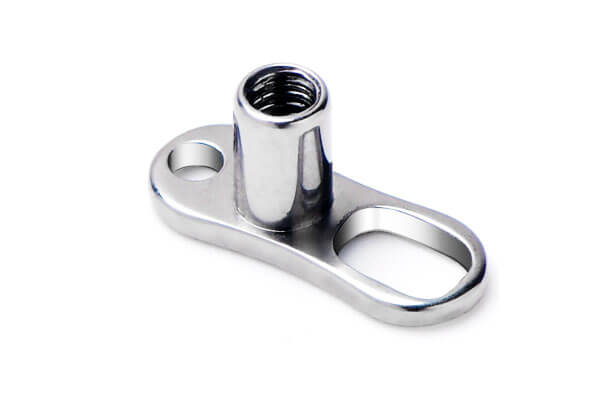
Դասարան 23, սակայն, այն նյութն է, որը գերակշռում է իմպլանտների վրա հիմնված հավելվածներում.
Քարփենթերն ուղղակիորեն նշում է, որ ELI-ն եղել է ընտրված նյութը բազմաթիվ բժշկական և ատամնաբուժական կիրառությունների համար՝ իր գերազանց կենսահամատեղելիության պատճառով:, Լավ հոգնածության ուժ, և ցածր մոդուլ.
Այն նաև թվարկում է իմպլանտացվող բաղադրիչները, համատեղ փոխարինում, ոսկորների ամրագրման սարքեր, և վիրաբուժական տեսահոլովակները դրա կիրառությունների շարքում.
Պատճառը Գնահատական 23 Իմպլանտների մեջ նախընտրելի է ոչ միայն «բժշկական բրենդինգը»:
Ցածր ինտերստիցիալ պարունակությունը բարելավում է վնասների հանդուրժողականությունը և օգնում է համաձուլվածքն ավելի ներողամիտ պահել ցիկլային բեռնման և մարմնի հեղուկի քայքայիչ միջավայրում:.
Դա հատկապես կարևոր է երկարատև իմպլանտների և կոտրվածքների համար կարևոր սարքերի համար.
Այսպիսով, հիերարխիան պարզ է:
- Դասարան 5 կենսահամատեղելի է և բժշկական առումով ընդունելի շատ ապրանքների մեջ.
- Դասարան 23 պրեմիում ընտրությունն է իմպլանտների մակարդակի կատարման համար, հատկապես այնտեղ, որտեղ կարծրությունը և երկարաժամկետ հուսալիությունը կարևոր են.
8. Համապարփակ համեմատություն: Դասարան 5 vs դասարան 23
| Ասպեկտ | Դասարան 5 (TI-6AL-4V, ԱՄՆ R56400) | Դասարան 23 (TI-6AL-4V ELI, ԱՄՆ R56407 / ASTM B348 Դասարան 23) |
| Ալյումինե ինքնությունը | Առավել լայնորեն օգտագործվող տիտանի դասարանը; երկփուլ α+β համաձուլվածք՝ Al-ով որպես ալֆա կայունացուցիչ և V-ով որպես բետա կայունացուցիչ. | Ti-6Al-4V-ի ավելի բարձր մաքրության էքստրա-ցածր ինտերստիցիալ տարբերակը; նաև α+β համաձուլվածք. |
| Ուժ | Սովորաբար ավելի բարձր բազային ուժ.
) |
Մի փոքր ավելի ցածր ուժ՝ դիմացկունության դիմաց. |
| Կոշտություն | Լավ, բայց ոչ նախընտրելի ընտրությունը, երբ կոշտությունը առաջնային նպատակն է. | Կոտրվածքի բարձր ամրություն և հոգնածության ճաքերի աճի դիմադրություն. |
| Կրիոգեն վարքագիծը | Լավ, բայց ավելի քիչ օպտիմիզացված կրիոգեն հուսալիության համար, քան Grade-ը 23. | Ավելի լավ կրիոգեն հատկություններ, քան ստանդարտ դասարանը 5. |
Կոռոզիոն դիմադրություն |
Գերազանց է բազմաթիվ արդյունաբերական և ծովային միջավայրերում. | Գերազանց է ջրային լուծույթներում, ծովի ջուր, քլորիդներ ջրով, և բազմաթիվ բժշկական միջավայրեր. |
| Կենսաբազմություն | Հարմար է բժշկական սարքավորումների և բազմաթիվ ոչ իմպլանտների օգտագործման համար. | Նախընտրելի է իմպլանտների համար, համատեղ փոխարինում, և վիրաբուժական սարքավորումներ. |
| Արտադրություն | Շատ հասուն մատակարարման շղթա, լայն հասանելիություն, ջերմամշակելի և եռակցվող. | Նաև եռակցման և մշակման ենթակա, բայց դրա պրեմիում արժեքը գալիս է մաքրության հսկողությունից. |
| Տիպիկ օգտագործման դեպք | Օդային շրջանակներ, շարժիչներ, ամրացումներ, օֆշորային մասեր, ճնշում պարունակող մասեր. | Իմպլանտներ, կոտրվածք-կրիտիկական կառույցներ, օֆշորային խողովակային, կրիոգեն անոթներ. |
9. Ընտրության տրամաբանությունը տարբեր տեսանկյուններից
Եթե առաջնահերթությունը առավելագույն ընդհանուր նշանակության կառուցվածքային ամրությունն է
Ընտրել Դասարան 5. Այն առավել տարածված Ti-6Al-4V տարբերակն է, և դրա հրապարակված նվազագույն սենյակային ջերմաստիճանի առաձգականությունը և զիջողականությունը հիմնականում ավելի բարձր են, քան աստիճանը 23 այստեղ օգտագործվող ստանդարտ տվյալների աղյուսակներում.
Դա այն դարձնում է ավելի բնական ընտրություն, երբ հիմնական նպատակը բեռը արդյունավետ կերպով կրելն է ապացուցված տիտանի խառնուրդի հարթակով:.
Եթե առաջնահերթությունը վնասի հանդուրժողականությունն է, Կոտրվածքային կոշտություն, և ճաքերի աճի դիմադրություն
Ընտրել Դասարան 23. ELI տարբերակը հատուկ նախագծված է ավելի ցածր ինտերստիցիալ բովանդակությամբ, և տվյալների թերթիկի լեզուն հստակ է: դա ավելի լավ ընտրություն է, երբ կոշտությունը կարևոր է.
Գործնական առումով, դա նշանակում է Գնահատական 23 Կոտրվածքի համար կրիտիկական մասերի համար առավել պահպանողական նյութ է, բարակ հատվածներ, և նմուշներ, որտեղ թերությունների հանդուրժողականությունն ավելի կարևոր է, քան բացարձակ ստատիկ ուժը.
Եթե դիմումը կենսաբժշկական է կամ ուղղված է իմպլանտներին
Ընտրել Դասարան 23. The published medical positioning of Grade 23 is stronger and more specific: it is described as the material of choice for many medical and dental applications, with excellent biocompatibility, ցածր մոդուլ, and strong fatigue performance.
Դասարան 5 is also medically useful, but Grade 23 is the more defensible implant-grade option when long-term reliability and tissue compatibility are central concerns.
Եթե սպասարկման միջավայրը կրիոգեն է կամ ներառում է ցածր ջերմաստիճանի խիստ հեծանվավազք
Ընտրել Դասարան 23. The lower interstitial content gives it better cryogenic mechanical behavior than standard Grade 5, which matters when thermal contraction, brittle fracture risk, or low-temperature toughness are part of the design problem.
Դասարան 5 can still be used in cryogenic service, but Grade 23 gives the stronger reliability margin.
Եթե մասը ստանդարտ օդատիեզերական կառուցվածքային բաղադրիչ է, և մատակարարման շղթան կարևոր է
Ընտրել Դասարան 5. It is the most widely used titanium grade, has an established processing ecosystem, and is available across a broad range of product forms.
For airframes, Կոմպրեսորային մասեր, ամրացումներ, և այլ հիմնական օդատիեզերական սարքավորումներ, Դասարան 5 սովորաբար առաջարկում է մատչելիության լավագույն հավասարակշռությունը, ուժ, և հասունություն.
Եթե դիզայնը օֆշորային է, ծովային, կամ ծովի ջրի ազդեցության տակ, բայց դեռևս կառուցվածքով պայմանավորված
Ընտրությունը կախված է ձախողման ռեժիմից, որից ամենից շատ վախենում եք. Ընդհանուր բեռնատար ծովային սարքավորումների համար, Դասարան 5 հաճախ բավարար է և մնում է տնտեսական դեֆոլտ.
Եթե բաղադրիչը կարևոր է անվտանգության համար, բարակ կտրվածքով, կամ ենթարկվում է ցիկլային բեռների, որտեղ ճաքերի աճը կարևոր է, Դասարան 23 դառնում է ավելի լավ տարբերակ, քանի որ դրա ավելի բարձր վնասի հանդուրժողականություն է.
Երկու համաձուլվածքներն ունեն ուժեղ կոռոզիոն դիմադրություն ծովային միջավայրում, Այսպիսով, որոշումը սովորաբար պայմանավորված է ավելի շատ մեխանիկական հուսալիությամբ, քան միայն կոռոզիայից.
Եթե որոշումը հիմնականում վերաբերում է արժեքին և մատչելիությանը
Ընտրել Դասարան 5 բացառությամբ այն դեպքերի, երբ նախագիծը հստակորեն չի հիմնավորում Գնահատականի հավելավճարը 23.
Դասարան 5 ստանդարտ խառնուրդ է, ինչը նշանակում է ավելի հեշտ գնումներ, վաճառողի ավելի լայն ծանոթություն, և սովորաբար ավելի ցածր գնով.
Դասարան 23 արժե հավելյալ արժեքը, երբ հավելվածն իսկապես կարիք ունի իր ավելի բարձր մաքրության, ավելի լավ ամրություն, կամ կենսաբժշկական պիտանիություն.
Եթե խնդիրը արտադրության ռիսկն է
Դասարան 5 սովորաբար ավելի հեշտ լռելյայն է ընդհանուր արդյունաբերական արտադրության համար, քանի որ այն լայնորեն ստանդարտացված է և ծանոթ արտադրողներին.
Դասարան 23 նաև արտադրվող է, բայց դրա արժեքը գալիս է ավելի խիստ քիմիայից և ավելի բարձր հուսալիությունից, ինչը նշանակում է, որ այն լավագույնս օգտագործվում է, երբ ներքևի հոսքի կատարման պահանջը արդարացնում է նյութի ավելի խիստ վերահսկողությունը.
Երկու դասարաններն էլ դեռ պահանջում են տիտանի կարգապահ վերամշակում, հատկապես եռակցման և աղտոտման վերահսկման համար.
10. Եզրափակում
Դասարան 5 եւ դասարան 23 եղբայրական համաձուլվածքներ են, բայց դրանք օպտիմիզացված են տարբեր ինժեներական առաջնահերթությունների համար.
Տիտան դասարան 5 դասական Ti-6Al-4V աշխատանքային ձի է: ուժեղ, լապտեր, Կոռոզիոն դիմացկուն, և լայնորեն հասանելի ողջ օդատիեզերքում, ծովային, և արդյունաբերական շուկաներ.
Տիտան դասարան 23 ավելի բարձր մաքրության ELI տարբերակն է: մի փոքր ավելի քիչ ուժ, բայց ավելի լավ կոշտություն, ավելի լավ կրիոգեն վարքագիծ, և նախընտրելի ընտրություն իմպլանտների և կոտրվածքների համար կարևոր ծառայության համար.
Եթե համառոտագիրը առավելագույն ընդհանուր նշանակության կառուցվածքային կատարումն է, Դասարան 5 սովորաբար հաղթում է.
Եթե համառոտը առավելագույն վնասի հանդուրժողականություն է, ցածր ջերմաստիճանի հուսալիություն, կամ իմպլանտի աստիճանի կենսահամատեղելիություն, Դասարան 23 ավելի պաշտպանելի ընտրությունն է. Դա նրանց միջև իրական ինժեներական սահմանն է.
ՀՏՀ
Դասարան է 23 ավելի ուժեղ, քան Grade 5?
Սովորաբար ոչ. Դասարան 5 ընդհանուր առմամբ առաջարկում է ավելի բարձր ելակետային ուժ, իսկ Դասարան 23 ընտրված է ավելի լավ ամրության և վնասների հանդուրժողականության համար.
Դասարան է 23 պարզապես Grade-ի բժշկական տարբերակը 5?
Ոչ ճիշտ. Դա Ti-6Al-4V-ի էքստրա-ցածր ինտերստիցիալ տարբերակն է, և կեղտոտության ցածր մակարդակն այն է, ինչը բարելավում է ամրությունը, Հոգնածության ճեղքման աճի դիմադրություն, և կրիոգեն կատարումը.
Կարող է գնահատել 5 փոխարինել դասարանը 23?
Միայն այն դեպքում, երբ կիրառումը չի պահանջում լրացուցիչ ամրություն, կոտրվածքների հանդուրժողականություն, կամ իմպլանտի վրա հիմնված կատարումը, որը Grade 23 ապահովում է.
Դասարան է 5 տիտան հարմար է մշտական վիրաբուժական իմպլանտների համար?
Ոչ. Մինչդեռ Դասարան 5 սկզբունքորեն կենսահամատեղելի է, այն չի համապատասխանում խիստ Extra Low Interstitial-ին (Ալի) ASTM F136-ի պահանջները, որոնք պարտադիր են մշտական իմպլանտների համար.
Դասարան 23 հոդերի փոխարինման և ատամնաբուժական իմպլանտների համար պահանջվող չափանիշն է՝ առավելագույն հոգնածության դիմադրություն և կենսաբանական ինտեգրում ապահովելու համար.
Ինչու է Grade 23 ավելի թանկ, քան ստանդարտ դասարանը 5?
Արժեքի պրեմիում դասարանի համար 23 զտման առաջադեմ գործընթացների արդյունք է (ինչպիսիք են վակուումային աղեղի վերահալման բազմակի ցիկլերը) և բարձր մաքրության հումքը, որն անհրաժեշտ է ELI կարգավիճակին հասնելու համար.
Այս գործընթացները ապահովում են ոչ մետաղական կեղտերի հեռացում, որոնք կարող են վտանգել նյութի ամրությունը.

