

Ներածություն
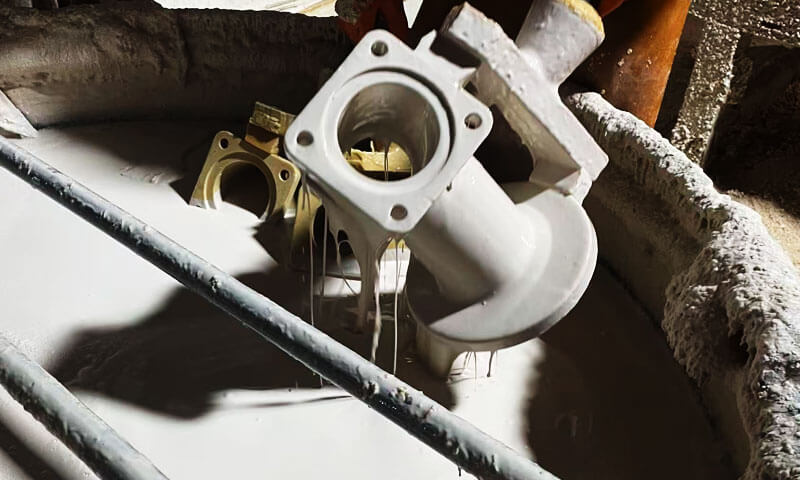
Ճշգրտության մեջ Ներդրումների ձուլում, կերամիկական կեղևի ցեխի խտությունը գործընթացի հիմնարար փոփոխական է, որն ազդում է պատյանների կուտակման վրա, ծածկույթի կայունություն, չորացման վարքագիծը, թափանցելիություն, և, ի վերջո, ձուլման որակը.
Սահմանվում է որպես զանգված մեկ միավորի ծավալով, սովորաբար գ/սմ³ կամ գ/մլ, ցեխի խտությունը պարզապես չափված թիվ չէ; դա լուծույթի պինդ-հեղուկ հավասարակշռության գործնական ցուցիչ է, ցրման վիճակը, և ընդհանուր գործընթացի կայունությունը.
Քանի որ խտության փոփոխությունները արտացոլում են ձևավորման տատանումները, խառնման որակը, գոլորշիացման կորուստ, և հումքի հետևողականությունը, այն ծառայում է որպես հուսալի հսկիչ կետ կեղևի պատրաստման ընթացքում.
Այս հոդվածը ներկայացնում է ներդրումային ձուլման մեջ կերամիկական թաղանթի խտության կառուցվածքային վերլուծություն, ծածկելով դրա ֆիզիկական նշանակությունը, ազդեցություն կեղևի և ձուլման որակի վրա, հիմնական ազդող գործոններ, չափման և վերահսկման ստանդարտացված մեթոդներ.
1. Կաղապարի խտություն: Սահմանում, Ֆիզիկական նշանակություն, և դրա դերը գործընթացի շղթայում
Ճշգրիտ ձուլման մեջ կերամիկական թաղանթները բնութագրելու համար օգտագործվող բազմաթիվ պարամետրերից, խտություն ամենազգայուն և ազդեցիկ հսկիչ ցուցանիշներից է.
Այն սահմանվում է որպես զանգվածի մեկ միավորի ծավալի լուծույթ, սովորաբար արտահայտվում է գ / սմ կամ գ/մլ.
Գործնական առումով, լուծույթի խտությունը արտացոլում է հավասարակշռությունը պինդ փուլ— ներառյալ հրակայուն ագրեգատները և կապող պինդ նյութերը, և հեղուկ փուլ, ինչպիսիք են լուծիչները և հավելումները.
Երբ պինդ պարունակությունը մեծանում է, ցեխի խտությունը համապատասխանաբար բարձրանում է. Հակադրությամբ, երբ լուծիչը գոլորշիանում է կամ ավելացվում է ավելորդ լուծիչ, խտությունը նվազում է.
Այս պատճառով, խտությունը լայնորեն դիտվում է որպես ցեխի հետևողականության ուղղակի և հուսալի ցուցանիշ.
Արտադրության մեջ, նույնիսկ փոքր խտության տատանումները հաճախ ազդանշան են տալիս ձևակերպման ճշգրտության փոփոխություններին, խառնման որակը, կամ շրջակա միջավայրի կայունությունը.
Կեղտի խտությունը մեկուսացված չափում չէ. Այն ազդում է պատյանների պատրաստման ամբողջ հաջորդականության վրա և ազդում է վերջնական ձուլման որակի վրա բազմաթիվ ձևերով. Նրա դերը կարելի է հասկանալ չորս առանցքային տեսանկյունից.
Ազդեցությունը ռեոլոգիայի և ծածկույթի վրա
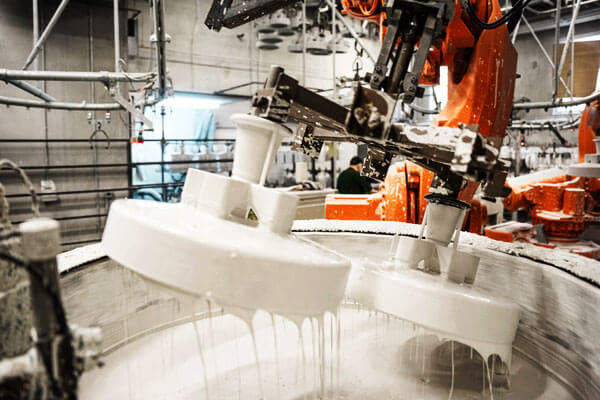
Նախ, ցեխի խտությունը ուղղակիորեն ազդում է ռեոլոգիական վարքի և ծածկույթի աշխատանքի վրա.
Ընդհանրապես, ավելի բարձր խտությունը համապատասխանում է պինդ մասնիկների ավելի բարձր կոնցենտրացիայի, ինչը մեծացնում է միջմասնիկների դիմադրությունը և բարձրացնում մածուցիկությունը.
Եթե խտությունը չափազանց բարձր է, փոշին կարող է դժվարանալ հավասարաչափ քսել մոմի նախշի մակերեսին, հանգեցնելով թուլացման, կուտակում, կամ անհավասար ծածկույթ.
Եթե խտությունը շատ ցածր է, փոշին կարող է չափազանց բարակ լինել, ինչը հանգեցնում է ծածկույթի անբավարար հաստության և չորանալուց հետո անբավարար կանաչ ամրության.
Արտադրական համակարգերի մեծ մասում, շուրջը սովորաբար պահպանվում է համապատասխան խտության միջակայք 1.6– 1,8 գ/սմ³.
Այս միջակայքում, ցեխը սովորաբար դրսևորում է լավ թիքսոտրոպ վարք: այն մնում է կայուն պահպանման ընթացքում, դեռ ավելի հեղուկ է դառնում հարելու կամ ծածկելու ընթացքում, թույլ տալով այն ձևավորել համազգեստ, շարունակական, և անթերի շերտ.
Ազդեցություն կեղևի խտության և ամրության վրա
Երկրորդ, այն որոշում է կերամիկական կեղևի խտությունը և ամրությունը. Կաղապարի խտությունը կերամիկական կեղևի վերջնական խտության «նախորդ ցուցանիշն է»:.
Ծածկույթի և չորացման գործընթացում, բարձր խտության լուծույթի պինդ մասնիկները ավելի սերտորեն բաշխված են, չորացումից հետո ավելի շարունակական գելային ցանցի ձևավորում,
իսկ կերամիկական կմախքը սինթրումից հետո ունի ավելի ցածր ծակոտկենություն, դրանով իսկ պատյանը օժտելով ավելի բարձր սենյակային ջերմաստիճանի ուժով և բարձր ջերմաստիճանի դեֆորմացման դիմադրությամբ.
Ընդհակառակ, ցածր խտության լուծույթով ձևավորված պատյանն ունի չամրացված կառուցվածք և անբավարար ամրություն, որը հորդառատ մետաղի ազդեցության տակ հակված է դեֆորմացման կամ պատռման, հանգեցնելով ձուլման ծավալային շեղման կամ ջարդոնի.
Ազդեցությունը թափանցելիության և գազի արտանետումների վրա
Երրորդ, ցեխի խտությունը ազդում է կերամիկական կեղևի թափանցելիության և գազազատման կարողության վրա.
Անթափանցելիությունը մեծապես կախված է կեղևի ներսում ծակոտի կառուցվածքից, որը որոշվում է նրանով, թե ինչպես են մասնիկները փաթեթավորված ցեխի մեջ.
Բարձր խտության փոշին, ընդհանուր առմամբ, ստեղծում է ավելի ամուր կառուցվածք՝ նվազեցնելով գազի անցումը, մինչդեռ ցածր խտության փոշին ստեղծում է ավելի բաց կառուցվածք՝ ավելի մեծ թափանցելիությամբ.
Այնուամենայնիվ, թափանցելիությունը չի կարող բարելավվել պարզապես նվազեցնելով խտությունը. Եթե փոշին դառնում է չափազանց նոսր, արդյունքում ծածկույթը կարող է չափազանց բարակ լինել մետաղի ներթափանցմանը դիմակայելու համար.
Հետեւաբար, density must be carefully balanced with aggregate grading and layer design to achieve both adequate shell strength and proper gas exhaust performance.
Օրինակ, է surface layer slurry is often controlled at approximately 1.70–1.75 g/cm³ to ensure surface quality, մինչդեռ backup layer slurry may be maintained slightly lower, շուրջը 1.60–1.65 g/cm³, to improve permeability.
Գործընթացի կայունության ցուցիչ
Fourth, it is a “barometer” of process stability. In continuous production, the stability of slurry density is the core guarantee of batch consistency.
Any fluctuations in raw material batches (such as changes in the moisture content of refractory powder, deviations in binder concentration),
changes in ambient temperature and humidity, or operational errors (such as uneven stirring, solvent volatilization) will cause the density to deviate from the set value.
By real-time monitoring and controlling the slurry density, process abnormalities can be quickly detected and corrected, avoiding batch casting defects caused by unstable slurry performance.
Հետեւաբար, density measurement is not only the end point of quality control but also the starting point of process optimization and process control.
Ամփոփություն
Ամփոփելով, slurry density is a core parameter in the ceramic shell process for precision casting.
It affects the slurry formulation, the coating process, shell strength, թափանցելիություն, and ultimately the quality of the casting itself.
Accurate measurement and strict control of slurry density are therefore essential foundations for achieving stable, որակյալ, and high-yield precision casting production.
2. Կաղապարի խտության ազդեցության մեխանիզմը ձուլման որակի վրա
The primary objective of controlling ceramic shell slurry density is to ensure casting accuracy, Մակերեւութային ամբողջականությունը, and internal soundness.
Density affects these outcomes by regulating the key physical processes that occur during shell formation, Մետաղի թափում, and solidification.
Գործնականում, its influence can be understood at three levels: shell microstructure formation, molten metal filling and solidification, և defect suppression.
Shell միկրոկառուցվածքի և մակերեսի որակի վերահսկում
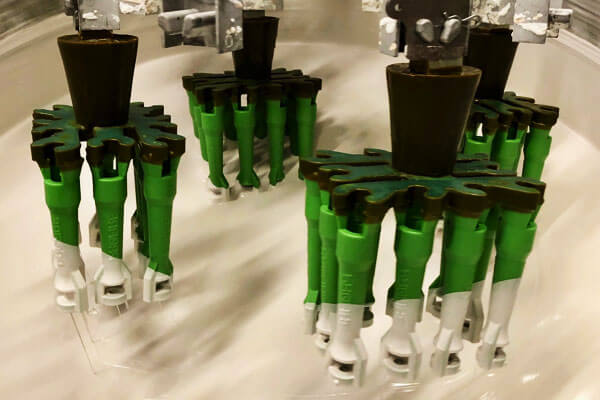
Նախ, slurry density directly shapes the micro-pore structure and interparticle bonding of the ceramic shell, which in turn determines the surface finish and dimensional accuracy of the casting.
A properly controlled high-density slurry promotes close packing of refractory particles during coating and drying, forming a compact gel network.
After sintering, this produces a smoother inner shell surface that can accurately reproduce fine wax pattern details.
Օրինակ, when the surface layer slurry density is maintained at around 1.72 ± 0.02 գ / սմ,
the resulting casting surface roughness can remain consistently below ՀՀ 1.6 սուկ, which is suitable for applications such as aero-engine blades.
Հակադրությամբ, if density is too low, such as around 1.55 գ / սմ, particle distribution becomes sparse, micro-pores and drying cracks are more likely to appear, and these flaws may expand during firing.
The result is often surface pitting, sand holes, or other visible defects.
Ի հավելումն, density uniformity is essential for dimensional stability.
When shell density fluctuates excessively, shrinkage behavior becomes inconsistent across different regions of the shell, generating internal stress during cooling.
If the fluctuation exceeds approximately ±0.05 g/cm³, dimensional tolerance may move beyond CT7-level պահանջներ, making the casting unsuitable for precision assembly.
Ազդեցություն մետաղի լցոնման վրա, Գազի փախուստ, և ներքին կայունություն
Երկրորդ, slurry density strongly influences shell permeability and heat transfer, both of which are critical during molten metal filling and solidification.
The shell must allow gases generated during wax burnout, ինչպիսիք են Co₂, H₂O vapor, and hydrocarbons, to escape efficiently.
If gas cannot leave the mold cavity in time, it may become trapped ahead of the molten metal front and form porosity in the casting.
A moderately dense backup layer, սովորաբար շուրջը 1.60–1.65 g/cm³, usually provides a balanced pore structure with sufficient permeability, հաճախ տիրույթում 15%–25% porosity, which supports effective gas discharge.
Այնուամենայնիվ, if slurry density is too high, especially above 1.80 գ / սմ, the shell becomes overly compact and permeability declines.
Այս պայմաններում, gases are more likely to remain trapped, producing scattered pores and reducing both fatigue life and mechanical performance.
Density also affects thermal conductivity. Denser shells generally transfer heat more efficiently, which helps promote directional solidification and supports feeding during shrinkage.
This can reduce internal shrinkage defects and improve casting density.
Այնուամենայնիվ, if density becomes too high and the shell turns excessively thick or compact, heat extraction may become uneven, slowing solidification in the core region and increasing the risk of central shrinkage porosity.
Այս պատճառով, density control must be coordinated with shell thickness design to achieve the right balance between a smooth outer layer and a permeable inner structure.
Դերը թերությունների կանխարգելման և խմբաքանակի հետևողականության մեջ
Վերջապես, slurry density is closely linked to batch stability and process reliability.
In continuous production, even small density drifts caused by temperature variation, solvent loss, moisture changes in raw materials, or inconsistent binder concentration can lead to systematic differences in shell performance from one batch to another.
Օրինակ, if the silica sol binder concentration shifts and slurry density drops from 1.72 g/cm³ to 1.65 գ / սմ, the resulting shells may show higher surface roughness and more internal porosity across multiple production batches.
In one industrial case, this kind of drift caused repeated casting defects and significant economic loss.
The case illustrates an important point: density is not merely a quality inspection result, but a critical process control variable that enables preventive quality management.
With real-time monitoring and automatic feedback adjustment, manufacturers can detect deviations early and correct them before defective slurry is used.
In many production environments, this approach has helped reduce scrap rates from ավարտվել է 15% ներքեւում 3%, while also improving efficiency and yield stability.
Ամփոփություն
Ամփոփելով, slurry density is a dynamic process variable rather than a simple physical constant.
By influencing shell structure, Գազի թափանցելիություն, Mal երմային պահվածք, and batch consistency, it directly affects the surface quality, չափերի ճշգրտություն, և ձուլվածքների ներքին ամբողջականությունը.
Accurate measurement and strict control of slurry density are therefore essential to achieving the high precision, high reliability, and high yield required in modern investment casting.
3. Հալարի խտության վրա ազդող հիմնական գործոնները և վերահսկման սկզբունքները
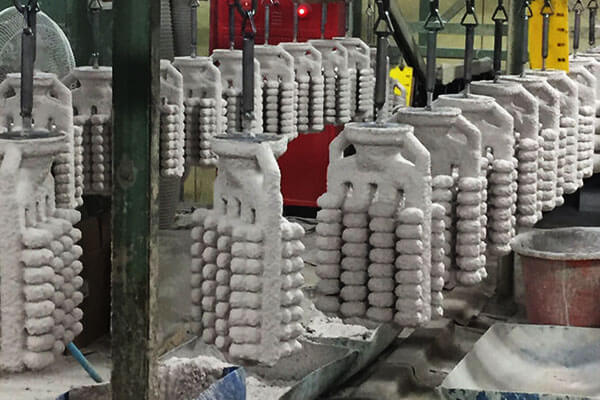
The density of ceramic shell slurry in precision casting is influenced by a combination of material, formulation, վերամշակում, and environmental variables.
A clear understanding of these factors is essential for maintaining stable slurry properties, ensuring batch consistency, and achieving reliable casting quality.
The following sections summarize the main influencing factors and the corresponding control principles.
Հումքի բնութագրերը
Հրակայուն ագրեգատներ
The density, particle size distribution, and moisture content of refractory aggregates (such as zircon sand, corundum, and mullite) are the core factors affecting slurry density.
Aggregates with higher true density (օր., ցիրկոնի ավազ, density 4.6~4.8 g/cm³) will lead to higher slurry density under the same volume fraction;
aggregates with a reasonable particle size gradation (binary or ternary gradation) can reduce the void ratio between particles, increasing the solid phase content and thus the slurry density.
Ի հավելումն, excessive moisture content in the aggregate will occupy the liquid phase volume, reducing the effective solid phase content and leading to a decrease in slurry density.
Հետեւաբար, it is necessary to pre-dry the aggregate to control its moisture content below 0.5% before slurry preparation.
Binder System
The density and concentration of the binder (such as silica sol, ethyl silicate) directly affect the slurry density.
Օրինակ, the density of silica sol binder is usually 1.1~1.3 g/cm³; an increase in its concentration will increase the solid phase content of the slurry, thereby increasing the overall density.
Ընդհակառակ, if the binder is diluted, the slurry density will decrease. Հետեւաբար, it is necessary to strictly control the concentration of the binder and ensure batch consistency.
Լուծիչներ և հավելումներ
The type and dosage of solvents (սովորաբար deionized ջուր) եւ հավելումներ (ցամպանսեր, փրփրազերծիչներ) will affect the slurry density.
Excessive solvent addition will dilute the slurry, reducing the density; dispersants can improve the dispersion of solid particles, reduce the void ratio between particles, and increase the solid phase content, thereby increasing the density.
Այնուամենայնիվ, excessive addition of additives may introduce additional liquid components, leading to a decrease in density.
Հետեւաբար, the dosage of solvents and additives should be strictly controlled according to the formula.
Ձևակերպման բաղադրություն
The most direct determinant of slurry density is the solid-to-liquid ratio, or powder-liquid ratio.
As the proportion of solid particles increases, slurry density rises; as the proportion of liquid increases, density falls.
In practical formulation design, this ratio must be matched to the performance requirements of each shell layer.
For the surface layer, higher density is usually preferred to support smooth coating and fine surface reproduction.
Արդյունքում, the powder-liquid ratio is typically higher, often around 2.8-3.2:1. For the backup layer, a slightly lower ratio, ինչպիսիք են 2.2–2.6:1, is commonly used to preserve permeability and gas exhaust performance.
Ի հավելումն, changing the type of aggregate also affects density. Օրինակ, replacing part of corundum with higher-density zircon sand will increase slurry density even when the powder-liquid ratio remains unchanged.
Պատրաստման գործընթաց
Խառնելու գործընթաց
The stirring time, արագություն, and uniformity directly affect the dispersion state of solid particles in the slurry.
Sufficient stirring can break up the agglomeration of solid particles, make them uniformly dispersed in the liquid phase, reduce the void ratio between particles, and increase the slurry density.
If the stirring is insufficient or uneven, the particles will agglomerate, resulting in a decrease in the effective solid phase content and thus a lower density.
Հետեւաբար, it is necessary to adopt a two-stage stirring process (low-speed mixing + high-speed dispersion) to ensure uniform dispersion of particles.
Ծերացման ժամանակը
After preparation, the slurry needs to be aged for a certain period of time to stabilize its performance.
During the aging process, the solid particles continue to settle and rearrange, and the binder molecules fully interact with the particles, which will cause a slight increase in slurry density.
The aging time should be standardized (usually 24~48 hours) to ensure that the density of the slurry used in production is stable.
Լուծիչների ցնդում
During the preparation and storage of the slurry, solvent volatilization will reduce the liquid phase volume, leading to an increase in slurry density.
Especially in high-temperature and low-humidity environments, solvent volatilization is accelerated, which may cause the density to exceed the control range.
Հետեւաբար, the slurry should be stored in a sealed container, and the ambient temperature and humidity should be controlled (23~27℃, relative humidity 50%~60%).
Շրջակա միջավայրի պայմաններ
Environmental temperature and humidity have an indirect but important effect on slurry density. Higher temperatures accelerate solvent evaporation, causing density to increase.
Lower temperatures slow particle dispersion and may lead to nonuniform density distribution.
High humidity, Մյուս կողմից, reduces evaporation and may keep density below the target range.
For stable production, the workshop environment should be maintained within a controlled range, սովորաբար շուրջը 23–27°C with relative humidity of 50%-60%.
Stable ambient conditions help reduce density variation and improve overall process reliability.
4. Կաղապարի խտության ստանդարտացված չափման և վերահսկման մեթոդներ
To ensure the accuracy and stability of slurry density, it is necessary to establish a standardized measurement system and strict control procedures, covering the entire process from slurry preparation to use.
Չափման ստանդարտ մեթոդներ
Pycnometer- ի մեթոդը (ASTM C29/C29M):
This is a precise laboratory measurement method, suitable for calibrating the density of slurry samples.
The principle is to measure the mass of the pycnometer filled with deionized water and the slurry respectively, and calculate the density according to the volume of the pycnometer.
The measurement accuracy can reach ±0.01 g/cm³, which is suitable for formula research and quality inspection.
Հիդրոմետրի մեթոդ:
This is a rapid on-site measurement method, suitable for real-time monitoring of slurry density in production.
The hydrometer is directly inserted into the uniformly stirred slurry, and the density value is read according to the scale immersed in the slurry.
The measurement accuracy is ±0.02 g/cm³, which is simple and efficient, and widely used in production sites.
Թվային խտության հաշվիչի մեթոդ:
This is a high-precision measurement method that uses the principle of buoyancy or vibration to measure the density of the slurry.
The measurement accuracy can reach ±0.001 g/cm³, which is suitable for high-precision production scenarios (such as aero-engine blade casting).
Խիստ վերահսկողության ընթացակարգեր
- Raw Material Inspection: Before slurry preparation, inspect the density, Խոնավության պարունակություն,
and particle size distribution of refractory aggregates, and the concentration of the binder to ensure that they meet the formula requirements. - Formula Execution: Strictly follow the formula to weigh the raw materials (aggregates, կապիտալ, solvent, հավելանյութեր) to ensure the accuracy of the powder-liquid ratio.
- Գործընթացների մոնիտորինգ: During the slurry preparation process, monitor the stirring time and speed, and take samples to measure the density after stirring;
if the density deviates from the control range, adjust it by adding an appropriate amount of solvent or aggregate. - Storage Control: Store the prepared slurry in a sealed container, mark the preparation time and density value, and measure the density again before use;
if the density changes beyond the allowable range (±0.03 g/cm³), adjust it before use. - Online Monitoring: For large-scale continuous production, install an online density meter to realize real-time monitoring of slurry density;
when the density deviates from the set value, the system automatically adjusts the addition amount of solvent or aggregate to ensure continuous stability of the slurry density.
5. Եզրափակում
Slurry density is a core process parameter in ceramic shell production for precision casting.
It directly reflects the balance between solid and liquid phases, and it strongly influences slurry flow, shell formation, թափանցելիություն, Mal երմային պահվածք, եւ վերջնական ձուլման որակը.
Stable density supports uniform coating, adequate shell strength, controlled gas escape, and repeatable batch quality.
From a process-control perspective, density is shaped by raw material characteristics, formulation design, խառնման որակը, storage conditions, and ambient environment.
Այս պատճառով, manufacturers must establish standardized measurement procedures and maintain tight control throughout preparation and use.
When density is properly managed, shell quality becomes more consistent, defect rates decrease, and the overall efficiency of precision casting improves.
As investment casting moves toward smarter and more automated production, online density monitoring and automatic correction will become increasingly important.
This will strengthen process reliability and provide a more solid technical foundation for high-quality precision casting manufacturing.

