1. Ներածություն
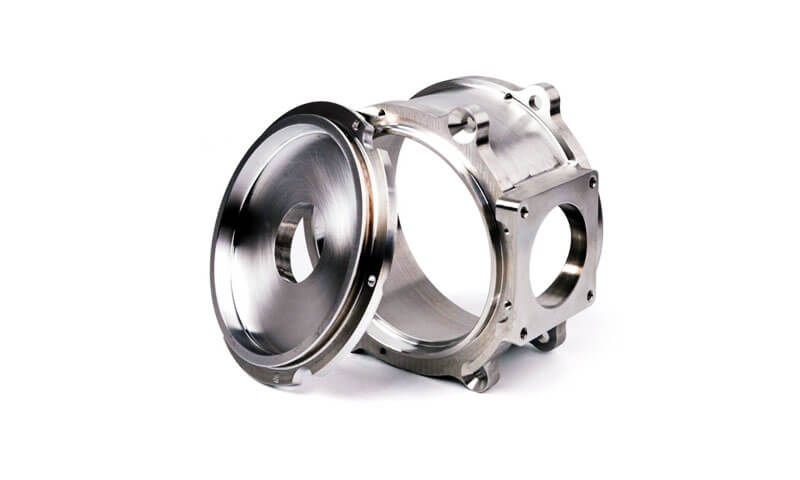
CNC հաստոցներ stainless steel is a foundational capability in modern manufacturing because stainless steels combine corrosion resistance, ուժ, and long service life with the geometric precision that CNC processes can deliver.
Typical CNC operations for stainless steel include milling, շրջադարձ, հորատում, եւ թել, and the machining outcome depends heavily on the grade being processed and the way heat, չիպի ձեւավորում, and tool wear are managed.
Միևնույն ժամանակ, stainless steel is not a single material. It is a family of alloys whose machining behavior varies substantially across austenitic, ֆերիիտիկ, պատերազմական, եւ դուպլեքս դասարաններ.
Գործնական առումով, this means that “machining stainless steel” is really a process-design problem: the alloy, the tool, the coolant strategy, and the cutting conditions all need to be matched with care.
2. Why Stainless Steel Is Demanding to Machine
The difficulty of machining stainless steel comes from the way the material behaves under stress and heat.
When the cutting edge engages the workpiece, stainless steel tends to resist deformation and then harden rapidly in the contact zone.
If the tool rubs instead of cutting cleanly, the surface can become harder before the next pass even begins.
That creates a compounding effect: more force, more heat, more wear, and more risk of poor surface finish.
Heat is another major challenge. Stainless steel does not conduct heat away as readily as many other metals, so much of the thermal load remains concentrated at the cutting edge.
The tool, not the chip, absorbs a large portion of the energy. This shortens tool life and raises the risk of edge failure, built-up material at the cutting zone, and dimensional drift during long runs.
Chip control is equally important. Stainless steel often forms long, tough chips that can wrap around the tool, clog the work area, or interfere with surface quality.
In precision work, chip behavior is not an afterthought; it is a core part of the machining strategy.
3. Common Stainless Steel Families and Their Machining Characteristics
Չժանգոտվող պողպատ is not a single machining material but a broad alloy family with distinctly different cutting behavior.
In CNC production, the most important classification is by metallurgical structure, because structure strongly influences chip formation, Աշխատանքի կարծրացում, heat flow, Գործիքային հագուստ, and achievable surface finish.
Austenitic չժանգոտվող պողպատ
Ներկայացուցչական գնահատականներ:
304, 304Լ, 316, 316Լ, 321, 310Ծուռ, and free-machining variants such as 303.
Machining characteristics:
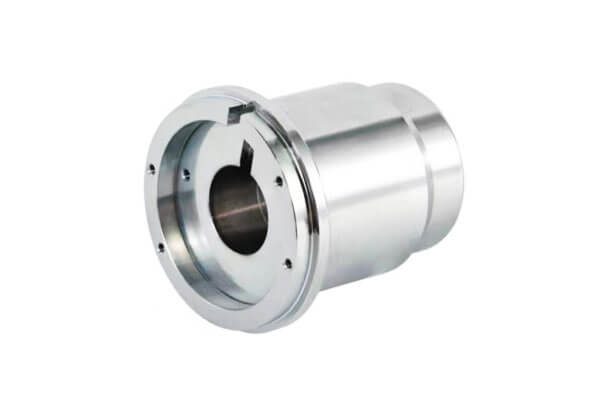
Austenitic stainless steel is the most widely used stainless family and also one of the most demanding to machine.
Its defining feature is strong strain hardening: the surface hardens quickly when the tool rubs rather than cuts decisively.
This means that light, hesitant cuts are often counterproductive.
The material also has relatively low thermal conductivity, so heat remains concentrated near the cutting edge instead of being carried away efficiently by the chip.
Գործնականում, austenitic grades tend to generate long, tough chips and higher cutting forces.
Tool wear is often accelerated by heat, edge buildup, and work-hardened surface layers.
Among austenitic grades, 316 and 316L are generally more difficult than 304 because the added molybdenum improves corrosion resistance but also increases machining resistance.
Դասարան 303 is a notable exception because sulfur additions improve machinability, making it far more production-friendly than standard 304 կամ 316.
Typical machining implications:
Sharp tools, stable workholding, controlled chip load, and effective coolant delivery are essential.
Austenitic stainless steel rewards a confident cut; poor engagement often leads to work hardening and rapidly declining tool life.
Ferritic չժանգոտվող պողպատ
Ներկայացուցչական գնահատականներ:
409, 410Ծուռ, 430, 434, 444.
Machining characteristics:
Ferritic stainless steels are generally easier to machine than austenitic grades. They usually show less work hardening, and their chip behavior is often more manageable.
For many shops, ferritic stainless steel feels closer to carbon steel than to the more demanding austenitic family, although it still requires proper stainless-steel machining discipline.
These grades typically produce lower cutting forces and may offer a wider process window.
Surface finish is often easier to control, and tool wear is usually less aggressive than in austenitic or duplex machining.
Այնուամենայնիվ, performance still varies by grade and heat treatment condition. Higher-alloy ferritic grades may still show substantial resistance and require careful tool selection.
Typical machining implications:
Ferritic stainless steels are a good choice when corrosion resistance is required but machinability must remain reasonable.
They often support higher productivity than austenitic grades, especially in turning and drilling operations.
Martensitic չժանգոտվող պողպատ
Ներկայացուցչական գնահատականներ:
410, 416, 420, 431, 440Էունք, 440Գ.
Machining characteristics:
Martensitic stainless steels are selected when strength, կարծրություն, and wear resistance matter more than maximum corrosion resistance.
Their machining behavior depends heavily on condition.
In annealed state, they may machine relatively well; in hardened state, they become significantly more difficult and often demand rigid setups and wear-resistant tooling.
Because these grades can be heat treated to high hardness, they are often machined in the softened condition and then hardened afterward.
This strategy improves process efficiency and reduces tool cost.
In hardened condition, cutting forces rise, edge wear becomes more severe, and tool life can drop sharply if the process is not carefully optimized.
Typical machining implications:
Martensitic stainless steels are often best handled through a “machine soft, harden later” workflow.
When post-heat-treatment machining is unavoidable, the operation requires strong fixturing, stable toolpaths, and tools designed for hard materials.
Duplex չժանգոտվող պողպատ
Ներկայացուցչական գնահատականներ:
2205, 2304, 2507, and related duplex or super duplex grades.
Machining characteristics:
Duplex stainless steels combine austenitic and ferritic structures, which gives them excellent strength and outstanding corrosion resistance, especially in chloride-rich or aggressive environments.
Այնուամենայնիվ, these same advantages make them more challenging to machine than conventional stainless steels.
Duplex grades generally produce high cutting forces, significant notch wear, and more demanding chip control.
Their high strength means the tool must do more mechanical work during each cut, while their corrosion-resistant chemistry often contributes to toughness and heat concentration in the cutting zone.
The process window is therefore narrower than for ferritic or free-machining grades.
Typical machining implications:
Duplex stainless steel benefits from rigid workholding, controlled entry, appropriate feed strategy, and cutting conditions that avoid rubbing or intermittent edge loading.
It is a strong candidate when performance in service is critical, but it is not the most forgiving family on the machine shop floor.
Free-Machining Stainless Steel
Ներկայացուցչական գնահատականներ:
303, 416, 430Չալ, 420Չալ, 430F variants.
Machining characteristics:
Free-machining stainless steels are engineered specifically to improve production efficiency.
They often contain sulfur, selenium, or other additions that improve chip breaking and reduce cutting resistance. Արդյունքում, they are much easier to machine than their standard counterparts.
These grades are especially valuable in high-volume production, where cycle time, Գործիքների կյանք, and chip control have direct cost impact.
The trade-off is that machinability improvements usually come with some reduction in corrosion resistance, կարծրություն, զոդում, or formability compared with cleaner standard grades.
For that reason, they are best used when the application tolerates those compromises.
Typical machining implications:
Free-machining grades are ideal when production efficiency matters and the part geometry is suitable for a stainless grade with improved chip behavior.
They are often chosen for turned parts, կցամասեր, ամրացումներ, and components requiring large-volume output.
4. Core Technical Challenges in CNC Machining Stainless Steel
Աշխատանքի կարծրացում
One of the most distinctive difficulties in machining stainless steel is its tendency to work harden.
When the cutting tool does not remove material cleanly, the surface layer deforms plastically and becomes harder than the base material.
That hardened layer then resists the next cutting pass, increasing cutting force and accelerating tool wear.
This phenomenon is especially problematic in finishing operations, light depth-of-cut passes, and interrupted cuts.
Գործնական առումով, a weak cut can make the next cut more difficult than the first. Այս պատճառով, stainless steel machining rewards decisive engagement rather than hesitant rubbing.
Low Ցածր ջերմային հաղորդունակություն
Stainless steel does not dissipate heat efficiently. CNC- ի մշակման ընթացքում, this means that a large portion of the cutting heat remains concentrated near the tool tip and work surface instead of being carried away by the chip.
The result is higher tool temperature, faster edge degradation, and greater risk of dimensional drift in long cycles.
Thermal concentration is not only a tool-life issue. It also affects surface integrity, chip behavior, and process stability.
A machine setup that performs well on carbon steel may become unstable on stainless steel simply because the heat cannot escape fast enough.
Բարձր կտրող ուժեր
Stainless steel typically requires more force to machine than common structural steels.
Its toughness and strain-hardening tendency increase resistance to chip formation, Հատկապես Austenitic եւ Duplex դասարանում.
Higher cutting forces place more load on the machine spindle, հարմարանքներ, ներդիրներ, and toolholders.
If the setup lacks rigidity, the system begins to deflect. That deflection can create chatter, Վատ մակերեսի ավարտը, and geometric error.
In stainless machining, toolpath quality matters, but mechanical stiffness matters just as much.
Tool Wear and Edge Failure
Tool wear in stainless steel is often faster and less forgiving than in many other metals.
Common wear modes include flank wear, notch wear, edge chipping, built-up edge formation, and thermal softening of the cutting edge.
Once wear begins, cutting performance can deteriorate quickly rather than gradually.
This is why stainless machining requires not only durable tooling, but also disciplined monitoring.
A tool that is acceptable for roughing may already be too worn for a critical finishing pass. The process must be organized around edge condition, not just spindle time.
Chip Control Problems
Stainless steel frequently produces long, թելոտ, or poorly broken chips.
These chips may interfere with the tool, wrap around rotating components, damage the surface, or complicate automated production.
In deep-hole drilling, շրջադարձ, and grooving, chip evacuation becomes a major production issue.
Poor chip control can also create secondary quality problems. A chip that recuts into the surface can leave scratches, local heating, or burrs.
Այս պատճառով, chip control is part of quality control, not merely housekeeping.
Surface Integrity Risks
A stainless steel component may meet dimensional tolerance and still be unsuitable for service if its surface integrity is compromised.
Բուրգեր, smeared material, embedded chips, local hardening, and thermal discoloration can all reduce corrosion resistance or sealing performance.
This is especially important in medical, սնունդ, ծովային, և քիմիական կիրառություններ. In these sectors, the final surface condition often determines whether a part is actually usable.
5. Գործընթացի ռազմավարություններ ավելի լավ մշակման համար
Select the Right Stainless Grade
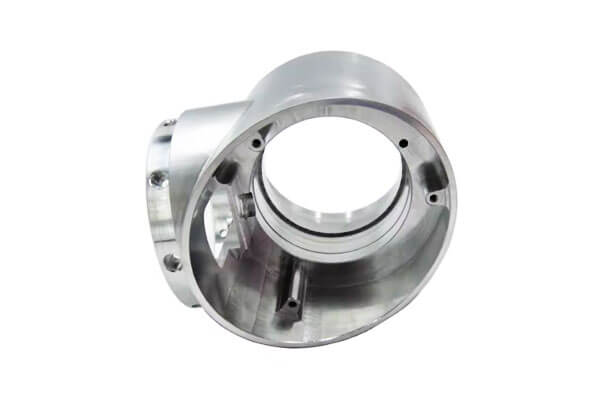
The most effective machinability improvement begins before the cut starts: Նյութի ընտրություն. Different stainless families behave very differently in CNC operations.
If the part does not require the highest possible corrosion resistance or mechanical strength, a more machinable grade may dramatically improve production efficiency.
Որոշ ծրագրերում, free-machining stainless steels offer a practical compromise between corrosion resistance and manufacturability.
The grade should always be selected according to the real service environment, not by habit or convenience.
Prioritize Clean Cutting, Not Gentle Rubbing
Stainless steel machining should generally be approached with the goal of making a clean shear rather than a light rub.
A cut that is too shallow or too conservative may only harden the surface and make the next pass more difficult.
This is why stainless steel often performs better with a stable, confident engagement.
A well-controlled cut removes metal efficiently, limits work hardening, and reduces heat buildup.
In practical machining terms, the process should be engineered to cut through the material, not to polish it by accident.
Maintain a Rigid Setup
Rigidity is essential. Stainless steel punishes weak setups because any vibration, tool deflection, or fixture movement quickly turns into heat, հագնել, and dimensional error.
The machine tool, workholding system, toolholder, and cutter geometry must all be stable enough to resist the higher loads.
Tool overhang should be minimized where possible, and clamping should support the part near the cutting zone.
A rigid setup is not a refinement; it is a prerequisite for reliable stainless machining.
Control Cutting Parameters as a System
Կտրող արագություն, կերակրման տոկոսադրույքը, կտրվածքի խորությունը, and entry strategy should be adjusted together rather than independently. Stainless steel machining is highly sensitive to parameter balance.
A speed that is too low can encourage rubbing and work hardening, while a feed that is too low can produce a weak chip and poor surface condition.
The best parameter set is the one that creates a stable chip, acceptable temperature, and long enough tool life to make the process economical.
There is rarely a single universal setting for stainless steel. The proper values depend on grade, tool type, Մաս Երկրաչափություն, and cooling strategy.
Use Appropriate Tool Geometry
Tool geometry plays a decisive role in machinability. Stainless steel generally benefits from sharp edges, positive rake where appropriate, and chip-breaking features that support clean evacuation.
Edge quality matters because a dull or poorly supported edge tends to rub rather than cut.
For harder stainless grades or interrupted cuts, edge strength may be more important than aggressiveness.
The geometry should therefore be matched to the operation: կոպտություն, ավարտ, հորատում, grooving, or threading each requires a different balance of sharpness, ուժ, և չիպերի կառավարում.
Manage Heat with Effective Coolant
Coolant is not optional in many stainless steel jobs. Its role is to remove heat from the cutting zone, Նվազեցնել շփումը, stabilize the edge, and help flush chips away from the tool.
In high-performance stainless machining, coolant delivery method can matter as much as coolant type.
Ջրհեղեղի հովացուցիչ, directed coolant, or internal-through-tool coolant may all be useful depending on the operation.
The essential objective is to keep the cutting zone under control. If heat is allowed to concentrate at the edge, tool life and surface quality will both suffer.
Reduce Secondary Operations Through Better Planning
A well-planned stainless machining process minimizes re-clamping, unnecessary tool changes, and repeated cutting of hardened surfaces.
Every additional handling step increases the chance of error, աղտոտում, or loss of positional accuracy.
Հնարավորության դեպքում, the part should be machined in a sequence that preserves datum integrity and avoids unnecessary interruption of critical features.
Good process planning is often the difference between a stainless part that is merely machinable and one that is consistently profitable to produce.
Monitor Tool Wear and Surface Condition
Because stainless steel can deteriorate tooling quickly, tool wear monitoring should be built into the process.
Visual checks, ծավալային ստուգում, and surface-quality review are all important. Waiting until the tool fails completely usually results in scrap or rework.
For critical components, the final surface should be checked for burrs, գունաթափում, կոպիտություն, and any signs of local work hardening.
In stainless machining, quality assurance is most effective when it is preventive rather than corrective.
6. Գործիքավորում, Սառնարան, and Cutting Strategy
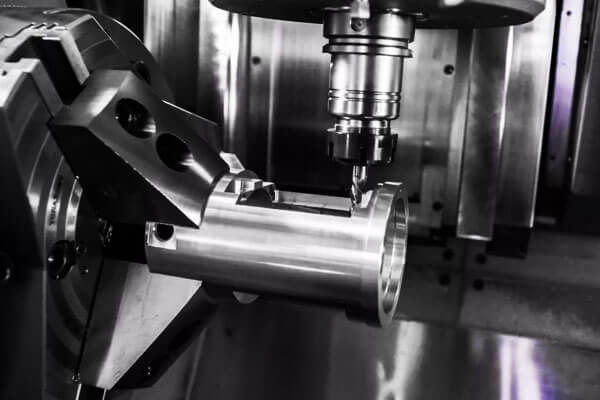
Tooling Requirements for Stainless Steel
Tool selection is one of the most decisive factors in stainless steel machining.
Unlike softer metals, stainless steel does not tolerate weak cutting edges, poor chip evacuation, or unstable tool geometry.
The tool must remain sharp under heat, resist edge deformation, and maintain a stable cutting profile throughout the operation.
Այս պատճառով, tooling for stainless steel should be selected with both edge strength և cutting efficiency in mind.
A very sharp tool may cut cleanly, but if the edge is too fragile it can chip prematurely in interrupted cuts or hard materials.
Ընդհակառակ, a strong edge with poor geometry can generate excessive heat and rubbing.
The optimal solution is a balanced tool design that supports decisive shearing while maintaining structural integrity.
Insert and cutter geometry should also reflect the type of operation. Roughing tools need chip evacuation and toughness, while finishing tools need edge precision and stability.
Հորատում, ֆրեզերացում, շրջադարձ, թելիկ, and grooving each create different thermal and mechanical conditions, so a single general-purpose tool rarely gives the best result across all operations.
Importance of Edge Sharpness and Wear Resistance
In stainless machining, edge sharpness is not merely a finishing concern; it is a productivity variable.
A dull edge promotes rubbing, and rubbing promotes work hardening, heat accumulation, and premature wear.
Once the surface layer hardens, the next tool engagement becomes more difficult, creating a negative feedback loop.
Միևնույն ժամանակ, stainless steel can be abrasive enough to wear an edge down quickly, especially in alloyed or duplex grades.
The tool must therefore retain its cutting geometry long enough to complete the operation without a dramatic decline in surface quality.
This is why tool wear monitoring is so important in stainless production: the useful life of the tool often ends before visual failure becomes obvious.
Coolant as a Thermal and Process-Control Tool
Coolant in stainless machining should be understood as a process-control mechanism, not just a lubrication aid.
Its main functions are to reduce heat at the cutting zone, help prevent edge adhesion, improve chip evacuation, and stabilize the temperature of both tool and workpiece.
Because stainless steel retains heat near the cutting edge, coolant becomes especially important in prolonged cuts, drilling operations, Խորը խոռոչներ, and finishing passes.
If coolant delivery is weak or poorly directed, the heat stays concentrated, tool wear accelerates, and dimensional stability may suffer.
Շատ դեպքերում, how coolant reaches the cutting zone matters more than the coolant itself.
A well-aimed coolant stream can flush chips away and maintain a more stable interface between tool and workpiece.
Internal coolant delivery is often especially valuable in deep-hole drilling and high-aspect-ratio features, where chip removal is difficult and heat buildup is severe.
Dry Machining vs. Wet Machining
Dry machining can be effective in certain stainless steel applications, but it is rarely the safest default choice for demanding production.
Without coolant, stainless steel can generate excessive heat, especially in operations that involve continuous engagement or limited chip evacuation.
That thermal load may reduce tool life and compromise surface integrity.
Wet machining, հակադրությամբ, generally offers better thermal control and chip evacuation.
It is often the preferred strategy for turning, հորատում, and milling stainless steel when tool life, Մակերեւույթի ավարտը, and process consistency are important.
In some highly specialized cases, minimum-quantity lubrication or other controlled lubrication strategies may be suitable, but the process must still ensure that heat and chip flow remain under control.
Cutting Strategy: Remove Material Cleanly
The most effective cutting strategy for stainless steel is one that promotes a clean shear rather than a rubbing or scraping action.
Stainless steel rewards a stable chip load and punishes hesitation.
A light pass that skims the surface may seem conservative, but if it does not fully remove the hardened layer it can make the next operation more difficult.
Այս պատճառով, cutting strategy should be designed to maintain engagement. Toolpath stability, consistent depth of cut, and proper entry and exit geometry all matter.
Sudden changes in engagement can increase shock loading and invite edge failure, especially in hardened or duplex grades.
Roughing and Finishing Should Be Treated Differently
Finishing and roughing should not be approached with the same logic. Roughing is about efficient stock removal, Ther երմային կայունություն, և չիպերի կառավարում.
Finishing is about dimensional accuracy, Մակերեւույթի որակը, and maintaining a clean cutting condition on the final pass.
In finishing operations, excessive speed reduction can be counterproductive if it causes rubbing.
The goal is not simply to “go slower,” but to cut precisely enough that the final surface is produced without work hardening or edge chatter.
Գործնականում, finishing stainless steel often requires more discipline than roughing because the final tool pass is where surface integrity is won or lost.
7. Surface Integrity and Quality Control
Surface Integrity Is More Than Roughness
In stainless steel machining, surface integrity is not limited to Ra values or visual appearance.
A part may measure correctly and still perform poorly if the machined surface contains burrs, micro-tears, smeared metal, Մնացորդային սթրեսը, or a hardened skin layer.
These issues can affect corrosion resistance, Հոգնածության կյանք, Կնքման կատարումը, եւ հիգիենա.
This is especially important in stainless components used in medical, սնունդ, ծովային, and chemical environments.
In those applications, the surface is part of the functional design, not an afterthought.
Common Surface Defects
Several defects are especially common in stainless steel machining. Բուրգեր often appear at hole exits, եզրեր, and intersecting features.
They can obstruct flow, interfere with assembly, or create contamination traps. Tool marks may remain on sealing faces or visible surfaces if the cut is unstable.
Smeared material can occur when the tool rubs instead of cuts, leaving a surface that is visually smooth but metallurgically compromised.
Another concern is the formation of a work-hardened surface layer.
This may not always be visible, but it can reduce machinability in subsequent operations and potentially affect corrosion behavior.
Կրիտիկական ծրագրերում, such hidden damage is often more serious than a simple cosmetic defect.
Dimensional Stability and Measurement
Quality control in stainless machining begins with dimensional control, but it should not end there.
Stainless steel parts can change slightly during machining because heat expansion, Գործիքային հագուստ, and workpiece release from clamping stress all influence the final geometry.
For thin-walled or slender components, this effect can be significant.
Critical dimensions should be checked at the correct stage of the process, not only at the end. In-process measurement helps detect drift before the part is complete.
For parts with tight tolerances, datum consistency is essential; repeated clamping should be minimized because each reset introduces positional risk.
Deburring and Edge Conditioning
Deburring is a necessary finishing step in many stainless steel parts. Small burrs may seem insignificant, but in precision applications they can create serious problems.
In threaded parts, burrs can damage assembly. The fluid-handling components, they can disturb flow or break off into the system. In hygienic applications, they can trap debris and complicate cleaning.
Edge conditioning is especially important on internal passages, անցքեր, and intersecting features. A well-finished edge improves both performance and safety.
In some parts, slight edge break may also reduce stress concentration and improve fatigue behavior.
Մաքրում և պասիվացում
Մեքենայվելուց հետո, stainless steel parts often benefit from cleaning and, where appropriate, պասիվություն.
Machining can leave behind chips, cutting fluid, iron contamination from tooling, and other residues that compromise the surface condition.
Cleaning removes loose contamination, while passivation helps restore the protective stainless surface behavior.
This step is particularly important when the part will operate in corrosive, wet, or hygienic environments.
Even a high-quality machined component can underperform if its surface remains contaminated from manufacturing.
Surface protection is therefore a continuation of machining quality, not a separate concern.
Inspection Strategy
Effective inspection should look at the part from multiple angles. Dimensional accuracy verifies geometry.
Surface roughness confirms finish quality. Visual inspection catches burrs, գործիքի նշաններ, and discoloration.
Functional inspection confirms that sealing faces, թելեր, իրարանցում, and mating surfaces behave as intended.
For critical stainless steel components, inspection should also consider whether the part has been damaged by heat or excessive cutting force.
In demanding applications, the part’s surface condition can influence service life as much as its nominal dimensions.
Quality Control as a Process, Not a Final Check
The most reliable quality control systems do not wait until the end to detect problems.
They build quality into the process by monitoring tool wear, controlling coolant delivery, preventing chatter, and maintaining fixture stability.
Final inspection is necessary, but it should not be the primary defense against process instability.
In stainless steel machining, good quality control means fewer surprises, less rework, and a more consistent product.
The best parts are not made by inspection alone; they are made by a process that is stable enough to produce good surfaces in the first place.
8. Applications of CNC Machining Stainless Steel Parts
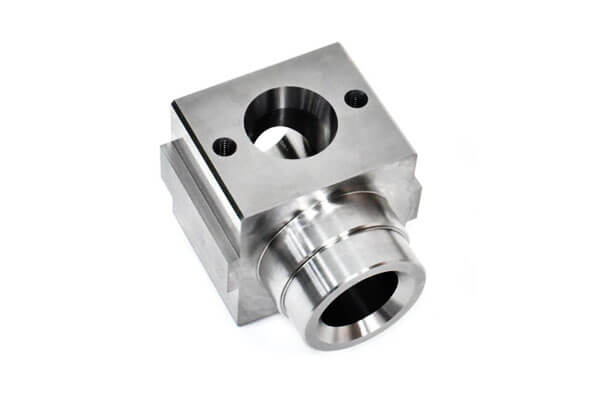
CNC machining stainless steel is widely used wherever precision and corrosion resistance must coexist.
It appears in valves, պոմպեր, կցամասեր, Բժշկական սարքեր, food-processing parts, Ծովային բաղադրիչներ, Քիմիական սարքավորումներ, instrumentation hardware, and structural elements exposed to moisture or aggressive media.
The medical field, stainless steel remains valuable for surgical instruments, device housings, and precision components that must balance cleanliness with durability.
Սննդի եւ խմիչքների արդյունաբերության մեջ, stainless steel is essential for hygienic surfaces, Սանիտարական կցամասեր, and components that can withstand repeated cleaning.
In marine and chemical environments, the material’s corrosion resistance becomes a decisive advantage.
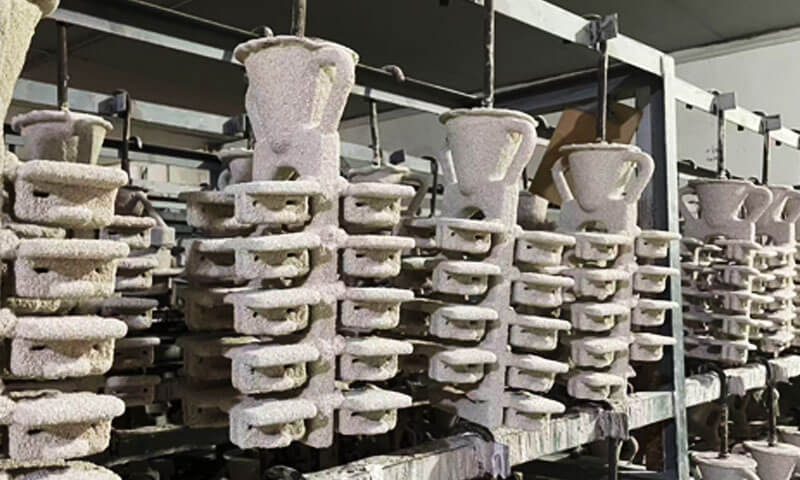
9. CNC հաստոցներ ընդդեմ. Precision Casting Stainless Steel
| Համեմատության ասպեկտ | CNC հաստոցներ չժանգոտվող պողպատից | Ision շգրիտ ձուլում Չժանգոտվող պողպատ |
| Manufacturing principle | Material is removed from wrought stock by cutting, հորատում, ֆրեզերացում, or turning. | Molten stainless steel is poured into a ceramic mold to form a near-net-shape part. |
| Ծավալային ճշգրտություն | Շատ բարձր; ideal for tight tolerances, precise bores, թելեր, և փակելով դեմքերը. | Լավ, but final critical dimensions often require secondary machining. |
| Մակերեւույթի ավարտը | Գերազանց, especially on functional surfaces and precision interfaces. | As-cast surface is usually rougher and may need finishing. |
| Երկրաչափական ազատություն | Best for tool-accessible shapes and relatively open geometries. | Better for complex outer shapes, integrated forms, and near-net-shape parts. |
| Internal complexity | Limited by tool access, tool length, և չիպերի տարհանում. | Strong advantage for complex cavities, կոր հատվածներ, and integrated flow paths. |
Material structure |
Uses wrought stainless steel with a dense, continuous grain structure. | Uses cast stainless steel; performance depends heavily on casting quality and solidification control. |
| Mechanical consistency | Typically very stable and predictable. | Լավ, but more sensitive to porosity, նեղացում, and casting defects. |
| Նյութի օգտագործում | Իջնել, especially for complex parts; more scrap as chips. | Ավելի բարձր, because the part is formed close to final shape. |
| Lead time for prototypes | Արագ; Պահանջվում է բորբոս. | Թել; tooling and process setup are required first. |
| Lead time for mass production | Efficient for small to medium batches and simple parts. | Efficient for medium to high volumes, especially for complex parts. |
Գործիքների արժեքը |
Low or none for standard CNC production. | Higher upfront cost due to pattern and mold preparation. |
| Unit cost trend | Լավագույնը ցածր ծավալի համար, precision-driven, or frequently changing designs. | Best for stable designs and more complex parts at scale. |
| Տիպիկ թերություններ / ռիսկերը | Բուրգեր, գործիքի նշաններ, Աշխատանքի կարծրացում, clamping deviation. | Ծակոտկենություն, նեղացում, Ներդրումներ, dimensional shrinkage. |
| Հետամշակման | Usually limited to deburring, մաքրում, եւ մակերեսային հարդարման աշխատանքներ. | Often requires deburring, He երմամշակում, and local CNC finishing. |
Լավագույնը հարմար է |
Precision fittings, medical parts, sealing components, threaded parts, Նախատիպեր. | Պոմպային մարմիններ, Փական մարմիններ, nozzle bodies, complex fluid-control parts, Կառուցվածքային ձուլում. |
| Overall strength | Superior precision, վերջացնել, եւ ճկունություն. | Superior complexity handling and material efficiency. |
| Overall limitation | Less economical for highly complex shapes. | Less precise without secondary machining. |
10. Եզրափակում
CNC machining stainless steel is a technically demanding but highly rewarding process.
The material’s strength, Կոռոզիոն դիմադրություն, and service life make it indispensable in modern engineering, while its work-hardening behavior, heat concentration, and tool-wear characteristics demand a disciplined machining approach.
The most successful outcomes come from matching the grade to the application, maintaining rigid process control, selecting appropriate tooling, and treating thermal management as a central design variable.
When those principles are applied correctly, stainless steel can be machined into precise, դիմացկուն, and high-value components that perform reliably across a wide range of industries.
LangHe CNC Machining Stainless Steel Services
LANGHE արդյունաբերություն offers high-precision CNC machining stainless steel services tailored to demanding industrial applications.
With strong capabilities in milling, շրջադարձ, հորատում, թելիկ, and custom finishing, Լանջ can produce stainless steel components with tight tolerances, stable quality, and excellent surface integrity.
From rapid prototypes to small-batch and large-scale production, the service is designed to support complex geometries, corrosion-resistant performance, and reliable repeatability across a wide range of stainless steel grades.