1. ʻO ka hōʻuluʻuluʻana
Ka hilahila (Hoʻokikola) anodizing and hard (hardcoat) anodizing are both electrochemical conversion processes that produce an aluminum-oxide (Al₂o₃) layer on aluminium alloys.
They share the same basic chemistry but differ in operating parameters and resulting film morphology.
Ka hilahila Anodichiz (Type II, sulfuric acid) emphasizes appearance, dyeability and paint adhesion with relatively thin, porous films (commonly 5–25 µm).
Paʻakikī paʻakikī (Tymei, hardcoat) targets functional performance: kūlohelohe, huakai, wear-resistant films (commonly 25–150 µm) with much higher surface hardness and improved tribological behavior.
Choosing between them requires balancing appearance, wear/corrosion performance, ka hopena o ka dimensional, process cost and environmental constraints.
2. Definitions and fundamental differences
- Conventional anodizing (often “sulfuric acid, decorative” or Type II): electrochemical oxidation in sulfuric acid at moderate temperature and current density to produce a porous outer oxide suitable for coloring (dye uptake) a me ka moe. Typical film thickness: ~5–25 µm.
- Paʻakikī paʻakikī (Tymei, “hardcoat”): low-temperature, higher-current process producing thicker, denser oxides with smaller pores and much higher hardness and wear resistance.
Typical film thickness: ~25–150 µm, maʻamau 25–75 µm in production parts.
Fundamental distinctions therefore are film thickness, porosity and pore size, mechanical hardness, and process conditions (keka ao, current density and time).
3. Process chemistry & operating windows
This section describes the electrochemical chemistry, the practical operating windows you will see on the shop floor, and the equipment required to reliably run both conventional (Hoʻokikola) sulfuric anodizing and hāwana (hardcoat) Anodichiz.
Basic electrochemical chemistry — what is happening in the tank
- Anodic reaction ('ulina): aluminum metal is electro-chemically oxidized at the workpiece ('Auleʻa) to form aluminum oxide (Al₂o₃).
Oxide growth proceeds by migration of O²⁻/OH⁻ species through a thin barrier layer and outward into a porous columnar layer. - Cathodic reaction: hydrogen evolves at the cathode (2H⁺ + 2e⁻ → H₂). Effective ventilation and avoidance of hydrogen pockets are essential for safety and film integrity.
- Electrolyte role: the bath (most commonly sulfuric acid for both conventional and hard processes) provides ionic conductivity and influences pore morphology, growth rate and film chemistry.
Hoʻohui (E.g., ʻO ka ACID ACID, organic agents, aluminum sulfate) are used for special effects or to stabilize hardcoat growth.
Typical chemistries and their purpose
- Sulfuric acid anodizing (conventional & hard variants): H₂SO₄ is the industry standard.
Concentration typically ranges 10–20 wt% for decorative; hardcoat baths often use higher concentrations in conjunction with low temperatures and additives. - Oxalic-acid additives / mixed electrolyte: sometimes used to refine pore size or influence color uptake (often in hard anodize variants). Concentration and use are proprietary in many hardcoat recipes.
- Chromic acid anodizing (hoʻoilina / Kāiʻia): Cr⁶⁺ baths historically used for thin barrier films and aerospace specs; many jurisdictions restrict or ban chromates because of hexavalent chromium hazards.
If specified, verify regulatory compliance and available suppliers. - Phosphoric acid anodizing: used for adhesive bonding pretreatment (kope, porous films).
- Sealing chemistries: hot-water/steam (hydration to boehmite), nickel acetate and other cold-chemical seals are used after anodize to close pores and enhance corrosion/dye fastness.
Operating windows — numeric ranges for process control
These are typical industry ranges for process specification and supplier qualification.
Conventional sulfuric anodizing (decorative Type II):
- Elepuwee: sulfuric acid, 10–20 wt% (typical ~15 wt%).
- Keka ao: 10-25 ° C (common setpoint 15–20 °C).
- ʻO keʻano o kēia manawa: 1–3 A/dm² (0.1–0.3 A/cm²).
- Lihululi: maki 5–20 V (set by current density and cell resistance).
- Wa: 5-30 mau minuke e hoʻokō ~5–25 µm Pipai Pūnaewele (depends on current density and desired thickness).
- Moe: hot water/steam at 95–98 °C for a time matched to film thickness (commonly 15–30 min for decorative films).
Paʻakikī paʻakikī (Tymei / hardcoat):
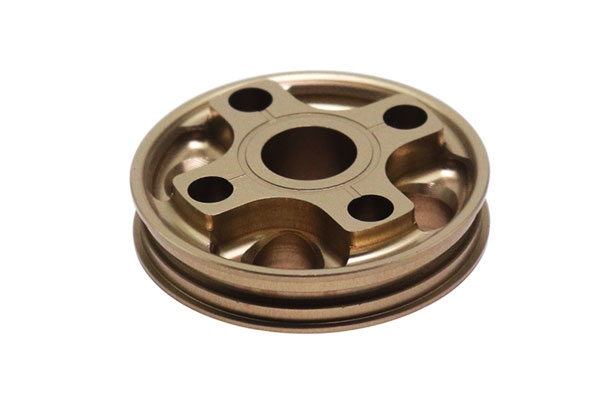
- Elepuwee: sulfuric acid or proprietary hardcoat mix; may include modifiers/organics. Concentration variable (pinepine 15–25 wt% with additives).
- Keka ao: 0–5 °C (many processes run ~0–2 °C; strict control required to avoid burning).
- ʻO keʻano o kēia manawa: 5–30 A/dm² (0.5–3.0 A/cm²) — often delivered as pulse/current bursts rather than continuous DC.
- Lihululi: can run 10–100+ V depending on bath conductivity, pulse mode and cell geometry (power supply must be rated accordingly).
- Wa: 30 mau minuke i kekahi mau hola to build 25-150 μm nā kiʻiʻoniʻoni (thicker films take disproportionately longer and demand more vigorous cooling).
- Moe: specialized seals or limited hot-water/steam; sealing can reduce some surface hardness—seal selection is critical.
Nā memo: ʻO keʻano o kēia manawa, temperature and time interact non-linearly. For hard anodize, low temperature and high current (or pulsed current) encourage dense, fine-pored oxide; running too warm produces soft, porous films or burning. Always qualify using production coupons.
4. Microstructure and film formation mechanisms
Anodic oxide grows by oxygen-ion migration and metal dissolution/oxide formation at the metal/oxide interface. Two structural zones are characteristic:
- Barrier layer: kope, dense layer at the metal/oxide interface providing electrical insulation and corrosion resistance.
- Porous layer: columnar, porous structure that grows outward. Pore diameter, interpore spacing and pore depth depend on current density, acid type and temperature.
Conventional anodizing produces nui, more open pores suitable for dye uptake.
Paʻakikī paʻakikī, produced at low temperature and high current, creates narrower pores and a denser columnar oxide with much higher hardness but reduced dye uptake.
5. Typical film properties — thickness, paakiki, Potiwale, moe
| Waiwai | Conventional anodizing (Type II) | Paʻakikī paʻakikī (Tymei) |
| Mānoanoa maʻamau | 5-25 μM (commonly 10–15 µm) | 25-150 μm (commonly 25–75 µm) |
| Paʻakikī paʻakikī (Him) | ~ 200-300 HV (Nāʻokoʻa) | ~350–700+ HV (Ke hilinaʻi nei i ka mānoanoa & seal) |
| Potiwale / pore size | Relatively open, larger pores (dyeable) | Much finer pores, denser microstructure |
| Sealing effect | Sealing strongly improves corrosion & dye fastness | Sealing may slightly reduce hardness; specialized seals used |
| Electrical insulation | Kūpono | Kūpono |
| Thermal & dielectric behavior | Typical ceramic oxide | Similar but thicker, affects thermal conduction more |
Note on dimensional change:
oxide growth consumes some substrate and builds some thickness; a rule-of-thumb is roughly 50% of film grows outward and 50% consumes substrate, but that ratio varies.
For hard anodize at high thickness the inward consumption can be significant; engineering allowances are necessary.
6. Functional performance
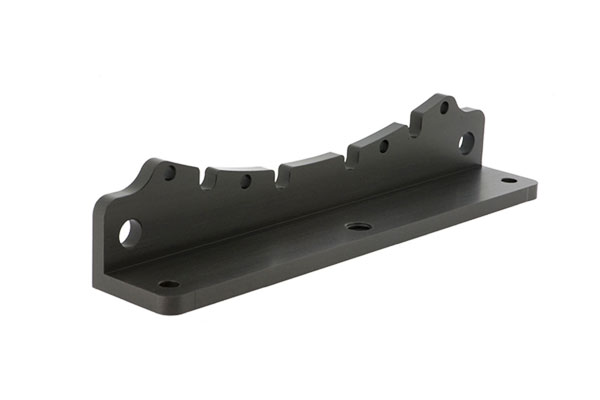
Wear and tribological behaviour
- Hardness and abrasion resistance: anodic oxide is a ceramic (Al₂o₃).
-
- Conventional anodize (Type II, ~5–25 µm) typically measures roughly 150-300 hv at the surface; paʻakikī paʻakikī (Tymei, 25-150 μm) hiki aku ≈350–700 HV depending on thickness and seal.
- Harder films reduce three-body abrasive wear and resist scratching; thicker hardcoats provide longer life under abrasive sliding but are more prone to cracking at sharp edges if not designed correctly.
- Kuiahuli & scuffing: oxide films have relatively high friction against many counterfaces; under adhesive/scuffing regimes a dry anodic film can gall.
Combining anodize with solid-lubricant topcoats (Ptfe, MoS₂) or mating with compatible counter-materials reduces scuff risk. - Kaluhi & surface-initiated cracking: properly sealed and applied films reduce micro-cutting and surface roughness that act as crack initiation sites; Akā naʻe,, excessively thick or brittle films on sharp corners can act as crack initiators under cyclic loading.
- Hoʻolālā Hoʻolālā: for sliding contact or bearing surfaces prefer hard anodize with controlled topography, add radii to edges, and consider post-process finishing (lap/grind) or thin solid-lubricant layers.
Corrosion protection
- Barrier action: the anodic oxide provides a ceramic barrier that reduces electrochemical attack.
Sealed films (hot-water or chemical seals) dramatically improve corrosion resistance versus unsealed porous films. - Thickness vs protection: thicker films generally offer longer-term protection, but the sealed state is more important than raw thickness for many atmospheric exposures.
- Pitting & crevice behavior: anodize improves uniform corrosion resistance but does not prevent localized corrosion where chlorides or aggressive species are present; proper design, moe, and coatings are still required in marine or chemical environments.
- Compatibility with coatings: anodic surfaces offer excellent paint/adhesive bonding after appropriate pre-treatment (conversion, rinse); plating over anodize requires special preps and is uncommon.
Electrical properties
- Insulation: anodic oxide is an excellent electrical insulator. Surface resistivity and dielectric strength increase with film thickness; thin decorative films already provide significant insulation.
- Dielectric strength: typical values vary with thickness and porosity; thick hardcoats are used where electrical isolation or high-voltage standoff is needed.
- Contact pads & ke ola: where electrical contact is required, anodize must be omitted (masked) or removed mechanically from contact pads, or conductive inserts/platings specified.
- Kūlana Kūpono: specify masked areas or rework steps for contacts, and test breakdown voltage where relevant.
Thermal effects
- Ka HōʻaʻO Kokua: the anodic film is ceramic and has lower thermal conductivity than base aluminum.
For thin decorative films the impact on thermal dissipation is negligible; for thick hardcoats the added thermal resistance can become relevant on heat-sink or high-flux surfaces. - Ke Kauka Kauka & kūlākuai: anodic oxides are stable across wide temperature ranges but differential CTE between oxide and substrate can produce microcracking under extreme thermal cycling if films are thick and geometry induces stress concentrations.
- Design guidance: avoid relying on thick hardcoats on primary heat-transfer surfaces; if aesthetics and wear are required, localize coatings to non-heat-critical areas.
Aesthetic properties
| Aspect | Conventional anodizing (Type II) | Paʻakikī paʻakikī (Tymei) |
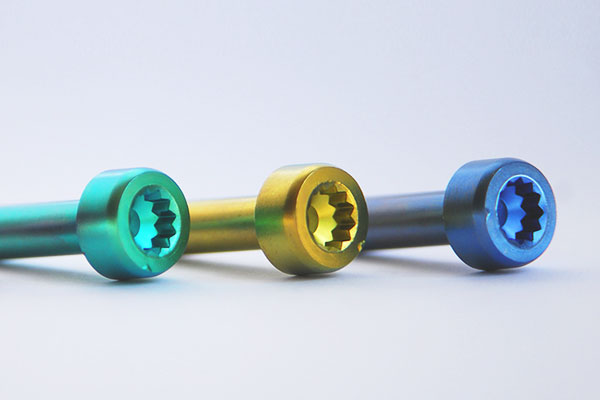
| Film color | Koi (clear to light gray) or dyed (broad palette: ʻeleʻele, ʻulaʻula, polū, etc.) | Natural tends toward dark gray/black or subdued gray; dyeing is limited because of very low porosity |
| Paulapua (typical Ra after pre-treatment) | Smooth — Ra ≈ 0.2–0.8 μm (electropolish → low Ra; bead blast → higher Ra within range) | Slightly rougher — Ra ≈ 0.5–1.5 μm (dense columnar oxide increases apparent roughness) |
Color uniformity |
Excellent when alloy and process are controlled; well suited to decorative, color-matched parts | Good for monochrome finishes; more susceptible to edge and geometry effects (shade variation on edges, nā pāʻili) |
| Dyeability / coloration options | High — organic dyes and electrolytic (integral) coloring produce a wide range of hues | Limited — direct dye uptake poor; electrolytic coloring or post-coat/PVD are preferred for durable color |
| Aolama / visual texture control | Wide range achievable (matte → high gloss) depending on pre-treatment and sealing | Generally matte to satin unless polished mechanically after hardcoat (which is difficult) |
7. Hoʻolālā, tolerancing and pre/post-treatment recommendations
Koho koho
- Best alloys for decorative anodize: 5XXX (5052), 6XXX (6061, 6063), and commercially pure (1XXX) give uniform color and dye response.
- Hard anodize compatibility: many 6xxx and 7xxx series alloys can be hard anodized but some high-Cu or leaded alloys show staining or non-uniformity.
- Die-cast alloys: can be anodized but expect mottling due to intermetallics.
Goody & mau kihi
- Avoid sharp edges; provide fillets and chamfers to reduce oxide cracking risk (especially for thick hardcoat). Design minimum radii appropriate for wall thickness and intended film thickness.
Tolerancing and machining allowance
- Oxide growth rule of thumb: aneane 50% of nominal film thickness grows outward and ~50% consumes substrate inward — this is a working guideline; the exact split varies with alloy and process. Plan tolerances accordingly.
- When to machine before anodize vs after:
Critical sealing faces, tight bores and contact surfaces: finish-machine after anodize only if the film is thin (Type II) and the shop can grind anodic oxide (Cbn, Diamond.Cond.CH).
Otherwise mask those areas or specify post-anodize re-work (Ke wehe nei, re-tapping).
General rule by tolerance: if final tolerance is tighter than ±,05 mm, plan a post-anodize finishing operation or mask the surface;
no ka ± 0.01-0.02 MM hoʻomanawanui, plan to finish-machine after anodize (or mask and re-machine). - Recommended pre-anodize machining allowances (MAKAINA WAU):
| Ke kaʻina hana | Nominal film | Pre-anodize machining allowance (min) |
| Type II (Hoʻokikola) | 5-25 μm | 0.02 - 0.05 mm |
| Tymei (hardcoat) | 25–75 μm (a iʻole) | 0.05 - 0.20 mm (scale with film) |
- Hole/Thread practice: mask threads or re-tap after anodize. If threads must be anodized, specify oversize pre-tap or accept reduced thread class.
For press-fits, evaluate interference loss from oxide growth (may reduce interference fit).
ʻOihana hoʻomākaukau
- Proper degrease, alkaline etch and desmut steps are essential to achieve uniform appearance and adhesion.
For decorative parts, electropolishing or bright dip may be required to obtain high gloss.
Mashaking, jigs and fixturing
- Design jigs to minimize contact marks. Contact points should be on non-visible or re-machined areas. Use spring contacts on sacrificial pads intended for machining.
- Masking materials: recommend PTFE plugs, silicone masks or lacquer masks rated for sulfuric acid and the process temperature. For hardcoat thicker masks (PTFE or mechanical plugs) makemakeʻia.
- Mask location callout: show mask areas on drawings and specify whether masking is supplier-applied or buyer-supplied.
Sealing and post-anodize treatment
- Sealing changes dimensions and appearance. Hot-water sealing hydrates oxide (boehmite) and slightly swells film;
chemical seals (nickel acetate) affect color and corrosion resistance differently. Specify sealing method on drawings. - Specify seal to preserve function: for decorative parts select hot-water or nickel acetate seals; for hardcoat, select a seal that preserves hardness (specialized low-impact seals).
- Post-treatment lubrication/coat: for scuff resistance, specify solid-lubricant topcoats (Ptfe) or clear lacquers. For fingerprint resistance on consumer devices, plan a thin clear coat after sealing.
8. Recommended application scenarios — Conventional Anodizing vs. Paʻakikī paʻakikī
This section gives practical, decision-oriented recommendations: when to specify conventional (Hoʻokikola) Anodichiz and when to choose hāwana (hardcoat) Anodichiz.
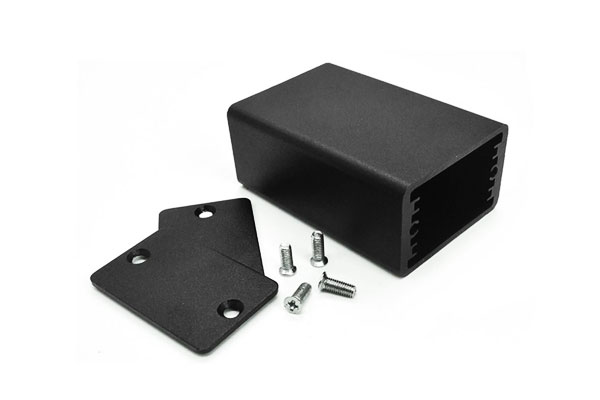
I ka wā e koho ai Ka hilahila (Type II) Anodizing
Primary drivers: helehelena, Nā'āpana kala, paint/adhesion primer, light wear protection, Ke kū'ē neiʻo Corrosionion, uku haʻahaʻa.
Typical application scenarios
- Consumer electronics enclosures and trims — requirement: consistent dyed colors (ʻeleʻele, bronze, polū), high gloss or satin finishes, fingerprint resistance (with lacquer/oil).
Spec pointers: Type II, dye + hot-water seal, electropolish pre-treatment, ΔE color-match on coupons. - Architectural components and decorative hardware — requirement: visual consistency across batches, range of colors, matte or satin textures.
Spec pointers: Type II, electrolytic color or organic dye, careful alloy lot control, production color coupons. - Interior automotive trim and instrument panels — requirement: color matching, paint adhesion, tactile finish.
Spec pointers: Type II, sealed, optional lacquer topcoat for anti-fingerprint. - General corrosion protection + paint adhesion — corrodible substrates needing conversion surface before coating.
Spec pointers: Type II nominal thickness 5–25 µm, sealed. - Arelay Kahi & plating pretreatment — thin, porous films from phosphoric or sulfuric anodize facilitate adhesive wetting.
Spec pointers: Phosphoric acid pretreat for structural bonding; control surface roughness.
Why this choice: decorative anodize is low-cost, LāʻIke, and gives the broadest palette of stable colors and gloss levels; it is easiest to engineer for appearance-critical, low-wear components.
I ka wā e koho ai Hāwana (Tymei) Anodizing
Primary drivers: paʻakikī kiʻekiʻe, abrasion and sliding wear resistance, cryogenic/erosive environments, electrical insulation under wear loads.
Typical application scenarios
- Bearing journals, Nā papahele, Nā Nele, pistons and wear surfaces — requirement: ʻO paʻakikī paʻakikī, long life under sliding or abrasive contact.
Spec pointers: Tymei, 25–75 µm (or thicker if justified), low-temperature bath (0–2 °C), consider topcoat/solid lubricant for scuff reduction. - Industrial tooling and forming dies (aluminum tooling inserts) — requirement: hard ceramic surface to resist galling and abrasion.
Spec pointers: Thick hardcoat, careful edge radii to prevent cracking, possible post-grind to critical surfaces. - Hydraulic and pneumatic sliding parts subject to abrasion — requirement: maintain dimensional integrity and resist wear.
Spec pointers: Tymei, consider localized hardcoat on contact zones; mask machine surfaces as required. - High-voltage insulation surfaces that also face mechanical wear — requirement: dielectric barrier with wear resistance.
Spec pointers: Thick hardcoat to required dielectric thickness; confirm dielectric testing post-treatment. - Erosive or particulate-laden flow components (E.g., slurry pump parts) where aluminum is used and wear is limiting.
Spec pointers: Use hardcoat where feasible; evaluate possibility of alloy change or hardfacing for extreme cases.
Why this choice: Hard anodize produces a dense, hard ceramic surface that resists abrasive and adhesive wear far better than decorative anodize; it is the practical choice when surface function (not appearance) is the control.
9. Hopena
Ka hilahila (Type II) sulfuric anodizing and hard (Tymei) anodizing are both valuable, mature surface-conversion technologies but they solve different problems.
Type II is optimized for appearance, color variety, paint/adhesion preparation and modest corrosion protection with thin, dyeable films (MAKAINA WAU 5-25 μM).
Type III is optimized for surface function—wear resistance, high hardness and dielectric strength—producing dense, thick films (MAKAINA WAU 25-150 μm, maʻamau 25–75 µm) at low temperature with heavier process demands and cost.
Which process to specify is not a matter of “better” in absolute terms but of fit to requirement: select Type II where color, gloss and low cost matter; select Type III where sliding wear, abrasion or dielectric standoff are the controlling design drivers.
In many real parts the correct solution is hybrid: mask and hard-anodize only contact zones, and use Type II (or PVD/paint) on visible surfaces.
FaqS
“The thicker the membrane, the better?"
Short answer: No — thickness is a trade-off.
Wehewehe: Greater thickness generally improves wear life, dielectric standoff and barrier protection,
but it also increases inward substrate consumption, hoʻololi dimensional, risk of cracking at sharp edges, increased thermal resistance, longer process time and cost.
For each part you must balance required surface function, dimensional/tolerance needs, Goody (edge radii and section thickness) a me ke kumukuai.
How does film thickness affect dimensions and tolerances?
Plan for oxide growth: a working rule is that roughly ~50% of the film grows outward and ~50% consumes the substrate, so a 40 µm film may build ≈20 µm outward and consume ≈20 µm inward (varies by process/alloy).
For tight tolerances, mask or finish-machine critical surfaces after anodizing.
Does thicker anodize always give better corrosion protection?
Aole mau. Sealing quality and correct process control are often more influential on corrosion performance than raw thickness.
He lahui, well-sealed Type II film can outperform a thicker but poorly sealed film in many atmospheric environments.
How does anodize thickness affect thermal performance?
Thin decorative films have negligible thermal impact. Thick hardcoats add thermal resistance across the surface and can degrade heat-sink performance; avoid thick anodizing on primary heat-transfer faces.
Can I color hard anodized parts?
Direct organic dyeing is ineffective on dense hardcoats. For colored hardcoat finishes use electrolytic (integral) kala kala, PVD overcoat, painting over a sealed hardcoat, or mask and apply decorative anodize to visible zones.
How do I ensure color and batch consistency?
Lock down alloy lot and pre-treatment; require production coupons from the same alloy lot and the same anodizer; include colorimetric targets (CIELab ΔE) and gloss specifications on the PO and require first-article sign-off.