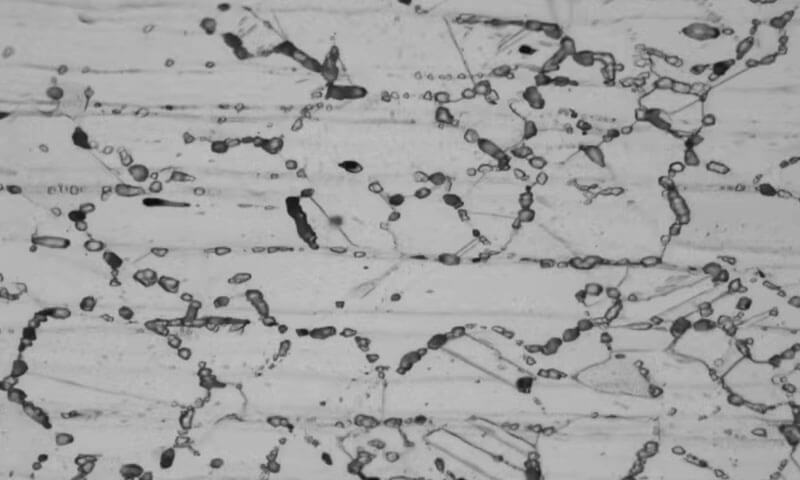
قطع ليزر الفولاذ المقاوم للصدأ يمثل تقدمًا تحويليًا في التصنيع الحديث, توحيد المتانة المتأصلة ومقاومة التآكل للفولاذ المقاوم للصدأ مع دقة وكفاءة تكنولوجيا الليزر المتقدمة.
منذ اعتماده صناعيا في السبعينيات, لقد تطور القطع بالليزر من معالجة الصفائح البسيطة إلى طريقة عالية الدقة قادرة على إنتاج صفائح معقدة, مكونات عالية التحمل عبر مجموعة واسعة من درجات وسمك الفولاذ المقاوم للصدأ.
مدفوعة بمطالب الدقة, سرعة, والحد الأدنى من نفايات المواد, أصبحت هذه التقنية لا غنى عنها في صناعات مثل الطيران, السيارات, الأجهزة الطبية, معالجة الأغذية, والتصميم المعماري.
أبعد من فوائدها الميكانيكية, القطع بالليزر للفولاذ المقاوم للصدأ يدعم اتجاهات التصنيع الرقمي, تقديم التكامل السلس مع أنظمة CAD/CAM, خطوط الإنتاج الآلية, وأنظمة مراقبة الجودة في الوقت الحقيقي.
1. ما هي تقنية قطع الليزر?
قطع الليزر هو عدم الاتصال, عملية قطع حرارية عالية الدقة تستخدم تركيزًا, شعاع ليزر عالي الطاقة يذوب, يحرق, أو تبخير المواد على طول مسار محدد.
يستخدم على نطاق واسع في الصناعات التي تتراوح من الفضاء والسيارات إلى الإلكترونيات والأجهزة الطبية بسبب سرعتها, دقة, والمرونة.
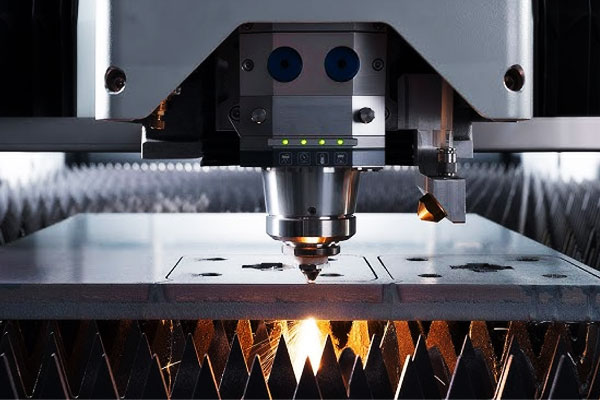
مبدأ التشغيل
في جوهرها, يتضمن قطع الليزر توجيه متماسك, شعاع ليزر عالي الكثافة على سطح قطعة العمل.
يتم إنشاء شعاع الليزر داخل مرنان ليزر, حيث يحدث تضخيم الضوء من خلال الانبعاثات المحفزة.
ثم يتم توجيه الحزمة من خلال سلسلة من المرايا أو البصريات الألياف إلى رأس القطع, حيث تركز على القليل, بقعة طاقة عالية, في كثير من الأحيان أقل من 0.3 ملم في القطر.
عندما يتصل هذا الشعاع المركزة بسطح المادة, بسرعة تسخين المنطقة المستهدفة إلى نقطة الانصهار أو التبخير.
الطاقة المحلية المكثفة تتسبب في ذوبان المادة, يحرق, أو تسامي, السماح للليزر بقطع قطعة العمل بأقل تشويه حراري.
المكونات الرئيسية
- مصدر الليزر: تشمل مصادر الليزر الشائعة ليزر الألياف, ليزر CO₂, و ND:ليزر ياج, كل منها مع أطوال موجية مختلفة ومخرجات طاقة مصممة لمواد وسمك محددة.
- تركيز البصريات: تركز العدسات أو المرايا الدقيقة على شعاع الليزر لتحقيق كثافة طاقة عالية للغاية (ما يصل إلى 10⁶ w/cm²), ضروري للقطع الفعال.
- مساعدة الغاز: طائرة غاز محورية (مثل الأكسجين, نتروجين, أو الهواء المضغوط) يتم توجيهه إلى جانب شعاع الليزر لإزالة المواد المنصهرة أو البخارية من kerf, ضمان قطع نظيف.
يؤثر نوع الغاز المساعدة أيضًا على آلية القطع وجودة الحافة. - نظام التحكم في الحركة: تحرك المحركات التي تسيطر عليها CNC رأس الليزر أو الشغل على طول المسارات المبرمجة, تمكين الأشكال المعقدة والتصاميم المعقدة مع التكرار والسرعة.
آليات قطع الليزر
يعمل قطع الليزر عبر ثلاث آليات أولية, اعتمادًا على المواد والغاز المستخدمة:
- قطع الانصهار (تذوب وضرب):
يذوب الليزر المادة, وغاز مساعدة خامل (عادة النيتروجين) تهب المادة المنصهرة بعيدًا عن kerf.
هذه الطريقة تنتج نظيفة, حواف خالية من الأكسيد, مثالي للفولاذ المقاوم للصدأ والألومنيوم. - القطع التفاعلية (قطع اللهب):
باستخدام الأكسجين كمساعدة الغاز, يبدأ شعاع الليزر في رد فعل طارد للحرارة مع المادة, إضافة الطاقة إلى عملية القطع وزيادة سرعة القطع, خاصة في فولاذ الكربون.
لكن, يمكن أن يؤدي إلى حواف مؤكسدة. - قطع تسامي:
تبخر المادة مباشرة من الصلبة إلى الغاز دون ذوبان. هذه الطريقة نموذجية للمواد غير المعدنية مثل البلاستيك, خشب, والمركبات, تقديم الحد الأدنى من المناطق المتأثرة بالحرارة.
2. مصادر الليزر شائعة الاستخدام
يعد اختيار مصدر الليزر عاملاً حاسماً في الكفاءة, جودة, وفعالية تكلفة قطع الفولاذ المقاوم للصدأ بالليزر.
تختلف أنواع الليزر المختلفة في الطول الموجي, انتاج الطاقة, جودة الشعاع, والخصائص التشغيلية, مما يجعلها مناسبة لتطبيقات محددة وسمك المواد.
مصادر الليزر الثلاثة الأكثر شيوعًا المستخدمة في قطع الفولاذ المقاوم للصدأ هي ليزر CO₂, ليزر الألياف, و اختصار الثاني: ليزر ياج.

ليزر CO₂
- الطول الموجي: تقريبًا 10.6 ميكرومتر (μM)
- مبدأ التشغيل: ليزر ثاني أكسيد الكربون هو ليزر غازي حيث يتكون خليط من ثاني أكسيد الكربون, نتروجين, ويتم إثارة غازات الهيليوم كهربائيًا لإنتاج ضوء الليزر.
- نقاط القوة:
-
- تكنولوجيا راسخة مع عقود من الاستخدام الصناعي.
- تتراوح مخرجات الطاقة العالية من بضع مئات واط إلى عشرات الكيلووات, مناسبة لقطع الفولاذ المقاوم للصدأ السميك.
- تتيح جودة الشعاع الممتازة إجراء عمليات قطع دقيقة مع تشطيب حافة جيد.
- القيود:
-
- إعدادات كبيرة ومعقدة نسبيًا بسبب التعامل مع الغاز وتصميم تجويف الليزر.
- يتطلب مرايا لتوجيه شعاع الليزر, مما يؤدي إلى احتياجات الصيانة ومشكلات المحاذاة المحتملة.
- يؤدي الطول الموجي الأطول إلى امتصاص أقل للمعادن, والتي يمكن أن تقلل من كفاءة القطع على المواد العاكسة مثل الفولاذ المقاوم للصدأ.
- التطبيقات: تستخدم على نطاق واسع لقطع صفائح الفولاذ المقاوم للصدأ المتوسطة إلى السميكة, خاصة عندما تكون هناك حاجة إلى طاقة عالية.
ليزر الألياف
- الطول الموجي: حول 1.07 ميكرومتر (μM)
- مبدأ التشغيل: تولد ليزرات الألياف ضوء الليزر عبر ألياف بصرية مخدرة يتم ضخها بواسطة ليزر ديود, إنتاج شعاع متماسك ينتقل عبر الألياف نفسها.
- نقاط القوة:
-
- امتصاص أعلى في المعادن بسبب الطول الموجي الأقصر, جعل ليزر الألياف أكثر كفاءة في قطع الفولاذ المقاوم للصدأ.
- مدمج, قوي, وصيانة منخفضة نظرًا لعدم وجود مرايا - يتم توصيل الشعاع عبر الألياف الضوئية.
- جودة شعاع ممتازة مع إمكانية تركيز عالية, مما يتيح قطعًا دقيقة جدًا وسرعات أعلى.
- عادة ما تكون أكثر كفاءة في استخدام الطاقة مع انخفاض تكاليف التشغيل.
- عمر تشغيلي أطول مع وقت توقف أقل.
- القيود:
-
- تقتصر الطاقة عمومًا على عدة كيلووات, على الرغم من توافر ليزر الألياف عالي الطاقة بشكل متزايد.
- قد يتطلب إعدادات مختلفة أو تكوينات غاز مساعدة للمواد السميكة جدًا مقارنة بأشعة ليزر ثاني أكسيد الكربون.
- التطبيقات: مثالية لقطع الفولاذ المقاوم للصدأ الرقيق إلى المتوسط السُمك, الآلات الدقيقة, والتطبيقات التي تتطلب دقة عالية.
اختصار الثاني: ياج (نيوديميوم مخدر يتتريوم الألومنيوم العقيق) الليزر
- الطول الموجي: تقريبًا 1.06 ميكرومتر (μM)
- مبدأ التشغيل: ليزر الحالة الصلبة حيث Nd:يتم ضخ كريستال YAG بصريًا بواسطة مصابيح فلاش أو صمامات ثنائية لإصدار أشعة ليزر نابضة أو مستمرة.
- نقاط القوة:
-
- قادر على الحصول على قوى ذروة عالية جدًا في الوضع النبضي, مناسبة للقطع الدقيق والتصنيع الدقيق.
- جودة شعاع جيدة وقدرة على قطع المواد العاكسة مثل الفولاذ المقاوم للصدأ.
- القيود:
-
- عمومًا أقل كفاءة وأعلى في الصيانة مقارنةً بأشعة الليزر الألياف.
- أحجام بقعة أصغر وأقل قدرة متوسطة تقيد استخدامها في القطع عالية الحجم.
- متطلبات التبريد والصيانة الأكثر تعقيدًا.
- التطبيقات: غالبًا ما يستخدم في التطبيقات المتخصصة, مثل القطع الدقيقة, اللحام, أو وضع علامة على أجزاء من الفولاذ المقاوم للصدأ حيث تكون الدقة حاسمة.
3. لماذا يتطلب الفولاذ المقاوم للصدأ قطعًا متخصصًا
الفولاذ المقاوم للصدأ, معروف بمقاومة التآكل الممتازة, القوة الميكانيكية, والجاذبية الجمالية, يستخدم على نطاق واسع عبر الصناعات مثل الفضاء, طبي, السيارات, معالجة الأغذية, والهندسة المعمارية.
لكن, هذه الخصائص ذاتها التي تجعل الفولاذ المقاوم للصدأ مرغوبًا أيضًا تمثل تحديات فريدة في الآلات والقطع.
خصائص المواد من الفولاذ المقاوم للصدأ
الفولاذ المقاوم للصدأ ليست سبيكة واحدة بل عائلة من السبائك القائمة على الحديد مع الحد الأدنى من 10.5% محتوى الكروم. تتضمن خصائصها الفريدة:
- انعكاس عالية: خاصة في الأطوال الموجية بالأشعة تحت الحمراء التي تستخدمها العديد من أنظمة الليزر, يعكس الفولاذ المقاوم للصدأ جزءًا كبيرًا من طاقة الليزر,
مما يجعل اقتران الشعاع الأولي أكثر صعوبة ويتطلب طاقة أعلى أو أشعة ليزر متخصصة (على سبيل المثال, ألياف الليزر ذات الأطوال الموجية الأقصر). - الموصلية الحرارية المنخفضة: بالمقارنة مع الكربون الصلب أو الألومنيوم, الفولاذ المقاوم للصدأ لا يبدد الحرارة بسرعة.
يمكن أن يؤدي هذا إلى ارتفاع درجة الحرارة الموضعية إذا لم يتم تحسين العملية, زيادة خطر التشوه الحراري أو ضعف جودة الحافة. - نقطة انصهار عالية: مع نطاق انصهار يبلغ حوالي 1400-1530 درجة مئوية, يتطلب الفولاذ المقاوم للصدأ كثافة طاقة أعلى لبدء القطع واستدامته.
- تكوين الأكسيد: الفولاذ المقاوم للصدأ عرضة لتكوين طبقات أكسيد غنية بالكروم عند درجات حرارة عالية.
بدون التدريع المناسب للغاز, يمكن أن يؤثر ذلك على قابلية اللحام وإنهاء السطح بعد القطع.
قيود طرق القطع التقليدية
تقنيات القطع التقليدية مثل القص, نشر, أو اللكم الميكانيكي تواجه عدة قيود عند تطبيقها على الفولاذ المقاوم للصدأ:
- أداة ارتداء الأداة: يمكن أن تسبب صلابة وصدة الفولاذ المقاوم للصدأ تدهور الأدوات السريعة.
- تشكيل لدغ: غالبًا ما تترك الطرق الميكانيكية الحواف الحواف الخشنة, تتطلب عمليات زهرية إضافية.
- المناطق المتأثرة بالحرارة (هاز): تقنيات مثل البلازما أو قطع الوقود الأكسسي تولد مخاطر واسعة, يحتمل أن يغير الخصائص المعدنية بالقرب من حافة القطع.
- مرونة تصميم محدودة: العمليات الميكانيكية أقل ملاءمة لقطع الأشكال الهندسية المعقدة أو نصف القطر الضيق دون أدوات باهظة الثمن.
متطلبات الدقة والنظافة
العديد من الصناعات التي تستخدم الفولاذ المقاوم للصدأ لها تحملات صارمة ومعايير جمالية:
- الأجهزة الطبية: تتطلب خالية من بور, تخفيضات خالية من التلوث مع الحد الأدنى من التغيير الحراري للحفاظ على التوافق الحيوي.
- معدات معالجة الأغذية: يتطلب صحية, الأسطح الناعمة التي تمنع تراكم البكتيريا.
- لوحات معمارية: غالبًا ما تشتمل على تشطيبات زخرفية أو أسطح مصقولة كالمرآة والتي يجب ألا تتلف أو تتأكسد أثناء القطع.
قطع الليزر, عند تكوينها بشكل صحيح, تتفوق في تلبية هذه المتطلبات من خلال توفير:
- دقة أبعاد عالية
- الحد الأدنى من التشوه الميكانيكي
- ينظف, حواف خالية من الأكسيد (خاصة عند استخدام غاز النيتروجين المساعد)
حساسية السطح وجودة الانتهاء
يتم استخدام العديد من درجات الفولاذ المقاوم للصدأ في المصقول, تم تجاهله, أو التشطيبات المنقوشة التي يجب الحفاظ عليها أثناء المعالجة.
تؤدي الطرق الميكانيكية إلى خطر خدش هذه الأسطح أو تشويهها. قطع الليزر, خاصة مع ألياف الليزر ورؤوس القطع غير التلامسية, يتجنب الاتصال الميكانيكي ويحافظ على سلامة السطح.
4. اعتبارات محددة من الفولاذ المقاوم للصدأ
درجات أوستنيكية (304, 316)
- تحديات القطع: ليونة عالية تؤدي إلى تشكيل لدغ; ضغط النيتروجين الأمثل (2 MPA) و 1.5 تعمل طاقة ألياف الليزر كيلووات على تقليل ارتفاع الأزيز إلى <0.05مم.
- تطبيقات صناعة الأغذية: 316قطع L مع النيتروجين يفي بمعايير إدارة الغذاء والدواء, مع خشونة السطح Ra < 0.8ميكرومتر للمعدات الصيدلانية.
درجات مارتينيسيتي (410, 420)
- تأثير الصلابة: 420 الفولاذ المقاوم للصدأ (40 HRC) يتطلب 20% قوة ليزر أعلى من 304 بسبب زيادة التوصيل الحراري.
- تطبيقات الأدوات: 410 قطع مع الأكسجين في 1.2 م/دقيقة تنتج حواف مناسبة لشفرات السكين, مع زوايا حافة 8-12 درجة يمكن تحقيقها.
درجات هطول الأمطار (17-4 PH)
- حساسية المعالجة الحرارية: قطع في حالة الصلب الحل (حالة أ) يمنع تصلب في HAZ. الشيخوخة بعد القطع (H900) يعيد قوة الشد ل 1,310 MPA.
- استخدام الفضاء الجوي: 17-4 تظهر مكونات خزان الوقود PH مقطوعة بالليزر الليفي بقدرة 5 كيلو وات <0.1ملم انحراف الأبعاد, تلبية معايير AS9100D.
5. معلمات العملية الرئيسية في قطع ليزر الفولاذ المقاوم للصدأ
يعتمد تحقيق عمليات قطع عالية الجودة في الفولاذ المقاوم للصدأ باستخدام تقنية الليزر على التحكم الدقيق في العديد من معلمات العملية المهمة.
تؤثر هذه المعلمات على جودة القطع, سرعة, الانتهاء من الحافة, منطقة متأثرة بالحرارة (هاز), والكفاءة الشاملة.

قوة الليزر
- تعريف: الطاقة الناتجة من شعاع الليزر, تقاس عادة بالواط (ث) أو كيلووات (كيلوواط).
- تأثير: تتيح طاقة الليزر الأعلى قطع المواد السميكة وسرعات قطع أسرع.
لكن, القوة المفرطة يمكن أن تسبب ذوبانًا مفرطًا, تزييف, أو منطقة أوسع متأثرة بالحرارة. - النطاق النموذجي: للفولاذ المقاوم للصدأ, تتراوح قوة الليزر من بضع مئات من واط (لصفائح رقيقة) ما يصل الى 10 كيلوواط أو أكثر (للوحات السميكة).
سرعة قطع
- تعريف: المعدل الذي يتحرك به رأس الليزر أو قطعة العمل بالنسبة لبعضها البعض, عادة بالملليمتر في الثانية (مم/ث) أو متر في الدقيقة (م/بلدي).
- تأثير: تعمل زيادة السرعة على تحسين الإنتاجية ولكنها يمكن أن تقلل من جودة القطع إذا كانت طاقة الليزر غير كافية لاختراق المادة بالكامل.
تؤدي السرعة البطيئة للغاية إلى زيادة إدخال الحرارة وضعف جودة الحافة. - تحسين: يجب أن تكون متوازنة مع قوة الليزر وسمك المادة للحصول على قطع نظيفة بدون خبث أو خبث.
مساعدة نوع الغاز والضغط
- الأنواع:
-
- الأكسجين (O₂): يشيع استخدامها للقطع التفاعلي للفولاذ المقاوم للصدأ, تعزيز الأكسدة وتعزيز كفاءة القطع.
- نتروجين (ن): يستخدم للقطع الخامل لمنع الأكسدة, إنتاج حواف أنظف دون تغير اللون.
- الهواء المضغوط: يستخدم أحيانًا كبديل فعال من حيث التكلفة ولكنه قد يسبب الأكسدة.
- ضغط: تتراوح عادة من 0.5 ل 20 شريط حسب نوع الغاز وسمك المادة.
- تأثير: يساعد ضغط الغاز على نفخ المعدن المنصهر خارج الشق, التأثير على جودة القطع, الانتهاء من الحافة, ومدخلات الحرارة.
مركز التركيز
- تعريف: الموضع النسبي لنقطة تركيز شعاع الليزر فيما يتعلق بسطح المادة.
- تأثير: يعد تحديد موضع التركيز البؤري الصحيح أمرًا حيويًا لتحقيق كثافة الطاقة المثالية في منطقة القطع. يمكن ضبط التركيز:
-
- على سطح المادة,
- أعلى قليلا (غير مركزة),
- قليلا تحت السطح.
- تأثير: التركيز غير السليم يسبب ضعف الاختراق, درجة واسعة, أو الذوبان المفرط.
تردد النبض ومدة (لأشعة الليزر النبضية)
- تردد النبض: عدد نبضات الليزر في الثانية (هرتز).
- مدة النبض: طول كل نبضة ليزر (ميكروثانية أو نانوثانية).
- تأثير: يتحكم في الطاقة المقدمة لكل نبضة. التردد العالي مع نبضات قصيرة يمكن أن يقلل من مدخلات الحرارة, مفيد للفولاذ المقاوم للصدأ الرقيق أو التخفيضات الدقيقة.
مسافة مواجهة
- تعريف: المسافة بين فوهة رأس القطع بالليزر وسطح المادة.
- تأثير: يمكن أن يتسبب في إتلاف الفوهة أو التسبب في تراكم الرشاش; يقلل جداً من فعالية طائرة الغاز وخفض الجودة.
- النطاق النموذجي: 0.5 ل 2 مم لقطع الفولاذ المقاوم للصدأ.
عرض كيرف
- تعريف: عرض المادة التي تمت إزالتها بواسطة شعاع الليزر.
- تأثير: يؤثر على دقة الأبعاد واستخدام المواد.
- عوامل التأثير: حجم بقعة الليزر, قوة, وسرعة قطع.
6. مزايا قطع ليزر الفولاذ المقاوم للصدأ
أصبح قطع الليزر أحد الطرق المفضلة لمعالجة الفولاذ المقاوم للصدأ بسبب مزاياه العديدة على تقنيات القطع التقليدية.

التخفيضات الدقيقة والعالية الجودة
- الحد الأدنى من عرض نحت: ينتج قطع الليزر كيرف ضيق للغاية (عرض قطع), في كثير من الأحيان أقل من 0.2 مم, مما يؤدي إلى الحد الأدنى من نفايات المواد والتحمل أكثر تشددًا.
- حواف نظيفة: المنطقة المتأثرة بالحرارة (هاز) صغير جدا, تقليل التزييف والتشويه.
عادة ما تكون الحواف ناعمة وخالية من البورس, غالبًا ما يلغي الحاجة إلى الانتهاء الثانوي. - الهندسة المعقدة: يمكن التحكم بدقة في عوارض الليزر مع أنظمة CNC, تمكين قطع الأشكال المعقدة, التفاصيل الدقيقة, والزوايا الحادة التي يصعب تحقيقها بالطرق الميكانيكية.
السرعة والكفاءة
- المعالجة السريعة: يمكن أن يعمل قطع الليزر بسرعات عالية, خاصة على صفائح الفولاذ المقاوم للصدأ رقيقة إلى متوسطة (ما يصل إلى 15 ملم ~), تقليل أوقات الإنتاج بشكل كبير.
- توافق الأتمتة: التكامل مع CNC والأنظمة الآلية يسمح المستمر, عملية غير مراقبة, تحسين الإنتاجية وتقليل تكاليف العمالة.
- انخفاض وقت الإعداد: تعني الطبيعة غير الممتازة أنه لا يوجد تآكل أداة أو تغييرات ميكانيكية, السماح بالتبديل السريع بين وظائف القطع المختلفة.
التنوع والمرونة
- نطاق سمك واسع: يمكن لأنظمة القطع بالليزر التعامل مع صفائح الفولاذ المقاوم للصدأ التي يتراوح سمكها من الرقائق الرقيقة جدًا إلى عدة سنتيمترات مع إعدادات الطاقة المناسبة والغازات المساعدة.
- خيارات غاز متعددة: استخدام الغازات المساعدة المختلفة (نتروجين, الأكسجين, هواء) يسمح بخياطة عمليات القطع لتحسين السرعة, جودة الحافة, والتحكم في الأكسدة.
- توافق المواد: وبصرف النظر عن الفولاذ المقاوم للصدأ, يمكن لأشعة الليزر قطع مجموعة متنوعة من المعادن وغير المعادن مع تعديلات طفيفة, توفير التنوع لخطوط الإنتاج المختلطة.
فعالية التكلفة
- تقليل هدر المواد: الشق الضيق والدقة العالية تقلل من معدلات الخردة.
- انخفاض تكاليف العمالة: تعمل الأتمتة على تقليل الحاجة إلى المعالجة اليدوية والتدخل.
- الحد الأدنى من تآكل الأداة: حيث أن القطع يتم باستخدام شعاع الليزر, لا يوجد أي اتصال أو تآكل للأداة المادية, خفض نفقات الصيانة.
- كفاءة الطاقة: تستهلك أجهزة ليزر الألياف الحديثة طاقة أقل مقارنة بالقطع الميكانيكي التقليدي, المساهمة في وفورات التكاليف التشغيلية الإجمالية.
فوائد البيئة والسلامة
- عملية عدم الاتصال: يقلل من الضغوط الميكانيكية على المادة ويقلل من مخاطر مكان العمل المتعلقة بالأدوات الحادة أو قطع الحطام.
- عملية أنظف: يولد أقل من الغبار والضوضاء مقارنة بالبلازما أو القطع الميكانيكية.
- انخفاض استخدام المواد الاستهلاكية: على عكس طرق القطع الكاشطة, لا يتطلب قطع الليزر شفرات أو أقراص مستهلكة, تقليل النفايات.
فرص التصميم والابتكار المعززة
- النماذج الأولية السريعة: إن القدرة على قطع الأشكال المعقدة بسرعة ودقة تسريع تكرار التصميم وتطوير المنتجات.
- التخصيص: الدُفعات الصغيرة أو الطلبات المخصصة ممكنة وفعالة من حيث التكلفة بسبب الحد الأدنى من تغييرات الأدوات.
- تصنيع ميزة صغيرة وغرامة: يمكن أن ينتج عن قطع الليزر تخفيضات دقيقة للغاية مناسبة للتطبيقات عالية الدقة في الإلكترونيات, الأجهزة الطبية, وأجزاء الفولاذ المقاوم للصدأ الزخرفية.
7. قيود وتحديات قطع ليزر الفولاذ المقاوم للصدأ
بينما يوفر القطع بالليزر فوائد عديدة لمعالجة الفولاذ المقاوم للصدأ, كما أنه يطرح بعض القيود والتحديات التي يجب إدارتها بعناية لضمان تحقيق النتائج المثلى.
قيود السمك
- انخفاض الكفاءة على المواد السميكة: يعتبر القطع بالليزر أكثر فعالية لصفائح الفولاذ المقاوم للصدأ ذات السُمك الرفيع إلى المتوسط, عادة ما يصل إلى 15-20 ملم.
يتطلب قطع المقاطع السميكة طاقة ليزر أعلى وسرعات أبطأ, مما قد يؤدي إلى زيادة التكاليف وأوقات المعالجة. - منطقة متأثرة بالحرارة (هاز) نمو: كلما زاد سمك, ترتفع كمية الحرارة اللازمة للإذابة خلال المادة, تسبب أكبر HAZ.
وهذا يمكن أن يؤدي إلى التشوه الحراري, التغيرات المعدنية, وتدهور جودة الحافة.
انعكاس السطح وجودة المواد
- انعكاس عالية: يمكن أن يتسبب السطح العاكس للفولاذ المقاوم للصدأ في انعكاس شعاع الليزر, مما يؤدي إلى عدم الكفاءة, قطع غير مستقر, أو حتى تلف بصريات الليزر.
تعمل ليزرات الألياف على تخفيف ذلك بشكل أكثر فعالية من ليزر ثاني أكسيد الكربون ولكنها لا تزال تتطلب ضبطًا دقيقًا للمعلمات. - تقلب المواد: الاختلافات في تكوين الفولاذ المقاوم للصدأ, الانتهاء من السطح, أو يمكن أن تؤثر الطلاءات على امتصاص الليزر وجودة القطع, تتطلب تعديلات العملية.
جودة الحافة وتشكيل الخبث
- خبث على قطع الحواف: يمكن أن يؤدي اختيار الغاز غير المناسب أو ضغط الغاز المساعد غير الكافي إلى التصاق المادة المنصهرة بالحافة المقطوعة (الخبث), مما يستلزم التنظيف الثانوي أو الطحن.
- التشققات والخشونة: بسرعات قطع أعلى أو مواد أكثر سمكًا, قد تتطور التصدعات أو القوام الخشن, التأثير على الجماليات أو الملاءمة الميكانيكية.
مساعدة في اختيار الغاز والتكاليف
- الاعتماد على الغاز: اختيار الغاز المساعد (نتروجين, الأكسجين, أو الهواء) يؤثر بشكل كبير على جودة القطع, سرعة, والأكسدة:
-
- الأكسجين: يعزز القطع بشكل أسرع مع الأكسدة ولكن يمكن أن يسبب خشونة, الحواف المؤكسدة.
- نتروجين: تنتج نظيفة, حواف خالية من الأكسيد ولكنها أكثر تكلفة وقد تقلل من سرعة القطع.
- هواء: خيار فعال من حيث التكلفة ولكنه أقل اتساقًا في الجودة.
- تكاليف التشغيل: غازات عالية النقاء, وخاصة النيتروجين, المساهمة في زيادة نفقات التشغيل.
المعدات والصيانة
- استثمار أولي مرتفع: ماكينات القطع بالليزر المتطورة, وخاصة ليزر الألياف عالي الطاقة, تتطلب استثمارات رأسمالية كبيرة.
- حساسية البصريات: بصريات الليزر حساسة للتلوث والأضرار الناجمة عن الأشعة المنعكسة أو الغبار, مما يتطلب الصيانة الدورية والمحاذاة.
- عملية ماهرة: يتطلب القطع الأمثل بالليزر مشغلين ومهندسين مدربين لإدارة المعلمات, استكشاف المشكلات وإصلاحها, وإجراء الصيانة الوقائية.
الآثار الحرارية والتشويه
- الضغوط الحرارية: يمكن أن تؤدي حرارة الليزر المركزة إلى ضغوط حرارية تسبب التزييف, خاصة في الأجزاء الرقيقة أو المقطوعة من الفولاذ المقاوم للصدأ.
- التغيرات البنيوية الدقيقة: قد يؤدي التعرض لفترة طويلة للحرارة إلى تغيير البنية الدقيقة للفولاذ المقاوم للصدأ بالقرب من حافة القطع, التأثير على مقاومة التآكل والخواص الميكانيكية.
القيود في قطع الأشكال ثلاثية الأبعاد المعقدة
- القطع ثنائي الأبعاد في المقام الأول: تم تحسين معظم أنظمة القطع بالليزر للألواح المسطحة أو الخطوط الثلاثية الأبعاد البسيطة.
غالبًا ما تتطلب الأشكال ثلاثية الأبعاد المعقدة أو المقاطع السميكة طرقًا بديلة مثل اللحام بالليزر أو المعالجة بالليزر خماسي المحاور. - عمق اختراق محدود: يحد الطول البؤري لليزر وقوته من عمق القطع وزاويته, الحد من تعدد الاستخدامات لبعض التطبيقات.
8. تطبيقات قطع ليزر الفولاذ المقاوم للصدأ
أصبح قطع الفولاذ المقاوم للصدأ بالليزر تقنية أساسية في مختلف الصناعات نظرًا لدقتها, سرعة, والتنوع.
إن قدرتها على إنتاج تصميمات معقدة ذات حواف عالية الجودة تجعلها مثالية للعديد من تطبيقات التصنيع والتصنيع.

صناعة السيارات
- تصنيع المكونات: يستخدم القطع بالليزر على نطاق واسع لإنتاج أجزاء دقيقة لمحركات السيارات, أنظمة العادم, ومكونات الهيكل من صفائح وألواح الفولاذ المقاوم للصدأ.
- النماذج الأولية والتخصيص: تتيح هذه التقنية إنشاء نماذج أولية سريعة وأجزاء مخصصة ذات أشكال هندسية معقدة, مساعدة مهندسي السيارات على اختبار التصاميم بسرعة وكفاءة.
- العناصر الزخرفية: يسمح القطع بالليزر بإنشاء زخارف معقدة, شارات, والشوايات ذات الحواف النظيفة والأنماط التفصيلية.
الطيران والطيران
- المكونات الهيكلية: أجزاء من الفولاذ المقاوم للصدأ لإطارات الطائرات, محركات, وغالبًا ما تتطلب معدات الهبوط قوة عالية ومقاومة للتآكل, يتم تحقيقه من خلال القطع بالليزر الدقيق.
- الحد من الوزن: قدرة القطع بالليزر على إنتاج وزن خفيف, تساعد الأشكال المعقدة مصنعي الطيران على تحسين السلامة الهيكلية مع تقليل الوزن.
- التحمل الضيق: تتطلب مكونات الفضاء الجوي تفاوتات صارمة وتشطيبات سلسة, أي قطع بالليزر يمكن أن يوفره باستمرار.
تصنيع الأجهزة الطبية
- الأدوات الجراحية: يعد قطع الليزر الفولاذ المقاوم للصدأ أمرًا بالغ الأهمية في تصنيع حادة, عقيمة, والأدوات الجراحية الدقيقة مثل scalpels, ملقط, والمقص.
- يزرع وأطراف الاصطناعية: يتيح قطع الليزر إنتاج المعقد, غرسات متوافقة حيوياً ومكونات اصطناعية مع مواصفات صامتة.
- المعدات الطبية: يتم استخدام قطع الليزر لتصنيع العلب وأجزاء لأجهزة التشخيص والعلاج, حيث تكون الدقة والنظافة ذات أهمية قصوى.
العمارة والبناء
- لوحات زخرفية: يتيح قطع الليزر المهندسين المعماريين إنشاء مجمع, ألواح الفولاذ المقاوم للصدأ الفنية, شاشات, والواجهات التي تجمع بين الجماليات والمتانة.
- العناصر الهيكلية: القطع الدقيقة لمكونات الفولاذ المقاوم للصدأ لهياكل الدعم, قوسين, وتركيبات تحسن من جودة وسلامة.
- التركيبات المخصصة والتجهيزات: عناصر الفولاذ المقاوم للصدأ المصممة خصيصًا مثل درابزين الدرج, الدرابزينات, وتستفيد اللافتات من مرونة القطع بالليزر.
صناعة الأغذية والمشروبات
- المعدات الصحية: مقاومة التآكل للفولاذ المقاوم للصدأ تجعله مثاليًا للبيئات الصحية. يستخدم القطع بالليزر لتصنيع الخزانات, الأنابيب, ومعدات المعالجة التي تلبي معايير النظافة الصارمة.
- ماكينات التعبئة والتغليف: تعمل الأجزاء المصنوعة من الفولاذ المقاوم للصدأ المقطوعة بدقة على تحسين موثوقية وكفاءة آلات تعبئة وتغليف المواد الغذائية.
- المكونات الزخرفية والوظيفية: تُستخدم عناصر الفولاذ المقاوم للصدأ المقطوعة بالليزر في أدوات المطبخ ومعدات تقديم الطعام التجارية.
الإلكترونيات والصناعة الكهربائية
- العبوات والأغلفة: يُنتج القطع بالليزر أغلفة دقيقة من الفولاذ المقاوم للصدأ للأجهزة الإلكترونية, توفير الحماية ومقاومة الحرارة.
- التصنيع الدقيق: صغير, المكونات التفصيلية مثل الموصلات, جهات الاتصال, وتستفيد أجزاء التدريع من دقة وتكرار القطع بالليزر.
- المشتتات الحرارية وأنظمة التبريد: تساعد الأجزاء المصنوعة من الفولاذ المقاوم للصدأ المقطوعة بالليزر على إدارة تبديد الحرارة في التجميعات الإلكترونية.
الفن والتصنيع المخصص
- النحت والمنشآت الفنية: يستفيد الفنانون من القطع بالليزر لتصميمات وأنماط معقدة من الفولاذ المقاوم للصدأ والتي قد يكون من الصعب أو من المستحيل تحقيقها بالطرق التقليدية.
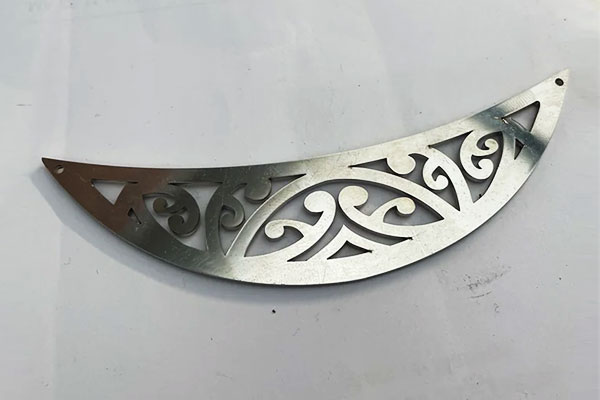
- مجوهرات واكسسوارات مخصصة: يتيح القطع بالليزر قطعًا مفصلة ودقيقة من الفولاذ المقاوم للصدأ ذات حواف ناعمة وأشكال معقدة.
- اللافتات والعلامات التجارية: تستخدم الشركات علامات وشعارات من الفولاذ المقاوم للصدأ مقطوعة بالليزر لضمان المتانة واللمسة النهائية الاحترافية.
9. مراقبة الجودة والمعايير
إن ضمان أعلى مستويات الجودة في القطع بالليزر للفولاذ المقاوم للصدأ يتضمن تحكمًا صارمًا في دقة الأبعاد, جودة الحافة, والسلامة المادية.
يعد الالتزام بالمعايير الدولية واستخدام طرق الاختبار المتقدمة أمرًا بالغ الأهمية لنتائج موثوقة ومتسقة.
دقة الأبعاد
- نطاقات التسامح:
يحقق القطع بالليزر الفولاذ المقاوم للصدأ التحمل الضيق اعتمادًا على سمك المواد. للأوراق الرقيقة (1-3 ملم), التحمل الأبعاد النموذجي ± 0.1 مم.
للألواح الأكثر سمكا تتراوح من 10 ل 20 مم, تتسع التسامح إلى 0.3 مم, وفقا ل ISO 2768-M (درجة التسامح المتوسطة).
تضمن هذه المعايير أن تلبي الأجزاء مواصفات التصميم للتجميع والوظيفة الدقيقة. - فصول جودة الحافة:
وفق في ISO 9013, يتم تصنيف جودة الحافة حسب خشونة السطح (ر):
-
- فصل 1: ر < 2.5 μM, مناسبة للتطبيقات عالية الدقة مثل الأجهزة الطبية ومكونات الفضاء الجوي.
- فصل 2: ر < 5 μM, يستخدم عادة في التطبيقات الصناعية العامة حيث يكون الانتهاء من السطح المعتدل مقبولًا.
اختبار غير التدمير (NDT)
- التفتيش البصري:
باستخدام التكبير يتراوح من 10x إلى 50x, يفحص المشغلون الحواف المقطوعة للبورز, رواسب الخبث, أكسدة, وغيرها من العيوب السطحية.
تضمن هذه الخطوة أن سلامة السطح تلبي المتطلبات الجمالية والوظيفية قبل إجراء المزيد من المعالجة أو التجميع. - اختبار الموجات فوق الصوتية:
لدرجات الفولاذ المقاوم للصدأ الأكثر سمكًا مثل 316L at 10 سماكة مم, التفتيش بالموجات فوق الصوتية مع 5 يتم استخدام مجسات ميغاهرتز للكشف عن العيوب تحت السطح داخل المنطقة المتأثرة بالحرارة (هاز).
يمكن لهذه الطريقة تحديد العيوب الصغيرة مثل 0.2 مم, توفير خطوة حاسمة لضمان الجودة في التطبيقات الحيوية للسلامة. - اختبار التآكل:
مقاومة التآكل ضرورية لمكونات الفولاذ المقاوم للصدأ, خاصة في البيئات القاسية.
-
- اختبارات رش الملح ASTM B117 أظهر أن الأجزاء المقطوعة بالليزر بغاز مساعد النيتروجين تظهر مقاومة فائقة للتآكل, الصمود 500 ساعات دون تدهور كبير في 304 الفولاذ المقاوم للصدأ.
- في المقابل, عادة ما تستمر التخفيضات بمساعدة الأكسجين 300 قبل ساعات من ظهور علامات التآكل. وهذا يسلط الضوء على أهمية قطع اختيار الغاز من أجل المتانة وعمر الخدمة.
10. مقارنة مع طرق القطع الأخرى
عند اختيار تقنية القطع للفولاذ المقاوم للصدأ, من الضروري تقييم الطرق المختلفة بناءً على الدقة, سرعة, يكلف, جودة, ومدى ملاءمتها لتطبيقات محددة.
فيما يلي مقارنة شاملة للقطع بالليزر مع تقنيات القطع الشائعة الأخرى: قطع البلازما, قطع اتيرجيت, والقطع الميكانيكي.
| معايير | قطع الليزر | قطع البلازما | قطع المياه | القطع الميكانيكي |
| دقة & جودة الحافة | دقة عالية جدا; ينظف, حواف ناعمة | دقة معتدلة; حواف أكثر خشونة | دقة عالية; حواف ناعمة | منخفضة إلى معتدلة; قد تتطلب الحافة التشطيب |
| سرعة | عالي للسمك الرقيق إلى المتوسط | عالية جدا, وخاصة بالنسبة للمعادن السميكة | معتدلة إلى بطيئة | بطيئة إلى معتدلة |
| القدرة على سمك المواد | ما يصل إلى ~ 20 ملم (يعتمد على قوة الليزر) | حتى 50 مم أو أكثر | مواد سميكة جدا ممكنة (100+ مم) | محدودة بقوة الأداة |
| المنطقة المتأثرة بالحرارة (هاز) | الحد الأدنى إلى المعتدل, اعتمادا على القوة | منطقة الخطر الأكبر | لا أحد (عملية القطع الباردة) | لا أحد |
| تكلفة التشغيل | معتدل (طاقة + صيانة) | منخفضة إلى معتدلة | معتدلة إلى عالية | قليل |
| التطبيقات المناسبة | ورقة معدنية, تصميمات معقدة, رقيقة إلى متوسطة السمك | لوحات سميكة, تصنيع ثقيل, تخفيضات خشنة | مواد سميكة; المواد الحساسة للحرارة | تخفيضات بسيطة, تشكيل خشن, مواد سميكة |
| إيجابيات | دقة ممتازة; الحد الأدنى من تشويه المواد; سريع للصفائح الرقيقة | فعال للمعادن السميكة; قطع أسرع على لوحات سميكة | لا تشويه الحراري; يمكن قطع أي مادة تقريبًا | تكلفة منخفضة; معدات بسيطة |
| سلبيات | قدرة محدودة على المواد السميكة; يمكن أن يكون الفولاذ المقاوم للصدأ العاكس أمرًا صعبًا | جودة الحافة السفلية; خطر كبير; ليست مثالية للتخفيضات الدقيقة | أبطأ من الليزر; ارتفاع التكاليف الاستهلاكية; عملية رطبة | دقة محدودة; بطيئة; أداة ارتداء الأداة; يقتصر على الأشكال البسيطة |
11. خاتمة
قطع الفولاذ المقاوم للصدأ بالليزر يقف عند تقاطع الهندسة الدقيقة والابتكار في التصنيع الحديث.
مع القدرة على التسليم السريع, ينظف, ونتائج دقيقة للغاية, لقد أصبح لا غنى عنه في العديد من الصناعات.
مع تطور التكنولوجيا, اعتماد أنظمة الليزر الذكية والممارسات المستدامة سوف نستمر في دفع حدود ما هو ممكن في تصنيع المعادن.
الأسئلة الشائعة
ما سمك الفولاذ المقاوم للصدأ يمكن قطعه باستخدام ليزر?
ذلك يعتمد على قوة الليزر:
- حتى 6 مم: 1– يتعامل ليزر الألياف بقدرة 2 كيلو وات مع الصفائح الرقيقة بدقة عالية.
- 6-12 مم: 3عادةً ما يتم استخدام الليزر –6 كيلو واط.
- 12-25 ملم: يتطلب 6-10 كيلو واط + ليزر ألياف مع غاز مساعد مناسب وبصريات.
ملحوظة: قد تنخفض جودة الحافة وسرعتها مع زيادة السُمك.
هل يسبب قطع الليزر أكسدة حافة على الفولاذ المقاوم للصدأ?
فقط إذا الأكسجين يستخدم كغاز مساعد. لتجنب الأكسدة وتغير اللون:
- يستخدم نتروجين كغاز خامل.
- وهذا ينتج مشرق, حواف نظيفة, مثالية للتطبيقات الجمالية أو الحساسة للتآكل (على سبيل المثال, طبي, معدات من فئة الطعام).
ما هي التحمل النموذجي لقطع غيار الفولاذ المقاوم للصدأ بالليزر?
التفاوتات تختلف حسب سمك:
- ± 0.1 مم لألواح بسمك 1-3 مم.
- ±0.2–0.3 ملم للوحات 10-20 ملم.
مثل المعايير ISO 2768-M و في ISO 9013 تحديد فئات التسامح العامة والغرامة.