Chất liệu nylon (polyamide) là một trong những họ polyme kỹ thuật được sử dụng rộng rãi nhất.
Kể từ khi được giới thiệu thương mại vào những năm 1930 dưới dạng sợi dệt, hóa học và xử lý nylon đã phát triển thành một nền tảng linh hoạt được sử dụng cho sợi, phim, các thành phần kỹ thuật đúc và vật liệu tổng hợp hiệu suất cao.
Bài viết này cung cấp một kỹ thuật, phân tích đa quan điểm của nylon: về mặt hóa học nó là gì, lớp chính của nó, hành vi vật lý và cơ học quan trọng, lộ trình xử lý, Ưu điểm và hạn chế, ứng dụng phổ biến, vấn đề bền vững, và định hướng tương lai.
1. Nylon là gì?
Chất liệu nylon là tên thương mại thường được sử dụng cho một họ nhựa tổng hợp polyamide polyme.
Được phát triển vào những năm 1930 dưới dạng sợi tổng hợp hoàn toàn đầu tiên, nylon hiện tồn tại trong hai dòng thương mại rộng rãi: sợi dệt (sợi nylon và dây tóc) Và nhựa nhiệt kỹ thuật (polyamit ép phun và ép đùn).
Là một lớp vật chất, nylons kết hợp sức mạnh cơ học tốt, độ dẻo dai, khả năng chống mài mòn và kháng hóa chất với khả năng xử lý rộng (quay, phun ra, Đúc phun), điều này khiến chúng có mặt khắp nơi trên các loại vải dệt, hàng tiêu dùng và ứng dụng kỹ thuật công nghiệp.
2. Cấu trúc hóa học và cấp thương mại chính
Hóa học cơ bản
Nylon là các polyamit được hình thành bằng cách lặp lại các liên kết amit (–CO–NH–) trong xương sống polyme.
Sự khác biệt giữa các cấp phát sinh từ các đơn phân được sử dụng và dẫn đến khoảng cách giữa các đơn vị lặp lại, điều khiển độ kết tinh, điểm nóng chảy và độ ổn định thủy phân.
Các loại thương mại phổ biến (chữ viết tắt và ghi chú ngắn)
- PA6 (polycaprolactam / nylon 6): được thực hiện bằng phản ứng trùng hợp mở vòng của caprolactam. Độ cứng tốt, điểm nóng chảy thấp hơn một chút so với PA66; được sử dụng rộng rãi cho các bộ phận và sợi đúc.
- PA66 (nhiều(hexametylen adipamit) / nylon 66): được tạo ra bằng cách ngưng tụ axit adipic và hexamethylenediamine.
Điểm nóng chảy cao hơn, độ cứng và khả năng chịu nhiệt cao hơn một chút so với PA6. - PA11 / PA12 (nylon chuỗi dài): hấp thụ nước thấp hơn và hiệu suất hóa học/nhiệt độ thấp tốt hơn; thường được sử dụng cho ống, đường nhiên liệu và các bộ phận linh hoạt. PA11 có thể được tạo ra từ nguyên liệu sinh học (dầu thầu dầu).
- Copolyamit (VÍ DỤ., Hỗn hợp PA6/66): đánh đổi tài sản; cải thiện khả năng xử lý hoặc độ ổn định thủy phân.
- Polyamit đặc biệt: nylon nhiệt độ cao (VÍ DỤ., PA46), polyamit thơm hoặc bán thơm (hiệu suất cao hơn, chi phí cao hơn).
3. Tính chất vật lý và cơ học điển hình (Phạm vi điển hình)
Bảng dưới đây cung cấp các phạm vi kỹ thuật điển hình cho các sản phẩm chưa được lấp đầy (gọn gàng) nylon thương mại. Giá trị thực tế phụ thuộc vào lớp, điều hòa (Độ ẩm), và phương pháp thử.
| Tài sản | Phạm vi điển hình (PA6 gọn gàng / PA66) | Lưu ý thực tế |
| Tỉ trọng (g · cm⁻³) | 1.12Mạnh1.15 | PA6 ≈1,13; PA66 ≈1,14 |
| Độ bền kéo (MPA) | 50Mạnh90 | Cao hơn cho PA66; chất độn thủy tinh tăng lên 100–200+ MPa |
| mô đun Young (GPA) | 2.5Cấm3.5 | Tăng khi đổ đầy kính |
| Độ giãn dài khi nghỉ (%) | 20Chỉ số 150 | Độ dẻo cao khi khô; giảm theo thủy tinh |
| Izod có khía (Kj show mat) | 20Mạnh80 | Độ bền va đập tốt |
| điểm nóng chảy (° C.) | PA6: ~215–220; PA66: ~255–265 | Xử lý và sử dụng hàm ý tạm thời |
| Chuyển tiếp kính (° C.) | ≈ 40–70 | Độ ẩm và độ kết tinh ảnh hưởng đến Tg |
| Hấp thụ nước (trạng thái cân bằng, wt%) | 0.5Cấm3.0 (phụ thuộc vào RH & cấp) | PA6 thường ở mức 1,5–2,5% 50% Rh; PA12/11 thấp hơn nhiều |
| HDT (1.82 MPA) (° C.) | 60Mạnh120 (gọn gàng) | Kính lấp đầy tăng HDT đáng kể |
Thiết kế ghi chú: tính chất cơ học được liệt kê ở trên là dành cho khô nhựa; trạng thái cân bằng độ ẩm thường làm giảm mô đun và tăng độ bền - vì vậy dữ liệu thử nghiệm có điều kiện nên được sử dụng cho thiết kế.
4. Hành vi nhiệt và ổn định kích thước
- Hành vi nóng chảy: PA6 và PA66 là bán tinh thể; độ kết tinh cao của chúng mang lại độ bền và khả năng chịu nhiệt nhưng cũng có độ co ngót dị hướng.
- Nhiệt độ dịch vụ liên tục hữu ích: thường lên tới 80–120 °C đối với các loại không hàn; các lớp chứa đầy thủy tinh hoặc ổn định nhiệt giúp tăng nhiệt độ có thể sử dụng.
- Độ ổn định kích thước: co ngót dị hướng trong quá trình đúc và trương nở hút ẩm là nguyên nhân chính gây ra sự thay đổi kích thước.
Các nhà thiết kế phải tính đến cả độ co ngót trong quá trình xử lý và sự giãn nở do độ ẩm gây ra trong các ngăn chứa dung sai.
5. Sự hấp thụ độ ẩm và ảnh hưởng của nó - hạn chế thực tế xác định
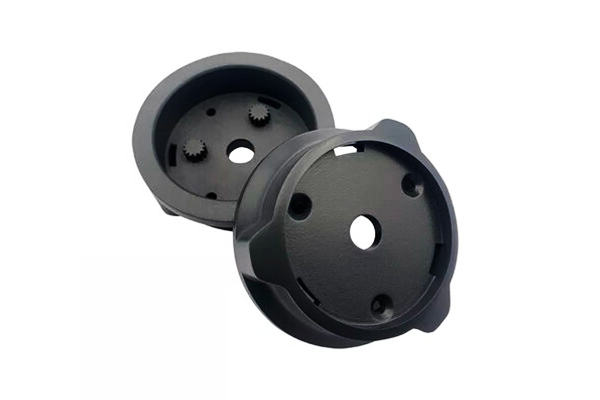
Độ ẩm là yếu tố thực tế quan trọng nhất cần cân nhắc đối với vật liệu nylon.
Cơ chế & kích cỡ
- Nylon hấp thụ nước bằng cách khuếch tán vào các vùng vô định hình; hàm lượng cân bằng phụ thuộc vào độ ẩm và nhiệt độ tương đối.
- Sự hấp thụ nước cân bằng điển hình: PA6 ~1,5–2,5% trọng lượng (điều kiện phòng), PA66 cao hơn một chút; PA11/PA12 << 1% (lợi thế nylon chuỗi dài).
Tác dụng lên thuộc tính
- Độ cứng và sức mạnh giảm vì nước đóng vai trò như chất làm dẻo (mô đun giảm 10–30% ở trạng thái cân bằng).
- Độ dẻo dai và độ giãn dài thường tăng, giảm độ giòn.
- Thay đổi chiều (sưng tấy) có thể đáng kể (hàng trăm µm cho các bộ phận nhỏ) và phải được điều chỉnh theo thiết kế hoặc điều hòa sau.
- Xử lý hàm ý: các bộ phận đúc phải được điều hòa ở độ ẩm sử dụng dự kiến trước khi kiểm tra lần cuối; sấy khô trước khi đúc là điều cần thiết để tránh thủy phân (sự cắt chuỗi) trong sự tan chảy.
Quy tắc thực hành
- Đối với các bộ phận quan trọng về kích thước, chỉ định giao thức điều hòa (VÍ DỤ., khô: 0.05% Độ ẩm, có điều kiện: 23°C/50% RH cho đến khi cân bằng).
- Hãy xem xét nylon chuỗi dài (PA11/PA12) hoặc các lớp đầy để giảm độ hút ẩm.
6. Kháng hóa chất và tính chất điện
- Kháng hóa chất: nylon chống lại hydrocarbon, dầu, mỡ và nhiều dung môi.
Họ là bị tấn công bởi axit mạnh, chất oxy hóa mạnh và một số dung môi halogen hóa - đặc biệt ở nhiệt độ cao.
Khả năng tương thích của nhiên liệu và thủy lực phụ thuộc vào cấp độ và điều kiện tiếp xúc; ngâm lâu dài yêu cầu xác nhận. - Tính chất điện: cách điện tốt khi khô; hằng số điện môi và tiếp tuyến tổn hao thay đổi theo độ ẩm, vì vậy các ứng dụng điện yêu cầu môi trường được kiểm soát độ ẩm hoặc đóng gói kín.
7. Phương pháp chế biến và sản xuất
Quy trình chung
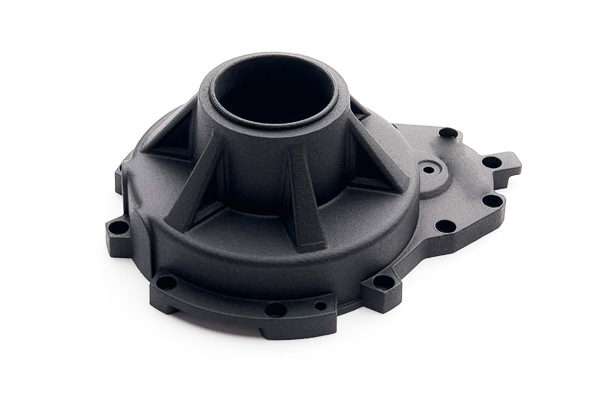
- Đúc phun: chiếm ưu thế cho hình dạng phức tạp và khối lượng lớn. Xử lý nhiệt độ nóng chảy: PA6 ~230–260°C; PA66 ~260–280 °C (điểm bắt đầu - xác nhận mỗi lớp).
Khuôn thường được giữ ấm (60–90°C) để kiểm soát sự kết tinh và giảm độ chìm. - Phun ra: que, ống, hồ sơ và phim.
- Đúc thổi/đúc nhiệt: cho các lớp cụ thể (ống PA12, dòng nhiên liệu).
- Kéo sợi: sợi nylon dùng cho ngành dệt và băng công nghiệp.
- Gia công: nylon có thể được gia công từ vật liệu ép đùn; hình học dụng cụ và kiểm soát chip rất quan trọng do tính dẻo.
Kiểm soát xử lý khóa
- Sấy khô: chất liệu nylon phải được sấy khô (độ ẩm mục tiêu điển hình <0.2%) trước khi xử lý nóng chảy để ngăn chặn quá trình thủy phân và độ bóng bề mặt kém; lịch trình sấy khác nhau (VÍ DỤ., 80–100°C trong vài giờ).
- Độ ổn định nóng chảy: tránh thời gian cư trú quá nhiều và độ cắt cao để ngăn chặn sự xuống cấp.
- Thiết kế cổng/dòng chảy: quản lý các đường hàn và giảm thiểu sự định hướng dẫn đến tính chất bất đẳng hướng.
8. Nylons gia cố và đặc biệt
Chất độn và chất đồng trùng hợp hiệu suất vật liệu nylon phù hợp:
- Nylon chứa đầy thủy tinh (20–50% GF): tăng mô đun và độ ổn định kích thước, tăng HDT, nhưng làm giảm độ bền va đập và tăng độ mài mòn trên các bộ phận giao phối.
- Chất độn khoáng (bột talc, MICA): tăng độ cứng vừa phải và cải thiện khả năng chống leo.
- Các loại bôi trơn bằng PTFE hoặc than chì: hệ số ma sát thấp hơn và giảm mài mòn trong các ứng dụng trượt.
- chống cháy, Các loại ổn định tia cực tím và ổn định thủy phân có sẵn cho các môi trường đòi hỏi khắt khe.
- Hỗn hợp polyamit và copolyme (VÍ DỤ., PA6/PA66, PA6T) tối ưu hóa khả năng xử lý và hiệu suất nhiệt.
9. Ưu điểm và hạn chế của chất liệu nylon
Ưu điểm của nylon
- Sức mạnh và độ bền cao
Độ bền kéo điển hình dao động từ 50MP90 MPA (điểm gọn gàng), với khả năng chống va đập và hiệu suất mỏi tuyệt vời. - Khả năng chống mài mòn và mài mòn tốt
Đặc biệt hiệu quả trong bánh răng, ống lót, và các bộ phận trượt; lớp bôi trơn tiếp tục cải thiện hành vi ma sát. - Nhẹ với độ cứng tốt
Mật độ thấp (~1,13–1,15 g/cm³), trong khi độ cứng có thể được tăng lên đáng kể bằng cách sử dụng chất độn thủy tinh hoặc khoáng chất. - Kháng hóa chất
Chịu được dầu, nhiên liệu, và nhiều hiđrocacbon, làm nylon thích hợp cho môi trường ô tô và công nghiệp. - Tiết kiệm chi phí và dễ dàng xử lý
Tương thích với ép phun và ép đùn, với nhiều loại có sẵn trên thị trường. - Tùy biến cao
Các thuộc tính có thể được điều chỉnh thông qua chất độn, quân tiếp viện, chất ổn định, và chất bôi trơn.
Hạn chế của nylon
- Hấp thụ độ ẩm (giới hạn khóa)
Nylon có tính hút ẩm; hấp thụ độ ẩm (tiêu biểu 1–3 wt%) làm giảm độ cứng và sức mạnh và gây ra sự thay đổi kích thước. - Giới hạn nhiệt độ
Nhiệt độ làm việc liên tục thường là dưới 120°C cho các lớp tiêu chuẩn; tính chất bị suy giảm ở nhiệt độ cao hơn. - Leo dưới tải liên tục
Tải dài hạn, đặc biệt là ở nhiệt độ hoặc độ ẩm cao, có thể dẫn đến biến dạng. - Sự bất ổn về chiều
Cấu trúc bán tinh thể và độ nhạy ẩm có thể gây cong vênh và sai lệch dung sai. - Độ nhạy hóa học
Khả năng chống chịu axit mạnh kém, chất oxy hóa, và một số dung môi mạnh. - Độ nhạy xử lý
Cần sấy khô kỹ trước khi đúc để tránh bị thủy phân và mất tính chất cơ học.
10. Ứng dụng của vật liệu nylon
- ô tô: lượng đa tạp (PA6/6T), đường nhiên liệu và phanh (PA11/PA12), Động cơ bìa, bánh răng và vòng bi.
- Máy móc công nghiệp: ống lót, con lăn, Mặc miếng đệm, Các thành phần băng tải.
- Hàng tiêu dùng & thiết bị: Bánh răng, bản lề, buộc chặt, lông bàn chải đánh răng (sợi).
- Điện & Điện tử: quan hệ cáp, đầu nối (khi độ ẩm được kiểm soát).
- Dệt may và vật liệu tổng hợp: sợi, dây chão, và ma trận tổ hợp gia cố.
- Thuộc về y học: PA12 dùng cho một số thiết bị y tế (áp dụng các cân nhắc về khả năng tương thích sinh học và khử trùng).
11. So sánh với các loại nhựa kỹ thuật khác
| Tài sản / Tiêu chí | Nylon (PA6 / PA66) | POM (Acetal) | PTFE (Teflon) | PEEK | PBT | UHMW-HOẶC |
| Tỉ trọng (g · cm⁻³) | 1.12Mạnh1.15 | ≈1,40–1,42 | ≈2,10–2,16 | ≈1,28–1,32 | ≈1,30–1,33 | ≈0,93–0,95 |
| Độ bền kéo (MPA) | 50Mạnh90 | 50Mạnh75 | 20–35 | 90Mạnh110 | 50Mạnh70 | 20Mạnh40 |
| mô đun Young (GPA) | 2.5Cấm3.5 | 2.8Cấm3.5 | 0.3Cấm0.6 | 3.6–4.1 | 2.6Ăn33.2 | 0.8Mạnh1.5 |
| Tan chảy / nhiệt độ dịch vụ điển hình (° C.) | Tm ≈215 (PA6) / dịch vụ ≈80–120 | Tm ≈165–175 / dịch vụ ≈80–100 | Tm ≈327 / dịch vụ lên tới ≈260 (giới hạn cơ học) | Tm ≈343 / dịch vụ ≈200–250 | Tm ≈220–225 / dịch vụ ≈120 | Tm ≈130–135 / dịch vụ ≈80–100 |
| hấp thụ nước (wt%, tương đương.) | ≈1,5–2,5% (PA6) | ≈0,2–0,3% | ≈0% | ≈0,3–0,5% | ≈0,2–0,5% | ≈0,01–0,1% |
| Hệ số ma sát (khô) | 0.15Cấm0,35 | 0.15Cấm0,25 | 0.04Cấm0.15 (Rất thấp) | 0.15Tiết0.4 | 0.25Cấm0,35 | 0.08Cấm0,20 |
| Mặc / ma sát học | Tốt (có thể cải thiện bằng chất độn) | Xuất sắc (bánh răng/ống lót) | Nghèo (cải thiện với chất làm đầy) | Xuất sắc (điền tốt nhất) | Tốt | Xuất sắc (chống mài mòn) |
| Kháng hóa chất | Tốt cho hydrocarbon; axit/chất oxy hóa từ yếu đến mạnh | Tốt với nhiên liệu/dung môi | Nổi bật (gần như phổ quát) | Xuất sắc (phương tiện truyền thông hung hăng) | Tốt | Rất tốt |
Khả năng gia công |
Tốt (có thể gia công) | Xuất sắc | Hội chợ (có thể gia công từ phôi) | Tốt (cứng rắn nhưng có thể gia công được) | Tốt | Thách thức (keo) |
| Độ ổn định kích thước | Vừa phải (hút ẩm) | Rất tốt (hút ẩm thấp) | Xuất sắc | Xuất sắc | Tốt | Rất tốt |
| Các ứng dụng điển hình | Bánh răng, Vòng bi, vỏ, ống (PA11/12) | Bánh răng, ống lót chính xác, thành phần nhiên liệu | Hải cẩu, lót hóa chất, bề mặt ma sát thấp | Vòng bi nhiệt độ cao, Không gian vũ trụ, Cấy ghép y tế | Đầu nối điện, vỏ | Lớp lót, Mặc miếng đệm, Các thành phần băng tải |
| Gợi ý lựa chọn nhanh | Chọn khi độ cứng và chi phí quan trọng; quản lý độ ẩm | Chọn độ chính xác, bộ phận cơ khí ma sát thấp | Chọn nếu độ trơ hóa học & mức µ thấp nhất là bắt buộc | Chọn nhiệt độ cao & bộ phận quan trọng tải cao | Chọn để có độ ổn định kích thước tốt và dễ đúc | Chọn nơi cần khả năng chống mài mòn và va đập cực cao |
12. Bền vững, vấn đề tái chế và quy định
- Tái chế: Chất liệu nylon có thể tái chế cơ học; PA được thu hồi có thể bị hạ cấp để sử dụng ít quan trọng hơn.
Khử polyme (tái chế hóa chất) các tuyến đường tồn tại và đang phát triển về mặt công nghiệp—chúng có thể phục hồi monome (caprolactam) hoặc các nguyên liệu khác. - Tùy chọn dựa trên sinh học: PA11 (từ dầu thầu dầu) và PA610/1010 (một phần dựa trên sinh học) giảm sự phụ thuộc vào nguyên liệu hóa thạch.
- quy định: tiếp xúc với thực phẩm và sử dụng y tế yêu cầu chứng nhận cấp (FDA, EU) và tuân thủ thử nghiệm chất có thể chiết xuất/có thể lọc khi thích hợp.
- Mối quan tâm về môi trường: đánh giá vòng đời thay đổi tùy theo cấp độ và người phụ trách; hàm lượng chất làm đầy và thủy tinh ảnh hưởng đến khả năng tái chế và năng lượng thể hiện.
13. Kết luận và khuyến nghị thực tế
Nylon (polyamide) là một người trưởng thành, Họ polyme kỹ thuật đa năng giúp cân bằng sức mạnh, độ dẻo dai và khả năng chống mài mòn với khả năng xử lý kinh tế.
Bảng màu đa dạng của các hóa chất — từ PA6 và PA66 đến PA11 và PA12 — cùng với các chất độn và chất bổ trợ, cho phép tinh chỉnh các ứng dụng từ dệt may đến hệ thống ô tô hiệu suất cao.
Những thách thức kỹ thuật chính là quản lý độ ẩm và tính nhạy cảm với hóa chất trong môi trường khắc nghiệt; những điều này được giải quyết bằng cách lựa chọn lớp thích hợp (nylon chuỗi dài), chất làm đầy, phụ cấp sấy khô và thiết kế.
Những tiến bộ liên tục trong tái chế, nguyên liệu sinh học và công nghệ tổng hợp đang mở rộng tính bền vững và phạm vi ứng dụng của nylon.
Câu hỏi thường gặp
PA6 hay PA66 tốt hơn?
PA66 thường có điểm nóng chảy cao hơn, độ cứng cao hơn một chút và khả năng chống leo tốt hơn; PA6 dễ xử lý hơn và có thể cứng hơn. Chọn dựa trên các hạn chế về nhiệt độ và xử lý.
Tôi nên chỉ định nylon để kiểm soát kích thước như thế nào?
Chỉ định trạng thái điều hòa để kiểm tra (VÍ DỤ., “có điều kiện 23 ° C., 50% RH cho đến khi cân bằng”), và cung cấp dung sai giải thích cho sự phồng lên và dị hướng của khuôn do độ ẩm.
Vật liệu nylon có thể được sử dụng trong đường dẫn nhiên liệu?
Có—PA11 và PA12 thường dùng cho ống nhiên liệu và thủy lực do khả năng hút ẩm thấp và kháng hóa chất tốt. Luôn xác nhận với chất lỏng và nhiệt độ cụ thể.
Nylon chứa đầy thủy tinh có thể tái chế được không?
Về mặt máy móc, Đúng, nhưng hàm lượng thủy tinh thay đổi, độ nhớt tan chảy và khả năng giữ lại đặc tính; nylon chứa đầy thủy tinh tái chế thường được sử dụng trong các ứng dụng ít đòi hỏi khắt khe hơn trừ khi được tái chế về mặt hóa học.
Làm thế nào để ngăn chặn sự thủy phân trong quá trình đúc?
Làm khô nhựa hoàn toàn theo thông số kỹ thuật của nhà cung cấp và hạn chế thời gian lưu nóng chảy cũng như nhiệt độ thùng quá cao.