1. Giới thiệu
Nickel-based superalloys are the workhorses of modern high-temperature and corrosive-service engineering.
Two of the most widely used are Bất tiện 718 (Hoa Kỳ N07718) Và Bất tiện 625 (Hoa Kỳ N06625).
Both are nickel-chromium alloys, but they were engineered for different primary performance goals: 718 for very high strength and creep/fatigue resistance in the 400–700 °C range, Và 625 for exceptional corrosion/oxidation resistance and high-temperature stability.
This article compares them from metallurgy through application, supplying data and practical guidance so engineers can choose the right alloy for a given service envelope.
2. Why compare these two alloys?
Thoạt nhìn, Bất tiện 718 Và Bất tiện 625 are both “nickel superalloys,” but that similarity belies fundamentally different design philosophies and failure-mode envelopes.
Comparing them is not academic — it is a practical engineering step that directly determines safety margins, inspection intervals, manufacturing cost and whole-of-life economics.
Different design intents, different strengths
- Bất tiện 718 was deliberately engineered for mechanics: it is a precipitation-hardening alloy optimized to produce a very fine, coherent dispersion of γ″/γ′ precipitates after solution + Lão hóa.
The result is exceptional tensile and yield strength, very good fatigue performance, and strong creep resistance in the roughly 400Mạnh700 ° C. phạm vi.
That combination is why 718 is ubiquitous in rotating machinery, high-load fasteners, turbine components and aerospace structural items where cyclic mechanical stresses and dwell loads dominate the failure spectrum. - Bất tiện 625 was engineered for environmental stability: cao TRONG + MO + NB levels produce marked solid-solution corrosion and oxidation resistance, together with microstructural stability at elevated temperatures.
625 is therefore the logical choice when the prime hazards are Tấn công hóa học, pitting/crevice corrosion, chloride-induced SCC, or very aggressive oxidizing atmospheres, and where extensive welding or field repairs are expected.
3. Điều gì là bất tiện 718?
Bất tiện 718 (CHÚNG TA N07718) is a nickel-chromium-iron superalloy that was engineered as a Độ bền cao, nhiệt độ cao structural material.
Its defining attribute is that it is precipitation-hardenable: after solution treatment and a controlled aging cycle it precipitates fine,
coherent Ni₃Nb (C ") and Ni₃(Al,Của) (C ') particles that produce very high yield and tensile strength while retaining useful ductility and fracture toughness.
Because of that combination — plus good oxidation resistance — 718 is a standard choice for highly stressed parts in aerospace, sản xuất điện, dầu & gas and space applications.
Các tính năng chính
- Precipitation hardening for exceptional strength.
When properly heat treated, 718 develops a dense dispersion of γ″/γ′ precipitates.
Typical peak-aged tensile strengths are in the ~1.2–1.4 GPa range and 0.2% yield strengths around ~1.0–1.1 GPa (values depend on product form and temper).
Điều này làm cho 718 one of the strongest age-hardening Ni-based alloys usable at elevated temperatures. - Good creep and fatigue resistance at intermediate high temperatures.
Its designed service window is roughly 200Mạnh700 ° C.; 718 retains superior creep/rupture life and fatigue endurance in that band compared with solid-solution alloys. - Balanced toughness and ductility for structural use.
Despite high strength, peak-treated 718 maintains workable elongation (thông thường >10% depending on condition) and fracture toughness adequate for rotating and load-bearing parts. - Acceptable corrosion and oxidation resistance.
Its Cr/Ni balance gives reasonable resistance to oxidation and many industrial atmospheres, mặc dù pitting and chloride-induced SCC resistance is inferior to high-Mo alloys (VÍ DỤ., Bất tiện 625). - Form factors & supply forms.
Widely available as forgings, thanh, đĩa, tờ giấy, tubing and investment castings. Aerospace applications often use forged or wrought forms with tight metallurgical control. - Fabrication considerations.
718 is weldable, but welding alters the age-hardening microstructure; post-weld solution and aging treatments are typically required for critical, Các thành phần cường độ cao.
Trong điều kiện già 718 is relatively hard to machine; manufacturers often supply it solution-treated for fabrication and then age after final machining. - Các ứng dụng điển hình (minh họa): turbine discs and shafts, high-strength fasteners and bolts, rocket motor structures, hot-section components requiring both strength and toughness.
4. Điều gì là bất tiện 625?
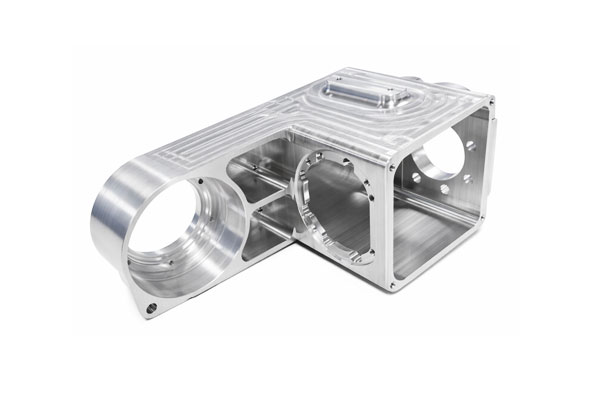
Bất tiện 625 (CHÚNG TA N06625) là một loại niken cao, high-molybdenum, niobium-stabilized alloy formulated for exceptional corrosion resistance and thermal stability.
Không giống như 718, 625 obtains its performance primarily through tăng cường dung dịch rắn (high Ni content with Mo/Nb additions) rather than by a precipitation-hardening route.
The alloy is renowned for resisting pitting, crevice corrosion and chloride stress-corrosion cracking; it is also easy to weld and fabricate, which has made it a workhorse in chemical processing, subsea and nuclear environments.
Các tính năng chính
- Kháng ăn mòn nổi bật.
Ni cao + MO + Nb chemistry gives excellent resistance to rỗ, crevice corrosion and chloride SCC, and strong performance in many reducing and oxidizing acids and seawater environments.
Điều này làm cho 625 a default choice where corrosion drives failure risk. - Solid-solution stability & high-temperature oxidation resistance.
The stable austenitic matrix resists phase changes and embrittling intermetallics over a wide temperature range.
625 is frequently specified where chemical stability or oxidation resistance at elevated temperatures được yêu cầu (service up to ~900 °C in some oxidation environments,
although long-term load-bearing (leo) capability is lower than 718 in the 400–700 °C band). - Excellent weldability and repairability.
625 is forgiving to fusion welding and typically does not require post-weld aging to recover properties, simplifying fabrication and field repairs.
It is commonly used as weld filler or for cladding/overlay applications when corrosion resistance is required on a structurally different substrate. - Good ductility and toughness.
In the annealed condition 625 typically displays elongations ~30% and moderate hardness (≤~240 HB), facilitating forming and machining compared with hardened 718. - Form factors & supply forms.
Readily available in plate, đường ống, thanh, ống, weld consumables and cast forms; used widely for cladding and corrosion-resistant linings. - Các ứng dụng điển hình (minh họa): subsea valves and fittings, chemical-process heat exchangers and piping, Thành phần hạt nhân, exhaust components and cladding for corrosion-sensitive parts.
5. Hoá học & metallurgy — what makes each alloy tick
This section gives the practical, engineering-level chemistry for Bất tiện 718 Và Bất tiện 625, and explains how specific elements and their interactions create the alloys’ characteristic microstructures and properties.
Numbers are typical compositional ranges by weight percent used by designers and procurement engineers; always confirm with the supplier’s certified chemical analysis for the batch you buy.
Bất tiện 718 (Hoa Kỳ N07718) — typical specification window
| Yếu tố | Phạm vi điển hình (wt.%) | Ghi chú |
| TRONG | 50.0 - 55.0 | Principal matrix element (Ma trận Austenitic). |
| Cr | 17.0 - 21.0 | Quá trình oxy hóa và chống ăn mòn; stabilizes matrix. |
| Fe | bal. (≈ 17 - 21 đặc trưng) | Balance element; biến. |
| NB + Phải đối mặt | 4.75 - 5.50 | Primary strengthening element (γ″ formation). |
MO |
2.80 - 3.30 | Solid-solution strengthener; contributes to corrosion resistance. |
| Của | 0.65 - 1.15 | Contributes to γ′ and carbide chemistry; works with Al. |
| Al | 0.20 - 0.80 | γ′ former; helps high-temperature strength. |
| C | ~0.03 – 0.08 | Carbide former — controlled to limit grain-boundary carbides. |
Mn |
≤ 0.35 | Impurity/ minor alloying. |
| Và | ≤ 0.35 | Impurity/ deoxidizer residual. |
| S, P | dấu vết (Rất thấp) | Kept minimal to avoid embrittlement. |
| B, Zr (dấu vết) | very small ppm levels | Controlled trace additions (B ~0.003–0.01%) may be present to improve creep/ grain-boundary properties. |
Bất tiện 625 (Hoa Kỳ N06625) — typical specification window
| Yếu tố | Phạm vi điển hình (wt.%) | Ghi chú |
| TRONG | ≥ 58.0 (THĂNG BẰNG) | Dominant matrix element (high-Ni austenite). |
| Cr | 20.0 - 23.0 | Chống ăn mòn/oxy hóa. |
| MO | 8.0 - 10.0 | Major contributor to pitting/crevice resistance and solid-solution strengthening. |
| NB + Phải đối mặt | 3.15 - 4.15 | Nb stabilizes carbides and improves strength/corrosion resistance. |
Fe |
≈ ≤ 5.0 | Minor balance element. |
| C | ≤ 0.10 | Kept low; carbides controlled. |
| Mn, Và | ≤ 0.5 mỗi | Minor constituents (deoxidation and process residuals). |
| N | typically very low (kiểm soát) | Nitrogen may be controlled to improve strength/pitting resistance in some sub-grades. |
| S, P | dấu vết (Rất thấp) | Minimized to avoid embrittlement/segregation. |
6. Cấu trúc vi mô & strengthening mechanisms
- 718: Age-hardening alloy. The principal hardening phase is the metastable Ni₃Nb (C "), with a contribution from Ni₃(Al,Của) (C ').
Proper solution treatment + aging produces a fine, dense precipitate distribution that pins dislocations and yields high yield/tensile strength and creep resistance.
Control of δ-phase (orthorhombic Ni₃Nb) and carbides matters because coarse δ or carbides reduce toughness and ductility. - 625: Solid-solution strengthened with some short-range ordering from Nb and Mo; nó làm không rely on a precipitation-hardening cycle.
The microstructure is a stable austenitic (hình khối tập trung vào khuôn mặt) matrix with high Ni content that resists phase transformations and maintains toughness and ductility even after welding or at elevated temperatures.
This stability also helps avoid embrittling phases in many environments.
7. Tính chất cơ học: Bất tiện 718 vs Inconel 625
(Tiêu biểu, nominal values — always confirm with mill/ supplier certificates for your exact product form and temper.)
| Tài sản | Bất tiện 718 (solution treated & già) | Bất tiện 625 (Ăn / đặc trưng) |
| CHÚNG TA | N07718 | N06625 |
| Tỉ trọng (g · cm⁻³) | ~8.19. | ~8.44. |
| Độ bền kéo (RM) | ≥ ~1,200–1,380 MPa typical (già). | ~690–930 MPa (Ăn, phụ thuộc vào sản phẩm). |
| Sức mạnh năng suất (0.2% bù lại) | ≥ ~1,030 MPa (già) đặc trưng. | ~275–520 MPa (Ăn, ranges depend on product/form). |
Kéo dài |
≥ ~12% (già; condition dependent). | ~ 30% (annealed typical). |
| Độ cứng | ≈ 330–380 HB (được xử lý nhiệt). | ≈ ≤240 HB (Ăn). |
| Typical high-use temperature (cấu trúc) | Excellent up to ~650–700 °C for load-bearing service. | Used in hotter/oxidizing services up to ~900 °C for oxidation/corrosion resistance, but creep strength lower than 718 at moderate temps. |
Phiên dịch:
718 is markedly stronger in the heat-treated condition (higher yield and tensile strength), trong khi 625 offers better ductility and corrosion performance with reasonable strength in the annealed state.
8. High-Temperature Performance Comparison
High-temperature performance is a compound measure: kháng oxy hóa, độ ổn định pha, short- and long-term strength (creep and rupture), Mệt mỏi nhiệt, and dimensional stability under thermal cycling all matter.
| Diện mạo | Bất tiện 718 | Bất tiện 625 |
| Design/structural temperature window | Best structural use ≈ 200–650/700 °C (precipitation-hardened strength and creep resistance). | Solid-solution stability up to nhiệt độ cao hơn (~800–980 °C) for corrosion/oxidation service, Nhưng lower creep strength hơn 718 in the 400–700 °C range. |
| Creep/rupture strength | Thượng đẳng in 400–700 °C range because of γ″/γ′ precipitates; proven long-term creep resistance when correctly heat treated. | Vừa phải; good for some high-T applications but inferior creep strength under high stress vs 718. |
| Ổn định nhiệt / độ ổn định pha | Requires controlled heat treatment; excessive exposure near δ-formation ranges (~650–980 °C) can precipitate δ/Laves phases that degrade toughness. | Microstructure is more thermally stable (no γ″ precipitation to dissolve); less sensitive to typical welding/thermal cycles. |
Kháng oxy hóa |
Tốt (chromia-forming), but limited at extreme oxidizing conditions vs some higher-Ni/Mo alloys. | Xuất sắc, especially in oxidizing or sulfidizing atmospheres because of high Ni+Mo and stable scale formation. |
| Thermal fatigue (cycling) | Good when design keeps temperature within precipitate-stable range; fatigue resistance benefits from high strength. | Good resistance to thermal cycling from oxidation/scale spallation perspective; lower stress fatigue performance under high mechanical load. |
| Typical engineering consequence | Use where mechanical life (leo, Mệt mỏi, vỡ) controls design. | Use where environmental stability (corrosion/oxidation at elevated T) and weldability control design. |
9. Heat-Treatment Comparison
Heat treatment is the single most important processing step for 718 and a relatively simple step for 625.
The chosen cycles define microstructure, hành vi cơ học, và ổn định lâu dài.
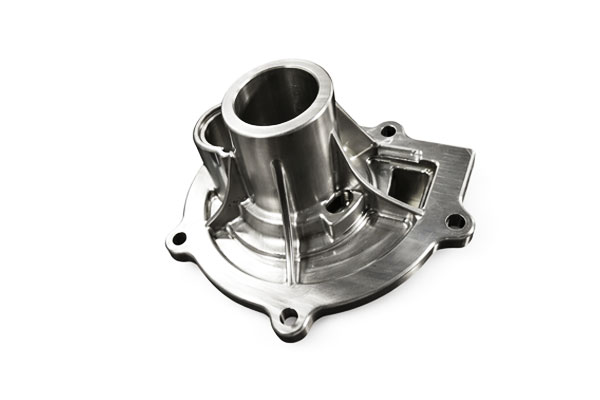
Bất tiện 718 (kết tủa cứng)
- Điều trị giải pháp: dissolve undesirable Laves/δ and solute atoms — typical range 980–1,020 °C (some specs use 1,030 ° C.), hold to equalize chemistry, then water-quench.
This produces a homogeneous γ matrix with solute in solid solution. - Lão hóa (two-step, common commercial practice): first aging at ~720–740 °C trong vài giờ, controlled cooling to ~620–650 °C with a further hold, then air cool to ambient.
This sequence produces the C " (N₃nb) dominant precipitates and some γ′.
Many OEMs use a standard “718 aging” such as 720 ° C × 8 h → cool to 620 ° C × 8 h → air cool (times/temps vary by spec and section thickness). - Sensitivities: incorrect solutionizing, insufficient quench rate, qua- or under-aging produce coarse precipitates, δ phase or Laves that reduce toughness and fatigue life.
Điều trị nhiệt sau hàn (PWHT) is frequently required for critical assemblies to re-establish peak properties.
Bất tiện 625 (Giải pháp ủ / Ăn)
- Ủ / xử lý giải pháp: common to anneal or solution treat 625 Tại ≈980–1,150 °C to dissolve any precipitates or homogenize segregation, Sau đó không khí mát; the alloy generally does not require aging to gain strength.
- Sensitivities: 625 is tolerant of welding and thermal excursions; avoid prolonged exposure in ranges that might promote deleterious intermetallics if unusual alloy additions are present.
For improved creep or specific microstructures, specialized sub-grades or processing may be specified.
10. Ăn mòn, Quá trình oxy hóa, and Environmental Resistance
- Bất tiện 625: outstanding resistance to rỗ, crevice corrosion and chloride-induced stress-corrosion cracking thanks to high Ni + Mo and Nb levels.
It resists a wide range of reducing and oxidizing acids, seawater and many aggressive media — that is why it’s common in chemical processing, subsea and nuclear applications. - Bất tiện 718: good general corrosion and oxidation resistance (good Cr/Ni levels) Nhưng not as intrinsically resistant to pitting or chloride SCC as 625. 718 is often used where corrosion exposure is moderate but where mechanical performance dominates.
Nếu như 718 must be used in severe corrosive settings, protective measures (lớp phủ, design details) or alloy alternatives (625, 625 ốp, or higher-Mo alloys) are considered.
11. Sự chế tạo, Hàn, and Manufacturability
Fabrication behavior drives manufacturability, repairability, và chi phí. Below are practical, high-value notes.
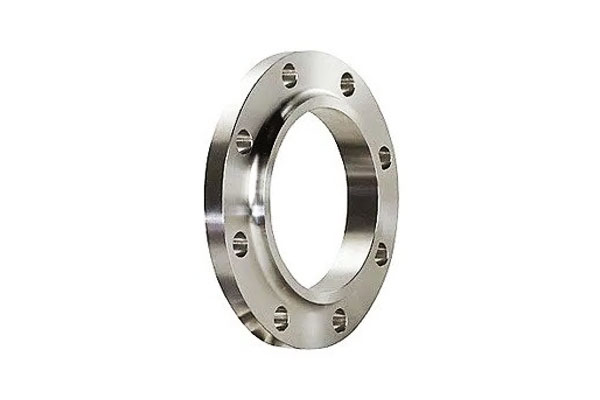
Hàn & tham gia
Bất tiện 625
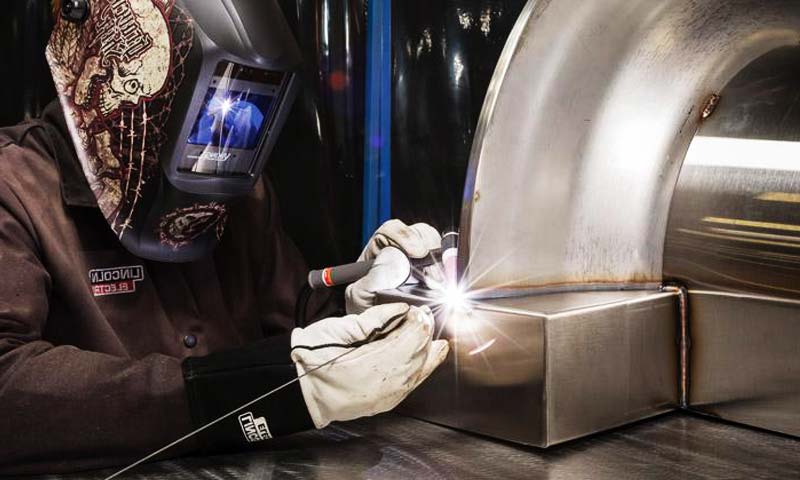
- Khả năng hàn tuyệt vời. Tolerant of common fusion welding processes (GTAW / TURN, GMAW/MIG, Smaw).
- Kim loại phụ: commonly welded with matching Ni-Cr-Mo fillers (VÍ DỤ., commercial ERNiCrMo-type consumables) to retain corrosion resistance.
- No mandatory aging: welds generally do không require post-weld aging for corrosion or toughness recovery; toughness and ductility remain high.
- Common use as filler/clad: because of this weld tolerance, 625 is used widely as weld overlay/cladding to protect substrates.
Bất tiện 718
- Weldable but sensitive. Welding disturbs the precipitate distribution; Điều trị nhiệt sau hàn (PWHT) or at minimum an appropriate aging cycle is often required for critical parts to recover mechanical properties.
- Kim loại phụ: use matching Ni-Cr-Fe-Nb fillers formulated for 718 to minimize dilution effects.
- HAZ control: the heat-affected zone can form δ/Laves or coarsen precipitates—control interpass temps and use qualified WPS/PQR.
- Repair complexity: field repairs are possible but must be planned with PWHT capability if recovery of strength is required.
Machinability and forming
- Khả năng gia công: both are more difficult to machine than carbon steels; 718 in the aged/hardened condition is markedly harder.
Typical practice is to máy móc 718 in solution-treated (mềm mại) tình trạng, then perform final aging. 625 (Ăn) machines and forms more readily.
Use high-performance tooling, tốc độ cắt thấp, and flood cooling to minimize work hardening and tool wear. - Hình thành: 625 offers excellent ductility for forming operations; 718 must be formed in soft condition before aging. Làm việc lạnh 718 after aging can cause cracking.
Sản xuất phụ gia (LÀ) & Lớp luyện kim bột
- AM suitability: both alloys are widely used in laser-powder bed fusion (LPBF) and directed-energy deposition (DED) quá trình.
-
- 718: widely used in AM for aerospace; requires careful control of thermal history and post-build solution + Lão hóa and often HIP to remove porosity and develop full strength.
- 625: popular in AM for complex corrosion-resistant components; LÀ 625 often requires HIP/solutionizing for best ductility and defect closure but no precipitation aging.
- AM risks: Độ xốp, anisotropy and residual stress—specify HIP, heat treatment and NDT for critical parts.
12. Trị giá, availability and standards
- Chi phí vật liệu: varies with nickel and molybdenum market prices. In some markets Inconel 625 (higher Ni & MO) can be more expensive per kg than 718,
but total life-cycle cost (including maintenance and replacement) often favors 625 when corrosive environments would shorten component life.
Check current commodity pricing and supplier lead times. - Có sẵn & specs: both alloys are standardized and widely available in bars, rèn, đĩa, tube and weld filler forms.
Typical references: Hoa Kỳ N07718 (718) and UNS N06625 (625) and ASTM/ASME product specifications — verify the specific product standard required for procurement.
13. Ứng dụng của Inconel 718 vs Inconel 625
Cả hai Bất tiện 718 Và Bất tiện 625 are widely used across high-performance engineering industries.
Không gian vũ trụ và hàng không
- Gas turbine discs and compressor rotors (Bất tiện 718)
- Turbine shafts, high-strength fasteners, và bu lông (Bất tiện 718)
- Aircraft engine exhaust systems and thrust reverser components (Bất tiện 625)
- Combustor liners and ducting exposed to oxidation and thermal cycling (Bất tiện 625)
Dầu & Gas and Subsea Engineering
- High-pressure wellhead components and downhole tools (Bất tiện 718)
- Subsea fasteners and structural connectors subjected to high loads (Bất tiện 718)
- Đường ống ngầm, flexible risers, and cladding for offshore equipment (Bất tiện 625)
- Seawater injection systems, Van ngầm, and manifolds (Bất tiện 625)
Sản xuất điện (Gas Turbine and Nuclear)
- Gas turbine rotor components and high-temperature bolts (Bất tiện 718)
- Steam turbine fasteners and structural supports (Bất tiện 718)
- Heat-exchanger tubing, Bellows, và các khớp mở rộng (Bất tiện 625)
- Nuclear reactor coolant system piping and structural components (Bất tiện 625)
Chemical Processing and Petrochemical Industry
- Reactor internals and high-strength fasteners exposed to thermal cycling (Bất tiện 718)
- Pressure vessel components requiring structural reliability (Bất tiện 718)
- Acid-handling equipment, bơm, và van (Bất tiện 625)
- Heat-exchanger tubing and chemical process piping (Bất tiện 625)
Marine and Offshore Infrastructure
- High-strength marine fasteners and connectors (Bất tiện 718)
- Subsea structural hardware exposed to cyclic loads (Bất tiện 718)
- Seawater-exposed components such as pump shafts and propeller elements (Bất tiện 625)
- Offshore platform piping systems and corrosion-resistant cladding (Bất tiện 625)
Automotive and High-Performance Motorsports
- Turbocharger turbine wheels and high-strength exhaust fasteners (Bất tiện 718)
- Racing engine valve components and structural exhaust hardware (Bất tiện 718)
- Exhaust systems and thermal shielding components (Bất tiện 625)
- High-temperature piping and manifolds (Bất tiện 625)
Additive Manufacturing and Advanced Engineering
- Complex aerospace structural parts produced by additive manufacturing (Bất tiện 718)
- High-strength lattice structures and turbine components (Bất tiện 718)
- Corrosion-resistant AM components for chemical processing equipment (Bất tiện 625)
- Custom heat-exchanger and flow-path components (Bất tiện 625)
14. Bất tiện 718 vs Inconel 625 — Key Differences
Ghi chú: values are representative engineering ranges from typical supplier datasheets and engineering references.
Always confirm exact composition, mechanical data and heat-treatment schedules from the supplier’s MTR and applicable specifications before final design or procurement.
| Topic | Bất tiện 718 | Bất tiện 625 |
| Primary design intent | Cao Sức mạnh cấu trúc, leo & fatigue resistance in the ~200–700 °C band (precipitation-hardening alloy). | Ăn mòn / kháng oxy hóa and high-temperature environmental stability; Giải pháp rắn được tăng cường. |
| CHÚNG TA | Hoa Kỳ N07718 | Hoa Kỳ N06625 |
| Strengthening mechanism | Lượng mưa cứng | Tăng cường giải pháp rắn |
| Độ bền kéo điển hình (RM) | ~1,200–1,380 MPa (peak aged; phụ thuộc vào sản phẩm). | ~690–930 MPa (Ăn; phụ thuộc vào sản phẩm). |
| Sức mạnh năng suất điển hình (0.2% bù lại) | ~1,000–1,100 MPa (già). | ~275–520 MPa (Ăn; wide range by product). |
| Độ cứng (typical HB) | ~330–380 HB (aged/hardened). | ≤ ~240 HB (Ăn). |
Tỉ trọng |
~8.19 g · cm⁻³ | ~8.40–8.44 g·cm⁻³ |
| Useful structural temperature | Best structural/cyclic service up to ~650–700 °C. | Good environmental stability/oxidation resistance to nhiệt độ cao hơn (~800–980 °C), but lower creep strength under high stress. |
| Leo / rupture performance | Thượng đẳng in 400–700 °C range (designed for creep resistance). | Vừa phải; performs well for corrosion/oxidation stability but inferior creep strength vs 718 at moderate T. |
| Rỗ / kẽ hở / Kháng clorua | Good general corrosion resistance but less resistant to pitting/SCC vs high-Mo alloys. | Xuất sắc pitting/crevice and chloride SCC resistance (high Mo + TRONG + NB). |
Kháng oxy hóa |
Tốt (chromia forming), but less robust in the harshest oxidizing/sulfidizing atmospheres vs 625. | Excellent oxidation and sulfidation resistance in many aggressive atmospheres. |
| Khả năng hàn / Sửa chữa | Weldable but sensitive — welding disturbs precipitates; PWHT and controlled aging often required for critical parts. | Khả năng hàn tuyệt vời; retains toughness and corrosion resistance after welding; often used as filler/clad. |
| Sự chế tạo / khả năng gia công | Difficult in aged condition; tiêu biểu machined in solution-treated (mềm mại) tình trạng then aged. | More ductile and easier to form/machine in annealed condition; favorable for field repairs. |
Heat-treatment requirements |
Phê bình: xử lý giải pháp + controlled aging (two-step aging) to develop γ″/γ′. | Typically used annealed/solutionized; no precipitation aging required for service properties. |
| Typical industries / các thành phần | Aerospace rotating parts, Đĩa tuabin, high-strength fasteners, rocket components, high-load shafts. | Chemical process equipment, subsea valves/manifolds, heat-exchanger tubing, cladding/overlay, Thành phần hạt nhân. |
| Thuận lợi | Very high yield/tensile strength; excellent fatigue and creep life in intended T range. | Outstanding corrosion/pitting resistance; easy welding/repair; thermal/oxidation stability. |
Giới hạn |
Less resistant to aggressive chloride environments; fabrication requires precise heat treatment; higher machining difficulty in aged state. | Lower peak structural strength and creep life at moderate temperatures vs 718; somewhat higher raw-material cost due to Ni/Mo content. |
| Khi nào nên chọn | Khi mechanical life (leo, Mệt mỏi, stress-rupture) is the controlling failure mode. | Khi environmental attack (pitting/crevice/SCC, quá trình oxy hóa) or fabrication/weldability is controlling. |
| Hybrid strategy | Often paired with 625 cladding/inserts where corrosion exposure exists but 718 is required structurally. | Often used as cladding or filler over structural substrates (bao gồm 718 lõi) để bảo vệ ăn mòn. |
15. Kết luận
Câu trả lời ngắn: There is no single “better” alloy — Bất tiện 718 và bất tiện 625 excel at different problems.
Chọn 718 when mechanical life (sức mạnh, fatigue and creep) is the dominant design driver; chọn 625 when environmental resistance (pitting/crevice/SCC, quá trình oxy hóa) and fabrication/weldability are dominant.
Where both demands exist, use a hybrid solution (VÍ DỤ., 718 structural core + 625 cladding/inserts) or evaluate alternate alloys engineered for the combined requirement.
Câu hỏi thường gặp
Which alloy is better for turbine discs and highly stressed fasteners?
Bất tiện 718. Its precipitation-hardening (γ″/γ′) microstructure delivers far superior yield, tensile and creep/fatigue performance in the ~200–700 °C band.
Which alloy should I choose for subsea valves and seawater service?
Bất tiện 625. Ni cao + MO + Nb chemistry provides excellent resistance to pitting, crevice corrosion and chloride SCC in seawater environments.
Can I weld Inconel 718 without post-weld heat treatment?
You Có thể weld it, but for high-strength applications welding disturbs the precipitation state.
For critical components, controlled PWHT (giải pháp + Lão hóa) is often required to restore specified properties.
Which alloy resists stress-corrosion cracking better?
625 generally exhibits better resistance to chloride-induced SCC than 718.
Tuy nhiên, SCC resistance depends on temperature, nhấn mạnh, surface condition and environment—testing is recommended for critical services.
Is a hybrid approach (718 cốt lõi + 625 clad) thực tế?
Yes — a common engineering solution: sử dụng 718 for load-bearing structure and 625 overlay/cladding or inserts to protect exposed surfaces from corrosive attack.
Ensure metallurgical compatibility and qualified welding/cladding procedures.
Which alloy is better for additive manufacturing (LÀ)?
Both are used in AM. 718 is common for high-strength aerospace AM parts but requires careful post-build solution + Lão hóa (and often HIP).
625 is popular for corrosion-resistant AM parts and usually needs HIP/solutionizing for full density but no aging.