Комерційно чистий титан 1 (Клас CP-Ti 1) є найм'якшим і найбільш пластичним зі стандартних комерційно чистих сортів титану.
Його низький рівень інтерстиціальних домішок надає йому виняткову стійкість до корозії, Відмінна формуваність та зварюваність, і висока біологічна інертність.
Сорт 1 вибирається там, де стійкість до корозії, складність, і біосумісність є основними рушійними факторами дизайну, і де висока структурна міцність не потрібна.
1. Що таке Titanium CP-Ti Grade 1?
Клас CP-Ti 1 (Комерційно чистий титан — клас 1) є найм'якшим, найбільш пластичний і найменш інтерстиціальний варіант кованого комерційно чистого титану.
Це по суті нелегований титан із жорсткими обмеженнями на проміжні елементи (кисень, азот, вуглець, водень і незначні домішки).
Матеріал оптимізований для Максимальна стійкість до корозії, формоздатність і біологічна інертність а не для високої міцності.
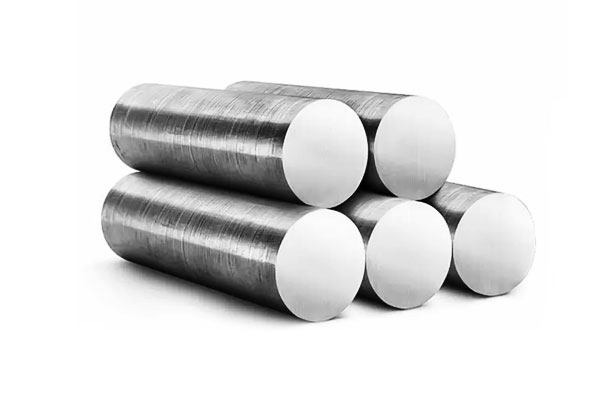
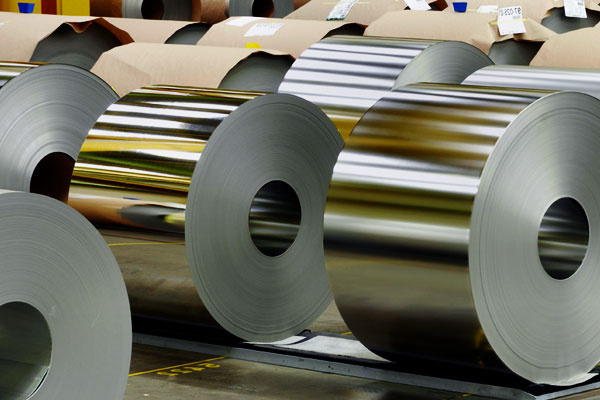
Сорт 1 поставляється у вигляді листа, тарілка, бар, трубка, дроту та формованих компонентів і широко використовується в корозійних середовищах, морська служба, медичні прилади та де потрібне глибоке витягування або складне формування.
Глобальні стандартні еквіваленти — CP-Ti Grade 1
| Стандартна система | Призначення / код | Типова назва(s) використовується в промисловості |
| Нас (США) | R50250 | США R50250 |
| ASTM / Asme (США) | ASTM B265 (Сорт 1) / ASME SB-265; ASTM F67 (специфікація хірургічних імплантатів охоплює 1–4 класи) | Клас CP-Ti 1, ASTM клас 1 |
| З / У (Європа / Німеччина) | Номер матеріалу. 3.7025 / гр 1 | 3.7025, Ти будуєш 1 |
| ГБ / GB-T (Китай) | TA1 (для серії GB/T 3620.x) | TA1 |
| Він є (Японія) | TP270 / TR270 (Сімейство JIS H4600) | Клас JIS 1 / TP270 |
| DIN W-No. / № матеріалу. | 3.7025 | Ti1 / Ти будуєш 1 |
| Спільна торгівля / назви постачальників | - | Клас CP-Ti 1, Ti-1, гр 1, Ti1, TA1, TP270 |
2. Хімічний склад і роль інтерстиціалів
- Основна хімія: Сорт 1 складається з >99% титану за масою. Решта фракції складається з ретельно обмеженої кількості кисню, азот, вуглець, водень і залізо.
- Властивості керування проміжними елементами: Кисень і азот займають міжвузлові центри в гексагональному щільно упакованому (hcp) решітка α-титану.
Невелике збільшення цих міжвузлів призводить до вимірного підвищення текучості та міцності на розрив (інтерстиціальне затвердіння) при одночасному зниженні пластичності, в'язкість до руйнування та здатність до формування.
Цей компроміс є центральним: Сорт 1 вказується з найменшим допустимим вмістом інтерстиціалу для максимізації пластичності та міцності. - Незначні домішки: Вуглець і водень так само впливають на крихкість і повинні бути обмежені; Залізо при низьких рівнях допускається, але більш високий рівень Fe може впливати на корозійну поведінку та ріст зерна під час обробки.
- Практичний зміст: При замовленні Grade 1, дизайнери повинні підтвердити точні межі складу, необхідні для застосування, тому що навіть невеликі варіації кисню або азоту змінять формування та механічні характеристики.
3. Фізичний & Механічні властивості марки CP-Ti 1
| Власність | Типове значення (відпалений, представник) | Одиниці | Нотатки / залежність |
| Щільність | 4.50 | G · CM⁻³ | Номінальна насипна щільність для марки CP-Ti 1 — корисно для розрахунків маси/ваги. |
| Модуль Юнга (Модуль пружності, Е) | 105 | GPA | Відносно низька в порівнянні зі сталями; впливає на відхилення та власну частоту. Мало піддається холодній роботі. |
| Коефіцієнт Пуассона | 0.34 | - | Типове ізотропне наближення для проектування. |
Сила на розрив (UTS) |
240 - 350 | MPA | Сильно залежить від форми продукту (аркуш, бар, трубка) і попередньої холодної роботи; вище при холодній обробці. |
| Похідна сила (0.2% компенсація) | 170 - 275 | MPA | Типові відпалені значення біля нижньої межі; збільшується при холодній роботі. Форму/стан вказуйте при замовленні. |
| Подовження при зламі (%) | 20 - 35 | % | Висока пластичність відпаленого листа/плити; значення падають із збільшенням вмісту кисню або холодною роботою. |
| Твердість за Віккерсом (HV) | ~80 – 160 | HV | Відносно низька твердість серед виробів з титану; залежить від холодної роботи та стану поверхні. |
Твердість за Брінеллем (прибл.) |
~70 – 150 | HB | Приблизний; при необхідності конвертуйте з HV — використовуйте твердість лише як порівняльний показник. |
| Модуль зсуву (G) | ~ 40 | GPA | Корисно для розрахунків кручення та зсуву (G ≈ E / (2(1+п.))). |
| Теплопровідність | ~ 22 | Вт·м⁻¹·K⁻¹ | Низький порівняно зі звичайними конструкційними металами — важливе управління теплом при різанні та зварюванні. |
| Коефіцієнт теплового розширення (20–100 ° C) | ~8,6 | мкм·м⁻¹·K⁻¹ | Впливає на зміни розмірів під впливом температури та біметалічних напруг. |
Питома теплоємність |
~ 520 | Дж·кг⁻¹·K⁻¹ | Актуальний для розрахунків теплової маси та опалення. |
| Температура плавлення | 1668 | ° C | Температура твердого тіла/плавлення (прибл.). |
| Питомий електричний опір (в 20 ° C) | ~420 | nΩ·м (0.42 µω · м) | Відносно високий питомий опір; важливий для проектування електрики/ЕМ. |
| Сила втоми (орієнтовний) | ~80 – 140 | MPA | Сильно залежить від обробки поверхні, залишкові напруги, і альфа-випадок; використовувати спеціальне тестування для критичних проектів. |
Жистка перелому (K_IC, орієнтовний) |
Помірний до високого (Хороша міцність) | Mpa · √m | Клас CP-Ti 1 зазвичай показує хорошу міцність у відпаленому стані; значення змінюються залежно від товщини та вмісту кисню. |
| Корозійна поведінка | Відмінний (пасивна плівка TiO₂) | якісний | Чудова стійкість в окисних і багатьох хлоридних середовищах; тест на наявність агресивних відновлюючих речовин. |
| Магнітна проникність | ≈1,003 – 1.01 | - | По суті немагнітний — корисний, коли потрібен низький магнітний підпис. |
4. Мікроструктура та металургія — чому CP-Ti поводиться так, як він
- Однофазна α структура при кімнатній температурі: Нелегований титан за умов навколишнього середовища існує в α (hcp) кристалічна структура. Без β-стабілізуючих легуючих елементів, Сорт 1 залишається α при робочих температурах, відповідних більшості застосувань.
- Міцні механізми: Тому що немає добавок зміцнюючого сплаву, Міцність 1 класу визначається опором решітки (внутрішній), щільність дислокації (від холодної роботи), розмір зерна та вміст інтерстиціалу.
Холодна робота збільшує щільність дислокацій і, отже, текучість/межу міцності; цикли відпалу зменшують щільність дислокацій і відновлюють пластичність. - Поверхневий оксид: Титан розвиває тонкий, Прискіпливий оксидний шар (Tio₂) спонтанно в повітрі. Ця пасивна плівка є головним фактором стійкості до корозії.
На товщину та стехіометрію оксиду впливає обробка поверхні та термічний вплив під час обробки. - Чутливість обробки: Метал чутливий до забруднення під час високотемпературної обробки — поглинання кисню та азоту при підвищених температурах створює крихкі поверхневі шари ("альфа-кейс"), які погіршують в'язкість і характеристики втоми, якщо їх не видалити.
5. Корозійна стійкість та біосумісність
- Пасивний захист: Стійкість до корозії 1 класу пов’язана зі швидким утворенням стійкості, пасивна плівка TiO₂, що самовідновлюється.
Ця плівка хімічно стійка в окисних середовищах і багатьох середовищах, що містять хлорид, забезпечує чудову стійкість у морській воді, багато технологічних процесів і вплив атмосфери. - Обмеження: За певних агресивних умов відновлення (Напр., деякі концентровані кислоти або високотемпературні знижувальні середовища), може виникнути локалізована корозія або прискорена атака.
Механічне стирання, яке видаляє пасивну плівку, може призвести до короткочасної корозії, поки не відбудеться репасивація. - Біосумісність: Хімічно інертний поверхневий оксид, низьке виділення іонів і відсутність навмисних токсичних легуючих елементів роблять Grade 1 висока біосумісність.
Він підходить для багатьох тривалих застосувань із тканинами, включаючи деякі імплантати та хірургічні інструменти, за умови виконання механічних вимог. - Керівництво з проектування: Для критичних сценаріїв корозії, виконувати випробування на корозію для конкретного застосування (контакт, щілина, гальванічні пари) замість того, щоб покладатися виключно на загальні заяви про «чудову стійкість до корозії».
6. Виготовлення: формування, обробка, та міркування щодо зварювання
Формування
- Холодне формування: Сорт 1 має високу формувальність — глибока витяжка, згинання, прядіння та інші операції холодного формування є простими порівняно з більш міцними титанами.
Пружинний відкат і анізотропію слід враховувати під час проектування інструменту. - Гаряче формування: Виконується вище температури навколишнього середовища, але нижче температури, де поглинання кисню/азоту стає значним, або в контрольованій атмосфері (інертний газ, вакуум).
Гаряча робота може знизити навантаження при формуванні, але вимагає суворого контролю атмосфери, щоб уникнути крихкості поверхні. - Інструментарія: Щоб уникнути забруднення, використовуйте поліровані матриці та інструменти, стійкі до корозії; змащення та конструкція матриці важливі для мінімізації задирання.
Обробка
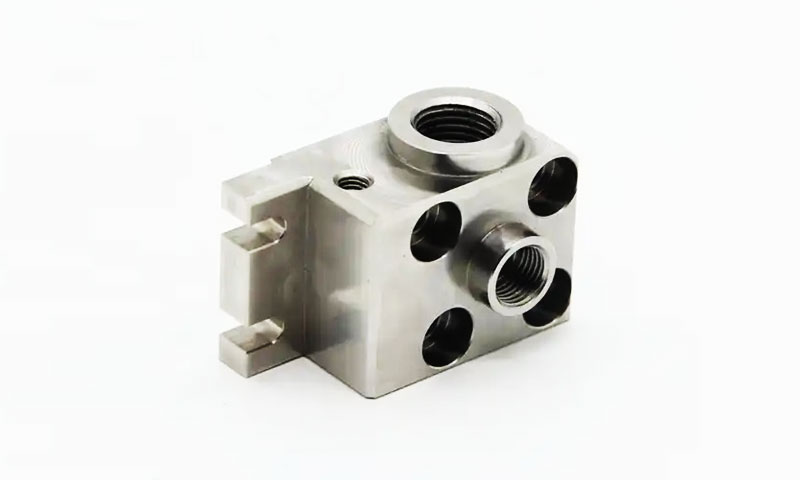
- Поведінка різання: Незважаючи на свою відносну м'якість, титан важче обробляти, ніж багато сталей, через низьку теплопровідність (тепло зосереджується на інтерфейсі інструмент-чіп) і схильність до загартовування.
Чіпси можуть бути довгими та клейкими, якщо не використовувати відповідні параметри. - Рекомендований підхід: Використовуйте жорсткі установки, гострий інструмент, контрольовані корми, і помірні оберти шпинделя. Зверніть увагу на видалення стружки та керування терміном служби інструменту.
Стратегії охолоджувачів і СОЖ слід вибирати, щоб уникнути захоплення або забруднення воднем.
Зварювання та з'єднання
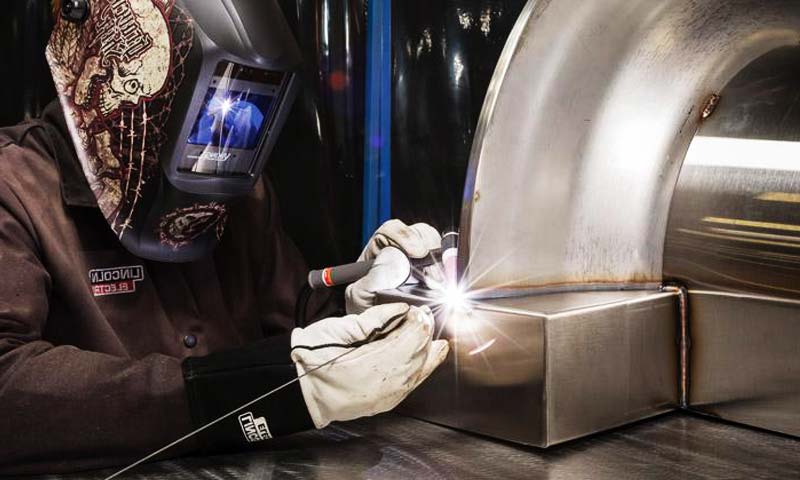
- Зварюваність: Сорт 1 легко зварюється звичайними процесами плавлення (TIG/GTAW, плазма) оскільки він нелегований і не утворює крихких інтерметалідів.
Твердотільні з'єднання (тертя перемішати, електронний промінь) також можливо там, де це дозволяють геометрія та вартість. - Екранування: Захистіть місця зварювання інертним газом (аргон) попередньо- і пост-потоку для запобігання атмосферного забруднення. Уникайте контакту гарячого титану з повітрям і вологою.
- Зона, що постраждав від тепла (HAZ): Поглинання кисню/азоту в HAZ призведе до крихкості регіону, якщо екранування є неадекватним.
Очищення після зварювання для видалення поверхневих оксидів і забруднень рекомендується для критичних частин. - Механічна обробка: Нижня сторона зварювального шва та валики можуть вимагати шліфування або механічної обробки; використовуйте відповідні абразиви та уникайте забруднення під час обробки.
7. Термічна обробка, поверхневі обробки, і варіанти обробки
- Термічна обробка: Сорт 1 не піддається термічній обробці в сенсі зміцнення сплаву, оскільки в ньому відсутні легуючі елементи для зміцнення фазового перетворення.
Термічні цикли використовуються лише для зняття напруги або відновлення пластичності після холодної обробки. - Очищення та пасивація поверхонь: Типова чистка (кислотне маринування, лужне очищення) і контрольовані окислювальні обробки використовуються для видалення забруднень і відновлення чистої пасивної плівки.
Анодування можна використовувати, щоб підібрати товщину та зовнішній вигляд оксиду. - Покриття та засоби обробки: Для застосувань, що вимагають підвищеної зносостійкості, покриття (керамічний, жорсткий PVD/DLC, тепловий бризок) або застосовані модифікації поверхні,
визнаючи, що основний оксид і субстрат повинні бути правильно підготовлені для адгезії. - Цілісність поверхні: Уникайте маршрутів обробки, які створюють крихкий «альфа-корпус».
Де формується альфа-регістр (від впливу високої температури в кисні), може знадобитися видалення механічними або хімічними засобами.
8. Типове застосування марки CP-Ti 1
- Хімічна обробка обладнання: Теплообмінники, трубопровід, і арматура піддається впливу корозії, окислювальні середовища, де важливий довгий термін служби та низькі витрати на обслуговування.
- Морський і системи морської води: Насосні вали, компоненти опріснювальної установки, і труби для морської води виграють завдяки стійкості класу 1 до біообростання та корозії в хлоридних середовищах.
- Медичні прилади та обладнання: Хірургічні інструменти, ненесучі імплантати та компоненти, що потребують інертності та біосумісності.
- Архітектурно-побутове призначення: Зовнішні архітектурні елементи, кріплення та декоративні елементи, де важлива стійкість до корозії та зовнішній вигляд.
- Електроніка та спеціальні запчастини: Компоненти, де низька магнітна проникність і стійкість до корозії є перевагою.
- Примітки до дизайну: У конструкціях, де значні навантаження, Сорт 1 зазвичай замінюється вищими класами CP або легованим титаном для зменшення розмірів секцій.
Сорт 1 надається перевага, коли складність формування та стійкість до корозії переважають вимоги до механічної міцності.
9. Переваги & Обмеження
Переваги марки CP-Ti 1
- Найвища здатність до формування та пластичність серед комерційних марок титану.
- Чудова зварюваність і стабільність виготовлення.
- Чудова власна стійкість до корозії.
- Чудова біосумісність (нетоксичний, немагнітний).
- Низька щільність, легкий, і висока розмірна стабільність.
- Стабільна робота при кріогенних і помірних температурах.
Обмеження марки CP-Ti 1
- Низька механічна міцність; не підходить для конструкційних частин з високим навантаженням.
- Термічній обробці не твердіє (тільки загартовування).
- Обмежене використання в сильних відновних кислотах без модифікації сплаву (Напр., Сорт 7 з Pd).
- Вища вартість матеріалу, ніж вуглецева та нержавіюча сталь.
10. Порівняння з КП-Ті 2–4 класи
Нижче наведено фокус, порівняння інженерного рівня, яке підкреслює, як Grade 1 відрізняється від 2–4 класів хімією, механічні показники, поведінка виготовлення та типові застосування.
Показані дані є представник (умови відпалу/деформації) і призначений для вказівок щодо вибору матеріалу — завжди перевіряйте постачальника / сертифікати специфікацій на гарантовані значення.
| Атрибут | Сорт 1 (США R50250) | Сорт 2 (50400 рублів США) | Сорт 3 (США R50550) | Сорт 4 (50700 рублів США) |
| Макс Фе (WT%) | 0.20 | 0.30 | 0.30 | 0.50 |
| Макс К (WT%) | 0.08 | 0.08 | 0.08 | 0.08 |
| Макс Н (WT%) | 0.03 | 0.03 | 0.05 | 0.05 |
| Макс О (WT%) | 0.18 | 0.25 | 0.35 | 0.40 |
| Макс Х (WT%) | 0.015 | 0.015 | 0.015 | 0.015 |
| Типова врожайність (Ys, відпалений) | ≈ ≥200 МПа | ≈ ≥270 МПа | ≈ ≥350 МПа | ≈ ≥410 МПа |
| Типовий UTS (діапазон, відпалений) | ≈ 290–410 МПа | ≈ 390–540 МПа | ≈ 460–590 МПа | ≈ 540–740 МПа |
| Типове видовження (A, відпалений) | ≈ 30% | ≈ 22% | ≈ 18% | ≈ 16% |
Первинний інженерний компроміс |
Максимальна пластичність / Формування, найкраща пасивна корозійна поведінка | Збалансована пластичність + вища сила; найбільш широко використовуваний клас CP | Вища міцність для більш структурного використання, зберігаючи стійкість до корозії | Найвища міцність серед марок СР (зміцнюваний); знижена формоздатність |
| Загальне використання | Глибокий малюнок, хімічні компоненти/компоненти морської води, деякі медичні частини | Загальнотехнологічне обладнання, трубки, елементи конструкції з помірними навантаженнями | Компоненти, що вимагають вищих допустимих навантажень, більш важкі робочі частини процесу | Там, де потрібна більш висока міцність титану CP (загартовані кріплення, вали, більш важкі частини) |
11. Висновок
Титан класу CP-Ti 1 представляє найчистіша та найпридатніша для формування форма комерційно чистого титану.
Його визначальна характеристика — дуже низький вміст інтерстиціалу, однофазна α мікроструктура, і стайня, оксидна плівка, що самовідновлюється — надає їй виняткову стійкість до корозії, видатна пластичність, і чудова біосумісність.
Ці атрибути створюють оцінку 1 кращий матеріал для хімічно агресивних середовищ, вплив морської води, медичне та біомедичне використання, і застосування, що вимагає глибокої витяжки або складного холодного формування.
З інженерної точки зору, Сорт 1 є не є високоміцним матеріалом, і його не слід вибирати там, де домінуючою вимогою є структурна ефективність або несуча здатність.
Натомість, його цінність полягає в надійності, виробництво, і тривалий термін служби в корозійних або чутливих середовищах.
Якщо правильно вказати, особливо щодо міжсторінкових обмежень, стан поверхні, і засоби контролю виготовлення — клас CP-Ti 1 забезпечує передбачувану продуктивність і низький ризик життєвого циклу.
Поширені запитання
Що означає «CP-Ti».?
CP-Ti означає Комерційно чистий титан. Це відноситься до титану, який навмисно не легований, з властивостями, що контролюються в основному слідами інтерстиціальних елементів (кисень, азот, вуглець, водень) а не легуючі добавки.
Це клас CP-Ti 1 теплообробка?
Ні. Сорт 1 є не піддається термообробці для посилення тому що він нелегований. Термообробка використовується лише для зняття напруги або відпалу для відновлення пластичності після холодної обробки.
Оцінка 1 міцніше або слабше, ніж титанові сплави, такі як Ti-6Al-4V?
Сорт 1 є набагато слабший з точки зору текучості та міцності на розрив, ніж Ti-6Al-4V та інші леговані марки титану.
Його переваги полягають у стійкості до корозії, пластичність, і легкість формування, а не міцність.
Чому клас CP-Ti 1 настільки стійкий до корозії?
Його стійкість до корозії походить від a конюшня, адгезивний діоксид титану (Tio₂) пасивний фільм що миттєво утворюється в повітрі або водному середовищі.
Ця плівка є самовідновлювальною та захищає метал у багатьох окислювальних і хлоридовмісних середовищах.
Це клас CP-Ti 1 магнітний?
Ні. Клас CP-Ti 1 є по суті немагнітний, що робить його придатним для застосувань, чутливих до магнітних полів (Напр., певне медичне та електронне використання).