Нейлоновий матеріал (поліамід) є одним з найбільш широко використовуваних сімейств технічних полімерів.
З моменту його комерційного впровадження в 1930-х роках як текстильне волокно, хімія та обробка нейлону перетворилися на універсальну платформу для волокон, фільми, формовані інженерні компоненти та високоякісні композити.
Ця стаття містить технічну інформацію, мультиперспективний аналіз нейлону: що це за хімічний склад, його основні оцінки, основні фізичні та механічні властивості, маршрути обробки, Переваги та обмеження, загальні програми, проблеми стійкості, і майбутні напрямки.
1. Що таке нейлон?
Нейлоновий матеріал це торгова назва, яка зазвичай використовується для сімейства синтетичних матеріалів поліамід полімери.
Розроблено в 1930-х як перше повністю синтетичне волокно, нейлон зараз існує у двох широких комерційних потоках: текстильні волокна (нейлонові волокна та нитки) і інженерні термопласти (формовані під тиском і екструдовані поліаміди).
Як матеріал класу, нейлон об'єднати Хороша механічна міцність, міцність, стійкість до стирання та хімічна стійкість з широкою технологічністю (спінінг, екструзія, лиття під тиском), що робить їх повсюдними в текстилі, споживчі товари та промислове машинобудування.
2. Хімічна будова та основні товарні сорти
Основи хімії
Найлон — це поліамід, утворений повторюваними амідними зв’язками (–CO–NH–) в полімерному хребті.
Відмінності між марками виникають через використовувані мономери та результуючу відстань між одиницями повторення, який контролює кристалічність, температура плавлення і гідролітична стабільність.
Поширені товарні сорти (скорочення та короткі записи)
- Pa6 (полікапролактам / нейлон 6): виготовлений полімеризацією капролактаму з розкриттям кільця. Хороша міцність, трохи нижча температура плавлення, ніж PA66; широко використовується для формованих деталей і волокон.
- Pa66 (полі(гексаметилен адипамід) / нейлон 66): отримують конденсацією адипінової кислоти і гексаметилендіаміну.
Вища температура плавлення і дещо вищі жорсткість і термостійкість, ніж PA6. - PA11 / PA12 (нейлон з довгим ланцюгом): менше водопоглинання та краща хімічна/низькотемпературна продуктивність; часто використовується для труб, паливопроводи та гнучкі частини. PA11 можна виготовляти з біологічної сировини (касторової олії).
- Кополіаміди (Напр., Суміші PA6/66): обмінюватися властивостями; покращена технологічність або гідролітична стабільність.
- Спеціальні поліаміди: високотемпературний нейлон (Напр., PA46), ароматичні або напівароматичні поліаміди (більш висока продуктивність, більша вартість).
3. Типові фізико-механічні властивості (Типові діапазони)
У таблиці нижче наведено типові технічні діапазони для незаповнених (акуратний) комерційний нейлон. Фактичні значення залежать від класу, кондиціонування (Вміст вологи), і метод випробування.
| Власність | Типовий діапазон (акуратний PA6 / Pa66) | Практична довідка |
| Щільність (G · CM⁻³) | 1.12–1.15 | PA6 ≈1,13; PA66 ≈1,14 |
| Сила на розрив (MPA) | 50–90 | Вище для PA66; наповнення скла підвищується до 100–200+ МПа |
| Модуль Юнга (GPA) | 2.5–3.5 | Збільшується з наповненням скла |
| Подовження на перерві (%) | 20–150 | Висока пластичність у сухому стані; зменшується зі склом |
| Виїмчастий Ізод (Kj показує мат) | 20–80 | Хороша ударна в'язкість |
| Температура плавлення (° C) | Pa6: ~215–220; Pa66: ~255–265 | Процес і використання тимчасових наслідків |
| Перехід скла (° C) | ≈ 40–70 | Вологість і кристалічність впливають на Tg |
| Водопоглинання (рівновага, WT%) | 0.5–3.0 (залежить від RH & сорт) | PA6 зазвичай 1,5–2,5% ат 50% RH; PA12/11 значно нижче |
| HDT (1.82 MPA) (° C) | 60–120 (акуратний) | Склонаповнювач значно підвищує HDT |
Примітка дизайну: Перераховані вище механічні властивості призначені для сухий смола; рівновага вологи зазвичай зменшує модуль і підвищує міцність, тому для проектування слід використовувати кондиційні дані випробувань.
4. Термічна поведінка та стабільність розмірів
- Поведінка танення: PA6 і PA66 напівкристалічні; їх висока кристалічність забезпечує міцність і термостійкість, а також анізотропну усадку.
- Корисна безперервна робоча температура: зазвичай до 80–120 °C для сортів без начинки; склонаповнені або термостабілізовані марки підвищують придатну температуру.
- Стабільність розмірів: анізотропна усадка під час формування та гігроскопічне набухання є ключовими факторами зміни розмірів.
Розробники повинні враховувати як усадку під час обробки, так і розширення, викликане вологістю, у стеках допусків.
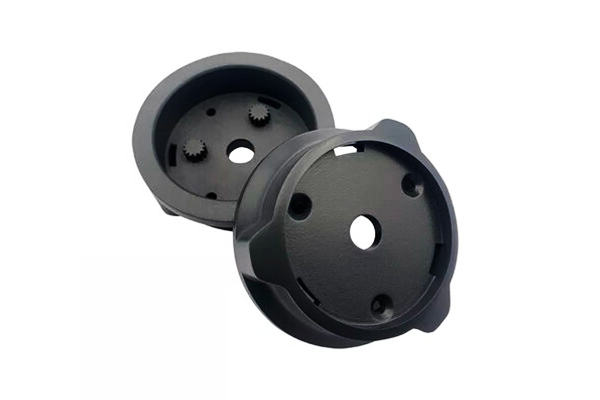
5. Поглинання вологи та його вплив — визначальне практичне обмеження
Волога є найважливішим практичним фактором для нейлонового матеріалу.
Механізм & величина
- Нейлон поглинає воду шляхом дифузії в аморфні області; рівноважний зміст залежить від відносної вологості і температури.
- Типове рівноважне поглинання води: PA6 ~1,5–2,5 мас.% (кімнатні умови), PA66 трохи вище; PA11/PA12 << 1% (перевага нейлону з довгим ланцюгом).
Вплив на властивості
- Жорсткість і міцність знижуються оскільки вода діє як пластифікатор (модуль знижується на 10–30% у стані рівноваги).
- Міцність і подовження часто збільшуються, зменшення ламкості.
- Зміна розмірів (набряк) може бути значущим (сотні мкм для дрібних деталей) і має бути передбачено проектом або посткондиціонуванням.
- Обробка наслідків: перед остаточною перевіркою формовані деталі слід кондиціонувати до очікуваної робочої вологості; сушка перед формуванням є важливою, щоб уникнути гідролізу (розрив ланцюга) в розплаві.
Практичні правила
- Для частин, що мають критичні розміри, вказати протокол кондиціонування (Напр., сухий: 0.05% волога, обумовлений: 23°C/50% RH до досягнення рівноваги).
- Розгляньте нейлон з довгим ланцюгом (PA11/PA12) або заповнені сорти для зменшення гігроскопічності.
6. Хімічна стійкість і електричні властивості
- Хімічна стійкість: нейлон стійкий до вуглеводнів, олія, жири та багато розчинників.
Вони є напали сильними кислотами, сильні окислювачі та деякі галогеновмісні розчинники, особливо при високій температурі.
Сумісність палива та гідравліки залежить від сорту та умов впливу; тривале занурення вимагає перевірки. - Електричні властивості: хороша електроізоляція в сухому стані; діелектрична проникність і тангенс втрати змінюються з вологістю, тому електричні застосування потребують середовища з контрольованою вологістю або герметичної інкапсуляції.
7. Методи обробки та виготовлення
Загальні процеси
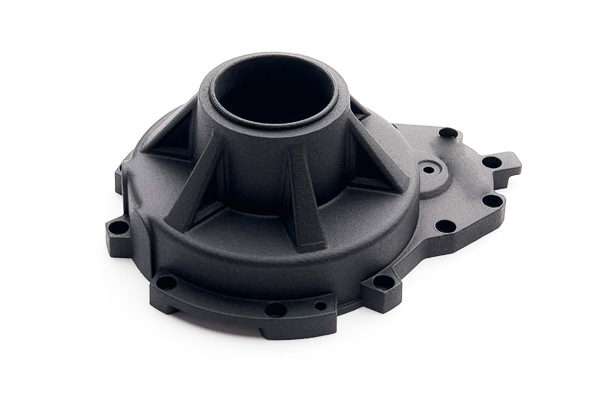
- Підприємство для ін'єкцій: домінуючий для складних форм і великого обсягу. Температури розплаву обробки: PA6 ~230–260°C; PA66 ~260–280 °C (початкові бали — перевіряйте на оцінку).
Форми зазвичай зберігають у теплі (60–90 °C) для контролю кристалізації та зменшення поглинання. - Екструзія: прут, трубки, профілі та плівки.
- Видувне/термоформування: Для конкретних оцінок (Трубка PA12, паливопроводи).
- Волокно прядіння: нейлонові волокна для текстилю та промислові стрічки.
- Обробка: нейлон може бути виготовлений з екструдованого матеріалу; геометрія інструменту та контроль стружки важливі через пластичність.
Елементи керування обробкою ключів
- Сушіння: нейлоновий матеріал необхідно висушити (типова цільова вологість <0.2%) перед обробкою розплаву, щоб запобігти гідролізу та поганій обробці поверхні; графіки сушіння різні (Напр., 80–100 °C протягом кількох годин).
- Стабільність розплаву: уникайте надмірного часу перебування та високого зсуву, щоб запобігти деградації.
- Конструкція затвора/потоку: керуйте лініями зварювання та мінімізуйте орієнтацію, яка призводить до анізотропії властивостей.
8. Посилений і спеціальний нейлон
Наповнювачі та кополімеризація адаптують характеристики нейлонового матеріалу:
- Склонаповнений нейлон (20–50% GF): підвищення модуля і стабільності розмірів, підвищення HDT, але знижують ударну в'язкість і збільшують абразивний знос сполучених деталей.
- Мінеральні наповнювачі (тальк, слюда): помірне збільшення жорсткості та покращений опір повзучості.
- PTFE або графітове змащення: знижує коефіцієнт тертя і зменшує знос при ковзанні.
- Вогнезахисні, УФ-стабілізовані та гідролізно-стабілізовані марки доступні для вимогливих умов.
- Поліамідні суміші та сополімери (Напр., PA6/PA66, PA6T) оптимізувати технологічність і термічну продуктивність.
9. Переваги та обмеження нейлонового матеріалу
Переваги нейлону
- Висока сила і міцність
Типова міцність на розрив коливається від 50–90 МПа (акуратні оцінки), з чудовою стійкістю до ударів і втомою. - Хороша зносостійкість і стійкість до стирання
Особливо ефективний на передачах, втулки, і розсувні компоненти; змащені марки ще більше покращують трибологічну поведінку. - Легкий з хорошою жорсткістю
Щільність низька (~1,13–1,15 г/см³), при цьому жорсткість можна істотно збільшити за допомогою скляних або мінеральних наповнювачів. - Хімічна стійкість
Стійкий до масел, паливо, і багато вуглеводнів, робить нейлон придатним для автомобільного та промислового середовища. - Економічний і простий в обробці
Сумісний з литтям під тиском і екструзією, з широким діапазоном комерційно доступних марок. - Висока можливість налаштування
Властивості можна налаштувати за допомогою наповнювачів, підкріплення, стабілізатори, і мастильні матеріали.
Обмеження нейлону
- Поглинання вологи (ключове обмеження)
Нейлон гігроскопічний; поглинання вологи (типово 1–3 мас.) зменшує жорсткість і міцність і викликає зміни розмірів. - Температурні межі
Безперервні робочі температури зазвичай нижче 120°C для стандартних оцінок; властивості погіршуються при високій температурі. - Повзання при тривалому навантаженні
Тривалі навантаження, особливо при підвищеній температурі або вологості, може призвести до деформації. - Розмірна нестабільність
Напівкристалічна структура та чутливість до вологи можуть спричинити викривлення та відхилення допуску. - Хімічна чутливість
Погана стійкість до сильних кислот, окислювачі, і деякі агресивні розчинники. - Чутливість обробки
Вимагає ретельного сушіння перед формуванням для запобігання гідролізу та втрати механічних властивостей.
10. Застосування нейлонового матеріалу
- Автомобільний: впускні колектори (PA6/6T), паливні та гальмівні магістралі (PA11/PA12), Обкладинки двигуна, шестерні та підшипники.
- Промислова техніка: втулки, ролики, Носіть прокладки, компоненти конвеєра.
- Споживчі товари & прилади: шестерні, петлі, кріплення, щетина зубної щітки (волокна).
- Електричний & електроніка: кабельні стяжки, з'єднувачі (коли вологість контролюється).
- Текстиль і композити: волокна, мотузка, і армовані композитні матриці.
- Медичний: PA12 використовується для деяких медичних пристроїв (застосовуються міркування щодо біосумісності та стерилізації).
11. Порівняння з іншими інженерними пластмасами
| Власність / Критерій | Нейлон (Pa6 / Pa66) | Помпа (Ацетальний) | PTFE (Тефлоновий) | PEEK | PBT | UHMW-OR |
| Щільність (G · CM⁻³) | 1.12–1.15 | ≈1,40–1,42 | ≈2,10–2,16 | ≈1,28–1,32 | ≈1,30–1,33 | ≈0,93–0,95 |
| Сила на розрив (MPA) | 50–90 | 50–75 | 20–35 | 90–110 | 50–70 | 20–40 |
| Модуль Юнга (GPA) | 2.5–3.5 | 2.8–3.5 | 0.3–0.6 | 3.6–4,1 | 2.6–3.2 | 0.8–1.5 |
| Плавлення / типова робоча темп (° C) | Tm ≈215 (Pa6) / обслуговування ≈80–120 | Tm ≈165–175 / послуга ≈80–100 | Tm ≈327 / обслуговування до ≈260 (механічні межі) | Tm ≈343 / послуга ≈200–250 | Tm ≈220–225 / послуга ≈120 | Tm ≈130–135 / послуга ≈80–100 |
| Поглинання води (WT%, екв.) | ≈1,5–2,5% (Pa6) | ≈0,2–0,3% | ≈0% | ≈0,3–0,5% | ≈0,2–0,5% | ≈0,01–0,1% |
| Коефіцієнт тертя (сухий) | 0.15–0.35 | 0.15–0.25 | 0.04–0.15 (дуже низький) | 0.15–0.4 | 0.25–0.35 | 0.08–0.20 |
| Носити / трибологія | Добрий (покращуються наповнювачами) | Відмінний (шестерні/втулки) | Бідний (покращується за допомогою наповнювача) | Відмінний (заповнений найкраще) | Добрий | Відмінний (стійкий до стирання) |
| Хімічна стійкість | Добре ставиться до вуглеводнів; слабкий до сильних кислот/окислювачів | Хороший до палива/розчинників | Видатний (майже універсальний) | Відмінний (агресивні засоби масової інформації) | Добрий | Дуже добре |
Обробка |
Добрий (махінний) | Відмінний | Справедливий (обробляється із заготовки) | Добрий (міцний, але піддається обробці) | Добрий | Складний (клейкий) |
| Стабільність розмірів | Помірний (гігроскопічний) | Дуже добре (низька гігроскопічність) | Відмінний | Відмінний | Добрий | Дуже добре |
| Типові програми | Шестерні, підшипники, корпус, трубки (PA11/12) | Шестерні, прецизійні втулки, компоненти палива | Ущільнювачі, хімічні вкладиші, поверхні з низьким коефіцієнтом тертя | Високотемпературні підшипники, аерокосмічний, Медичні імплантати | Електричні роз'єми, корпус | Лайнери, Носіть прокладки, компоненти конвеєра |
| Підказка щодо швидкого вибору | Вибирайте, коли міцність і вартість мають значення; керувати вологою | Виберіть для точності, механічні частини з низьким коефіцієнтом тертя | Виберіть, якщо хімічна інертність & потрібні найменші µ | Виберіть для високої температури & критичні частини з високим навантаженням | Вибирайте за хорошу стабільність розмірів і легкість формування | Виберіть там, де потрібна надзвичайна стійкість до стирання та ударів |
12. Стійкість, питання переробки та регулювання
- Переробка: Нейлоновий матеріал піддається механічній переробці; відновлений PA може бути знижений для менш критичного використання.
Деполімеризація (хімічна переробка) шляхи існують і промислово розвиваються — вони можуть відновлювати мономер (капролактам) або іншої сировини. - Варіанти на біологічній основі: PA11 (з касторової олії) і PA610/1010 (частково на біологічній основі) зменшити залежність від викопної сировини.
- Нормативна: для контакту з їжею та для медичного використання потрібна сертифікація (FDA, ЄС) і відповідність тестуванню екстрагованих/вилуговуваних речовин, де це необхідно.
- Екологічні проблеми: оцінка життєвого циклу залежить від сорту та наповнювача; наповнення та вміст скла впливають на здатність до переробки та втілену енергію.
13. Висновки та практичні рекомендації
Нейлон (поліамід) є зрілим, універсальне сімейство інженерних полімерів, що збалансовано міцність, міцність і зносостійкість з економічною технологічністю.
Широка палітра хімікатів — від PA6 і PA66 до PA11 і PA12 — разом із наповнювачами та модифікаторами, дозволяє точне налаштування для застосувань від текстилю до високопродуктивних автомобільних систем.
Основними інженерними проблемами є управління вологістю та хімічна чутливість в агресивних середовищах; вони вирішуються шляхом відповідного вибору оцінок (нейлон з довгим ланцюгом), наповнювачі, сушіння і припуски на оформлення.
Постійний прогрес у переробці, біологічна сировина та композитні технології розширюють стійкість нейлону та сферу застосування.
Поширені запитання
PA6 чи PA66 краще?
PA66 зазвичай має вищу температуру плавлення, трохи вища жорсткість і кращий опір повзучості; PA6 легше обробляти і може бути міцнішим. Вибирайте залежно від температури та обмежень щодо обробки.
Як мені вказати нейлон для контролю розмірів?
Укажіть стан кондиціонування для перевірки (Напр., «обумовлений до 23 ° C, 50% RH до рівноваги”), і забезпечити допуски, які враховують набухання вологи та анізотропію формування.
Чи можна використовувати нейлоновий матеріал у паливопроводах?
Так, PA11 і PA12 є звичайними для паливних і гідравлічних труб через низьке поглинання вологи та хорошу хімічну стійкість. Завжди перевіряйте за допомогою конкретної рідини та температури.
Нейлонові тканини зі скляним наповненням підлягають переробці?
Механічно, так, але вміст скла змінює в'язкість розплаву та збереження властивостей; перероблений нейлон зі скляним наповнювачем зазвичай використовується в менш вимогливих додатках, якщо не піддається хімічній переробці.
Як запобігти гідролізу під час формування?
Ретельно висушіть смолу відповідно до специфікацій постачальника та обмежте час перебування в розплаві та надмірні температури в бочці.