1. Вступ
A217 Cast Steals WC6 та WC9 (Промисловість скорочується для оцінок 1¼cr - ½Mo та 2¼cr - 1MO, відповідно) є цілеспрямованими сталиами з низьким вмістом сплаву CR-MO для компонентів, що підтримують тиск, у підвищеній температурі.
WC6, як правило, вказано, де потрібні хороша міцність і помірна міцність на повзучість ~ 520–540 ° C;
WC9 забезпечує більш високу довгострокову силу та окислювальну стійкість і використовується там, де підхід до обслуговування та підхід до попиту на повзучість ~ 550–580 ° C.
Успішне використання цих матеріалів залежить від Практика ливарних робіт, термічна обробка та дисципліна зварювання Як і в номінальній хімії - точна обробка є першопричиною більшості польових збоїв.
Цей огляд порівнює WC6 проти WC9 від металургії та властивостей за допомогою виготовлення, Сервісне використання, Конкуруючі альтернативи, та практичне керівництво закупівель.
2. Що таке A217 Alloy Cast Steals WC6 та WC9?
Стандартний контекст ASTM A217
ASTM A217 / ASME SA217 це глобально визнана специфікація, що регулює Мартенситний та аустенітний сплав, що кидає сталей
використовується в компоненти, що підтримують тиск,—Вальв, фланці, фурнітура, заголовки, і реактори - описуються високотемпературна послуга (≥343 ° C / 650 ° F).

- Історична записка: Вперше виданий у 1937, Стандарт зазнав постійного вдосконалення, з 2024 ревізія Оновлення композиційних допусків, вимоги до термічної обробки,
та механічні діапазони для вирівнювання сучасної енергетичної інфраструктури, включаючи Ультра-суперкритична виробництво потужності і вдосконалено нафтохімічні реактори. - В межах стандарту, WC6 та WC9 потрапити під martensitic Cr–Mo alloy family.
На відміну від Аустенітні оцінки (Напр., C12, Cn7m) that rely on high nickel (>9 WT%) для корозії,
martensitic alloys contain low Ni (<0.5 WT%) and derive their performance primarily from хром (Cr) і молібден (Mo) доповнення.
This fundamental distinction makes WC6/WC9 more suitable for навантаження, creep-limited environments, where austenitics—though more corrosion resistant—would soften or lose strength.
3. Хімічний склад A217 WC6 проти WC9
З performance distinction between WC6 and WC9 alloys lies primarily in their хімічний склад, which governs еволюція мікроструктури, Опір повзучості, oxidation behavior, і зварюваність.
Номінальний композиційний діапазон (ASTM A217)
| Елемент | WC6 (1.25Cr–0.5Mo) (WT%) | WC9 (2.25Cr–1Mo) (WT%) | Функція в сплаві |
| Вуглець (C) | 0.15 - 0.30 | 0.15 - 0.30 | Provides martensitic hardenability and forms carbides for strength; excessive carbon risks brittleness. |
| Марганець (Мн) | 0.50 - 1.00 | 0.50 - 1.00 | Improves hardenability and acts as a deoxidizer; too much reduces creep strength. |
| Кремнію (І) | 0.50 - 1.00 | 0.50 - 1.00 | Підвищує стійкість до окислення (SiO₂ film) and strengthens ferrite matrix. |
| Хром (Cr) | 1.00 - 1.50 | 2.00 - 2.50 | Improves oxidation and corrosion resistance; stabilizes carbides (M₇C₃, M₂₃C₆). |
| Молібден (Mo) | 0.44 - 0.65 | 0.90 - 1.20 | Provides creep resistance; forms Mo₂C carbides to resist grain boundary sliding. |
| Нікель (У) | ≤ 0.50 | ≤ 0.50 | Залишковий елемент; improves toughness but limited to prevent retained austenite. |
| Сірка (S) | ≤ 0.030 | ≤ 0.030 | Контрольована домішка; excess causes hot cracking during casting/welding. |
| Фосфор (С) | ≤ 0.030 | ≤ 0.030 | Контрольована домішка; excess leads to temper embrittlement in service. |
| Прасувати (Феод) | Балансувати | Балансувати | Forms the ferritic/martensitic matrix. |
4. Механічні властивості & Підвищена температура поведінки A217 WC6 проти WC9
Механічні властивості
Both WC6 and WC9 alloys are designed to provide high strength and toughness at ambient and moderate service conditions.

The values below are from ASTM A217 requirements and industrial practice after standard heat treatment.
| Власність | WC6 (1.25Cr–0.5Mo) | WC9 (2.25Cr–1Mo) | Зауваження |
| Сила на розрив (MPA) | 485 - 655 | 585 - 760 | WC9 has higher Cr & Mo → stronger carbide strengthening. |
| Похідна сила (0.2% компенсація, MPA) | ≥ 275 | ≥ 380 | Higher Cr/Mo in WC9 increases yield resistance. |
| Подовження (%) | 18 - 22 | 17 - 20 | WC6 slightly more ductile; WC9 slightly stronger but less ductile. |
| Твердість (HB) | 150 - 190 | 170 - 220 | WC9 tends to be harder, reflecting higher carbide density. |
| Charpy V-Notch Energy Energy (J, RT) | 40 - 60 | 35 - 50 | WC6 retains slightly better toughness at room temperature. |
Підвищена температура & Опір повзучості
In high-temperature service, creep rupture properties are the critical design parameter for pressure-retaining components such as valves, заголовки, and piping.
| Власність | WC6 (1.25Cr–0.5Mo) | WC9 (2.25Cr–1Mo) | Зауваження |
| Max Continuous Service Temp (° C) | ~538 °C (1,000 ° F) | ~ 595 ° C (1,100 ° F) | WC9 tolerates higher temperatures due to 2.25% Cr + 1% Mo. |
| 100,000 h Creep Rupture Strength @ 538 ° C | ~85 MPa | ~ 120 МПа | WC9 exhibits ~40% higher creep rupture resistance. |
| 100,000 h Creep Rupture Strength @ 595 ° C | Не рекомендується (rupture <50 MPA) | ~ 75 МПа | WC9 is suitable up to 595 ° C; WC6 loses strength. |
| Окислювальна стійкість | Помірний | Високий | Cr content (2.25% in WC9) forms more protective Cr₂O₃ film. |
5. Технологія обробки A217 WC6 проти WC9
The successful manufacture and deployment of ASTM A217 Grade WC6 and WC9 alloy cast steels depends on precisely controlled processing technology.
Because these alloys are used in критичний, високотемпература, компоненти, що підтримують тиск, наприклад, клапани, заголовки, турбінні кожухи, and reactor housings, even small deviations in processing can lead to premature failure.

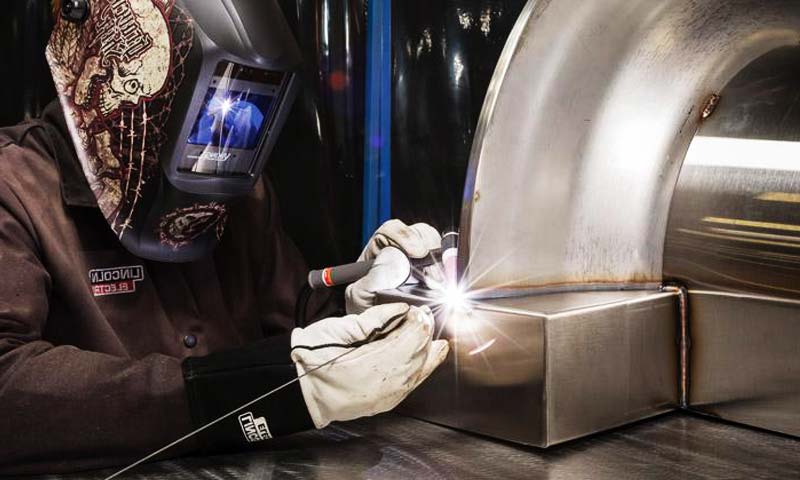
Зварювання: Запобігання крихкому мартенситу та тріску
- Розігріти: Thick sections require preheat (зазвичай 180–250 ° C) to slow cooling and reduce hydrogen-induced and martensite formation.
Exact preheat depends on thickness, section restraint, and welding procedure qualification. - Витратні матеріали: Use low-hydrogen electrodes / filler metals specifically qualified for Cr–Mo service and creep applications.
Select fillers compatible with base metal chemistry and required post-weld properties. - Interpass temperature control: Maintain within qualified limits to avoid local hardening.
- Pwht (Post Weld Heat Treatment): Mandatory in most high-temperature service cases.
PWHT restores temper to HAZ and reduces residual stress—common practice is tempering/soaking in the 600–700 ° C діапазон (procedure must be qualified;
time at temperature depends on section thickness). Field PWHT must be executed per a qualified WPS/PQR. - Avoiding brittle martensite: Rapid cooling can form untempered martensite in HAZ—hence preheat and PWHT are indispensable.
Обробка: Подолання твердості та працездатності
- Structure after HT: Tempered martensite/bainite has relatively high strength; use appropriate carbide tooling, low cutting speeds and flood coolant.
- Контроль спотворень: Machining should account for possible distortion when removing restraint—stress-relief heat treatment sequencing and finishing passes minimize warpage.
- Surface integrity: Avoid surface grinding temperatures that can re-harden surfaces.
Кастинг міркувань
WC6 and WC9 are often manufactured as large sand-cast components (клапани, steam chests, turbine casings up to 10 тонн).
Кастинг requires meticulous process control to avoid metallurgical defects.
- Melting practice: Для критичних кастингів, use VIM/VAR or argon-shielded melting to control impurities and inclusion content. Clean melts reduce fatigue and creep initiation sites.
- Gating and risering: Design for directional solidification, adequate feeding and chills to eliminate shrinkage porosity.
Castings for pressure service often require radiographic acceptance levels. - Heat treatment after casting: Normalize/anneal cycles relieve stresses and refine microstructure prior to tempering.
Final tempering produces the desired balance of strength/toughness. - NDT: Рентгенографія, ultrasonic testing and acceptance criteria per code required for pressure components.
6. Термічна обробка & Поверхнева обробка A217 WC6 проти WC9

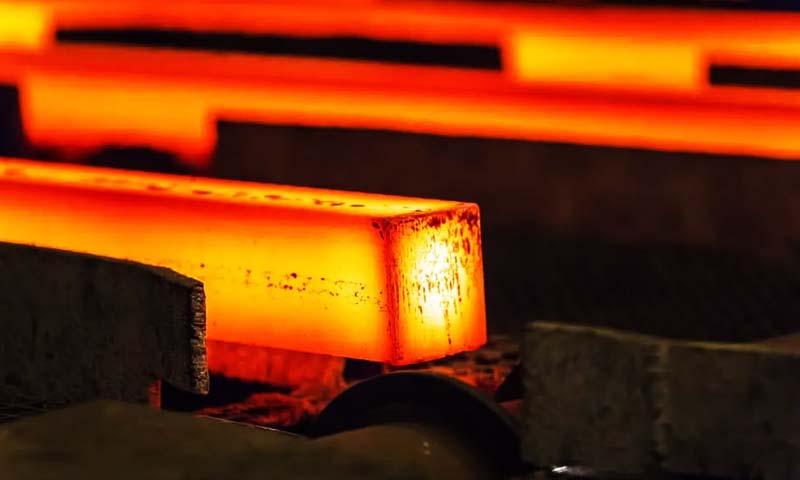
Термічна обробка
The performance of ASTM A217 WC6 (1.25Cr–0.5Mo) and WC9 (2.25Cr–1Mo) alloys is critically dependent on heat treatment, which governs their microstructure, механічні властивості, and high-temperature service life.
| Крок | WC6 (1.25Cr–0.5Mo) | WC9 (2.25Cr–1Mo) | Мета |
| Аустенітизація | 900–955 ° C (1,650–1,750 °F), hold 2–4 h | 930–980 °C (1,710–1,800 °F), hold 2–4 h | Розчиняти карбіди, homogenize chemistry, refine grains |
| Гасіння | Air cool or oil spray for thick sections | Повітря прохолодно (Менші кастинги), oil/polymer for heavy sections | Avoid retained austenite, minimize cracking |
| Загартовування | 660–705 °C (1,220–1,300 °F), 2 цикли | 675–740 °C (1,245–1,360 °F), 2 цикли | Precipitate secondary carbides, improve creep resistance, Зменшити крихкість |
| Pwht (зварювання) | 621–677 °C (1,150–1,250 °F) | 650–705 °C (1,200–1,300 °F) | Relieve stresses, temper HAZ martensite |
Поверхнева обробка
Although WC6 and WC9 provide inherent oxidation and creep resistance, поверхнева інженерія can extend component life in corrosive or erosive environments.
| Лікування | Метод | Вигода | Типове застосування |
| Вибух / Крупа підривання | High-velocity abrasive particles | Removes oxide scale, improves surface cleanliness, enhances fatigue life | Post-heat treatment cleaning |
| Азотування | Gas or plasma nitriding (500–550 ° C) | Improves surface hardness (до 900 HV), Опір зносу | Сидіння клапана, moving parts in turbines |
| Aluminizing | Pack cementation or vapor deposition | Forms protective Al₂O₃ layer, increases oxidation resistance >600 ° C | Power plant superheaters, нафтохімічні реактори |
| Chromium-Rich Overlay Welding | Hardfacing with high-Cr electrodes or strip cladding | Enhances hot corrosion and erosion resistance | Boiler valves, refinery equipment |
| Diffusion Coatings (Al, І, Cr) | High-temperature diffusion process | Improves hot corrosion and carburization resistance | Furnace components |
| Теплові розпилювальні покриття (HVOF, Плазма) | WC-CO, Cr₃C₂-NiCr cermet coatings | Resists erosive slurry and steam impingement | Pump impellers, slurry valves |
7. Типові застосування A217 WC6 проти WC9
A217 WC6 and WC9 alloys are martensitic Cr-Mo low-alloy steels розроблений для високотемпература, high-pressure service.
Their combination of tempered martensite microstructure, Сила повзучості, і термічна стабільність makes them indispensable in Генерація живлення, нафтохімічний, and process industries.

Індустрія електроенергії
WC6 (1.25Cr–0.5Mo):
- Subcritical steam service (≤538 °C)
- Компоненти:
-
- Boiler headers and elbows
- Superheater and reheater elements
- Turbine casing sections for intermediate pressures
WC9 (2.25Cr–1Mo):
- Supercritical and ultra-supercritical steam (538–595 ° C)
- Компоненти:
-
- High-pressure superheater and reheater headers
- Steam chest valves
- Turbine inlet casings
Петрохімічне та нафтопереробне обладнання
- WC6:
-
- Furnace components (tube sheets, Камери згоряння)
- Intermediate-temperature heaters (≤538 °C)
- WC9:
-
- Reactor and heater tubes operating up to 595 ° C
- Catalyst bed support structures
- High-pressure petrochemical valves
Обладнання для пари та тепла
- Headers and Manifolds: Both WC6 and WC9 are widely used in Парові заголовки де температура і тиск коливаються циклічно.
- Компоненти теплообмінника: Трубні аркуші, перегородки, і кінцеві тарілки вимагають Опір повзучості і термічна толерантність, Зробити ці сплави ідеальними.
- Клапани та фурнітура котлів: Розгойдування, ворота, глобус, і зворотні клапани Використовуйте WC6 або WC9 залежно від робочої температури.
Інші промислові програми
- Судна тиску: Невеликі та середні посудини для субкритична/критична пара у виробництві промислової електроенергії.
- Насос кожухів та компонентів турбіни: Насоси високого тиску в нафтохімічних та ядерних застосуванні.
- Компоненти печі та печі: Опори та внутрішні структури, що піддаються впливу Підвищені температури для тривалої тривалості.
Порівняльний конверт служби
| Сплав | Max Continuous Service Temp | Типовий тиск | Типові компоненти | Рекомендована обробка поверхні |
| WC6 | 538 ° C (1,000 ° F) | 30 MPA (4,350 павутина) | Підкритичні заголовки котла, клапани, Розділи кожуха турбіни | Азотування, алюмінізація, вибух |
| WC9 | 595 ° C (1,100 ° F) | 30 MPA (4,350 павутина) | Суперкритичні заголовки котла/реагування, клапани, турбіни високого тиску | Зварювання накладання, алюмінізація, вибух |
8. Переваги та обмеження A217 WC6 проти WC9
Розуміння Переваги та обмеження WC6 та WC9 є критично важливим для Інженери та дизайнери Вибір матеріалів для високотемпература, Промислові компоненти високого тиску.

Переваги
| Означати | WC6 (1.25Cr–0.5Mo) | WC9 (2.25Cr–1Mo) | Нотатки |
| Сила високої температури | Відмінно до 538 ° C | Superior up to 595 ° C | WC9 is preferred for supercritical steam |
| Tempered martensite microstructure | Хороша міцність, пластичність | Slightly higher strength, slightly lower ductility than WC6 | Ensures reliability under pressure and thermal cycling |
| Опір повзучості | Suitable for subcritical service | Optimized for long-term supercritical applications | WC9 exhibits 10–15% higher creep rupture life at elevated temperatures |
| Економічність | Lower alloy content → reduced cost | Higher alloy content → increased material cost | Budget-sensitive applications may favor WC6 |
| Fabrication flexibility | Easier welding and machining due to lower Cr/Mo | Higher hardness and Cr content → requires more careful welding and machining | Preheat and PWHT required for both, but WC9 is more demanding |
| Corrosion/oxidation resistance | Adequate for moderate steam and chemical environments | Improved due to higher Cr content | Surface treatments further enhance performance |
Обмеження
| Обмеження | WC6 | WC9 | Пом'якшення / Нотатки |
| Maximum service temperature | Обмежений 538 ° C | 595 ° C Макс | Exceeding limits accelerates creep and may lead to deformation |
| Зварюваність | Помірний; preheat and PWHT required | More sensitive; higher hardness and Cr require stricter welding control | Use low-hydrogen consumables, maintain interpass temperature |
| Обробка | Good for heat-treated condition | Slightly lower due to higher hardness | Use carbide/CBN tooling and optimized cutting parameters |
| Стрес -корозія розтріскувань (SCC) | Susceptible in H₂S or chloride-rich environments | Similar susceptibility, slightly higher Cr offers marginal improvement | Avoid service with H₂S >50 ppm or Cl⁻ >100 PPM |
| Вартість | Економний | More expensive due to higher alloy content | Use WC6 when high-temperature creep is not critical |
9. Порівняння з конкуруючими матеріалами
When selecting високотемпература, pressure-retaining materials, engineers often evaluate WC6 and WC9 against alternative alloy steels and stainless steels.
Ключові конкурентоспроможні матеріали
- Вуглецева сталь (CS): Low-alloy, економний, suitable for low-to-moderate temperatures (<400 ° C), but poor creep and corrosion resistance.
- Chromium-Molybdenum Steel Plates (Напр., ASTM A335 P11/P22): Forged or welded pressure pipe material, higher creep resistance than CS, less expensive than WC9 castings.
- Аустенітні нержавієві сталі (304, 316, 321, 347): Відмінна резистентність до корозії, suitable for moderate temperatures (≤650 °C), lower strength and creep resistance compared with WC9.
- Нікелеві сплави (Юнель 600/625, Хастеллой): Outstanding corrosion and high-temperature strength (up to 700–1,000 °C), but very expensive and difficult to fabricate.
- Other Low-Alloy Cast Steels (Напр., ASTM A217 Grade C12, Cn7m): Austenitic cast steels, good corrosion resistance but lower strength for high-pressure service.
Порівняльна таблиця ефективності
| Власність / Означати | WC6 (1.25Cr–0.5Mo) | WC9 (2.25Cr–1Mo) | Вуглецева сталь | Cr-Mo Steel (P22) | Austenitic Stainless (316/321) | Нікелеві сплави (Юнель 625) |
| Максимальна температура обслуговування (° C) | 538 | 595 | 400 | 565 | 600 | 980 |
| Сила повзучості | Помірний | Високий | Низький | Помірний | Низький | Дуже високий |
| Сила на розрив (MPA) | 500–600 | 550–650 | 400–500 | 500–600 | 500–600 | 700–900 |
| Charpy Impact @ 20°C (J) | >40 | >40 | 30-50 | 40-50 | 40–80 | 50–100 |
| Окислювальна стійкість | Помірний | Добрий | Бідний | Помірний | Добрий | Відмінний |
| Корозійна стійкість | Помірний | Добрий | Бідний | Помірний | Відмінний | Відмінний |
| Зварюваність | Помірний | Помірний (requires strict preheat/PWHT) | Відмінний | Добрий | Відмінний | Важкий |
| Вартість | Середній | Високий | Низький | Середній | Високий | Дуже високий |
| Складність виготовлення | Помірний | Високий | Низький | Середній | Середній | Дуже високий |
| Типові програми | Котли, клапани, subcritical/supercritical headers | Supercritical/reheater headers, турбінні кожухи | Low-pressure vessels, трубопровід | Pressure piping, moderate temp headers | Corrosive service, moderate temp | Extreme high-temp reactors, Хімічна обробка |
10. Висновок
A217 WC6 vs WC9 are the workhorses of mid-high-temperature pressure systems, enabling the safe, efficient operation of power plants, Нафтопереробні заводи, and petrochemical facilities worldwide.
Their success stems from:
- Targeted Alloying: Cr and Mo deliver oxidation and creep resistance tailored to 400–595°C service, the most common range for industrial high-temperature pressure applications.
- Proven Heat Treatment: Tempered martensite microstructure balances strength, міцність, and stability—validated by decades of ASTM/ASME testing and field service.
- Економічна ефективність: A middle ground between low-performance carbon steels and high-cost advanced alloys, minimizing LCC while meeting safety standards.
While advanced alloys (Напр., P91, Суперфурої на базі нікелю) are displacing WC6/WC9 in ultra-high-temperature (>600° C) заявки, WC6/WC9 remain irreplaceable for 400–595°C service—where their performance, складність, and cost align with industrial needs.
For engineers and procurement teams, success with WC6/WC9 hinges on strict adherence to ASTM/ASME standards for composition, термічна обробка, and fabrication—ensuring these alloys deliver their full 15–25 year service life.
Поширені запитання
Чи можна зварювати WC6 та WC9 або до вуглецевої сталі?
Так, but joints must be engineered: use compatible filler metals, розігріти, interpass controls and PWHT.
Dissimilar metal joints require attention to matching thermal expansion, galvanic issues and HAZ metallurgy. Follow qualified WPS/PQR and code requirements.
Що PWHT типово після зварювання?
Field practice commonly uses tempering PWHT in the 600–700 ° C діапазон.
Exact soak temperature/time depends on thickness and must follow qualified procedure; always consult supplier/code.
Як довго триватиме тіло клапана WC9 550 ° C?
Service life depends on stress, цикл, environment and casting quality.
WC9 is designed for longer creep life than WC6 at elevated temperatures, but predicting life requires creep-rupture data and design stress; perform fitness-for-service analyses for critical components.
Є WC6/WC9, які підходять для корозійних середовищ, багатих на хлорид?
They are not the best choice for severe chloride corrosion (pitting/SSC). Duplex stainless steels or nickel alloys are preferable where chloride stress corrosion is a concern.
Які перевірки є важливими для доставки?
Require chemical analysis (MTC), tensile and hardness (as specified), radiography/UT for pressure castings, dimensional checks and heat-treatment records. Where applicable, impact testing and PMI are prudent.