1. Wstęp
Wytwarzanie blachy ze stali nierdzewnej jest niezbędne w nowoczesnych branżach, ponieważ łączy siłę, higiena, i urok wizualny.
Poprzez procesy takie jak cięcie, pochylenie się, spawalniczy, i końcowanie, Płaskie arkusze ze stali nierdzewnej (0.4–6 mm) są przekształcane w precyzyjne, komponenty o wysokiej wydajności.
Sukces w produkcji wymaga głębokiego zrozumienia zasad inżynieryjnych w celu zarządzania stwardnieniem materiału, Zachowanie termiczne, i potrzeby końcowe, szczególnie w wymagających sektorach, takich jak medyczne, architektura, i przetwarzanie żywności.
2. Dlaczego stal nierdzewna?
Stal nierdzewna jest jednym z najbardziej wszechstronnych i opartych na wartościach materiałów stosowanych w produkcji blachy.
Jego popularność w różnych branżach wynika z połączenia wydajności mechanicznej, Odporność na korozję, Apel estetyczny, i ekonomia cyklu życia.

Odporność na korozję
Cechą charakterystyczną stali nierdzewnej jest jej wyjątkowa odporność na korozję.
Ta właściwość wynika przede wszystkim z tworzenia cienkiej warstwy, stabilna warstwa tlenku chromu, która stanowi pasywną barierę przed wilgocią, chemikalia, i środki utleniające.
Stosunek siły do masy
Chociaż nie tak lekki jak aluminium, stal nierdzewna zapewnia doskonały stosunek wytrzymałości do masy w porównaniu ze stalą węglową.
Pozwala to na stosowanie cieńszych grubości bez naruszania integralności strukturalnej, szczególnie korzystne w lotnictwie, automobilowy, i zastosowania architektoniczne, w których redukcja masy przyczynia się do wydajności lub efektywności energetycznej.
Formowalność i urabialność
Austenityczne stale nierdzewne, takie jak 304 I 316 są znane ze swojej doskonałej ciągliwości, dzięki czemu dobrze nadają się do złożonego gięcia, głęboki rysunek, i operacje formowania rolek.
Jednakże, wykazują również znaczne umocnienie podczas obróbki, wymagające kontrolowanych prędkości formowania i specjalistycznego oprzyrządowania.
Gatunki ferrytyczne i martenzytyczne zapewniają łatwiejszą obróbkę skrawaniem, ale są mniej podatne na formowanie ze względu na niższe wartości wydłużenia.
Higiena i łatwość czyszczenia
Nieporowata powierzchnia stali nierdzewnej i odporność na rozwój drobnoustrojów sprawiają, że jest to materiał wybierany do środowisk sterylnych, takich jak produkcja żywności, produkcja farmaceutyczna, i wytwarzanie wyrobów medycznych.
Jego odporność na wielokrotne czyszczenie i sterylizację bez degradacji powierzchni zapewnia zgodność z przepisami higienicznymi, takimi jak FDA, USDA, i standardy GMP.
Estetyka i wykończenia powierzchni
Naturalny połysk stali nierdzewnej i możliwość stosowania szerokiej gamy wykończeń – od polerowania lustrzanego po szczotkowaną satynę – sprawiają, że idealnie nadaje się do widocznych elementów architektonicznych, produkty konsumenckie, i wysokiej klasy sprzęt AGD.
Obróbka powierzchniowa, taka jak elektropolerowanie, pasywacja, Starowanie koralików, lub powłoki PVD poprawiają wygląd, dodając jednocześnie korzyści funkcjonalne, takie jak zwiększona odporność na korozję lub odporność na odciski palców.
Zrównoważony rozwój i zdolność do recyklingu
Z punktu widzenia ochrony środowiska, stal nierdzewna w pełni nadaje się do recyklingu i zachowuje swoje właściwości fizyczne nawet po wielokrotnych cyklach recyklingu.
Większość produktów ze stali nierdzewnej zawiera wysoki procent materiałów pochodzących z recyklingu (często >60%), przyczyniając się do zmniejszenia zużycia energii cielesnej i zmniejszenia śladu węglowego w całym cyklu życia.
Jest to zgodne z rosnącym zapotrzebowaniem na zrównoważone materiały w zielonym budownictwie i odpowiedzialnymi praktykami produkcyjnymi.
3. Procesy produkcyjne blachy ze stali nierdzewnej
Stal nierdzewna Wytwarzanie blachy to wieloetapowy proces mający na celu przekształcenie arkusza płaskiego w precyzyjny, elementy funkcjonalne.
Każdy etap musi być dokładnie kontrolowany, aby zachować odporność stali nierdzewnej na korozję, właściwości mechaniczne, i integralność powierzchni. Podstawowe etapy obejmują cięcie, tworzenie się, łączący, i końcowanie.
Cięcie: Precyzyjna definicja konturu
Cięcie jest pierwszą i najbardziej krytyczną operacją w produkcji blachy. Polega na przetwarzaniu surowych arkuszy stali nierdzewnej w określone półfabrykaty lub kształty zbliżone do netto.
Wybór techniki cięcia zależy od gatunku stali nierdzewnej, grubość arkusza, wymagane tolerancje, i warunki końcowego użytkowania.
Cięcie laserowe
Cięcie laserowe używa dużej mocy (zazwyczaj 1–6 kW) laser światłowodowy lub CO₂ w celu uzyskania precyzyjnych cięć z wąskimi tolerancjami (± 0,1 mm).
Nadaje się szczególnie do cienkich i średnio grubych arkuszy (aż do 20 mm) i złożone geometrie.
Na przykład, 304 blachy ze stali nierdzewnej ≤3 mm można ciąć z prędkością 10–15 metrów na minutę przy minimalnych zadziorach na krawędziach.

Cięcie plazmowe
Cięcie plazmowe wykorzystuje strumień zjonizowanego gazu o dużej prędkości do cięcia grubszych arkuszy (zazwyczaj 6–25 mm).
Chociaż oferuje niższą precyzję niż cięcie laserowe (szerokość nacięcia 0,5–1 mm), jest szybszy i bardziej opłacalny w przypadku komponentów konstrukcyjnych i HVAC.
Cięcie strumieniem wody
Cięcie strumieniem wody wykorzystuje m.in 60,000 psi strumień wody zawierającej materiał ścierny, który przecina stal nierdzewną bez wytwarzania ciepła.
Ten proces cięcia na zimno jest idealny do zastosowań wrażliwych na ciepło, takie jak komponenty medyczne lub spożywcze, gdzie zachowanie integralności metalurgicznej jest sprawą najwyższej wagi.
Jednakże, działa przy niższych prędkościach (1–3 m/min dla 3 mm 316L) w porównaniu z metodami laserowymi lub plazmowymi.
Strzyżenie
Cięcie polega na mechanicznym ostrzu umożliwiającym wykonywanie prostych cięć arkuszy o grubości do 3 mm grubości.
Jest bardzo wydajny przy produkcji dużych ilości prostych prostokątnych półfabrykatów i jest często używany w pralkach, nawias, i produkcja paneli.
Tworzenie się: Kształtowanie bez uszczerbku dla integralności
Formowanie przekształca płaskie półfabrykaty w trójwymiarowe komponenty poprzez zginanie, walcowanie, lub głębokie rysowanie.
Wysoka wytrzymałość i hartowanie stali nierdzewnej wymagają precyzyjnego oprzyrządowania i strategii formowania.
Naciśnij zginanie hamulca
Naciśnij hamulec Pochylenie się jest najczęstszą metodą tworzenia kątów i kanałów. Blacha jest zaciskana pomiędzy stemplem a matrycą i gięta przy użyciu siły hydraulicznej lub sterowanej CNC.
Gatunki austenityczne, takie jak 304 I 316 toleruje minimalny promień zgięcia równy grubości blachy, podczas gdy gatunki ferrytyczne takie jak 430 wymagają większych promieni (1.5× grubość) aby uniknąć pęknięć.
Powtarzające się zgięcia powodują umocnienie przez zgniot – 304, na przykład, może zwiększyć twardość od 180 Hv to 300 HV po trzech zagięciach pod kątem 90° — czasami wymagających wyżarzania pośredniego (zazwyczaj w temperaturze 1050°C przez 30 protokół).

Walcowanie
Walcowanie formuje kształty cylindryczne lub stożkowe za pomocą maszyny trójwalcowej. Ta technika jest powszechna w zbiornikach, rura, i wykonanie kanałów.
Na przykład, 2 Arkusze 316L o grubości mm można zwijać na średnice tak małe jak 50 mm przy zachowaniu koncentryczności w granicach ±0,5 mm.
Głęboki rysunek
Deep Drawing wciąga płaski arkusz do matrycy za pomocą stempla, aby uformować go głęboko, puste kształty, takie jak naczynia kuchenne, pojemniki, lub tace medyczne.
Gatunki austenityczne, takie jak 304 są idealne do tego procesu, osiągając współczynniki poboru do 2.5:1 z właściwym smarowaniem i konstrukcją matrycy.
Łączący: Bezpieczny montaż komponentów
Techniki łączenia blach ze stali nierdzewnej muszą zapewniać odporność na korozję, zapewniają wytrzymałość mechaniczną, i spełniają standardy wizualne lub higieniczne, w zależności od zastosowania.
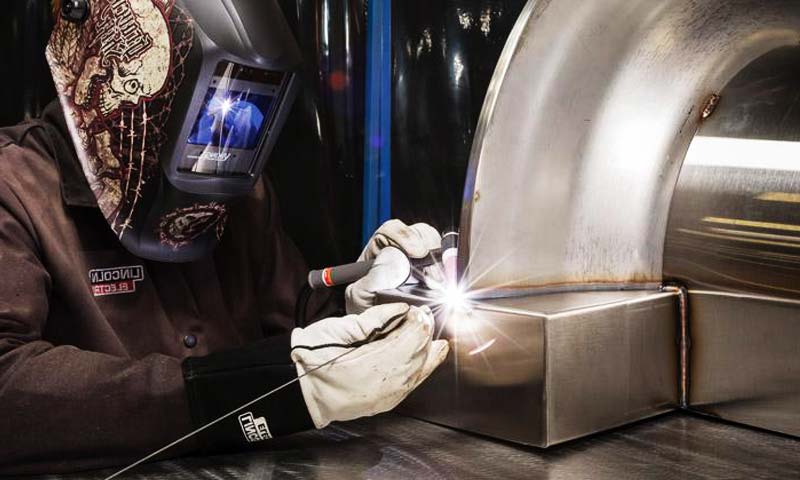
Spawanie TIG (Spawanie łuku wolframu gazowego)
Tig Spawalniczy zapewnia czystość, precyzyjne spoiny z minimalną ilością odprysków, co czyni ją preferowaną metodą w przypadku cienkich blach ze stali nierdzewnej (≤3 mm), szczególnie w zastosowaniach higienicznych, takich jak sprzęt do przetwarzania żywności 316L.
Typowe parametry obejmują 100–150 amperów i prędkość przesuwu 10–15 cm/min przy zastosowaniu gazu osłonowego argonem.

Ja spawanie (Spawanie łuku metalu gazowego)
Spawanie MIG wykorzystuje drut elektrodowy zasilany w sposób ciągły, oferując wyższe prędkości spawania grubszych blach (3–6 mm). Jednakże, wytwarza więcej odprysków i może wymagać czyszczenia po spawaniu w celu usunięcia pozostałości topnika, które mogą zapoczątkować korozję wżerową.
Spawanie punktowe
Zgrzewanie punktowe powoduje zastosowanie dużego prądu (5-15) przez dwie elektrody w celu stopienia nakładających się arkuszy.
Powszechne w produkcji samochodów, technika ta daje dyskretność, punkty spawania o wysokiej wytrzymałości (zazwyczaj o średnicy 5–10 mm) przy minimalnych odkształceniach termicznych.
Mechaniczne mocowanie
Mechaniczne Metody mocowania, takie jak nitowanie, sworzniowy, i zaciskanie stosuje się, gdy potrzebny jest demontaż lub nietrwałe połączenia.
Aby uniknąć korozji galwanicznej, elementy złączne muszą być wykonane z tego samego lub kompatybilnego gatunku stali nierdzewnej – np. stali nierdzewnej., 316Śruby L z blachami 316L.
Wykończeniowy: Zwiększanie wydajności powierzchni
Procesy wykończeniowe są krytyczne zarówno ze względów funkcjonalnych, jak i estetycznych. Poprawiają odporność na korozję, wyeliminować ostre krawędzie, i przygotować powierzchnie do malowania lub dalszej obróbki.
Załączanie uwagi
Gratowanie eliminuje ostre krawędzie i zadziory powstałe w wyniku cięcia lub wykrawania. Można to osiągnąć poprzez szlifowanie mechaniczne, koziołkujący, lub ablacja laserowa.
Gratowanie jest niezbędne w zastosowaniach medycznych i spożywczych, gdzie jakość krawędzi jest powiązana z higieną i bezpieczeństwem.
Pasywacja
Pasywacja to obróbka chemiczna polegająca na rozpuszczaniu wolnego żelaza z powierzchni za pomocą kwasu azotowego (20–50% stężenia), pozwalając na pełną regenerację warstwy tlenku chromu.
Poprawia to znacznie odporność na korozję – pasywacja 304 części mogą przetrwać 1,000 godzin w testach w mgle solnej w porównaniu do 500 godzin dla powierzchni niepasywowanych (zgodnie z ASTM B117).
Elektropolera
Elektropolera usuwa mikroskopijnie cienką warstwę powierzchniową poprzez kontrolowane rozpuszczanie anodowe.
Daje bardzo odblaskowy efekt, gładka powierzchnia (Ra 0,05–0,1 µm), zmniejszenie adhezji bakterii nawet o 90% w porównaniu do powierzchni polerowanych mechanicznie.
Dzięki temu idealnie nadaje się do zastosowań farmaceutycznych i półprzewodników.

Malarstwo i powłoka proszkowa
Malowanie i malowanie proszkowe podnoszą walory estetyczne i dodatkowo zabezpieczają przed korozją. Powierzchnie należy poddać wstępnej obróbce – zwykle poprzez fosforanowanie – aby zapewnić przyczepność.
Powłoki proszkowe (zazwyczaj o grubości 60–120 µm) zapewniają doskonałą odporność na promieniowanie UV i mgłę solną, z dłuższym okresem użytkowania 10 lat w środowisku morskim.
4. Gatunki stali nierdzewnej do produkcji blach
Wybór stal nierdzewna gatunek ma kluczowe znaczenie dla pomyślnej produkcji blachy.
Każdy stopień posiada odrębną cechę fizyczną, mechaniczny, i właściwości odporne na korozję, wpływając na wszystko, od zachowania podczas formowania po spawalność, skończyć, i koszt.
W praktyce przemysłowej, austenityc, ferritic, i martenzytyczne stale nierdzewne są najczęściej stosowane w zastosowaniach z blachą.

Austenityczne stale nierdzewne (300 Szereg)
Austenityczne stale nierdzewne są gatunkami najczęściej stosowanymi w produkcji blach ze względu na ich doskonałą odporność na korozję, Formalność, i spawalność.
Gatunki te są niemagnetyczne w formie wyżarzonej i wykazują doskonałą ciągliwość, co czyni je idealnymi do skomplikowanych i precyzyjnie uformowanych komponentów.
| Stopień | Kompozycja | Kluczowe funkcje | Cechy produkcyjne | Typowe zastosowania |
| 304 | 18% Cr, 8% W | Najczęściej stosowana stal nierdzewna; zrównoważona odporność na korozję i odkształcalność | Wysoka plastyczność (~40% wydłużenia), Dobra spawalność, umiarkowane utwardzanie przez zgniot | Przetwórstwo spożywcze, HVAC, sprzęt kuchenny, architektura |
| 304L | 18% Cr, 8% W, Niski c (≤0,03%) | Niska zawartość węgla zapobiega korozji międzykrystalicznej po spawaniu | Idealny do zastosowań wymagających intensywnego spawania | Czołgi, konstrukcje spawane |
| 316 | 16–18% cr, 10-14% ma, 2–3% MO | Zwiększona odporność na korozję, szczególnie na chlorki i słoną wodę | Nieco trudniejsze niż 304; może wymagać pasywacji po spawaniu | Sprzęt morski, Przetwarzanie chemiczne, Pharma |
| 316L | Niższa wersja węgla 316 | Zmniejszone ryzyko uczulenia podczas spawania | Utrzymuje odporność na korozję w środowiskach o wysokiej czystości | Urządzenia medyczne, systemy uzdatniania wody |
| 301 | 16–18% cr, 6–8% w | Wysoka wytrzymałość i dobra trwałość zmęczeniowa | Szybko robotni, nadaje się do sprężyn i części elastycznych | Wykończenie samochodowe, elementy wagonów kolejowych |
Ferrytyczne stale nierdzewne (400 Szereg)
Ferrytyczne stale nierdzewne są bogate w chrom i nie zawierają niklu, oferujący umiarkowaną odporność na korozję, Dobra przewodność cieplna, i efektywność kosztowa.
Gatunki te są magnetyczne i mniej plastyczne niż austenityki, ale wykazują lepszą odporność na pękanie korozyjne naprężeniowe w środowiskach bogatych w chlorki.
| Stopień | Kompozycja | Kluczowe funkcje | Cechy produkcyjne | Typowe zastosowania |
| 430 | ~ 17% cr | Niedrogie i powszechnie dostępne; Umiarkowana odporność na korozję | Wydłużenie ~20–25%; podatne na pękanie przy małych promieniach; lepsza spawalność niż gatunki martenzytyczne | Panele AGD, wykończenie wydechu, Sprzęt kuchenny |
| 409 | 10.5–11,75% Cr, Stabilizowany Ti/Nb | Przeznaczony do samochodowych układów wydechowych | Dobra formowalność, Dobra odporność na utlenianie | Tłumiki, obudowy katalizatorów |
| 439 | ~17–18% Cr, Ustabilizowany | Lepsza spawalność i odporność na korozję niż 430 | Bardziej stabilny w strefach wpływu ciepła | Wymienniki ciepła, urządzenia kuchenne |
Martenzytyczne stale nierdzewne
Martenzytyczne stale nierdzewne można poddawać obróbce cieplnej i charakteryzują się wysoką zawartością węgla, co pozwala na uzyskanie dużej twardości i wytrzymałości.
Jednakże, ich niższa odporność na korozję i ciągliwość ograniczają je w zastosowaniach z blachą, szczególnie tam, gdzie wymagane jest formowanie.
| Stopień | Kompozycja | Kluczowe funkcje | Cechy produkcyjne | Typowe zastosowania |
| 410 | 11.5–13,5% Cr, 0.1–0,2% C | Dobra odporność na zużycie i umiarkowana odporność na korozję | Niska plastyczność (~15% wydłużenia); najlepsze do obróbki i prostych zakrętów | Sztućce, Wały pompowe, narzędzia ręczne |
| 420 | 12–14% Cr, 0.15–0,4% C | Wysoka twardość powierzchni po hartowaniu; Odporność na korozję | Ograniczona formalność; preferowane w zastosowaniach szlifowanych lub polerowanych | Ostrza chirurgiczne, nożyczki, zawory |
Dupleksowe stale nierdzewne
Stale nierdzewne typu duplex łączą w sobie wytrzymałość gatunków austenitycznych z wytrzymałością stali ferrytycznych.
Są one coraz częściej stosowane w blachach w środowiskach wymagających konstrukcyjnie i krytycznych pod względem korozji.
| Stopień | Kompozycja | Kluczowe funkcje | Cechy produkcyjne | Typowe zastosowania |
| 2205 | ~ 22% cr, 5-6% w, 3% Mo | Wysoka siła, Doskonała odporność na korozję wżery i szczeliny | Wymaga precyzyjnej kontroli podczas spawania; nie nadaje się do głębokiego tłoczenia | Sprzęt morski, płyty konstrukcyjne, rośliny odsalania |
5. Specyfikacje blachy ze stali nierdzewnej
Zrozumienie specyfikacji blachy ze stali nierdzewnej ma kluczowe znaczenie przy wyborze odpowiedniego materiału do procesów produkcyjnych, takich jak cięcie laserowe, pochylenie się, cechowanie, i spawanie.
Specyfikacje te definiują formę fizyczną, tolerancje, Wykończenie powierzchni, i właściwości mechaniczne blach ze stali nierdzewnej, z których wszystkie bezpośrednio wpływają na wydajność i możliwości produkcyjne w różnych gałęziach przemysłu.

Zakres grubości i mierniki
Blachy ze stali nierdzewnej są zwykle klasyfikowane według grubość używając któregokolwiek milimetry (mm) Lub miernik (Ga), z niższymi numerami skrajni wskazującymi grubsze arkusze.
| Miernik (Ga) | Grubość (mm) | Powszechne użycie |
| 24 | ~0,6 mm | Obudowy, okładki, lekka produkcja |
| 20 | ~1,0 mm | Urządzenia kuchenne, Panele dekoracyjne |
| 16 | ~1,5 mm | Wykończenie samochodowe, zlewy |
| 14 | ~2,0 mm | Części strukturalne, czołgi |
| 10 | ~3,4 mm | Panele o dużej wytrzymałości, fasady architektoniczne |
| Płyta | ≥6,0 mm | Zastosowania konstrukcyjne i zbiorniki ciśnieniowe |
Rozmiary arkuszy
Blachy ze stali nierdzewnej dostępne są w rozmiarach standardowych i ciętych na wymiar:
| Standardowy rozmiar arkusza | Wymiary (mm) | Wymiary (Cale) |
| Pełny arkusz | 1219 × 2438 mm | |
| Duży arkusz | 1500 × 3000 mm | <P |
| Niestandardowe cięcie | Jak określono | Dostosowane do rysunku |
Tolerancje
Tolerancje płaskości, grubość, oraz długość/szerokość podlegają normom takim jak:
- ASTM A480: Ogólne wymagania dotyczące stali nierdzewnej walcowanej płasko
- W 10088-2: Europejska norma dotycząca tolerancji wymiarowych
- Just G4305: Japońska specyfikacja blach walcowanych na zimno
| Parametr | Typowa tolerancja (Walcowane na zimno) | Notatki |
| Grubość | ±0,05 mm do ±0,10 mm | Zależy od szerokości i standardu |
| Płaskość | ≤3 mm na metr | Krytyczne w przypadku cięcia laserowego/plazmowego |
| Szerokość | ± 2,0 mm | Typowe dla arkuszy standardowych |
Wykończenia powierzchniowe
Wykończenie powierzchni wpływa zarówno na estetykę, jak i odporność na korozję. Arkusze stali nierdzewnej są dostępne z różnymi teksturami powierzchni, w zależności od zastosowania:
| Skończyć | Opis | Ra (Średnia chropowatości) | Typowe zastosowania |
| 2B | Walcowane na zimno, Wyższywany, konserwowy, skóra przeszła | 0.1–0,2 µm | Produkcja ogólnego przeznaczenia, przetwórstwo spożywcze |
| BA (Jasne wyżarzane) | Gładki, odblaskowe wykończenie przypominające lustro | <0.1 µm | Urządzenia, przedmioty dekoracyjne |
| NIE. 4 | Szczotkowane, kierunkowe wykończenie ziarna | 0.2–0,5 µm | Architektura, Sprzęt kuchenny |
| NIE. 8 | Wykończenie lustrzane, wysoce wypolerowany | <0.05 µm | Windy, luksusowe wnętrza |
| Hr (Walcowane na gorąco) | Powierzchnia skali młyna, niedokończony | >1.6 µm | Zastosowania konstrukcyjne lub przemysłowe |
Powłoki i laminaty (Fakultatywny)
Dla dodatkowej ochrony lub ułatwienia przetwarzania, mogą być blachy ze stali nierdzewnej:
- Powlekane PCV: Tymczasowa folia ochronna podczas produkcji
- Laminowany winyl: Do zastosowań dekoracyjnych
- Malowane lub Pokryte PVD: Wykończenia architektoniczne lub odporne na odciski palców
6. Wyzwania w produkcji blach ze stali nierdzewnej
Podczas gdy blacha ze stali nierdzewnej zapewnia wyjątkową odporność na korozję, wytrzymałość, i estetyczny apel, jego wytwarzanie wiąże się z kilkoma nieodłącznymi wyzwaniami, które wymagają fachowej obsługi.
Utwardzanie i sprężynowanie
Jednym z najważniejszych wyzwań podczas formowania stali nierdzewnej jest jej wyraźne utwardzanie przez zgniot.
Austenityczne stale nierdzewne, takie jak oceny 304 I 316, szybko zwiększają twardość i wytrzymałość podczas obróbki na zimno. Zjawisko to może powodować:
- Zwiększone zużycie narzędzia: Narzędzia do cięcia i formowania ulegają szybszemu zużyciu, co wymaga użycia twardszego, odpornej na zużycie stali narzędziowej i częstej konserwacji lub wymiany.
- Trudności w formowaniu: Wraz ze wzrostem twardości podczas zginania lub ciągnienia, materiał staje się mniej plastyczny i bardziej podatny na pękanie, jeśli zagięcia są zbyt ciasne lub powtarzane wielokrotnie.
- Wiosna: Stal nierdzewna ma tendencję do częściowego odzyskiwania sprężystości po formowaniu, co oznacza, że ostateczny kąt zgięcia jest mniej ostry niż zamierzony.
Wymaga to precyzyjnych obliczeń dotyczących nadmiernego zginania, a czasami wielu iteracji testów, aby osiągnąć dokładność wymiarową.
Wrażliwość spawalnicza
Spawanie blach ze stali nierdzewnej wymaga dokładnej kontroli parametrów, aby zapobiec defektom:
- Zarządzanie wejściem ciepła: Nadmierne ciepło może powodować uczulenie w gatunkach austenitycznych,
gdzie węgliki chromu wytrącają się na granicach ziaren, zmniejszając odporność na korozję i prowadząc do ataku międzykrystalicznego. - Zniekształcenia i wypaczenia: Niska przewodność cieplna stali nierdzewnej i wysoki współczynnik rozszerzalności cieplnej mogą prowadzić do znacznego gromadzenia się ciepła podczas spawania, powodując wypaczenia i niestabilność wymiarową.
- Czyszczenie po spawaniu: Pozostałości topnika spawalniczego lub przebarwienia (Odcień ciepła) może obniżyć odporność na korozję,
wymagające specjalistycznych metod czyszczenia chemicznego lub mechanicznego, takich jak trawienie i pasywacja.
Obawy dotyczące obrabialności
W porównaniu do stali węglowej, Skrawalność stali nierdzewnej jest zmniejszona ze względu na jej wytrzymałość i tendencję do utwardzania:
- Wysokie siły skrawania: Obróbka stali nierdzewnej wymaga niższych prędkości skrawania, Wyższe wskaźniki pasz, oraz częstszą wymianę narzędzi, aby uniknąć nadmiernego nagrzewania się i zużycia narzędzi.
- Nabudowane tworzenie krawędzi: Wióry mają tendencję do przylegania do narzędzia tnącego, pogorszenie wykończenia powierzchni i trwałości narzędzia.
- Wymagania dotyczące chłodziwa: Skuteczne chłodzenie i smarowanie są niezbędne, aby zapobiec uszkodzeniom termicznym i zachować dokładność wymiarową.
Wyzwania związane z wykończeniem powierzchni
Osiągnięcie i utrzymanie pożądanego wykończenia powierzchni elementów z blachy ze stali nierdzewnej może być trudne:
- Unikanie zadrapań i zanieczyszczeń: Powierzchnie ze stali nierdzewnej są podatne na zarysowania podczas obsługi i obróbki, które mogą stać się miejscami inicjacji korozji.
- Utrzymanie pasywacji: Obróbka powierzchni, taka jak pasywacja i elektropolerowanie, musi być dokładnie kontrolowana, aby zapewnić jednolite warstwy ochronne. Niewłaściwe wykończenie może skutkować niejednolitą odpornością na korozję.
Koszty i odpady materiałowe
- Koszty materiałowe: Stopy stali nierdzewnej, szczególnie te o wysokiej zawartości niklu lub molibdenu (NP., 316L), są droższe od stali węglowych, rosnące koszty surowców.
- Generacja złomu: Wąskie wymagania dotyczące tolerancji i złożone geometrie często prowadzą do znacznych strat materiału podczas cięcia i formowania, wymagające skutecznych strategii zagnieżdżania i recyklingu odpadów.
Stabilność wymiarowa i tolerancje
Utrzymanie wąskich tolerancji wymiarowych jest krytyczne, ale trudne ze względu na::
- Rozszerzanie termiczne: Wyższy współczynnik rozszerzalności cieplnej stali nierdzewnej w porównaniu ze stalą węglową może prowadzić do zmian wymiarowych podczas cykli ogrzewania i chłodzenia.
- Naprężenia szczątkowe: Naprężenia szczątkowe wprowadzone podczas formowania lub spawania mogą z czasem powodować odkształcenie części lub dryft wymiarowy.
7. Zastosowania obróbki blachy ze stali nierdzewnej
Produkcja blach ze stali nierdzewnej odgrywa kluczową rolę w wielu gałęziach przemysłu, wykorzystując wyjątkową kombinację odporności materiału na korozję, Siła mechaniczna, i estetyczny apel.

Lotnisko i obrona
- Elementy krytyczne, takie jak konstrukcje płatowca, wsporniki, obudowy, a osłony termiczne wymagają wysokiego stosunku wytrzymałości do masy stali nierdzewnej i odporności na korozję.
- Wyprodukowane części muszą wytrzymywać ekstremalne temperatury i trudne warunki środowiskowe.
Przetwarzanie żywności i napojów
- W urządzeniach takich jak przenośniki stosuje się higieniczną blachę ze stali nierdzewnej, czołgi, zbiorniki magazynowe, i urządzenia kuchenne.
- Powierzchnie są często elektropolerowane lub pasywowane, aby zapobiec rozwojowi bakterii i ułatwić czyszczenie.
Sprzęt medyczny i farmaceutyczny
- Instrumenty chirurgiczne, tace do sterylizacji, panele do pomieszczeń czystych, i reaktory farmaceutyczne są wykonane z blachy ze stali nierdzewnej, aby spełnić rygorystyczne normy higieny i korozji.
- Gładki, wykończenia odporne na zanieczyszczenia mają kluczowe znaczenie.
Architektoniczne i budowlane
- Stal nierdzewna jest preferowana w przypadku fasad dekoracyjnych, okładzina, poręcze, panele windy, i pokrycia dachowe.
- Połączenie trwałości i atrakcyjności wizualnej sprawia, że idealnie nadaje się do zastosowań wewnętrznych i zewnętrznych.
Automotive i transport
- Układy wydechowe, elementy wykończenia, Tarcze cieplne, a wzmocnienia konstrukcyjne wykorzystują blachę ze stali nierdzewnej w celu zapewnienia odporności na korozję i wytrzymałości.
- Lekka konstrukcja pomaga poprawić efektywność paliwową i emisję spalin.
Przemysł chemiczny i petrochemiczny
- Zbiorniki ze stali nierdzewnej odpornej na korozję, rurociąg, i obudowy są niezbędne w obsłudze agresywnych chemikaliów i procesów wysokotemperaturowych.
- Produkcja wymaga dużej precyzji, aby zapewnić szczelne połączenia i integralność konstrukcji.
Towary konsumpcyjne i elektronika
- Trwałe obudowy ze stali nierdzewnej, obudowy, i części konstrukcyjne są powszechne w urządzeniach, Laptopy, smartfony, i urządzenia do noszenia.
- Wykończenie powierzchni poprawia zarówno estetykę, jak i odporność na zarysowania.
8. Zrównoważony rozwój i recykling
Stal nierdzewna jest 100% recykling, do 60% ze stali nierdzewnej pochodzącej z materiałów pochodzących z recyklingu. To ekologiczny wybór dla producentów, których celem jest zmniejszenie wpływu na środowisko. Jego trwałość przyczynia się również do dłuższej żywotności produktu i mniejszej liczby wymian.
9. Wniosek
Produkcja blachy ze stali nierdzewnej to wysoce wyspecjalizowany i wszechstronny proces produkcyjny, który odgrywa kluczową rolę w różnych gałęziach przemysłu, od lotnictwa i medycyny po motoryzację i architekturę.
Unikalne właściwości stali nierdzewnej – jej wyjątkowa odporność na korozję, wytrzymałość, i estetyka – w połączeniu z postępem technologii produkcji, pozwalają na produkcję kompleksów, komponenty o wysokiej precyzji dostosowane do wymagających zastosowań.
Sukces w produkcji stali nierdzewnej wymaga dokładnego rozważenia wyboru gatunku materiału, zrozumienie niuansów cięcia, tworzenie się, łączący, i procesy wykończeniowe, i pokonywanie wyzwań, takich jak hartowanie w pracy, uszkodzenia powierzchni, i złożoność spawania.
Kiedy jest wykonany z precyzją, wykonanie ze stali nierdzewnej zapewnia części zapewniające trwałość, bezpieczeństwo, i długie życie, często w trudnych warunkach środowiskowych.
Podsumowując, opanowanie produkcji blachy ze stali nierdzewnej nie tylko zapewnia przewagę w zakresie wydajności, ale także zwiększa jakość i niezawodność, co czyni ją niezbędną dyscypliną w nowoczesnej produkcji i inżynierii.
Usługi wytwarzania blachy ze stali nierdzewnej Langhe
LangHe specjalizuje się w dostarczaniu najwyższej klasy usług w zakresie produkcji blachy ze stali nierdzewnej, dostosowanych do rygorystycznych wymagań nowoczesnego przemysłu.
Łączymy zaawansowane technologie produkcyjne z fachowym rzemiosłem, LangHe zapewnia precyzję, trwałość, i wyjątkową odporność na korozję każdego wyprodukowanego elementu.

Możliwości blachy ze stali nierdzewnej:
- Precyzyjne cięcie & Tworzenie się — Zastosowanie cięcia laserowego, gięcie prasy krawędziowej, i techniki walcowania w celu uzyskania złożonych kształtów i wąskich tolerancji.
- Zaawansowane spawanie & Łączący — Ekspert TIG, JA, oraz usługi zgrzewania punktowego przeznaczone dla mocnych, czysty, i złącza odporne na korozję.
- Wykończenie powierzchni & Leczenie — W tym pasywacja, elektropolera, i malowanie proszkowe w celu zwiększenia odporności na korozję i estetyki.
Od serii prototypowych po produkcję wielkoseryjną, LangHe dostarcza niezawodne, komponenty ze stali nierdzewnej produkowane na zamówienie, odpowiednie dla branż takich jak towary konsumpcyjne i elektronika, automobilowy, urządzenia medyczne, i przetwarzanie żywności.
Partner z LangHe dla rozwiązań w zakresie produkcji blachy ze stali nierdzewnej, które łączą w sobie precyzję, jakość, i trwałość, aby wspierać najbardziej krytyczne aplikacje.
FAQ
Jak wykonana jest blacha ze stali nierdzewnej?
Blacha ze stali nierdzewnej powstaje w wyniku stopienia surowców (żelazo, chrom, nikiel, itp.), odlewanie ich w płyty, następnie walcowanie na gorąco i na zimno do żądanej grubości. Następnie arkusze są wyżarzane, konserwowy, i skończyłem.
Co to jest wytwarzanie ze stali nierdzewnej?
Produkcja stali nierdzewnej to proces przekształcania płaskich arkuszy stali nierdzewnej w gotowe części lub konstrukcje przy użyciu technik takich jak cięcie, pochylenie się, spawalniczy, i wykończenie powierzchni.
Czy możesz spać ze stali nierdzewnej na blachy?
Tak. Stal nierdzewną można spawać z blachą za pomocą procesów takich jak TIG, JA, lub zgrzewanie punktowe, w zależności od grubości i kompatybilności materiału.
Czy stal nierdzewna jest trudna do wytworzenia?
Stal nierdzewna jest trudniejsza w produkcji niż stal węglowa ze względu na jej hartowanie, wytrzymałość, i wrażliwość na ciepło – ale przy użyciu odpowiednich narzędzi i technik, można go wykonać precyzyjnie i efektywnie.