W dzisiejszym świecie produkcyjnym, obróbka vs. odlewanie to dwa z najczęściej stosowanych procesów wytwarzania części wysokiej jakości.
Metody te odgrywają kluczową rolę w tworzeniu wszystkiego wyrafinowane implanty medyczne Do wytrzymałe komponenty samochodowe.
Wybór odpowiedniego procesu dla Twojego projektu jest niezbędny i zależy od kilku czynników, takich jak złożoność projektu, wymagania materiałowe, i ograniczenia budżetowe.
W tym artykule, zapewnimy szczegółowe porównanie obróbki mechanicznej z obróbką skrawaniem. odlew,
podkreślając ich odrębne cechy i pomagając w podjęciu najbardziej świadomej decyzji dotyczącej potrzeb produkcyjnych.
1. Wstęp: Zrozumienie castingu i obróbki
Obydwa odlew I obróbka są niezbędnymi procesami produkcyjnymi, każdy z własnym zestawem korzyści i zastosowań.
Odlew polega na wlaniu stopionego metalu do formy w celu uformowania skomplikowanych kształtów,
chwila obróbka odnosi się do procesu odejmowania materiału od pełnego przedmiotu obrabianego za pomocą narzędzi takich jak maszyny CNC.
While they can both produce high-quality parts, choosing between these two methods requires understanding their unique capabilities and limitations.
2. Co jest casting?
Odlew is a manufacturing process where molten material—typically metal or alloy—is poured into a mold cavity to solidify and take the shape of the mold.
This versatile process allows for the creation of complex parts and shapes, which would be difficult or expensive to achieve using other methods.
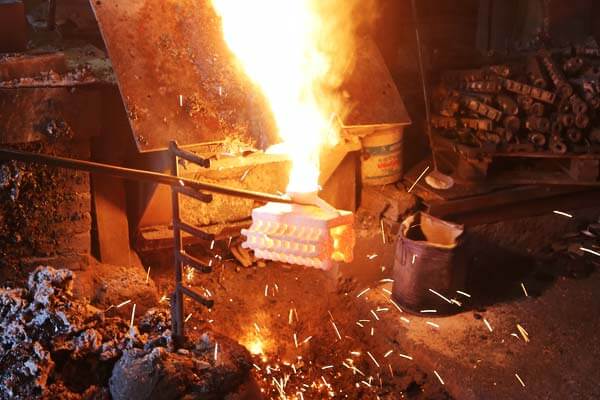
It is one of the oldest methods of metalworking and continues to be widely used in industries today.
Podczas castingu, the material is heated to a molten state, and once it has reached the correct temperature, it is poured into a mold that reflects the desired geometry.
The material cools and solidifies, forming the part, which is then removed from the mold.
Afterward, wszelkie niezbędne wykończenia — takie jak przycinanie, szlifowanie, lub polerowanie – są stosowane w celu uzyskania produktu końcowego.
Kluczowe rodzaje castingu:
Casting piasku:
- Przegląd procesu: Najpopularniejszą i najtańszą metodą jest odlewanie piaskowe, szczególnie w przypadku dużych części.
Wzór części wykonany jest z drewna, plastikowy, lub metalu i jest zatopiony w piasku.
Piasek jest ciasno ułożony wokół wzoru, a następnie do formy wlewa się roztopiony metal w celu uformowania części.
Casting piasku - Aplikacje: Powszechnie stosowane w motoryzacji, lotniczy, i przemysł maszynowy ciężki w zakresie części takich jak bloki silnika, Przekładnie, i elementy maszyn przemysłowych.
- Zalety: Niskie koszty narzędzi, elastyczność w obsłudze dużych części, i przydatność do różnych metali.
- Wady: Mniej precyzyjne tolerancje i bardziej szorstkie wykończenie powierzchni w porównaniu z innymi metodami.

Casting inwestycyjny (Casting zagubiony):
- Przegląd procesu: W Casting inwestycyjny, tworzony jest woskowy wzór części, a następnie pokryty powłoką ceramiczną.
Skorupę podgrzewa się w celu usunięcia wosku, pozostawiając pustą formę. Następnie stopiony metal wlewa się do formy, aby uformować część.Casting inwestycyjny - Aplikacje: Stosowany do części wymagających dużej precyzji, takie jak ostrza turbiny, Implanty medyczne, i komponenty lotnicze.
- Zalety: Dokładność wysokiej wymiaru, Doskonałe wykończenie powierzchniowe, oraz możliwość tworzenia skomplikowanych geometrii wewnętrznych.
- Wady: Wyższe koszty pracy i wolniejsze tempo produkcji, nadaje się głównie do mniejszych części.

Die casting:
- Przegląd procesu: Die casting polega na wtłaczaniu stopionego metalu do stalowych form (zwane także umierami) pod wysokim ciśnieniem.
Metal szybko stygnie w formie, tworząc solidną część. Matryce można ponownie wykorzystać, dzięki czemu proces ten jest idealny do produkcji na dużą skalę.Die casting - Aplikacje: Powszechnie stosowane w masowej produkcji małych i średnich części, takie jak obudowy, złącza, i komponenty motoryzacyjne.
- Zalety: Szybkie cykle produkcyjne, Wysoka precyzja, Doskonałe wykończenia powierzchniowe, i dobra kontrola tolerancji.
- Wady: Wysokie koszty początkowego oprzyrządowania i ograniczenia dotyczące stopów, które można zastosować, ponieważ najlepiej nadaje się do metali o niskiej temperaturze topnienia, takich jak cynk, aluminium, i magnez.

Stałe odlewanie form:
- Przegląd procesu: Podobnie jak odlewanie ciśnieniowe, ale zamiast wysokiego ciśnienia, roztopiony metal wlewa się do form wielokrotnego użytku wykonanych ze stali lub żelaza.
Technikę tę często stosuje się w przypadku części, które wymagają lepszych właściwości mechanicznych niż zapewnia odlewanie w piasku. - Aplikacje: Powszechnie stosowany w produkcji samochodów do części takich jak tłoki, głowice cylindra, i koła.
- Zalety: Poprawiona dokładność wymiarowa i wykończenie powierzchni w porównaniu do odlewania piaskowego, z szybszym chłodzeniem, co skutkuje lepszymi właściwościami mechanicznymi.
- Wady: Droższe oprzyrządowanie w porównaniu do odlewania w piasku i ograniczone do części średniej wielkości.
Casting odśrodkowy:
- Przegląd procesu: W castingu odśrodkowym, stopiony metal wlewa się do obracającej się formy, gdzie siła odśrodkowa równomiernie rozprowadza materiał wzdłuż ścianek formy.
Jest to szczególnie przydatne w przypadku części cylindrycznych, takie jak rury lub tuleje. - Aplikacje: Powszechne w produkcji rur, Przekładnie, i inne elementy cylindryczne.
- Zalety: Gęsty, równomierny rozkład materiału, i zmniejszoną porowatość.
- Wady: Ograniczone do kształtów okrągłych lub cylindrycznych i mniej odpowiednie do skomplikowanych projektów.
Kluczowe zalety castingu:
- Złożone geometrie: Odlewanie specjalizuje się w wytwarzaniu części o skomplikowanych kształtach wewnętrznych i zewnętrznych, których utworzenie przy pomocy samej obróbki byłoby trudne lub niemożliwe.
- Ekonomiczne w przypadku dużych ilości: Po wykonaniu form, odlewanie może być bardzo opłacalną metodą produkcji dużych ilości części, dzięki czemu idealnie nadaje się do masowej produkcji.
- Elastyczność materiału: Odlewanie może obejmować szeroką gamę metali i stopów,
w tym aluminium, brązowy, lane żelazo, stal, i Superalloys. Dzięki temu jest wszechstronny w branżach wymagających specjalistycznych materiałów. - Wysoka tolerancja i jakość powierzchni (Casting inwestycyjny): W porównaniu z innymi metodami odlewania,
Casting inwestycyjny oferuje doskonałe wykończenie powierzchni i wąskie tolerancje, nadaje się do części wymagających dużej precyzji. - Odpady o niskim materiale: Odlewanie pozwala uzyskać części o kształcie zbliżonym do netto, minimalizując straty materiału i zmniejszając potrzebę kosztownej obróbki wtórnej.
Kluczowe rozważania i ograniczenia odlewania:
- Precyzja i tolerancje: Chociaż niektóre metody odlewania zapewniają dobrą dokładność wymiarową, . tolerancja części odlewanych nie jest na ogół tak duża, jak w przypadku części wykonanych metodami obróbki skrawaniem.
Niektóre procesy odlewania, takie jak odlewanie piaskowe, mogą skutkować bardziej szorstkimi wykończeniami powierzchni i wymagać dodatkowej obróbki końcowej. - Koszty konfiguracji: Wstępny projekt i produkcja formy może być kosztowna, szczególnie w przypadku skomplikowanych części lub w przypadku stosowania wysokiej jakości form w procesach takich jak odlewanie ciśnieniowe lub metodą traconego wosku.
Jednakże, koszt można zamortyzować w przypadku produkcji wielkoseryjnej. - Czas realizacji: Odlew, szczególnie w przypadku skomplikowanych form lub skomplikowanych projektów, może wymagać dłuższych czasów realizacji w porównaniu do metod obróbki skrawaniem lub wytwarzania przyrostowego.
Może to mieć wpływ na projekty o napiętych harmonogramach. - Ograniczenia materialne: Niektóre procesy odlewania są odpowiednie tylko dla określonych materiałów,
takie jak stopy aluminium lub cynku, i są ograniczone w przypadku pracy z metalami o wysokiej temperaturze topnienia lub bardziej złożonymi stopami.
Zastosowania castingu:
- Automobilowy: Bloki silnika, skrzynie biegów, i komponenty wydechowe.
- Aerospace: Ostrza turbiny, Części silnika, i komponenty strukturalne.
- Budowa: Duże komponenty, takie jak rury i belki.
- Morski: Śmigła łodzi, Złączki morskie, i części konstrukcyjne.
- Produkty konsumenckie: Przedmioty dekoracyjne, Naczynia kuchenne, i komponenty sprzętowe.
3. Co jest obróbką?
Obróbka to subtraktywny proces produkcyjny, który polega na usuwaniu materiału z litego przedmiotu obrabianego za pomocą precyzyjnych narzędzi skrawających w celu uzyskania pożądanego kształtu, rozmiar, i zakończ.
W przeciwieństwie do castingu, gdzie materiał jest wlewany do formy, obróbka polega na usunięciu materiału z większego kawałka w celu utworzenia części o dokładnych specyfikacjach.
Proces ten jest kluczowy w branżach wymagających dużej precyzji, takich jak lotnictwo, automobilowy, urządzenia medyczne, i elektronika.
Obróbkę zwykle wykonuje się przy użyciu CNC (Komputerowe sterowanie numeryczne) maszyny, które są zaprogramowane tak, aby podążały określonymi ścieżkami narzędzia, co pozwala na wyjątkową dokładność i powtarzalność.
Chociaż obróbkę można również wykonać ręcznie przy użyciu tradycyjnych obrabiarek, rozwój zautomatyzowanej obróbki znacznie poprawił wydajność produkcji, konsystencja, i prędkość.
Rodzaje procesów obróbki
CNC Mękawka
- Przegląd procesu: CNC Mękawka to zautomatyzowany proces, w którym wstępnie zaprogramowane oprogramowanie komputerowe steruje obrabiarkami
tak jak Tokarki, Młyny, i ćwiczenia. Jest szeroko stosowany do tworzenia precyzyjnych części o złożonej geometrii.CNC Mękawka - Zalety: Wysoka dokładność, Doskonała powtarzalność, szybkie czasy produkcji, i obniżone koszty pracy.
- Wady: Wyższe koszty początkowej konfiguracji ze względu na programowanie i oprzyrządowanie, i nie jest idealny do dużych części w porównaniu z odlewaniem.

Ręczne obróbki
- Przegląd procesu: W obróbce ręcznej, wykwalifikowani operatorzy bezpośrednio sterują maszynami, dostosowywanie narzędzi i ustawień dla każdej części.
Chociaż wymaga to więcej pracy i wiedzy, zapewnia elastyczność w przypadku pojedynczych części, remont, i produkcję małoseryjną. - Zalety: Elastyczność w pracach niestandardowych, niższy koszt pojedynczych części lub małych partii, oraz możliwość dokonywania korekt na bieżąco.
- Wady: Niższe tempo produkcji, wyższe koszty pracy, i mniejszą spójność niż obróbka CNC.
Obróbka elektroerozyjna (EDM)
- Przegląd procesu: EDM wykorzystuje iskry elektryczne do usuwania materiału z przedmiotu obrabianego, dzięki czemu idealnie nadaje się do twardych metali i skomplikowanych kształtów.
Jest powszechnie stosowany do produkcji form i matryc, jak również do elementów z małymi otworami lub precyzyjnymi konturami.Obróbka elektroerozyjna - Zalety: Możliwość obróbki twardych materiałów, osiąga drobne szczegóły, i wytwarza minimalne strefy wpływu ciepła.
- Wady: Wolniejszy proces i wyższe koszty operacyjne, czyniąc go mniej odpowiednim do masowej produkcji.

Szlifowanie
- Przegląd procesu: Szlifowanie wykorzystuje tarczę ścierną do usuwania materiału z przedmiotu obrabianego, zazwyczaj w celu udoskonalenia wykończenia powierzchni i osiągnięcia wąskich tolerancji.
Często jest to ostatni etap obróbki pozwalający na osiągnięcie precyzyjnych wykończeń. - Zalety: Doskonały do uzyskiwania gładkich powierzchni i wąskich tolerancji.
- Wady: Wytwarza ciepło, które może zmienić właściwości materiału, jeśli nie jest właściwie zarządzane i jest wolniejsze niż inne procesy.
Broaching
- Przegląd procesu: Przeciąganie to proces obróbki, w którym wykorzystuje się narzędzie zębate zwane przeciągaczem do usuwania materiału ruchem liniowym.
Idealnie nadaje się do wytwarzania form wewnętrznych lub zewnętrznych, takich jak wpusty, Splajny, i sloty. - Zalety: Wydajne i szybkie w przypadku określonych kształtów, wysoka produktywność w przypadku powtarzalnych zadań.
- Wady: Ograniczone do określonych kształtów i wysokich kosztów oprzyrządowania.
Kluczowe zalety obróbki
- Wysoka precyzja i dokładność: Obróbka skrawaniem znana jest ze swojej zdolności do wytwarzania części wyjątkowo wąskie tolerancje,
co ma kluczowe znaczenie w branżach takich jak przemysł lotniczy, automobilowy, i urządzenia medyczne.
- Obróbka CNC może osiągnąć tolerancje tak wąskie, jak ± 0,0005 cala (0.0127 mm), gwarantując, że komponenty idealnie pasują i działają zgodnie z przeznaczeniem.
- Wykończenia powierzchniowe: Jedną z kluczowych zalet obróbki skrawaniem jest jej zdolność do tworzenia gładki, Wysokiej jakości wykończenia powierzchniowe bez konieczności wykonywania dodatkowych etapów przetwarzania końcowego.
Jest to szczególnie korzystne w przypadku części, w których wymagane jest minimalne tarcie lub wysokie standardy estetyczne. - Wszechstronność: Obróbka jest kompatybilna z szeroką gamą materiałów, w tym metale (NP., stal, aluminium, tytan), tworzywa sztuczne, i kompozyty.
Dzięki temu producenci mogą wybrać najlepszy materiał do swoich konkretnych potrzeb. - Personalizacja i szybkie prototypowanie: Obróbka pozwala szybkie modyfikacje projektu i korekty w trakcie produkcji,
dzięki czemu jest to odpowiednia opcja do prototypowania i produkcji małych partii.
Niestandardowe części można łatwo tworzyć, modyfikując modele CAD i programy CNC. - Powtarzalność i spójność: Zautomatyzowane CNC Mękawka gwarantuje, że każda wyprodukowana część jest identyczna z poprzednią.
Ta powtarzalność sprawia, że obróbka jest idealna do zastosowań, w których niezbędna jest jednolitość części do części.
Kluczowe rozważania dotyczące obróbki
- Marnotrawstwo materialne: Obróbka jest proces odejmowania, co oznacza, że materiał jest usuwany z większego przedmiotu obrabianego, co może prowadzić do marnotrawstwa.
Jednakże, Dokładne planowanie i optymalne ścieżki narzędzia mogą zminimalizować straty materiału. - Zużycie i konserwacja narzędzi: Narzędzia skrawające używane podczas obróbki mogą z czasem ulec zużyciu, zwłaszcza podczas obróbki twardych materiałów.
Aby zachować dokładność i wydajność, konieczna jest regularna konserwacja i wymiana narzędzi. - Koszty konfiguracji i programowania: Do obróbki CNC, często są wyższe początkowe koszty konfiguracji ze względu na programowanie, zmiany narzędzi, i kalibracja maszyny.
Jednakże, koszty te są często równoważone wydajnością masowej produkcji po zakończeniu konfiguracji.
Zastosowania obróbki
- Aerospace: Obróbka skrawaniem jest szeroko stosowana do produkcji kluczowych komponentów samolotów, takie jak ostrza turbiny, elementy strukturalne, i części silnika.
Części te wymagają wyjątkowo wąskich tolerancji i precyzyjnego wykończenia powierzchni. - Automobilowy: Od bloków silnika po elementy zawieszenia, obróbka skrawaniem ma kluczowe znaczenie w produkcji wysokowydajnych części samochodowych, które wymagają wytrzymałości, precyzja, i trwałość.
- Urządzenia medyczne: Wiele implantów medycznych, Instrumenty chirurgiczne, i sprzęt diagnostyczny są produkowane przy użyciu technik obróbki skrawaniem, gdzie precyzja jest najważniejsza.
- Elektronika konsumpcyjna: Obróbka skrawaniem służy do tworzenia obudów do smartfonów, Laptopy, i inne urządzenia elektroniczne, zapewniając, że komponenty są precyzyjnie uformowane i bezpiecznie dopasowane.
4. Czynniki, które należy wziąć pod uwagę przy wyborze między obróbką vs. Odlew
Podejmując decyzję, czy zastosować obróbkę skrawaniem czy obróbkę skrawaniem,. casting do Twojego projektu, należy wziąć pod uwagę kilka kluczowych czynników.
Obydwa procesy oferują wyjątkowe korzyści, ale ich przydatność zależy od konkretnych wymagań projektu.
Poniżej znajdują się najważniejsze uwagi, które pomogą Ci określić, która metoda najlepiej pasuje do Twoich potrzeb produkcyjnych:
Wymagania dotyczące złożoności projektowania i tolerancji
Odlew:
- Złożone geometrie: Jeśli Twoja część tego wymaga złożone funkcje wewnętrzne lub skomplikowanych geometrii, casting może być lepszą opcją.
Odlew jest idealny do części z niestandardowe kształty, łącznie z profilami pustymi, podcięcia, i skomplikowane wzory. - Zakres tolerancji: Odlew może osiągnąć rozsądne tolerancje, ale zazwyczaj wymaga dodatkowych operacji (jak obróbka) dla większej precyzji.
Casting inwestycyjny oferuje lepsze tolerancje niż odlewy piaskowe, ale nadal generalnie nie odpowiada precyzji obróbki.
Obróbka:
- Części precyzyjne: Jeśli Twój projekt tego wymaga wąskie tolerancje, preferowanym wyborem jest obróbka skrawaniem.
Obróbka CNC zapewnia najwyższą precyzję, z tolerancjami tak wąskimi jak ±0,0005 cala (0.0127 mm).
Ma to kluczowe znaczenie w zastosowaniach takich jak lotnictwo, urządzenia medyczne, oraz komponenty samochodowe, gdzie najmniejsze odchylenie może pogorszyć wydajność. - Szczegóły i wykończenie: Dla części wymagających Gładkie wykończenia powierzchni Lub szczegółowe funkcje,
obróbka skrawaniem nie ma sobie równych w produkcji wysokiej jakości, ściśle dopasowane komponenty przy minimalnej obróbce końcowej.
Wielkość produkcji i czas realizacji
Odlew:
- Produkcja o dużej objętości: Casting jest szczególnie skuteczny w przypadku Masowa produkcja części, gdzie wymagane są duże ilości.
Po utworzeniu pleśni, można wyprodukować dużą liczbę części przy stosunkowo niskim koszcie jednostkowym, dzięki czemu odlewanie jest najlepszym wyborem w przypadku produkcji na dużą skalę. - Czas realizacji: Casting może zająć więcej czasu czasy realizacji do tworzenia form, szczególnie w przypadku skomplikowanych projektów.
Jednakże, po wykonaniu form, produkcja jest szybka, a części można szybko produkować w dużych ilościach.
Obróbka:
- Small to Medium Batches: Machining is more suitable for smaller production runs Lub części niestandardowe that don’t require large quantities.
The setup time and cost per part can be high for larger batches, making machining less cost-effective in mass production. - Faster Prototyping: If quick prototypes are needed, machining is faster.
The ability to adjust the design on the fly and make immediate changes is a significant advantage when rapid prototyping is a priority.
Typ materiału i właściwości
Odlew:
- Tworzywo Elastyczność: Casting allows for the use of a broad range of materials, w tym aluminium, stal, brązowy, lane żelazo, I Superalloys.
This makes casting a versatile method for industries where material choice is paramount, such as automotive, lotniczy, i ciężkie maszyny. - Ograniczenia materialne: While casting supports various alloys, it may not be suitable for materials that require extreme precision,
such as some high-performance alloys, which may benefit more from machining.
Obróbka:
- Szeroka kompatybilność materiałowa: Obróbka skrawaniem sprawdza się w przypadku szerokiej gamy materiałów, w tym metale (stal, aluminium, tytan), tworzywa sztuczne, I kompozyty.
Jednakże, obróbka skrawaniem jest szczególnie idealna w przypadku twardych materiałów, które wytrzymują skrawanie z dużą prędkością, w tym stal nierdzewna, tytan, i niektóre stopy. - Marnotrawstwo materialne: Wadą obróbki skrawaniem jest to, że może ona prowadzić do większych strat materiału, ponieważ jest to proces subtraktywny, szczególnie w przypadku skomplikowanych geometrii.
Należy to wziąć pod uwagę w przypadku materiałów drogich lub ograniczonych.
Ograniczenia kosztów i budżetu
Odlew:
- Początkowe koszty konfiguracji: . początkowy koszt oprzyrządowania do odlewania, szczególnie do tworzenia form, może być wysoki.
Na przykład, tworzenie niestandardowych form może wahać się od setek do tysięcy dolarów, w zależności od złożoności.
Jednakże, po wykonaniu form, koszt jednej części jest znacznie niższy, dzięki czemu odlewanie jest opłacalnym rozwiązaniem produkcja na dużą skalę. - Koszt na jednostkę: Do produkcji o dużej objętości, casting staje się czymś więcej opłacalny jak koszt form
rozsiane po dużej liczbie części, drastycznie obniżając koszt jednostkowy.
Obróbka:
-
- Wyższe koszty początkowe: Chociaż obróbka ma niższe koszty konfiguracji w porównaniu do odlewania (nie są potrzebne żadne formy),
ogólnie rzecz biorąc, jednostkowy koszt obróbki jest taki sam wyższy ze względu na koszty pracy i sprzętu związane z usuwaniem materiału. - Koszt produkcji małoseryjnej: Do małych i średnich wielkości produkcji lub części niestandardowych, obróbka może być większa opłacalne niż casting.
Jednakże, na większe biegi, początkowy koszt obróbki może stać się wysoki, szczególnie w przypadku części wymagających wielu procesów.
- Wyższe koszty początkowe: Chociaż obróbka ma niższe koszty konfiguracji w porównaniu do odlewania (nie są potrzebne żadne formy),
Właściwości mechaniczne i trwałość
Odlew:
- Wytrzymałość materiału: Podczas odlewania można wytwarzać części o dobrych właściwościach mechanicznych,
powstały materiał jest często mniej gęsty i może mieć porowatość lub puste przestrzenie, co może mieć wpływ na jego wytrzymałość i trwałość.
Dodatkowe zabiegi lub procesy wtórne, takie jak obróbka cieplna Lub obróbka są często wymagane do osiągnięcia pożądanej wytrzymałości i trwałości. - Przydatność aplikacji: Casting jest bardzo odpowiedni dla elementy niekonstrukcyjne, lub części, które nie wytrzymują dużych obciążeń lub wymagają dużej wytrzymałości.
Obróbka:
- Najwyższa siła: Obróbka zapewnia doskonałe właściwości mechaniczne ponieważ wytwarza części stałe wolne od pustych przestrzeni.
Ostateczna struktura części jest często gęstsza i bardziej jednolita, co skutkuje lepszą trwałością i odporność na zmęczenie. - Wytrzymałość: Do zastosowań wymagających dużej wytrzymałości pod obciążeniem, jak na przykład Komponenty samochodowe I Części lotnicze, obróbka skrawaniem to doskonały wybór.
Dostarcza silniejszy i bardziej niezawodny komponenty, które dobrze radzą sobie z dużymi obciążeniami lub ekstremalnymi warunkami.
Zrównoważony rozwój i zarządzanie odpadami
Odlew:
- Mniej odpadów materiałowych: Procesy odlewnicze, w szczególności Die casting I Casting piasku, często powodują mniejsze straty materiału w porównaniu z obróbką skrawaniem.
Części są tworzone blisko kształtu netto, wymagające mniejszego usuwania materiału wtórnego. - Wpływ na środowisko: Jednakże, proces odlewania może być energochłonny, szczególnie podczas topienia metali.
Dodatkowo, tworzenie form może generować odpady, które należy zagospodarować lub poddać recyklingowi.
Obróbka:
- Marnotrawstwo materialne: Ponieważ obróbka jest subtraktywna, generuje odpady materialne, szczególnie podczas usuwania dużych ilości materiału w celu utworzenia części.
Do obróbki o wysokiej precyzji, stawki złomu mogą wzrosnąć. - Efektywność: Chociaż obróbka może być marnotrawstwem, Zaawansowane techniki i wydajne ścieżki narzędzi mogą pomóc zoptymalizować zużycie materiału.
Dodatkowo, recykling obróbka złomu może pomóc w zmniejszeniu jego wpływu na środowisko.
Czas realizacji i czas zwrotu
Odlew:
- Dłuższe czasy konfiguracji: Odlewanie zazwyczaj wiąże się z dłuższym czasem realizacji ze względu na tworzenie form proces, co może zająć od dni do tygodni, w zależności od złożoności części.
- Szybsza produkcja masowa: Po utworzeniu form, odlewanie może szybko wytwarzać części w dużych ilościach, co czyni go skutecznym rozwiązaniem dla biegi na dużą skalę.
Obróbka:
- Krótszy czas konfiguracji: Wymagana jest obróbka CNC krótszy czas konfiguracji w porównaniu do castingu.
Po zaprogramowaniu projektu części, obróbka może rozpocząć się szybko, oferując szybciej czasy realizacji Do małe partie Lub części niestandardowe. - Faster Prototyping: Machining excels in producing rapid prototypes or small batches with quicker delivery, which is particularly beneficial for testing new designs.
5. Łączenie castingu i obróbki
In many manufacturing projects, a hybrid approach of odlew I obróbka is the most effective method to achieve the desired results.
Combining both processes takes advantage of the strengths of each, optimizing both cost and performance.
Here’s how casting and machining work together to deliver high-quality components:
Po co łączyć odlewanie i obróbkę?
- Casting for Complex Shapes: Casting excels at producing duży, złożone kształty and parts with internal geometries that would be difficult or impossible to achieve through machining alone.
Na przykład, casting is ideal for creating puste sekcje, zawiły Funkcje wewnętrzne, I complex contours. - Machining for Precision and Finish: While casting is efficient for creating parts in bulk and complex shapes,
it doesn’t always deliver the wąskie tolerancje I Gładkie wykończenia powierzchni required in certain industries. Tutaj wkraczają etapy obróbki.
Po odlaniu podstawowego kształtu, można zastosować obróbkę skrawaniem dostroić część, zapewniając, że spełnia dokładne specyfikacje i standardy wydajności.
Połączenie tych dwóch metod pozwala producentom tworzyć opłacalny, Części o wysokiej wydajności przy jednoczesnym kontrolowaniu czasu i kosztów produkcji.
Wspólne przykłady połączonego odlewania i obróbki
Powszechnie wytwarza się kilka typów komponentów poprzez połączenie odlewania i obróbki skrawaniem, szczególnie w branżach, gdzie wytrzymałość, precyzja, I złożoność to kluczowe wymagania:
Bloki silnika samochodowego
- Odlew: Bloki silnika są zwykle odlewane w celu utworzenia głównej konstrukcji, co jest duże i złożone.
Proces odlewania jest idealny do kształtowania większości części, łącznie z silnikiem głowica cylindra I skrzynia korbowa. - Obróbka: Raz rzucony, blok silnika ulega obróbka aby uzyskać precyzyjne funkcje, takie jak wątki, obudowy tłoków, Kanały chłodzące, I rękawy.
Obróbka skrawaniem gwarantuje, że ostateczne wymiary i wykończenie powierzchni dokładnie odpowiadają standardom niezbędnym do zapewnienia wydajności silnika.
Ostrza turbiny
- Odlew: Ostrza turbiny, które wymagają drobnych elementów wewnętrznych i cienkich geometrii, są często produkowane poprzez Casting inwestycyjny stworzyć skomplikowane kształty.
- Obróbka: Po rzuceniu, ostrza są obrabiane maszynowo wąskie tolerancje aby zapewnić, że pasują one do elementów silnika i wytrzymują warunki o dużym obciążeniu.
Kanały chłodzące I Drobne szczegóły można również dodać na tym etapie, aby zoptymalizować wydajność ostrza.
Komponenty lotnicze
- Odlew: Części lotnicze, takie jak obudowy silnika, wsporniki, I Wsporniki strukturalne są często wytwarzane poprzez odlewanie w celu uformowania podstawowego kształtu.
- Obróbka: Te odlewane elementy są następnie poddawane obróbce w celu udoskonalenia końcowej części, zapewniając, że pasuje dokładnie do innych części zespołu i spełnia wymagania dotyczące masy i wytrzymałości.
Krytyczny cechy jak na przykład otwory na śruby, punkty mocowania, I ścieżki płynów są dodawane poprzez obróbkę.
Zalety łączenia castingu i obróbki
Opłacalność:
- Casting pozwala na tworzenie skomplikowanych części w jednym kroku, eliminując potrzebę stosowania wielu procesów.
Po wykonaniu formy odlewniczej, części można szybko wyprodukować w dużych ilościach.
Kontynuując obróbkę, producenci oszczędzają na kosztach Operacje wtórne i marnotrawstwo materialne. - Obróbka może udoskonalić geometrię części po odlaniu materiału sypkiego, zmniejszenie ilości materiału, który należy usunąć, i prowadzące do bardziej wydajną produkcję.
Elastyczność projektowania:
- Otwiera się możliwość połączenia odlewania i obróbki skrawaniem więcej możliwości projektowania.
Można odlewać złożone kształty i skomplikowane struktury wewnętrzne, jednocześnie precyzyjne funkcje, wątki, dziury, i wykończenia mogą być obrobione później.
Ta kombinacja pozwala producentom tworzyć części spełniające złożone wymagania, wymagania świata rzeczywistego.
Wydajność czasu:
- Odlew szybko zapewnia masową formę części, co jest wtedy szybko się skończył poprzez obróbkę.
Skraca to ogólny czas realizacji w porównaniu do obróbki całej części z surowca.
Ulepszone właściwości mechaniczne:
- Obróbka może pomóc poprawić właściwości mechaniczne części odlewanych.
Po rzuceniu, materiał może posiadać niedoskonałości np porowatość Lub wewnętrzne puste przestrzenie.
Obróbka może usunąć te defekty, poprawa gęstość I wytrzymałość produktu końcowego.
Osiągnięcie precyzji:
- Etapy obróbki po odlewie pomagają osiągnąć Wyższa precyzja dla części, które tego wymagają wąskie tolerancje I gładkie wykończenia.
Na przykład, po odlaniu elementu turbiny, obróbka gwarantuje, że część jest dokładnie dopasowana do zespołu i spełnia rygorystyczne standardy wydajności.
Wyzwania i rozważania
Połączenie odlewania i obróbki mechanicznej oferuje wiele korzyści, producenci muszą rozważyć kilka wyzwań:
Zwiększona złożoność:
- Konieczność wykonania zarówno odlewu, jak i obróbki mechanicznej zwiększa złożoność procesu produkcyjnego.
Proces projektowania musi uwzględniać oba etapy, aby zapewnić kompatybilność, wymagana jest ścisła koordynacja pomiędzy operacjami odlewania i obróbki skrawaniem.
Czas realizacji:
- Połączenie obu procesów może zwiększyć czas realizacji w porównaniu do stosowania tylko jednej metody.
Sam proces odlewania wymaga czasu, a następnie proces obróbki dodaje dodatkowy czas. Aby zminimalizować opóźnienia, konieczne jest odpowiednie planowanie.
Koszt konfiguracji:
- Odlewanie jest opłacalne w przypadku dużych objętości, początkowe koszty oprzyrządowania zarówno dla formy odlewniczej, jak i sprzętu do obróbki może być wysoka.
Producenci muszą dokładnie ocenić opłacalność połączenia obu procesów.
Ograniczenia materiałowe:
- Niektóre stopy i materiały mogą lepiej nadawać się do odlewania lub obróbki skrawaniem, ale nie oba.
Na przykład, niektóre metale mogą być bardziej podatne wyśmienity Lub wypaczenie podczas odlewania i mogą wymagać specjalnych procesów obróbki w celu złagodzenia tych problemów.
6. Wniosek: Który proces jest odpowiedni dla Twojego projektu?
Zarówno obróbka skrawaniem, jak i. castingi mają swoje mocne strony, a wybór odpowiedniego procesu zależy od konkretnych wymagań.
Odlewanie to świetna opcja do produkcji skomplikowanych części w dużych ilościach przy niższym koszcie jednostkowym.
Z drugiej strony, obróbka charakteryzuje się precyzją i wszechstronnością, dzięki czemu idealnie nadaje się do prototypów, małe partie, i części o wąskich tolerancjach.
Zrozumienie cech każdej metody pomoże Ci określić najlepsze podejście do projektu, produkcja, i cele budżetowe.
Niezależnie od tego, czy wybierzesz odlewanie, czy obróbkę skrawaniem, oba procesy oferują unikalne korzyści, które są niezbędne w nowoczesnej produkcji.
DEZE ma szerokie doświadczenie zarówno w odlewnictwie, jak i obróbce skrawaniem.
Jeśli potrzebujesz pomocy w wyborze odpowiedniego procesu dla Twojego kolejnego projektu, skontaktuj się z nami, aby uzyskać fachowe wskazówki i rozwiązania.