1. 導入
AlSi10Mg 合金は、Al‑Si‑Mg ファミリーのベンチマークです, 優れた鋳造性と高い強度重量比の組み合わせ.
航空宇宙全体で広く採用されている, 自動車, およびエレクトロニクス産業, この合金は、約 10 wt% のシリコン含有量を利用して、流動性と薄肉機能を実現します。, マグネシウムの添加により析出硬化が可能になり、機械的性能が向上します。.
どちらの従来のキャスティングルートでも, 高圧ダイカストや重力ダイカストなど,
および直接金属レーザー焼結などの高度な積層造形プロセス (DMLS) および選択的レーザー溶融 (SLM), AlSi10Mg は高性能の標準を設定し続けます, 軽量コンポーネント.
2. AlSi10Mg合金とは?
AlSi10Mgは亜共晶です アルミニウム合金 広く使用されている Al-Si 鋳物ファミリーに属します.
その公称化学組成はおよそ 89 wt%アルミニウム, 9-11 wt% シリコン, および 0.2 ~ 0.5 wt% のマグネシウム, 微量の鉄分を含む, マンガン, 金属間化合物の形成を制御し、結晶粒構造を微細化するチタン.
ケイ素とマグネシウムがバランスよく含まれているため、, AlSi10Mg は、Al-Si 合金に特有の流動性と低融解範囲を、Mg₂Si 析出物によって与えられる時効硬化能力と組み合わせています。.
これにより、従来の製造技術と粉末ベースの製造技術の両方にわたって非常に汎用性が高くなります。.

分類と同等物
- EN AC‑43000 (あなたのもの 1706): 欧州における砂の呼称, 死ぬ, そして重力鋳造.
- ASTM A360/A360M: 一般エンジニアリング向けの永久鋳型鋳造を対象とする北米規格.
- ISO 945‑2: 鍛造品および鋳造品における AlSi10Mg の化学組成許容差を管理します.
3. AlSi10Mgアルミニウム鋳造合金の化学組成
AlSi10Mg の性能は、慎重にバランスがとれた化学反応から直接生まれます。. 以下は、典型的な組成範囲と各元素が果たす冶金学的役割の概要です。.
| 要素 | 名目 (wt%) | 範囲 (wt%) | 一次機能 |
| アルミニウム (アル) | バル. | バル. | 軽量化を実現, 荷重を支える延性のあるマトリックス. |
| シリコン (そして) | 10.0 | 9.0 - 11.0 | 流動性を高め、微細な共晶微細構造を促進しながら、溶融範囲を 570 ~ 610 °C に下げます。. |
| マグネシウム (mg) | 0.35 | 0.20 - 0.45 | 熱処理中に Mg₂Si として析出し、降伏点と引張強さを大幅に向上させます。. |
| 鉄 (fe) | - | ≤ 0.55 | 以下に保管 0.55 wt%: 脆い鉄を多く含む金属間化合物の形成を防止. |
| マンガン (Mn) | - | ≤ 0.45 | 鉄相を緻密な金属間化合物に改質し、延性を向上させ、熱間引裂きを低減します。. |
| チタン (の) | - | ≤ 0.15 | 穀物精製所として機能します, ユニフォームを宣伝する, 等軸微細構造と一貫した機械的特性. |
| 銅, 亜鉛, その他 | - | ≤ 0.10 それぞれ | 有害な金属間化合物を回避し、耐食性と鋳造性の両方を維持するために最小限のレベルに保たれています。. |
4. AlSi10Mgアルミニウム鋳造合金の機械的性質
AlSi10Mg は、鋳造プロセスと熱処理計画の選択によって調整できる多用途の機械的プロファイルを示します。.
鋳造されたままの状態または構築されたままの状態, この合金は、多くの用途に適した強度と延性のバランスを提供します。.
| 財産 | AS -CAST / AS ‑ BUILT | T4 (解決 + 自然な老化) | T6 (解決 + 人工老化) |
| 究極の引張強度 (MPA) | 230 - 320 | 280 - 360 | 400 - 460 |
| 降伏強度 (0.2% オフセット) (MPA) | 130 - 230 | 160 - 250 | 250 - 300 |
| 休憩時の伸び (%) | 1 - 6 | 5 - 10 | 4 - 8 |
| ブリネルの硬度 (HB) | 70 - 110 | 90 - 120 | 110 - 130 |
| 疲労強度 (MPA, 10⁷サイクル) | ~90 | 〜100 | 〜120 |
| 破壊靭性k_ic (MPA・√m) | 15 - 18 | 16 - 20 | 18 - 22 |
5. AlSi10Mg合金の物性
AlSi10Mg は、アルミニウムの軽量性と熱性能と、シリコンで強化された安定性を兼ね備えています。, 熱管理と寸法制御が重要な場合に最適です。.
その物理定数は、鋳造プロセスと AM プロセス全体にわたってほぼ不変です。, ただし、気孔率レベルや微細構造の違いにより若干の変動が生じる可能性があります。.
| 財産 | 典型的な値 |
| 密度 | 2.65 g/cm³ |
| 熱伝導率 | 160 - 180 w/m・k |
| 熱膨張係数 (CTE) | 21 - 24 µm/m・k |
| 融解範囲 | 570 - 610 °C |
| 比熱容量 | ~0.88J/g・K |
| 電気伝導率 | 30 - 40% IACS |
| ヤングモジュラス | ~70GPa |
| ポアソンの比率 | ~0.33 |
6. AlSi10Mg合金の鋳造性と加工技術
AlSi10Mg の鋳造性は、アルミニウム合金ファミリーの中で最高のものの 1 つです, 主にシリコン含有量によるもの (9.0–11.0重量%) これにより、溶融範囲が 570 ~ 610 °C に減少し、溶融金属の流動性が向上します。.
これにより、さまざまな鋳造法や積層造形法にわたる複雑な形状の正確な複製が可能になります。.

主要なキャスタビリティ特性
- 流動性: シリコン濃度が高いため溶融粘度が低下します。, 鋭い移行部と薄い壁を持つ複雑な空洞の充填を可能にする.
AlSi10Mg は、次のような薄さの壁厚を実現できます。 0.5–1 mm 管理された条件下で, A356 および類似の合金を上回る性能. - 収縮挙動: 予測可能な表示 体積凝固収縮率 5 ~ 7%, 適切なゲート/ライザー設計と熱制御によって管理可能. Al-Si 共晶構造により、高温引き裂き感受性が軽減されます。.
- 気孔抵抗: 最適化された鋳造および AM プロセスで, ガスと収縮気孔率を次のように制限できます。 <1–2%, 機械的完全性の維持.
制御された雰囲気または真空支援処理により、気孔率のリスクがさらに軽減されます。.
AlSi10Mgの加工技術
高圧ダイキャスティング (HPDC)
- プロセス:
溶融した AlSi10Mg は、通常は 10 に 150 MPA プランジャーシステムを使用する.
注射が早い (充填時間 <0.5 秒), 高い生産効率と寸法再現性を実現.
金型温度は以下の範囲に維持されます。 180–250°C 冷却速度を制御し、熱衝撃を最小限に抑える. - 利点: 量産性に優れています (まで 100,000+ 毎年ユニット), 正確な寸法公差付き (±0.1 mm) そして、良い表面仕上げ (RA3.2-6.3μm).
- アプリケーション: 伝送ケース, モーターハウジング, および家電製品の筐体.
- 制限: 高い冷却速度とガスの閉じ込めにより気孔が発生する可能性がある, 完全性の高い部品や負荷が重要な部品への適合性が制限される.
重力ダイキャスティング (GDC)
- プロセス:
溶融したAlSi10Mgを予熱した永久型に流し込みます (通常 200–350°C) 重力だけを使って. 注湯は乱流と酸化を最小限に抑えるために制御されます.
HPDC と比較して、ゆっくりとした充填と自然な流れにより、ガスの混入が減少し、表面品質が向上します。. - 利点: より優れた機械的特性が得られます (2–5%高い強度) 中規模の実行に適しています (10,000–50,000部品).
- アプリケーション: EVバッテリートレイ, 構造エンジンマウント, ポンプコンポーネント.
- 強さのメモ: 冷却が遅いと、微細構造がわずかに粗くなりますが、HPDC よりも延性が向上します。.
低圧鋳造 (LPC)
- プロセス:
AlSi10Mg はモールドの下の密閉るつぼ炉内に保持されます. の圧力 0.5–1.5 MPa 適用されます, 溶融金属をライザーチューブを通して金型内に押し上げる.
このボトムアップ充填により乱流が最小限に抑えられ、正確な温度制御が可能になります。. - 利点: 密なものを生成します, 欠陥のない部品 (密度 ≥99%) 優れた機械的完全性と最小限の乱流を備えています.
- アプリケーション: 航空宇宙タービンコンポーネント, 自動車構造部品, および燃料分配マニホールド.
砂鋳造
- プロセス:
パターン (多くの場合、3D プリントまたは CNC 機械加工が施されます) 砂型を形成するために使用されます (樹脂または粘土で接着したもの). 溶融した AlSi10Mg は手動または自動でキャビティに注入されます。 680–730℃.
冷却は周囲条件で自然に発生します, 変更しないと粗大な微細構造が生成される. - 利点: 高い設計柔軟性と低い工具コスト ($500 - $ 5,000). 最大重量のコンポーネントを製造可能 100 kg.
- 表面と公差: 典型的な粗めの仕上げ (RA12.5-25μm); 公差約±0.5mm.
- アプリケーション: 工業用ポンプハウジング, 大きな構造要素, およびプレシリーズ自動車部品.
インベストメント鋳造 (紛失したワックスキャスティング)
- プロセス:
ワックスモデルをセラミックスラリーでコーティングし、複数の層にスタッコを施してシェルを形成します。. 脱脂・焼成後 (〜900°C), 溶融したAlSi10Mgをシェルに流し込む.
鋳物は冷却されます, 殻が外された状態, そして部品も洗浄されます. - 利点: 非常に細かいディテール (に 0.5 mm壁の厚さ), タイトな寸法制御 (±0.05 mm), そして優れた表面仕上げ (RA1.6-3.2μm).
- アプリケーション: Aerospace instrumentation components, 手術器具, and miniature gear systems.
添加剤の製造 (レーザーパウダーベッドフュージョン, LPBF / DMLS)
- プロセス:
Fine AlSi10Mg powder (通常 20–60 μm) is spread in thin layers. A high-power fiber laser (200–500 W) selectively melts the powder layer by layer in a protective argon or nitrogen environment.
The build plate is preheated (~100~200℃) to reduce residual stress. - 利点: Unmatched geometric freedom, ideal for lattice structures, 内部冷却チャネル, トポロジー最適化されたデザイン. Post-build treatments such as stress relief (200–300°C) and HIP can boost fatigue life by up to 30%.
- アプリケーション: Lightweight aerospace brackets (例えば。, 40% 体重減少), motorsport suspension systems, UAV chassis, and custom orthopedic implants.
7. AlSi10Mg合金の熱処理
Heat treatment is essential for optimizing the mechanical properties of AlSi10Mg aluminum casting alloys by refining its microstructure and enhancing strength, 延性, および寸法の安定性.
The alloy responds well to various tempering processes, each tailored to specific performance needs.

T6気性 (溶液処理 + 人工老化):
This is the most commonly applied heat treatment for AlSi10Mg, designed to maximize strength and fatigue resistance.
The process involves heating the alloy to approximately 505–540°C (溶液処理) to dissolve magnesium and silicon into a solid solution, followed by rapid quenching to retain this supersaturated state.
The final step is artificial aging at 160–180°C for 6–10 hours, promoting fine Mg₂Si precipitates that significantly increase tensile strength.
- 機械的特性: Tensile strength of 250–290 MPa, yield strength of 180–230 MPa, and elongation of 2–5%.
- アプリケーション: Ideal for high-stress, load-bearing components such as aerospace brackets, 自動車サスペンション部品, and engine housings where high strength and fatigue resistance are critical.
T4 テンパー (溶液処理 + 自然な老化):
T4 treatment also begins with solution annealing at similar temperatures but relies on natural aging at room temperature over several days.
This yields improved ductility compared to T6, at the expense of somewhat lower strength.
- 機械的特性: Tensile strength around 200–230 MPa, yield strength about 130–160 MPa, and elongation of 6–8%.
- アプリケーション: Suitable for parts requiring subsequent forming or machining after casting, such as housings and structural components needing higher toughness and flexibility.
T5 テンパー (人工老化のみ):
In T5, the alloy is artificially aged after casting or additive manufacturing without prior solution treatment, typically at 160–180°C for 6–8 hours.
- 機械的特性: Tensile strength between 230–260 MPa and elongation of 3–6%.
- アプリケーション: Used for thin-walled or dimensionally sensitive components where distortion must be minimized, common in electronics housings and additively manufactured parts.
F テンパー (鋳造状態または構築状態):
This temper involves no heat treatment, representing the alloy’s as-cast or as-built microstructure.
- 機械的特性: Tensile strength ranging from 150–200 MPa and elongation of 1–4%.
- アプリケーション: Non-critical or decorative parts where cost efficiency and rapid production are priorities.
ストレス緩和 (積層造形に特有の):
Additive manufacturing processes like Laser Powder Bed Fusion generate residual stresses due to rapid heating and cooling cycles.
A stress-relief treatment at 200–300°C for a few hours reduces these stresses, improving part stability without significantly altering strength.
8. 積層造形における AlSi10Mg (3D 印刷)
AlSi10Mg is the most widely used aluminum alloy in laser-based 3D印刷:
- プロセス: レーザーパウダーベッドフュージョン (LPBF) and Direct Metal Laser Sintering (DMLS) fuse 20–60 µm AlSi10Mg powder layers into complex shapes.
- 利点:
-
- Design freedom for lightweight lattices, 内部チャネル, and topology-optimized parts (例えば。, aerospace brackets with 40% 体重減少).
- Near-net-shape production, reducing material waste to <5% (vs. 50–70% for machining).
- 後処理:
-
- ストレス緩和: 200–300°C for 2–4 hours to reduce residual stress.
- ヒップ (ホットアイソスタティックプレス): 100–200 MPa at 500–550°C eliminates porosity, improving fatigue strength by 20–30%.
- 機械加工: Finishes critical surfaces (例えば。, 交尾インターフェイス) to ±0.01 mm.
キーアプリケーション: Motorsport suspension parts, drone frames, and medical prosthetics customized to patient anatomy.
9. 腐食抵抗と表面処理
AlSi10Mg’s natural corrosion resistance is moderate but enhanceable:
- Passive Layer: Forms a thin aluminum oxide (al₂o₃) 層, protecting against mild environments (例えば。, indoor air, 淡水).
- 表面処理:
-
- 陽極酸化処理: Creates a porous oxide layer (10–50 µm thick) for improved wear/corrosion resistance; タイプIII (ハード陽極酸化) achieves 500+ HV hardness.
- 粉体塗装: Adds a 50–150 µm polymer layer, ideal for outdoor applications (例えば。, 自動車トリム).
- Chemical Conversion Coating: Chromate or zirconium treatments improve paint adhesion and corrosion resistance in humid environments.
- 制限: Susceptible to pitting in marine/chloride-rich environments (腐食率: 0.1–0.3 mm/year) without treatment.
10. AlSi10Mg合金の用途
AlSi10Mg’s unique blend of castability, 強さ, and lightweight properties has made it a staple in diverse industries, where its ability to balance performance and manufacturability drives innovation.

航空宇宙と防御
AlSi10Mg is a workhorse in aerospace, where weight reduction and structural integrity are critical.
Its compatibility with both traditional casting and additive manufacturing (午前) enables complex, 高性能部品:
- 構造括弧: レーザーパウダーベッドフュージョン (LPBF)-printed brackets for aircraft and drones,
featuring topology-optimized designs that reduce weight by 30–40% compared to machined alternatives while maintaining 280–320 MPa tensile strength (T6気性). - エンジンハウジング: Gravity die-cast casings for auxiliary power units (APUs), leveraging the alloy’s heat resistance (up to 150°C) and corrosion resistance in high-humidity environments.
- UAV Components: Low-pressure cast rotor arms and payload bays, where AlSi10Mg’s 2.65 g/cm³ density enhances flight endurance.
自動車と輸送
The 自動車 industry relies on AlSi10Mg for its high-volume manufacturability and ability to reduce vehicle weight—key for improving fuel efficiency and electric vehicle (EV) 範囲:
- Engine Blocks and Transmission Cases: High-pressure die-cast (HPDC) コンポーネント, where the alloy’s fluidity enables thin walls (2–3 mm) and integrated cooling channels.
T6 heat treatment provides 280 MPa tensile strength to withstand engine vibrations. - EV Battery Enclosures: Large sand-cast or die-cast enclosures that protect battery packs from impact and corrosion.
AlSi10Mg’s thermal conductivity (160–180W/m・K) aids in heat dissipation, preventing thermal runaway. - サスペンションパーツ: Investment-cast control arms and knuckles, combining the alloy’s 200–230 MPa yield strength (T6) with fatigue resistance (110–130 MPa at 10⁷ cycles) to handle road stresses.
Major automakers report a 15–20% weight reduction in powertrain components when switching from cast iron to AlSi10Mg.
電子機器と熱の管理
AlSi10Mg’s thermal conductivity and machinability make it ideal for エレクトロニクス, where heat dissipation and compact design are priorities:
- Heat Sinks and Cooling Plates: Die-cast or machined parts for servers, LED arrays, and EV chargers,
using the alloy’s 160–180 W/m·K thermal conductivity to transfer heat away from sensitive components. - Device Housings: LPBF-printed enclosures for rugged electronics (例えば。, industrial sensors), featuring integrated ribs and ports that eliminate assembly steps.
The alloy’s corrosion resistance ensures durability in outdoor environments. - 5G Antenna Brackets: 軽量, high-precision cast parts that maintain dimensional stability across temperature fluctuations (thanks to controlled thermal expansion).
医療およびヘルスケア
医療アプリケーションで, AlSi10Mg’s biocompatibility (when properly finished) and AM adaptability enable patient-specific solutions:
- Prosthetics and Orthopedics: 3D-printed prosthetic sockets and orthopedic braces, customized to CT scan data.
The alloy’s low density (2.65 g/cm³) reduces user fatigue, while porous surface structures (achieved via LPBF) promote tissue integration. - Surgical Instrument Housings: Investment-cast handles and casings, finished with electropolishing to meet FDA hygiene standards (21 CFR 177.1520).
The alloy’s 70–80% machinability rating allows precise fitting of internal components. - 診断機器: Die-cast frames for MRI and X-ray machines, where non-magnetic properties (no ferromagnetic elements) and vibration damping enhance imaging accuracy.
産業および工具
AlSi10Mg’s versatility extends to industrial machinery, where its cost-effectiveness and durability in moderate environments shine:
- ポンプおよびバルブコンポーネント: Sand-cast impellers and housings for water treatment and chemical processing, leveraging the alloy’s corrosion resistance in freshwater and mild chemicals.
T6 temper ensures 280 MPa strength to withstand pressure up to 10 バー. - 射出型: LPBF-printed mold inserts with conformal cooling channels, reducing cycle times by 20–30% compared to steel molds.
AlSi10Mg’s thermal conductivity ensures uniform cooling of plastic parts. - Conveyor Systems: Die-cast rollers and brackets, where the alloy’s wear resistance (enhanced via hard anodizing) and low maintenance needs reduce downtime in manufacturing facilities.
消費財と電子機器
In consumer products, AlSi10Mg balances aesthetics, 機能, コスト:
- Power Tool Housings: High-pressure die-cast casings for drills and saws, featuring impact-resistant designs (2–5% elongation in T6 temper) and a smooth surface finish (RA3.2-6.3μm) suitable for painting or branding.
- Laptop and Smartphone Frames: 3D-printed or die-cast chassis, where thin walls (1–2 mm) and lightweight construction improve portability.
The alloy’s EMI shielding properties protect internal electronics. - Sporting Equipment: Investment-cast components for bicycles (cranks, handlebars) and golf clubs, where strength-to-weight ratio (105–120 MPa/g/cm³ in T6 temper) enhances performance.
11. AlSi10Mg鋳造合金の利点

- Exceptional Castability: Flows into thin walls (≥1mm) and complex molds, reducing machining needs by 30–50%.
- 熱の治療可能性: T6 temper achieves 280–320 MPa tensile strength—sufficient for most structural applications.
- 軽量: 2.65 g/cm³ density cuts fuel consumption in vehicles and improves payload capacity in aerospace.
- Additive Manufacturing Compatibility: LPBF/DMLS enables geometries impossible with traditional casting (例えば。, 中空, 格子構造).
- 費用対効果: Lower raw material costs than high-strength alloys (例えば。, 7075) and reduced processing expenses vs. アルミニウム.
12. AlSi10Mg鋳造合金の限界と課題
- High-Temperature Weakness: Loses 30–40% strength above 150°C (例えば。, 200 MPa at 200°C vs. 280 MPa at 25°C), limiting use in engine hot zones.
- 耐摩耗性: Lower than cast iron or Al-Si alloys with higher silicon (例えば。, ALSI12), requiring hard anodizing for high-wear parts.
- Brittleness Risk: オーバーエイジング (T7 temper) or excessive iron content (>0.6%) reduces elongation to <1%, increasing fracture risk.
- 熱膨張の不一致: CTE (21–24 µm/m·K) is 2× higher than steel, causing stress in mixed-material assemblies (例えば。, bolted steel inserts).
- AM-Specific Issues: LPBF parts may exhibit anisotropic strength (10–15% lower in build direction) without post-heat treatment.
13. 他のアルミニウム合金との比較
| 財産 / 特徴 | alsi10mg | A356 (AlSi7Mg0.3) | ALSI12 | 7075 (AlZnMgCu) |
| Silicon Content (wt%) | 〜10 | ~7 | 〜12 | <1 |
| Magnesium Content (wt%) | 0.3–0.5 | ~0.3 | 0.3–0.5 | 2.1–2.9 |
| 抗張力 (MPA) | 230–320 (熱処理) | 180–280 (熱処理) | 220–310 (熱処理) | 500–600 |
| 降伏強度 (MPA) | 130–230 | 130–230 | 140–230 | 440–540 |
| 伸長 (%) | 1–10 | 7–12 | 1–5 | 5–11 |
| キャスト性 | 素晴らしい (high fluidity, suited for complex & 薄壁の部品) | 良い (suitable for general castings) | 素晴らしい (ideal for very thin & 複雑な鋳物) | 貧しい (primarily wrought alloy, not suitable for casting) |
| 溶接性 | 良い | 公平 | 適度 | 貧しい |
| 耐食性 | 良い | Reliable | 良い | 公平 |
| 加工性 | 良い | Effective | 適度 | 良い |
| 典型的なアプリケーション | 構造部品, 航空宇宙, 添加剤の製造 | Automotive engine parts, general industrial castings | 薄壁, complex precision castings | High-strength structural components, aerospace forgings |
14. 結論
AlSi10Mg stands as a versatile, high‑performance alloy that bridges traditional casting and cutting‑edge additive manufacturing.
Its combination of castability, 機械的堅牢性, and thermal properties suits a vast range of applications—from mass‑produced automotive parts to bespoke aerospace components.
While it faces limitations in high‑temperature and wear‑intensive environments, appropriate heat treatments and surface coatings extend its utility even further.
ランゲのダイカストサービス
ランゲ offers specialized custom die casting solutions tailored to your precise requirements.
Backed by extensive industry experience and cutting-edge technology, ランゲ delivers high-quality, precision metal components in aluminum, 亜鉛, およびマグネシウム合金.
主なサービスと機能:
- Custom OEM & ODM Die Casting Solutions
Flexible manufacturing options to support both original equipment manufacturers and custom designs. - Scalable Production Volumes
Efficiently handle small batch prototypes to large-scale, high-volume production runs. - Custom Mold Design & Engineering Support
In-house expertise to develop and optimize molds for superior casting accuracy and performance. - 緊密な寸法公差 & 優れた表面仕上げ
Ensuring parts meet stringent quality standards with smooth, defect-free surfaces. - Comprehensive Secondary Operations
Including CNC machining, various surface treatments, and final assembly to deliver ready-to-use components.
ランゲ ダイカストサービス is your partner for reliable, 正確な, and fully integrated metal casting solutions.
FAQ
AlSi10Mgは航空宇宙構造部品に使用できますか?
はい. T6-tempered AlSi10Mg (280–320 MPa tensile) meets aerospace standards for non-critical structural parts (例えば。, ブラケット, ハウジング).
For high-load components, it is often paired with reinforcing ribs or 3D-printed lattice structures.
AlSi10MgとAlSi12の違いは何ですか?
AlSi12 has higher silicon (11–13%), improving fluidity for thinner walls (0.5 mm) but reducing strength (250 MPa T6 vs. 280 MPa for AlSi10Mg).
AlSi10Mg offers better machinability and ductility, making it more versatile.
AlSi10Mgは機械加工に適していますか?
はい. Its machinability rating (70–80%) is higher than many aluminum alloys, allowing fast turning, ミリング, and drilling with minimal tool wear—critical for finishing tight-tolerance parts (例えば。, バルブシート).
AlSi10Mgは腐食しますか?
It has moderate natural corrosion resistance in dry/freshwater environments but corrodes in marine/chloride-rich settings (0.1–0.3 mm/year).
Anodizing or powder coating extends service life in harsh conditions.
AlSi10Mgは3Dプリントに適していますか?
Yes—it is the most common aluminum alloy in LPBF/DMLS. Its low melting range and good weldability enable strong layer fusion, 生産 99.9% dense parts with T6-equivalent strength.
AlSi10Mgは溶接できますか?
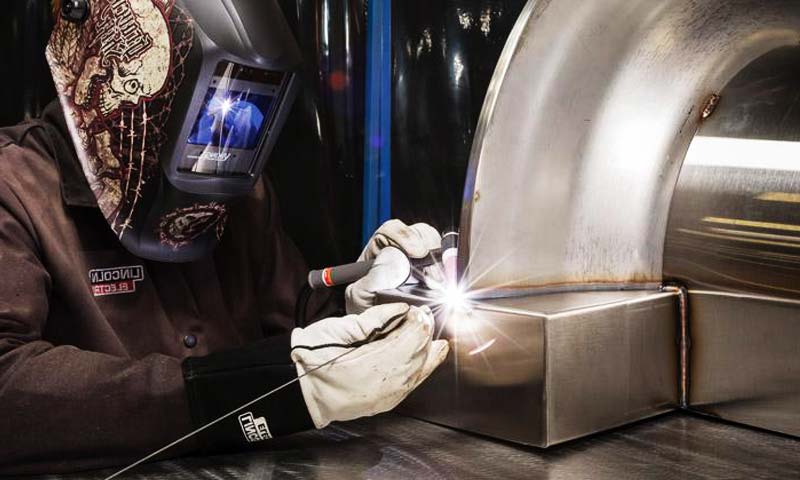
はい, しかし、注意して. It welds well using TIG or MIG methods with 4043 フィラー, though heat input may reduce strength in the heat-affected zone.