1. Perkenalan
Di bidang komponen mekanik presisi, itu penahan bantalan kuningan memainkan peran penting namun seringkali kurang dihargai.
Berfungsi sebagai kerangka struktural dalam bantalan elemen gelinding, ini memastikan jarak elemen bergulir yang seragam (bola atau rol), mempertahankan keselarasan, dan mengurangi timbulnya panas gesekan.
Kontribusinya sangat penting terhadap stabilitas operasional dan masa pakai rakitan bantalan.
Secara historis, penahan bantalan berevolusi dari sangkar baja atau perunggu yang belum sempurna menjadi komponen yang direkayasa secara presisi yang dibuat dari paduan dengan kinerja yang ditingkatkan.
Di antaranya, kuningan muncul sebagai bahan pilihan, berkat perpaduan kekuatannya yang luar biasa, kemampuan mesin, resistensi korosi, dan sifat anti-perebutan.
Karakteristik ini membuat penahan kuningan sangat diperlukan dalam presisi tinggi, beban tinggi, dan lingkungan berkecepatan tinggi.
Industri seperti otomotif, Aerospace, kereta api, turbin angin, mesin industri, dan aplikasi kelautan semuanya mengandalkan kinerja konsisten dari penahan kuningan.
Dalam artikel ini, kami mengeksplorasi penahan bantalan kuningan melalui lensa multidisiplin—ilmu material, Desain Teknik, proses pembuatan, pengujian kualitas, Aplikasi Industri, dan tren inovasi—menawarkan panduan teknis yang komprehensif.
2. Latar Belakang dan Definisi
Apa itu Retainer Bantalan Kuningan?
A penahan bantalan kuningan—juga dikenal sebagai sangkar atau pemisah—adalah komponen di dalam bantalan yang secara fisik memisahkan elemen gelinding dengan tetap menjaga jarak dan kontrol gerak yang seragam..
Ini mencegah kontak logam-ke-logam, sehingga meminimalkan gesekan, kebisingan, dan pembangkitan panas selama rotasi.
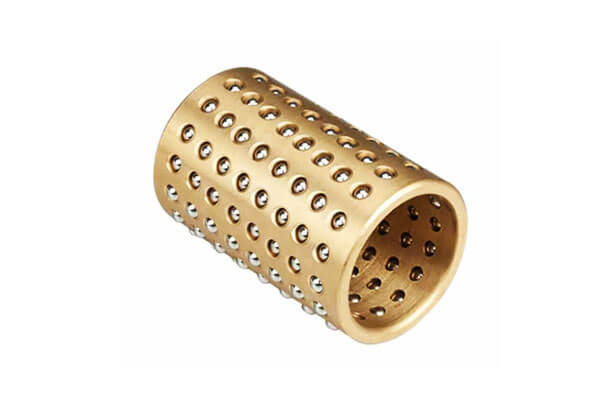
Komponen Utama dan Fungsionalitas
Retainer biasanya terdiri dari kantong atau jendela dengan mesin presisi yang menampung bola atau rol individu. Fitur desain ini:
- Cegah elemen yang miring dan tumpang tindih.
- Mendukung distribusi beban yang merata.
- Meningkatkan aliran pelumasan yang optimal antar komponen rolling.
3. Sifat dan Komposisi Bahan
Komposisi dan Paduan Kuningan
Kuningan adalah paduan tembaga (Cu) dan seng (Zn), sering ditingkatkan dengan elemen jejak seperti timbal (Pb), timah (Sn), atau aluminium (Al) untuk peningkatan kinerja.
Nilai yang paling umum digunakan untuk penahan bantalan meliputi:
| Kelas kuningan | Komposisi khas | Karakteristik |
|---|---|---|
| Kuningan kartrid (C26000) | 70% Cu, 30% Zn | Daktilitas dan kekuatan yang luar biasa |
| Kuningan pemotongan bebas (C36000) | 61.5% Cu, 35.5% Zn, 3% Pb | Kemampuan mesin dan presisi yang luar biasa |
| Kuningan Kekuatan Tinggi (C48500) | 58–60% Cu, istirahat Zn & Sn | Ketahanan aus yang baik dan kekuatan lelah |
Standar dan Spesifikasi
Retainer bantalan kuningan harus mematuhi standar material dan dimensi internasional seperti:
- ASTM B124/B16 untuk batang kuningan dan stok tempa.
- Iso 683-17 untuk paduan tembaga dalam komponen mekanis.
- Rohs Dan MENCAPAI arahan untuk kepatuhan lingkungan.
4. Desain dan Fungsionalitas
Desain penahan bantalan kuningan bukan hanya masalah bentuk dan ukuran—tetapi merupakan komponen penting dalam rekayasa kinerja.
Setiap aspek geometris penahan secara langsung mempengaruhi distribusi beban bantalan, disipasi panas, redaman getaran, dan kehidupan operasional.
Kuningan, karena kombinasi kekuatan mekaniknya yang seimbang, kemampuan mesin, dan stabilitas termal, memungkinkan para insinyur untuk mengoptimalkan desain dengan cara yang mungkin dibatasi oleh material lain.
Pertimbangan Desain Struktural
Elemen desain utama penahan bantalan kuningan meliputi:
- Geometri saku (untuk penahanan bola atau roller)
- Ketebalan tulang rusuk dan jembatan
- Dimensi cincin sangkar
- Toleransi izin
- Integrasi saluran pelumasan
Setiap fitur disesuaikan dengan fungsi bearing, apakah itu beroperasi di bawah beban aksial, beban radial, atau kombinasi keduanya.
Misalnya, pada bantalan bola alur dalam yang digunakan pada motor listrik, A penahan kuningan tipe mahkota sering digunakan untuk mencegah selip bola selama putaran kecepatan tinggi—ini bisa mencapai hingga 20,000 RPM dalam beberapa aplikasi industri.
Dari segi presisi, toleransi terhadap konsentrisitas saku dan ketebalan dinding bisa seketat ± 0,01 mm, memastikan bahwa bola tetap berjarak sama selama operasi dinamis.
Kemudahan pemesinan Brass memfasilitasi pencapaian persyaratan presisi tinggi tanpa risiko keausan atau deformasi pahat yang signifikan.

Peran dalam Majelis Bantalan
Melampaui spasi sederhana, penahan bantalan kuningan melakukan beberapa fungsi kompleks yang secara langsung mempengaruhi efisiensi bantalan:
- Distribusi beban:
Dengan menjaga jarak elemen bergulir, penahan memastikan beban yang diterapkan disalurkan secara merata melalui jalur bantalan, mengurangi tekanan titik yang menyebabkan kelelahan dini. - Pengurangan Gesekan:
Koefisien gesekan kuningan yang rendah (biasanya ~0,35 terhadap baja yang dilumasi) berkontribusi untuk meminimalkan hambatan internal, penting dalam kondisi kecepatan tinggi atau torsi rendah. - Redaman getaran:
Kapasitas redaman kuningan jauh lebih tinggi dibandingkan baja atau polimer, yang membantu mengurangi kebisingan dan getaran mikro yang dapat menyebabkan fretting atau pitting. - Aliran Pelumasan:
Desain penahan dapat dilengkapi saluran atau slot oli untuk meningkatkan sirkulasi pelumas.
Fitur desain ini, dipasangkan dengan konduktivitas termal kuningan (~109 W/m·K), membantu menstabilkan suhu pengoperasian dan mencegah kerusakan pelumas. - Pemeliharaan Keselarasan:
Terutama di bawah guncangan termal atau mekanis, penahan kuningan yang kaku membantu menjaga kesejajaran aksial dan radial elemen penggulung, mencegah kemiringan atau ketidakselarasan yang dapat menyebabkan kegagalan besar.
Optimalisasi Desain
Untuk memenuhi kebutuhan operasional tertentu, insinyur menggunakan berbagai strategi untuk menyempurnakan desain penahan. Ini termasuk:
- Analisis Elemen Hingga (Fea): Mensimulasikan tekanan mekanis dan efek termal dalam kondisi beban.
Data ini memandu penyempurnaan struktural seperti penguatan tulang rusuk atau desain ulang saku. - Dinamika fluida komputasi (Cfd): Dalam aplikasi berkecepatan tinggi atau terendam, CFD digunakan untuk mengevaluasi pola aliran pelumas melalui sangkar untuk pembuangan panas yang lebih baik.
- Pertimbangan Pemasangan Material: Insinyur mempertimbangkan interaksi penahan dengan material raceway dan elemen bergulir.
Kuningan sangat cocok dipadukan dengan baja tahan karat dan baja krom karena sifatnya yang tidak menimbulkan rasa sakit. - Menyeimbangkan Massa dan Inersia: Dalam majelis bergilir, Distribusi massa penahan yang asimetris dapat menyebabkan ketidakseimbangan.
Karena itu, optimalisasi berat badan melalui desain saku dan penipisan dinding (jika memungkinkan secara struktural) adalah taktik yang umum. - Perawatan permukaan: Dalam bantalan presisi dirgantara atau kelas medis, pelumas film kering atau nitridasi plasma dapat diterapkan pada permukaan penahan untuk mengurangi keausan dan gesekan lebih jauh.
5. Metode Pembuatan dan Pengolahan Retainer Bantalan Kuningan
Produksi penahan bantalan kuningan adalah proses yang dirancang dengan cermat dan menyeimbangkan presisi, efisiensi, dan persyaratan kinerja.
Mulai dari pemilihan bahan baku hingga finishing permukaan, setiap langkah dioptimalkan untuk memastikan bahwa komponen akhir dapat tahan terhadap tekanan mekanis, panas, dan kondisi lingkungan.
Pilihan metode pembuatan seringkali bergantung pada kompleksitas geometri penahan, persyaratan volume, dan aplikasi spesifik yang dimaksudkan untuk penahan tersebut.
Teknik Manufaktur Umum
Pemesinan CNC
CNC (Kontrol Numerik Komputer) pemesinan banyak digunakan untuk pembuatan penahan kuningan presisi, terutama untuk volume produksi rendah hingga menengah dan geometri kompleks.
Kemampuan mesin yang melekat pada paduan kuningan—seperti C36000 (Kuningan pemotongan bebas) dengan peringkat kemampuan mesin sebesar 100%—membuat CNC berputar Dan penggilingan pilihan ideal.
Pemesinan memungkinkan toleransi dimensi yang ketat, sering di dalam ± 0,01 mm, yang sangat penting untuk rakitan bantalan kecepatan tinggi atau beban tinggi.

Stamping dan Punching
Untuk produksi volume tinggi dengan desain penahan yang lebih sederhana, stamping adalah metode yang hemat biaya.
Lembaran kuningan dilubangi menjadi bentuk menggunakan mesin press berkecepatan tinggi, memproduksi penahan dengan geometri yang konsisten dan limbah material yang minimal.
Tergantung pada paduan dan ketebalan penahannya, tingkat produksi bisa melebihi 200 bagian per menit, menjadikan metode ini cocok untuk industri otomotif dan peralatan.
pengecoran mati
Casting mati digunakan ketika desain mencakup kontur 3D yang kompleks atau ketika memproduksi penahan dalam jumlah besar.
Kuningan cair disuntikkan ke dalam cetakan baja yang mengeras di bawah tekanan tinggi, memungkinkan produksi cepat komponen berbentuk hampir bersih dengan penyelesaian permukaan yang baik.
Namun, die casting mungkin memerlukan pemesinan atau pemangkasan tambahan untuk toleransi yang baik.
Pengecoran Investasi Presisi (Kurang Umum)
Dalam aplikasi khusus yang memerlukan fitur desain rumit atau bentuk berongga, casting investasi (casting longgar) dapat digunakan.
Meskipun kurang umum karena biaya dan waktu tunggu, ia menawarkan akurasi dimensi tinggi dan kualitas permukaan yang baik untuk penggunaan khusus dirgantara atau pertahanan.
Finishing dan Pelapisan Permukaan
Retainer kuningan mendapat manfaat signifikan dari proses perawatan permukaan sekunder yang meningkatkan sifat fungsional dan estetika.
- Pemolesan: Mencapai hasil akhir yang halus (Ra < 0.2 μm), yang penting untuk meminimalkan gesekan dan keausan antara penahan dan elemen penggulung.
- Pelapisan nikel: Meningkatkan ketahanan terhadap korosi dan dapat meningkatkan kekerasan permukaan. Sering diterapkan pada penahan yang digunakan di lingkungan lembab atau agresif secara kimia.
- pelapisan listrik dan Lapisan Timah: Proses-proses ini digunakan untuk mengurangi oksidasi, terutama untuk aplikasi di mana bantalan beroperasi dalam kondisi garam atau asam.
- Deburring dan Pembersihan Ultrasonik: Langkah pembersihan akhir menghilangkan tepi tajam dan kontaminan yang dapat menyebabkan keausan mikro atau kegagalan dini.
Kontrol Kualitas dan Toleransi
Untuk memastikan kinerja optimal, penahan bantalan kuningan menjalani prosedur pemeriksaan kualitas yang ketat selama proses produksi:
- Verifikasi dimensi: Koordinat mesin pengukur (CMMS) dan kaliper digital memverifikasi konsentrisitas saku, ketebalan dinding, dan kebulatan cincin hingga akurasi tingkat mikron.
- Pengujian Kekerasan: Retainer kuningan dapat diuji menggunakan metode Rockwell atau Vickers, dengan nilai kekerasan khas berkisar antara HB 80–110, tergantung pada paduan dan pengolahannya.
- Pengukuran kekasaran permukaan: Profilometer digunakan untuk memastikan kelancaran, terutama pada aplikasi bearing kecepatan tinggi dimana permukaan kasar dapat mengganggu lapisan pelumas.
- Pengujian X-ray dan Penetran Pewarna (untuk komponen cor): Memastikan tidak ada porositas internal, kekosongan, atau retakan yang dapat membahayakan integritas struktural.
6. Analisis dan Pengujian Kinerja
Keandalan dan umur panjang penahan bantalan kuningan dipengaruhi langsung oleh mekanisme mekanisnya, panas, dan karakteristik kinerja lingkungan.
Untuk memastikan komponen-komponen tersebut berfungsi optimal dalam berbagai kondisi layanan, pengujian kinerja komprehensif digunakan.

Kinerja mekanis
Retainer bantalan kuningan mengalami tekanan mekanis yang signifikan selama pengoperasian. Parameter utama yang dinilai meliputi:
- Pakai ketahanan: Pengikut kuningan, terutama yang terbuat dari paduan tembaga tinggi
seperti C93200 atau C36000, menunjukkan karakteristik keausan yang sangat baik karena sifat pelumasannya dan koefisien gesekan yang rendah (biasanya antara 0.25–0.35 ketika tidak dilumasi).
Hal ini membuatnya cocok untuk aplikasi berkecepatan tinggi dan beban tinggi. - Kekuatan kelelahan: Pembebanan siklik dialami oleh pengikut, khususnya pada mesin berputar, memerlukan kinerja kelelahan yang baik.
Paduan kuningan biasanya menawarkan kekuatan lelah dalam kisaran 170–270 MPa, tergantung pada komposisi spesifik dan perlakuan panas. - Kapasitas Penahan Beban: Meski tidak setinggi baja, penahan kuningan dapat menahan beban radial dan aksial yang besar.
Misalnya, Kuningan kartrid (C26000) dapat menangani beban statis hingga 140 MPa, tergantung pada desain dan ketebalan dinding.
Kinerja Termal dan Korosi
Retainer bantalan kuningan sering kali beroperasi pada suhu tinggi dan kondisi yang berpotensi korosif, yang memerlukan evaluasi ketat.
- Konduktivitas termal: Salah satu keunggulan kuningan adalah konduktivitas termalnya yang tinggi, rata -rata 110–130 W/m·K,
yang membantu menghilangkan panas secara efisien dari rakitan bantalan, sehingga mengurangi risiko distorsi termal atau kerusakan pelumas. - Stabilitas termal: Retainer kuningan umumnya menjaga integritas struktural hingga 250° C.. Di atas ambang batas ini, kekuatan mekanik dan stabilitas dimensi mulai menurun,
membuatnya kurang cocok untuk ruang angkasa bersuhu tinggi atau zona mesin pembakaran tanpa modifikasi. - Resistensi korosi: Berkat kandungan tembaganya, kuningan memberikan ketahanan yang sangat baik terhadap karat dan oksidasi di lingkungan netral dan sedikit asam.
Namun, dalam kondisi garam atau sangat asam, pencucian selektif (Disinfeksi) dapat terjadi. Untuk aplikasi seperti itu, tahan terhadap dezincifikasi (RDA) paduan kuningan direkomendasikan.
Metode pengujian untuk atribut ini antara lain pengujian semprotan garam (ASTM B117), evaluasi stabilitas oksidasi, Dan tes siklus termal.
Standar dan Metode Pengujian
Untuk memastikan konsistensi kinerja, standar yang diakui secara internasional berikut ini umumnya diterapkan:
| Kategori Tes | Standar yang relevan | Tujuan |
|---|---|---|
| Toleransi dimensi | Iso 286 / ANSI B4.1 | Memastikan kesesuaian presisi dengan bantalan balapan dan sangkar |
| Pengujian Keausan | ASTM G99 (Pin-on-Disk) | Mengukur gesekan dan kehilangan material seiring waktu |
| Resistensi korosi | ASTM B117 (Semprotan garam) | Mengevaluasi ketahanan terhadap oksidasi dan lingkungan garam |
| Pengujian Kekerasan | ASTM E18 (Rockwell) / ASTM E384 (Vickers) | Memverifikasi kekerasan permukaan dan inti |
| Pengujian kelelahan | Iso 281 | Menilai siklus hidup yang diharapkan di bawah beban berputar |
7. Aplikasi Industri Retainer Bantalan Kuningan
| Industri | Aplikasi | Manfaat |
|---|---|---|
| Otomotif | Bantalan poros engkol mesin, gearboxes | Konduktivitas termal yang tinggi, keausan rendah |
| Luar angkasa | Landing gear, bantalan kontrol penerbangan | Stabilitas dimensi, redaman getaran |
| Mesin industri | Pompa, motor, kompresor | Ketahanan terhadap beban kejut dan bahan tambahan oli |
| Rel & Laut | Motor traksi, poros baling -baling | Ketahanan dan keandalan korosi |
8. Keuntungan dan Keterbatasan
Retainer bantalan kuningan telah mendapatkan reputasi lama atas keandalan dan keserbagunaannya di berbagai sektor industri.
Karakteristik materialnya yang khas menawarkan kombinasi integritas mekanis yang seimbang, kemampuan mesin, dan ketahanan terhadap stresor lingkungan.
Namun, seperti semua komponen teknik, penahan kuningan menghadirkan kekuatan dan kendala tergantung pada lingkungan aplikasi spesifik.
Memahami aspek-aspek ini penting untuk memilih material penahan yang optimal dalam rekayasa desain.

Keuntungan Retainer Bantalan Kuningan
Resistensi korosi yang sangat baik
Salah satu manfaat kuningan yang paling menonjol adalah ketahanan alaminya terhadap korosi, terutama di lingkungan netral dan agak korosif.
Hal ini membuat penahan kuningan ideal untuk aplikasi yang terkena kelembapan, Pelumas, dan asam ringan, seperti peralatan kelautan dan mesin food grade.
- Contoh: Kuningan pemesinan bebas C36000 menunjukkan tingkat ketahanan korosi yang sebanding dengan baja tahan karat dalam aplikasi dalam ruangan atau semi terbuka, dengan pitting minimal setelahnya 72 jam dalam uji semprotan garam ASTM B117.
Kemampuan mesin yang unggul
Kuningan secara luas dianggap sebagai salah satu logam yang paling mudah dikerjakan.
Ketahanannya terhadap pemotongan yang rendah memungkinkan pembuatan geometri penahan yang rumit secara presisi dengan toleransi yang ketat, mengurangi waktu produksi dan keausan alat.
- Peringkat Machinability: Kuningan (C36000) skor 100 pada indeks kemampuan mesin, yang merupakan dasar untuk membandingkan semua logam lainnya, secara signifikan mengungguli baja tahan karat (C304 = 45).
Konduktivitas termal yang baik
Dengan nilai konduktivitas termal antara 110–130 W/m·K, penahan kuningan membantu menghilangkan panas dari antarmuka bantalan, meningkatkan stabilitas pelumasan dan mengurangi risiko kegagalan termal dalam pengoperasian kecepatan tinggi.
Gesekan Rendah dan Pengurangan Kebisingan
Penahan bantalan kuningan memiliki koefisien gesekan yang rendah secara alami dan menunjukkan sifat redaman yang sangat baik.
Kualitas ini mengurangi tingkat getaran dan kebisingan pada rakitan yang berputar, khususnya pada mesin presisi tinggi dan berkecepatan tinggi.
Kekuatan Sedang dengan Stabilitas Struktural
Meski tidak sekuat baja yang dikeraskan, kuningan menawarkan kekuatan yang cukup untuk aplikasi beban sedang.
Paduan seperti C26000 dan C93200 dapat menangani tekanan kerja yang umum dalam sistem otomotif dan industri sambil menjaga stabilitas dimensi dari waktu ke waktu.
Estetika dan Perilaku Anti-Galling
Selain keunggulan kinerja, penahan kuningan menghadirkan kebersihan, penampilan menarik dan ketahanan yang sangat baik terhadap rasa sakit,
yang sangat berguna dalam mengawinkan permukaan di mana terjadi gerakan dan kontak berulang-ulang.
Keterbatasan Retainer Bantalan Kuningan
Meskipun banyak manfaatnya, penahan kuningan tidak cocok untuk semua kondisi pengoperasian. Beberapa keterbatasannya antara lain:
Ketahanan Suhu Tinggi yang Lebih Rendah
Kuningan mulai melunak pada suhu di atas 250° C., yang dapat membahayakan kekuatan mekanik dan integritas dimensi di lingkungan bersuhu tinggi seperti mesin pembakaran atau turbin.
- Suhu Pelunakan: Sekitar 300° C., tergantung pada paduan dan kondisi pemuatan.
Dezincifikasi di Lingkungan Agresif
Paparan terhadap lingkungan yang mengandung klorida tinggi atau asam dapat menyebabkan Disinfeksi, suatu bentuk korosi di mana seng terlepas dari paduannya, meninggalkan yang lemah, struktur tembaga berpori.
- Larutan: Penggunaan RDA (Tahan Dezincifikasi) kuningan, seperti CZ132 atau CW602N, di lingkungan seperti itu.
Kekuatan Tarik Lebih Rendah Dibandingkan Baja
Sementara cukup untuk beban sedang, kuningan biasanya memiliki rentang kekuatan tarik sebesar 300–550 MPa, yang jauh lebih rendah dibandingkan baja yang dikeraskan (sering di atas 800 MPa).
Hal ini membuatnya kurang cocok untuk aplikasi yang memerlukan beban mekanis ekstrim.
Volatilitas Biaya
Kuningan terutama terdiri dari tembaga, yang dipengaruhi oleh fluktuasi harga komoditas global. Hal ini dapat menimbulkan variabilitas dalam biaya bahan baku dan anggaran produksi secara keseluruhan.
Penggunaan Terbatas dalam Kondisi Sangat Abrasif
Meskipun kuningan tahan aus, itu lebih lembut dari banyak logam lainnya.
Di lingkungan dengan partikel abrasif atau kontak dinamis yang berat, keausan dapat bertambah cepat kecuali diperkuat dengan pelapis atau sistem pelumasan.
9. Analisis Perbandingan dengan Retainer Bearing Lainnya
Pemilihan material penahan bantalan sangat penting untuk mencapai kinerja optimal dalam sistem berputar dan menahan beban.
Sedangkan kuningan merupakan bahan yang sudah mapan, profesional teknik sering membandingkannya dengan alternatif seperti baja tahan karat, aluminium, penahan berbahan dasar polimer, dan material komposit canggih.
Bagian ini memberikan analisis komparatif di seluruh parameter kinerja utama untuk membantu dalam pemilihan material yang tepat.
Perbandingan Materi
| Parameter | Kuningan | Baja Tahan Karat | Aluminium | Plastik Rekayasa (MISALNYA., Ptfe, MENGINTIP) |
|---|---|---|---|---|
| Kepadatan (g/cm³) | 8.4–8.7 | 7.8–8.0 | 2.7 | 1.3–1.5 |
| Kekuatan tarik (MPa) | 300–550 | 500–900 | 100–400 | 50–150 |
| Konduktivitas termal (W/m · k) | 110–130 | 15–25 | 200–235 | 0.25–0.30 |
| Indeks kemampuan mesin | 100 (bagus sekali) | 45–50 (sedang) | 60–75 | Rendah hingga sedang |
| Resistensi korosi | Tinggi (dengan beberapa dezincifikasi) | Bagus sekali (khususnya 316 nilai) | Sedang | Bagus sekali (jenis yang tahan bahan kimia) |
| Keuntungan Berat Badan | Lebih berat | Lebih berat | Ringan | Sangat ringan |
| Biaya (relatif) | Sedang | Tinggi | Rendah hingga sedang | Bervariasi (bisa tinggi) |
| Kisaran suhu operasi | -100°C hingga +250 °C | Hingga 600°C | Hingga 200°C | Bervariasi berdasarkan bahan (hingga 250–300°C) |
| Peredam Kebisingan | Bagus | Miskin | Sedang | Bagus sekali |
Pengorbanan Kinerja
Kekuatan Mekanik vs. Kemampuan mesin
Baja tahan karat menawarkan kekuatan dan ketahanan lelah yang unggul, membuatnya lebih disukai untuk lingkungan dengan beban tinggi atau ekstrem seperti bantalan turbin dirgantara.
Namun, kemampuan mesinnya yang rendah (45 pada indeks) meningkatkan waktu produksi dan biaya perkakas.
Sebaliknya, kuningan menyeimbangkan kekuatan mekanik sedang dengan kemampuan mesin yang luar biasa, menyederhanakan manufaktur presisi.
Konduktivitas Termal dan Manajemen Panas
Aluminium mengungguli semua logam dalam konduktivitas termal, yang dapat menjadi penting dalam aplikasi intensif panas seperti rumah motor listrik.
Belum, kekuatan aluminium yang lebih rendah dan kerentanan terhadap kerusakan membatasi penggunaannya dalam rakitan bantalan presisi.
Kuningan, dengan konduktivitas termal yang stabil dan perilaku anti-pedas, menawarkan jalan tengah dalam kinerja dan daya tahan.
Ketahanan Korosi dan Kesesuaian Lingkungan
Saat beroperasi di lingkungan yang keras, saline, atau lingkungan yang agresif secara kimia, baja tahan karat dan plastik rekayasa mengungguli kuningan karena ketahanannya terhadap dezincifikasi dan degradasi permukaan.
Untuk dalam ruangan, agak korosif, atau aplikasi yang dilumasi, Namun, kuningan memberikan ketahanan korosi yang sangat baik dengan biaya material yang lebih rendah.
Pertimbangan berat
Dalam desain yang sensitif terhadap berat—seperti UAV atau perangkat optik presisi—plastik rekayasa dan aluminium menawarkan keunggulan yang jelas.
Namun, stabilitas dimensinya yang lebih rendah dan kerentanan yang lebih tinggi terhadap ekspansi termal dapat mempengaruhi keselarasan bantalan dan masa pakainya.
Kuningan mempertahankan bentuk dan toleransi lebih baik di bawah tekanan mekanis dan fluktuasi termal sedang.
Peredam Kebisingan dan Getaran
Kuningan dan plastik rekayasa memiliki kinerja yang baik dalam meredam getaran dan mengurangi kebisingan operasional, yang sangat penting dalam peralatan medis dan mesin berkecepatan tinggi.
Baja tahan karat dan aluminium, menjadi kurang patuh, seringkali memerlukan sistem peredam tambahan.
10. Kesimpulan
Itu penahan bantalan kuningan tetap menjadi faktor penting dalam sistem bearing berkinerja tinggi di berbagai sektor.
Menggabungkan karakteristik material yang sangat baik dengan fleksibilitas desain dan keserbagunaan manufaktur, ini mendukung persyaratan teknik modern untuk keandalan, umur panjang, dan keberlanjutan.
Saat industri beralih ke manufaktur digital dan material yang lebih ramah lingkungan, penahan kuningan siap untuk berevolusi dengan formulasi baru dan teknologi produksi yang lebih cerdas, memperkuat tempat mereka di masa depan sistem gerak.
Langhe adalah pilihan yang sempurna untuk kebutuhan manufaktur Anda jika Anda membutuhkan berkualitas tinggi kuningan penahan bantalan.