1. Ներածություն
Polytetrafluoroethylene (PTFE) լիովին ֆտորացված է, կիսաբյուրեղային ջերմապլաստիկ պոլիմեր, որն առավել հայտնի է շփման բացառիկ ցածր գործակցով, outstanding chemical inertness, a wide service temperature window, and excellent dielectric properties.
These intrinsic advantages make PTFE the material of choice for seals, Առանցքակալներ, ծածկույթ, Էլեկտրական մեկուսացում, and chemically aggressive service.
PTFE also has important limitations: low mechanical strength and high cold flow (սողալ), difficult melt processing (very high melt viscosity), and concerns about decomposition fumes and environmental persistence of fluorinated polymers.
Engineering implementation therefore balances PTFE’s unmatched chemistry/tribology with appropriate fillers, processing methods and design compensation.
2. What is PTFE (Polytetrafluoroethylene)?
Polytetrafluoroethylene (PTFE) is a high-performance fluoropolymer notable for its extremely low friction, excellent chemical inertness, wide usable temperature range, and outstanding electrical insulation.
It is widely known by the DuPont brand name Տեֆլոն®, though PTFE is the generic polymer name. PTFE is used where chemical resistance, nonstick properties, or electrical insulation are required.

Common product forms & դասարաններ
- Virgin PTFE: Unfilled; best chemical resistance and lowest friction but lowest strength/wear resistance.
- Filled PTFE: Reinforced with glass, ածխածնային, բրոնզ, գրաֆիտ, MoS₂, or ceramics to improve wear resistance, ծավալային կայունություն, Mal երմային հաղորդունակություն, or electrical characteristics.
- PTFE film & tape: Նիհար, ճկուն, often used as gasketing tape, Էլեկտրական մեկուսացում, or for release liners.
- PTFE coatings: Applied as nonstick coatings on cookware or industrial release surfaces (often as PTFE dispersions baked onto substrates).
- Expanded PTFE (ePTFE): A microporous form with high porosity and breathability — used for filtration, medical grafts, and breathable membranes.
3. Key Physical and Thermal Properties of PTFE
Values are typical engineering ranges — consult resin datasheets for design-critical specification.
| Սեփականություն | Տիպիկ արժեք / միջակայք | Նշումներ |
| Chemical formula | (C₂F₄)ₙ | Մի քիչ |
| Խտություն | ≈ 2.15 Մի քիչ 2.20 g · cm⁻³ | Virgin PTFE |
| Հալման կետ (Տ) | ≈ 327 ° C | Sharp crystalline melting |
| Ապակե անցում (Տգ, apparent) | ~115 °C (loosely defined) | PTFE exhibits complex relaxation behavior |
| Շարունակական սպասարկման ջերմաստիճան (բնորոշ) | −200 to ≈ +260 ° C | Intermittent higher temps possible; oxidative degradation above ~260 °C accelerates |
| Decomposition onset | ≈ 350–400 °C (accelerates above 400 ° C) | Fumes toxic; Խուսափեք գերտաքացումից |
| Mal երմային հաղորդունակություն | ~0.25 W·m⁻¹·K⁻¹ | Low Ցածր ջերմային հաղորդունակություն |
| Specific heat (20-100 ° C) | ~1000 J·kg⁻¹·K⁻¹ (Մոտավոր:) | Depends on crystallinity |
| Յանգի մոդուլը (ambient) | ~0.5 – 1.5 Gpa | Very low stiffness relative to engineering plastics |
Առաձգական ուժ (կույս) |
~20 – 30 MPA | Highly dependent on processing and fillers |
| Երկարացում ընդմիջման ժամանակ | ~150–400% | Very ductile in unfilled state |
| Կարծրություն (Shore D) | 50 - 60 | Soft compared with technical plastics |
| Շփման գործակիցը (static/dynamic) | ~0.05 – 0.15 | Extremely low; depends on counterface and environment |
| Դիէլեկտրական հաստատուն (1 Մամա) | ~2.0 – 2.2 | Very low permittivity — good for RF |
| Դիէլեկտրիկ ուժ | ~60 – 120 kV·mm⁻¹ | High breakdown strength in thin films |
| Ջրի կլանումը | ~0.01% (negligible) | Hydrophobic, excellent electrical stability in humid environments |
4. Mechanical and tribological behavior
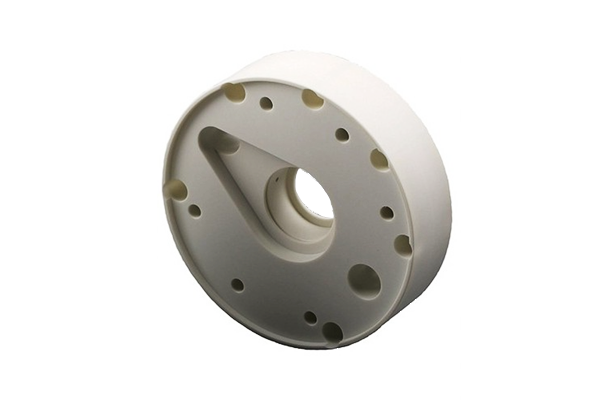
- Ուժ & թանձրություն: PTFE is soft and flexible; tensile strength and modulus are low compared with engineering polymers (օր., ՆԱՅԵԼ, Պ.Ա).
Designers must allow for large deflections if PTFE is used structurally. - Սողալ / սառը հոսք: PTFE exhibits significant viscoelastic and viscous flow under long-term static load (սողալ). Creep rate increases with temperature and stress.
This is the single most important design limitation for bearings, seals and load-bearing components.
Մեղմացում: increase contact area, decrease stress, use filled PTFE grades (բրոնզ, ապակու, ածխածնային) or support the PTFE with a metal backing. - Շփում & հագնել: Friction is exceptionally low. Unfilled PTFE has poor abrasion resistance and high wear under sliding with abrasive particulates.
Filled PTFE grades (գրաֆիտ, ածխածնային, բրոնզ) trade slightly higher µ for dramatically improved wear life. Coefficient of friction data: dynamic µ ≈ 0.04– 0,10 ընդդեմ պողպատի. - Sealing behavior: PTFE’s low friction and chemical inertness make it ideal for static and low-speed dynamic seals, but creep can cause cold-flow-related leakage over time if not properly designed. Spring-energized PTFE seals are common.
5. Electrical and dielectric performance
- Dielectric constant εr ≈ 2.0–2.2 (շատ ցածր) և very low dielectric loss (tan δ): excellent for high-frequency, RF and microwave insulation.
- Ծավալի դիմադրողականություն is extremely high, սովորաբար >10¹⁸ Ω·cm, giving excellent insulation properties even at elevated humidity.
- Use cases: coaxial cables, high-voltage insulators, printed circuit substrates (PTFE laminates such as PTFE-glass), where low dielectric loss and stable permittivity are required.
6. Chemical resistance and media compatibility
- Outstanding resistance: PTFE is essentially inert to acids, հիմք, Լուծիչներ, oxidizers and reducing agents at ambient and moderate temperatures.
It resists strong acids (ծծմբի, ազոտական), most organics, halogenated solvents and oxidants that attack most polymers. - Notable exceptions: elemental fluorine at elevated temperature, molten alkali metals (sodium, potassium) and highly reactive species under extreme conditions can attack PTFE.
Also, at temperatures above decomposition onset (~350–400 °C), PTFE breaks down and produces hazardous fluorinated emissions. - Permeation: low but measurable for small molecules (գազեր). For tight barrier requirements, verify permeation rates with intended fluids and temperatures.
7. Processing and Manufacturing Technologies for PTFE
PTFE’s exceptional chemistry and molecular weight make it a specialty polymer to process.

Կոմպրեսիոն ձուլում & sintering — primary route for solid parts (օղակներ, կնիքներ, Առանցքակալներ, ձողեր, ափսեներ)
Process outline
- Powder preparation / paste – PTFE powder is sometimes blended with a volatile processing aid (hydrocarbon or alcohol) to form a paste for extrusion; for compression molding dry powder can be used.
- Pre-forming / սեղմելը – powder or paste is filled into a mold and is consolidated by cold or warm pressing to the desired green density.
Typical green densities and packing procedures are set to control final shrinkage and porosity. - Սաստիկ – the consolidated green part is heated above the crystalline melt point to fuse polymer particles into a coherent, near-fully-dense solid. Controlled heating, hold and controlled cooling are critical.
- Optional secondary operations – machining, կոփել, or expansion (for ePTFE).
Ընդհանուր թերություններ & mitigations
- Blistering / ծակոտկենություն: usually from entrapped lubricant/solvent or rapid heating → lengthen soak, use proper venting, ensure complete removal of processing aids prior to full temperature.
- Շեղում / աղավաղում: caused by non-uniform heating or non-uniform green density → uniform tooling, matched punches and controlled ramps.
- Incomplete fusion / weak interparticle bonds: too low sinter temperature or too short hold → raise dwell or temperature within safe limits.
Արտանետում (paste extrusion) — tubing, rods and continuous profiles
Why paste extrusion?
PTFE powders cannot be melt-extruded. The commercial route is paste extrusion (փոշի + lubricant) կամ խոյի արտամղում of pre-compacted billets. Extrusion- ից հետո, profiles are sintered.
Process steps
- Ձևակերպում: PTFE powder mixed with a volatile lubricant (օր., aliphatic hydrocarbons) to produce a cohesive paste.
- Paste extrusion: paste is forced through an extrusion die (screwless ram or plunger extruder) to produce billets, ձողեր, tubes or hollow profiles.
- Predrying / pre-sinter handling: extruded green profiles are dried to remove surface solvent and stabilize shape.
- Sinter cycle: consolidated and sintered in continuous or batch ovens to fuse the material and evaporate lubricant.
- Post-process: չափանիշ, անողորմ, cooling and cutting to length.
Coating technologies — the largest commercial application (≈60% of PTFE usage)
| Մեթոդ | Process outline | Typical cured thickness (սուկ) | Լավագույնը / օրինակներ | Հիմնական առավելություններ |
| Aqueous dispersion coatings (spray/dip/flow) | Apply PTFE dispersion (ջրմուղ + կապիտալ + PTFE particles) by spray, dip or flow; չորացնել, then sinter to coalesce film. | 5–50 µm per coat (multi-coat builds up to 100 սուկ) | Խոհիչ, release coatings, thin electrical films, Prec շգրիտ մասեր | Fine control of film weight, Հարթ ավարտը, economical for thin films |
| Electrostatic powder spray (tribo/electrostatic) | Charge PTFE powder (or PTFE + binder powder), spray onto preheated substrate so particles fuse; sinter. | 25-200 մկմ (single coat to thick) | Արդյունաբերական սարքավորումներ, խոհիչ, components needing durable thicker films | Low overspray, good build rates, suitable for medium thickness |
| Fluidized bed dip | Preheat substrate, immerse into fluidized PTFE powder bed; powder melts and adheres; finish sinter/level. | 100-500 մկմ (հաստ) | Corrosion linings, IBCs, large pipes, տանկ | Fast way to apply thick, robust coatings on large items |
Dispersion electrostatic (electrostatic spray of dispersion) |
PTFE dispersion sprayed with electrostatic assistance for high transfer efficiency; then dry + sinter. | 10-100 մկմ | Industrial release coatings, fitted components | High transfer efficiency, lower overspray than plain spray |
| Chemical vapour deposition (CVD) / plasma polymerization | Polymerize TFE or related precursors in vapor phase onto heated substrate to form ultra-thin PTFE-like films. | 1-10 մկմ (հաճախ <1 սուկ) | Միկրոէլեկտրոնիկա, precision optics, լաբորատոր սարքավորումներ | Conformal, pinhole-free, ultrathin, high uniformity |
| Բաղադրյալ / slurry linings (thermoset binders + PTFE) | PTFE powder blended into binder slurry and applied, then cured to form composite film. | 50-500 մկմ | Chemical tank linings, heavy duty wear surfaces | Lower sinter-temperature option for heat-sensitive substrates; robust thick linings |
Machining — secondary processing of sintered PTFE (շրջադարձ, ֆրեզերացում, հորատում, սղոց)
Machinability overview
- Sintered PTFE is relatively easy to machine compared with many engineering plastics (փափուկ, Դքսություններ) but requires attention to deformation, chip control and heat generation.
Filled grades machine differently — fillers increase abrasiveness and tool wear but reduce cold flow and improve dimensional stability.
Ծավալային հսկողություն & post-machining
- Creep relaxation: machined PTFE parts may creep and change dimension under load or over time; consider a post-machine anneal or stress-relief hold to stabilize dimensions for critical tolerances.
- Վերջացնել & հանդուրժողականություններ: achievable tolerances are typically looser than metallic parts; specify tolerances that account for PTFE’s elastic recovery and thermal sensitivity.
- Tool wear: filled grades (ապակու, բրոնզ) are abrasive; select tooling and feeds accordingly and schedule tool changes.
Հորատում & թակել
- Use sharp drills with parabolic flutes for chip removal. For threads, prefer oversized clearance or use inserts/coating-inserts, and consider helicoils or metal-insert knurled threads for repeated assembly.
8. Filled/modified PTFE grades — why and how they differ
Plain PTFE’s limitations motivate filled grades. Common fillers and their effects:
| Գավազան | Բնորոշ էֆեկտ |
| Ապակե մանրաթել | ↑ modulus and dimensional stability; ↑ wear resistance; may reduce chemical purity (glass can attack in HF) |
| Ածխածնային / գրաֆիտ | ↓ friction further, ↑ wear resistance, ↑ ջերմային հաղորդունակություն; retains good chemical resistance |
| Բրոնզ (Cu alloy) | ↑ thermal conductivity and wear resistance; Ավելի լավ մեքենայականություն; bronze may corrode in some fluids |
| Molybdenum disulfide (MoS₂) | ↓ friction, improved wear in boundary lubrication |
| Ածխածնի մանրաթել | ↑ stiffness, ↓ creep, ↑ ջերմային հաղորդունակություն |
| Կերամիկ (օր., Al₂o₃) | ↑ hardness, Հագուստի դիմադրություն, ↑ ջերմային հաղորդունակություն |
Փոխհատուցումներ: fillers improve load capability, wear life and reduce creep, but typically increase coefficient of friction slightly, may reduce chemical inertness (depending on filler), and complicate recycling.
Fillers also impact electrical properties (conductive fillers alter dielectric behavior).
9. Բնորոշ ծրագրեր PTFE

- Կնիքներ & դանակներ: chemical plant static seals, spring-energized dynamic seals (ցածր շփում, քիմիական դիմադրություն).
- Առանցքակալներ & slide pads: ցածր արագությամբ, low-to-moderate load applications; composite/filled PTFE for improved wear.
- Ծածկոցներ & խողովակներ: corrosion-resistant pipe liners, tank linings, փական նստատեղեր.
- Մետաղալար & մալուխի մեկուսացում: high-frequency, high-temperature electrical insulation.
- Ծածկույթներ: non-stick cookware (as PTFE dispersions), protective coatings for chemical equipment.
- ePTFE membranes: ֆիլտրում, breathable waterproof fabrics, medical grafts/patches.
10. Advantages and Limitations of PTFE
Performance advantages
- Exceptional chemical inertness — resists acids, հիմք, solvents and oxidizers at ambient and many elevated temperatures.
- Ultra-low surface energy / non-stick — among the lowest of engineering plastics; excellent anti-fouling and release behavior.
- Very low friction — ideal for low-torque bearings, seals and sliding components.
- Wide temperature window — performs from cryogenic temperatures to ≈ 260 °C continuous.
- Excellent dielectric properties — low permittivity and dielectric loss for RF/high-voltage use.
- Hydrophobic and low moisture uptake — stable electrical properties in humid conditions.
- Biocompatible options and ePTFE membranes — used in medical implants and filtration membranes.
Practical limitations
- High creep / սառը հոսք — significant long-term deformation under static load; design must account for this (backing, larger contact area, filled grades).
- Low mechanical stiffness and moderate tensile strength — not a structural substitute for metals or high-performance thermoplastics.
- Poor abrasion resistance (կույս) — unfilled PTFE wears quickly under abrasive sliding; filled variants improve wear life.
- Processing and joining constraints — cannot be injection-molded in the usual way; requires paste/ram extrusion, compression molding and sintering; surface energy makes adhesion difficult without special pre-treatment.
- Thermal decomposition risk — overheating (≥350–400 °C) produces toxic fluorinated fumes; manufacturing requires ventilation and controls.
- Environmental/regulatory considerations — PTFE is a persistent fluoropolymer; historical process aids (PFOA) have been phased out but PFAS regulatory attention remains relevant.
11. Failure modes, hazards, and safety considerations
- Creep/creep rupture: long-term deformation under static load. Մեղմացում: կառուցվածքային աջակցություն, լցոնիչներ, lower operating temperatures.
- Մեխանիկական հագնում / ողողում: high under abrasive particles; choose filled grades or sacrificial liners.
- Thermal decomposition: overheating PTFE (>350-400 ° C) produces toxic fluorinated pyrolysis products (polymer fume fever in humans; lethal to birds at low concentrations).
Ensure thermal limits and ventilation in sintering/processing. - Bonding failures: PTFE surface energy makes adhesives ineffective without special pretreatment. Use mechanical fastening or specialized surface activation (պլազմա, քիմիական փորագրություն) plus compatible primers.
Processing safety: during sintering or any overheat event, control ventilation and use gas detection for decomposition species in manufacturing areas. Provide PPE and prohibit birds in facilities.
12. Environmental and regulatory context
- Persistence: PTFE is chemically stable and persistent in the environment (a subset of the PFAS family).
End-of-life management and recycling are challenging; source reduction and reuse are common strategies. - Manufacturing footprint: historical use of PFOA (պերֆտորոկտանաթթու) as a processing aid has been phased out in many jurisdictions; modern production uses alternative chemistries.
Verify supplier declarations concerning unintentional byproducts and residuals. - Կարգավորող: PTFE itself is often approved for food contact and medical applications (ask for compliance certificates, օր., Fda).
Regulatory attention on PFAS may affect future processing and disposal requirements.
13. Material selection guidance — PTFE vs Alternatives
| Չափանիշ / Նյութական | PTFE (կույս) | Filled PTFE (օր., Գ, բրոնզ) | ՆԱՅԵԼ | UHMWPE | PFA / FEP (melt-processable fluoropolymers) |
| Քիմիական դիմադրություն | Չկապված — resists almost all chemicals at ambient/many elevated temps | Շատ լավ (slightly reduced vs virgin where filler reactive) | Very good to excellent for many solvents; not as inert as PTFE to all media | Good to excellent for many aqueous organics; attacked by strong oxidizers | Very good — close to PTFE for many chemistries; superior processability |
| Շարունակական սպասարկման ջերմաստիճան (° C) | −200 to ≈ +260 | Similar to PTFE (depends on filler) | −40 to +250 (short excursions higher) | −150 to ≈ +80–100 | −200 to ≈ +200 (բնորոշ) — PFA often higher than FEP |
| Բնորոշ առաձգական ուժ (MPA) | ~20–30 | ~30–70 (depending on filler) | ~90–120 | ~20–40 | ~20–35 |
| Սողալ / cold-flow | Բարձր (աղքատ) — major limitation | Reduced (much better than virgin) | Ցածր-չափավոր (good for structural use) | Բարձր (but lower than PTFE in some cases) | Չափավոր |
| Friction coefficient (sliding vs steel) | Շատ ցածր (≈0.04–0.10) | Ցածր մինչեւ չափավոր; filled grades trade friction for wear life | Չափավոր (higher than PTFE) | Ցածր (good sliding) | Ցածր (close to PTFE) |
| Հագնել / Քայքայում դիմադրություն | Ցածր (կույս) | Good to very good (best for bearing/seal service) | Լավ (excellent for high-load sliding) | Գերազանց (abrasion resistant in many cases) | Չափավոր |
Մշակելիություն / ԱՐՏԱԴՐՈՒՄ |
Մասնագիտություն: paste/ram molding, sinter; hard to melt-process | Same as PTFE | Գերազանց: ներարկում, արտամղման, վերամբարձ | Լավ: արտամղման, ձուլում | Գերազանց: injection/extrusion (like thermoplastics) |
| Dielectric properties | Գերազանց (εr ≈2.0–2.2, very low loss) | Լավ (depends on filler conductivity) | Լավ (εr higher than PTFE) | Լավ | Շատ լավ |
| Սնունդ / medical suitability | Many grades available with approvals (check supplier) | Some grades approved; fillers may limit biocompatibility | Some medical-grade PEEK available | Certain UHMWPE grades widely used in medical (bearing implants) | Food/medical available for some PFA grades |
| Հարաբերական արժեքը (material only) | Միջին (premium polymer) | Higher than virgin PTFE | Բարձր (premium engineering polymer) | Ցածրորակ | Բարձր (premium fluoropolymer) |
| When to prefer | Ultimate chemical inertness, lowest µ, dielectric stability, extreme temp range | When PTFE properties needed but wear/creep must be reduced — bearings, dynamic seals | Բարձր ուժ, ծավալային կայունություն, high-temp structural parts, low creep | Ցածր գնով, abrasion-resistant sliding components at modest temps | Want PTFE-like corrosion resistance but need injection/extrusion processing |
14. Եզրափակում
PTFE is the benchmark material when chemical inertness, ultra-low friction, and excellent dielectric stability are required.
Its processing idiosyncrasies and mechanical limitations do not undermine its value; they simply demand that engineers choose the right grade (filled or unfilled),
the right manufacturing route (paste, sinter, ընդարձակում, dispersion), and the right geometry (backing, հաստություն, աջակցություն) for a given service.
Safety and environmental aspects (Mal երմային տարրալուծում, PFAS context) must also be part of responsible material selection and manufacturing planning.
ՀՏՀ
What maximum temperature can PTFE handle continuously?
Սովորաբար ≈ 260 ° C շարունակական; avoid sustained exposure above 260–280 °C and prevent temperatures ≥350–400 °C where decomposition accelerates.
Can I injection-mold PTFE parts?
No — PTFE cannot be melt-injection molded in the usual way. Use paste/ram extrusion, compression molding and sintering, or consider melt-processable fluoropolymers (FEP, PFA) for injection molding.
Is PTFE safe for food contact?
Virgin PTFE is commonly approved for food contact applications; check supplier certification for FDA/EC compliance for specific grades and manufacturing residues.
How do I bond PTFE to metal?
Surface activation is required (պլազմա, chemical etch such as sodium naphthalide in specialized labs, or proprietary primers).
Mechanical fastening and overmolding with compatible polymers are common practical alternatives.
Are filled PTFE grades a cure for all limitations?
Fillers substantially improve wear, reduce creep and increase thermal conductivity, but they also change chemical behavior, շփում, եւ արժեքը. Select filler type based on specific service tradeoffs.