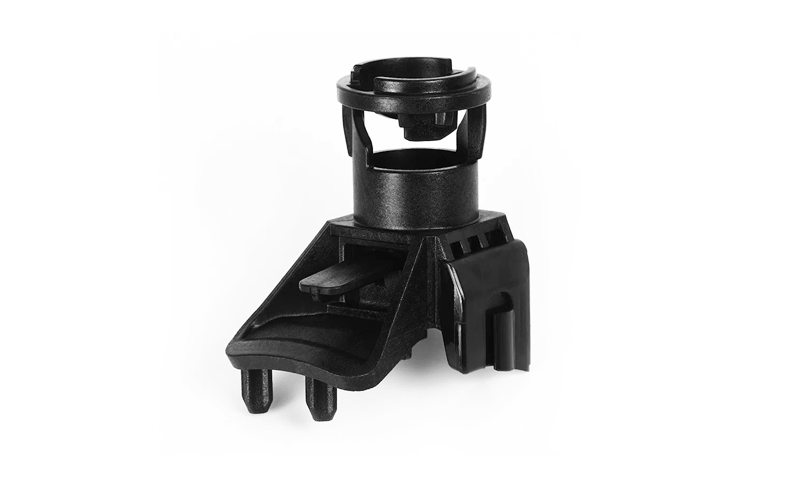
Նեյլոնե նյութ (պոլիամիդ) ինժեներական պոլիմերների ամենալայն կիրառվող ընտանիքներից է.
1930-ական թվականներին դրա առևտրային ներդրումից ի վեր՝ որպես տեքստիլ մանրաթել, նեյլոնե քիմիան և մշակումը վերածվել են մանրաթելերի համար օգտագործվող բազմակողմանի հարթակի, ֆիլմեր, կաղապարված ինժեներական բաղադրիչներ և բարձր արդյունավետության կոմպոզիտներ.
Այս հոդվածը տրամադրում է տեխնիկական, նեյլոնի բազմատեսանկյուն վերլուծություն: ինչ է դա քիմիապես, նրա հիմնական գնահատականները, հիմնական ֆիզիկական և մեխանիկական վարքագիծը, մշակման ուղիները, Առավելություններ եւ սահմանափակումներ, ընդհանուր հավելվածներ, կայունության խնդիրներ, և ապագա ուղղությունները.
1. Ինչ է նեյլոնը?
Նեյլոնե նյութ ապրանքային անվանումն է, որը սովորաբար օգտագործվում է սինթետիկների ընտանիքի համար պոլիամիդ պոլիմերներ.
Մշակվել է 1930-ականներին որպես առաջին լիովին սինթետիկ մանրաթել, նեյլոնն այժմ գոյություն ունի երկու լայն առևտրային հոսքերում: տեքստիլ մանրաթելեր (նեյլոնե մանրաթել և թել) և ինժեներական ջերմապլաստիկա (ներարկման ձևավորված և արտամղված պոլիամիդներ).
Որպես նյութական դաս, նեյլոնների միացում Լավ մեխանիկական ուժ, կարծրություն, քայքայումի դիմադրություն և քիմիական դիմադրություն լայն մշակելիությամբ (մանում, արտամղման, ներարկման համաձուլվածք), ինչը նրանց դարձնում է ամենուրեք տեքստիլների մեջ, սպառողական ապրանքներ և արդյունաբերական ճարտարագիտության կիրառություններ.
2. Քիմիական կառուցվածքը և հիմնական առևտրային դասերը
Հիմնական քիմիա
Նեյլոնները պոլիամիդներ են, որոնք ձևավորվում են կրկնվող ամիդային կապերով (–CO–NH–) պոլիմերային ողնաշարի մեջ.
Դասակարգերի միջև տարբերությունները ծագում են օգտագործվող մոնոմերներից և արդյունքում կրկնվող միավորների տարածությունից, որը վերահսկում է բյուրեղությունը, հալման կետ և հիդրոլիտիկ կայունություն.
Ընդհանուր առևտրային գնահատականներ (հապավումներ և կարճ նշումներ)
- Pa6 (պոլիկապրոլակտամ / նեյլոն 6): պատրաստված է կապրոլակտամի օղակաձև պոլիմերացման միջոցով. Լավ կոշտություն, մի փոքր ավելի ցածր հալման կետ, քան PA66-ը; լայնորեն օգտագործվում է կաղապարված մասերի և մանրաթելերի համար.
- Pa66 (պոլի(հեքսամեթիլեն ադիպամիդ) / նեյլոն 66): արտադրվում է ադիպաթթվի և հեքսամեթիլենդիամինի խտացումից.
Ավելի բարձր հալման կետ և մի փոքր ավելի բարձր կոշտություն և ջերմային դիմադրություն, քան PA6-ը. - PA11 / PA12 (երկար շղթայով նեյլոններ): ավելի ցածր ջրի կլանում և ավելի լավ քիմիական/ցածր ջերմաստիճանի կատարում; հաճախ օգտագործվում է խողովակների համար, վառելիքի գծեր և ճկուն մասեր. PA11-ը կարող է պատրաստվել կենսաբանական հումքից (գերչակի յուղ).
- Կոպոլիամիդներ (օր., PA6/66 խառնուրդներ): գույքի փոխանակում; բարելավված մշակելիություն կամ հիդրոլիտիկ կայունություն.
- Մասնագիտացված պոլիամիդներ: բարձր ջերմաստիճանի նեյլոններ (օր., PA46), անուշաբույր կամ կիսաբուրավետ պոլիամիդներ (ավելի բարձր կատարողականություն, ավելի բարձր գին).
3. Բնորոշ ֆիզիկական և մեխանիկական հատկություններ (Բնորոշ միջակայքեր)
Ստորև բերված աղյուսակը տալիս է չլրացված տիպային ինժեներական միջակայքերը (կոկիկ) կոմերցիոն նեյլոններ. Փաստացի արժեքները կախված են գնահատականից, պայմանավորում (Խոնավության պարունակություն), և փորձարկման մեթոդ.
| Սեփականություն | Բնորոշ տիրույթ (կոկիկ PA6 / Pa66) | Գործնական նշում |
| Խտություն (g · cm⁻³) | 1.12– 1.15 | PA6 ≈1.13; PA66 ≈1.14 |
| Առաձգական ուժ (MPA) | 50-90 | Ավելի բարձր PA66-ի համար; ապակու լցոնումը բարձրանում է մինչև 100–200+ ՄՊա |
| Յանգի մոդուլը (Gpa) | 2.5-3.5 | Աճում է ապակու լցոնմամբ |
| Երկարացում ընդմիջման ժամանակ (%) | 20-150 | Չոր վիճակում բարձր ճկունություն; նվազում է ապակու հետ |
| Կտրուկ Իզոդ (Kj ցույց է տալիս mat) | 20-80 | Լավ ազդեցության ամրություն |
| Հալման կետ (° C) | Pa6: ~ 215–220 թթ; Pa66: ~ 255–265 թթ | Մշակել և օգտագործել ժամանակային ազդեցությունները |
| Ապակե անցում (° C) | ≈ 40–70 | Խոնավությունը և բյուրեղությունը ազդում են Tg |
| Ջրի կլանումը (հավասարակշռություն, wt%) | 0.5-3.0 (կախված է RH-ից & դասարան) | PA6 սովորաբար 1,5–2,5% ժամը 50% Ռամ; PA12/11 շատ ավելի ցածր |
| HDT (1.82 MPA) (° C) | 60-120 (կոկիկ) | Glass fill raises HDT significantly |
Դիզայնի նոտա: mechanical properties listed above are for չորացնել խեժ; moisture equilibrium typically reduces modulus and increases toughness—so conditioned test data should be used for design.
4. Ջերմային վարքագիծ և ծավալային կայունություն
- Melting behaviour: PA6 and PA66 are semi-crystalline; their high crystallinity gives strength and thermal resistance but also anisotropic shrinkage.
- Useful continuous service temperature: typically up to 80–120 °C for unfilled grades; glass-filled or heat-stabilized grades extend usable temperature.
- Չափային կայունություն: anisotropic shrinkage during molding and hygroscopic swelling are the key drivers of dimensional change.
Designers must account for both processing shrinkage and moisture-induced expansion in tolerance stacks.
5. Խոնավության կլանումը և դրա հետևանքները՝ որոշիչ գործնական սահմանափակում
Moisture is the single most important practical consideration for nylon material.
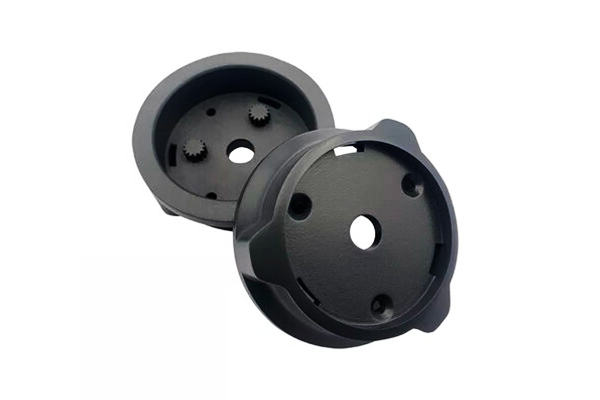
Մեխանիզմ & մեծությունը
- Նեյլոնը ներծծում է ջուրը ամորֆ շրջաններում տարածվելով; հավասարակշռության պարունակությունը կախված է հարաբերական խոնավությունից և ջերմաստիճանից.
- Տիպիկ հավասարակշռված ջրի ընդունում: PA6 ~1,5–2,5 wt% (սենյակի պայմանները), PA66 մի փոքր ավելի բարձր; PA11/PA12 << 1% (երկար շղթայի նեյլոնե առավելություն).
Ազդեցություն հատկությունների վրա
- Կոշտությունը և ուժը նվազում են քանի որ ջուրը հանդես է գալիս որպես պլաստիկացնող (մոդուլը նվազում է 10–30% հավասարակշռության դեպքում).
- Կոշտությունը և երկարացումը հաճախ մեծանում են, նվազեցնելով փխրունությունը.
- Չափային փոփոխություն (այտուցվածություն) կարող է նշանակալի լինել (հարյուրավոր մկմ փոքր մասերի համար) և պետք է համապատասխանեցվի նախագծման կամ հետկոնդիցիոների.
- Մշակման հետևանքները: Կաղապարված մասերը պետք է պայմանավորվեն սպասարկման ակնկալվող խոնավությամբ մինչև վերջնական ստուգումը; Հիդրոլիզից խուսափելու համար անհրաժեշտ է չորացնել ձուլումից առաջ (շղթայական կտրվածք) հալման մեջ.
Գործնական կանոններ
- Չափային կրիտիկական մասերի համար, նշեք պայմանավորվածության արձանագրությունը (օր., չորացնել: 0.05% խոնավություն, պայմանավորված: 23°C/50% RH մինչև հավասարակշռություն).
- Դիտարկենք երկար շղթայով նեյլոնները (PA11/PA12) կամ լցված դասարաններ՝ հիգրոսկոպիկությունը նվազեցնելու համար.
6. Քիմիական դիմադրություն և էլեկտրական հատկություններ
- Քիմիական դիմադրություն: նեյլոնները դիմադրում են ածխաջրածիններին, յուղեր, քսուքներ և բազմաթիվ լուծիչներ.
Նրանք են հարձակվել է ուժեղ թթուներով, ուժեղ օքսիդիչներ և որոշ հալոգենացված լուծիչներ, հատկապես բարձր ջերմաստիճանի դեպքում.
Վառելիքի և հիդրավլիկ համատեղելիությունը կախված է դասակարգից և ազդեցության պայմաններից; երկարաժամկետ ընկղմումը պահանջում է վավերացում. - Էլեկտրական հատկություններ: լավ էլեկտրական մեկուսացում, երբ չորանում է; դիէլեկտրական հաստատունը և կորստի շոշափողը փոխվում են խոնավության հետ, Այսպիսով, էլեկտրական կիրառությունները պահանջում են խոնավության վերահսկվող միջավայրեր կամ հերմետիկ պարկուճ.
7. Մշակման և արտադրության մեթոդներ
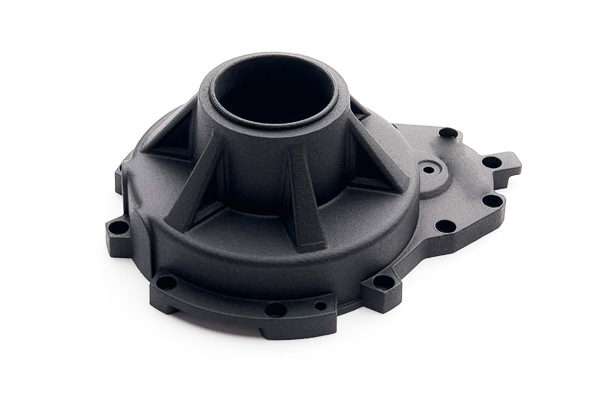
Ընդհանուր գործընթացներ
- Ներարկման ձուլում: գերիշխող բարդ ձևերի և բարձր ծավալի համար. Հալման ջերմաստիճանների մշակում: PA6 ~230–260°C; PA66 ~ 260–280 °C (մեկնարկային կետեր — վավերացնել յուրաքանչյուր դասարանի համար).
Կաղապարները սովորաբար տաք են պահվում (60-90 °C) վերահսկել բյուրեղացումը և նվազեցնել լվացարանը. - Արտանետում: ձողեր, խողովակներ, պրոֆիլներ և ֆիլմեր.
- Հարվածային ձևավորում/ջերմաձևավորում: Հատուկ գնահատականների համար (PA12 խողովակ, վառելիքի գծեր).
- Մանրաթելերի պտտում: նեյլոնե մանրաթելեր տեքստիլի և արդյունաբերական ժապավենների համար.
- Վերամբարձ: նեյլոնը կարող է մշակվել էքստրուդացված պաշարներից; Գործիքների երկրաչափությունը և չիպերի կառավարումը կարևոր են ճկունության պատճառով.
Հիմնական մշակման հսկողություն
- Չորանում: նեյլոնե նյութը պետք է չորանա (բնորոշ թիրախային խոնավություն <0.2%) նախքան հալման մշակումը կանխելու հիդրոլիզը և մակերեսի վատ հարդարումը; չորացման գրաֆիկները տարբեր են (օր., 80-100 °C մի քանի ժամով).
- Հալման կայունություն: խուսափել ավելորդ բնակության ժամանակից և բարձր կտրվածքից՝ դեգրադացիան կանխելու համար.
- Դարպասի/հոսքի ձևավորում: կառավարել եռակցման գծերը և նվազագույնի հասցնել կողմնորոշումը, որը հանգեցնում է սեփականության անիզոտրոպության.
8. Ամրացված և հատուկ նեյլոններ
Լցանյութերը և համապոլիմերացումը հարմարեցնում են նեյլոնե նյութի արդյունավետությունը:
- Ապակիով լցված նեյլոններ (20-50% GF): բարձրացնել մոդուլը և ծավալային կայունությունը, բարձրացնել HDT-ն, բայց նվազեցնում է ազդեցության ամրությունը և ավելացնում հղկող մաշվածությունը զուգակցող մասերի վրա.
- Հանքային լցոնիչներ (տալկ, միկլ): չափավոր կոշտության բարձրացում և սողացող դիմադրության բարելավում.
- PTFE կամ գրաֆիտի քսած դասարաններ: նվազեցնում է շփման գործակիցը և նվազեցնում մաշվածությունը սահող ծրագրերում.
- Բոցավառող, Ուլտրամանուշակագույնով կայունացված և հիդրոլիզով կայունացված դասարաններ հասանելի են պահանջկոտ միջավայրերի համար.
- Պոլիամիդային խառնուրդներ և համապոլիմերներ (օր., PA6/PA66, PA6T) օպտիմիզացնել մշակելիությունը և ջերմային կատարումը.
9. Նեյլոնե նյութի առավելություններն ու սահմանափակումները
Նեյլոնի առավելությունները
- Բարձր ուժ եւ կոշտություն
Տիպիկ առաձգական ուժը տատանվում է 50-90 MPA (կոկիկ գնահատականներ), գերազանց ազդեցության դիմադրությամբ և հոգնածության գործունակությամբ. - Լավ մաշվածություն և քայքայում դիմադրություն
Հատկապես արդյունավետ է շարժակների մեջ, թփեր, և լոգարիթմական բաղադրիչներ; յուղված դասարաններն էլ ավելի են բարելավում տրիբոլոգիական վարքը. - Թեթև, լավ կոշտությամբ
Խտությունը ցածր է (~1,13–1,15 գ/սմ³), մինչդեռ կոշտությունը կարող է զգալիորեն աճել՝ օգտագործելով ապակե կամ հանքային լցոնիչներ. - Քիմիական դիմադրություն
Դիմացկուն է յուղերի նկատմամբ, վառելիք, և շատ ածխաջրածիններ, նեյլոնի պատրաստում, որը հարմար է ավտոմոբիլային և արդյունաբերական միջավայրերի համար. - Արդյունավետ և հեշտ մշակվող
Համատեղելի է ներարկման ձուլման և արտամղման հետ, կոմերցիոն հասանելի դասակարգերի լայն տեսականիով. - Բարձր կարգավորելի
Հատկությունները կարող են հարմարեցվել լցոնիչների միջոցով, ամրացումներ, Կայունացումներ, եւ քսուկներ.
Նեյլոնի սահմանափակումները
- Խոնավության կլանում (հիմնական սահմանափակում)
Նեյլոնը հիգրոսկոպիկ է; խոնավության կլանումը (սովորաբար 1-3 wt%) նվազեցնում է կոշտությունն ու ամրությունը և առաջացնում է ծավալային փոփոխություններ. - Ջերմաստիճանի սահմանները
Շարունակական սպասարկման ջերմաստիճանները սովորաբար լինում են 120 ° C-ից ցածր ստանդարտ գնահատականների համար; հատկությունները քայքայվում են ավելի բարձր ջերմաստիճաններում. - Սողալ կայուն ծանրաբեռնվածության տակ
Երկարաժամկետ բեռներ, հատկապես բարձր ջերմաստիճանի կամ խոնավության պայմաններում, կարող է հանգեցնել դեֆորմացման. - Ծավալային անկայունություն
Կիսաբյուրեղային կառուցվածքը և խոնավության զգայունությունը կարող են առաջացնել դեֆորմացիա և հանդուրժողականության շեղում. - Քիմիական զգայունություն
Վատ դիմադրություն ուժեղ թթուներին, օքսիդիչներ, և որոշ ագրեսիվ լուծիչներ. - Մշակման զգայունություն
Ձուլումից առաջ պահանջում է մանրակրկիտ չորացում՝ կանխելու հիդրոլիզը և մեխանիկական հատկությունների կորուստը.
10. Նեյլոնե նյութի կիրառությունները
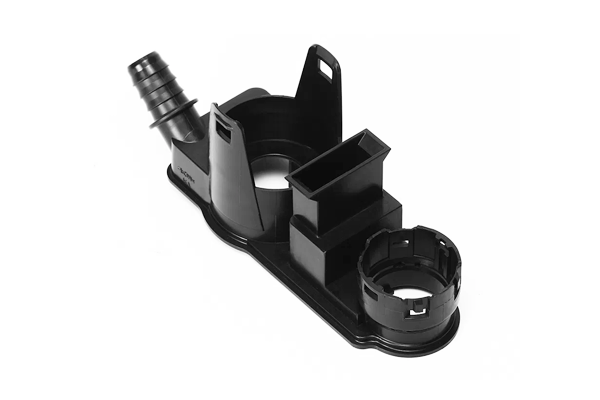
- Ավտոմոբիլային: Ընդունող մետրոններ (PA6/6T), վառելիքի և արգելակային գծեր (PA11/PA12), շարժիչի ծածկոցներ, շարժակներ և առանցքակալներ.
- Արդյունաբերական մեքենաներ: թփեր, գլանափայտ, Հագեք բարձիկներ, Փոխակրիչ բաղադրիչներ.
- Սպառողական ապրանքներ & սարք: Gears, ծխնելույզ, ամրացումներ, ատամի խոզանակի խոզանակներ (մանրաթելեր).
- Էլեկտրական & էլեկտրոնիկա: մալուխային կապեր, միակցիչներ (երբ խոնավությունը վերահսկվում է).
- Տեքստիլ և կոմպոզիտներ: մանրաթելեր, պարան, և ամրապնդված կոմպոզիտային մատրիցներ.
- Բժշկական: PA12 օգտագործվում է որոշ բժշկական սարքերի համար (կիրառվում են կենսահամատեղելիության և ստերիլիզացման նկատառումներ).
11. Համեմատություն այլ ինժեներական պլաստմասսաների հետ
| Սեփականություն / Չափանիշ | Նեյլոն (Pa6 / Pa66) | Պոմ (Ացետալ) | PTFE (Տեֆլոն) | ՆԱՅԵԼ | PBT | UHMW-OR |
| Խտություն (g · cm⁻³) | 1.12– 1.15 | ≈1,40–1,42 | ≈2.10–2.16 | ≈1,28–1,32 | ≈1,30–1,33 | ≈0.93–0.95 |
| Առաձգական ուժ (MPA) | 50-90 | 50-75 | 20-35 | 90-110 | 50-70 | 20-40 |
| Յանգի մոդուլը (Gpa) | 2.5-3.5 | 2.8-3.5 | 0.3-0.6 | 3.6–4.1 | 2.6-3.2 | 0.8-1.5 |
| Հալվելը / սովորական սպասարկման ջերմաստիճանը (° C) | Tm ≈215 (Pa6) / ծառայություն ≈80–120 | Tm ≈165–175 / սպասարկում ≈80–100 | Tm ≈327 / սպասարկում մինչև ≈260 (մեխանիկական սահմաններ) | Tm ≈343 / սպասարկում ≈200–250 | Tm ≈220–225 / ծառայություն ≈120 | Tm ≈130–135 / սպասարկում ≈80–100 |
| Ջրի ընդունում (wt%, հավասար.) | ≈1,5–2,5% (Pa6) | ≈0.2–0.3% | ≈0% | ≈0.3–0.5% | ≈0.2–0.5% | ≈0.01–0.1% |
| Շփման գործակիցը (չորացնել) | 0.15-0.35 | 0.15-0.25 | 0.04-0.15 (շատ ցածր) | 0.15-0.4 | 0.25-0.35 | 0.08-0.20 |
| Հագնել / տրիբոլոգիա | Լավ (բարելավվում է լցոնիչներով) | Գերազանց (շարժակների / թփեր) | Աղքատ (բարելավում է լցոնիչով) | Գերազանց (լցված լավագույնս) | Լավ | Գերազանց (քայքայում-դիմացկուն) |
| Քիմիական դիմադրություն | Լավ է ածխաջրածինների համար; թույլ է ուժեղ թթուների/օքսիդիչների նկատմամբ | Լավ է վառելիքի/լուծիչների համար | Չկապված (գրեթե ունիվերսալ) | Գերազանց (ագրեսիվ լրատվամիջոցներ) | Լավ | Շատ լավ |
Մեքենայություններ |
Լավ (մեքենապատի) | Գերազանց | Արդար (մեքենայագործելի բիլետից) | Լավ (կոշտ, բայց մշակելի) | Լավ | Դժվար (մածուցիկ) |
| Չափային կայունություն | Չափավոր (հիգրոսկոպիկ) | Շատ լավ (ցածր հիգրոսկոպիկ) | Գերազանց | Գերազանց | Լավ | Շատ լավ |
| Բնորոշ ծրագրեր | Gears, Առանցքակալներ, տներ, խողովակներ (ՊԱ11/12) | Gears, ճշգրիտ թփեր, վառելիքի բաղադրիչներ | Կնիքներ, քիմիական ներդիրներ, ցածր շփման մակերեսներ | Բարձր ջերմաստիճանի առանցքակալներ, օդատիեզերական, Բժշկական իմպլանտներ | Էլեկտրական միակցիչներ, տներ | Ծածկոցներ, Հագեք բարձիկներ, Փոխակրիչ բաղադրիչներ |
| Արագ ընտրության հուշում | Ընտրեք, երբ կարծրությունը և ծախսերը կարևոր են; կառավարել խոնավությունը | Ընտրեք ճշգրտության համար, ցածր շփման մեխանիկական մասեր | Ընտրեք, եթե քիմիական իներտություն & պահանջվում է նվազագույն μ | Ընտրեք բարձր ջերմաստիճանի համար & բարձր ծանրաբեռնված կրիտիկական մասեր | Ընտրեք լավ ծավալային կայունության և ձուլման հեշտության համար | Ընտրեք, որտեղ անհրաժեշտ է ծայրահեղ քայքայումից դիմադրություն և հարված |
12. Կայունություն, վերամշակման և կարգավորող խնդիրներ
- Վերամշակում: Նեյլոնե նյութը մեխանիկորեն վերամշակելի է; վերականգնված ՊՏ-ն կարող է իջեցվել ավելի քիչ կարևոր օգտագործման համար.
Ապապոլիմերացում (քիմիական վերամշակում) երթուղիներ կան և արդյունաբերապես զարգանում են. դրանք կարող են վերականգնել մոնոմերը (կապրոլակտամ) կամ այլ հումք. - Bio-ի վրա հիմնված տարբերակներ: PA11 (գերչակի յուղից) և PA610/1010 (մասամբ կենսաբանական հիմքով) նվազեցնել հանածոների հումքի կախվածությունը.
- Կարգավորող: սննդի հետ շփումը և բժշկական օգտագործումը պահանջում են աստիճանի հավաստագիր (Fda, ԵՄ) և համապատասխանությունը արդյունահանվող/արտահոսվող նյութերի փորձարկմանը, որտեղ անհրաժեշտ է.
- Բնապահպանական մտահոգություններ: կյանքի ցիկլի գնահատումը տատանվում է ըստ դասարանի և լրացնողի; լցոնումը և ապակու պարունակությունը ազդում են վերամշակման և մարմնավորված էներգիայի վրա.
13. Եզրակացություններ և գործնական առաջարկություններ
Նեյլոն (պոլիամիդ) հասուն մարդ է, բազմակողմանի ինժեներական պոլիմերային ընտանիք, որը հավասարակշռում է ուժը, ամրություն և մաշվածության դիմադրություն՝ տնտեսական մշակելիությամբ.
Քիմիայի լայն գունապնակ՝ PA6-ից և PA66-ից մինչև PA11 և PA12, լցոնիչների և մոդիֆիկատորների հետ միասին, թույլ է տալիս մանրակրկիտ կարգավորել տեքստիլից մինչև բարձր արդյունավետության ավտոմոբիլային համակարգերի ծրագրերը.
Հիմնական ինժեներական մարտահրավերներն են խոնավության կառավարումը և քիմիական զգայունությունը ագրեսիվ միջավայրում; դրանք լուծվում են համապատասխան գնահատականի ընտրությամբ (երկար շղթայով նեյլոններ), լցոնիչներ, չորացման և դիզայնի արտոնություններ.
Շարունակական առաջընթացը վերամշակման ոլորտում, բիո-հումքը և կոմպոզիտային տեխնոլոգիան ընդլայնում են նեյլոնի կայունությունը և կիրառման շրջանակը.
ՀՏՀ
Ավելի լավ է PA6 կամ PA66?
PA66-ը սովորաբար առաջարկում է ավելի բարձր հալման կետ, մի փոքր ավելի բարձր կոշտություն և ավելի լավ սողացող դիմադրություն; PA6-ն ավելի հեշտ է մշակվում և կարող է ավելի կոշտ լինել. Ընտրեք՝ հիմնվելով ջերմաստիճանի և մշակման սահմանափակումների վրա.
Ինչպես պետք է նշեմ նեյլոնը ծավալային հսկողության համար?
Նշեք պայմանական վիճակը ստուգման համար (օր., «պայմանավորված է 23 ° C, 50% RH մինչև հավասարակշռություն»), և ապահովում են հանդուրժողականություն, որը հաշվի է առնում խոնավության այտուցվածությունը և կաղապարման անիզոտրոպությունը.
Նեյլոնե նյութը կարո՞ղ է օգտագործվել վառելիքի գծերում?
Այո, PA11-ը և PA12-ը սովորական են վառելիքի և հիդրավլիկ խողովակների համար՝ ցածր խոնավության կլանման և քիմիական լավ դիմադրության պատճառով:. Միշտ հաստատեք հատուկ հեղուկով և ջերմաստիճանով.
Արդյո՞ք ապակիով լցված նեյլոնները վերամշակելի են?
Մեխանիկորեն, այո, բայց ապակու պարունակությունը փոխում է հալման մածուցիկությունը և գույքի պահպանումը; վերամշակված ապակիով լցված նեյլոնը սովորաբար օգտագործվում է ավելի քիչ պահանջկոտ կիրառություններում, բացառությամբ քիմիական վերամշակման.
Ինչպես կարող եմ կանխել հիդրոլիզը ձուլման ժամանակ?
Մանրակրկիտ չորացրեք խեժը մատակարարի պահանջներին համապատասխան և սահմանափակեք հալման պահպանման ժամանակը և տակառի ավելորդ ջերմաստիճանը.