

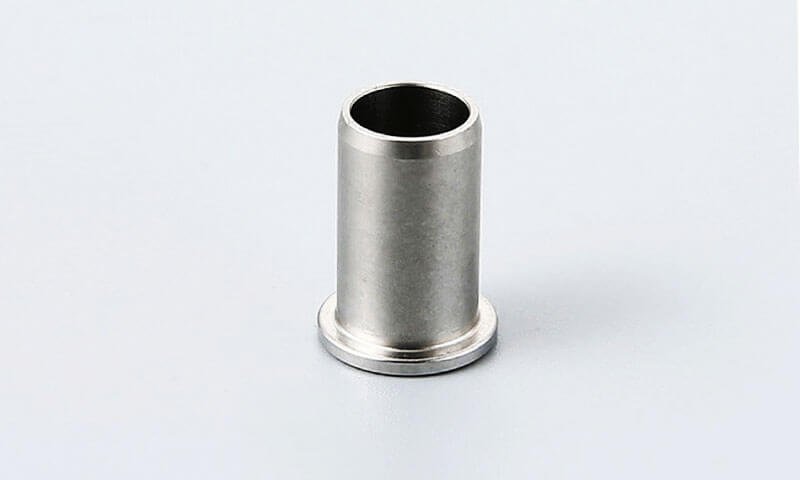
1. Ներածություն
Տիտան դասարան 2 is the most widely used commercially pure titanium grade in general engineering service.
It is unalloyed titanium, identified in common specifications as UNS R50400, and it appears in ASTM and implant-related standards such as ASTM B265, ASTM B348, ASTM B338, ASTM B861/B862/B863, and ASTM F67, as well as ISO 5832-2 for surgical implant materials.
Գործնականում, it is the “balanced” titanium grade: not the softest, not the strongest, but often the most practical combination of corrosion resistance, ուժ, զոդում, եւ զբաղվածություն.
2. What Is Titanium Grade 2?
Տիտղոս Դասարան 2 is a commercially pure titanium, meaning its properties come primarily from tightly controlled impurity levels rather than intentional alloying additions.
At service temperature, CP titanium is a single-phase alpha titanium material with an hcp crystal structure; its behavior is governed by chemistry, especially oxygen, երկաթ, and other interstitials, plus grain size.
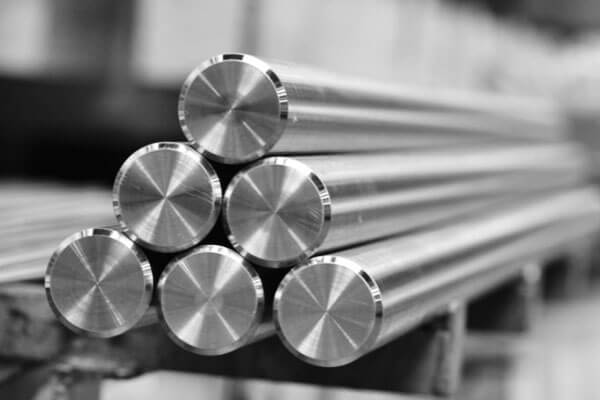
Հատկություններ
Տիտան դասարան 2 is known for four practical characteristics:
- Excellent corrosion resistance in seawater, աղեղներ, oxidizing acids, and many chloride-containing environments.
- Լավ ճկունություն եւ ձեւականություն, with easier fabrication than higher-strength titanium grades.
- Reliable weldability when proper inert shielding is used.
- A strong strength-to-weight ratio, with low density and useful room-temperature strength.
3. Typical chemical composition of Titanium Grade 2
| Տարր | Maximum limit |
| Անք | 0.30% |
| Գ | 0.08% |
| Օ | 0.25% |
| Ն | 0.03% |
| Ժիր | 0.015% |
| Է | Հավասարակշռություն |
These limits are not arbitrary. In commercially pure titanium, oxygen and other interstitials raise strength but gradually reduce ductility and ease of forming.
That is why Grade 2 occupies the middle ground between Grade 1’s maximum formability and Grade 4’s maximum CP strength.
ASTM F67 reflects this graded design clearly: the allowable oxygen and iron content rise from Grade 1 through Grade 4, while minimum yield strength increases in the same direction.
4. Metallurgy and Microstructure
At service temperature, Դասարան 2 is essentially 100% alpha titanium.
Carpenter notes that pure titanium transforms from alpha (Վեցանկյուն փակված փաթեթավորված) to beta (Մարմնի կենտրոնացած խորանարդ) at 882.5°C, while at normal service temperatures CP titanium remains alpha phase.
Because Grade 2 is single-phase, its properties are controlled mainly by impurity content and grain size, rather than by phase fractions or precipitation hardening.
That metallurgical simplicity is one reason Grade 2 is so dependable.
There is no deliberate strengthening through complex alloy chemistry, so performance is relatively predictable across suppliers and product forms when the same specification and processing route are used.
The tradeoff is that Grade 2 cannot approach the high strength of alpha-beta titanium alloys such as Grade 5.
5. Physical and Mechanical Performance of Titanium Grade 2
Տիտան դասարան 2 combines low density, moderate stiffness, useful room-temperature strength, and high corrosion resistance.
In practical engineering terms, it is not a high-strength titanium alloy; rather, it is a balanced commercially pure titanium grade whose performance is defined by its excellent specific properties and dependable fabrication behavior.
Physical properties
| Սեփականություն | Բնորոշ / Representative Value | Engineering significance |
| Խտություն | 4.51 գ / սմ (0.163 lb / in³) | Low weight compared with steels; major advantage in mass-sensitive equipment. |
| Հալման կետ | 1668° C (3034° f) | higher than steel (1450° C) եւ ալյումին (660° C), ensuring stability in high-temperature applications up to 300°C . |
| Առաձգականության մոդուլ | 105–120GPa | Indicates moderate stiffness; lower than steel, so deflection must be considered in design. |
Mal երմային հաղորդունակություն |
21.79 W / m · k | Համեմատաբար ցածր; heat dissipation is limited, affecting welding and machining. |
| Էլեկտրական դիմադրողականություն | 0.53 ωω · M | Reflects limited electrical conductivity relative to copper or aluminum. |
| Մագնիսական վարքագիծ | Nonmagnetic | Suitable for applications where magnetic neutrality is important. |
| Beta transus | ~915°C | Marks the temperature region where phase transformation becomes relevant in thermal processing. |
Մեխանիկական հատկություններ
| Սեփականություն | Նվազագույն / Representative Value | Engineering significance |
| Առավելագույն առաձգական ուժ | 345 MPA | Adequate for moderate-load structural and corrosion-service components. |
| Բերք տալ ուժ | 275 MPA | Defines the stress level before permanent deformation begins. |
| Երկարացում | 20% | Shows good ductility and usable forming capability. |
| Reduction of area | 30% | Indicates reasonable toughness and post-necking deformation capacity. |
| Կարծրություն | 160–200HV | Reflects moderate resistance to indentation and wear. |
6. Կոռոզիոն դիմադրություն եւ կենսապահովություն
Տիտան դասարան 2 is valued most for its corrosion behavior. In air or moisture, it forms a strong, կայուն, protective oxide film that regenerates quickly when damaged.
That passive film is the core reason Grade 2 performs so well in many chemical and marine environments.
It is commonly used in seawater, աղեղներ, inorganic salts, wet chlorine, alkaline solutions, oxidizing acids, organic acids, and sulfur-containing environments.
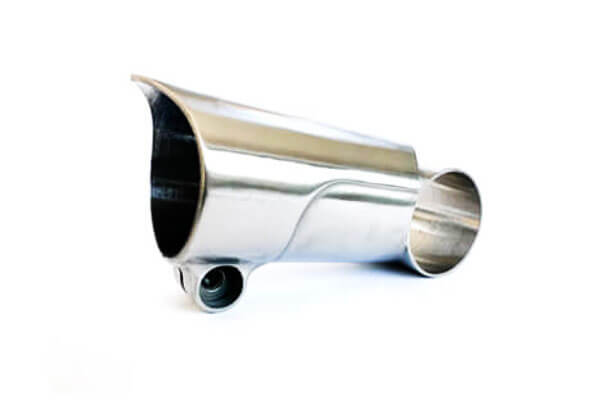
Environmental strengths
- Seawater and marine service.
- Brines and inorganic salts.
- Oxidizing acids and many organic acids.
- Wet chlorine service in appropriate conditions.
Where caution is required
Դասարան 2 is not universal corrosion armor. Manufacturer datasheets warn against strong reducing acids, anhydrous chlorine, strong caustic solutions, fluorides, and pure oxygen service.
Alleima also notes that unalloyed titanium should not be used with strong reducing acids, fluoride solutions, pure oxygen, or anhydrous chlorine, while also showing good crevice-corrosion resistance in salt solutions below 80°C.
Կենսաբազմություն
Տիտան դասարան 2 is also important in medicine because unalloyed titanium is recognized in implant standards.
ISO 5832-2 specifies unalloyed titanium for surgical implants, and ASTM F67 states that these materials have been used successfully in human implant applications in contact with soft tissue and bone, with acceptable biological response expected in appropriate applications.
That is why Grade 2 appears in medical, ատամնաբուժական, and biotechnology contexts.
7. Fabrication Behavior: Կազմող, Եռակցում, եւ մշակում
Տիտան դասարան 2 is widely regarded as one of the most fabricable commercially pure titanium grades, but it still demands process discipline.
Its corrosion resistance and ductility make it practical for forming and joining, while its low thermal conductivity, tendency to gall, and sensitivity to contamination require careful shop practice.
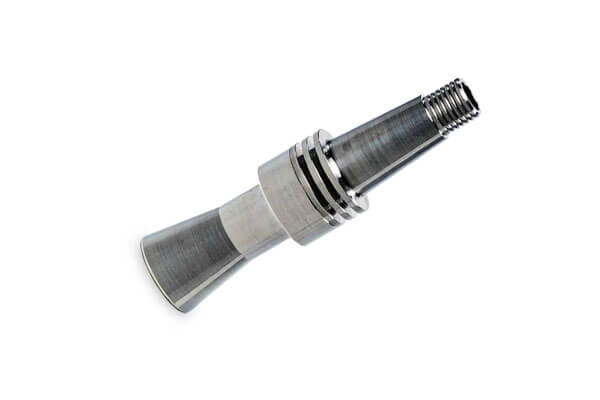
Կազմող
Դասարան 2 can be formed by conventional cold-working methods, including bending, շարժակազմ, դրոշմում, եւ նկարչություն.
Compared with stronger titanium grades, it offers a better balance of ductility and springback control, which makes it suitable for sheet, ափսե, and tube fabrication.
Այսպես ասած, titanium is not as forgiving as mild steel. Its relatively low modulus of elasticity means springback can be significant, so bend allowances must be calculated carefully.
Tooling should be smooth and clean to avoid surface damage, and forming operations should be planned to minimize local strain concentration.
For tighter radii or more complex shapes, warm forming may be preferred because it reduces forming force and lowers the risk of cracking.
Եռակցում
Դասարան 2 has excellent weldability, which is one of the main reasons it is used in chemical processing, marine equipment, and biomedical hardware.
Եռակցման ընդհանուր մեթոդները ներառում են:
- Գազի վոլֆրամի աղեղի եռակցում (GTAW / TIG)
- Plasma arc welding
- Electron beam welding
- Laser welding
- Resistance welding in selected applications
The critical requirement in titanium welding is shielding. Hot titanium reacts rapidly with oxygen, ազոտ, եւ ջրածնի, and any exposure can embrittle the weld or discolor the heat-affected zone.
For that reason, weld quality depends on thorough inert-gas shielding not only at the arc, but also on the backside and trailing portions of the weld.
A properly welded Grade 2 joint can retain excellent corrosion resistance and mechanical integrity.
Poor shielding, հակադրությամբ, can cause alpha-case formation, Նվազեցված ճկունություն, and premature service failure.
Գործնականում, weld cleanliness is not optional; it is part of the material specification in functional terms.
Վերամբարձ
Վերամբարձ Դասարան 2 իրագործելի է, but it is more demanding than machining common steels or aluminum alloys. The main difficulties are:
- Low Ցածր ջերմային հաղորդունակություն, which concentrates heat at the cutting edge
- Tool wear, especially if cutting conditions are too aggressive
- Galling and built-up edge formation
- Work hardening or surface damage if feeds and speeds are poorly chosen
Good machining practice for Grade 2 generally includes low cutting speeds, relatively heavy feed rates, Սուր կարբիդային գործիքներ, rigid fixturing, and abundant cutting fluid.
The goal is to remove heat quickly and prevent the tool from rubbing rather than cutting. Interrupted cutting and dull tooling should be avoided whenever possible.
Surface finish is particularly important when the component will see corrosive service or biomedical use.
A damaged surface can become an initiation site for localized attack, so machining should preserve the material’s passive film and avoid embedded contamination from tooling or chips.
8. Առավելությունները & Limitations of Titanium Grade 2
Տիտան դասարան 2 is often described as the “general-purpose” commercially pure titanium grade. That description is accurate, but incomplete.
Its value lies not in extreme performance, but in a carefully balanced combination of properties that make it dependable across many engineering environments.
Առավելությունները
Գերազանց կոռոզիոն դիմադրություն
Դասարան 2 performs exceptionally well in many corrosive environments, especially seawater, քլորիդներ, աղեղներ, and a range of oxidizing media.
Its naturally forming oxide film provides strong passive protection, which is one of the main reasons it is so widely used in chemical processing and marine systems.
Good strength-to-weight ratio
Although it is not a high-strength alloy, Դասարան 2 offers respectable mechanical strength at very low density.
This makes it attractive in applications where reducing weight matters without sacrificing too much structural integrity.
Լավ ձեւականություն
Compared with stronger titanium grades, Դասարան 2 ավելի հեշտ է թեքվել, ձեւավորել, and cold work. That gives designers and fabricators more flexibility during manufacturing.
Գերազանց զոդում
Դասարան 2 can be welded reliably when proper shielding procedures are followed.
This is a major practical advantage in pressure equipment, խողովակներ, He երմափոխանակիչներ, and custom fabricated assemblies.
Կենսաբազմություն
Դասարան 2 is well suited to medical and dental use because it is generally well tolerated by the human body and appears in recognized implant standards.
Nonmagnetic and chemically stable
Its nonmagnetic behavior and stable oxide surface make it useful in specialized equipment where magnetic interference or contamination must be minimized.
Սահմանափակումներ
Lower strength than alloyed titanium
Դասարան 2 is much weaker than titanium alloys such as Grade 5. When very high load capacity or high-temperature strength is required, it may not be the right choice.
Not ideal for all chemical environments
It is resistant to many corrosive media, but not to everything. Strong reducing acids, fluoride-containing solutions, anhydrous chlorine, and some caustic conditions can cause serious problems.
More demanding machining
Դասարան 2 is not easy to machine in the same way as ordinary steel or aluminum. It requires correct tooling, Կտրող արագություն, սառեցում, and machine rigidity.
Cost higher than common metals
Even though it is a commercially pure grade, it is still more expensive than carbon steel, Չժանգոտվող պողպատ, and many aluminum alloys. Its use must therefore be justified by performance needs.
Lower stiffness than steel
Like all titanium grades, Դասարան 2 has a lower modulus of elasticity than steel. Structural designs may need thicker sections or geometric reinforcement to control deflection.
9. Typical Applications of Titanium Grade 2
Դասարան 2 is used wherever corrosion resistance and manufacturability matter more than maximum strength.
Common applications include chemical and marine engineering, plate heat exchangers, Արագության անոթներ, գոլորշիչներ, Կոնդենսատորներ, electroplating fixtures, Desalination սարքավորումներ, seawater heaters,
Ծովային բաղադրիչներ, Ավիատիեզերական ապարատ, medical and pharmaceutical equipment, and some power-generation and oil-and-gas service components.
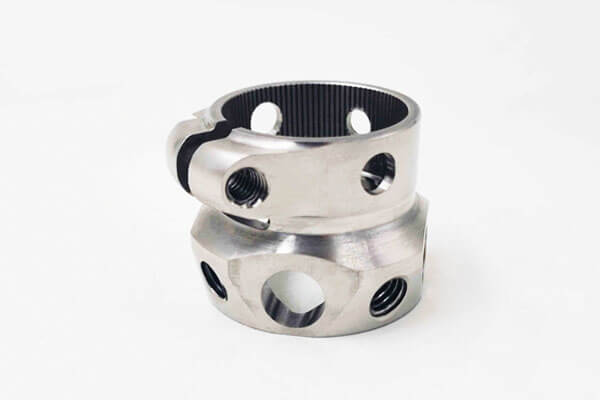
Typical application areas
- Քիմիական մշակման սարքավորումներ.
- Ծովային and desalination systems.
- He երմափոխանակիչներ, Կոնդենսատորներ, and evaporators.
- Բժշկական, Դեղագործական, and biotechnology equipment.
10. Comparison with Other Titanium Grades: Դասարան 1, 4, and Alloyed Grade 5
| Ասպեկտ | Դասարան 1 | Դասարան 2 | Դասարան 4 | Դասարան 5 |
| Metallurgical type | Առեւտրային զուտ տիտան (Cp ti), lowest impurity level in the CP family. | Առեւտրային զուտ տիտան (Cp ti), balanced CP grade. | Առեւտրային զուտ տիտան (Cp ti), strongest of the common CP grades. | Alpha-beta titanium alloy, TI-6AL-4V; not commercially pure titanium. |
| Relative strength | Lowest strength among the main CP grades. | Չափավոր ուժ; minimum yield strength 275 MPA (40 ksi). | Highest CP strength; minimum yield strength 480 MPA (70 ksi). | Much higher strength than CP grades; annealed Ti-6Al-4V shows compressive yield strength 825–895 MPa and is heat treatable. |
Առաձգականություն / Առողջություն |
Best ductility and easiest cold forming in the CP family. | Excellent formability with a good strength/ductility balance. | Good ductility and moderate formability, but less forgiving than Grades 1–2. | Cold workability is limited; warm forming is commonly used because room-temperature springback is significant. |
| Կոռոզիոն դիմադրություն | Շատ բարձր կոռոզիոն դիմադրություն, especially in oxidizing and marine environments. | Գերադասելի կոռոզիոն դիմադրություն; գերազանց ծովի ջրի մեջ, աղեղներ, քլորիդներ, oxidizing acids, and many process media. | Excellent corrosion and corrosion-fatigue resistance; strong in oxidizing, neutral, and mildly reducing chlorides. | Գերազանց ընդհանուր կոռոզիոն դիմադրություն, especially in seawater and many marine/offshore environments; more chemically versatile than CP grades in some reduced environments, but still environment-dependent. |
Եռակցման հնարավորություն / կեղծում |
Very good weldability and easiest overall fabrication among the CP grades. | Excellent weldability and widely used where forming plus welding are both needed. | Լավ զոդում, but the higher oxygen level increases sensitivity to hydrogen embrittlement and fabrication discipline. | Weldable, but shielding discipline is critical; machining is relatively difficult and galling is a concern. |
| Typical role in selection | Chosen when maximum ductility and corrosion resistance matter more than strength. | The general-purpose CP titanium choice: the balance point between strength, Առողջություն, եւ կոռոզիոն դիմադրություն. | Used when the highest CP strength is required and the design can tolerate reduced ductility relative to Grades 1–2. | Chosen when very high strength is required and the designer accepts an alloyed titanium system instead of CP titanium. |
11. Եզրափակում
Տիտան դասարան 2 is the classic commercially pure titanium for serious engineering use.
It combines a simple alpha-titanium microstructure, carefully limited impurity chemistry, strong corrosion resistance, respectable strength, Լավ զոդում, and practical formability.
It is not the strongest titanium grade, and it is not universally corrosion-proof, but it is one of the most intelligently balanced materials available when the design problem demands durability in aggressive environments.
The reason it remains so widely used is not mystique; it is fit. Դասարան 2 offers a rare combination of attributes that engineers can actually manufacture, զոդել, inspect, and trust in service.
That is why it sits at the center of the commercially pure titanium family and continues to serve chemical, ծովային, բժշկական, and process industries with exceptional consistency.
ՀՏՀ
What is the difference between Titanium Grade 2 and Grade 2H?
Տիտան դասարան 2 and Grade 2H are identical in chemical composition (UNS R50400) but differ in mechanical requirements:
Grade 2H specifies a higher minimum ultimate tensile strength (400 MPA, կամ 58 ksi) compared to Grade 2 (345 MPA).
Grade 2H is primarily used for pressure vessel applications where higher strength is required .
Is Titanium Grade 2 suitable for medical implants?
Այո, Տիտան դասարան 2 (ASTM F67, ISO 5832-2) is widely used for medical implants due to its excellent biocompatibility, ոչ թունավորություն, and osseointegration.
It is commonly used for dental implants, ոսկրային ափսեներ, and artificial joints, Ծառայության կյանքի հետ գերազանցող 20 տարիներ.
Can Titanium Grade 2 be welded?
Այո, Տիտան դասարան 2 is weldable using GTAW (TIG), Թաթ, and EBW processes.
Welding must be performed in an inert gas (արգոն, հելիում) atmosphere to prevent oxidation of the molten titanium, which would degrade weld strength and corrosion resistance.
Welded joints typically achieve 90%+ of the base material’s strength .
What is the maximum service temperature for Titanium Grade 2?
Տիտան դասարան 2 can be used indefinitely at temperatures below 300°C.
It can withstand short-term exposure to 350°C (with strength retention >85%) but loses significant strength at temperatures above 400°C, making it unsuitable for high-temperature applications .
How does Titanium Grade 2 Համեմատել 316 stainless steel in corrosion resistance?
Տիտան դասարան 2 Outperforms 316 stainless steel in most corrosive environments, particularly seawater, oxidizing acids (ազոտաթթու), and chlorinated solutions.
Ծովի ջրով, Դասարան 2 has a corrosion rate <0.001 մմ / տարի, մինչդեռ 316 stainless steel may corrode (թաթ, Crevice Corrosion) in saltwater environments .
Is Titanium Grade 2 մագնիսական?
Ոչ, Տիտան դասարան 2 is non-magnetic, making it suitable for applications where magnetic interference is a concern, ինչպիսիք են բժշկական սարքերը, electronic equipment, եւ օդատիեզերական բաղադրիչներ .
Can Titanium Grade 2 be used in hydrogen applications?
Այո, Տիտան դասարան 2 is suitable for hydrogen production, storage, եւ տրանսպորտ,
as it resists hydrogen embrittlement when properly processed (strict hydrogen control during melting) and is compatible with hydrogen gas and liquid hydrogen at cryogenic temperatures .

