1. Ներածություն
Ալյումին die casting is a high-efficiency, near-net-shape manufacturing process widely used in automotive, էլեկտրոնիկա, օդատիեզերական, and household appliance industries due to its ability to produce complex components with high dimensional accuracy and excellent mechanical properties.
Այնուամենայնիվ, as-cast aluminum die castings often contain inherent defects such as flash, բուրգեր, ծակոտկենություն, surface oxides, եւ մնացորդային սթրեսներ.
Post-processing is therefore an indispensable link in the aluminum die casting production chain—it not only eliminates defects and improves surface quality but also optimizes mechanical performance, Բարձրացնում է կոռոզիոն դիմադրությունը, and ensures compliance with end-use requirements.
2. Why post-processing matters for die-cast aluminum
Die Casting is a highly productive near-net-shape process, but the as-cast component is a starting point, not a finished engineering part.
Post-processing is essential because the as-cast condition carries characteristic microstructural features, surface conditions and defects that affect function, հուսալիություն, appearance and downstream manufacturability.
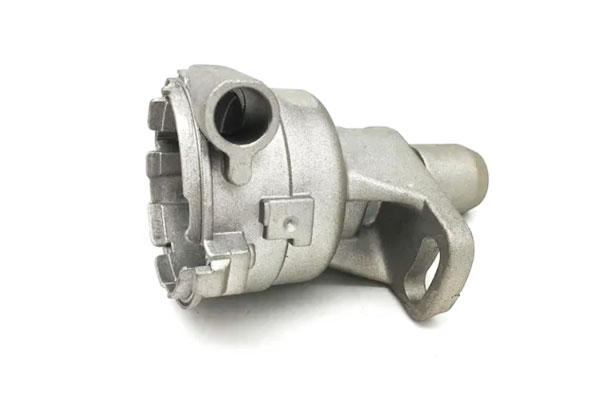
What the as-cast state leaves you with — the root causes for post-processing
- Near-surface and internal porosity. Hydrogen porosity (գնդաձեւ) and shrinkage/interdendritic porosity (irregular) form during solidification.
Even low porosity volumes (fractions of 1%) can provide leakage paths, stress concentrators or initiation sites for fatigue cracks. - Residual stresses and microstructural inhomogeneity. Բարձր ճնշման մեռնելու ձուլում (HPDC) cools rapidly and unevenly; this produces local residual stresses and non-uniform mechanical properties that can relax unpredictably during machining or in service.
- Surface discontinuities and excess metal. Դարպասներ, վազողներ, parting lines and flash are inherent to the process and must be removed or finished for function and safety.
- As-cast surface chemistry and contamination. Die lubricants, oxides and soluble residues remain on surfaces and interfere with coating adhesion, plating continuity and corrosion resistance.
- Insufficient dimensional accuracy for functional features. Զուգավորում դեմքեր, sealing surfaces and threaded holes generally require machining to achieve the tolerances and finishes needed for assemblies.
- Low as-cast mechanical performance in critical zones. Typical die-cast Al-Si alloys have moderate as-cast strength and limited ductility; tailored heat treatment or aging can stabilize dimensions and improve mechanical properties where required.
3. Core Classification and Technical Principles of Aluminum Die Casting Post-processing
Aluminum die casting post-processing can be categorized into four core modules based on functional objectives: defect removal, Մակերեւույթի ձեւափոխում, performance optimization, եւ ճշգրիտ ավարտում.
Each module adopts targeted technologies with distinct technical principles and application scenarios.
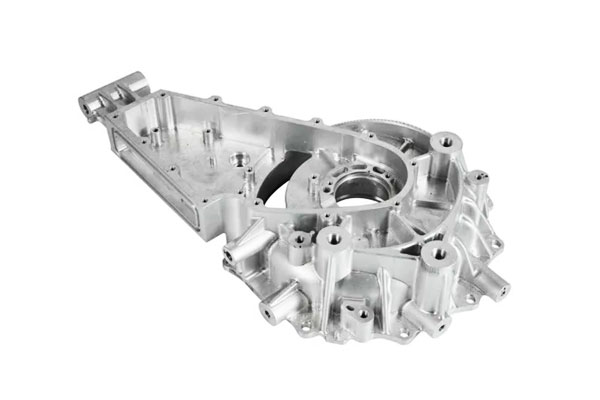
Defect Removal: Eliminating Inherent Casting Imperfections
Defect removal is the primary post-processing step, focusing on eliminating flash, բուրգեր, ծակոտկենություն, Նեղացման խոռոչներ, and oxide inclusions generated during the die casting process.
These defects not only affect the appearance of components but also reduce structural integrity and fatigue life.
Trimming and Deflashing
Flash and burrs are inevitable in aluminum die casting, resulting from molten aluminum seeping into the gap between die halves.
Trimming and deflashing aim to remove these excess materials to meet dimensional specifications.
- Mechanical Trimming: The most widely used method, utilizing hydraulic or pneumatic presses with custom-designed trimming dies.
It offers high efficiency (մինչեւ 100 մասեր րոպեում) and consistent precision, suitable for mass production.
The principle is to apply concentrated pressure along the parting line to shear off flash.
Key parameters include trimming force (determined by part thickness and aluminum alloy type) and die clearance (typically 0.05–0.15 mm to avoid part deformation). - Cryogenic Deflashing: Suitable for complex-shaped components with hard-to-reach burrs (օր., Ներքին ալիքներ).
The process involves cooling the part to -70°C to -100°C using liquid nitrogen, which embrittles the burrs (aluminum alloy burrs lose ductility at low temperatures), then removing them via high-pressure air blasting or mechanical vibration.
This method avoids part deformation but has higher operational costs than mechanical trimming. - Thermal Deflashing: Uses high-temperature (500-600 ° C) molten salt or hot air to burn off burrs.
It is suitable for small burrs (≤0.2 mm) but requires strict control of temperature and time to prevent part oxidation or dimensional changes.
This method is gradually being phased out due to environmental concerns about molten salt waste.
Porosity and Shrinkage Cavity Treatment
Porosity in aluminum die castings (caused by trapped air or dissolved gases during solidification) severely impairs corrosion resistance and mechanical performance. Common treatment methods include:
- Impregnation Sealing: The most effective method for sealing surface and subsurface porosity.
It involves immersing the part in a low-viscosity resin (օր., էգոքսիկ, ֆենոլիկ) under vacuum or pressure, allowing the resin to penetrate into pores, then curing to form a impermeable seal.
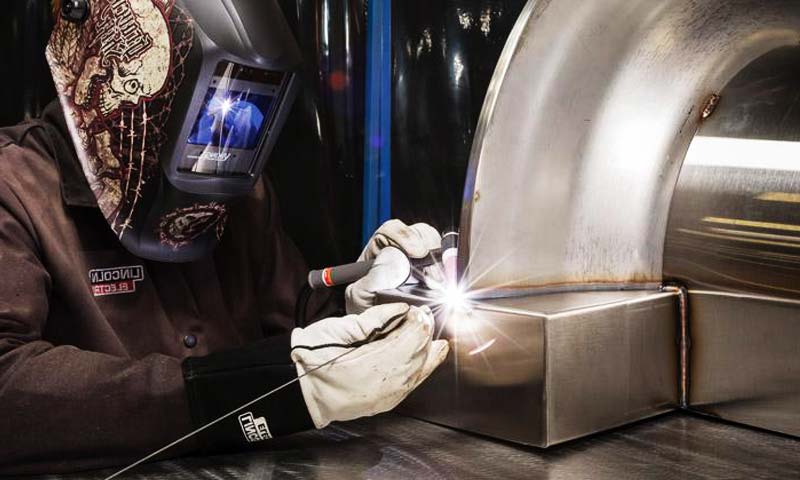
Per ASTM B945, impregnated parts can achieve leak rates as low as 1×10⁻⁶ cm³/s, making them suitable for hydraulic components and fluid-carrying parts. - Welding Repair: Used for large shrinkage cavities or surface defects. TIG զոդում (Վոլֆրամի իներտ գազ) with matching aluminum alloy fillers (օր., ER4043 for A380 die castings) is preferred to minimize heat input and avoid thermal deformation.
Այնուամենայնիվ, welding may introduce new stresses and requires post-weld heat treatment to restore mechanical properties.
Surface Modification: Enhancing Corrosion Resistance and Aesthetics
Aluminum die castings have poor natural corrosion resistance (due to the presence of alloying elements like silicon and copper).
Surface modification not only improves corrosion resistance but also provides decorative or functional surfaces (օր., Էլեկտրական հաղորդունակություն, Հագուստի դիմադրություն).
Քիմիական փոխակերպման ծածկույթներ
Chemical conversion coatings form a thin (0.5–2 μm) adherent film on the aluminum surface via chemical reactions, enhancing corrosion resistance and serving as a primer for painting. Ընդհանուր տեսակները ներառում են:
- Chromate փոխակերպման ծածկույթ: Traditional method using hexavalent chromium compounds, Առաջարկում է գերազանց կոռոզիոն դիմադրություն (salt spray test ≥500 hours) and paint adhesion.
Այնուամենայնիվ, hexavalent chromium is highly toxic, and its use is restricted by REACH (ԵՄ) and RoHS directives. It is only permitted in specialized aerospace applications with strict waste treatment. - Non-Chromate Conversion Coatings: Environmentally friendly alternatives, including trivalent chromium, cerium-based, and zirconium-based coatings.
Trivalent chromium coatings (per ASTM D3933) provide salt spray resistance of 200–300 hours, comparable to hexavalent chromium, and are widely adopted in automotive and electronics industries.
Cerium-based coatings (անօրգանական) offer good corrosion resistance but have lower paint adhesion, suitable for non-painted components.
Ապարդյուն
Ապարդյուն creates a thick (5-25 մկմ) օքսիդ ֆիլմ (Al₂o₃) on the aluminum surface via electrolysis, significantly improving corrosion resistance and wear resistance.
For aluminum die castings, two types are commonly used:
- Type II Sulfuric Acid Anodizing: Ամենատարածված տեսակը, producing a porous oxide film that can be dyed in various colors.
It offers salt spray resistance of 300–500 hours and is used in decorative components (օր., Կենցաղային տներ, Ավտոմոբիլային զարդարանք).
Այնուամենայնիվ, die castings with high porosity may have uneven film formation, requiring pre-sealing with nickel acetate. - Type III Hard Anodizing: Uses lower temperatures (-5°C to 5°C) and higher current densities to produce a dense, ծանր (HV 300–500) օքսիդ ֆիլմ.
It is suitable for wear-resistant components (օր., Gears, մխոցներ) but may cause dimensional changes (film thickness must be accounted for in design).
Aluminum die castings with high silicon content (օր., A380, Si=7–11%) may form a brittle film, limiting its application.
Օրգանական ծածկույթներ
Organic coatings (նկար, Փոշի ծածկույթ) provide additional corrosion protection and aesthetic effects, often applied after chemical conversion coating.
- Փոշի ծածկույթ: Uses electrostatically charged powder (պոլիեսթեր, էգոքսիկ) that adheres to the aluminum surface, then cures at 180–200°C.
It offers excellent durability (salt spray resistance ≥1000 hours) and is free of volatile organic compounds (Վրկ), making it environmentally friendly. Suitable for outdoor components (օր., Ավտոմոբիլային բամպերներ, Արտարապետական հարմարանքներ). - Հեղուկ նկարչություն: Includes spray painting and dip coating, suitable for complex-shaped parts with intricate details.
High-solids polyurethane paints are preferred for their corrosion resistance and gloss retention, but they require proper ventilation to control VOC emissions. - Էլեկտրոնային ծածկույթ is a liquid-based electro-deposition process in which aluminum die-cast parts are immersed in a waterborne bath containing charged polymer particles.
When an electric current is applied, these particles migrate and uniformly deposit onto all conductive surfaces, including complex geometries, corners, եւ ընդմիջումներ.
It provides excellent corrosion protection, Միատեսակ ծածկույթ, and strong adhesion to pre-treated or conversion-coated surfaces. Typical salt spray resistance can exceed 500 hours on properly prepared aluminum die castings.
Կատարման օպտիմիզացում: Adjusting Mechanical Properties and Residual Stresses
Aluminum die castings often have residual stresses (from uneven cooling during solidification) and limited mechanical properties. Post-processing techniques like heat treatment and stress relief are used to optimize performance.
He երմամշակում
Unlike wrought aluminum alloys, aluminum die castings have limited heat treatability due to porosity and alloy composition (high silicon content).
Այնուամենայնիվ, certain alloys (օր., A380, A383) can undergo specific heat treatments:
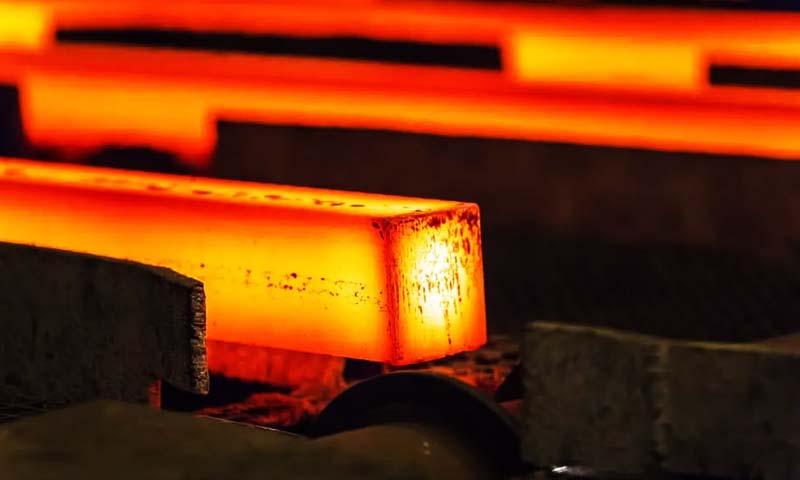
- T5 Heat Treatment: Լուծում ջերմային բուժում (480-500 ° C) followed by air cooling and artificial aging (150–180°C for 2–4 hours).
This process improves tensile strength by 15–20% (A380 T5: tensile strength ≥240 MPa, yield strength ≥160 MPa) without significant dimensional changes. It is widely used in automotive structural components (օր., Շարժիչի փակագծեր). - T6 Heat Treatment: Լուծում ջերմային բուժում, ջրի մարում, եւ արհեստական ծերացում. It provides higher strength than T5 but may cause part deformation and porosity expansion (due to rapid cooling).
T6 is only suitable for low-porosity die castings (օր., those produced by vacuum die casting).
Մասնավորապես, heat treatment of aluminum die castings must strictly control temperature uniformity to avoid thermal cracking. Per SAE J431, the maximum heating rate should not exceed 5°C/min for thick-walled parts.
Սթրեսի օգնություն
Residual stresses in aluminum die castings can cause dimensional instability during machining or service. Stress relief methods include:
- Thermal Stress Relief: Heating the part to 200–250°C for 1–2 hours, then slow cooling.
This reduces residual stresses by 30–50% without altering mechanical properties. It is a common pre-machining step for precision components (օր., Էլեկտրոնային տներ). - Vibratory Stress Relief: Applying low-frequency vibration (10–100 Hz) to the part to induce microplastic deformation, relieving residual stresses.
It is suitable for parts sensitive to heat (օր., those with organic coatings) and offers shorter processing time (30-60 րոպե) than thermal stress relief.
Precision Finishing: Achieving Dimensional Accuracy and Surface Roughness
Although aluminum die castings have high dimensional accuracy (± 0.05-0.1 մմ), some critical surfaces (օր., զուգավորվող մակերեսներ, threaded holes) require additional precision finishing to meet strict tolerances.
Վերամբարձ
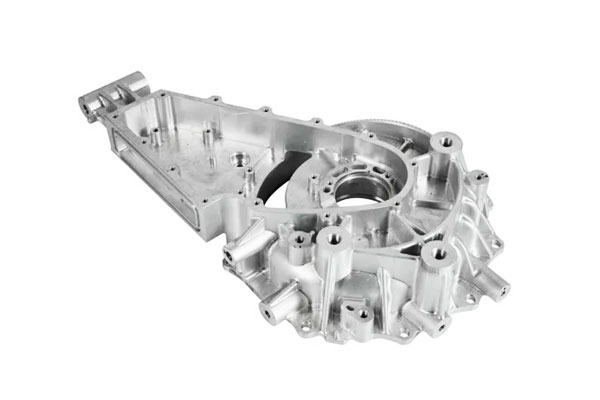
CNC հաստոցներ is the primary precision finishing method, including milling, շրջադարձ, հորատում, եւ թակել. Key considerations for machining aluminum die castings include:
- Գործիքների ընտրություն: Carbide tools with sharp cutting edges are preferred to minimize cutting forces and avoid chip adhesion (aluminum has high ductility). Coated tools (օր., Ցնորք) improve wear resistance and tool life.
- Կտրող պարամետրեր: Կտրող բարձր արագություններ (1500–3000 m/min) and moderate feed rates (0.1-0.3 մմ / վերափոխում) are used to reduce heat generation and prevent workpiece deformation.
Սառնարան (emulsified oil or synthetic coolant) is essential to lubricate the cutting zone and flush chips. - Porosity Impact: Porous areas can cause tool chatter and uneven surface finish. Pre-machining inspection (օր., Ուլտրաձայնային փորձարկում) helps identify high-porosity regions, which may require repair or scrapping.
Փայլեցում եւ բուֆեր
Փայլեցում and buffing are used to improve surface roughness (Ra ≤0.2 μm) for decorative or optical components.
Abrasive polishing (using silicon carbide or aluminum oxide abrasives) is followed by buffing with a soft wheel and polishing compound (օր., rouge) to achieve a mirror finish.
For die castings with porosity, a filler (օր., polyester putty) may be applied before polishing to ensure a smooth surface.
3. Quality Control and Testing Standards for Post-processing
Որակի վերահսկում (QC) is critical to ensuring consistency and reliability of post-processed aluminum die castings. QC measures cover each post-processing stage and adhere to international standards to maintain credibility.
Ծավալային ստուգում
Dimensional accuracy is verified using tools ranging from basic gauges to advanced metrology equipment:
- Համակարգել չափիչ մեքենա (Սամիթ): Used for complex components to measure 3D dimensions with accuracy up to ±0.001 mm.
Per ISO 10360, CMM calibration is required annually to ensure measurement reliability. - Vision Inspection Systems: High-speed optical inspection for surface defects (օր., քերծվածքներ, դանակներ) and dimensional deviations. Suitable for mass production, with detection rates up to 99.9% for defects ≥0.1 mm.
- Կոշտության ստուգում: Brinell or Vickers hardness testing (per ASTM E140) to verify heat treatment effectiveness. For A380 T5 die castings, the typical hardness is 80–95 HB.
Կոռոզիոն դիմադրության փորձարկում
Corrosion resistance of surface-treated parts is evaluated using standardized tests:
- Աղի լակի թեստ (ASTM B117): The most common test, exposing parts to a 5% NaCl spray at 35°C.
The duration of corrosion-free performance (օր., 500 hours for anodized parts) is used to qualify surface treatments. - Էլեկտրաքիմիական դիմադրողական սպեկտրոսկոպիա (EIS): A non-destructive test to evaluate the integrity of surface coatings.
It measures the coating’s impedance to assess corrosion resistance and predict service life.
Ոչ կործանարար փորձարկում (Նիդ) for Defects
NDT methods detect internal and surface defects without damaging the part:
- X-Ray Inspection (ASTM E164): Used to detect internal porosity, Նեղացման խոռոչներ, and welding defects.
Digital radiography (DR) provides real-time imaging and improved defect detection accuracy compared to traditional film radiography. - Ուլտրաձայնային փորձարկում (ASTM A609): Evaluates subsurface porosity and bond integrity of coatings.
High-frequency sound waves (2–10 MHz) are transmitted through the part, and reflections from defects are analyzed to determine their size and location. - Ներկերի ներթափանցման փորձարկում (ASTM E165): Detects surface cracks and porosity. A colored dye is applied to the part, penetrates into defects, then excess dye is removed, and a developer is applied to reveal defects.
4. Industry-Specific Applications of Post-processing
Post-processing requirements for aluminum die castings vary by industry, depending on functional needs, Բնապահպանական պայմաններ, եւ կարգավորող ստանդարտներ. Below are key applications in major industries:
Ավտոմոբիլային արդյունաբերություն
Ավտոմոբիլային aluminum die castings (օր., Շարժիչի բլոկներ, Փոխանցման տներ, Կասեցման բաղադրիչներ) require strict post-processing to meet durability and safety standards:
- Շարժիչի բլոկներ: T5 heat treatment to improve strength, impregnation sealing to prevent oil leakage, and CNC machining of mating surfaces (tolerance ±0.01 mm).
- Exterior components (բամպերներ, զարդարել): Trivalent chromium conversion coating + powder coating to resist corrosion from road salt and environmental factors (salt spray test ≥1000 hours).
Էլեկտրոնիկայի արդյունաբերություն
Electronic Բաղադրիչներ (օր., smartphone housings, ջերմային լվացարաններ) demand high surface quality, չափերի ճշգրտություն, եւ էլեկտրամագնիսական համատեղելիություն (Էմկ):
- Սմարթֆոնների տներ: Precision CNC machining, polishing to mirror finish, and anodizing (II տիպ) for corrosion resistance and color customization.
- Ջերմային լվացարաններ: Chemical conversion coating to enhance thermal conductivity, and CNC drilling to create cooling channels (Հանդուրժողականություն ± 0,02 մմ).
Ավիատիեզերական արդյունաբերություն
Aerospace aluminum die castings (օր., aircraft brackets, Հիդրավլիկ բաղադրիչներ) require rigorous post-processing and quality control to meet aerospace standards (SAE AS9100):
- Հիդրավլիկ բաղադրիչներ: Impregnation sealing (per SAE AS4775) to ensure leak tightness, and T6 heat treatment for high strength.
- Կառուցվածքային փակագծեր: Vibratory stress relief to eliminate residual stresses, and ultrasonic testing to detect internal defects.
Household Appliance Industry
Appliance components (օր., refrigerator compressor housings, washing machine drums) focus on corrosion resistance and aesthetics:
- Կոմպրեսորային տներ: Powder coating to resist moisture and corrosion, and thermal stress relief to prevent dimensional changes during operation.
- Դեկորատիվ վահանակներ: Փայլեցում + anodizing or painting to achieve a visually appealing finish.
5. Եզրափակում
Aluminum die-cast post-processing is not a single operation but a tailored sequence chosen to meet mechanical, արտահոսք, cosmetic and assembly requirements.
Early collaboration between design, foundry and finishing suppliers yields the best balance of cost and performance: Նախագծում արտադրության համար (Պատի միասնական հաստություն, adequate draft, boss geometry for inserts), minimize post-processing where possible, and specify clear acceptance tests.
For critical pressure, կնքելը, or high-fatigue applications, plan for vacuum impregnation, X-ray inspection and controlled heat treatment.
For appearance and corrosion resistance, select conversion pre-treatment compatible with chosen final coating, and avoid restricted chemistries when possible.
ՀՏՀ
When should I specify vacuum impregnation?
When parts are required to be leak-tight (hydraulic housings), when plating or painting will be compromised by through-porosity, or for parts subject to fluid sealing. Impregnation is a standard remedy for through-porosity.
Can all die-cast aluminum be anodized?
Not effectively. High-Si die-cast alloys often give poor anodize finish. If anodizing is required, use a compatible alloy or specify special pre-treatments and acceptance criteria.
What thread insert is best for die-cast bosses?
For high pull-out strength and durability use solid inserts (օր., M4–M12) installed by press or thermal insertion; Helicoil is common for smaller diameters. Specify boss thickness and insert type in design.
Is post-casting heat treatment always beneficial?
Ոչ միշտ. T5 ageing can improve properties and stability for many die-cast alloys.
Full solution + տարիք (T6) may be impractical or ineffective on some die-cast alloys and can increase distortion.
How do I control costs while ensuring quality?
Reduce the number of critical machined features, design for minimal porosity risk (even wall thickness), specify only necessary tests (օր., sample X-ray vs 100% զննում), and choose common, compliant coating systems. Early supplier involvement is the most effective lever.