1. مقدمة
سبائك الألومنيوم يتم صبها على نطاق واسع في الرمال, قالب دائم, يموت, عمليات الجاذبية أو الاستثمار للسيارات, الفضاء الجوي, التطبيقات الاستهلاكية والصناعية.
بالمقارنة مع المسبوكات الحديدية, يقدم الألومنيوم سلوكيات معدنية محددة - الموصلية الحرارية العالية, التصلب السريع, حساسية كبيرة لامتصاص الهيدروجين وميل قوي لتكوين أفلام أكسيد، مما يؤدي إلى خلق أوضاع خلل فريدة.
فهم آليات الخلل والسيطرة على الذوبان, يعد البوابات والتصلب ضروريين لإنتاج مصبوبات موثوقة ذات خصائص ميكانيكية يمكن التنبؤ بها.
2. تأثير العيوب في أجزاء الألمنيوم المصبوب
عيوب في يلقي الألومنيوم الأجزاء ليست مجرد مشاكل تجميلية، بل إنها تؤدي إلى تدهور الأداء بشكل مباشر, تقصير عمر الخدمة, زيادة التكلفة ويمكن أن تخلق مخاطر تتعلق بالسلامة والمسؤولية.
العيوب الداخلية والسطحية مثل المسامية, انكماش, الادراج, تشققات, والتشويه يقللان من منطقة الحمل الفعالة, إنشاء مركزات الإجهاد, وتتحلل بشكل كبير التعب الحياة, ضيق الضغط, دقة الأبعاد, ومقاومة التآكل.
في التطبيقات الحرجة, هذه العيوب يمكن أن تؤدي إلى فشل سابق لأوانه أو كارثي, مخاطر السلامة, والتعرض التنظيمي أو المسؤولية.
من منظور التصنيع, تزيد العيوب من تعقيد الفحص, معدلات الخردة وإعادة العمل, تكلفة الإنتاج, وعدم اليقين التسليم, مع تقديم تباين كبير في الخواص الميكانيكية التي تفرض هوامش تصميم متحفظة.
بالتالي, إن التحكم الفعال في عيوب الصب ليس مجرد مسألة جودة بل هو مطلب استراتيجي, المطالبة بتصميم عملية موجهة نحو الوقاية, تحكم صارم في الذوبان والعفن, الهندسة المعتمدة على المحاكاة, ومعايير التفتيش والقبول على أساس المخاطر.
3. تصنيف العيوب الشائعة
على نطاق واسع, تنقسم عيوب الصب إلى مجموعتين:
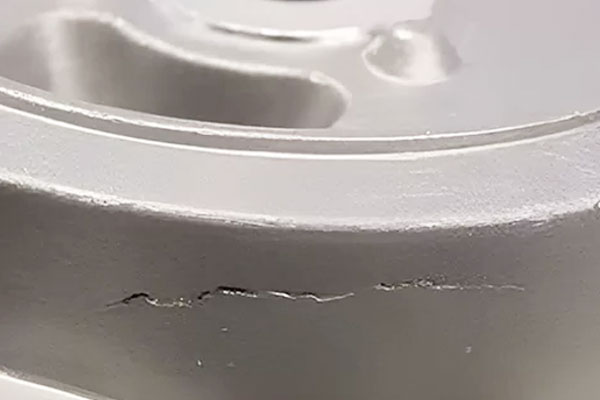
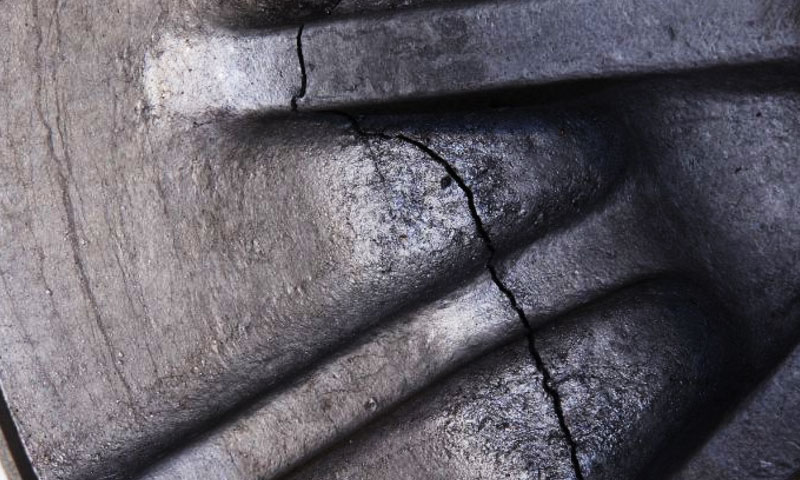
- سطح / عيوب مرئية - تظهر بسهولة على الأجزاء النهائية: زعانف/فلاش, يغلق البرد, أساء, تجاويف الانكماش مرئية على السطح, شوائب الرمال, المسامية السطحية, الدموع الساخنة, تداخل, والتشوهات الأبعاد.
- داخلي / العيوب الخفية - مضمن داخل الجزء وغالبًا ما يكون حاسمًا للقوة: مسامية الغاز, تجاويف الانكماش الداخلية, شوائب أكسيد وخبث, فخ الخبث, الفصل, والشقوق الداخلية.
كلا المجموعتين يمكن أن تقلل من عمر التعب, انخفاض قوة الشد, تسبب مسارات تسرب في أجزاء الضغط, أو يؤدي إلى الرفض التام للمكونات الحيوية للسلامة.
4. وصف تفصيلي للعيب
يلخص الجدول أدناه العيوب الأكثر شيوعًا في مصبوبات الألومنيوم, أسبابها الجذرية, كيف تظهر, والتدابير المضادة العملية.
| عيب | سبب(ق) | كيف يؤثر على جزء | طرق الكشف | وقاية / علاج |
| مسامية الغاز (ثغرات, المسامية الدقيقة) | الهيدروجين المذاب في السائل Al; الهواء المحبوس بسبب التدفق المضطرب; الرطوبة في القالب/النوى | الفراغات الداخلية تقلل من القوة الساكنة والتعب; مسارات التسرب | التصوير الشعاعي (الأشعة السينية/ct), الموجات فوق الصوتية, التقسيم | degassing (دوار, الغاز الخامل), التدفق, تقليل الاضطراب, النوى/القوالب قبل الجفاف, التحكم في درجة حرارة الذوبان, صب فراغ, تحسين النابضة |
| انكماش التجاويف / مسامية انكماش | الانكماش الحجمي عند التصلب مع عدم كفاية التغذية; وضع رديء في وضع الناهض; نطاقات تجميد واسعة في السبائك | فراغات كبيرة, في كثير من الأحيان بين التغصنات; انخفاض حاد في سعة الحمولة | الأشعة السينية, CT, التقسيم, مرئية إذا انكسر السطح | التصلب الاتجاهي, الناهضون / قشعريرة, أنظمة التغذية, استخدام المغذيات وقشعريرة, اختيار سبيكة مع نطاق تجميد أضيق |
| إغلاق بارد / اللفة الباردة | انخفاض درجة حرارة المعدن أو التدفق البطيء مما يؤدي إلى عدم اندماج تيارين | انقطاع السطح, مكثف الإجهاد, انخفاض القوة المحلية | التفتيش البصري, صبغة مخترقة للشقوق السطحية | زيادة درجة حرارة الصب, تحسين تصميم البوابات, تقليل التغييرات المفاجئة في المقطع العرضي, زيادة سرعة المعادن |
تمزق حار (تكسير ساخن) |
الانكماش الحراري مقيد أثناء التصلب النهائي; ضبط النفس العالي; سوء تصميم السبائك أو القوالب | تتشكل الشقوق أثناء عملية التصلب — غالبًا في الزوايا أو المقاطع الرقيقة | مرئي, مخترق, التقسيم | تقليل ضبط النفس, إعادة تصميم الهندسة (تجنب الزوايا الحادة), تعديل مسار التصلب, استخدام مصافي الحبوب, التحكم في درجة حرارة الصب |
| تصريف فيلم أكسيد / الخبث / الادراج | تطوي الأكاسيد السطحية إلى سائل عن طريق الاضطراب; تصريف الخبث; تنظيف ذوبان ضعيف | الادراج الداخلية بمثابة مواقع بدء الكراك; المسامية المجاورة للادراج | التصوير الشعاعي, المعدغرافيا دراسة المعادن, التقسيم | الخبث المقشود, استخدم مرشحات السيراميك, ملء الصفحي, صب تسيطر عليها, التدفق, ممارسة الفرن السليم |
| إدراج الرمال / الخبث | سلامة العفن سيئة, الرمال المتدهورة, عدم كفاية الغسيل الأساسي, ترحيل الخبث | ناهضات التوتر, عيوب السطح, بدء التآكل المحتمل | مرئي, الأشعة السينية, التقسيم | تحسين نوعية الرمال والتعامل معها, إعداد أفضل للقالب/الأساسية, ترشيح الذوبان |
مصر / ملء غير مكتمل |
درجة حرارة صب منخفضة, البوابات المحظورة, مسار تدفق طويل للغاية | ميزات مفقودة, أقسام ضعيفة, خردة | مرئي, CMM للهندسة | زيادة درجة حرارة الصب, تحسين النابضة, زيادة حجم الذباب/العداء, تقليل المقاطع العرضية الرقيقة |
| خشونة السطح / ضربة رملية / جرب الغاز | تطور الغاز على سطح القالب (رُطُوبَة, تحلل الموثق), تهوية سيئة | سوء الانتهاء من السطح, بدء الكراك المبكر | التفتيش البصري | التحكم في رطوبة العفن, تحسين التنفيس, استخدام المجلدات المناسبة والتجفيف |
| اللفة الباردة / لفات / طيات | سرعة التدفق منخفضة للغاية مما يتسبب في طي المعدن | صدع سطحي, سلوك التعب السيئ | مرئي, مخترق | زيادة درجة حرارة/سرعة المعدن, تغيير النابضة, تقليل التغيرات الهندسية المفاجئة |
تشويه الأبعاد (parpage, الإزاحة) |
التبريد غير المتكافئ, سمك الجدار غير موحد, الأدوات السيئة | أجزاء خارج التسامح, قضايا التجميع | CMM, 3المسح د | سمك الجدار الموحد, تبريد متوازن, التلقيح المناسب, تصميم لتحمل الصب |
| الفصل (عدم التجانس الكيميائي) | الفصل الدقيق أثناء التصلب, نطاق تجميد واسع, التبريد البطيء | اختلافات الخصائص الميكانيكية المحلية, انخفاض مقاومة التآكل | المعدغرافيا دراسة المعادن, اختبارات البقعة الكيميائية | اختيار سبائك الأمثل, التحريك (عند الاقتضاء), التصلب المتحكم فيه, المعالجة الحرارية المتجانسة |
| الشقوق الداخلية (تأخر التشقق) | هيدروجين, الإجهاد المتبقي, الإفراط في الشيخوخة, المعالجة الحرارية غير المناسبة | فشل ذريع في الخدمة | الموجات فوق الصوتية, صبغة مخترقة للسطح, الكسور | تقليل الهيدروجين, تخفيف الإجهاد, المعالجة الحرارية التي تسيطر عليها, القضاء على التحولات الحادة |
5. طرق الكشف المتقدمة عن عيوب أجزاء الألمنيوم المصبوب
إن الكشف الدقيق والفعال عن العيوب هو الضمان الأساسي لأجزاء الألمنيوم المصبوبة المؤهلة.
استهداف أنواع ومواقع العيوب المختلفة, تتبنى الصناعة مجموعة من تقنيات الكشف المتعددة لتحقيق مراقبة جودة التغطية الكاملة:
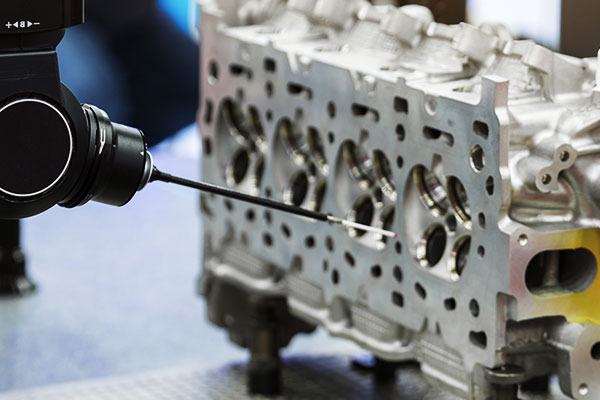
التفتيش البصري
العيوب المطبقة: فتحات النفخ السطحية, تجويف / مسامية انكماش السطح, إدراج الخبث السطحي, إدراج الرمال, الشقوق الواضحة, إغلاق بارد, مصر, فلاش/نتوءات السطح, المواد الزائدة, خسارة مادية.
الخصائص التقنية: يتم إجراؤها بواسطة مفتشي جودة ذوي خبرة باستخدام عدسات مكبرة (5-10× التكبير) للمراقبة التفصيلية; بسيط, منخفضة التكلفة وفعالة, بمثابة طريقة فحص الجودة في الخط الأول.
معيار الكشف: يتوافق مع ASTM E186, مع التحكم في التسامح مع حجم عيب السطح في الداخل 0.05 ملم للمسبوكات الدقيقة.
فحص الأشعة السينية
العيوب المطبقة: فتحات النفخ الداخلية, تجويف/ مسامية الانكماش الداخلي, إدراج الخبث الداخلي والشقوق الداخلية المخفية.
الخصائص التقنية: يستخدم اختراق الأشعة السينية لتكوين صور للهياكل الداخلية; تظهر العيوب باللون الداكن (الفراغات) أو مشرق (الادراج) البقع في الصورة.
المزايا الأساسية: اختبار غير التدمير (NDT), دقة كشف عالية (يمكن تحديد حجم العيب ≥0.02 مم), تصور واضح لتوزيع الخلل الداخلي وشكله.
معيار الامتثال: يلبي ASTM E94, إلزامية للمكونات الهامة في صناعات الطيران والسيارات.
فحص الاختراق الفلورسنت (FPI)
العيوب المطبقة: الشقوق الدقيقة تحت السطح والسطح, إغلاق بارد ومسامية صغيرة غير مرئية للعين المجردة.
الخصائص التقنية: يتم تطبيق مادة مخترقة ذات فلورة عالية على سطح الصب; يتسرب المخترق إلى فجوات الخلل, ويتم تنظيف الاختراق الزائد; تشعيع الضوء فوق البنفسجي يجعل العيوب تنبعث منها مضان مشرق.
المزايا الأساسية: حساسية عالية, قادرة على الكشف عن الشقوق الصغيرة مع العرض <0.01 مم والعمق <0.05 مم; مناسبة للمسبوكات ذات الشكل المعقد.
معيار الامتثال: يتوافق مع ASTM E1417, ضروري للكشف عن الشقوق الحساسة للضغط في مصبوبات سبائك الألومنيوم عالية القوة.
فحص بالمنظار
العيوب المطبقة: فلاش التجويف الداخلي, إدراج خبث السطح الداخلي وانحراف الأبعاد للتجاويف الداخلية المعقدة.
الخصائص التقنية: يتم إدخال مناظير داخلية مرنة أو صلبة مزودة بكاميرات عالية الوضوح في التجويف الداخلي للصب لالتقاط صور في الوقت الفعلي للسطح الداخلي.
المزايا الأساسية: غير التدمير, يمكنه اكتشاف الهياكل الداخلية المعقدة التي لا يمكن الوصول إليها بالطرق الأخرى; يدعم تحديد المواقع الدقيقة للعيوب الداخلية.
سيناريو التطبيق: إلزامي لأجزاء الألمنيوم المصبوبة ذات التجاويف الداخلية المعقدة (على سبيل المثال, رؤوس اسطوانات المحرك, أجسام الصمامات الهيدروليكية).
3د- تقنية المسح
العيوب المطبقة: التحول الأساسي, عدم تطابق, تشوه الصب وانحراف الأبعاد بما يتجاوز تحمل التصميم.
الخصائص التقنية: يستخدم الليزر أو الماسحات الضوئية ثلاثية الأبعاد المنظمة لجمع بيانات السحابة النقطية ذات السطح الكامل للمسبوكات; يقارن مع نماذج التصميم ثلاثية الأبعاد لتحليل انحرافات الأبعاد بدقة عالية.
المزايا الأساسية: دقة قياس عالية (± 0.005 مم), كشف كامل الأبعاد, إخراج البيانات الرقمية; يمكن قياس درجة التشوه وموقع المسبوكات.
معيار الامتثال: يفي بآيزو 10360, وهو أمر بالغ الأهمية لأجزاء الألمنيوم المصبوبة بدقة والتي تتطلب تفاوتات مشددة في الأبعاد (± 0.01-0.05 مم).
6. تدابير الوقاية الرئيسية للعيوب الشائعة في أجزاء الألمنيوم المصبوب
أدناه هو الاتفاق, مجموعة من التدابير الوقائية ذات التوجه الهندسي المرتبطة بآليات الخلل السائدة في صب الألومنيوم.
تذوب الجودة & معالجة المعادن
- degassing: استخدم التفريغ الدوار أو الفراغي ومراقبة الفعالية (مؤشر الكثافة أو ما يعادله). استهدف مستويات الغاز المذاب المنخفضة باستمرار قبل صبها.
- التدفق & القشط: قم بإزالة الخبث والأغشية السطحية المؤكسدة بشكل روتيني; استخدم كيمياء التدفق المناسبة وممارسة القشط لتقليل الشوائب غير المعدنية.
- الترشيح: قم بتركيب مرشحات السيراميك/الرغوة في نظام البوابات (تصنيف المسام المناسب للسبائك والتدفق) لاحتجاز الخبث والادراج.
- التحكم في درجة الحرارة & سخونة: الحفاظ على درجات حرارة الذوبان والصب المتكررة مع حدود تحكم ضيقة (ارتفاع درجة الحرارة المناسبة فوق السائل للسبائك) لذلك يمكن الاعتماد على التعبئة والانصهار دون الإفراط في التقاط الغاز.
- التحكم الكيميائي في السبائك: احتفظ بالتركيبة وفقًا لحدود المواصفات لتجنب نطاقات التجميد الواسعة وسلوك التصلب غير المرغوب فيه; إجراء تحليل متكرر للعينات والحفاظ على إمكانية تتبع الحرارة.
البوابات, الناهض & تصميم ملء القالب
- حشو الصفحي: تصميم البوابات والعدائين لتعزيز السلاسة, تدفق الصفحي (بوابات سفلية أو مصممة بشكل جيد, العدائين مدبب) لتجنب طي الأكسيد وانحباس الهواء.
- سرعة تعبئة متحكم بها: تجنب الرش المضطرب الذي يجذب الهواء; استخدم نمذجة التدفق لتعيين أبعاد العداء ومعدلات الصب.
- التصلب الاتجاهي: ضع الناهضات/المغذيات والقشعريرة لإنشاء جبهة تصلب يمكن التنبؤ بها ومنع الانكماش الداخلي.
- ارتفاع مناسب: حجم وتحديد موقع مغذيات لضمان رأس معدني كاف والتغذية خلال مرحلة التصلب النهائية; ضع في اعتبارك الناهضات المعزولة أو الأكمام الطاردة للحرارة عندما تكون مفيدة.
قوالب, النوى وممارسة النمط
- جاف, النوى / القوالب المعالجة جيدًا: الحفاظ على رطوبة منخفضة وعلاج الموثق المناسب لمنع تطور الغاز (ضربة رملية) والجرب.
- تنفيس & نفاذية: توفير فتحات وقنوات تنفيس في المناطق عالية الغاز, والتحكم في نفاذية الرمل بما يتناسب مع سماكة السبيكة وقسم الصب.
- تنظيف أسطح العفن & الطلاء: استخدم الغسالات/الطلاءات المناسبة للتحكم في تفاعلات القالب المعدني وتحسين تشطيب السطح; التحقق من توافق الطلاءات مع درجة حرارة المادة الخام وممارسة الصب.
- صيانة الأداة: استبدل الأنماط البالية أو القوالب لمنع عيوب الفلاش/خط الفراق المفرط.
تعبئة & ممارسة الصب
- ملء القاع أو التحكم فيه: عند الاقتضاء, استخدم البوابات السفلية أو المغمورة لتقليل احتجاز أكسيد السطح.
- تقليل الاضطراب عند نقاط الصب: استخدام مداخل البوابة مدبب, أكواب صب مصممة جيدًا وتقنيات صب ثابتة.
- تجنب إعادة ذوبان الخبث: لا تصب من السطح المقشود في القالب; وضع المغارف والنقر عليها للسحب من المعدن النظيف.
- إجراءات المشغل المتسقة: إنفاذ إجراءات التشغيل القياسية (SOPS) للفرن, مغرفة, وصب التي تشمل التحقق من القائمة المرجعية (الانتهاء من التفريغ, تم تثبيت الفلتر, صب تسجيل درجة الحرارة).
السيطرة على التصلب & الإدارة الحرارية
- قشعريرة والضوابط الحرارية: تطبيق قشعريرة لتعزيز التصلب الاتجاهي; وضعها على أساس إخراج المحاكاة.
- تقليل الاختلافات في سمك القسم: مكونات التصميم ذات سماكة جدار موحدة وشرائح سخية لتجنب النقاط الساخنة وتركيزات الضغط.
- التحكم في معدلات التبريد: حيثما كان ذلك ممكنا, استخدم تركيبات أو قوالب تبريد يمكن التحكم فيها لتقليل التدرجات الحرارية والضغط المتبقي الذي يؤدي إلى التمزق والتشوه الساخن.
التدابير الخاصة بالسبائك والمعادن
- تحسين الحبوب / التلقيح: استخدام مصافي الحبوب أو المعدلات المناسبة (على سبيل المثال, سر لأنظمة السي) لتحسين التغذية وتقليل قابلية التمزق الساخن.
- السيطرة على الهيدروجين: استخدم البوتقات/البطانات الجافة والتفريغ لتقليل مصادر الهيدروجين; السيطرة على الرطوبة في التدفقات, الطلاء والنوى.
- التجانس / حل: للمسبوكات التي تسمح بالمعالجة الحرارية, تطبيق دورات التجانس أو الحل يصلب للحد من الفصل وحل المراحل الضارة.
محاكاة العملية, تصميم للصب & دفكاست
- محاكاة تعبئة القالب والتصلب: تشغيل نماذج CFD/التصلب مبكرًا في التصميم لتحديد المناطق الخطرة (البقع الباردة, مناطق الاضطراب, انكماش النقاط الساخنة) وتكرار النابضة, تخطيطات المغذية والبرد.
- تصميم للصب (دفكاست): دمج سمك القسم الموحد, أنصاف أقطار سخية, تجنب التغييرات المفاجئة في القسم, والميزات القابلة للصب (المسودات, بدل تصنيع يمكن الوصول إليه) في مرحلة التصميم.
ممارسة المسبك, تقتيش & الضوابط في العملية
- تسجيل معلمات العملية: سجل كيمياء الذوبان, مقاييس التفريغ, درجة الحرارة, استخدام الفلتر/التدفق وحالة تجفيف القالب لكل حرارة/تحول.
- استراتيجية الطبقات NDT: تحديد مستويات الفحص بناءً على أهمية الأجزاء - البصرية ← اختراق الصبغة للشقوق السطحية ← التصوير الشعاعي/التصوير المقطعي أو UT المصفوفة المرحلية للعيوب الحجمية الداخلية.
- معايير القبول مرتبطة بالوظيفة: تحديد حجم المسامية المسموح بها, الموقع وجزء الحجم بالنسبة لأحمال الخدمة (ليس فقط عدد الأسطح "النجاح/الفشل".).
- المراقبة عبر الإنترنت: حيثما أمكن, استخدم مراقبة الهيدروجين المضمنة, تذوب مؤشرات النظافة وتنبيهات درجة حرارة الصب لوقف عمليات الصب غير المطابقة.
علاج ما بعد الصب & تَحَقّق
- الضغط الساخن المتوازن (خاصرة): حدد HIP للمسبوكات ذات القيمة العالية أو المسبوكات الحرجة للتعب لإغلاق المسامية الداخلية عند السماح بذلك.
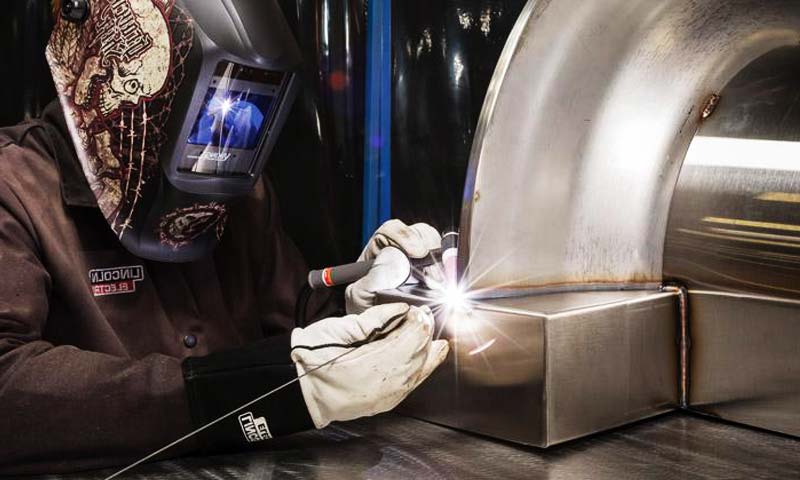
- إجراءات الإصلاح المؤهلة: إصلاحات اللحام أو النحاس فقط من خلال الإجراءات الخاضعة للرقابة والاختبارات غير التدميرية اللاحقة والتحقق الميكانيكي.
- التصنيع النهائي & اختبار وظيفي: إزالة عيوب السطح عن طريق التصنيع حيثما يكون ذلك مقبولا; تطبيق اختبار الضغط/التسرب لأجزاء الضغط.
7. خاتمة
تنشأ عيوب صب الألومنيوم من المعادن, التفاعلات الحرارية والعملية.
التحكم الاستباقي - بدءًا من ممارسة الذوبان النظيف, تصميم دقيق للبوابة والناهض, تجفيف وتنفيس القوالب/النوى, واستراتيجيات الاختبارات غير التدميرية المحددة جيدًا - تقلل بشكل كبير من حدوث العيوب.
للأجزاء ذات المهام الحرجة, الاستثمار في التفتيش المتقدم (CT, UT صفيف مرحلي), محاكاة العملية و, عندما يبرر ذلك, HIP بعد الصب لضمان السلامة الهيكلية وعمر الخدمة الطويل.
الأسئلة الشائعة
ما هو السبب الجذري الأكثر شيوعًا للمسامية الداخلية في سبائك الألومنيوم?
امتصاص الهيدروجين وانحباسه أثناء التصلب, تتفاقم بسبب الامتلاء المضطرب وعدم كفاية التفريغ, هو السبب الأكثر شيوعا لمسامية الغاز الداخلية.
يمكن إزالة جميع المسامية عن طريق المعالجة الحرارية?
لا. المعالجة الحرارية التقليدية لا تقضي على الغاز أو مسامية الانكماش. الضغط المتساوي الساخن (خاصرة) يمكن إغلاق المسامية الداخلية للأجزاء ذات القيمة العالية.
أي اختبار NDT هو الأفضل للكشف عن المسام الداخلية الصغيرة?
CT (التصوير المقطعي المحوسب) يوفر أفضل حساسية ثلاثية الأبعاد ودقة التحجيم; يعد التصوير الشعاعي والصفيف المرحلي UT أيضًا فعالين وأكثر اقتصادا اعتمادًا على حجم العيب وإمكانية الوصول إليه.
كيف يمكنني تحديد معايير القبول للمسامية?
يجب أن يكون القبول قائمًا على التطبيق: تحديد الحد الأقصى المسموح به لحجم العيب, جزء الحجم, أو حدود الموقع الحرجة (على سبيل المثال, لا توجد مسامية عبر الجدار في أسطح الختم), وتفويض طريقة التفتيش المستخدمة للتحقق.
هل صب الألمنيوم دائمًا أكثر عرضة للعيوب من صب الفولاذ?
ليس بطبيعته، فكل معدن له آليات الخلل السائدة الخاصة به.
حساسية الألومنيوم للهيدروجين, تتطلب أفلام الأكسيد ونطاق التجميد الواسع ضوابط محددة; مع الانضباط العملية المناسبة, يمكن أن تكون معدلات العيوب منخفضة مثل السبائك الأخرى.
مراجع: نظرة عامة على دليل موضوعات الألومنيوم وسبائك الألومنيوم