1. Įvadas
Lygintuvas, vienas gausiausių ir universaliausių metalų, buvo labai svarbus formuojant pramonės plėtrą per visą istoriją.
Jo neprilygstamas jėgos derinys, ilgaamžiškumas, ir pritaikomumas daro jį nepakeičiama medžiaga statyboje, Gamyba, ir mašinos.
Understanding the different types of iron and their unique properties enables manufacturers,
inžinieriai, and designers to make informed decisions when selecting the appropriate material for specific applications.
This article will explore the various types of iron, examining their chemical composition, key characteristics, ir realaus pasaulio programos.
By diving into the properties of each types of Iron, we aim to provide valuable insights that will guide you in choosing the best iron for your industrial needs.
2. Kas yra Geležis?
Lygintuvas (Fe) is one of the most abundant chemical elements on Earth, making up about 5% of the Earth’s crust.
Known for its historical significance and widespread use across industries, iron has shaped human civilization for thousands of years.
From the Iron Age, when it replaced bronze as the primary material for tools and weapons, šiuolaikiniams pramoniniams pritaikymams, geležies svarba išlieka neabejotina.

Kol gryna geležis yra palyginti minkštas ir lankstus, jo mechanines savybes galima labai pagerinti pridedant įvairių elementų, pvz Anglies ir legiruojantys metalai.
Šie priedai keičia jo fizines ir chemines savybes, leidžianti geležį naudoti įvairiems tikslams, nuo Statybinės medžiagos į automobilių komponentai.
Geležies istorija
Geležies reikšmė atsirado seniai 3,000 metų. The Geležies amžius, pradedant aplink 1200 pr. Kr, pažymėjo dramatišką poslinkį nuo Bronzos amžius, kur bronza buvo naudojama įrankiams ir ginklams.
Lygintuvas, būdamas gausesnis ir stipresnis už bronzą, greitai įgijo populiarumą.
Pirmieji geležies gamybos būdai buvo elementarūs, ir tai buvo tik iki atsiradimo BLAST FRORACE viduramžiais
kad geležis tapo plačiau prieinama, vedantis į masinę geležies gamybą ir, vėliau, plienas.
Geležies cheminė sudėtis
Geležis yra a pereinamasis metalas su atominiu skaičiumi 26. Jo atominė struktūra leidžia lengvai formuoti lydinius,
ypač su Anglies, Manganas, ir kiti metalai, todėl jis yra universalus įvairiems tikslams.
- Gryna geležis (Fe): Gryna forma, geležis yra gana minkšta ir jautri rūdijimui. Štai kodėl gryna geležis nelegiruota pramonėje naudojama retai.
- Geležies lydiniai: Pristatant Anglies, geležį galima paversti plienas, viena iš plačiausiai naudojamų medžiagų šiuolaikinėje pramonėje.
Kai derinamas su Chromas, jis susiformuoja Nerūdijantis plienas, pasižymintis atsparumu korozijai ir karščiui.
Pagrindinės geležies savybės
Geležies fizinės savybės leidžia jai būti įvairių lydinių ir medžiagų, naudojamų įvairiose pramonės šakose, pagrindu.. Žemiau yra keletas pagrindinių geležies savybių:
| Nuosavybė | Aprašymas |
|---|---|
| Stiprybė | Geležis yra stipri, ypač kai legiruotas su anglimi ar kitais metalais, todėl tai idealiai tinka struktūrinėms reikmėms. |
| Klaidingumas | Gryna geležis yra kalioji, kuri leidžia jį formuoti esant karščiui. Ši charakteristika pagerėja, kai yra legiruotas. |
| Magnetinis | Geležis yra feromagnetinė, tai reiškia, kad jis gali būti įmagnetintas. Jis išlaiko magnetines savybes, todėl jis naudingas varikliams ir elektriniams komponentams. |
| Ausmingumas | Geležis gali ištempti į plonus laidus, ypač gryna forma, bet jo lankstumas padidėja derinant su legiravimo elementais. |
| Jautrumas korozijai | Gryna geležis, veikiama deguonies ir drėgmės, yra linkusi rūdyti. Lydiniai kaip Nerūdijantis plienas pagerinti atsparumą korozijai. |
3. Kiekvienos rūšies geležies savybės ir charakteristikos
Šiame skyriuje, išnagrinėsime keturių pagrindinių geležies rūšių savybes ir charakteristikas: kaltinė geležis, ketaus, plienas, ir ketaus.
Kaltinė geležis
Kalta geležis yra labai kalioji geležies forma, kurioje anglies kiekis yra mažesnis nei 0.1%.
Šis mažas anglies kiekis suteikia puikų apdirbamumą, leidžia lengvai formuoti ir formuoti.
Istoriškai, kaltinė geležis dėl savo stiprumo ir atsparumo korozijai buvo naudojama statant tokias konstrukcijas kaip tiltai ir geležinkeliai.

Tačiau, šiandien, Dėl estetinio patrauklumo ir lengvo pagaminimo jis daugiausia naudojamas dekoratyviniams ir dekoratyviniams tikslams.
Savybės:
- Mažas anglies kiekis: Anglies kiekis yra toks mažas, kad geležies savybių reikšmingai nekeičia, todėl gaunama medžiaga, kurią lengva formuoti ir su ja dirbti.
- Atsparumas korozijai: Pluoštinė kaltinės geležies vidinė struktūra suteikia jai natūralų atsparumą korozijai.
Dėl šios savybės jis ypač tinka lauko aplinkai, kur rūdys ir skilimas yra dažnos kitų metalų problemos. - Klaidingumas ir lankstumas: Kalvį galima lenkti ir formuoti nesulaužant, todėl puikiai tinka sudėtingam dizainui ir detaliam meistriškumui.
Charakteristikos:
- Darbingumas: Kalvystė yra lengvai formuojama ir suvirinama dėl mažo anglies kiekio, idealiai tinka dekoratyviniams darbams, kur svarbiausia tikslumas.
- Nuovargio atsparumas: The material is less likely to fail under constant stress, which contributes to its long lifespan, especially in structures under constant movement.
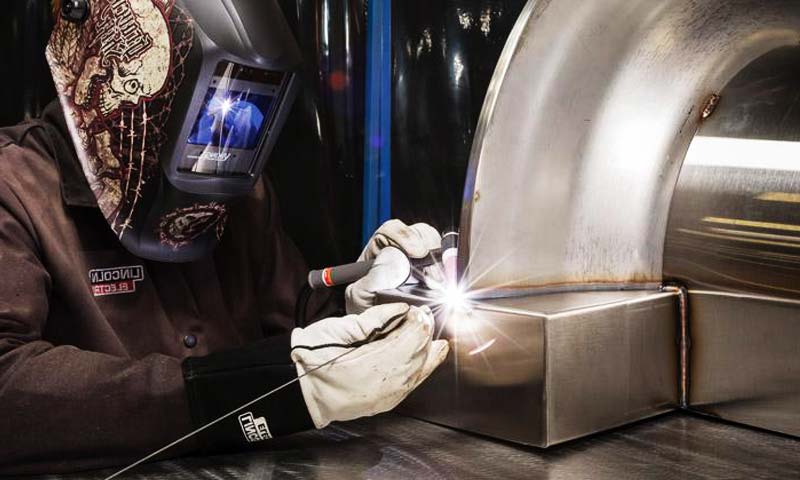
- Suvirinamumas: Wrought iron can be welded effortlessly, making it ideal for creating seamless joints in decorative applications.
Ketaus
Cast iron is a group of iron-carbon alloys containing a higher percentage of carbon than wrought iron, paprastai nuo 2.5% į 4%.
The high carbon content makes cast iron very hard but also brittle. Despite this, it excels in applications requiring complex shapes and high wear resistance.

Its ability to be easily molded into intricate designs makes it a favored material for machinery parts, Variklio blokai, and other heavy-duty components.
Savybės:
- High Carbon Content: Padidėjęs anglies kiekis suteikia ketaus kietumą ir atsparumą dilimui.
Tačiau, tai taip pat daro medžiagą trapią ir mažiau lanksčią nei kaltinė geležis ar plienas. - Puikus nusiteikimas: Didelis išlydyto ketaus sklandumas leidžia jį pilti į formas ir sukietėti į sudėtingas formas, pagrindinis privalumas masinei sudėtingų dalių gamybai.
- Atsparumas nusidėvėjimui: Dėl ketaus kietumo jis itin atsparus dilimui ir dilimui, esminė kokybė komponentams, veikiamiems nuolatinės trinties arba didelių smūgių jėgų.
Charakteristikos:
- Trapumas: Nors ketaus suspaudimas yra labai stiprus, jis yra linkęs lūžti esant tempimo įtempimui ar smūgiui.
Todėl, jis netinka naudoti, kurioms reikalingas lankstumas arba didelis atsparumas tempimui. - Vibracijos slopinimas: Ketaus struktūra leidžia sugerti vibracijas, todėl jis dažnai naudojamas variklių blokuose ir sunkiosios technikos bazėse.
- Garso slopinimas: Be jo naudojimo varikliuose, Ketaus dažnai naudojamas mašinose, kurioms reikalingas triukšmo mažinimas, nes efektyviai slopina vibracijas.
Ketaus rūšys:
| Tipas | Anglies kiekis | Charakteristikos | Paraiškos |
|---|---|---|---|
| Pilka geležis | 2.5% - 4% | Grafito dribsniai pagerina slopinimą ir liejimą. | Variklio blokai, vamzdžiai, Mašinų komponentai. |
| Balta geležis | 2.5% - 4% | Sunku, trapus, su nedideliu kiekiu grafito. | Malūno pamušalai, Dėvėti atsparūs dalys. |
| Kariuomenė geležis | 3% - 4% | Mazginis grafitas padidina tempimo stiprumą ir lankstumą. | Automobilių dalys, vamzdžiai, Sunkiosios mašinos. |
| Kaliojama geležis | 2.5% - 3.5% | Termiškai apdorotas, kad padidėtų lankstumas. | Mašinų komponentai, Automobilių dalys. |
Plienas (Anglies plienas ir legiruotasis plienas)
Plienas yra rafinuota geležies forma, turinti sumažintą anglies kiekį (mažiau nei 2%) ir legiravimo elementai, tokie kaip manganas, Chromas, arba nikelio.

Jis yra neįtikėtinai universalus, siūlantis jėgos derinį, Tvirtumas, ir lankstumas. Jis gali būti pritaikytas, kad atitiktų konkrečius naudojimo reikalavimus, koreguojant jo legiravimo sudėtį.
Savybės:
- Mažesnis anglies kiekis: Palyginti su ketaus, plienas turi mažesnį anglies kiekį, kuris pagerina jo stiprumą, ausmingumas, ir tvirtumas.
Dėl to plienas yra daug universalesnis įvairioms reikmėms. - Lydiniai elementai: Tokių elementų pridėjimas kaip Manganas ir Nikelis gali pagerinti tokias savybes kaip atsparumas dilimui, Tvirtumas, ir atsparumas korozijai.
- Atsparumas korozijai (skirtas nerūdijančiam plienui): Nerūdijantis plienas, kuriame yra bent 10.5% Chromas, pasižymi puikiu atsparumu rūdims ir korozijai,
todėl idealiai tinka aplinkoje, kurioje yra drėgmės, Chemikalai, arba aukšta temperatūra.
Charakteristikos:
- Jėga ir tvirtumas: Plienas gali atlaikyti didesnį įtempį ir smūgį, palyginti su ketaus, todėl jis tinkamas darbams, kuriems reikalingas didelis atsparumas tempimui.
- Universalumas: Plieną galima lengvai legiruoti, kad būtų pasiektos specifinės savybės, pvz., padidintas kietumas, atsparumas aukštai temperatūrai, arba padidintas atsparumas korozijai.
- Entucilumas ir klampumas: Plieno gebėjimas formuotis į skirtingas formas, ar kalimo būdu, riedėjimas, ar suvirinimas, suteikia pranašumą lankstumo reikalaujančiuose gamybos procesuose.
Plieno rūšys:
- Anglies plienas: Daugiausia sudaryta iš geležies ir anglies, anglinis plienas yra plačiausiai naudojama plieno forma. Jis yra stiprus, bet mažiau atsparus korozijai.
- Lydinio plienas: Sudėtyje yra papildomų elementų, pvz Chromas, Nikelis, ir molibdenas pagerinti specifines savybes, pvz., atsparumą karščiui, Tvirtumas, ir atsparumas dėvėjimams.
- Nerūdijantis plienas: Nerūdijantis plienas yra atsparus korozijai dėl jame esančio chromo. Jis plačiai naudojamas tokiose pramonės šakose kaip Maisto apdorojimas, Medicinos prietaisai, ir kosmoso.
Ketaus
Ketaus yra tarpinis produktas, pagamintas aukštakrosnėje lydant geležies rūdą su koksu ir kalkakmeniu.
Jame yra didelis anglies kiekis (apie 3-4%) ir turi įvairių priemaišų, todėl jis yra per trapus daugeliui tiesioginio naudojimo.

Ketaus gamyboje daugiausia naudojamas kaip žaliava plienas ir ketaus.
Savybės:
- High Carbon Content: Ketaus yra labai trapus dėl didelio anglies kiekio, kuris riboja jo tiesioginį taikymą.
- Impurities: Jame yra įvairių priemaišų, tokių kaip siera, fosforas, ir silicio, kuriuos reikia pašalinti prieš tolesnį apdorojimą.
Charakteristikos:
- Trapumas: Dėl didelio anglies kiekio ir priemaišų ketus tampa trapus ir netinkamas daugeliui tiesioginių panaudojimų.
- Tarpinė medžiaga: Jis naudojamas kaip žaliava plieno ar kitų rūšių geležies gamyboje.
Savybių ir charakteristikų santrauka
| Geležies tipas | Anglies kiekis | Pagrindinės savybės | Charakteristikos | Bendros programos |
|---|---|---|---|---|
| Kaltinė geležis | <0.1% | Kaltas, atsparus korozijai, Lengva suvirinti | Kaltas, lengva padirbti, didelis atsparumas nuovargiui | Vartai, turėklai, tvoros, baldai, dekoratyvinis menas |
| Ketaus | 2.5% - 4% | Sunku, trapus, Puikus nusiteikimas, Didelis atsparumas dilimui | Trapus esant tempimo įtampai, Puikus vibracijos slopinimas | Variklio blokai, vamzdžiai, Sunkiosios mašinos, virtuvės reikmenys |
| Plienas | <2% | Stiprus, kietas, universalus, Didelis atsparumas korozijai (Nerūdijančiam plienui) | Universalus, Kunigaikščiai, pritaikoma su legiravimo elementais | Statyba, automobilių, kosmoso, Medicinos prietaisai |
| Ketaus | 3% - 4% | Trapus, didelis anglies kiekis, nešvarus | Tarpinis produktas, per trapus tiesioginiam naudojimui | Plieno gamyba, liejyklos, liejimas |
4. Kiekvienos rūšies geležies apdirbimas ir gamyba
Kiekvienos rūšies geležies gamybos ir apdorojimo metodaikaltinė geležis, ketaus, plienas, ir ketaus– yra labai svarbūs nustatant medžiagos savybes ir tinkamumą įvairioms reikmėms.
Kiekviena geležies rūšis patiria skirtingus procesus, pavyzdžiui, lydymas, liejimas, ir rafinavimas, pasiekti specifines mechanines savybes, stiprybė, ir patvarumas.
Kalvosios geležies gamybos procesas
Kalvystė tradiciškai gaminama naudojant tiesioginis sumažinimas arba žydėjimas procesas,
bet šiais laikais, jis pagamintas naudojant pažangesnius metodus, tokius kaip balinimo procesas arba Elektrinės lanko krosnys.
Kalvėje yra labai mažas anglies kiekis, todėl jis yra kalus ir lankstus.
Gamybos procese turi būti užtikrintas minimalus anglies kiekis, tuo pačiu užtikrinant pluoštinės vidinės struktūros susidarymą, kad būtų pagerintas apdirbamumas ir atsparumas korozijai..
Apdorojimo žingsniai:
- Lydymas: Procesas prasideda kaitinant geležies rūdą krosnyje (arba žydėjimas) esant aukštai temperatūrai, esant anglims (Anglies). Tai sumažina geležies rūdą, kad susidarytų geležies metalas.
- Pudling procesas: Šiais laikais, kaltinė geležis gaminama naudojant pudrų krosnį.
Šis procesas apima ketaus kaitinimą ir mechaninį maišytuvą, kad pašalintų anglies perteklių, paliekant geležį su mažu anglies kiekiu. - Kalimas ir formavimas: Sumažėjus anglies kiekiui, geležis kalama, kad pašalintų nešvarumus ir suformuotų strypus ar ruošinius.
Šis žingsnis taip pat padeda sukurti pluoštinę struktūrą, kuri suteikia kaltinei geležies būdingą kaliumą ir atsparumą rūdims. - Apdaila: Galutinė kaltinė geležis yra valcuojama, kalama, arba sukalti norimos formos, tiek statyboms, tiek dekoratyviniams tikslams.
Pagrindinės gamybos charakteristikos:
- Mažas anglies kiekis: Paprastai mažiau nei 0.1%, kad lygintuvas būtų minkštas ir lankstus.
- Pluoštinė struktūra: Ši vidinė struktūra suteikia kaltinei geležies unikalų atsparumą korozijai ir didelį kaliumą.
- Kalumas ir darbingumas: Jį galima lengvai suvirinti ir formuoti.
Ketaus gamybos procesas
Gamyba ketaus apima procesą, vadinamą lydymas kurioje geležies rūda ištirpsta a BLAST FRORACE kartu su koksu (anglies forma) ir kalkakmenis.
Pagrindinis ketaus bruožas yra didesnis anglies kiekis (aplink 2.5% - 4%), kuris suteikia jai kietumo ir atsparumo dilimui, bet taip pat daro jį trapų.
Apdorojimo žingsniai:
- Aukštakrosnių lydymas: Geležies rūda, koksas, ir kalkakmenis įvedami į aukštakrosnę.
Koksas tarnauja ir kaip kuras, ir kaip reduktorius, paverčiant geležies rūdą (Fe2O3) į išlydytą geležį. - Rafinavimas: Išlydytoje geležyje yra priemaišų, tokių kaip siera, fosforas, ir anglies perteklius.
Šios priemaišos pašalinamos įvedant srautus ar kitus rafinavimo agentus. Tai padeda sukurti valiklį, grynesnė išlydytos geležies forma. - Liejimas: Pašalinus nešvarumus, išlydyta geležis supilama į formas, kad būtų sukurta norima forma.
Čia ir atsiras ketaus liejamumas, nes jį galima lengvai supilti į formas, kad susidarytų sudėtingos formos, pavyzdžiui, variklio blokai, vamzdžiai, ir sunkiųjų komponentų. - Aušinimas ir kietėjimas: Išlydytai geležiai leidžiama atvėsti ir sukietėti, formuojant norimo stiprumo ir kietumo ketų.

Ketaus gamyba

Pagrindinės gamybos charakteristikos:
- High Carbon Content: Anglies kiekis yra labai svarbus siekiant pagerinti kietumą, tačiau taip pat medžiaga tampa trapesnė.
- Liejamumas: Ketaus galima pilti į sudėtingas formas, todėl idealiai tinka sudėtingų formų ir didelių komponentų gamybai.
- Vibracijos slopinimas: Jo mikrostruktūra leidžia ketui sugerti vibracijas, todėl jis naudingas mašinose ir variklių komponentuose.
Plieno gamybos procesas
Plienas gaminamas rafinuojant ketaus a BLAST FRORACE arba Elektrinis lanko krosnis (EAF) o tada koreguoti anglies kiekį ir legiravimo elementus.
Jo gamyba yra labai kontroliuojamas procesas, leidžianti gamintojams gaminti įvairų plieną, nuo anglinio plieno iki labai legiruoto plieno su specializuotomis savybėmis.
Apdorojimo žingsniai:
- BLAST FRORACE (BF) arba elektrinė lankinė krosnis (EAF): Aukštakrosnėje, lydomas ketus, o priemaišos pašalinamos naudojant deguonies arba anglies pagrindu veikiančias priemones.
EAF procese, metalo laužas lydomas elektros energija. - Rafinavimas: Po to, kai gaminamas išlydytas metalas, jis toliau rafinuojamas siekiant sumažinti anglies kiekį ir kitas priemaišas.
Kai kuriuose procesuose, specifiniai legiravimo elementai, pvz Manganas, Chromas, arba Nikelis pridedami siekiant pritaikyti plieno savybes. - Nuolatinis liejimas: Išlydytas plienas pilamas į ištisinio liejimo formas, kad būtų suformuoti ruošiniai, plokštės, ar žydėjimas, kurios vėliau apdorojamos valcavimo arba kalimo būdu.
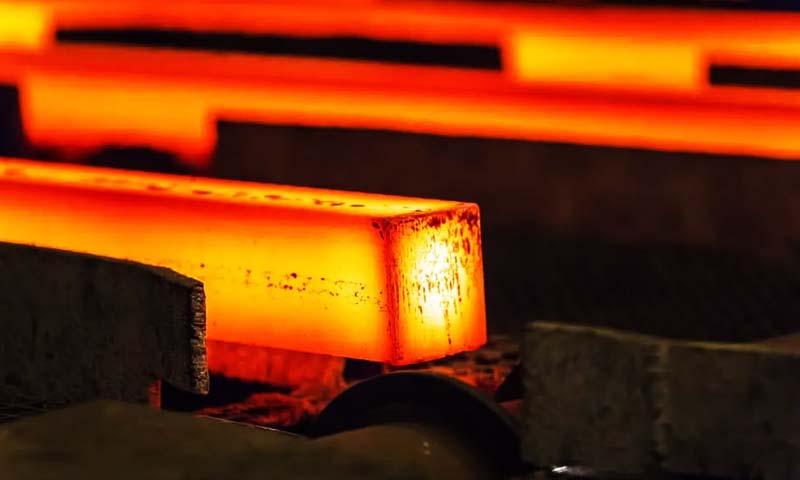
- Karštas valcavimas ir Šaltasis valcavimas: Ruošiniai kaitinami ir praleidžiami per volelius, kad susidarytų norima forma ir dydis.
Tam tikroms programoms, plienas gali būti šaltai valcuojamas, kuris suteikia metalui lygią apdailą ir papildomą tvirtumą. - Terminis apdorojimas: Norint pagerinti tokias savybes kaip kietumas, Tvirtumas, Ir stiprybė, plienas yra termiškai apdorotas. Įprasti terminio apdorojimo metodai apima atkaitinimą, gesinimas, ir grūdinimas.
Pagrindinės gamybos charakteristikos:
- Mažesnis anglies kiekis: Plienas paprastai turi mažiau nei 2% Anglies, kuris suteikia jai tvirtumo ir lankstumo, lyginant su ketaus.
- Legiravimo lankstumas: Plieną galima legiruoti su įvairiais metalais, kad būtų sukurtos specifinės savybės, pvz., atsparumas korozijai, Aukštos temperatūros stiprumas, arba kietumas.
- Formavimas: Plieną galima lengvai kalti, suvirintas, ir pagaminti į skirtingas formas, siūlo lankstumą gamyboje.
Ketaus gamybos procesas
Ketaus yra pirminio geležies rūdos lydymo aukštakrosnyje produktas. Jis nėra tiesiogiai naudojamas daugeliu atvejų dėl didelio anglies kiekio ir priemaišų.
Vietoj, jis naudojamas kaip tarpinis produktas, kuris toliau apdorojamas plieno arba ketaus gamybai.
Apdorojimo žingsniai:
- Geležies rūdos lydymas: Aukštakrosnėje, geležies rūda (dažnai hematitas arba magnetitas), koksas (Anglies), ir kalkakmenis įvedami aukštoje temperatūroje.
Koksas veikia kaip reduktorius, geležies rūdos pavertimas išlydyta geležimi. - Anglies ir nešvarumų šalinimas: Išlydytoje geležyje yra daug anglies (aplink 3-4%) ir įvairių priemaišų, tokių kaip siera, fosforas, ir silicis.
Tai nėra pageidautina daugeliui pramoninių pritaikymų, todėl juos reikia pašalinti rafinavimo proceso metu. - Ketaus gamyba: Gautas produktas yra "ketaus", kuris supilamas į formas, kad atvėstų ir sustingtų. Terminas ketaus kilęs iš formų formos, kurios primena kiaules.
Pagrindinės gamybos charakteristikos:
- High Carbon Content: Dėl didelio anglies kiekio ketaus yra trapus, netinkamas tiesioginiam naudojimui daugelyje programų be tolesnio apdorojimo.
- Impurities: Ketaus sudėtyje yra daug sieros, fosforas, ir silicis, kurios riboja jo naudojimą be tolesnio tobulinimo.
5. Kiekvienos rūšies geležies pritaikymas
Lygintuvas, su įvairiomis formomis -kaltinė geležis, ketaus, plienas, ir ketaus- turi įvairias programas, apimančias įvairias pramonės šakas.
Kiekviena geležies rūšis turi unikalių savybių, pvz., plastiškumas, stiprybė, ir atsparumas korozijai, kad jie atitiktų specifinius poreikius.
Žemiau, išsamiau išnagrinėjame kiekvienos rūšies geležies praktinį panaudojimą.
Kalvosios geležies aplikacijos
Architektūrinis dizainas:
- Kalvystė plačiai naudojama dekoratyviniai darbai dėl savo lankstumo ir estetinio patrauklumo.
- Vartai, turėklai, ir balkonai yra dažni pavyzdžiai, ypač istorinėms ar dekoratyvinėms struktūroms.
Baldų gamyba:
- Idealiai tinka kurti sodo baldai kaip lentelės, kėdės, ir suolai dėl savo patvarumo ir lengvo formavimo.
Menas ir amatai:
- Dėl galimybės lengvai padirbti ir formuoti jį yra populiarus pasirinkimas meninės skulptūros ir metalo menas.
Istorinė infrastruktūra:
- Kalvystė istoriškai buvo naudojama statybai Geležinkeliai, tiltai, ir pramoniniai pastatai dėl savo stiprumo ir lankstumo derinio.
Ketaus taikymas
Variklio komponentai:
- Gamybai dažniausiai naudojamas ketus Variklio blokai ir cilindro galvutės dėl savo gebėjimo slopinti vibracijas ir atsispirti dilimui.
Vamzdžiai ir santechnika:
- Jo atsparumas korozijai Ketaus tampa pasirinkta medžiaga kanalizacijos vamzdžiai, Vandens vamzdžiai, ir drenažo sistemos.
Sunkiosios mašinos:
- Dėl ketaus atsparumo dilimui jis idealiai tinka mašinų lovos, kadrai, ir Pelėsiai, ypač liejyklos operacijos.
Virtuvės reikmenys:
- Ketaus keptuvės, Olandijos krosnys, ir keptuvės yra vertinami už juos šilumos sulaikymas ir net virimo savybių.
Pramoninės dalys:
- Dažniausiai naudojamas sunkiųjų mašinų komponentai tokių kaip pavaros, Siurbliai, ir Variklio dalys kurie patiria didelį susidėvėjimą.
Plieno aplikacijos
Statyba:
- Plienas yra pagrindinė medžiaga statyba, teikiant konstrukcinis plienas už pastatai, tiltai, ir dangoraižiai.
- Armatūra (armatūros strypai) pagamintas iš plieno, naudojamas betonui sutvirtinti, ensuring strength and stability in large infrastructure projects.
Automobilių pramonė:
- Plienas yra būtinas gaminant transporto priemonių rėmai, kūno plokštės, Variklio dalys, ir saugos komponentai.
- Didelio stiprumo plieno lydiniai yra naudojami atsparus smūgiams struktūros, užtikrinti transporto priemonės saugumą.
Aviacijos ir kosmoso:
- Plieno lydiniai yra plačiai naudojami gamyboje lėktuvų rėmai, Nusileidimo įrankis, ir Variklio komponentai dėl savo lengvų, tačiau stiprių savybių.
Įrankiai ir mašinos:
- Plieno stiprybė ir atsparumas kad jis būtų idealus Pjovimo įrankiai, pramoninių mašinų dalys, ir rutuliniai guoliai naudojami gamybos operacijose.
Medicinos prietaisai:
- Nerūdijantis plienas, labai atspari korozijai plieno forma, yra plačiai naudojamas Chirurginiai instrumentai, implantai, ir Medicinos įranga nes tai saugu, Patvarus, ir lengva sterilizuoti.
Ketaus aplikacijos
Plieno gamyba:
- Ketaus pirmiausia naudojamas kaip žaliava plieno gamyba aukštakrosnėse, kur sumažinamas didelis anglies kiekis, kad būtų gaminamas įvairių rūšių plienas.
Liejyklos:
- Ketaus gali būti Lydinis ir toliau apdoroti liejimas į tokius komponentus kaip pavaros, Siurbliai, ir Mašinų dalys, ypač pramoninėse srityse, kurioms reikalingas didelis patvarumas.
Liejimas sunkiosioms mašinoms:
- Jis taip pat naudojamas sunkioms pramoninėms dalims lieti, tokių kaip pavaros, Variklio blokai, ir Siurbliai, į liejyklos.
Geležies gamyba:
- Ketaus tarnauja kaip tarpinis produktas ketaus gaminiams gaminti, tokių kaip Pilka geležis, Kariuomenė geležis, ir balta geležis, po legiravimo su kitais elementais.
6. Išvada
Norint pasirinkti tinkamiausią medžiagą tam tikram naudojimui, labai svarbu suprasti skirtingus geležies tipus ir jų unikalias savybes.
Kadangi technologijos ir toliau tobulėja, geležies vaidmuo gamyboje išliks nepakeičiamas,
su legiravimo ir apdirbimo metodų pažanga, dėl kurios gaminamos dar labiau specializuotos ir į efektyvumą orientuotos medžiagos.
Renkantis geležies rūšis kitam projektui, apsvarstykite konkrečią stiprumą, ilgaamžiškumas, atsparumas korozijai, ir darbingumas, reikalingas jūsų paraiškai.
Pagal užsakymą, aukštos kokybės geležies gaminiai, apsvarstykite galimybę bendradarbiauti su patikimais gamintojais, kurie gali pasiūlyti pritaikytus sprendimus, atitinkančius jūsų pramonės poreikius.
Jei ieškote aukštos kokybės pagal užsakymą pagamintų geležies gaminių, Pasirinkimas Langhe yra puikus sprendimas jūsų gamybos poreikiams.