1. Ներածություն
Տիտղոս, a transition metal with atomic number 22 and symbol Ti, stands out in the material science landscape for its unique combination of low density, Բացառիկ կոռոզիոն դիմադրություն, Բարձր հատուկ ուժ, and remarkable biocompatibility.
That combination gives it a thermal and mechanical profile that is unusual among structural metals.
The melting point is one of the most fundamental properties used to define that profile, because it marks the boundary between solid-state integrity and liquid-state transformation.
At the same time, titanium is not a simple “high-melting metal.” Its behavior is governed by a second key temperature landmark: the α-to-β transformation.
That transformation occurs far below the melting point and plays a central role in heat treatment, դավաճանություն, զոդում, and microstructural control.
Արդյունքում, titanium must be understood not only through its melting point, but through the relationship between melting, փուլային կայունություն, and thermal reactivity.
2. What Is the Melting Point of Titanium?
The accepted melting point of pure տիտղոս մոտավորապես 1668–1670°C, կամ այդ մասին 1941–1943 K.
The Royal Society of Chemistry lists titanium at 1670° C / 1943 Ք, and a NIST pulse-heating study on 99.9% pure titanium concluded that the melting point is 1945 Ք.
The small variation among sources is normal and reflects differences in purity, Չափման մեթոդ, and temperature-scale calibration rather than any meaningful scientific disagreement.
This value is high enough to place titanium above common lightweight metals such as aluminum and magnesium, and also above iron and nickel.
Yet it remains far below refractory metals such as tungsten.
That positioning is important: titanium is not a refractory metal in the strictest metallurgical sense, but it is thermally robust enough to serve in demanding applications where weight matters almost as much as heat resistance.
Why the Number Is Not Just a Number
Titanium is chemically reactive at elevated temperature.
NIST specifically emphasized that high-temperature measurements on group IVB metals require minimized contact with other materials because contamination can influence the result.
Գործնական առումով, titanium’s melting point should be treated as a carefully measured thermodynamic reference, not merely a textbook constant copied from one table to another.
3. Why Titanium’s Melting Point Matters Metallurgically
Titanium’s melting point matters because it defines the absolute upper limit of solid-state stability.
But in metallurgy, the more influential threshold is often the α-to-β transition temperature, which is approximately 885° C for pure titanium.
ASM notes that alloying elements affect transformation temperatures, ուժ, առաձգականություն, կարծրություն, Կոռոզիայի վարք, and other critical properties.
That means titanium design is shaped by both the melting point and the phase-transformation landscape below it.
Melting Point vs. Transformation Temperature
These two temperatures serve different engineering purposes.
The melting point tells you when titanium ceases to be a solid. The β-transus tells you when its crystal structure changes in a way that alters microstructure and properties.
In many titanium processing routes, the important temperature is not the melting point at all, but the range near the β-transus, where forging, անողորմ, and heat treatment are deliberately managed.
Microstructural Consequences
Titanium’s α phase has a hexagonal close-packed structure, while the β phase is body-centered cubic.
This phase change is crucial because the alloy’s final properties depend heavily on how these phases are distributed after heating and cooling.
In α/β titanium alloys, controlled heat treatment can improve strength, Հոգնածության դիմադրություն, եւ ծավալային կայունություն, but thermal mismanagement can produce undesirable microstructures.
Why This Matters in Design
In design practice, titanium’s melting point is often interpreted as a sign of thermal robustness, but the real engineering value comes from the combined effect of a high melting point, ցածր խտություն, Կոռոզիոն դիմադրություն, and controllable phase behavior.
That combination makes titanium unusually attractive where performance-per-unit-mass is critical.
4. Melting Points of Common Titanium and Titanium Alloys
For titanium alloys, datasheets often report a maximum value or a solidus/liquidus range rather than one universal հալման կետ; the table preserves that convention.
The Fahrenheit and Kelvin values are calculated from the Celsius values and rounded to whole numbers.
| Titanium grade / խառնուրդ | Typical melting point / միջակայք (° C) | (° f) | (Ք) | Technical note |
| Մաքուր տիտան | 1668–1670°C | 3034–3038°F | 1941–1943 K | Reference value for elemental titanium; small variation reflects purity and measurement method. |
| Դասարան 1 (Cp ti) | ≤ 1670°C | ≤ 3040°F | ≤ 1943 Ք | Closest to high-purity titanium; commonly used where corrosion resistance and formability matter more than strength. |
| Դասարան 2 (Cp ti) | ≤ 1665°C | ≤ 3030°F | ≤ 1938 Ք | The most widely used commercially pure titanium grade. |
Դասարան 3 (Cp ti) |
≤ 1660°C | ≤ 3020°F | ≤ 1933 Ք | Higher strength than Grades 1–2, while remaining in the CP titanium family. |
| Դասարան 4 (Cp ti) | ≤ 1660°C | ≤ 3020°F | ≤ 1933 Ք | The strongest of the common CP titanium grades. |
| Դասարան 7 (Cp ti + Պդ) | ≤ 1665°C | ≤ 3030°F | ≤ 1938 Ք | Palladium-bearing CP titanium with excellent corrosion resistance in reducing environments. |
| Դասարան 11 (Cp ti + Պդ) | ≤ 1670°C | ≤ 3040°F | ≤ 1943 Ք | Palladium-bearing grade with corrosion performance similar to Grade 7; datasheets often treat it as close to unalloyed titanium. |
| Դասարան 12 | ≤ 1660°C | ≤ 3020°F | ≤ 1933 Ք | A corrosion-resistant titanium grade often used in chemical processing service. |
Դասարան 5 (TI-6AL-4V) |
1604–1660°C | 2919–3020°F | 1877–1933 K | The most widely used titanium alloy; a classic α/β alloy with a clear melting interval. |
| Դասարան 23 (TI-6AL-4V ELI) | 1604–1660°C | 2919–3020°F | 1877–1933 K | Extra-low interstitial version of Ti-6Al-4V, favored for fracture-critical and biomedical applications. |
| Դասարան 9 (TI-3AL-2.5V) | ≤ 1700°C | ≤ 3090°F | ≤ 1973 Ք | A near-alpha alloy with strong cold formability and good strength-to-weight performance. |
| TI-5AL-2.5SN | ≤ 1590°C | ≤ 2894°F | ≤ 1863 Ք | Near-alpha titanium alloy used where elevated-temperature stability is important. |
| TI-6AL-2SN-4ZR-2MO (6242-ից) | ≤ 1700–1705°C | ≤ 3090–3101°F | ≤ 1973–1978 K | High-strength near-alpha alloy often used for elevated-temperature structural applications. |
A few technical points to keep the table rigorous
Titanium alloys do not all behave like pure metals at the melting boundary. Գործնականում, alloy datasheets may list a maximum melting point, ա շիկացած, ա հեղուկ, or a հալման միջակայք, depending on the composition and the measurement convention.
That is why Grade 5, Օրինակ, is best represented as a range rather than a single number.
NIST’s guidance on thermal analysis also makes clear that alloy melting is often a range, not a single event.
5. Measurement Methodologies: How Titanium’s Melting Point Is Determined
The determination of titanium’s melting point is a metrological challenge that requires circumventing the metal’s extreme chemical reactivity and high temperatures.
Traditional contact thermometry, such as thermocouples, is generally unsuitable at these ranges due to material degradation and potential contamination.
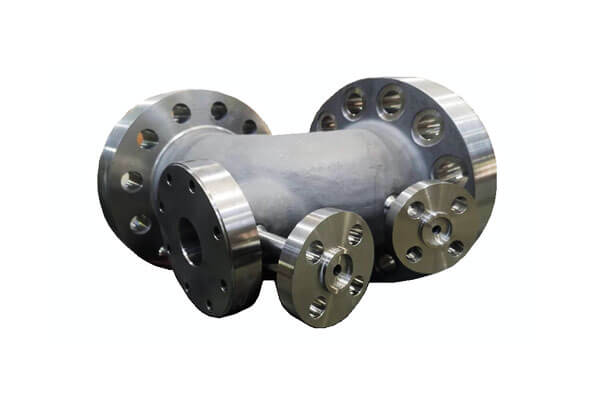
Փոխարեն, researchers employ a suite of sophisticated non-contact and “containerless” methodologies:
Տարբերակ ջերմային վերլուծություն (Դետա) & Բխում:
These calorimetric techniques monitor the heat flow or temperature differential between a titanium specimen and a thermally inert reference.
The distinct endothermic peak observed during heating represents the latent heat of fusion, accurately pinpointing the onset of the phase transition.
Multi-Wavelength Optical Pyrometry:
This is the standard for high-temperature, non-invasive measurement.
By detecting the spectral radiance emitted from the molten surface, scientists can calculate the temperature using Planck’s Radiation Law.
A critical factor here is the material’s spectral emissivity ($\epsilon$), which undergoes a step-change during liquefaction, necessitating advanced multi-wavelength systems to eliminate measurement errors.
Electromagnetic Levitation (EML):
To achieve ultra-high purity measurements, titanium samples are suspended in an electromagnetic field and heated inductively.
This “containerless processing” eliminates the chemical reactions that typically occur at the interface between molten titanium and conventional refractory crucibles, providing an intrinsic value for the melting point of the pure metal.
Laser-Heated Diamond Anvil Cell (LH-DAC):
This specialized apparatus is used to investigate titanium’s melting curve under extreme hydrostatic pressures.
By compressing a micro-sample between two diamond anvils and heating it with a high-power laser, researchers can simulate the thermodynamic conditions found in deep planetary interiors or during high-velocity ballistic impacts.
These rigorous methodologies have allowed scientists to refine the melting point value of titanium to within a narrow margin of error, ensuring the reliability of data used in critical engineering simulations.
6. Վերամշակում, Կեղծում, and Manufacturing Implications
Titanium’s melting point is high enough to give it an impressive thermal margin, but manufacturing titanium is never just a question of temperature.
Գործնականում, the real challenge is the combination of Բարձր հալման կետ, strong chemical reactivity at elevated temperature, phase sensitivity, and relatively narrow processing discipline.
These characteristics shape every major production route, from casting and forging to welding, վերամբարձ, եւ հավելանյութերի արտադրություն.
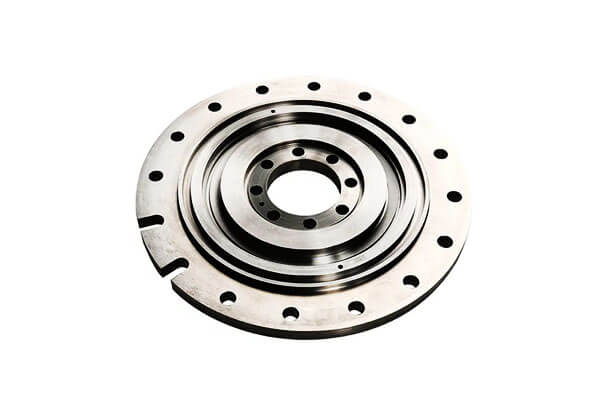
Ձուլում
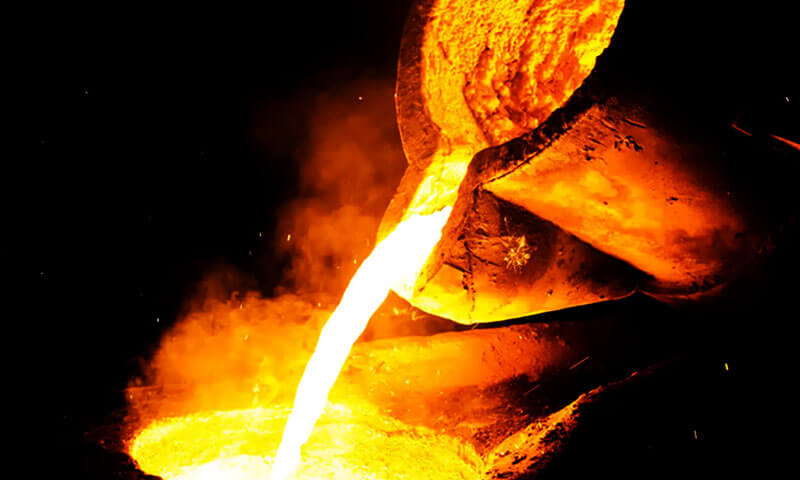
Ձուլում titanium is technically feasible, but it is far more demanding than casting many conventional metals.
The alloy must be melted and poured under carefully controlled conditions because molten titanium reacts readily with oxygen, ազոտ, ածխածնային, and many refractory materials.
If contamination occurs, the resulting casting may suffer from embrittlement, Նվազեցված ճկունություն, or surface defects that are difficult to repair.
For that reason, titanium casting is usually carried out in vacuum or inert-atmosphere systems, and the choice of crucible, բորբոս, and handling process is critical.
The goal is not only to reach the melting temperature, but also to preserve chemical purity while the metal is liquid.
This makes titanium casting a highly specialized process rather than a routine foundry operation.
Casting is especially useful when the part geometry is complex, the production volume is moderate, and the cost of machining from solid stock would be excessive.
Այնուամենայնիվ, because titanium is sensitive to contamination and shrinkage-related defects, casting demands strong process control, qualified melting practice, and careful post-cast inspection.
In many applications, cast titanium parts are acceptable only when the design and quality assurance system are built around the limitations of the process.
Forging and Hot Working
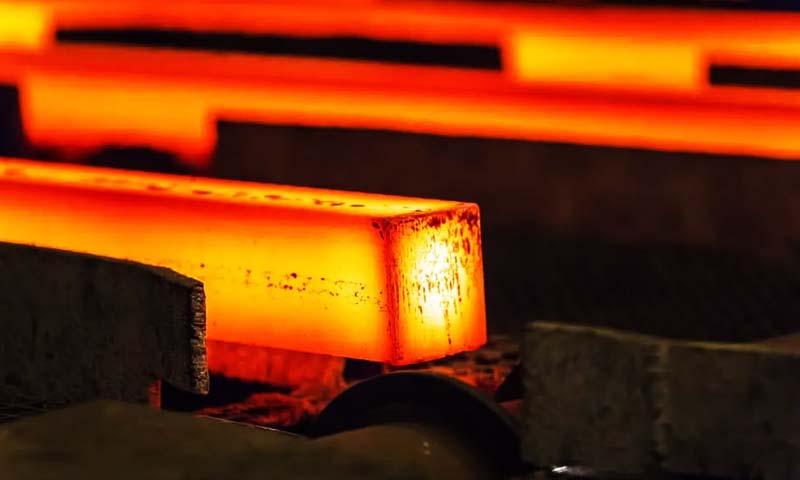
Forging is one of the most important processing routes for titanium because it allows the microstructure to be refined while the material is still in the solid state.
Titanium alloys are usually forged well below their melting point, often in temperature windows that are selected to balance plasticity, flow stress, and phase control.
The main issue is that titanium is not “easy” when hot simply because it has a high melting point.
Its formability depends strongly on phase state, համաձուլվածքների քիմիա, strain rate, and thermal history.
If forging is done too cold, the material becomes difficult to deform. If it is done too hot or with poor control, grain growth or phase imbalance can degrade mechanical properties.
Այս պատճառով, titanium forging is often divided into carefully managed regimes such as alpha forging, beta forging, կամ near-beta processing, depending on the alloy and the desired property profile.
The selection of route has a direct influence on strength, Հոգնածության դիմադրություն, Կոտրվածքային կոշտություն, եւ ծավալային կայունություն.
He երմամշակում
Heat treatment is central to titanium manufacturing because titanium alloys are highly microstructure-dependent.
Their properties are not determined by chemistry alone; they are also determined by the relative amounts, ձեւավորում, and distributions of alpha and beta phases after thermal processing.
The most common heat-treatment goals include:
- Սթրեսի օգնություն,
- stabilization of phase balance,
- strength improvement,
- toughness optimization,
- and control of residual stresses after forming or welding.
This is where titanium’s melting point becomes relevant indirectly.
The metal’s high melting temperature provides room for thermal processing, but the useful heat-treatment window is defined much earlier by phase transformations.
A titanium alloy may remain far below melting and still undergo major property changes simply because it has crossed a critical transformation range.
Եռակցում
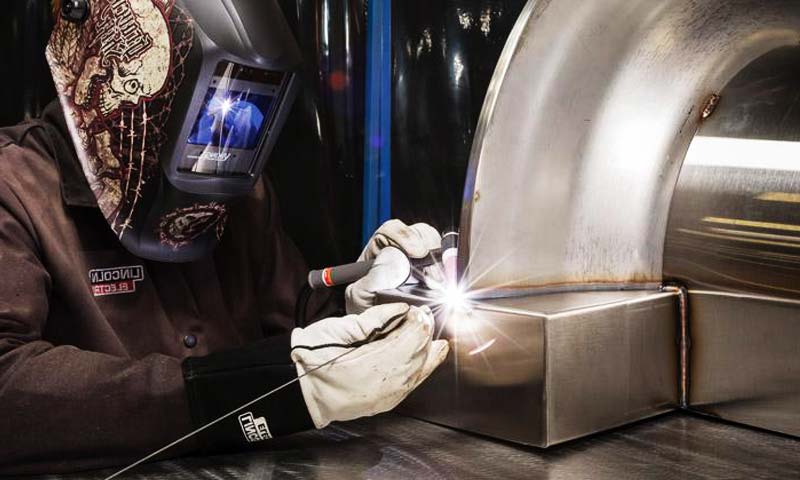
Titanium is weldable, but welding is one of the most quality-sensitive operations in titanium manufacturing.
The melting point itself is not the challenge; the challenge is protecting the molten pool and the hot surrounding material from atmospheric contamination.
Բարձր ջերմաստիճանում, titanium readily absorbs oxygen, ազոտ, եւ ջրածնի.
Even small amounts of contamination can cause embrittlement, գունաթափում, or loss of mechanical performance. That is why welding titanium typically requires:
- highly effective inert gas shielding,
- excellent joint cleanliness,
- tight control of heat input,
- and disciplined post-weld gas coverage.
The weld zone must often be protected until it cools sufficiently to avoid picking up contaminants.
In many production environments, welding quality is judged not only by bead appearance and penetration, but also by color, shielding effectiveness, and microstructural consistency.
Վերամբարձ
Titanium is often described as a difficult machining material, and that reputation is well earned.
Its high strength, Low Ցածր ջերմային հաղորդունակություն, and tendency to concentrate heat at the cutting edge create a demanding machining environment.
Instead of carrying heat away efficiently, titanium tends to keep it near the tool-workpiece interface.
That leads to several machining concerns:
- արագ գործիք հագնում,
- edge chipping,
- tendency toward work hardening in some alloys,
- and a narrow process window between efficient cutting and tool damage.
The high melting point is relevant here because it gives titanium a large thermal ceiling, but in machining the cutting edge can still fail long before the metal approaches melting.
Այլ կերպ ասած, titanium’s thermal robustness as a bulk material does not make it easy to cut. It simply means the tool is operating in a difficult heat-transfer regime.
Հավելանյութերի արտադրություն
Titanium is highly suitable for additive manufacturing, especially in powder-bed fusion and directed-energy deposition processes.
Its combination of low density, Բարձր հատուկ ուժ, and corrosion resistance makes it attractive for complex, high-value components.
Այնուամենայնիվ, additive manufacturing places unusual demands on titanium because the process repeatedly creates very small melt pools at high temperature.
This intensifies the importance of:
- atmosphere control,
- powder quality,
- Mal երմային կառավարում,
- and post-build stress relief or heat treatment.
Titanium’s melting point provides a useful thermal ceiling for additive systems, but the practical success of a print depends just as much on melt-pool stability and contamination control.
Parts may be produced well below the bulk melting point of titanium, yet still suffer property variation if process parameters are unstable.
7. Համեմատական վերլուծություն: Titanium’s Melting Point vs. Other Engineering Metals
Մաքուր մետաղներ: Key Comparisons
| Pure metal | Հալման կետ (° C) | (° f) | (Ք) |
| Մագնեզիում | 650 | 1202 | 923 |
| Ալյումին | 660.323 | 1220.581 | 933.473 |
| Ցինկ | 419.527 | 787.149 | 692.677 |
| Պղնձ | 1084.62 | 1984.32 | 1357.77 |
| Երկաթ | 1538 | 2800 | 1811 |
| Նիկել | 1455 | 2651 | 1728 |
| Վոլֆրամ | 3414 | 6177 | 3687 |
Ալյումինե: Titanium Alloys vs. Մրցակցող համաձուլվածքներ
| Խառնուրդ | Հալման կետ / միջակայք (° C) | (° f) | (Ք) |
| Տիտղոս, pure reference | 1668–1670 | 3034–3038 | 1941–1943 |
| TI-6AL-4V | 1604–1660 | 2919–3020 | 1877–1933 |
| TI-3AL-2.5V | մինչեւ 1700 | մինչեւ 3090 | մինչեւ 1973 |
| TI-5AL-2.5SN | մինչեւ 1590 | մինչեւ 2890 | մինչեւ 1863 |
| TI-6AL-2SN-4ZR-2MO | մինչեւ 1705 | մինչեւ 3100 | մինչեւ 1978 |
| 316L չժանգոտվող պողպատ | մոտավորապես 1370 | մոտավորապես 2498 | մոտավորապես 1643 |
| Ինքնորոշ 625 | 1290-1350 | 2354–2462 | 1563–1623 |
| Ալյումին 6061 | 582–652 | 1080–1206 | 855–925 |
8. Եզրափակում
Titanium’s melting point is usually cited at 1668–1670°C, and carefully measured high-purity data support essentially the same value. But the deeper engineering story is richer than that single number.
Titanium also has a critical α-to-β transformation near 885° C, strong sensitivity to hot-stage contamination, and alloy-dependent melting ranges that matter greatly in real manufacturing.
From a materials-engineering perspective, titanium is compelling because it combines a high melting point with low density, strong corrosion resistance, and tunable microstructure.
That is why it is used so widely in advanced structures and corrosive-service components.
Its melting point does not merely tell us when the metal turns liquid; it helps define the thermal architecture that makes titanium useful in the first place.
ՀՏՀ
Can titanium be melted in a standard residential furnace?
Ոչ. Standard residential furnaces typically operate at temperatures well below 1,000°C.
Melting titanium requires specialized industrial equipment capable of exceeding 1,668°C within a vacuum or inert argon atmosphere to prevent immediate chemical degradation.
Why is titanium considered more difficult to melt than iron or steel?
While the melting point of titanium (1,668° C) is only approximately 130°C higher than that of iron (1,538° C), the primary difficulty lies in titanium’s chemical reactivity.
Ի տարբերություն պողպատից, which can be melted in the presence of oxygen, molten titanium acts as a universal solvent, reacting with the atmosphere and conventional crucible materials, thus requiring expensive vacuum metallurgy systems.
Do titanium alloys have the same melting point as pure titanium?
Ոչ. Titanium alloys generally melt over a միջակայք rather than at a single point, because alloying changes solidus and liquidus temperatures.
Is titanium harder to weld because of its melting point?
Not because of the melting point alone. The bigger issue is titanium’s high-temperature reactivity, which requires strong shielding and clean process control.
Is titanium a refractory metal?
Ոչ, not in the strict metallurgical sense. Its melting point is high, but not in the refractory class of metals such as tungsten.