1. Ներածություն
ՊՈԼԻՈՔՈՔԻՄԹԻԼԼԵՆ (Պոմ), commonly called ացետալ or by trade names such as Delrin®, is a semi-crystalline engineering thermoplastic prized for its combination of high stiffness, excellent wear and fatigue resistance, ցածր շփում, and outstanding dimensional stability.
POM is a first-choice polymer for precision mechanical parts (Gears, թփեր, sliders) where tight tolerances, low friction and long life are required.
This article gives a technical, data-driven review of POM’s chemistry, հատկություններ, վերամշակում, Ծրագրեր, limitations and future directions.
2. Ինչ է POM-ը?
ՊՈԼԻՈՔՈՔԻՄԹԻԼԼԵՆ (Պոմ) — often called ացետալ, polyacetal or by commercial names such as Բել®, Hostaform®, և Ultraform® — is a semi-crystalline engineering thermoplastic characterized by a repeating –CH₂–O– (methylene-oxy) backbone.
It combines a high degree of crystallinity with an ether-type linkage, producing a material that is stiff, ծավալուն կայուն, low-friction and highly resistant to wear and fatigue.
Those attributes make POM a first-choice polymer for precision mechanical components that require repeatable geometry and long service life.

Two commercial families
POM is manufactured and supplied in two principal chemistries that determine processing and performance:
- POM-homopolymer (Pom-h) — produced by polymerizing formaldehyde. Homopolymer grades typically exhibit higher crystallinity, մի փոքր ավելի բարձր կոշտություն և ավելի լավ սողացող դիմադրություն.
They deliver maximum mechanical performance, especially at room temperature, but are somewhat more sensitive to thermal oxidation during processing. - POM-copolymer (Pom-c) — manufactured by copolymerizing trioxane or formaldehyde with a small fraction of stabilizing comonomer.
Copolymer grades are less prone to thermal degradation and processing discoloration, have a broader molding window and often give better dimensional control in demanding molding conditions.
3. Physical Properties of POM (բնորոշ արժեքներ)
Values are typical supplier ranges and will vary by grade, filler content and test method. Use supplier datasheets for design-critical specifications.
| Սեփականություն | Տիպիկ արժեք |
| Խտություն | ≈ 1.41 g · cm⁻³ |
| Հալման կետ (Տ) | ~165–175 °C |
| Ապակե անցում (Տգ) | ≈ −60 °C (well below service temps) |
| Ջրի կլանումը (հավասարակշռություն) | ~0.2–0.3 wt% (շատ ցածր) |
| Mal երմային հաղորդունակություն | ~0.25–0.35 W·m⁻¹·K⁻¹ |
| Ջերմային ընդարձակման գործակիցը (գծային) | ~110–130 ×10⁻⁶ K⁻¹ (amorphous direction dependent) |
| Specific heat | ~1.6–1.8 kJ·kg⁻¹·K⁻¹ |
4. Key Properties of POM: Մեխանիկական, Ջերմային, and Chemical
Մեխանիկական հատկություններ (Սենյակի ջերմաստիճանը, 23 °C — typical engineering ranges)
| Սեփականություն | Բնորոշ տիրույթ (neat POM) | Գործնական նշում |
| Առաձգական ուժ (զիջել) | 50–75 MPa | Homopolymer grades at upper end; copolymer slightly lower |
| Ձգման մոդուլ (Երիտասարդների) | ≈ 2.8–3.5 GPa | Stiff compared with many engineering plastics |
| Flexural Modulus | ≈ 2.6–3.2 GPa | Good bending stiffness |
| Երկարացում ընդմիջման ժամանակ | 20-60 % | Ductile failure mode; varies by grade and test speed |
| Notched impact (Խարխուլ) | ~2–8 kJ·m⁻² (Դասարանի կախված) | POM exhibits good toughness; fillers change behavior |
| Կարծրություն (Rockwell R) | ~70–100 R | Good surface hardness for wear resistance |
| Հոգնածության ուժ | High — POM performs well in cyclic bending and rolling contact | Preferred for gears, թփեր |
Thermal properties of POM
- Ծառայության ջերմաստիճանը: continuous use typically up to ≈ 80–100 °C for long durations; short excursions up to 120–130 °C are possible depending on grade and environment.
- Melting/processing: melt range around 165–175 °C. Processing window is relatively narrow; thermal control in molding is important.
- Thermal degradation: prolonged exposure above ~200 °C can cause depolymerization and release of low levels of formaldehyde; avoid overheating during processing or sterilization.
Chemical resistance of POM
- Գերազանց: Hydrocarbons, aliphatic solvents, վառելիք, յուղեր, Քսուքներ, many detergents and mild alkalies.
- Լավ: many organic solvents at moderate temperatures.
- Աղքատ / avoid: strong oxidizers (ազոտաթթու, քրոմաթթու), concentrated acids, strong halogenated hydrocarbons (at temperature) and conditions that promote hydrolysis at high temperature.
- Նշում: POM is often used in fuel and hydraulic systems because of its resistance to fuels and oils.
Dimensional stability of POM
- Low moisture uptake (~0.2%) confers dimensional stability far superior to nylons (Պ.Ա).
- High crystallinity gives low creep at room temperature; սակայն, creep increases with temperature approaching service limits.
Design for creep in bearing and load-bearing applications, Հատկապես բարձրացված ջերմաստիճանում.
5. Processing and Manufacturing Methods
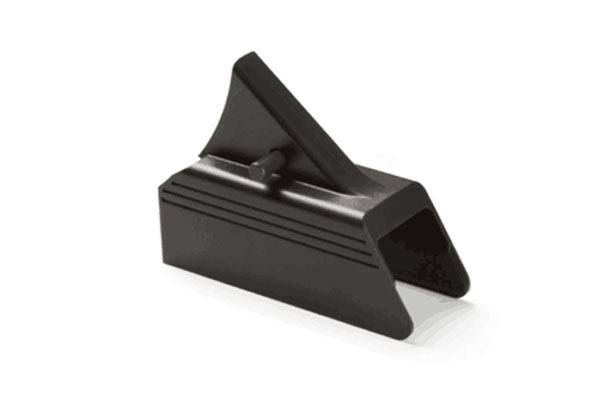
- Ներարկման ձուլում — the dominant method for precision parts.
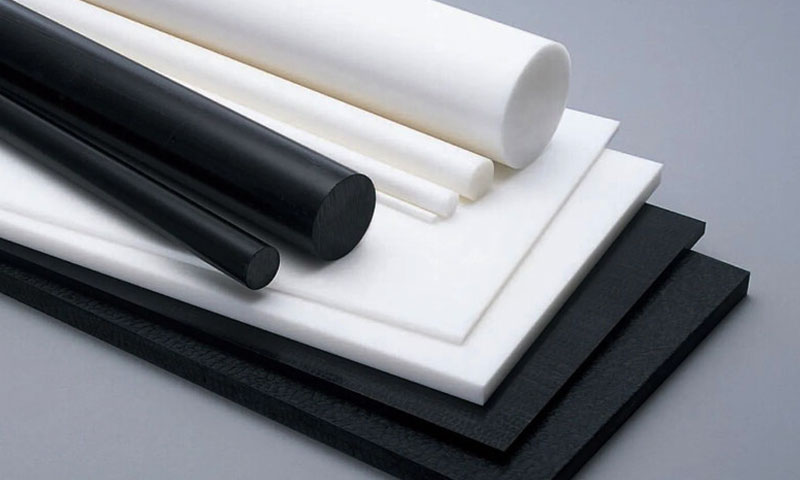
Typical guidance: dry pellets (80°C for 2–4 hours), barrel/melt temperature ~190–230 °C depending on grade, mold temperature 60–100 °C to promote crystallization and reduce warpage. - Արտանետում ձողերի համար, sheets and profiles (extruded rod commonly used for machining stock).
- Կոմպրեսիոն ձուլում for large plates or specialty parts.
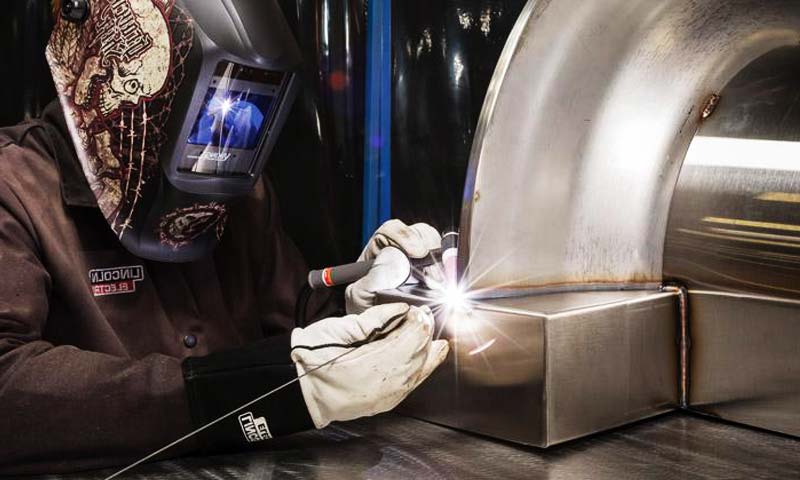
- Վերամբարձ from bar/rod — POM machines very well: clean chips, little tool wear, tight tolerances possible; widely used for prototypes and low-volume parts.
- Միանալ: adhesive bonding possible with surface treatments; mechanical fastening and ultrasonic welding are common assembly methods.
Practical processing notes: POM is moisture-sensitive (Մակերեւութային թերություններ) and thermally sensitive (depolymerization). Controlled drying and correct melt temperatures are essential.
6. Advantages and Limitations of POM
Հիմնական առավելություններ
- Superior Mechanical Balance: Combines high strength (60–75 MPa) եւ ճկունություն (10–50% elongation), outperforming most engineering plastics
- Exceptional Dimensional Stability: Low water absorption and tight thermal expansion ensure consistent performance in humid/temperature-variant environments
- Self-Lubricating Properties: Շփման ցածր գործակից (0.15-0.20) reduces wear and eliminates the need for lubrication in many applications
- Գերազանց մեքենայական: Enables precision machining of custom parts with minimal tool wear
- Քիմիական դիմադրություն: Inert to most solvents, թթու, and bases—suitable for fluid-handling components
- Թեթեւակի: Խտություն (1.41 գ / սմ) է լինել 1/3 that of brass and 1/5 that of steel, reducing component weight
Սահմանափակումներ
- Low High-Temperature Resistance: Continuous use temperature (<110° C) limits applications in high-heat environments (օր., engine exhaust systems)
- Դյուրավառություն: Unmodified POM is flammable (UL 94 HB rating); flame-retardant grades (UL 94 Վիճակ-0) require additives (օր., մագնեզիումի հիդրօքսիդ)
- Poor UV Resistance: Degrades under prolonged sunlight (yellowing, Ուժի կորուստ)—requires UV stabilizers for outdoor use
- Brittleness at Low Temperatures: Homo-POM becomes brittle below –40°C (impact strength drops by 50%), limiting cryogenic applications
- Thermal Degradation Risk: Releases formaldehyde if overheated (>230° C), requiring strict processing controls
7. Applications of POM
POM’s property set fits many mechanical demands. Representative applications:
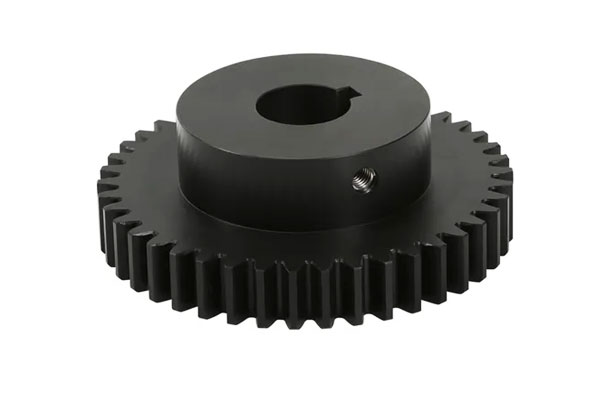
- Precision gears and racks (consumer appliances, printers, ռոբոտաշինություն)
- Թփեր, bearings and slides — low friction, long life in dry or lubricated conditions
- Pumps and valve components — chemical and fuel resistance
- Fasteners and clips where dimensional stability and toughness matter
- Connector housings and electrical insulators
- Automotive trim and functional components (Դռների ապարատ, locking systems)
- Բժշկական սարքեր (ոչ իմպլանտ) — POM is used where cleaning/sterilization and dimensional control are required
Include fillers (ապակու, ածխածնային, PTFE) changes applications: glass-filled POM for higher stiffness, PTFE-filled for lower friction and improved wear.
8. Performance Optimization and Design Considerations
Performance Optimization via Modification
- Reinforced POM: Addition of glass fibers (10– 30 wt.%) increases stiffness (flexural modulus up to 5 Gpa) and heat deflection temperature (up to 140°C)—used in automotive structural parts
- Wear-Resistant POM: Incorporation of PTFE (5–15 wt.%), գրաֆիտ (2– 5 wt.%), or molybdenum disulfide (MoS₂, 1– 3 wt.%) reduces friction coefficient to 0.05–0.10—ideal for high-speed sliding components
- Flame-Retardant POM: Halogen-free flame retardants (օր., մագնեզիումի հիդրօքսիդ, 20– 30 wt.%) meet UL 94 Վիճակ-0, expanding use in electronic enclosures
- UV-Stabilized POM: Addition of hindered amine light stabilizers (ՀԱԼՍ, 0.1–0,5 wt.%) prevents UV degradation—suitable for outdoor applications
Դիզայնի նկատառումները
- Պատի հաստություն: Maintain uniform thickness (1–5 mm for injection molding) to avoid warpage; minimum thickness = 0.5 մմ (Նիհար պատերով մասեր)
- Նախագծեր անկյուններ: 1–2° for injection molding, 3–5° for extrusion to prevent mold sticking
- Ֆիլե & Radii: Minimum fillet radius = 0.5–1.0 mm to reduce stress concentrations and improve flow during molding
- Խուսափեք սուր անկյուններից: Sharp edges increase stress and risk of brittle failure—use rounded corners (radius ≥0.5 mm)
- Processing Optimization: For precision parts, use mold temperature control (60-80 ° C) and slow injection speed to minimize residual stress
9. Comparison with Other Engineering Plastics
| Սեփականություն / Չափանիշ | Պոմ (Ացետալ) | Նեյլոն (Pa6 / Pa66) | PTFE (Տեֆլոն) | ՆԱՅԵԼ | UHMW-OR | PBT |
| Խտություն (g · cm⁻³) | ≈ 1.40–1.42 | ≈ 1.13–1.15 | ≈ 2.10–2.16 | ≈ 1.28–1.32 | ≈ 0.93–0.95 | ≈ 1.30–1.33 |
| Առաձգական ուժ (MPA) | ~50–75 | ~60–85 | ~20–35 | ~90–110 | ~20–40 | ~50–70 |
| Յանգի մոդուլը (Gpa) | ~2.8–3.5 | ~2.5–3.5 | ~0.3–0.6 | ~3.6–4.1 | ~0.8–1.5 | ~2.6–3.2 |
| Հալվելը / service temp (° C) | Տ ~165–175 / սպասարկում ~80–100 | Տմ ~ 215–265 / service ~80–120 | Տ ~327 / սպասարկում up to ~260 (chem/tribo limits) | Տ ~343 / սպասարկում ~200–250 | Tm ~130–135 / service ~80–100 | Տ ~220–225 / սպասարկում 120 |
| Ջրի կլանումը (հավասարակշռություն) | ~0.2–0.3 wt% | ~1–3 wt% (կախված է RH-ից) | ≈ 0% | ~0.3–0.5 wt% | ~0.01–0.1 wt% | ~0.2–0.5 wt% |
| Շփման գործակիցը (չորացնել) | ~0.15–0.25 | ~0.15–0.35 | ~0.04–0.15 (շատ ցածր) | ~0.15–0.4 | ~0.08–0.20 | ~0.25–0.35 |
Հագնել / տրիբոլոգիա |
Գերազանց (Լոգարիթմական մասեր, Gears) | Լավ (improves when filled) | Աղքատ (improves in filled grades) | Գերազանց (filled grades best) | Excellent for abrasion resistance | Լավ |
| Քիմիական դիմադրություն | Լավ (fuels/oils, շատ լուծիչներ) | Լավ / selective; sensitive to strong acids/alkalis | Չկապված (գրեթե ունիվերսալ) | Գերազանց (many aggressive media) | Շատ լավ (many media) | Լավ (hydrolysis in some conditions) |
| Մեքենայություններ | Գերազանց (machines like metal) | Լավ (գործիքի մաշվածությունը չափավոր է) | Fair — machinable from billets; difficult to bond | Լավ (մեքենապատի, but tougher than POM) | Դժվար (gummy—controls needed) | Լավ |
| Չափային կայունություն | Շատ լավ (ցածր հիգրոսկոպիկ) | Չափավոր (moisture sensitive) | Գերազանց (virtually no moisture effect) | Գերազանց | Շատ լավ | Լավ |
Բնորոշ ծրագրեր |
Gears, թփեր, ամրացումներ, Լոգարիթմական մասեր, վառելիքի բաղադրիչներ | Gears, Առանցքակալներ, տներ, մալուխային կապեր | Կնիքներ, chemical linings, low-friction bearings, RF substrate | Փականի բաղադրիչներ, high-temp bearings, Բժշկական իմպլանտներ | Ծածկոցներ, Հագեք բարձիկներ, Փոխակրիչ մասեր | Միակցիչներ, տներ, automotive electrical parts |
| Նշումներ / decision guidance | Ծախսարդյունավետ, low-friction mechanical polymer for precision parts at moderate T | Բազմակողմանի; choose when toughness needed but expect dimensional change with moisture | Use when absolute chemical inertness and lowest friction required; beware creep | Premium polymer for high-temperature, high-load use (ավելի բարձր գին) | Best for extreme abrasion and impact; ցածր խտություն | Good general-purpose engineering polymer with balanced properties |
10. Կայունություն եւ վերամշակում
- Վերամշակելիություն: POM is thermoplastic and recyclable by mechanical regrind; reground material is commonly used in non-critical components. Chemical recycling is less common but technically feasible.
- Կյանքի ցիկլ: long service life for mechanical components often improves lifecycle environmental performance vs disposable plastics.
- Safety considerations: thermal decomposition can release formaldehyde—waste processing and incineration must follow local environmental regulations.
- Recycled content: increasing in industrial practice, but designers should verify mechanical property retention for critical parts.
11. Ապագա միտումները & Innovations in POM
Advanced Modification Technologies
- High-Performance Fillers: Graphene-reinforced POM (0.1–0.5 wt.% graphene) improves tensile strength by 20% and thermal conductivity by 30%, targeting aerospace and electronics applications
- Biodegradable POM Blends: Blending POM with biodegradable polymers (օր., Պլա, Սեվ) improves compostability while retaining mechanical properties—suitable for single-use consumer goods
Processing Innovations
- 3D Printing Advancements: High-performance POM filaments with improved layer adhesion (strength = 95% of bulk POM) and faster print speeds (մինչեւ 100 մմ / վ) enable mass production of custom parts
- In-Mold Decoration (IMD): Integration of decorative films during injection molding enhances the aesthetic appeal of POM consumer goods (օր., Սմարթֆոնի դեպքեր, Կահույքի ապարատ)
Զարգացող ծրագրեր
- Էլեկտրական տրանսպորտային միջոցներ (Evs): POM is increasingly used in EV battery housings, motor parts, and charging connectors due to its lightweight, քիմիական դիմադրություն, and dimensional stability—demand expected to grow by 12% annually through 2030
- Օդատիենտ: Low-weight, high-strength POM components (օր., interior brackets, սենսորային պատյաններ) reduce aircraft fuel consumption—adoption accelerated by strict emissions regulations
- Medical Implants: Bioactive POM (coated with hydroxyapatite) promotes bone integration, expanding use in orthopedic implants (օր., Hip բխում, ողնաշարի վանդակներ)
12. Եզրափակում
Պոմ (polyoxymethylene) հասուն մարդ է, versatile engineering thermoplastic that bridges the gap between economical commodity plastics and high-performance polymers.
Its combination of stiffness, Հագուստի դիմադրություն, ցածր շփում, low moisture pickup, and excellent dimensional stability makes it an ideal choice for precision mechanical parts and dynamic components.
Դիզայն, processing and grade selection must be aligned to the operating environment—temperature, chemical exposure and load—to maximize the material’s long service life and reliability.
ՀՏՀ
What is the difference between POM and nylon (PA6/PA66)?
POM offers better dimensional stability (low water absorption <0.2% vs. PA6’s 8%), lower friction (0.18 vs. 0.35), and superior chemical resistance.
PA6/PA66 has higher ductility (elongation up to 200%) and impact resistance but swells in moisture, reducing precision.
When should I choose Homo-POM vs. Co-POM?
Choose Homo-POM for high-strength, stiff applications (օր., Gears, ամրացումներ) where crystallinity and rigidity are critical.
Choose Co-POM for impact-prone components (օր., ծխնելույզ, հոլովակներ) or complex molding projects, as it offers better toughness and processability.
Can POM be used in fuel systems?
Այո. POM has good resistance to fuels, oils and many solvents and is widely used in fuel system components. Always validate with the specific fuel blend and temperature range.
What is a safe continuous service temperature for POM?
Design for long-term use below ~80–100 °C. Short excursions to ~120 °C are possible with appropriate grade choice and validation.
Does POM swell in water?
Very little. Equilibrium water uptake is low (0.2-0.3%), so dimensional change from moisture is minor compared with nylon.
Is POM food contact safe?
Many POM grades are compliant with food contact regulations; specify food-grade or FDA-compliant grades when needed.
What is the maximum temperature POM can withstand?
Co-POM has a continuous use temperature of 90–110°C, while Homo-POM is limited to 80–100°C.
Short-term exposure to 120–130°C is possible, but prolonged exposure above these temperatures causes thermal degradation.