1. Ներածություն
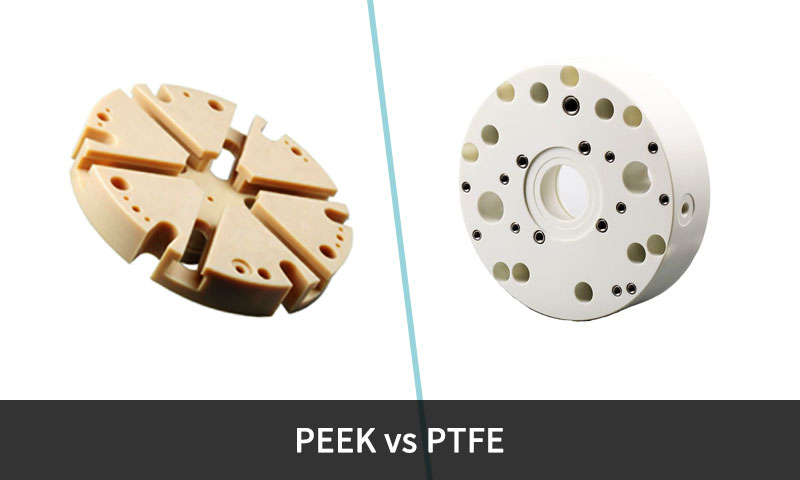
ՆԱՅԵԼ (պոլիվելֆա) և PTFE (Պոլիտետրաֆլուէթիլեն) բարձր արդյունավետությամբ ինժեներական պոլիմերներ են, բայց շատ տարբեր ուժեղ և թույլ կողմերով.
ՆԱՅԵԼ is a semi-crystalline, բարձր ուժ, high-stiffness thermoplastic with excellent creep resistance, dimensional stability and high-temperature mechanical performance; it is used where structure, long-term mechanical reliability and sterilizability are required.
PTFE is an ultra-inert fluoropolymer famous for exceptionally low friction, virtually universal chemical inertness and outstanding dielectric performance but it has low mechanical strength, high creep (սառը հոսք) and abrasion susceptibility.
Մի խոսքով: choose PEEK when structural strength, stiffness and low creep matter; choose PTFE when unrivalled chemical inertness and friction reduction are the primary demands.
2. Material fundamentals
What is PEEK (PolyEtherEtherKetone)
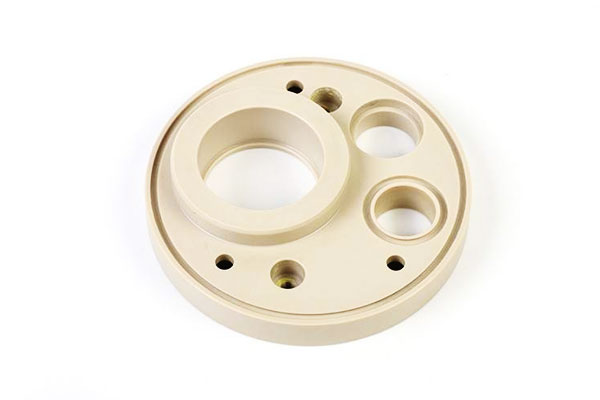
- A semicrystalline thermoplastic (aromatic polyaryletherketone family).
- Melting point ≈ 343 ° C; glass transition ≈ 143 ° C.
- Processable by standard thermoplastic routes (ներարկման համաձուլվածք, արտամղման, Կոմպրեսիոն ձուլում), machinable and weldable (տաք ափսե, ուլտրաձայնային, vibration or laser in controlled setups).
- Բնորոշ օգտագործում: bearings and wear parts (filled grades), Կառուցվածքային բաղադրիչներ, Բժշկական իմպլանտներ, hot-oil system parts, միակցիչներ.
What is PTFE (Polytetrafluoroethylene)
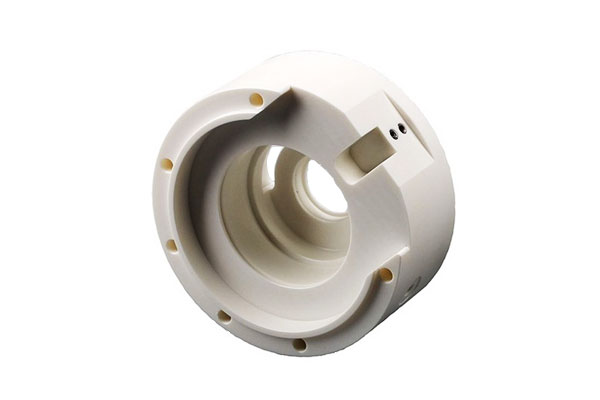
- A fluoropolymer with fully fluorinated carbon backbone; highly symmetric and highly chemically inert.
- Melting point ≈ 327 ° C, but it is not melt-processable in conventional thermoplastic equipment — it is processed by paste extrusion, խոյի արտամղում, compression molding and sintering.
- Outstanding chemical inertness, very low coefficient of friction and excellent dielectric properties.
- Բնորոշ օգտագործում: կնիքներ, դանակներ, քիմիական ներդիրներ, low-friction coatings, Էլեկտրական մեկուսացում.
3. Key properties — data table (Բնորոշ միջակայքեր) and practical notes
All numeric ranges are typical engineering guidance for common commercial grades (neat polymer). Composite/filler grades (ածխածնային, ապակու, բրոնզ, MoS₂) change values substantially.
| Սեփականություն | ՆԱՅԵԼ (չլցված, բնորոշ) | PTFE (կույս) | Գործնական ենթատեքստ |
| Խտություն (g · cm⁻³) | ≈ 1.30 | ≈ 2.12 | PTFE is substantially heavier per volume. |
| Առաձգական ուժ (MPA) | ~90–110 | ~20–35 | PEEK is structurally strong; PTFE is weak in tension. |
| Յանգի մոդուլը (Gpa) | ~3.6–4.1 | ~0.5 | PEEK stiff; PTFE very flexible/low stiffness. |
| Երկարացում ընդմիջման ժամանակ (%) | ~20–50 | ~200–400 | PTFE deforms a lot before breaking. |
| Կարծրություն (Shore/others) | Չափավոր (~80–90 Rockwell/var) | Շատ ցածր | PEEK resists indentation better. |
| Ապակե անցում (° C) | ~143 | amorphous/very low | PEEK has defined Tg—affects dimensional stability. |
Հալման կետ (° C) |
~343 | ~327 | Both high melting but processing differs. |
| Շարունակական սպասարկման ջերմաստիճան (° C) | 250 (բնորոշ) | −200 to +260 (short term) | PEEK retains mechanical strength at high T; PTFE retains chemistry and tribology but creeps. |
| Mal երմային հաղորդունակություն (W·m⁻¹K⁻¹) | ~0.25 | ~0.25 | Similar low thermal conductivity. |
| Շփման գործակիցը (չորացնել) | ~0.15–0.4 (կոկիկ) | ~0.04–0.15 | PTFE offers much lower friction (excellent sliding). |
| Հագուստի դիմադրություն | Լավ (excellent if filled) | Աղքատ (improves when filled with bronze/glass) | PTFE often needs fillers for wear applications. |
| Սողալ & սառը հոսք | Ցածրորակ (good resistance) | Բարձր (time-dependent deformation) | PTFE deforms (creeps) under load — poor for static seals under pressure. |
Քիմիական դիմադրություն |
Excellent to many solvents; attacked by strong oxidizers / concentrated halogens | Almost universal (resists nearly all chemicals) | PTFE is the gold standard for chemical inertness. |
| Էլեկտրական հատկություններ (εr) | ~3.0–3.5, լավ | ~2.0 (շատ ցածր), գերազանց | PTFE preferred for high-frequency dielectric use. |
| Մշակելիություն | Injection mouldable, մեքենապատի, զոդելի | Cannot be injection moulded; sintered/paste extruded; machinable from billets | PEEK easier for conventional thermoplastic manufacturing. |
| Կենսաբազմություն | Many grades used in medical implants (լավ) | Used in medical devices but not common as permanent implant | PEEK is implantable; PTFE used in grafts/porous forms in some cases. |
| Ծախս (ազգական) | Բարձր | High but often lower than medical-grade PEEK | Both are premium polymers; PEEK often more expensive. |
Նշումներ: filled grades (CF-PEEK, glass/bronze-filled PTFE) modify many entries: carbon-filled PEEK increases stiffness and reduces wear; bronze-filled PTFE increases load capacity and abrasion resistance but raises friction and density.
4. Mal երմային պահվածք & Բարձր ջերմաստիճանի կատարում
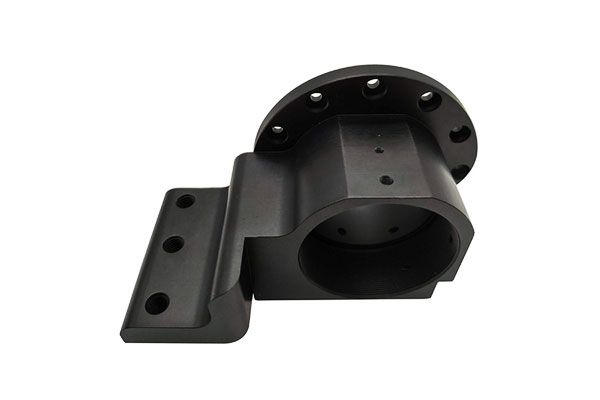
- ՆԱՅԵԼ: retains mechanical strength at elevated temperatures; typical continuous service up to ~200–250 °C, short excursions higher. Low thermal expansion relative to many polymers; good dimensional stability and low creep at elevated T compared with PTFE.
Decomposes above ~400 °C — thermal oxidation needs control. PEEK can be steam sterilized repeatedly (ավտոկլավ) — important for medical use. - PTFE: chemically stable at high temperatures and maintains low friction up to ~250–260 °C; above ~260–300 °C decomposition occurs and toxic fluorinated species (օր., Սամիթ, though exact decomposition products vary) are emitted — thermal safety is a consideration.
Because PTFE creeps, its usable mechanical service temperature under load is often lower than its thermal stability suggests.
Գործնական ենթատեքստ: Համար Կառուցվածքային բաղադրիչներ operating under load at high temperature choose ՆԱՅԵԼ; համար chemical or sliding surfaces exposed to high temperatures but low mechanical load, PTFE ընդունելի է.
5. Քիմիական դիմադրություն & էլեկտրական հատկություններ
- Քիմիական դիմադրություն:PTFE approximates “resistant to everything” — it resists strong acids, հիմք, Լուծիչներ, oxidizers and is often chosen where no other polymer will survive.
ՆԱՅԵԼ offers excellent resistance to hydrocarbons, յուղեր, steam and many solvents; սակայն, concentrated strong oxidizers and elemental fluorine attack PEEK.
For many chemical processing applications PEEK is adequate; for the most aggressive chemistries PTFE is safer. - Dielectric & RF use:PTFE has a low dielectric constant (~2.0), extremely low loss tangent — ideal for RF/microwave applications.
ՆԱՅԵԼ is a good electrical insulator but with higher dielectric constant and loss; chosen where mechanical and thermal demands outweigh the need for ultra-low dielectric loss.
6. Tribology, հագնել, sealing and dynamic behaviour
- Շփում: PTFE has an extremely low coefficient of friction and provides excellent lubricity.
ՆԱՅԵԼ (կոկիկ) has higher friction but filled PEEK (ածխածնային, PTFE blends) can significantly reduce friction. - Հագնել: PEEK generally has Գերազանց հագուստի դիմադրություն relative to neat PTFE; for sliding applications under load PEEK (or filled PEEK) often outlasts PTFE.
PTFE’s advantage is lubricity and conformability — many bearings and low-friction bushings use PTFE-lined structures or filled PTFE (bronze/PTFE) for improved wear life. - Սողալ & static seals:PTFE creeps and cold-flows significantly under sustained loads — not ideal for static load-bearing components requiring dimensional stability.
ՆԱՅԵԼ shows much better creep resistance and is preferred where seals or spacers must maintain preload over time. - Կնքելը: For low-pressure, conformable seals PTFE is excellent; for dynamically loaded seals requiring shape retention and high temperature strength, ՆԱՅԵԼ (often combined with elastomers or used as backup rings) or filled PEEK composites are preferred.
7. Վերամշակում, կեղծում, միանալ, Մակերեւույթի պատրաստում
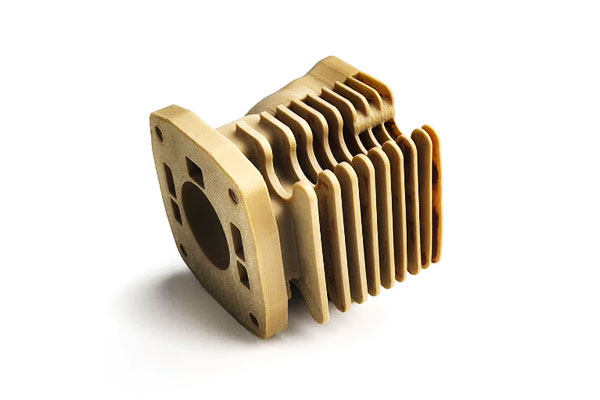
ՆԱՅԵԼ
- Վերամշակում: ներարկման համաձուլվածք, արտամղման, compression moulding, վերամբարձ (CNC). High melt temperature requires controlled processing (չորանում, high mold temps).
- Միանալ: PEEK-ը կարող է զոդվել (տաք ափսե, ուլտրաձայնային) and adhesives bond after surface prep.
- Ավարտ: fairly easy to machine to tight tolerances; surface treatments can improve wear or friction.
PTFE
- Վերամշակում: PTFE is not melt-flowable in the sense of thermoplastics; it is processed by paste extrusion, խոյի արտամղում, compression molding and subsequent sintering. Fine control required for porosity and densification.
- Միանալ & bonding: PTFE bonds poorly to adhesives unless chemically etched (օր., Na/naphthalide etch) or plasma treated and primed. Mechanical fastening or overmolding are common.
- Կեղծում: large components are often machined from extruded/sintered blocks or skived film. Coatings of PTFE are applied by spraying dispersions and baking.
Practical impact: If conventional high-volume thermoforming (ներարկման համաձուլվածք) պահանջվում է, ՆԱՅԵԼ is more straightforward. PTFE demands specialized processing equipment and sintering.
8. Ծախս, Մատակարարի ցանց, regulatory & Կայունության նկատառումները
- Ծախս: both are premium polymers. ՆԱՅԵԼ դասարաններ (especially medical or filled grades) are typically more expensive per kg than standard PTFE, but cost depends on grade and volume.
Total part cost must factor processing complexity — PTFE processing and sintering can be costly. - Supply & Առաջատար ժամանակներ: PEEK supply can be constrained (few manufacturers), while PTFE is widely produced by multiple suppliers globally.
- Կարգավորող & անվտանգություն: PEEK is used in Բժշկական իմպլանտներ (biocompatible grades, ISO/USP considerations).
PTFE is widely used in food contact and medical device components but PFAS environmental concerns (related to processing aids and life-cycle) have driven regulatory scrutiny;
thermal decomposition of PTFE can generate toxic fumes — manufacturing and use must manage fume risk. - Բնապահպանական: PTFE and related fluoropolymers are persistent in the environment (PFAS family concerns).
Recycling of both polymers is possible in certain streams, but both are more challenging to recycle than commodity plastics. PEEK is more readily reprocessed thermoplastically.
9. Application Comparison: PEEK ընդդեմ PTFE
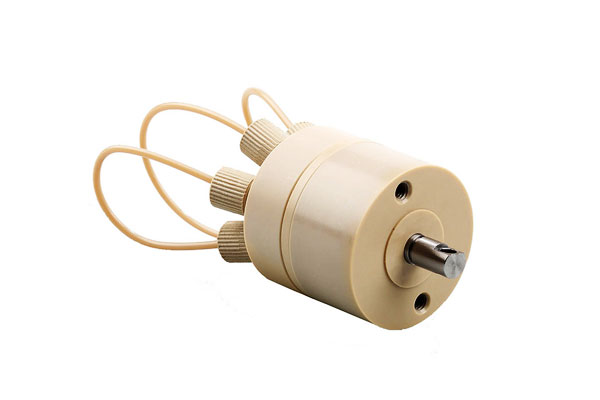
Առանցքակալներ, bushings and sliding components
- Demands: ցածր շփում, Հագուստի դիմադրություն, ծավալային կայունություն, long life under load.
- ՆԱՅԵԼ: preferred for load-bearing bearings (օր., Թափել լվացող սարքեր, bearings in pumps/motors) when stiffness and low creep are required; ածխածնային- or glass-filled PEEK offers improved modulus and lower wear. PEEK tolerates machining to tight tolerances.
- PTFE: chosen for low-load sliding and conformable-lined bushings; bronze/PTFE composites provide improved load capacity vs virgin PTFE.
- Design tip: use PEEK where shaft support and minimal preload loss are critical; use PTFE (or PTFE-lined designs) where sliding friction must be minimized and the load is low.
Seals and gaskets
- Demands: sealing under compression, Քիմիական ազդեցություն, temperature cycling.
- PTFE: excellent for static chemical seals, փական նստատեղեր, դանակներ in aggressive media.
Beware: PTFE cold-flows — design for compression set and consider backup rings or gasketing geometry minimizing sustained compressive strain. - ՆԱՅԵԼ: used for backup rings, mechanical support rings, and high-pressure seal carriers where creep resistance is required.
- Practical rule: pair PTFE sealing faces with PEEK backup components to combine chemical inertness and dimensional stability.
Chemical process industry (ծածկույթ, Փականի բաղադրիչներ, Դիֆրագմներ)
- Demands: nearly universal chemical resistance, thermal range, flange/valve geometry.
- PTFE is the default for ծածկոցներ, cage coatings, փական նստատեղեր; virgin or specialty filled PTFE grades depending on abrasion and pressure.
- ՆԱՅԵԼ can be used for structural parts within chemical plants if chemicals are compatible and mechanical loads are high (օր., mountings, տներ).
- Որակավորում: use immersion and tensile retention tests per expected service media and temperature.
Էլեկտրական / Ռֆ / microwave components
- Demands: low dielectric constant, low loss tangent, ծավալային կայունություն.
- PTFE նախընտրելի է dielectric substrates, coaxial spacers, RF insulators.
- ՆԱՅԵԼ is acceptable for insulating structural components where dielectric properties are secondary to mechanical needs.
Aerospace and high-temperature mechanical components
- Demands: քաշ, dimensional stability across temperature, սողացող դիմադրություն, flame/oxidation resistance.
- ՆԱՅԵԼ (including carbon-filled grades) լայնորեն օգտագործվում է Կառուցվածքային փակագծեր, bearing cages, Միակցիչ տներ, and parts in engine accessory systems.
PEEK’s combination of strength, low creep and thermal capability makes it appropriate for many aircraft interior and under-the-hood applications. - PTFE օգտագործվում է low-friction liners and seals in aerospace fuel/feed lines where chemical inertness and friction are paramount but load is low.
Medical devices and implants
- Demands: Կենսաբազմություն, sterilization (ավտոկլավ / gamma), Հոգնածության դիմադրություն.
- ՆԱՅԵԼ (medical grades) is established for implantable components (ողնաշարի վանդակներ, orthopedic devices) owing to biocompatibility and modulus closer to bone.
- PTFE (expanded PTFE, ePTFE) օգտագործվում է vascular grafts, soft tissue patches and some implantable fabrics, but is less typical for load-bearing implants.
- Կարգավորող: select USP/ISO-compliant grades and maintain traceability.
Սնունդ, cookware and consumer goods
- Demands: food contact safety, temperature excursions, cleaning cycles.
- PTFE coatings are the dominant choice for non-stick surfaces; PTFE films or coatings are common. ՆԱՅԵԼ is used structurally where permitted and when higher stiffness/temperature resistance is required.
- Note on safety: PTFE coatings must be used within recommended thermal limits to avoid decomposition; PEEK offers good autoclave/oven stability.
Յուղել & գազ / downhole applications
- Demands: ճնշում, ջերմաստիճան, Կոռոզիչ հեղուկներ, ողողում.
- ՆԱՅԵԼ (լցված) հաճախ օգտագործվում է packer components, Գործիքային մասեր, centralizer elements where load and wear are relevant.
- PTFE օգտագործվում է ծածկոցներ, wetted seals, chemical barriers where corrosion resistance overrides mechanical demands.
- Design caution: downhole demands may exceed standard grades; evaluate high-temperature PEEK variants and specialty PTFE composites.
Կիսահաղորդիչ, laboratory and ultra-clean systems
- Demands: chemical purity, low outgassing, ion mobility, particle cleanliness.
- PTFE is often selected for chemical transport liners, seals and valves due to chemical inertness and low extractables.
ՆԱՅԵԼ օգտագործվում է structural holders, connectors and insulators where mechanical stability is needed. - Processing note: handle both polymers in clean environments; select low-ash, low-outgas grades.
10. Comparative Summary — PEEK vs PTFE
A compact, engineering-grade comparison that highlights the decision-critical differences between ՆԱՅԵԼ (պոլիվելֆա) և PTFE (Պոլիտետրաֆլուէթիլեն).
Use this as a practical checklist when selecting materials for parts, կնիքներ, ծածկույթ, bearings or electrical components.
| Հատկություն | ՆԱՅԵԼ | PTFE |
| Primary use case | Կառուցագրական / high-temperature engineering polymer | Ultra-inert, lowest-friction fluoropolymer |
| Խտություն (g · cm⁻³) | ≈ 1.30 | ≈ 2.12 |
| Առաձգական ուժ (MPA) | ~90–110 | ~20–35 |
| Յանգի մոդուլը (Gpa) | ~3.6–4.1 | ~0.4–0.6 |
| Երկարացում ընդմիջման ժամանակ (%) | ~20–50 | ~200–400 |
| Շարունակական սպասարկման ջերմաստիճան (° C) | ~200–250 (mechanical retention) | up to ~260 (chemical/thermal stability; mechanical service limited by creep) |
| Շփման գործակիցը (չորացնել) | ~0.15–0.4 | ~0.04–0.15 (շատ ցածր) |
| Սողալ / սառը հոսք | Ցածր (good long-term dimensional stability) | Բարձր (significant long-term deformation under load) |
| Քիմիական դիմադրություն | Excellent to many media; vulnerable to strong oxidizers/fluorinating agents | Outstanding — near-universal chemical inertness |
Dielectric properties |
Լավ (εr ~3–3.5) | Գերազանց (εr ~2.0; very low loss) |
| Մշակելիություն | Injection-mouldable, extrudable, մեքենապատի, զոդելի | Not injection-mouldable; sintered/ram extruded/paste processed; machinable from billets |
| Typical fillers/variants | Carbon/glass/graphite for stiffness/wear; medical grades available | Բրոնզ, ապակու, carbon filled for wear/load; expanded PTFE for membranes |
| Հարաբերական արժեքը | Բարձր (պրեմիում) | Բարձր (but PTFE often cheaper/kg than medical/filled PEEK) |
| Բնապահպանական / regulatory notes | Well established medical credentials for specific grades | PFAS/fluoropolymer lifecycle & decomposition concerns — regulatory scrutiny |
11. Conclusion — PEEK vs PTFE
PEEK and PTFE are both premium engineering polymers, but they solve different problems.
The correct choice depends first and foremost on the primary functional requirement of the part or system.
- ՆԱՅԵԼ is a high-performance structural thermoplastic: high strength and stiffness, low creep, excellent dimensional stability at elevated temperature, machinability and weldability.
It is the preferred choice when mechanical integrity, long-term load retention and tight tolerances are required (օր., Կառուցվածքային մասեր, high-temperature bearings, Բժշկական իմպլանտներ). - PTFE is the ultra-inert fluoropolymer: exceptional chemical resistance, the lowest practical coefficient of friction and excellent dielectric properties, but with low mechanical strength and marked cold-flow (սողալ).
It is the material of choice for conformable seals, քիմիական ներդիրներ, low-friction surfaces and RF/microwave dielectric applications. - They are complementary, not interchangeable. Many robust engineering solutions combine both materials (օր., PTFE sealing faces on PEEK backup rings, PTFE liners in PEEK housings, filled variants of each to tailor properties).
ՀՏՀ
Can PTFE be substituted by PEEK in seals?
Only when the seal requires structural stiffness and low creep — PEEK can work in some engineered seals but will have higher friction. For conformable, low-pressure seals PTFE is often superior.
Can PEEK and PTFE be bonded together?
Bonding PTFE to anything is difficult; special surface treatments and primers are needed. PEEK bonds to many adhesives after surface prep.
Which polymer is safer at very high temperatures?
Both decompose eventually. PEEK tolerates higher mechanical service temperature; PTFE can survive chemically at high T but can release toxic decomposition products if overheated — both require thermal management.