1. Ներածություն
Heat treatment transforms aluminum castings from as‐cast, variable‐property components into precisely engineered parts that meet demanding application requirements.
By carefully controlling temperature, ներծծում, եւ սառեցման տեմպերը, foundries and metallurgists can tailor mechanical properties,
ինչպիսիք են առաձգական ուժը, կարծրություն, առաձգականություն, եւ հոգնածության դիմադրություն, while also improving wear characteristics, մեքենայություններ, եւ ծավալային կայունություն.
This article delves into the fundamentals, գործընթացներ, and best practices of heat treating aluminum castings.
We aim to provide a professional, հեղինակավոր, and comprehensive guide to engineers, Մետալուրգներ, and quality professionals seeking to optimize aluminum cast components for performance and cost.
2. Why Heat Treat Aluminum Castings?
The purpose of heat treatment is to:
- Increased Tensile Strength and Hardness
- Improved Ductility and Fatigue Resistance
- Enhanced Machinability and Wear Resistance
- Dimensional Stability and Residual‐Stress Relief
- Tailored Properties for Service Conditions
- Consistency and Quality Assurance

3. Common Aluminum Casting Alloys
Aluminum casting alloys are typically divided into two main categories:
- Ավազի ձուլում / Մշտական բորբոս (gravity cast) Ալյումինե
- Die Casting Ալյումինե (ճնշման դերասան)
They are designated by a four-digit number (օր., A356, A319, A380) and fall into either the 2xx, 3xx, 4xx, or 7xx series depending on the primary alloying elements.
Սեղան: Overview of Common Aluminum Casting Alloys
| Խառնուրդ | Առաջնային համաձուլման տարրեր | Ձուլման գործընթաց | Հիմնական հատկություններ | Բնորոշ ծրագրեր |
|---|---|---|---|---|
| A356 | Սիլիկոն, Մագնեզիում | Sand / Մշտական բորբոս | Բարձր ուժ, Լավ կոռոզիոն դիմադրություն, զոդելի | Օդատիենտ, Ավտոմոբիլային անիվներ, Ծովային մասեր |
| A319 | Սիլիկոն, Պղնձ | Sand / Մշտական բորբոս | Լավ մեքենայականություն, Չափավոր ուժ, Լավ ամրություն | Շարժիչի բլոկներ, oil pans, Փոխանցման դեպքեր |
| A206 | Պղնձ | Մշտական բորբոս | Շատ բարձր ուժ, Low ածր ճկունություն, ջերմային բուժելի | Aircraft fittings, Կառուցվածքային մասեր |
| A380 | Սիլիկոն, Պղնձ, Երկաթ | High-Pressure Die Cast | Գերազանց կուտելիություն, լավ ուժ, ցածր գին | Տներ, Փակագծեր, Սպառողական էլեկտրոնիկա |
| ADC12 | Սիլիկոն, Պղնձ, Երկաթ | High-Pressure Die Cast | Լավ հեղուկություն, Հագուստի դիմադրություն, ծավալային կայունություն | Ավտոմոբիլային, էլեկտրոնիկա, small appliances |
| Alsi9cu3 | Սիլիկոն, Պղնձ | High-Pressure Die Cast | EU equivalent of A380; versatile and commonly used | Ավտոմոբիլային փոխանցումատուփի տներ, շարժիչի ծածկոցներ |
| 443.0 | Սիլիկոն, Մագնեզիում | Sand / Մշտական բորբոս | Բարձր կոռոզիոն դիմադրություն, Չափավոր ուժ | Ծովային ծրագրեր, պոմպեր, փականներ |
| 535.0 | Մագնեզիում | Sand / Մշտական բորբոս | Գերազանց կոռոզիոն դիմադրություն, զոդելի | Ծովային ապարատ, Demild արտարապետական բաղադրիչներ |
4. What Types of Heat Treatment Are Available for Aluminum Castings?
The heat treatment process for aluminum castings varies based on the alloy composition, casting type, and desired mechanical properties.
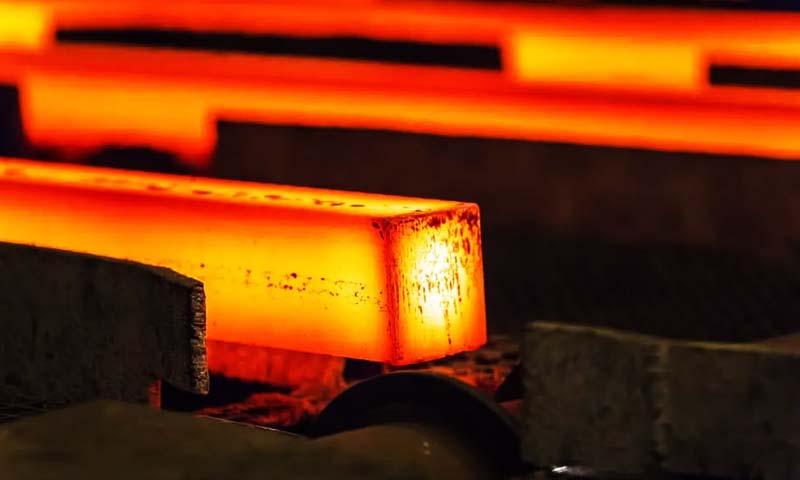
Specialized furnaces and carefully controlled quenching methods are employed to ensure dimensional stability and prevent cracking during treatment. Below are common heat treatment types applied to aluminum castings:
TF (Fully Heat Treated)
The purpose of the TF treatment is to significantly increase the hardness and strength of aluminum castings.
The process involves heating the casting to around 515–535°C for 4 դեպի 12 hours to dissolve alloying elements into a solid solution.
It is then rapidly quenched in warm water to prevent cracking, followed by aging at 150–160°C for 4 դեպի 16 ժամեր.
This treatment almost doubles the hardness of the original casting. TF is commonly used when high strength and durability are required, such as in structural components.
Its advantage lies in the substantial improvement in mechanical properties while maintaining casting integrity.
TB Condition (T4)
This heat treatment aims to improve ductility and moderate strength.
Castings are heated just below their melting point until alloy elements enter a solid solution, then quenched in water, boiling water, or polymer solution.
The quenching medium is selected to balance mechanical properties, reduce distortion, and minimize internal stress.
TB is suitable for parts that require good formability and weldability.
The advantage is the preservation of ductility and reasonable strength, which facilitates further manufacturing processes.
TB7 (Solution Treated and Stabilized)
Designed to produce castings with enhanced malleability, this treatment is similar to TF but with aging conducted at a higher temperature of 240–270°C for 2 դեպի 4 ժամեր.
This results in slightly softer castings compared to TF, making them easier to work with in applications where some flexibility is needed.
It’s used in components requiring better thermal stability and toughness.
TE (Տարիքային կարծրացում)
TE heat treatment accelerates the natural aging process by heating castings to 150–170°C for 4 դեպի 12 hours without any quenching.
This is particularly useful for intricate or finely featured castings that could be damaged by rapid cooling.
The process improves hardness and stability without risking distortion. TE is preferred for delicate parts where shape retention is critical.
Տ 5 (Precipitation Aging)
This artificial aging process stabilizes castings by heating them at relatively low temperatures (150-200 ° C) համար 2 դեպի 24 ժամեր.
T5 improves machinability and dimensional stability and is typically applied to die castings where controlled hardness and surface finish are important.
The advantage is improved mechanical properties with minimal thermal impact on the casting.
T6 խառնվածք
T6 treatment is used to achieve high strength and hardness.
The casting is solution treated at around 538°C for about 12 ժամեր, rapidly quenched in water or glycol at 66–100°C, then artificially aged at 154°C for 3 դեպի 5 ժամեր.
Հաճախ, a straightening step follows quenching to ensure dimensional accuracy.
T6 is widely applied in aerospace, ավտոմոբիլային, and defense industries for structural parts needing excellent mechanical performance.
Its main advantage is maximizing strength while minimizing deformation under load.
TF7 (T7 or T71 – Solution Treated and Stabilized)
This treatment enhances high-temperature mechanical stability by solution treating castings and stabilizing them at 200–250°C.
While it offers slightly lower tensile and yield strength than T6, TF7 improves thermal resistance and dimensional stability.
It’s ideal for components exposed to elevated temperatures or long-term stress.
Stress Relief and Annealing (TS Condition)
Stress relief heat treatment, performed at 200–250°C, reduces residual stresses that can cause warping or cracking.
Անողորմ, done at 300–400°C, softens castings for easier machining or forming.
These treatments are typically used for thick or complex castings requiring further mechanical operations. Their advantage is improved dimensional stability and enhanced workability.
Polymer Quenching
Instead of water, polymer solutions are used to quench castings at a slower rate.
This reduces internal stresses and distortion, making it suitable for complex or thin-walled castings that require less hardness but high dimensional accuracy.
Polymer quenching offers a gentler cooling method to protect delicate geometries.
Common Heat Treatment Types for Aluminum Castings Table
| He երմամշակում | Տեղավորել | Ընթացք | Ծրագիր | Առավելությունները |
|---|---|---|---|---|
| T6 (Լուծում + Արհեստական ծերացում) | Maximize strength and hardness | Լուծում ջերմային բուժում (~530°C) → Rapid quenching → Artificial aging at 150–180°C | Ավտոմոբիլային մասեր, Ավիատիեզերական կառույցներ, high-strength industrial castings | Գերազանց մեխանիկական հատկություններ, Բարձր ուժ, Լավ կոռոզիոն դիմադրություն |
| Տ 5 (Ուղղակի ծերացում) | Quick hardening with low cost | Cast and then artificially aged at 160–200°C without solution treatment | Die castings (օր., A380, ADC12) | Տնտեսական, simple process, improves surface hardness |
T4 (Բնական ծերացում) |
Maintain ductility and moderate strength | Solution heat treatment → Quenching → Natural aging at room temperature for 96+ ժամեր | Welded or formed parts | Լավ ճկունություն, suitable for forming and welding |
| T7 (Չափազանց մեծ) | Enhance thermal and dimensional stability | Solution treatment → Aging at 190–220°C for extended time | High-temperature aerospace parts, Prec շգրիտ բաղադրիչներ | Improved creep resistance, ծավալային կայունություն |
O Temper (Անողորմ) |
Relieve stress, soften material | Heat to 300–400°C → Hold for several hours → Slow cooling | Thick-walled castings, weld-repaired components, parts for machining | Enhanced machinability, soft structure, improved toughness |
| Համասեռացում | Reduce segregation, improve microstructure | Long soak at ~500°C for 12–24 hrs → Controlled cooling | Large cast ingots, billets for machining | Improved consistency, ավելի լավ մեխանիկական հատկություններ |
| Սթրեսը թեթեւացնում է | Reduce internal stress and warpage | Heat to 250–300°C → Hold for several hours → Air cooling | Prec շգրիտ մասեր, components after machining or welding | Բարելավում է ծավալային կայունությունը, lowers cracking risk |
5. Alloy-Specific Heat Treatment Recipes
A356/356.0: Standard T6 Process
- Solutionizing: 540–560 °C, 6 ժիր (25 mm section).
- Հանգցնել: Ջրմուղ (~20 °C) with mild agitation.
- Ծերություն (T6): 160–165 °C, 6 ժիր; air cool to ambient.
- Optional T7: 180 ° C, 10 ժիր; air cool.
A380/A383: T4 and T5 Applications
- T4 (Բնական ծերացում): Quench from 505–525 °C; hold 18–24 h; Սահմանափակ ուժ (~UTS 200 MPA) լավ ճկունությամբ (4-6%).
- Տ 5: Direct artificial aging at 160 °C for 4–6 h; results ~UTS 210–230 MPa, elongation 3–4%.

319/319.0: SHT and Aging for HPDC
- Շերտ: 505–525 °C for 4–6 h (10–20 mm sections).
- Հանգցնել: Polymer (10% PAG) to reduce distortion.
- Տարիք (T6): 160–170 °C for 8–10 h; yields UTS ~260 MPa, elongation ~4–5%.
A413: High-Strength Castings
- Շերտ: 540–560 °C for 8–10 h (thick sections 50–100 mm).
- Հանգցնել: Ջրմուղ + corrosion inhibitor; aim for 400 °C/s cooling.
- Տարիք (T6): 160–170 °C, 10 ժիր; UTS ~270–310 MPa, elongation ~3–4%.
- Overage (T7): 180-200 ° C, 10-12 ժ; UTS ~260–290 MPa, elongation ~5–6%.
6061 (Cast Variants) and Specialty Alloys
- 6061‐Cast SHT: 530–550 °C for 4–6 h (12–25 mm sections).
- Հանգցնել: Water or polymer (both acceptable for moderate distortion).
- Տարիք (T6): 160 ° C, 8 ժիր; yields ~UTS 240–270 MPa, elongation ~8–10%.
- 6063‐Cast: Similar SHT, T5 often sufficient for UTS 165–200 MPa but T6 yields UTS ~210 MPa.
6. Mechanical Property Correlations
Առաձգական ուժ, Բերք տալ ուժ, and Elongation Post‐Treatment
- A356 T6: UTS 240–280 MPa; YS 200–240 MPa; Elongation 6–8%.
- A380 T5: UTS 210–230 MPa; YS 160–180 MPa; Elongation 3–4%.
- 319 T6: UTS 260–280 MPa; YS 210–230 MPa; Elongation 4–5%.
- A413 T6: UTS 270–310 MPa; YS 220–260 MPa; Elongation 3–4%.
Hardness Changes Through Heat Treatment Stages
- A356: As‐cast ~70 HB; after SHT ~60 HB; T6 ~80–85 HB; T7 ~75–80 HB.
- 319: As‐cast ~75 HB; T5 ~85 HB; T6 ~90–95 HB.
- A413: As‐cast ~80 HB; T6 ~95–105 HB; T7 ~90–100 HB.
Fatigue Performance and Crack Growth Rates
- A356 T6: Endurance limit ~70 MPa; T0 ~50 MPa.
- 319 T6: 75 mpa; better high‐temp fatigue resistance due to finer Cu‐rich precipitates.
- Residual Stress Impact: Proper stress relief can boost fatigue life by 20–30%.
Creep Resistance in High‐Temperature Casting Applications
- Overaged A356 T7: Maintains ~85% of room‐temperature strength at 150 ° C; acceptable for engine brackets.
- A413: T7 retains ~80% at 200 ° C; recommended for transmission housings under sustained loads.
7. Applications of Aluminum Castings
Ավտոմոբիլային արդյունաբերություն
- Շարժիչի բլոկներ (A356 T6): Demonstrated 20% weight reduction vs. չուգուն; heat treatment yields UTS ~260 MPa, enabling higher cylinder pressures.
- Մխոց գլուխներ (319 T6): T6 treatment eliminates porosity‐related fatigue failures; repeated runs across line yield consistent performance with <1% scrap due to quench cracking.

Օդատիեզերական բաղադրիչներ
- Turbine Impellers (6061 T6): Through rigorous SHT and aging, achieve fatigue life >10⁷ cycles under 200 MPa stress; CMM post‐treatment confirms run‐out <0.01 մմ.
- Landing Gear Blocks (A356 T7): Overaged for stability, պահպանել 75% of strength at 120 ° C; no in‐service cracking over 15,000 cycles in evaluation.
Արդյունաբերական մեքենաներ
- Պոմպային տներ (A413 T6): T6 ensures UTS >280 MPA, reducing wall thickness by 20% vs. as‐cast designs; lubrication passages remain within ±0.05 mm after quench.
- Փական մարմիններ (A380 T5): Achieve UTS ~220 MPa, elongation ~4%; stress relief at 300 °C eliminates 80% of as‐cast distortion, reducing machining time by 30%.
Սպառողական էլեկտրոնիկա եւ ջերմային լվացարաններ
- Ջերմային լվացարաններ (6061 T6): Yield UTS ~250 MPa and thermal conductivity ~180 W/m·K; extruded and then heat‐treated for optimal performance in high‐power LED modules.
- Laptop Chassis (A356 T6): T6 ensures structural stiffness under mechanical loads; minimal warpage (<0.2 mm across 200 mm span) preserves panel fit and finish.
8. Եզրափակում
Heat treatment of ալյումին castings is not a “one‐size‐fits‐all” proposition.
By understanding the metallurgical fundamentals—solutionizing, մարսած, and aging—metallurgists can design cycles that optimize properties for specific alloys (6061, 7075, 356, Եվ այլն) եւ մասի երկրաչափություն.
Through careful control of furnace temperatures, quench media, and aging profiles, castings transform into high‐performance components suitable for aerospace spars, Ծովային ապարատ, automotive assemblies, and precision electronic enclosures.
Ի վերջո, successful heat treatment depends on:
- Համաձուլվածքի ընտրություն and chemistry
- Process շգրիտ գործընթացների վերահսկում (ջերմաստիճան, ժամանակ, quench rate)
- Post‐treatment inspection (Նիդ, Մեխանիկական փորձարկում, dimensional checks)
- Application‐driven temper choices (T6 for strength, T7 for stability, TS for stress relief)
By adhering to these principles and leveraging advanced furnace technology and metrologies, fabricators ensure that aluminum castings not only meet but exceed the mechanical, ամրություն, and reliability standards of modern industries.