1. Ներածություն
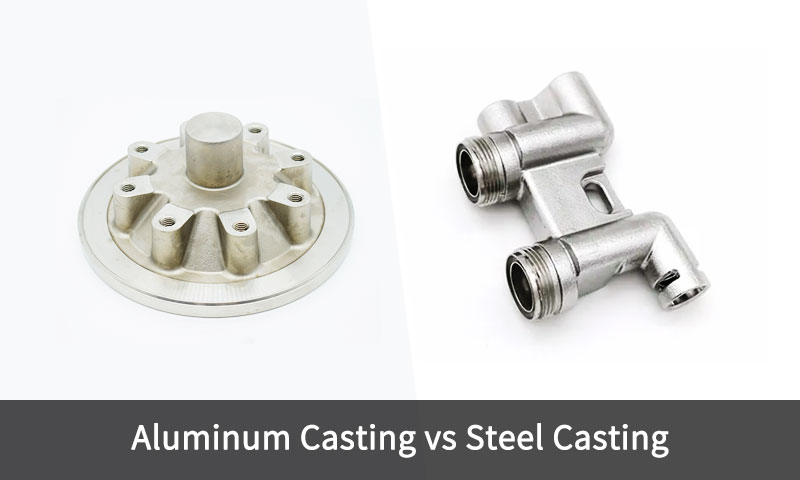
Ալյումինն ընդդեմ պողպատի ձուլման — այս երկու հիմնարար նյութերի միջև ընտրությունը ձևավորում է բաղադրիչի կատարումը, ծախսերը և արտադրական հնարավորությունները արդյունաբերության մեջ՝ ավտոմոբիլայինից մինչև էներգետիկ.
Այս համեմատությունը միայն մետաղների քիմիայի մասին չէ: այն ներառում է խտություն և կոշտություն, Mal երմային պահվածք, ձուլման գործընթացի համատեղելիությունը, երկրորդական վերամշակում (He երմամշակում, Մակերեւույթի ճարտարագիտություն), կյանքի ցիկլի արժեքը և կիրառման հատուկ հուսալիությունը.
Հետևաբար, ինժեներները և գնորդները պետք է գնահատեն ամբողջ համակարգը՝ բեռնումը, ջերմաստիճան, միջավայր, արտադրության ծավալը և ավարտի պահանջները՝ նախքան մետաղի և ձուլման երթուղին նշելը.
2. Նյութերի հիմնարար տարբերությունները ալյումինի և պողպատի միջև
Ալյումինի հիմքում ընդդեմ. պողպատի ձուլումը հիմնարար մետալուրգիական և ֆիզիկական հակադրություն է, որն ուղղակիորեն ազդում է, թե ինչպես է յուրաքանչյուր նյութ իրեն պահում ձուլման ընթացքում, վերամբարձ, եւ ծառայություն.
| Սեփականություն | Ալյումին (օր., Ալ-ես խառնուրդներ) | Պողպատե (օր., ածխածնային կամ ցածր լեգիրված պողպատներ) | Ինժեներական հետեւանքներ |
| Խտություն (գ / սմ) | 2.70 | 7.85 | Ալյումինը ~65%-ով ավելի թեթև է, առաջարկելով խոշոր քաշի խնայողություն տրանսպորտի և օդատիեզերական ոլորտում. |
| Հալման կետ (° C) | 615-660 | 1425– 1540 թ | Ալյումինի ցածր հալման կետը թույլ է տալիս ավելի հեշտ ձուլել և նվազեցնել էներգիայի սպառումը; պողպատը պահանջում է մասնագիտացված վառարաններ. |
| Mal երմային հաղորդունակություն (W / m · k) | 120-180 | 40-60 | Ալյումինը արդյունավետորեն ցրում է ջերմությունը՝ իդեալական շարժիչների համար, He երմափոխանակիչներ, և էլեկտրոնիկա. |
| Հատուկ ուժ (MPA/ρ) | ~ 100–150 | ~70–90 թթ | Չնայած ավելի ցածր բացարձակ ուժին, Ալյումինի ուժ-քաշ հարաբերակցությունը գերազանցում է պողպատին. |
| Էլաստիկ մոդուլ (Gpa) | 70 | 200 | Պողպատն ավելի կոշտ է, ապահովելով ավելի լավ կոշտություն բեռի և թրթռման տակ. |
Կոռոզիոն դիմադրություն |
Գերազանց (առաջացնում է Al2O3 շերտ) | Փոփոխական մեծություն; հակված է ժանգի առանց ծածկույթների | Ալյումինը բնականորեն դիմադրում է օքսիդացմանը, մինչդեռ պողպատը մակերեսային պաշտպանության կարիք ունի (նկար, ափսափակում, կամ խառնուրդ Cr/Ni-ով). |
| Մեքենայություններ | Գերազանց | Միջինից մինչև դժվար | Ալյումինի փափկությունը թույլ է տալիս հեշտ մշակել և ավելի կարճ ցիկլի ժամանակներ; պողպատը պահանջում է ավելի կոշտ գործիքավորում. |
| Վերամշակելիություն | >90% վերականգնվող | >90% վերականգնվող | Երկու նյութերն էլ շատ վերամշակելի են, չնայած ալյումինի վերահալման համար ավելի քիչ էներգիա է պահանջվում (5% առաջնային արտադրության). |
| Ձուլման նեղացում (%) | 1.3-1.6 | 2.0–2.6 | Պողպատն ավելի է փոքրանում պնդացման ժամանակ, պահանջելով ավելի մեծ նպաստներ և ավելի բարդ դարպասների/սնման համակարգեր. |
| Ծախս (Մոտավոր:, ԱՄՆ դոլար/կգ) | 2.0-3.0 | 0.8-1.5 | Ալյումինն ավելի թանկ է մեկ կիլոգրամի համար, բայց քաշի և վերամշակման խնայողությունները կարող են փոխհատուցել կյանքի ցիկլի ընդհանուր ծախսերը. |
3. Ինչ է ալյումինե ձուլումը?
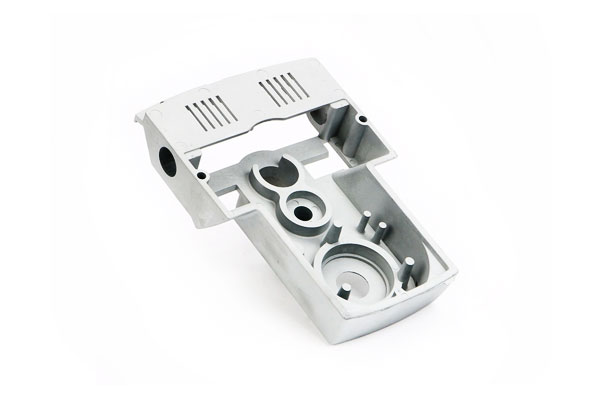
Ալյումին ձուլման հալած ալյումինի կամ ալյումինի համաձուլվածքների բարդ ձևավորման գործընթացն է, մոտ ցանցի ձևի բաղադրիչներ՝ օգտագործելով կաղապարներ.
Այն աշխարհում ամենաշատ օգտագործվող մետաղների ձուլման գործընթացներից մեկն է, որն ավելի շատ է 50% բոլոր գունավոր ձուլվածքներից- ալյումինի գերազանց ձուլման շնորհիվ, ցածր խտություն, եւ կոռոզիոն դիմադրություն.
Ակնարկ
Ալյումինե ձուլման մեջ, հալած ալյումին (սովորաբար միջեւ 680-750°C) լցվում կամ ներարկվում է կաղապարի խոռոչի մեջ, որտեղ այն ամրանում է ցանկալի երկրաչափության մեջ.
Ալյումինի ցածր հալման կետը և բարձր հեղուկությունը այն դարձնում են իդեալական երկուսի համար զանգվածային արտադրության մեթոդներ (ինչպես դիսքասթինգը) և Բարձր ճշգրտության դիմումներ (ինչպես ներդրումային քասթինգը).
Ալյումինե ձուլման հիմնական առանձնահատկությունները
- Թեթեւ եւ ուժեղ ամրության հարաբերակցություն:
Ալյումինե ձուլվածքներն առաջարկում են գերազանց մեխանիկական կատարում, երբ գտնվում են մոտակայքում մեկ երրորդը պողպատի քաշը. - Լավ կոռոզիոն դիմադրություն:
Բարակ, ինքնաբավ ալյումինի օքսիդի շերտ (Al₂o₃) պաշտպանում է օքսիդացումից և մթնոլորտային կամ ծովային կոռոզիայից. - Գերազանց ջերմային եւ էլեկտրական հաղորդունակություն:
Հարմար է այնպիսի ծրագրերի համար, ինչպիսիք են He երմափոխանակիչներ, տներ, և էլեկտրական բաղադրիչներ. - Վերամշակելիություն:
Ալյումինը կարող է անորոշ ժամանակով վերամշակվել առանց քայքայման, նվազեցնելով արտադրական էներգիան մինչև 95% առաջնային ձուլման համեմատ.
Ալյումինի ձուլման ընդհանուր գործընթացներ
| Ձուլման մեթոդ | Նկարագրություն | Բնորոշ ծրագրեր |
| Die Casting | Հալած ալյումինի բարձր ճնշման ներարկում պողպատե ձուլվածքների մեջ; ճշգրիտ զիջում է, Նիհար պատերով մասեր. | Ավտոմոբիլային մասեր (Gear տներ, Փակագծեր), Սպառողական էլեկտրոնիկա. |
| Ավազի ձուլում | Հալած մետաղը լցվում է ավազի կաղապարների մեջ; հարմար է ավելի մեծի համար, ավելի ցածր ծավալի մասեր. | Շարժիչի բլոկներ, բազմազան, օդատիեզերական կացարաններ. |
| Ներդրումների ձուլում | Կերամիկական կաղապարներ մոմի նախշերից; իդեալական է նուրբ մանրամասների և ամուր հանդուրժողականության համար. | Ավիատիեզերական տուրբինային բաղադրիչներ, Բժշկական սարքեր. |
| Մշտական բորբոս ձուլում | Կրկնակի օգտագործման մետաղական կաղապարներ; լավ մակերեսային հարդարում և ծավալային հսկողություն. | Մխոցներ, Անիվներ, եւ ծովային բաղադրիչներ. |
| Կենտրոնախույս ձուլում | Հալած մետաղը տարածելու համար օգտագործում է կենտրոնախույս ուժ; խիտ, Թերի անվճար կառուցվածքը. | Խողովակներ, թեւեր, և մատանիներ. |
Ալյումինե ձուլման առավելությունները
- Թեթեւակի: Նվազեցնում է բաղադրիչի քաշը 30-50% vs. պողպատ, վառելիքի արդյունավետության բարձրացում (ավտոմոբիլային) կամ ծանրաբեռնվածության հզորությունը (օդատիեզերական).
- Էներգաարդյունավետություն: Ալյումինի հալեցումը պահանջում է 60-70% պակաս էներգիա քան պողպատե (570° c vs. 1420° C), նվազեցնելով վերամշակման ծախսերը 20-30%.
- Կոռոզիոն դիմադրություն: Վերացնում է ծածկույթների անհրաժեշտությունը (օր., նկարել, գալանվող) Շատ միջավայրում, նվազեցնելով պահպանման ծախսերը 40-50%.
- Բարձր ծավալի կենսունակություն: Ձուլումը հնարավորություն է տալիս արտադրել 1000+ մասեր/օր մեկ մեքենայի համար, սպառողական ապրանքների պահանջարկի բավարարում.
Ալյումինե ձուլման թերությունները
- Ավելի ցածր ուժ: Առաձգական ուժ (150-400 MPA) 50–70%-ով ցածր է բարձր ամրության պողպատից, սահմանափակելով օգտագործումը ծանրաբեռնված ծրագրերում.
- Վատ բարձր ջերմաստիճանի կատարում: Պահպանում է միայն 50% սենյակային ջերմաստիճանի ուժը 250°C-ում, դարձնելով այն ոչ պիտանի շարժիչի արտանետման կամ էլեկտրակայանի բաղադրիչների համար.
- Ծակոտկենության ռիսկ: Ձուլված ալյումինը հակված է գազի ծակոտկենության (բարձր ճնշման ներարկումից), սահմանափակելով ջերմային բուժման տարբերակները (օր., T6 խառնվածքը պահանջում է վակուումային մշակում).
- Հումքի ավելի բարձր արժեք: Առաջնային ալյումինի ծախսերը $2,500– $3,500/տոննա, 2-3 անգամ ավելի, քան ածխածնային պողպատից.
Ալյումինի ձուլման արդյունաբերական կիրառությունները
Ալյումինի ձուլումը լայնորեն օգտագործվում է բազմաթիվ արդյունաբերություններում՝ շնորհիվ իր համակցության Թեթեւ դիզայն, մեքենայություններ, եւ կոռոզիոն դիմադրություն:
- Ավտոմոբիլային: Շարժիչի բլոկներ, Փոխանցման տներ, Անիվներ, և կախովի զենքեր.
- Օդատիենտ: Փակագծեր, Կառուցվածքային կցամասեր, Կոմպրեսորային տներ.
- Էլեկտրոնիկա: Ջերմային լվացարաններ, Շարժիչային տներ, պարիսպներ.
- Սպառողական ապրանքներ: Սարք, Էլեկտրական գործիքներ, Կահույքի ապարատ.
- Ծովային և վերականգնվող էներգիա: Մեքենաներ, տներ, եւ տուրբինային շեղբեր.
4. Ինչ է պողպատե ձուլումը?
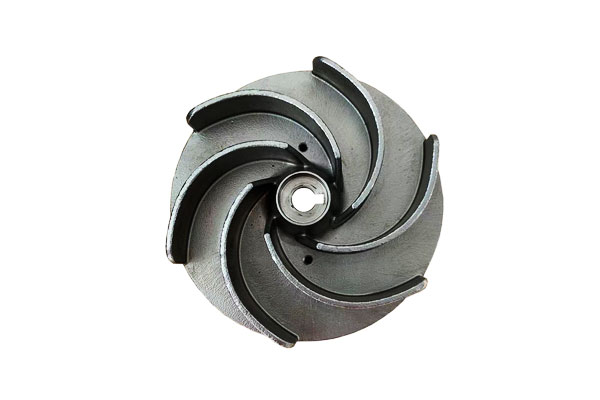
Պողպատե ձուլում Հալած պողպատը կաղապարի մեջ լցնելու գործընթացն է՝ բարդույթ ստանալու համար, բարձր ամրության բաղադրիչներ, որոնք չեն կարող հեշտությամբ պատրաստվել կամ կեղծվել.
Ի տարբերություն ալյումինի, պողպատն ունի ա Ավելի բարձր հալման կետ (≈ 1450–1530°C) և ավելի մեծ առաձգական ուժ, Այն իդեալական դարձնելով կրող և բարձր ջերմաստիճանի կիրառություններ ինչպիսիք են մեքենաները, ենթակառուցվածքը, եւ էլեկտրաէներգիայի սերունդ.
Ակնարկ
Պողպատե ձուլման մեջ, զգուշորեն համաձուլված հալված պողպատը լցվում է ծախսվող ցանկացած նյութի մեջ (ավազ, ներդրում) կամ մշտական կաղապարներ, որտեղ այն ամրանում է վերջնական մասին մոտ ձևով.
Քանի որ պողպատը զգալիորեն փոքրանում է սառչելուց հետո, ճշգրիտ ջերմաստիճանի վերահսկում, Gating դիզայն, և ամրացման մոդելավորում կրիտիկական են.
Պողպատե ձուլվածքները հայտնի են իրենց Մեխանիկական կայունություն, Ազդեցության դիմադրություն, եւ կառուցվածքային ամբողջականությունը, հատկապես ծանր սպասարկման պայմաններում.
Պողպատե ձուլման հիմնական առանձնահատկությունները
- Բացառիկ ուժ և ամրություն:
Եկամտաբերության ուժերը հաճախ գերազանցում են 350 MPA, Ջերմային մշակված համաձուլվածքներով, որոնք հասնում են վերևից 1000 MPA. - Բարձր ջերմաստիճանի հնարավորություն:
Պահպանում է ուժ և օքսիդացման դիմադրություն մինչև 600-800°C, կախված կազմից. - Բազմակողմանի խառնուրդի ընտրություն:
Ներառում է ածխածնային պողպատ, Low ածր խառնուրդային պողպատ, Չժանգոտվող պողպատներ, և բարձր մանգանային պողպատներ, յուրաքանչյուրը հարմարեցված է հատուկ միջավայրի համար. - Եռակցելիություն եւ մեքենայականություն:
Ձուլված պողպատները կարող են հետմշակվել արդյունավետորեն՝ հաստոցներով, եռացած, և ջերմային մշակվել՝ արդյունավետությունը բարձրացնելու համար.
Պողպատի ձուլման ընդհանուր գործընթացներ
| Ձուլման մեթոդ | Նկարագրություն | Բնորոշ ծրագրեր |
| Ավազի ձուլում | Հալած պողպատը լցվում է խճճված ավազի կաղապարների մեջ; Հիանալի է մեծի համար, Համալիր մասեր. | Փական մարմիններ, պոմպի պատյաններ, մեքենաների պատյաններ. |
| Ներդրումների ձուլում | Կերամիկական կաղապարներ, որոնք ձևավորվել են մոմի նախշերից; տալիս է գերազանց ճշգրտություն և մակերեսային հարդարում. | Տուրբինային շեղբեր, Վիրաբուժական գործիքներ, Ավիատիեզերական մասեր. |
| Կենտրոնախույս ձուլում | Պտտման ուժը հավասարաչափ բաշխում է հալած պողպատը; արտադրում է խիտ գլանաձեւ բաղադրիչներ. | Խողովակներ, ծածկոցներ, կրող ցեղեր. |
| Shell բորբոս ձուլում | Օգտագործում է բարակ խեժով պատված ավազի կաղապարներ; թույլ է տալիս ավելի բարձր ճշգրտություն և հարթ մակերեսներ. | Փոքր շարժիչի մասեր, Փակագծեր. |
| Շարունակական ձուլում | Կիսաֆաբրիկատ պողպատե արտադրանքների համար, ինչպիսիք են սալերը և սալերը. | Հումք գլանման և դարբնագործության համար. |
Պողպատե ձուլման առավելությունները
- Բարձրագույն ուժ & Կոշտություն: Առաձգական ուժ (մինչեւ 1500 MPA) և ազդեցության ամրությունը (40– 100 Ջ) դարձնել այն անփոխարինելի կառուցվածքային անվտանգության համար (օր., Կամուրջների բաղադրիչներ, Ավտոմոբիլային շասս).
- Բարձր ջերմաստիճանի կատարում: Հուսալիորեն աշխատում է 400-600 ° C (vs. ալյումինի 250°C սահմանաչափ), հարմար է ռեակտիվ շարժիչների պատյանների և էլեկտրակայանների կաթսաների համար.
- Հումքի ցածր արժեքը: Ածխածնային պողպատի ծախսերը $800– $1200/տոննա, 60-70% պակաս, քան առաջնային ալյումինը.
- Հագուստի դիմադրություն: Ջերմային մշակված պողպատ (օր., 4140) ունի մակերեսային կարծրություն մինչև 500 Ժապավենի, նվազեցնելով փոխարինման հաճախականությունը հղկող կիրառություններում 50-70%.
Պողպատե ձուլման թերությունները
- Բարձր քաշ: Ալյումինի 2,7 անգամ խտությունը մեծացնում է վառելիքի սպառումը (ավտոմոբիլային) կամ կառուցվածքային ծանրաբեռնվածություն (շենքեր).
- Բարձր էներգիայի օգտագործում: Պողպատի հալեցումը պահանջում է 25– 30 ՄՎտժ/տ (vs. 5– 7 ՄՎտժ/տոննա ալյումինի համար), վերամշակման ծախսերի ավելացում 40-50%.
- Կոռոզիայի զգայունություն: Ածխածնային պողպատը ժանգոտում է խոնավ միջավայրում (Կոռոզիայի տոկոսադրույքը: 0.5-1.0 մմ / տարի աղի ցողում), ծածկույթներ պահանջող (օր., գալանվող) որ ավելացնում են $1.5– $2,5/կգ ծախսերին.
- Վատ մեքենայություն: Կոշտությունը պահանջում է մասնագիտացված գործիքներ, Մեքենաների ավելացում ժամանակի կողմից 30-50% vs. ալյումին.
Պողպատե ձուլման արդյունաբերական կիրառություններ
Պողպատե ձուլվածքները գերակշռում են պահանջարկ ունեցող արդյունաբերության մեջ ուժ, ամրություն, եւ ջերմային դիմադրություն:
- Շինարարություն & Հանքագործ: Էքսկավատորի ատամները, Crusher մասեր, հետևել հղումներին.
- Էներգիա & Էլեկտրաէներգիայի սերունդ: Գոլորշի տուրբինի պատյաններ, Փական մարմիններ, Միջուկային բաղադրիչներ.
- Յուղել & Գազ: Հորատման գլուխներ, խողովակաշարի փականներ, բազմազան.
- Տրանսպորտ: Գնացքների կցորդիչներ, Gear տներ, ծանր շարժիչի բլոկներ.
- Օդատիենտ & Պաշտպանություն: Landing Gear, Կառուցվածքային կցամասեր, զրահի բաղադրիչներ.
5. Համապարփակ համեմատություն: Ալյումինն ընդդեմ պողպատի ձուլման
Գործընթացի համապատասխանությունը և մասի երկրաչափությունը
- Նիհար, համալիր, Բարձր ծավալի մասեր: ալյումինե ձուլումը օպտիմալ է (HPDC).
- Մեծ, ծանր, կրող մասեր: պողպատ / գնդաձև գրաֆիտ (Դքսություններ) Նախընտրելի են երկաթը և չուգուն պողպատները ավազի ձուլման միջոցով.
- Միջին ծավալ՝ ամբողջականության բարձր պահանջներով: ցածր ճնշման ալյումինե կամ ներդրումային ձուլման պողպատներ՝ կախված ամրության կարիքներից.
Մեխանիկական կատարում & հետամշակման
- He երմամշակում: ձուլածո պողպատը կարող է մարվել & կոփված է բարձր ամրություն և ամրություն ստանալու համար; ալյումինե համաձուլվածքներն ունեն տարիքային կարծրացման ուղիներ, բայց հասնում են ավելի ցածր առավելագույն ամրության.
- Մակերեւութային ճարտարագիտություն: ալյումինը հեշտությամբ անոդացվում է; պողպատը կարող է ազոտվել, կարբուրացված, ինդուկցիա կարծրացած կամ պատված կոշտ նյութերով (Կերամիկա, կոշտ քրոմ).
ՔԱՂԱՔՆԵՐ (բնորոշ նկատառումներ)
- Նյութի արժեքը մեկ կգ-ի համար: ալյումինի հումքի մետաղը հակված է ավելի բարձր գների մեկ կգ-ի համար, քան սեւ ջարդոնը/պողպատը, բայց մասի զանգվածը նվազեցնում է պահանջվող քանակությունը.
- Գործիքավորում: ձուլման ձուլվածքները թանկ են (բարձր նախնական ամորտիզացիա) բայց մեկ մասի ցածր արժեքը ծավալներով >10k–100k; Ավազի գործիքավորումն էժան է, բայց մեկ մասի համար ավելի բարձր աշխատուժ.
- Վերամբարձ: ալյումինե մեքենաներ ավելի արագ (հեռացման ավելի բարձր տեմպեր), գործիքի ցածր մաշվածություն; պողպատը պահանջում է ավելի կոշտ գործիքավորում և մշակման ավելի շատ ժամանակ՝ բարձրացնում է ընդհանուր արժեքը հատկապես փոքր խմբաքանակների համար.
ԱՐՏԱԴՐՈՒՄ & թերության ռեժիմներ
- Ծակոտկենություն: HPDC ալյումինը կարող է զարգացնել գազի և նեղացման ծակոտկենություն; մշտական կաղապարը և ցածր ճնշումը նվազեցնում են ծակոտկենությունը.
Պողպատե ձուլվածքները կարող են տուժել ընդգրկումներից և տարանջատումից; վերահսկվող հալեցումը և հետ-HT-ն նվազեցնում են թերությունները. - Ծավալային հսկողություն: ձուլածո ալյումինը հասնում է ամուր հանդուրժողականության (± 0,1-0.3 մմ); ավազով ձուլված պողպատի թույլատրելիությունը ավելի թույլ է (±0,5–2 մմ) առանց հետմշակման.
Բնապահպանական & կյանքի ցիկլը
- Վերամշակում: երկու մետաղներն էլ շատ վերամշակելի են. Վերամշակված ալյումինը օգտագործում է փոքր մասնաբաժին (~5–10%) առաջնային հալման էներգիայի մասին; վերամշակված պողպատը նույնպես ունի էներգիայի մեծ խնայողություն՝ համեմատած կուսական երկաթի հետ.
- Օգտագործման փուլ: Թեթև ալյումինը կարող է նվազեցնել վառելիքի սպառումը տրանսպորտային միջոցներում՝ համակարգային մակարդակով բնապահպանական օգուտ.
Սեղան: Ալյումինն ընդդեմ պողպատի ձուլման. Հիմնական տեխնիկական համեմատություն
| Կատեգորիա | Ալյումինե ձուլում | Պողպատե ձուլում |
| Խտություն (գ / սմ) | ~ 2,70 | ~ 7,80 |
| Հալման կետ (° C / ° f) | 660° C / 1220° f | 1450-1530°C / 2640–2790°F |
| Ուժ (Առաձգական / Զիջել, MPA) | 130-350 / 70-250 (որպես-դերասան); մինչեւ 500 Heat երմամշակից հետո | 400-1200 / 250-1000 (Կախված դասարանից եւ ջերմային բուժումից) |
| Կարծրություն (Ժապավենի) | 30-120 | 120-400 |
| Էլաստիկ մոդուլ (Gpa) | 70 | 200 |
| Mal երմային հաղորդունակություն (W / m · k) | 150-230 | 25-60 |
| Էլեկտրական հաղորդունակություն (% IACS) | 35-60 | 3-10 |
| Կոռոզիոն դիմադրություն | Գերազանց (Բնական օքսիդի շերտ) | Փոփոխական — պահանջում է համաձուլում (Խուզարկու, Մեջ, Ժամանակ) կամ ծածկույթ |
| Օքսիդացման դիմադրություն (Բարձր ջերմաստիճան) | Սահմանափակ (<250° C) | Լավ է գերազանց (որոշ համաձուլվածքների համար մինչև 800°C) |
| Մեքենայություններ | Գերազանց (փափուկ, հեշտ է կտրել) | Չափավոր եւ աղքատ (դժվար, հղկող) |
| Ամրություն (Հեղուկություն & Նեղացում) | Բարձր հեղուկություն, ցածր նեղացում | Ավելի ցածր հեղուկություն, ավելի բարձր կծկում — անհրաժեշտ է ճշգրիտ փակում |
| Քաշի առավելություն | ~65% ավելի թեթև, քան պողպատը | Ծանր — հարմար է կառուցվածքային բեռների համար |
Մակերեւույթի ավարտը |
Հարթել, լավ մանրամասների վերարտադրություն | Ավելի կոպիտ մակերեսներ; կարող է անհրաժեշտ լինել հաստոցներ կամ կրակոցային պայթեցում |
| Ջերմային բուժման ճկունություն | Գերազանց (T6, T7 բնավորություն) | Լայն (անողորմ, մարսած, մեռած, նորմալացնող) |
| Վերամշակելիություն | >90% արդյունավետորեն վերամշակված | >90% վերամշակելի, բայց պահանջում է ավելի բարձր հալման էներգիա |
| Արտադրության արժեքը | Ավելի ցածր էներգիա, Ավելի արագ ցիկլի ժամանակներ | Ավելի բարձր հալման արժեք և գործիքի մաշվածություն |
| Բնորոշ հանդուրժողականություններ (մմ) | ±0.25-ից ±0.5 (Die Casting); ±1.0 (Ավազի ձուլում) | ±0,5–1,5՝ կախված գործընթացից |
| Բնապահպանական հետք | Ցածր (հատկապես վերամշակված ալյումին) | Ավելի բարձր CO₂ և էներգիայի հետք՝ բարձր հալման կետի պատճառով |
| Բնորոշ ծրագրեր | Ավտոմոբիլային անիվներ, տներ, Ավիատիեզերական մասեր, սպառողական ապրանքներ | Փականներ, տուրբիններ, Ծանր տեխնիկա, Կառուցվածքային բաղադրիչներ |
6. Եզրափակում
Ալյումինի և պողպատի ձուլվածքները լուծում են տարբեր ինժեներական խնդիրներ.
Ալյումինը գերազանցում է որտեղ Թեթեւ քաշ, Mal երմային հաղորդունակություն, մակերեսի որակը և արտադրության բարձր տեմպերը գործ.
Պողպատե (և չուգուն) տիրել որտեղ Բարձր ուժ, թանձրություն, Հագուստի դիմադրություն, ամրություն և բարձր ջերմաստիճանի կատարում պահանջվում են.
Նյութերի ընտրության լավ հավասարակշռություն ֆունկցիոնալ պահանջներ, ծախս (ընդհանուր կյանքի ցիկլը), արտադրողականություն և հարդարում.
Շատ ժամանակակից ձևավորումներում հայտնվում են հիբրիդային լուծումներ (պողպատե ներդիրներ ալյումինե ձուլվածքներում, ծածկված կամ բիմետալիկ բաղադրիչներ) օգտագործել երկու մետաղների ամրությունները.
ՀՏՀ
Որն ավելի ուժեղ է: ձուլածո ալյումին կամ ձուլածո պողպատ?
Ձուլված պողպատը զգալիորեն ավելի ամուր է. A216 WCB պողպատն ունի առաձգական ուժ 485 MPA, 67% բարձր A356-T6 ալյումինից (290 MPA).
Պողպատը նաև ունի շատ ավելի մեծ ամրություն և մաշվածության դիմադրություն.
Կարող է ձուլել ալյումինը փոխարինել ձուլածո պողպատը?
Միայն այն ծրագրերում, որտեղ քաշի նվազեցումը առաջնահերթ է ուժի փոխարեն (օր., ավտոմոբիլային ոչ կառուցվածքային մասեր).
Պողպատը անփոխարինելի է բարձր բեռնվածության համար, բարձր ջերմաստիճանի բաղադրիչներ (օր., Տուրբինային պատյաններ).
Որն ավելի դիմացկուն է կոռոզիայից: ձուլածո ալյումին կամ ձուլածո պողպատ?
Ձուլված ալյումինն ավելի դիմացկուն է կոռոզիայից շատ միջավայրերում (Կոռոզիայի տոկոսադրույքը <0.1 մմ / տարի) vs. Ածխածնի պողպատ (0.5-1.0 մմ / տարի).
Չժանգոտվող պողպատից ձուլվածքները համապատասխանում են ալյումինի կոռոզիոն դիմադրությանը, սակայն արժեն 2–3 անգամ ավելի.
Որ ձուլման գործընթացը լավագույնն է ալյումինի համար ընդդեմ. պողպատ?
Ալյումինը իդեալական է ձուլման համար (բարձրորակ) և ավազի ձուլում (ցածր գնով).
Պողպատը լավագույնն է ավազի ձուլման համար (Խոշոր մասեր) եւ ներդրումների ձուլում (համալիր, բարձր հանդուրժողականության բաղադրիչներ). Պողպատի համար ձուլումը հազվադեպ է օգտագործվում.